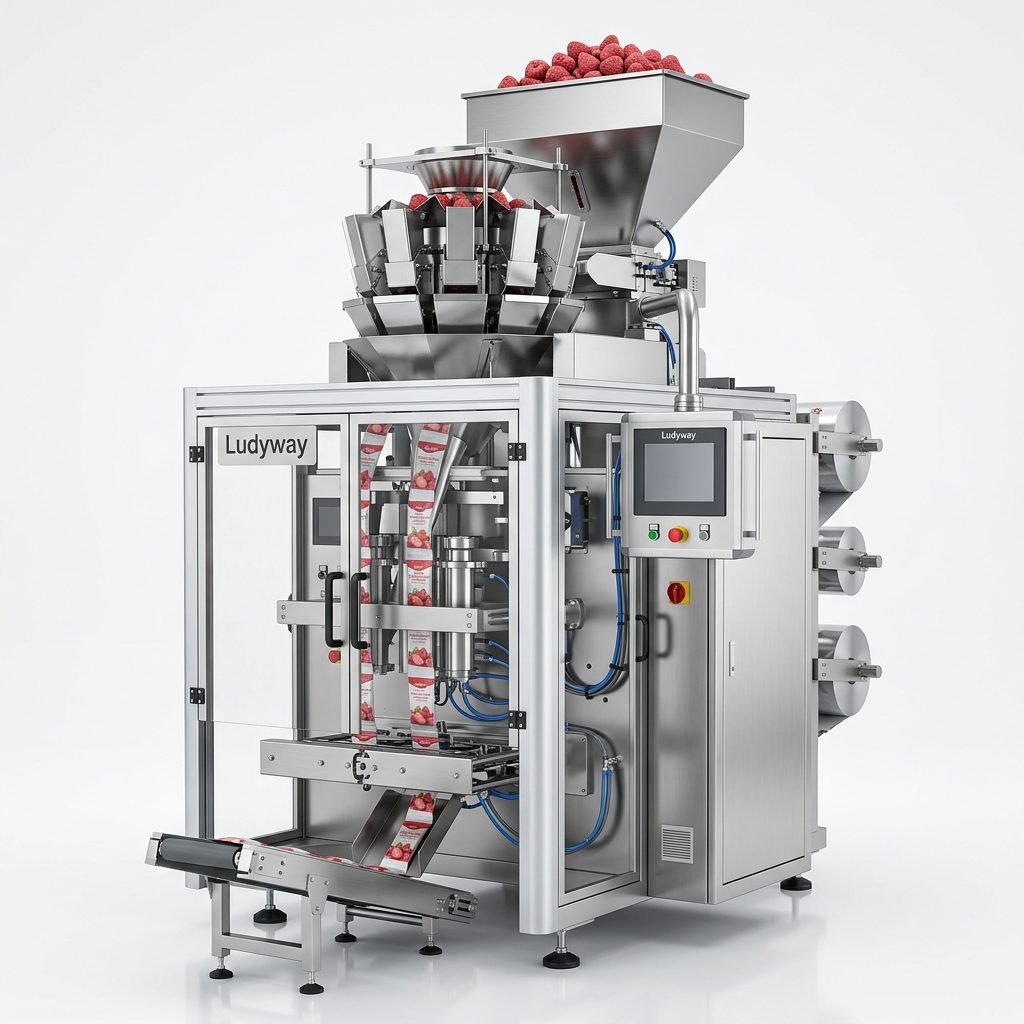
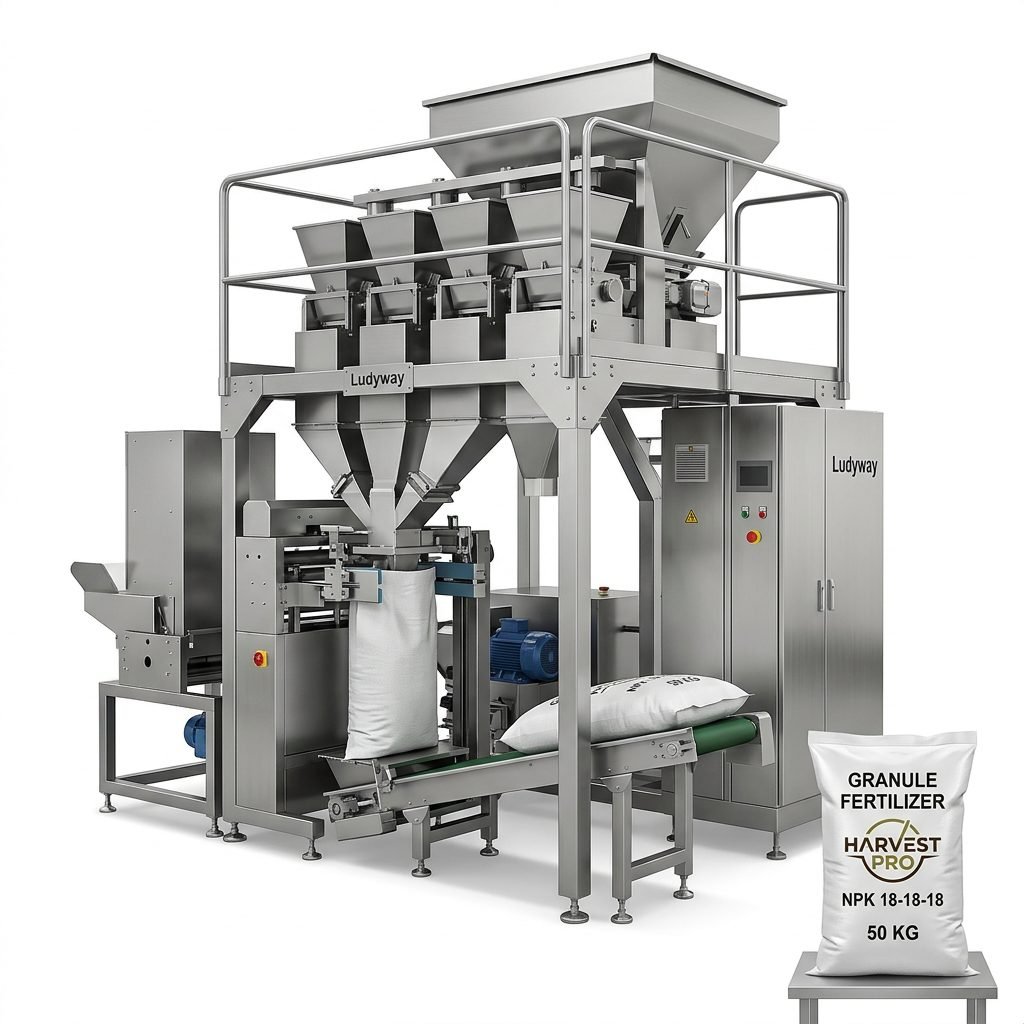
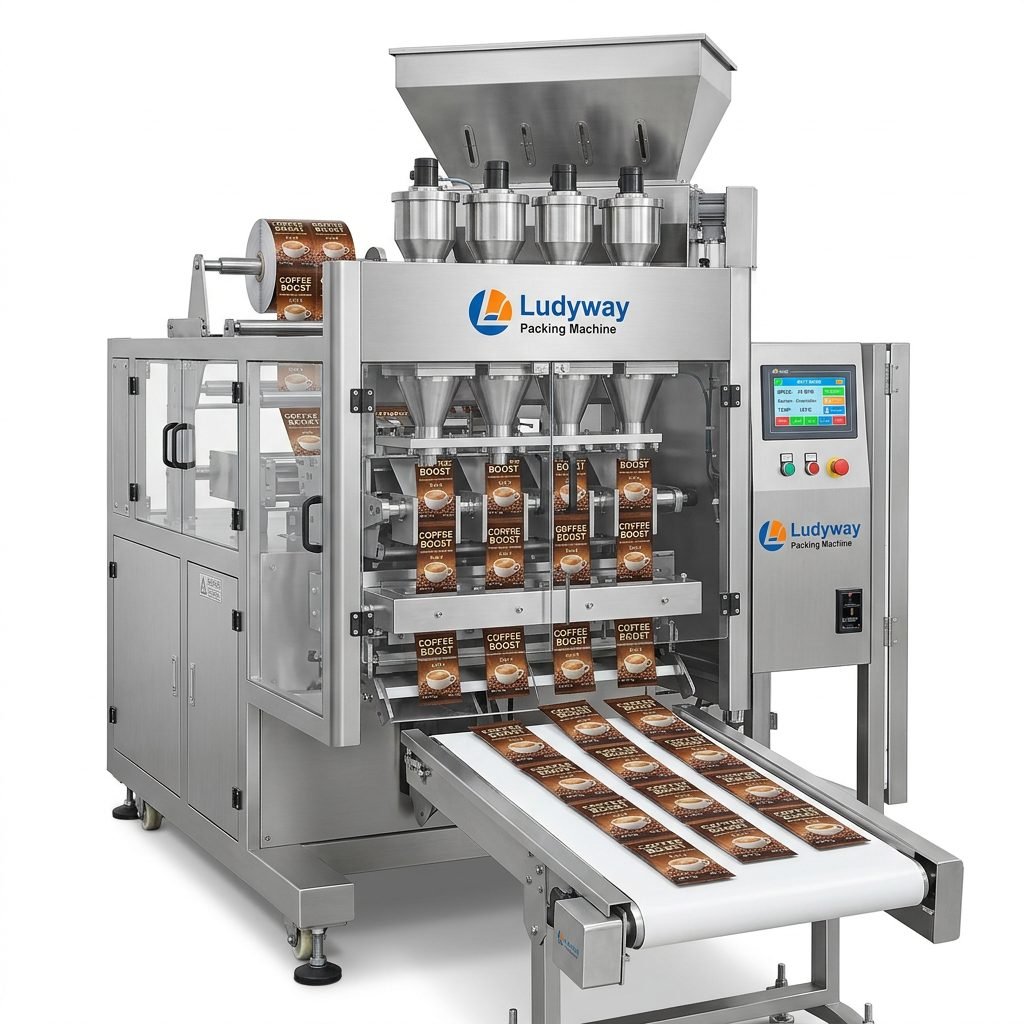
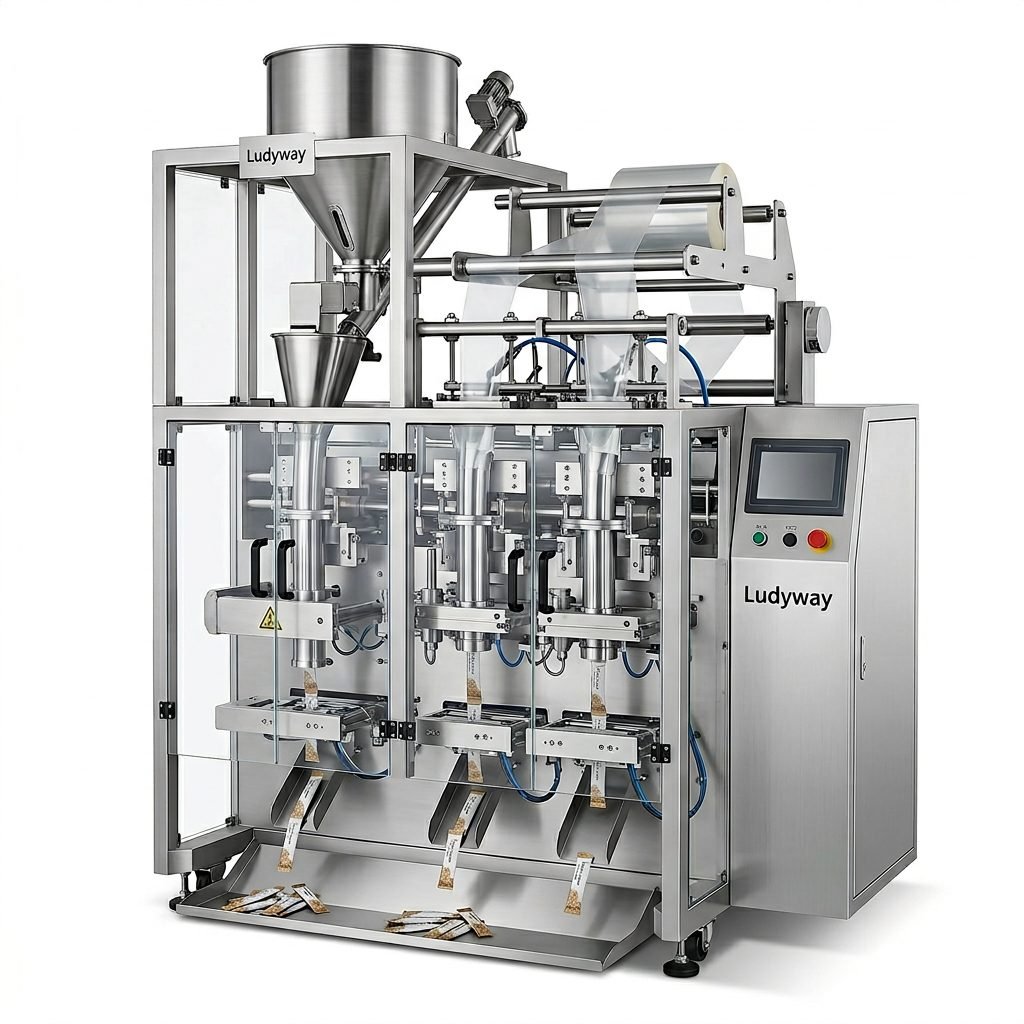
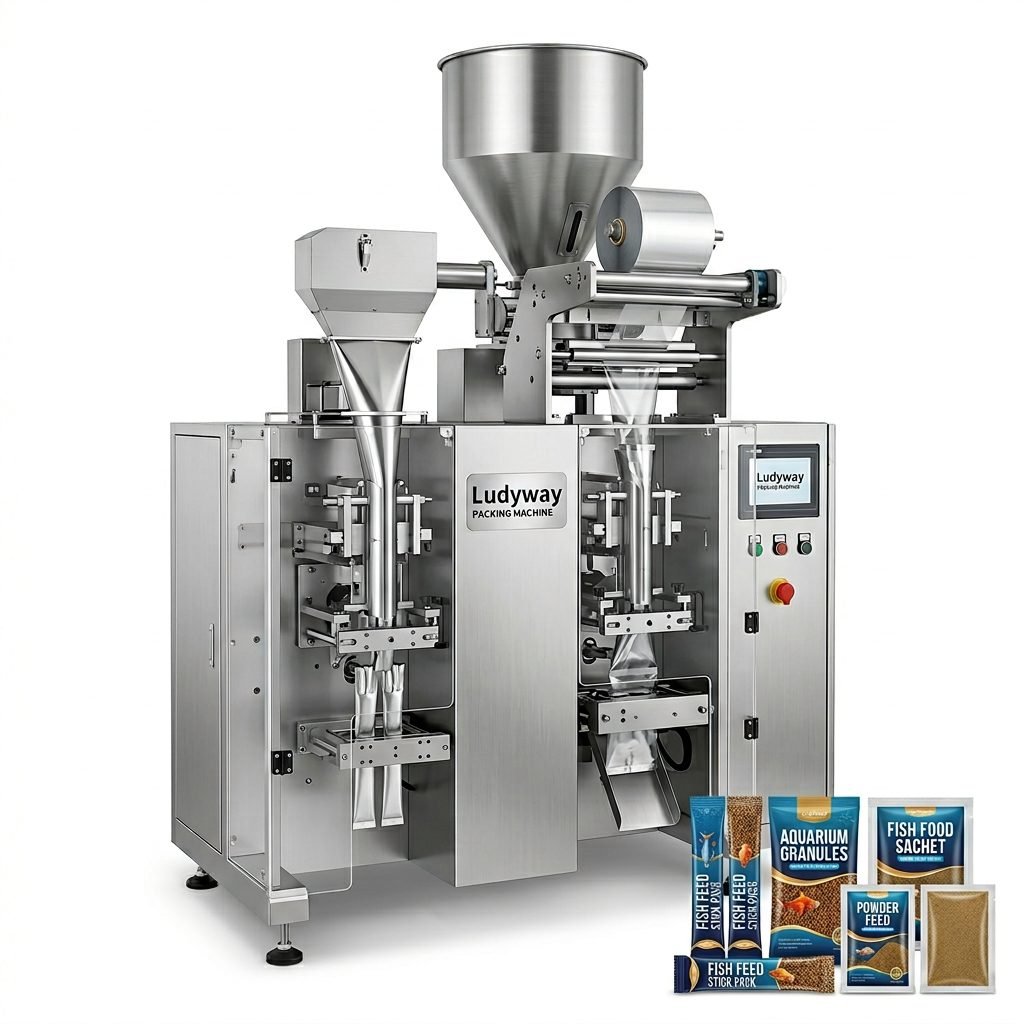
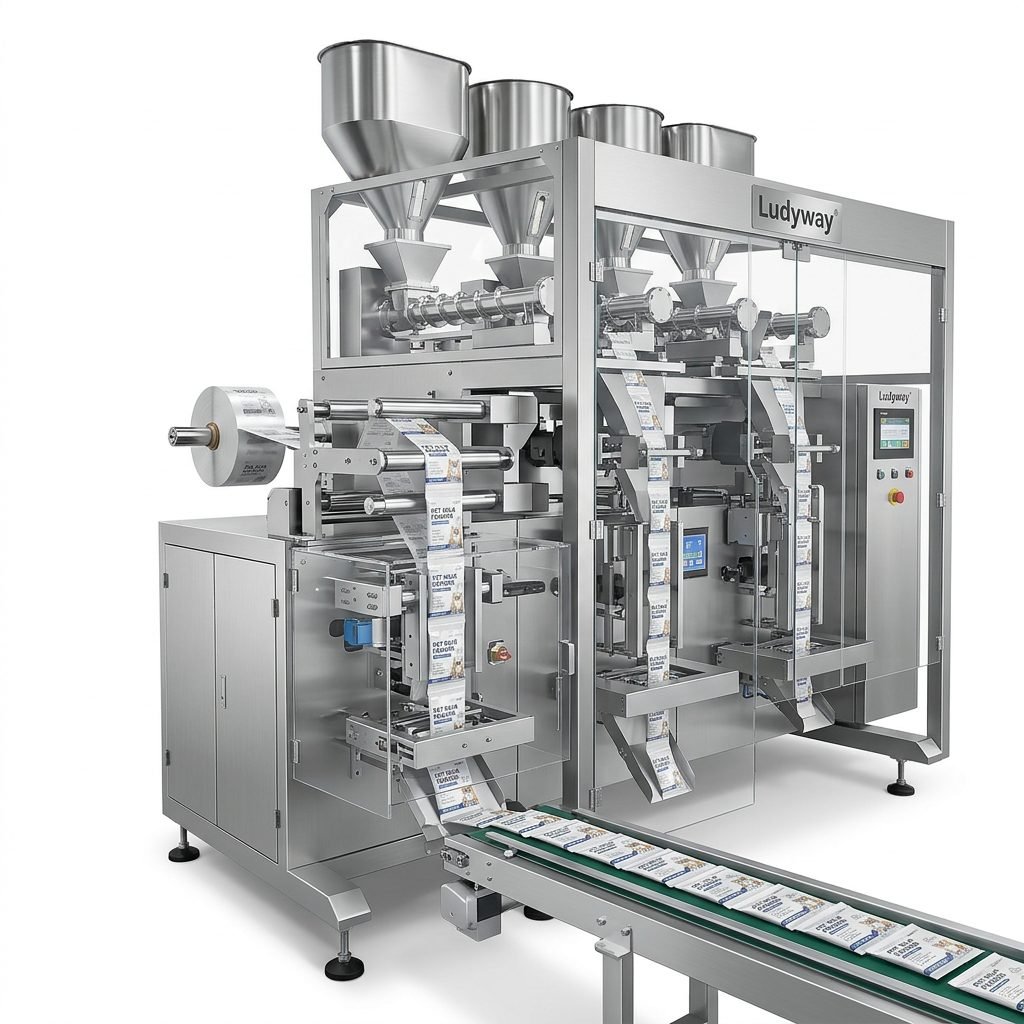
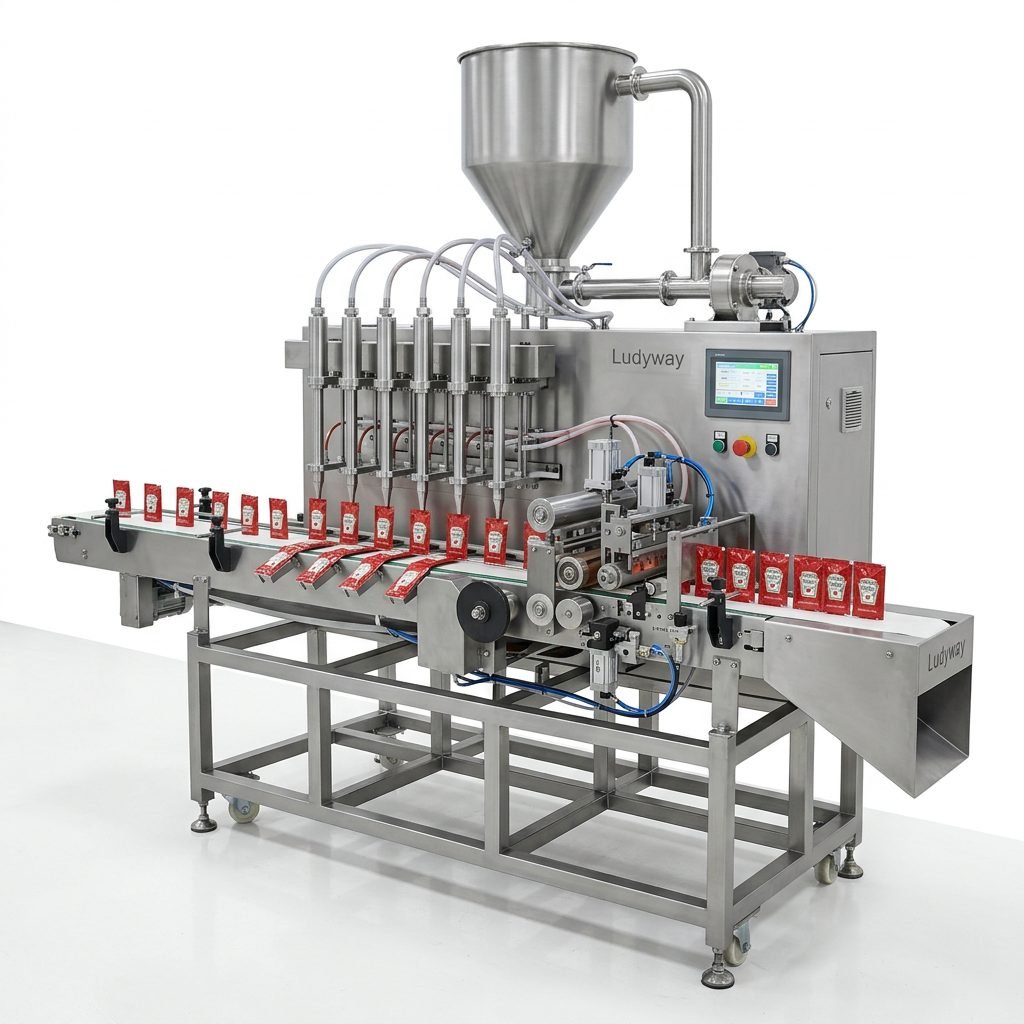
In the competitive spice industry, packaging quality directly impacts product freshness, shelf appeal, and consumer trust. Whether you are packing turmeric powder, chili granules, curry blends, or mixed seasonings, achieving consistent fill weights, airtight seals, and high throughput is essential for profitability. Spice products present unique challenges — from fine powders that generate dust to coarse granules that require gentle handling. This is where advanced spice packaging machines make a decisive difference.
Key Challenges in Spice Packaging
Spice manufacturers face several operational hurdles that demand specialized equipment solutions:
- Powder dust control — Fine spices like turmeric and cinnamon create airborne particles that affect machinery and workspace safety
- Product density variation — Different spices have vastly different bulk densities, requiring precise auger or volumetric filling adjustments
- Aroma preservation — Volatile oils in spices like cumin and cardamom demand hermetic sealing technologies to lock in freshness
- Multi-format demand — Market requirements span sachets, stick packs, pouches, and bulk bags across retail and food service channels
- High-speed production targets — Meeting supermarket and export order volumes without compromising accuracy
Advantages of Multi-Lane Spice Packaging Systems
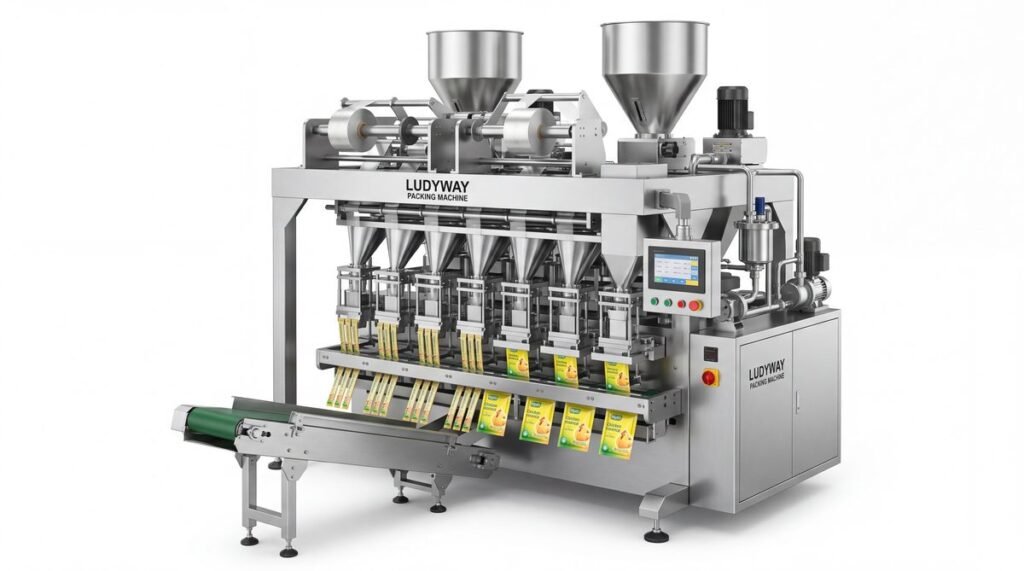
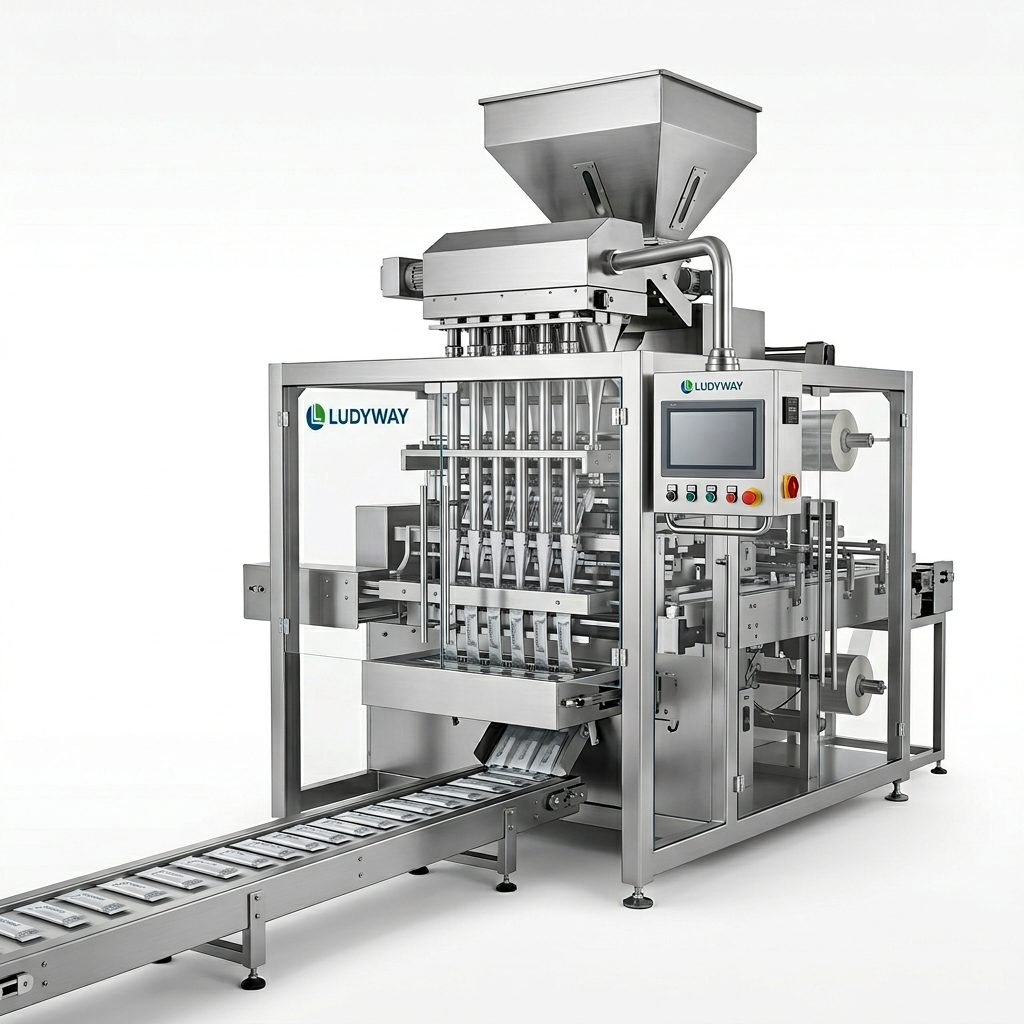
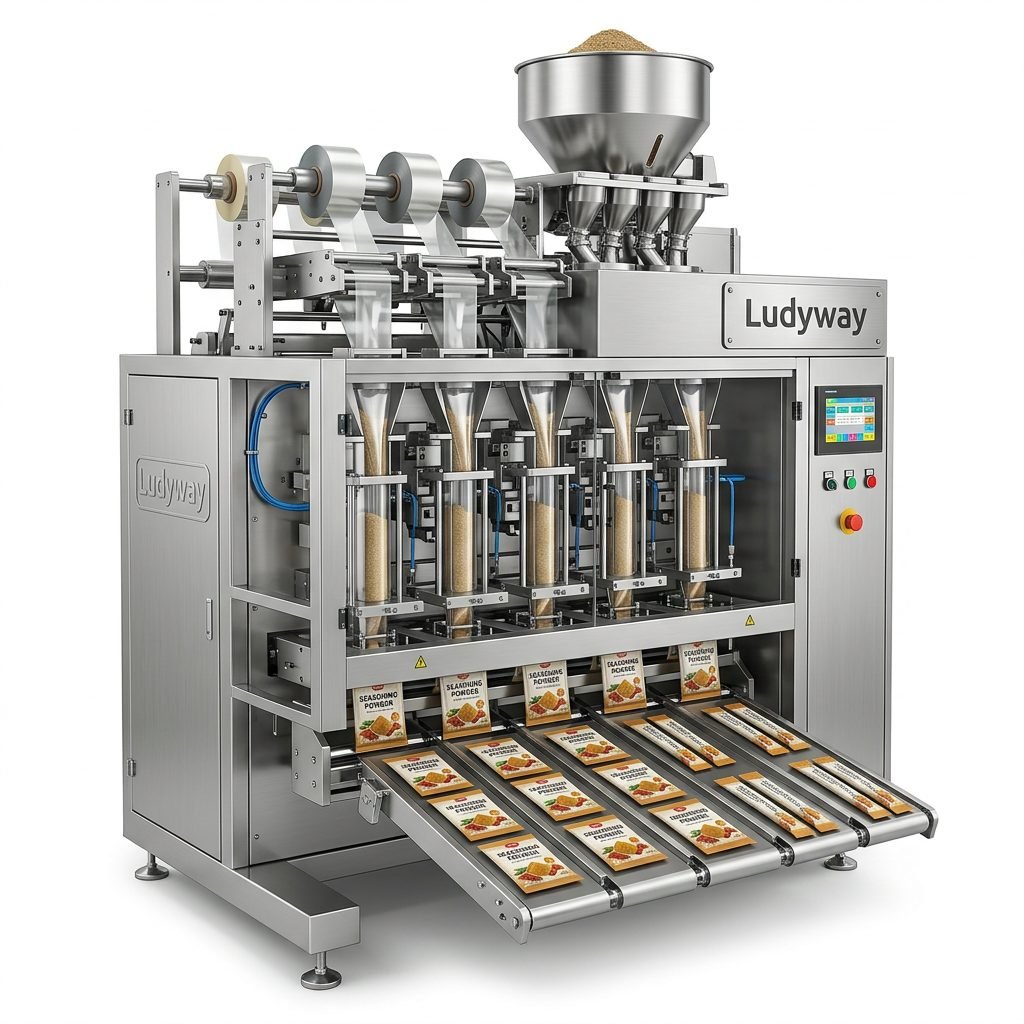
Modern multi-lane packaging machines have transformed spice production lines. Unlike single-lane equipment, these systems run multiple lanes simultaneously — typically 4 to 12 lanes — dramatically increasing output while maintaining individual lane accuracy. This configuration is ideal for high-volume spice brands serving global markets.
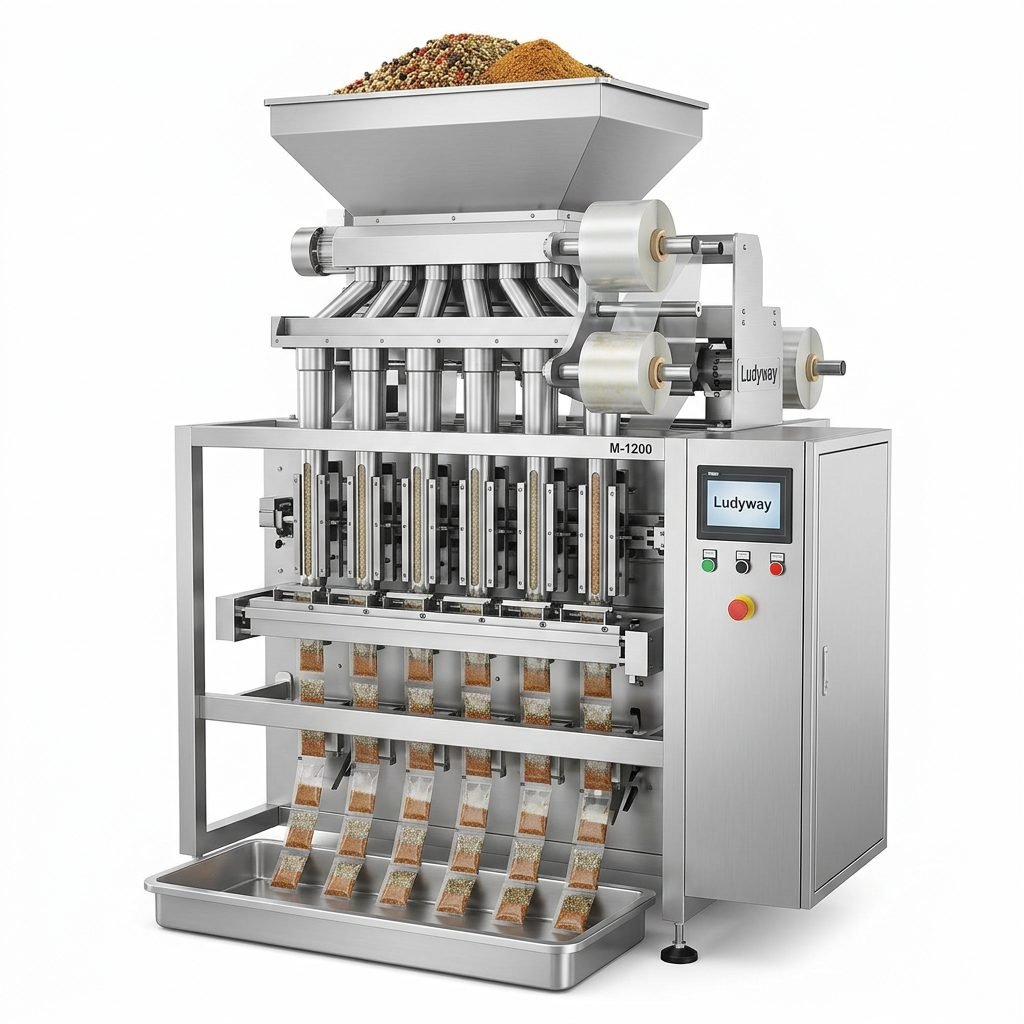
Spice Type vs. Recommended Packaging Solution
| Spice Category | Product Form | Recommended Machine Type | Typical Output Range |
|---|---|---|---|
| Turmeric, Cinnamon, Ginger | Fine Powder | Multi-lane auger filler with dust extraction | 40–80 packs/min per lane |
| Chili Flakes, Oregano, Thyme | Leaf/Granule | Volumetric cup filler with gentle handling | 35–70 packs/min per lane |
| Curry Powder, Garam Masala | Blended Powder | Multi-head weigher with nitrogen flushing | 50–100 packs/min per lane |
| Pepper, Cumin, Coriander Seeds | Whole/Granule | Gravity-fed multi-lane VFFS system | 30–65 packs/min per lane |
| Seasoning Blends, Salt Mixes | Granule-Powder Mix | Combination weigher with sachet/stick pack | 45–90 packs/min per lane |
Efficiency Benefits That Impact Your Bottom Line
Investing in the right spice packaging machinery delivers measurable returns across multiple operational dimensions:
- Reduced product giveaway — Precision filling minimizes overfill, saving kilograms of valuable spice per production run
- Lower labor costs — Automated packaging lines reduce manual intervention by up to 70% compared to semi-automatic setups
- Faster changeovers — Tool-less adjustments allow switching between spice varieties and pack formats in under 15 minutes
- Extended shelf life — Nitrogen flushing and hermetic sealing preserve volatile aroma compounds for months longer than conventional methods
- Reduced downtime — robust stainless steel construction and intelligent diagnostics keep production running with minimal interruptions
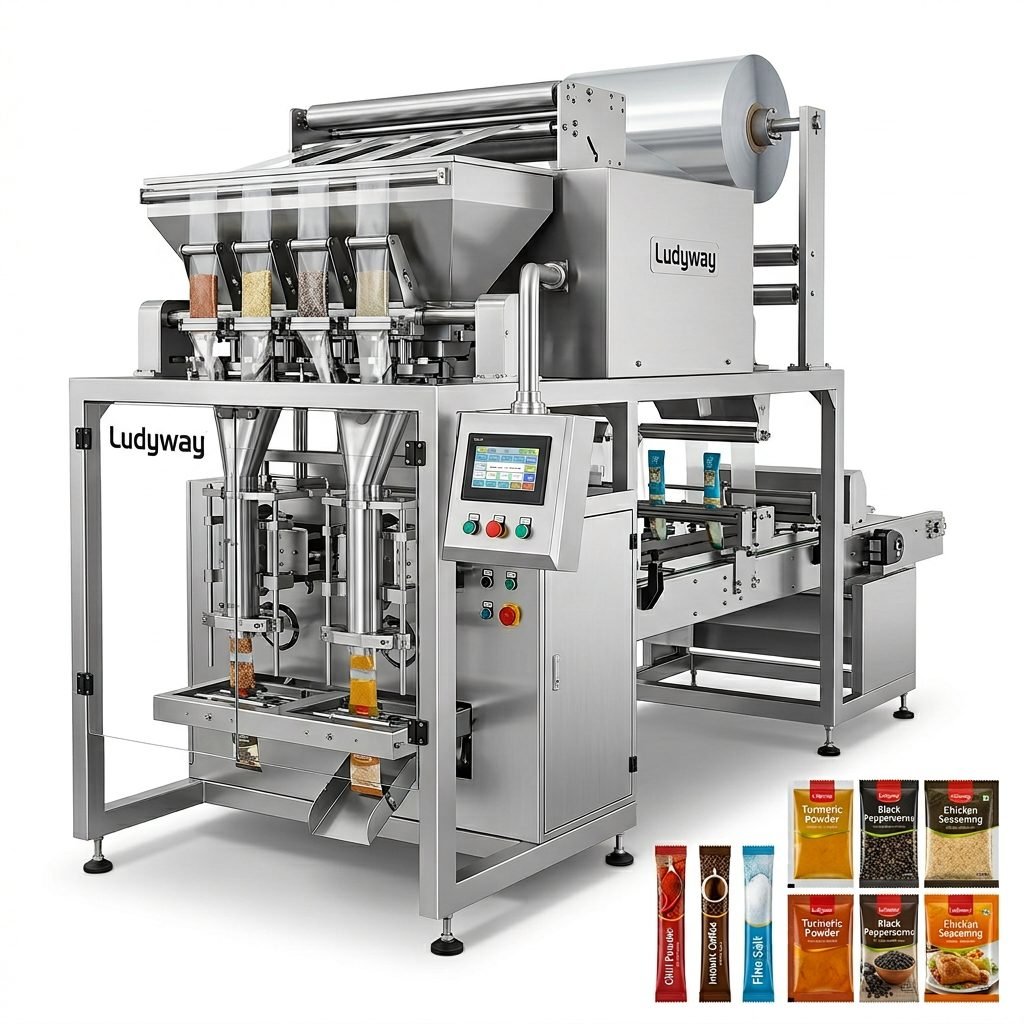
Precision Filling Technology for Spice Powders
Fine spice powders such as turmeric and cinnamon require specialized auger filling systems with servo-driven control. These systems compensate for density fluctuations in real time, ensuring each sachet or stick pack receives the exact target weight. Advanced models incorporate closed-loop feedback that adjusts auger speed based on continuous checkweigher data, virtually eliminating out-of-tolerance packs.
Dust Management and Clean Operation
Spice dust is not just a nuisance — it poses cross-contamination risks between production batches and creates hazardous breathing conditions. Purpose-built spice packaging machines feature integrated vacuum dust extraction hoods, sealed product contact zones, and easy-washdown stainless steel surfaces. These design elements support compliance with FDA food packaging regulations and GMP standards.
Comparing Stick Pack vs. Sachet Formats for Spices
| Feature | Stick Pack | Sachet |
|---|---|---|
| Ideal Use Case | Single-serve, travel-size, sampling | Multi-serve, retail, food service |
| Typical Fill Weight | 1g – 25g | 10g – 500g |
| Line Speed | Up to 600 packs/min (combined lanes) | Up to 400 packs/min (combined lanes) |
| Material Usage | Lower film consumption per pack | Higher material usage, larger billboard |
| Consumer Convenience | Portable, tear-open, portion-controlled | Resealable options, pantry-friendly |
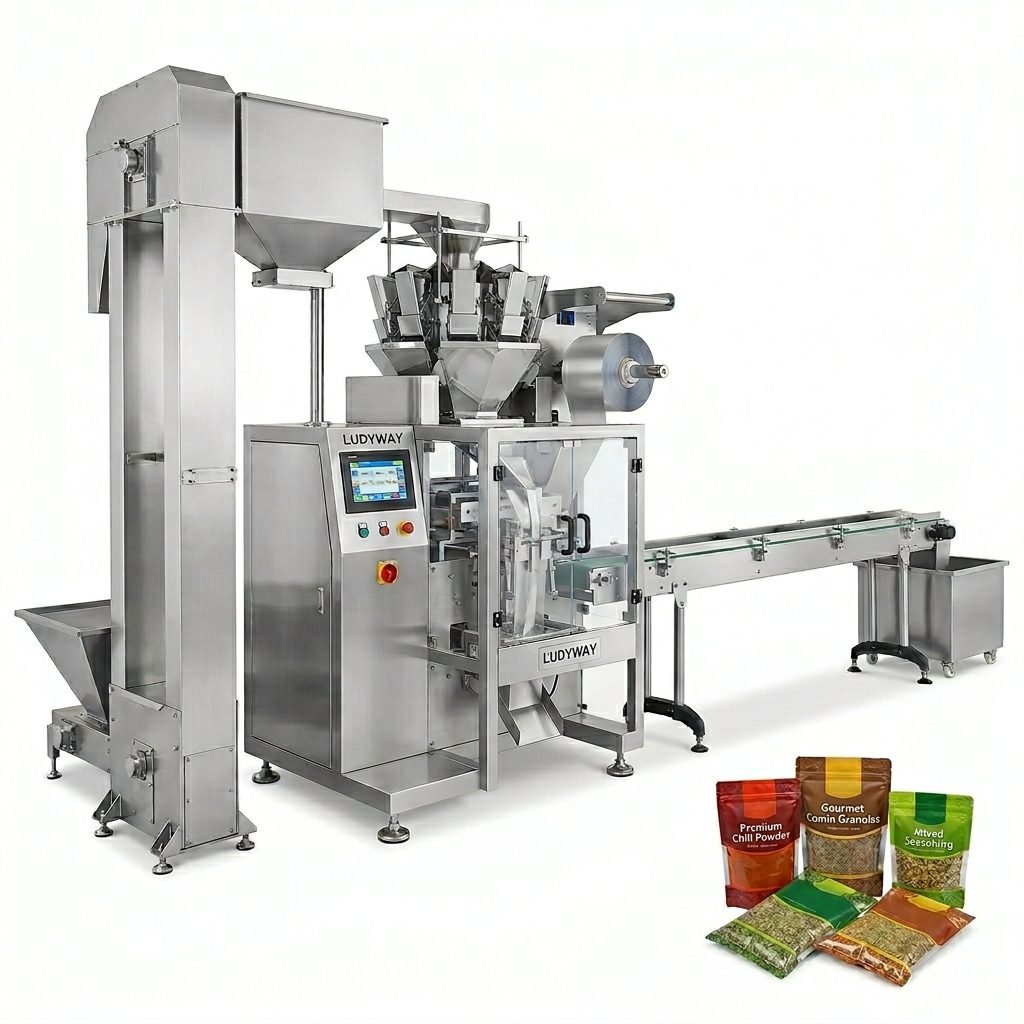
Turnkey Spice Packaging Lines for Scalable Growth
Beyond standalone machines, integrated packaging lines connect feeding, filling, sealing, coding, checkweighing, and cartoning into one seamless workflow. This approach eliminates transfer points where product loss and contamination risks accumulate. For spice exporters and co-packers, turnkey solutions simplify project management — a single partner provides the complete system, including installation, training, and after-sales support. Ludyway offers more than 50 intelligent packaging machine models, supported by a modern 20,000㎡ manufacturing facility, serving customers in over 100 countries with turnkey production solutions spanning granule, powder, liquid, and pouch packaging applications.
Smart Controls and Industry 4.0 Integration
Modern spice packaging equipment incorporates PLC and touchscreen interfaces with recipe storage for dozens of product profiles. Operators can switch from packing ground cumin to garam masala with a single selection. Remote diagnostics, production data logging, and OEE tracking are increasingly standard, aligning with PMMI packaging industry resources benchmarks for smart manufacturing.
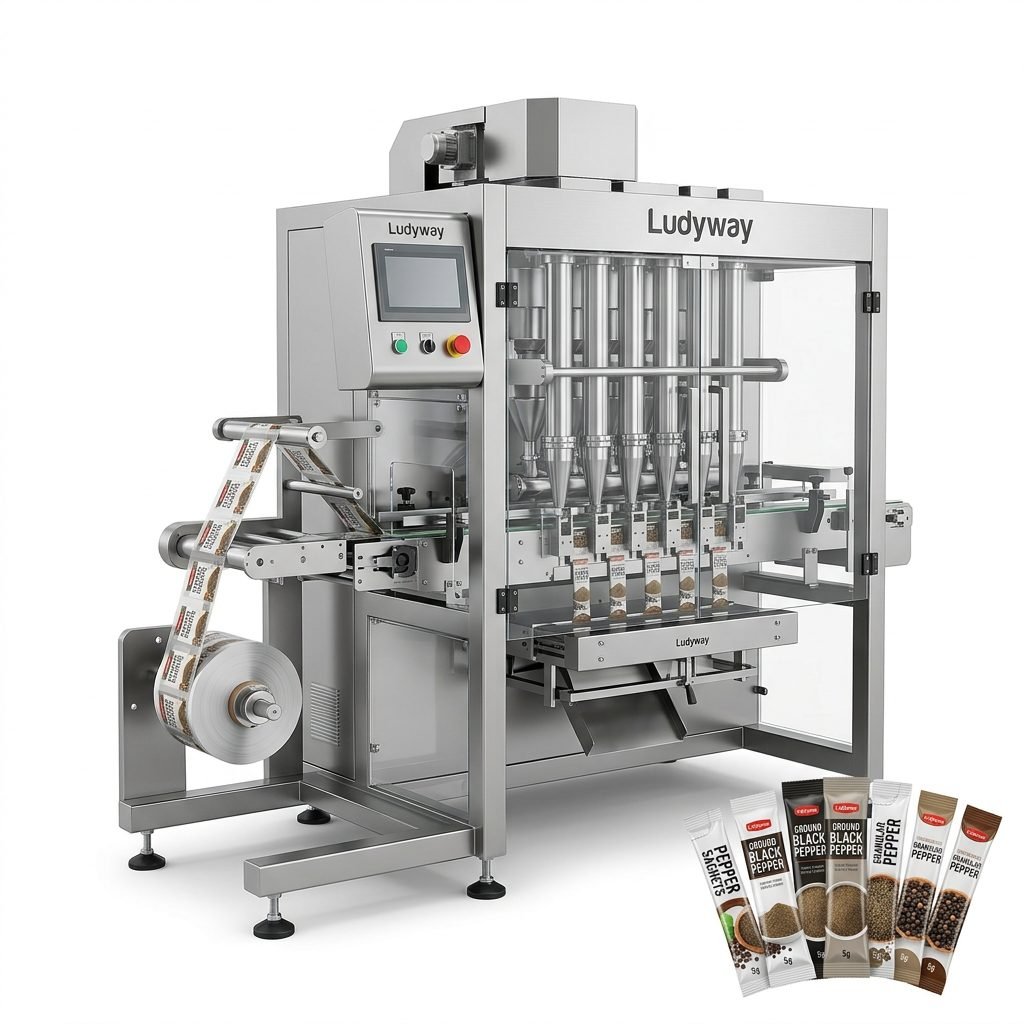
Key Features to Look for in a Spice Packaging Machine
- Servo-driven multi-lane capability — independent lane control for unmatched flexibility and uptime
- Corrosion-resistant construction — 304 or 316 stainless steel for contact parts, resisting acidic spice residues
- Gas flushing option — nitrogen or CO₂ injection to displace oxygen and extend product shelf life
- Quick-release components — toolless disassembly for rapid cleaning between spice changeovers
- Integrated checkweigher and reject — real-time weight verification with automatic out-of-spec rejection
- Wide film compatibility — supports PET/PE, BOPP/CPP, aluminum laminates, and biodegradable films
ROI Considerations for Spice Packaging Investments
The return on investment for a dedicated spice packaging machine often materializes faster than expected. Consider the cumulative savings from reduced product giveaways, lower film waste, fewer rejected batches, and decreased manual labor. A machine running 16 hours per day with just 2% overfill can waste hundreds of kilograms of premium spice annually. Precision filling systems typically reduce overfill to under 0.5%, recovering the equipment cost within 12–24 months for mid-to-high-volume operations. For further industry benchmarks, refer to the Flexible Packaging Association industry data.
Related Resources
- PMMI – 2026 Packaging State of the Industry Report
- FDA – Packaging and Food Contact Substances Regulations
- Explore Granule Packaging Machines for Spice Applications
- Flexible Packaging Association – Official Website
Selecting the right spice packaging machine is a strategic decision that influences product quality, production efficiency, and brand reputation. By matching machine capabilities to your specific spice characteristics, production volumes, and market formats, you position your operation for sustainable growth in an increasingly demanding global marketplace.