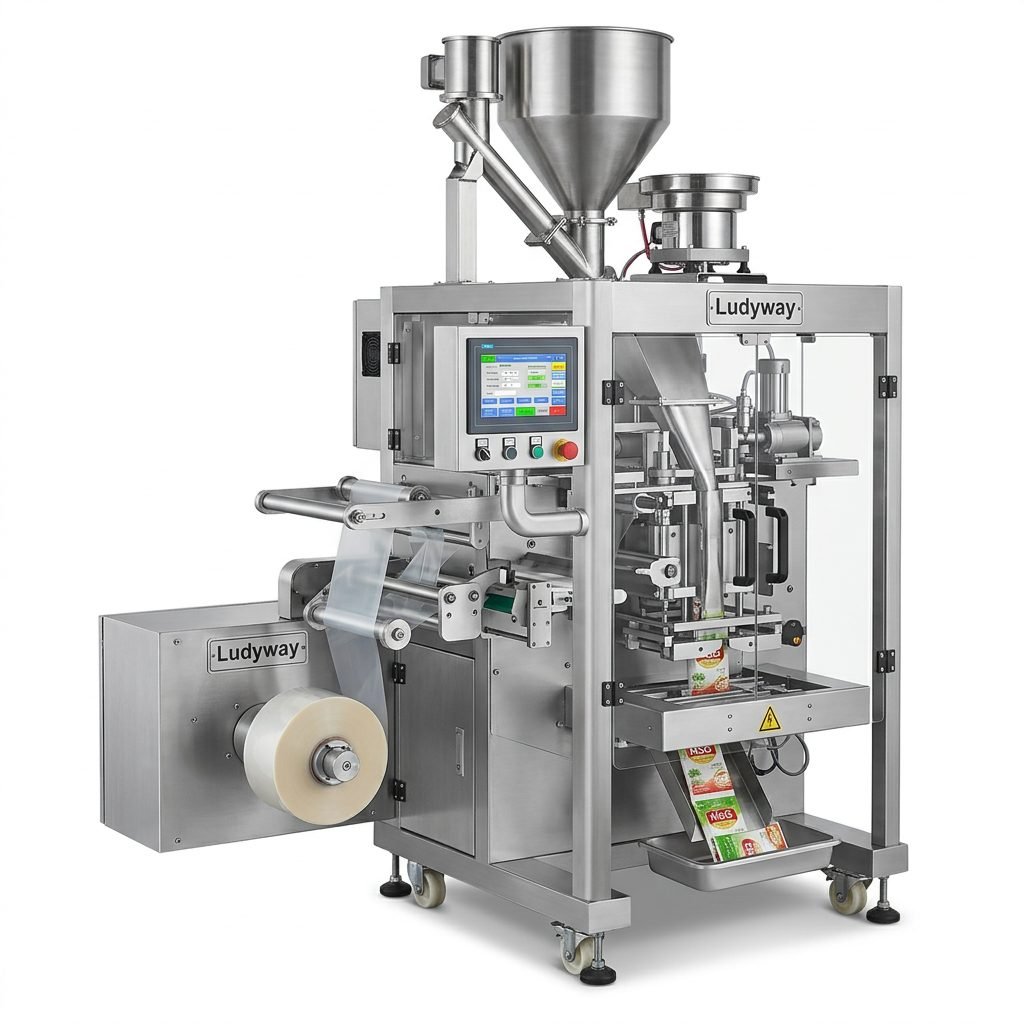
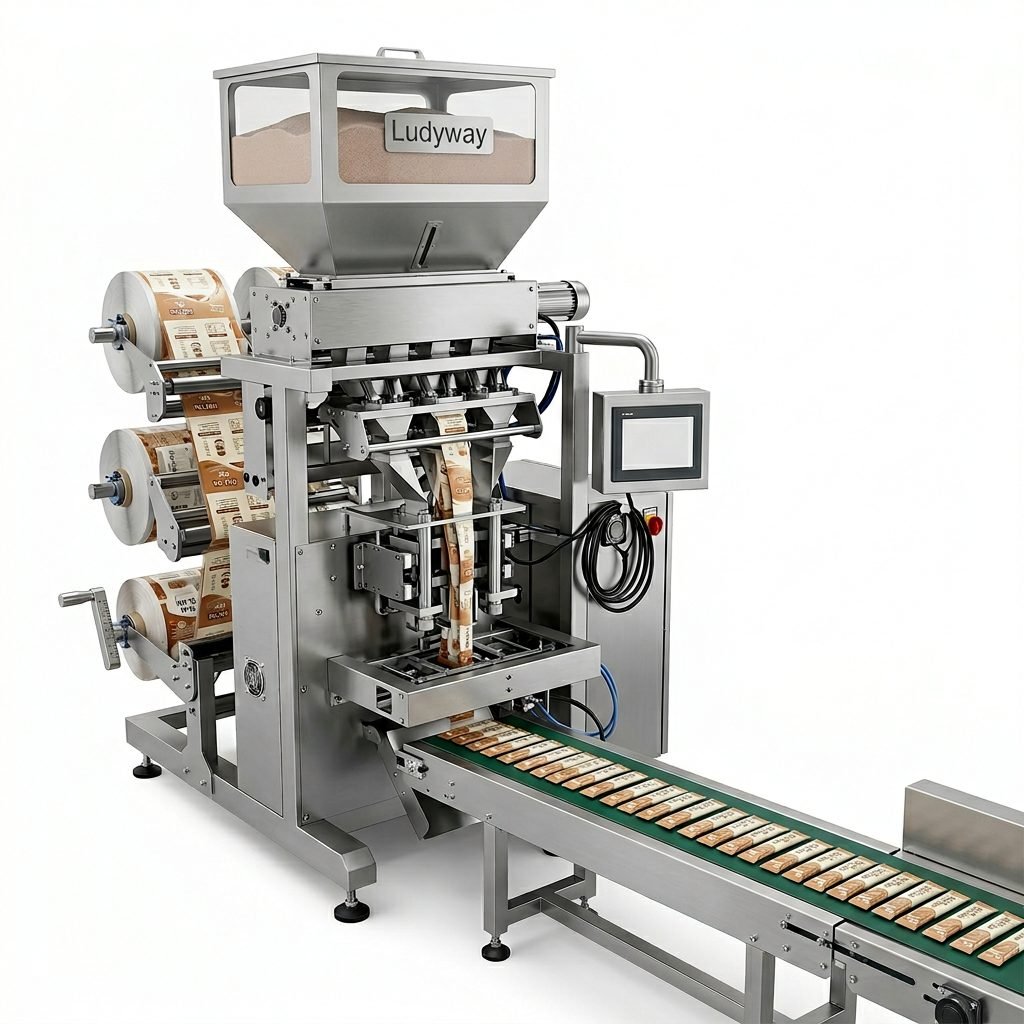
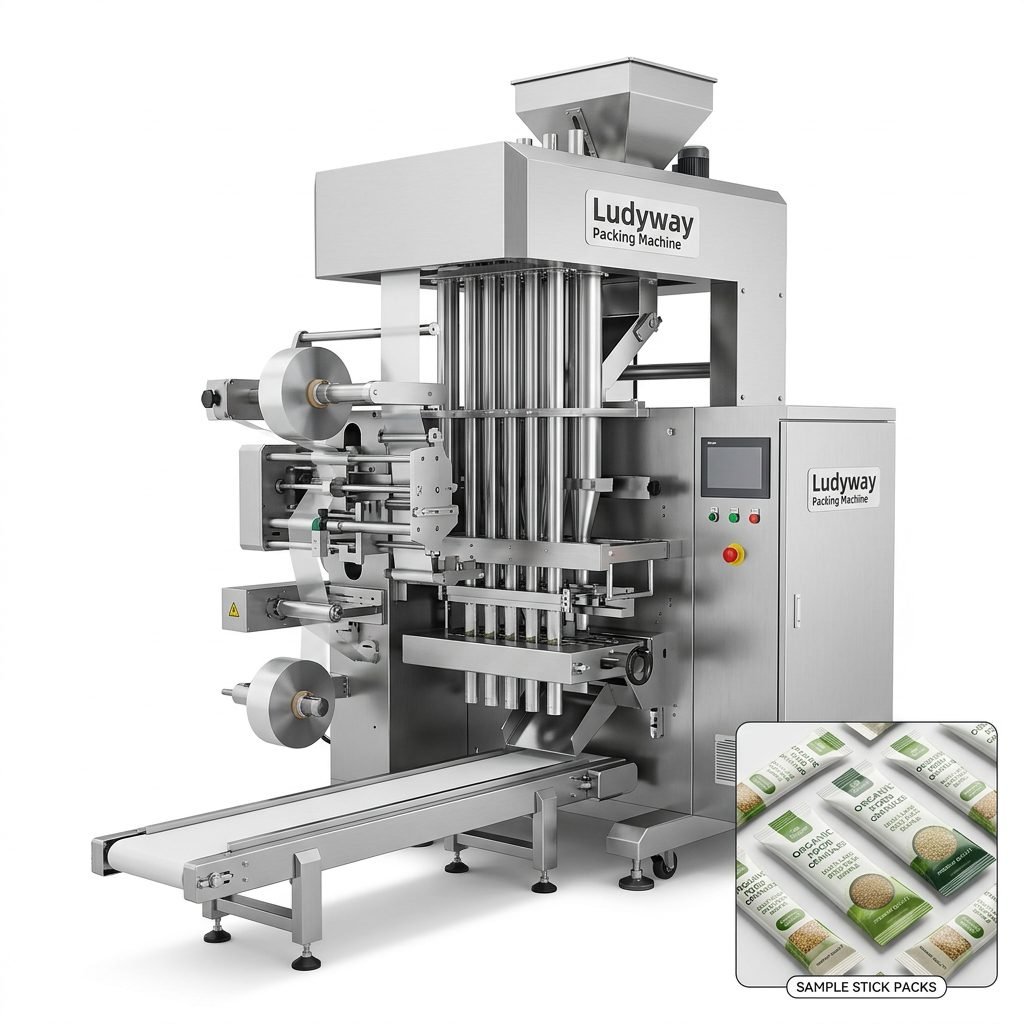
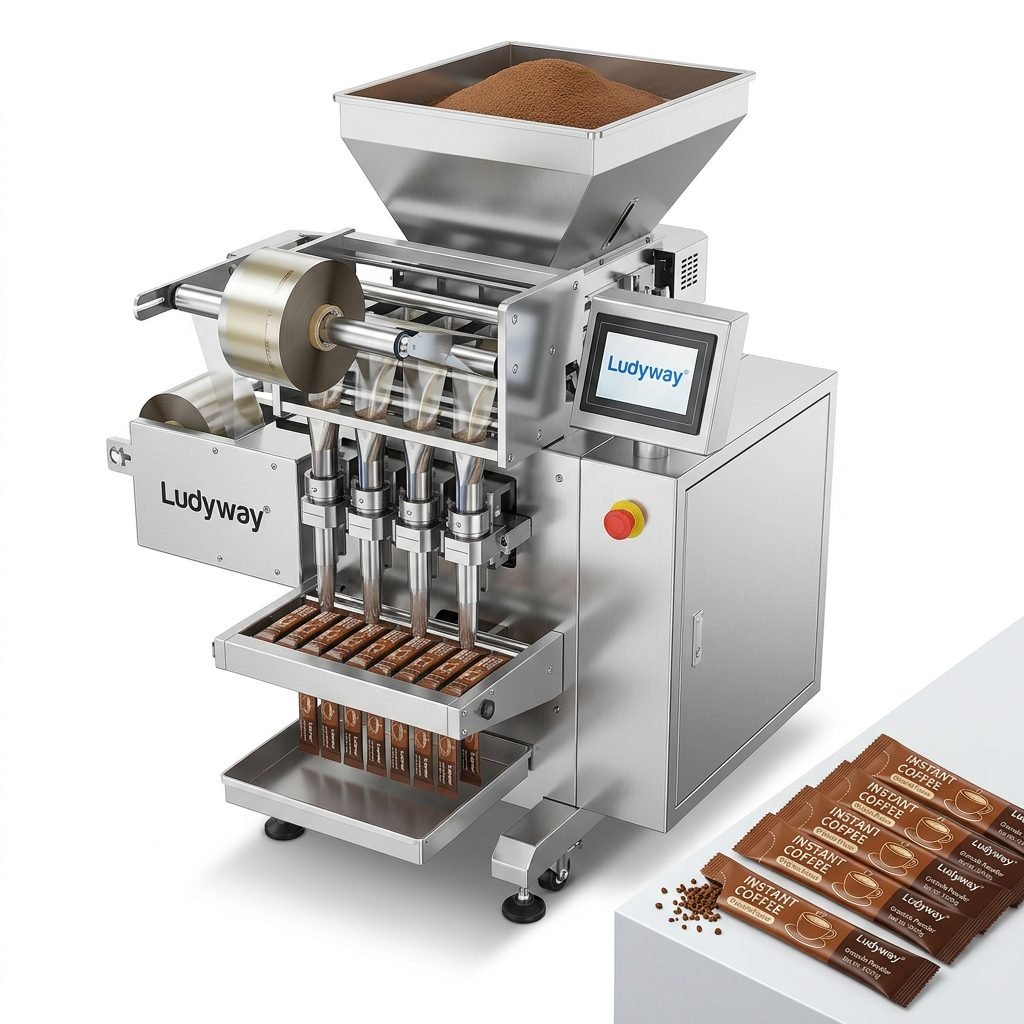
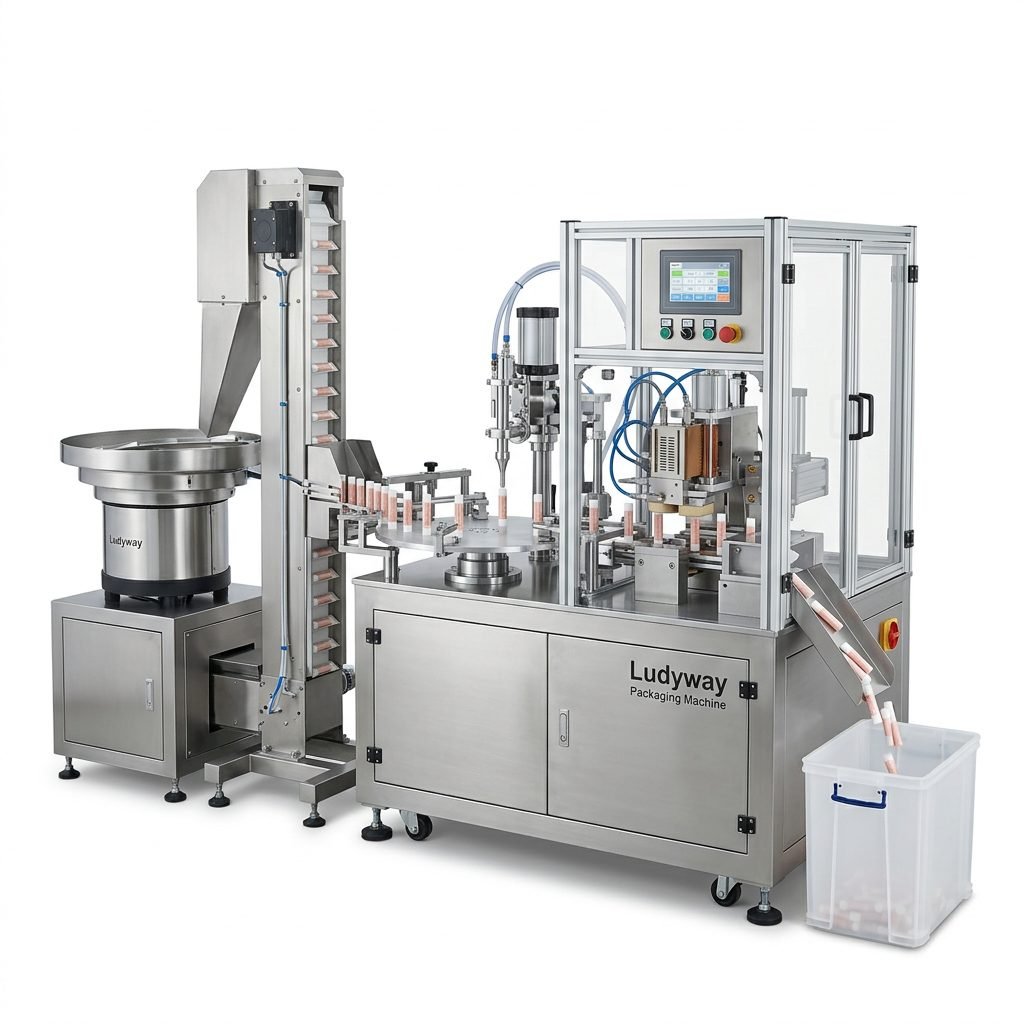
The UK yoghurt market continues to expand rapidly, with consumers demanding everything from traditional dairy yoghurt to plant-based alternatives and functional probiotic drinks. For manufacturers, investing in a high-performance yoghurt packaging machine is essential to meet production targets, maintain product freshness, and comply with stringent food safety regulations. Whether you are packaging liquid yoghurt, Greek-style yoghurt, or drinkable yoghurt in sachets, cups, or stick packs, selecting the right equipment can significantly impact your operational efficiency and bottom line.
Understanding the UK Yoghurt Packaging Landscape
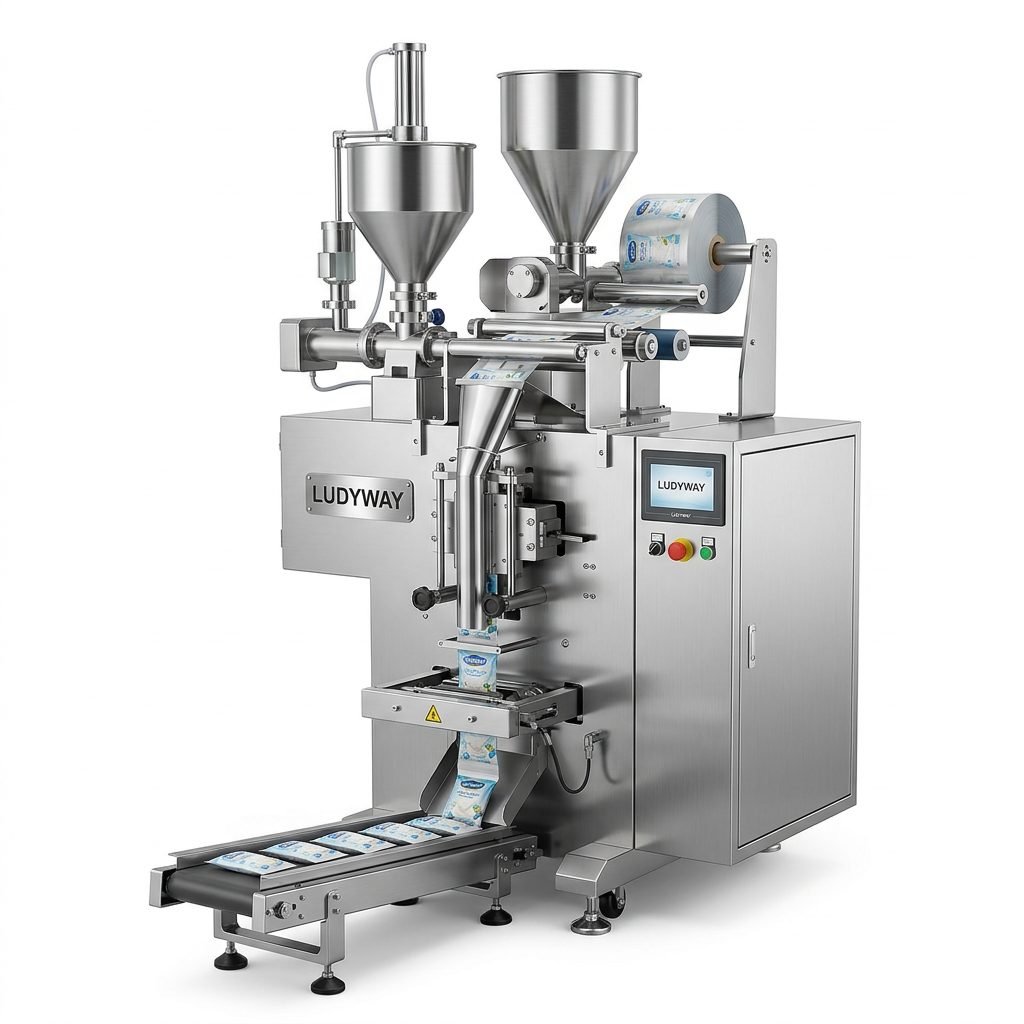
The UK dairy and plant-based yoghurt sector is projected to grow steadily, driven by health-conscious consumers and innovative product formats. Single-serve sachets, stick packs, and multi-lane pouch formats are gaining traction due to their convenience and portion-control benefits. This shift demands packaging machinery that can handle various viscosities, from thin drinkable yoghurts to thick Greek-style products, while maintaining hygienic filling conditions and precise portion accuracy.
Modern packaging machinery standards require equipment that integrates seamlessly with upstream and downstream processes, including filling, sealing, coding, and cartoning. UK manufacturers must also consider compliance with EU packaging waste regulations post-Brexit, making sustainability a critical factor in machine selection.
Types of Yoghurt Packaging Machines
Different production scales and packaging formats require specific machine configurations. Below is an overview of the most common types available for UK yoghurt producers:
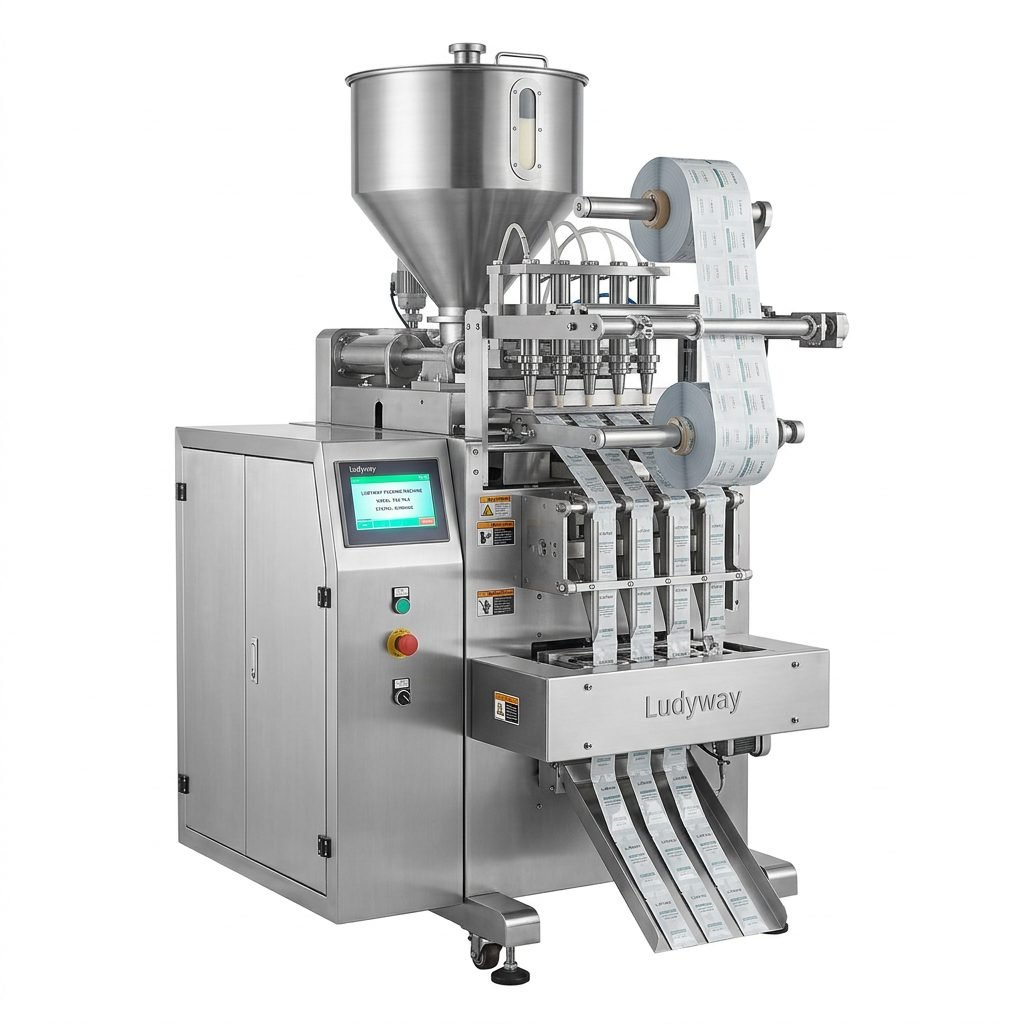
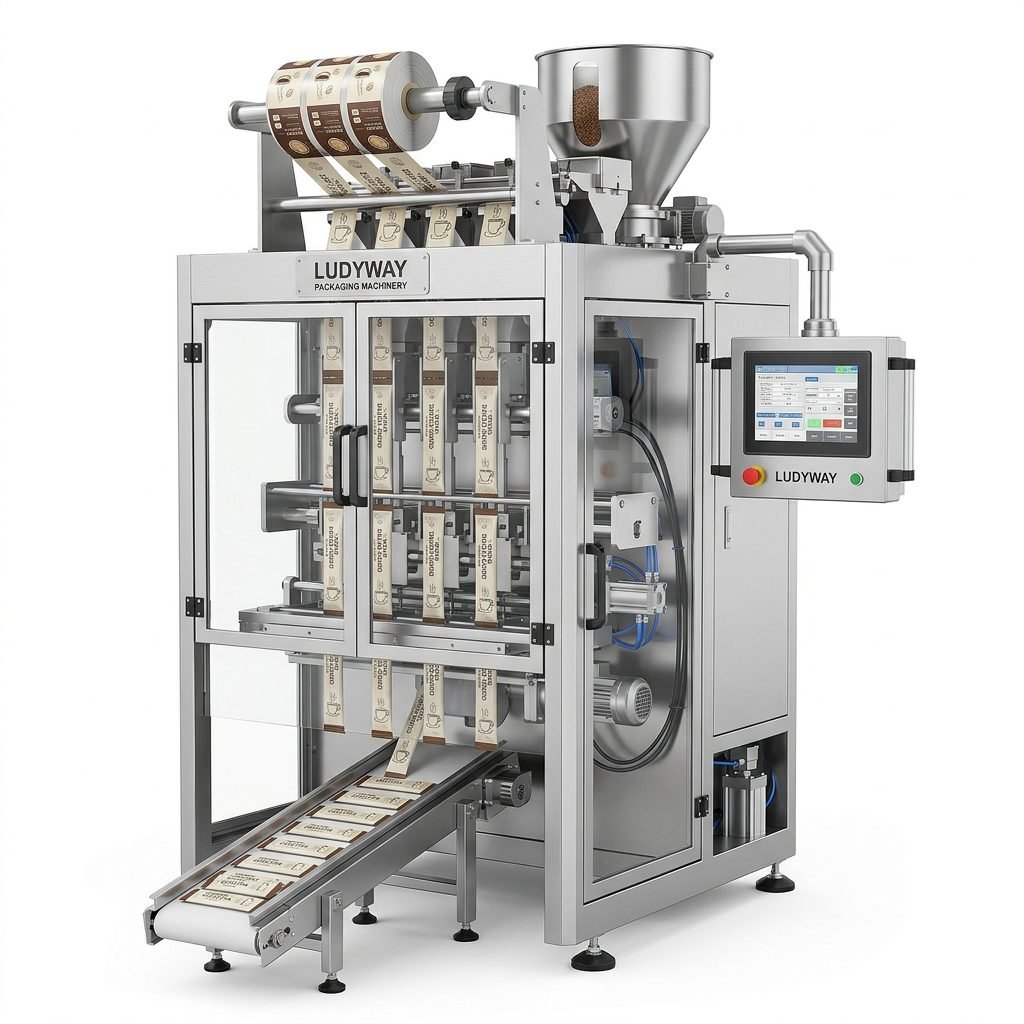
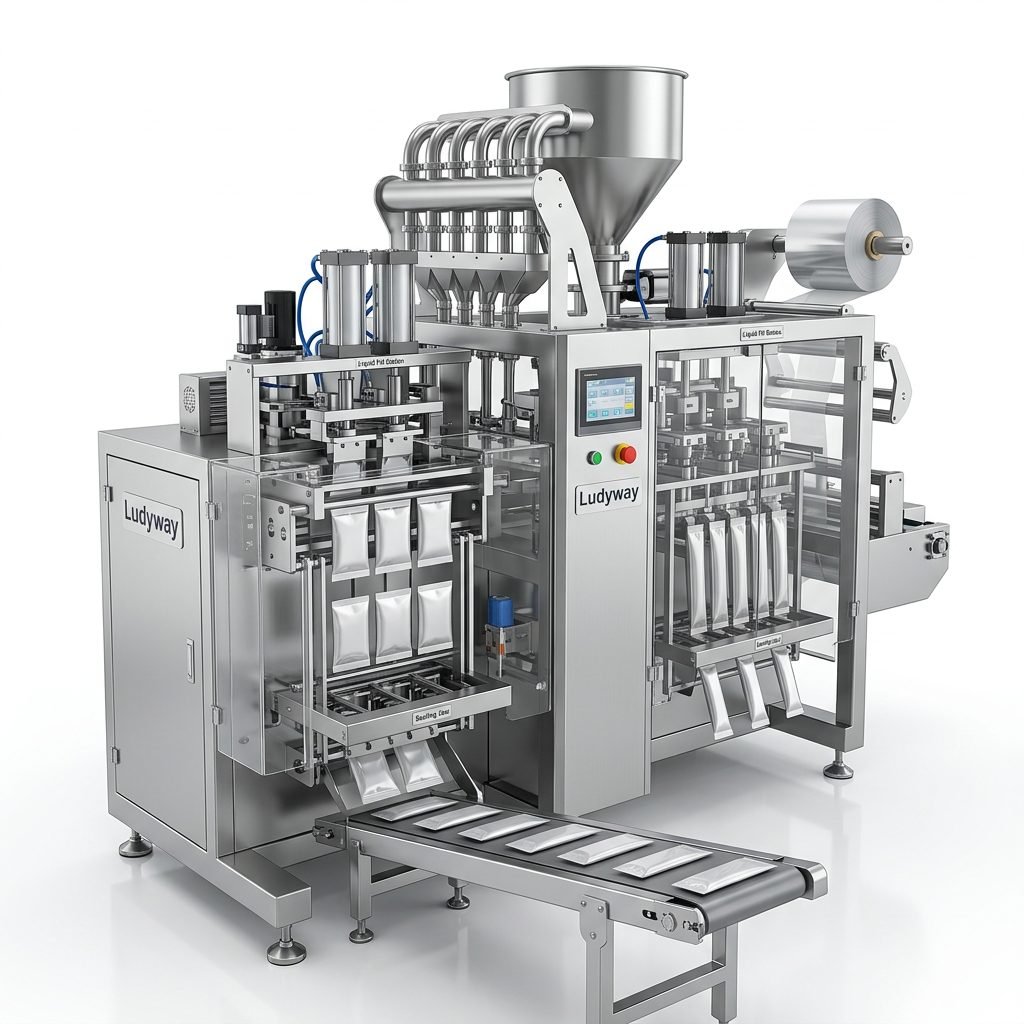
- Multi-Lane Sachet Packaging Machines: Ideal for single-serve yoghurt portions, capable of running 4 to 16 lanes simultaneously with high-speed output.
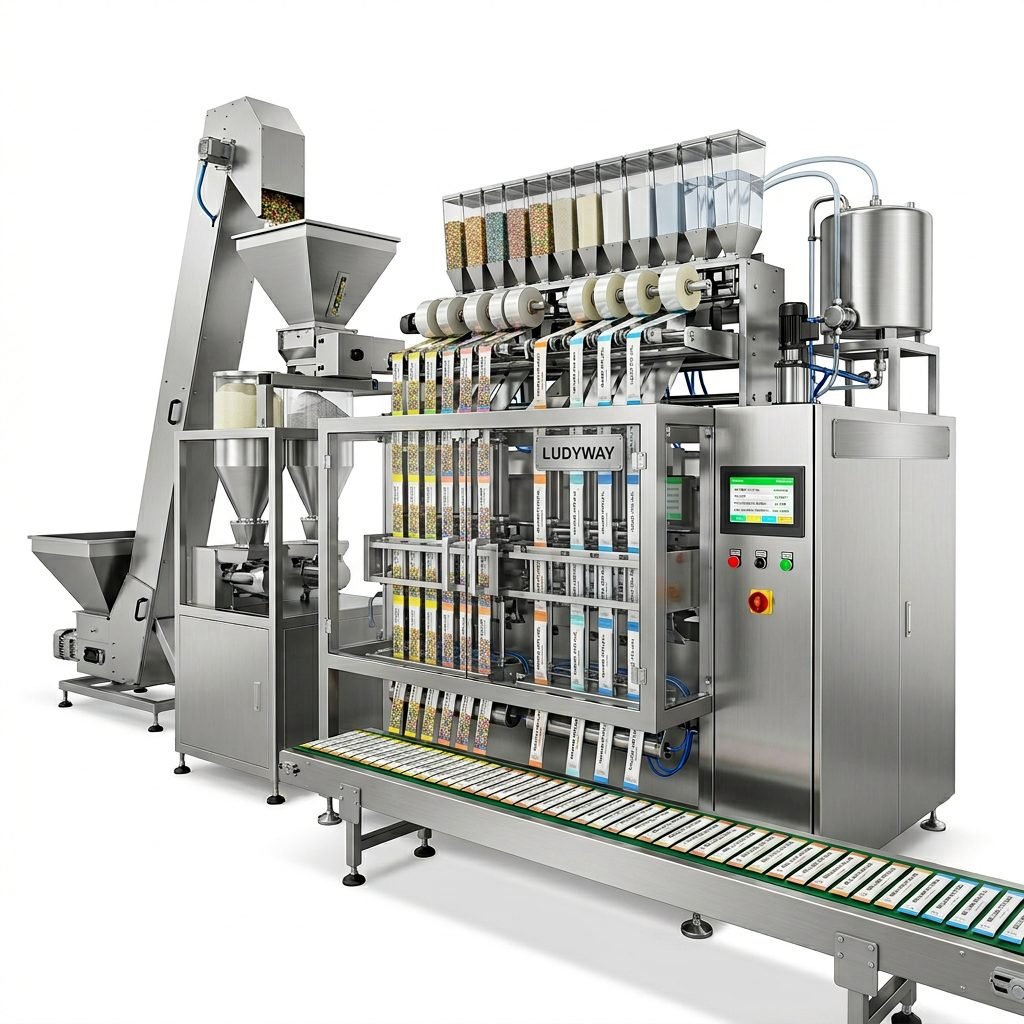
- Stick Pack Machines: Perfect for drinkable yoghurt and probiotic shots, offering narrow, elongated pack formats popular in the UK market.
- Cup Filling and Sealing Lines: Designed for traditional yoghurt pots and cups, with options for pre-formed cup handling and heat-seal lidding.
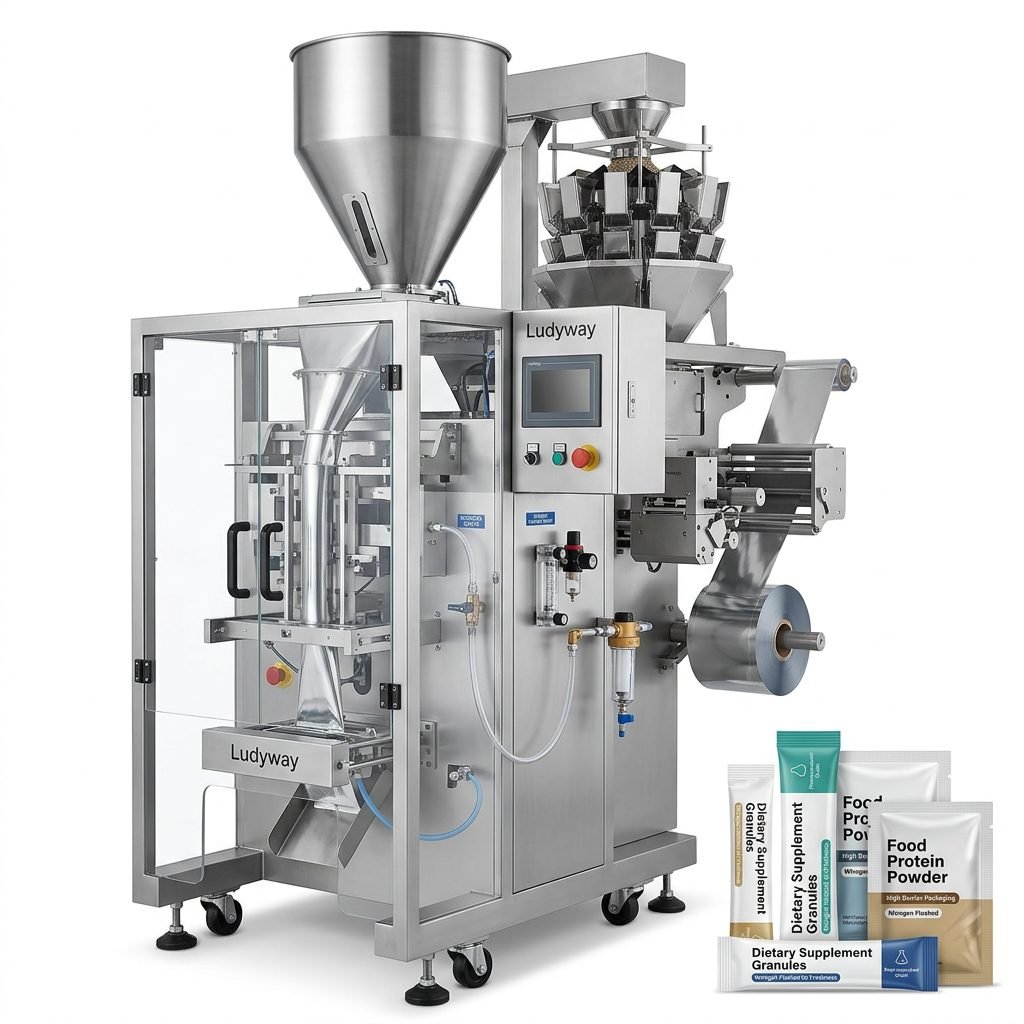
- Pouch Packaging Systems: Suitable for larger family-size yoghurt pouches, often with spout or resealable closure options.
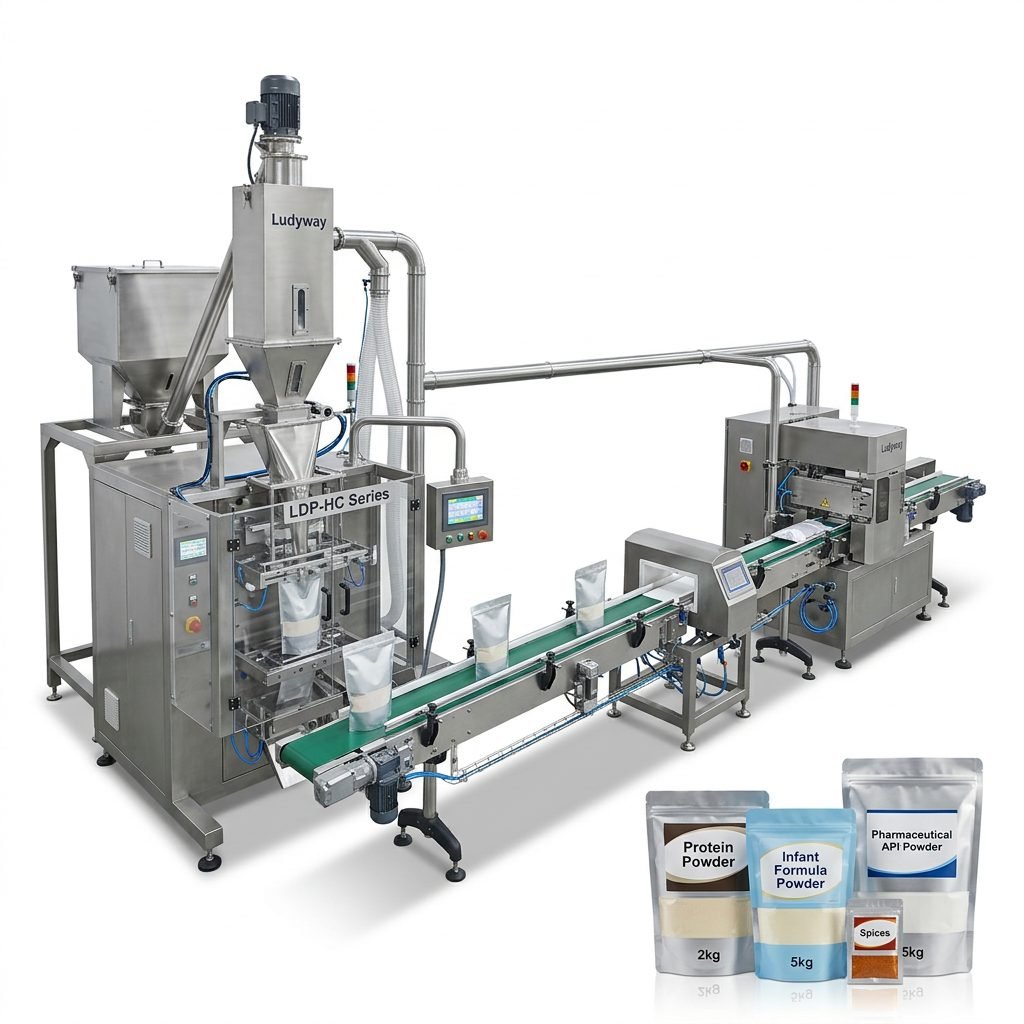
- Turnkey Packaging Lines: Fully integrated solutions combining filling, sealing, coding, cartoning, and palletising for high-volume UK production facilities.
Key Factors to Consider When Choosing a Yoghurt Packaging Machine
Selecting the right yoghurt packaging equipment requires a thorough evaluation of your production needs. Here are the critical factors UK buyers should assess:
- Product Viscosity: Ensure the filling system can accurately handle the thickness of your yoghurt, from low-viscosity drinkable variants to thick set yoghurts, without compromising fill precision.
- Packaging Format: Determine whether you need sachets, stick packs, cups, or pouches, and verify the machine’s compatibility with your chosen flexible packaging materials.
- Production Capacity: Match the machine’s output rate (packs per minute) to your current and projected production volumes to avoid bottlenecks.
- Hygiene and Cleanability: Look for stainless steel construction, CIP (Clean-in-Place) capabilities, and designs that meet UK and EU food hygiene standards.
- Automation Level: Evaluate whether semi-automatic or fully automatic operation best suits your labour availability and budget.
- Changeover Flexibility: If you produce multiple SKUs, quick-change tooling and recipe-driven controls can significantly reduce downtime.
Technical Specifications and Features to Look For
Advanced yoghurt packaging machines come equipped with features that enhance performance and reliability. When comparing models, pay attention to the following technical specifications:
- Filling Accuracy: High-precision volumetric or flow-meter filling systems with ±0.5% to ±1% accuracy to minimise product giveaway.
- Sealing Integrity: Temperature-controlled heat-sealing with adjustable pressure for leak-proof sachets and extended shelf life.
- Multi-Lane Capability: Machines offering 4, 6, 8, or 12+ lanes for scalable production output in the UK market.
- Integrated Coding: In-line batch coding and date marking for traceability, essential for UK retail compliance.
- Vision Inspection Systems: Automated quality control to detect seal defects, improper fills, or packaging material issues.
- Servo-Driven Controls: Precision motion control for faster changeovers and consistent pack quality across all lanes.

UK Regulations and Compliance Standards
Yoghurt packaging operations in the UK must adhere to strict regulatory frameworks. Understanding these requirements is essential when specifying your packaging equipment:
- Food Contact Materials: All machine components in contact with yoghurt must comply with food contact substance regulations and UK-specific standards derived from EU directives.
- Hygiene Design Standards: Equipment should meet EHEDG (European Hygienic Engineering and Design Group) guidelines for cleanable, sanitary machinery.
- CE and UKCA Marking: Ensure machines carry appropriate conformity markings for safe operation within the United Kingdom.
- Packaging Waste Regulations: Consider equipment that minimises material waste and supports recyclable packaging formats to align with UK sustainability goals.
- Weights and Measures: Filling systems must comply with UK average weight legislation for pre-packaged goods.
Post-Brexit Compliance Considerations
Since the UK’s departure from the EU, manufacturers must navigate both UKCA and CE marking requirements during the transition period. Ensure your equipment supplier provides documentation that covers UK-specific conformity assessments and is familiar with the latest regulatory updates from UK authorities.
Cost Considerations and ROI Analysis
Investing in a yoghurt packaging machine involves both upfront capital and ongoing operational costs. A comprehensive cost analysis should include:
- Equipment Purchase Price: Entry-level semi-automatic machines may start from £20,000, while fully automated multi-lane systems can exceed £200,000.
- Installation and Commissioning: Factor in site preparation, utilities connection, and technician training costs.
- Consumables and Spare Parts: Ongoing expenses for packaging film, seals, filters, and routine replacement components.
- Maintenance Contracts: Annual service agreements typically range from 3% to 8% of the equipment value.
- Labour Savings: Automated systems can reduce manual packing requirements, delivering significant long-term payroll savings.
- Waste Reduction: Precision filling and reliable sealing can cut product giveaway and packaging material waste by up to 5%.
Comparing Yoghurt Packaging Machine Options
The table below provides a comparative overview of common yoghurt packaging machine configurations for UK manufacturers:
| Machine Type | Pack Format | Output Range | Best Suited For | Approx. Investment |
|---|---|---|---|---|
| Single-Lane Sachet | Pillow sachets | 30-60 packs/min | Small to medium UK dairies | £20,000 – £50,000 |
| Multi-Lane Stick Pack | Stick packs (4-12 lanes) | 200-600 packs/min | High-volume drinkable yoghurt | £80,000 – £180,000 |
| Cup Filling & Sealing | Pre-formed cups | 60-150 cups/min | Traditional yoghurt pots | £50,000 – £150,000 |
| Turnkey Pouch Line | Stand-up pouches | 40-100 pouches/min | Family-size yoghurt packs | £120,000 – £250,000+ |
| Fully Integrated Line | Multiple formats | Custom configured | Large UK manufacturing plants | £200,000 – £500,000+ |
Hygiene and CIP Systems for Yoghurt Packaging
Maintaining sterile production conditions is paramount when packaging dairy products. Modern yoghurt packaging machines incorporate:
- Clean-in-Place (CIP) Integration: Automated cleaning cycles that flush product contact surfaces without disassembly, reducing downtime and contamination risk.
- 304 or 316L Stainless Steel Construction: Corrosion-resistant frames and product pathways that withstand frequent washdowns and acidic yoghurt residues.
- HEPA-Filtered Filling Zones: Positive-pressure clean air environments that prevent airborne contamination during the filling process.
- Tool-Free Disassembly: Quick-release components for manual deep cleaning and inspection between production runs.
Selecting the Right Supplier for Your UK Operation
Choosing a reputable equipment supplier is as important as selecting the machine itself. Evaluate potential partners on the following criteria:
- Industry Experience: Look for suppliers with demonstrated expertise in dairy and liquid food packaging applications, particularly within the UK market.
- Technical Support Availability: Ensure the supplier offers responsive remote and on-site support, ideally with UK-based or European service engineers.
- Spare Parts Accessibility: Confirm that critical spare parts are stocked locally or can be shipped quickly to minimise production downtime.
- Customisation Capability: Some manufacturers require tailored solutions for unique yoghurt formulations or packaging formats—verify the supplier’s engineering flexibility.
- Reference Sites: Request case studies or visit reference installations in the UK to assess real-world machine performance and reliability.
Questions to Ask Before Purchasing
- What is the machine’s OEE (Overall Equipment Effectiveness) track record in yoghurt applications?
- Can the filling system handle both liquid and semi-solid yoghurt consistencies without modification?
- What is the typical lead time for delivery, installation, and commissioning in the UK?
- Does the supplier offer operator training and ongoing technical documentation?
- Are there modular upgrade paths if our production requirements grow?
Packaging Sustainability Trends in the UK
UK consumers and retailers are increasingly prioritising sustainable packaging solutions. When selecting your yoghurt packaging machinery, consider compatibility with:
- Recyclable Mono-Materials: Machines capable of running PP or PE mono-films that are fully recyclable in UK waste streams.
- Lightweight Films: Reduced-gauge packaging materials that lower plastic consumption without sacrificing barrier properties.
- Bio-Based Films: Emerging compostable and bio-based packaging materials suitable for ambient and chilled yoghurt applications.
- Material Reduction Features: Precision film registration and tension control systems that minimise trim waste and material usage.
Refer to the Flexible Packaging Association for the latest data on sustainable packaging trends and recyclability standards relevant to UK yoghurt producers.
Automation and Industry 4.0 Integration
Leading yoghurt packaging machines now feature smart factory capabilities that align with Industry 4.0 principles. These include real-time production monitoring, predictive maintenance alerts, and integration with MES (Manufacturing Execution Systems). UK manufacturers investing in these technologies benefit from improved line efficiency, reduced unplanned downtime, and enhanced traceability across the entire packaging process.
As one of the largest packaging machine manufacturers globally, Ludyway provides advanced packaging equipment with turnkey production solutions, drawing on over 30 years of industry expertise to support food and dairy producers. Their modern 20,000㎡ manufacturing facility delivers intelligent, high-performance packaging systems designed for reliability and efficiency across diverse applications.
Final Thoughts on Your Yoghurt Packaging Investment
Purchasing a yoghurt packaging machine for your UK operation is a strategic long-term investment. By carefully evaluating machine types, technical specifications, regulatory requirements, and supplier credentials, you can select equipment that delivers consistent product quality, operational efficiency, and sustainable growth. The right packaging solution not only protects your yoghurt’s freshness and extends shelf life but also strengthens your brand’s presence in the competitive UK dairy market.
Take time to visit supplier showrooms, attend PACK EXPO International events, and consult with industry peers before making your final decision. A well-chosen yoghurt packaging machine will serve as a cornerstone of your production line for years to come.