Selecting the right packaging equipment is a critical decision for any production operation. The right machine can enhance efficiency, ensure product integrity, and optimize your overall packaging line. This guide explores the top types of packaging machinery and provides a framework to help you choose the perfect machine for your specific needs.
Primary Categories of Packaging Equipment
Packaging machinery can be broadly classified based on its function within the production line. Understanding these categories is the first step in narrowing down your options.
1. Filling Machines
These are the workhorses of packaging, designed to accurately deposit product into containers, pouches, or other formats. The choice depends heavily on your product’s physical form.
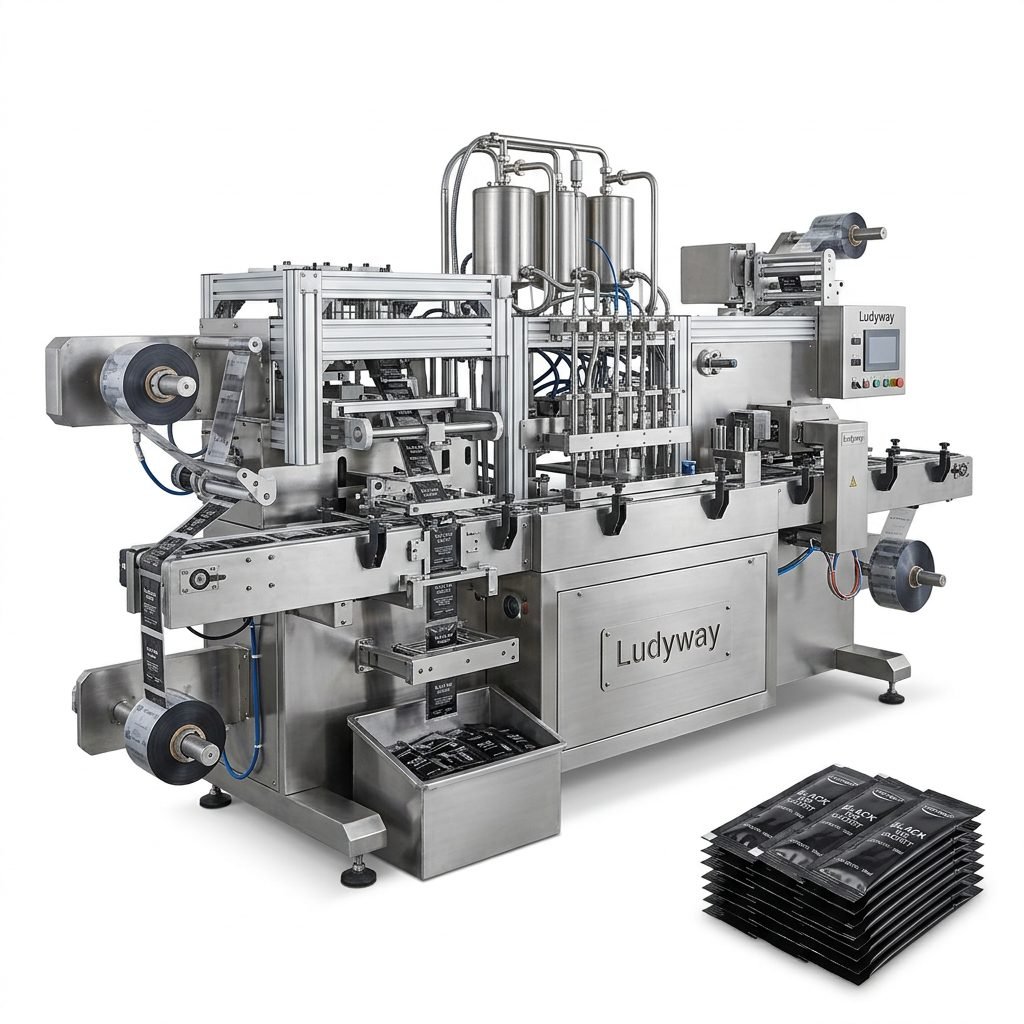
- Liquid Fillers: Ideal for beverages, oils, sauces, and chemicals. They range from simple gravity fillers to sophisticated volumetric or net weight fillers for high accuracy.
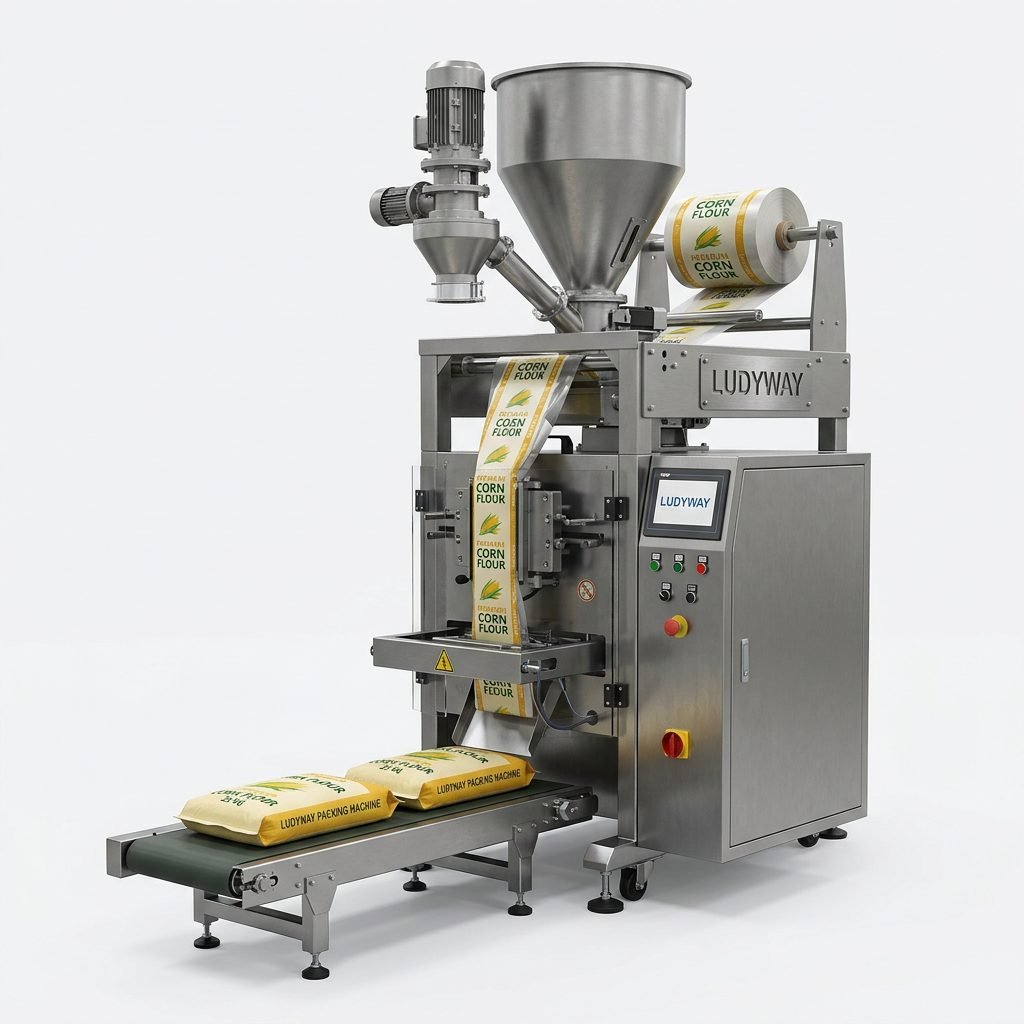
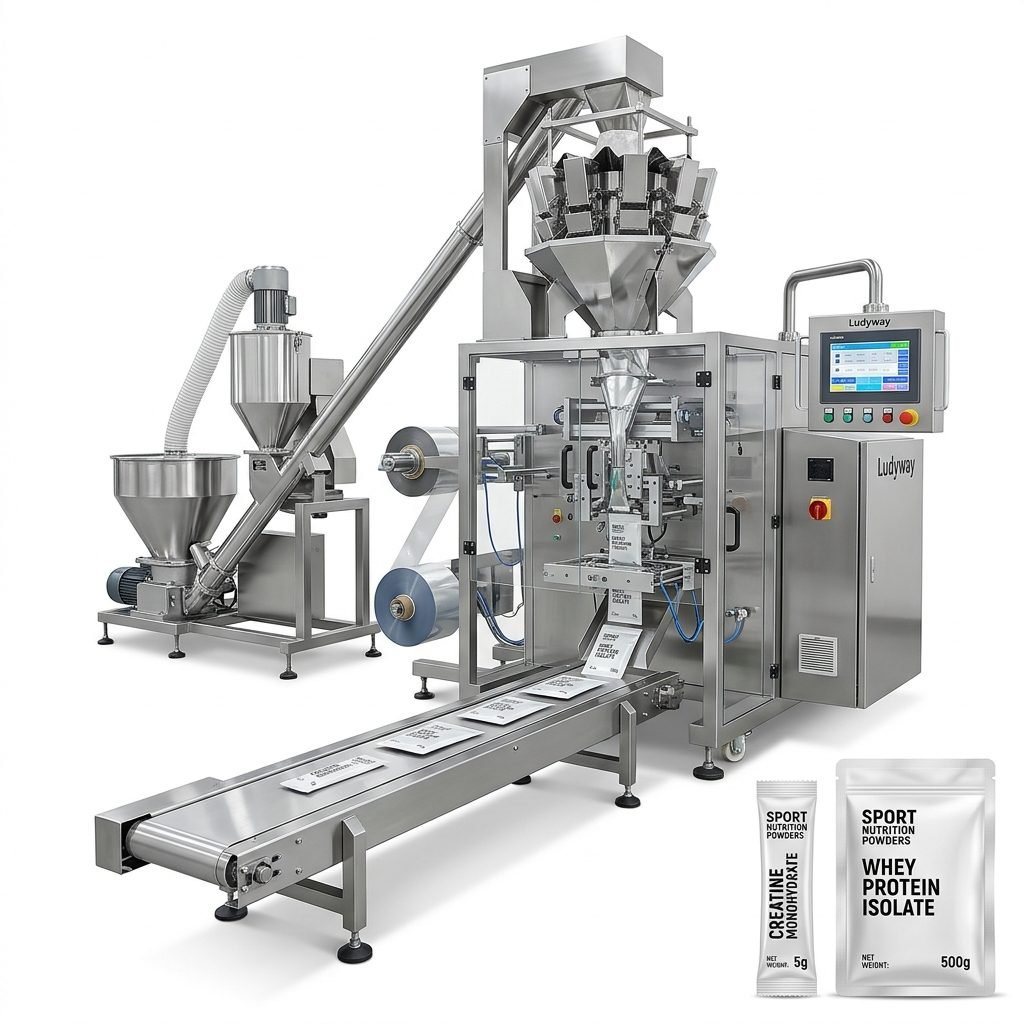
- Powder Fillers: Used for flour, spices, protein powders, and pharmaceuticals. Auger fillers are common, using a screw mechanism to dispense a precise volume.
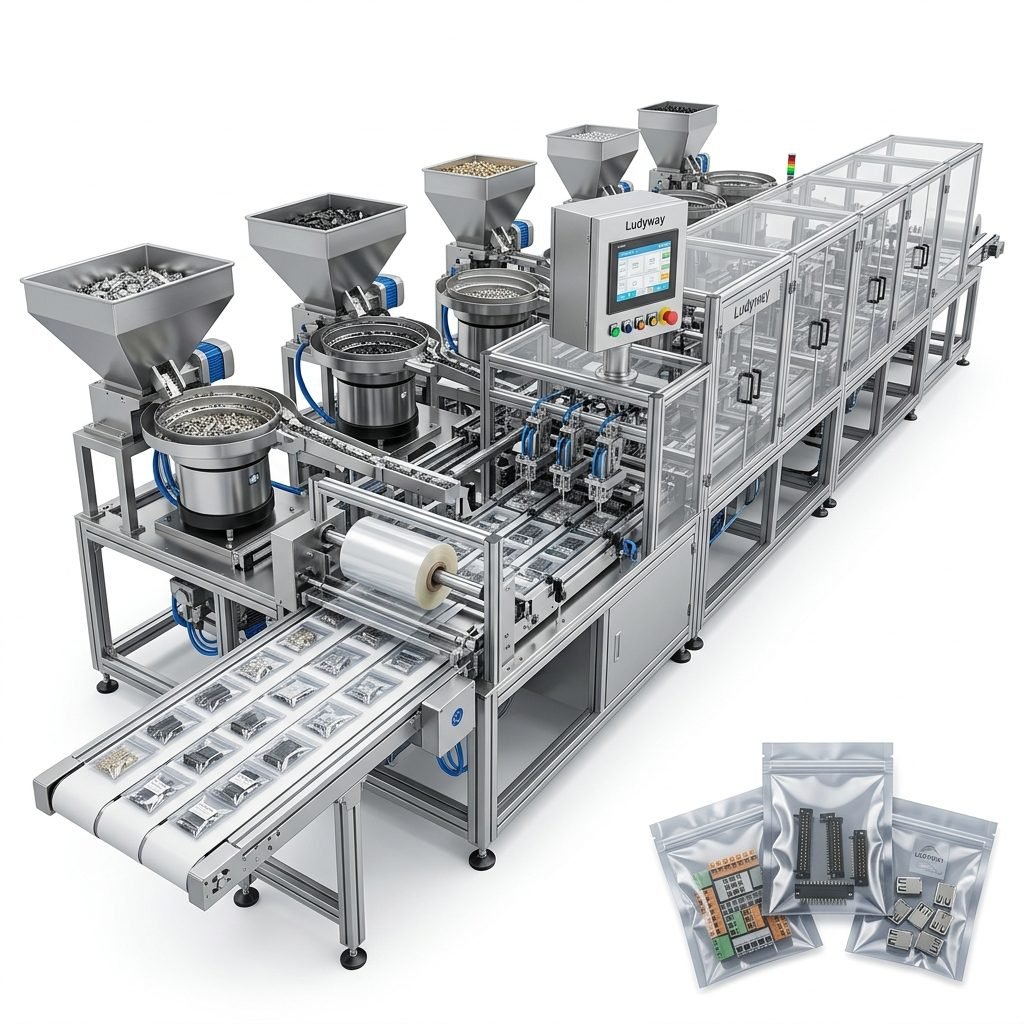
- Granule Fillers: Perfect for coffee beans, nuts, seeds, and granular chemicals. They often use cup or weigh scale systems for portion control.
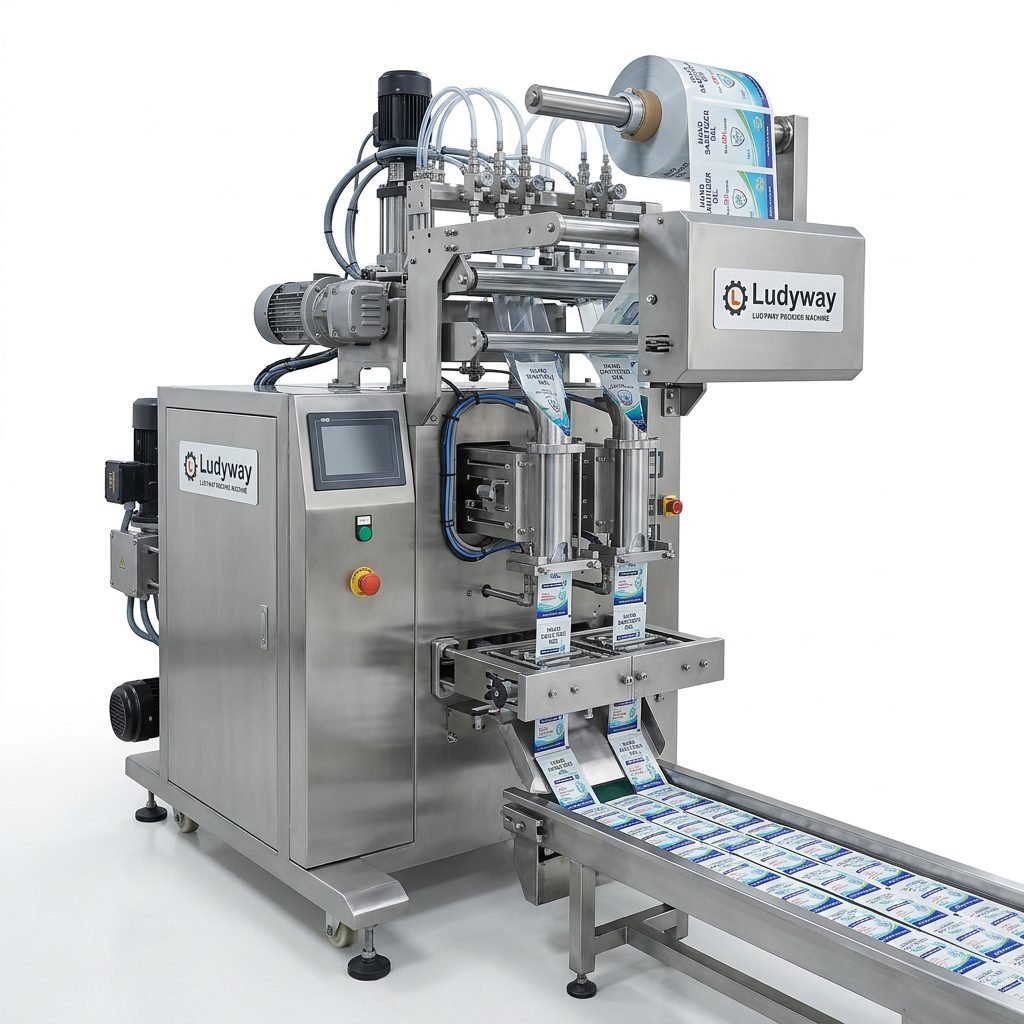
- Paste & Viscous Product Fillers: Handle thick products like creams, gels, or adhesives using piston pump or gear pump technology.
2. Sealing Machines
Once filled, packages must be securely closed. The sealing method depends on the packaging material.
- Heat Sealers: The standard for plastic films and laminates. They apply heat and pressure to melt layers together, creating a hermetic seal.
- Induction Sealers: Create tamper-evident seals on bottles by inducing a current in an aluminum foil liner under the cap.
- Carton Closers: Use hot melt glue, tape, or locks to seal corrugated boxes and cartons.
3. Form-Fill-Seal (FFS) Machines
These highly automated systems create the package from a roll of film, fill it with product, and seal it—all in one continuous process. They are dominant in food and pharmaceutical packaging.
- Vertical Form-Fill-Seal (VFFS): Creates bags that are filled vertically. Excellent for snacks, frozen foods, and granular products. Discover our VFFS solutions.
- Horizontal Form-Fill-Seal (HFFS): Forms packages on their side, often used for bar-shaped items, biscuits, or multi-packs.
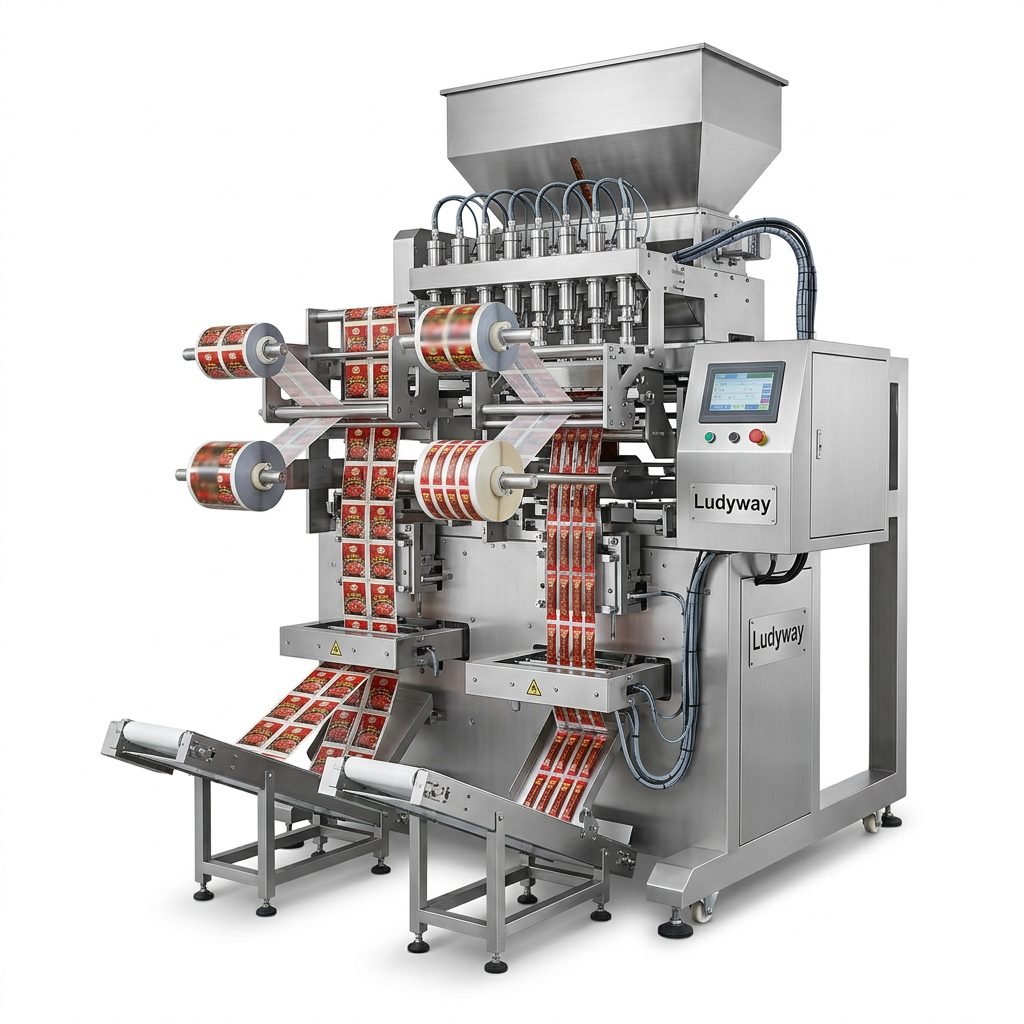
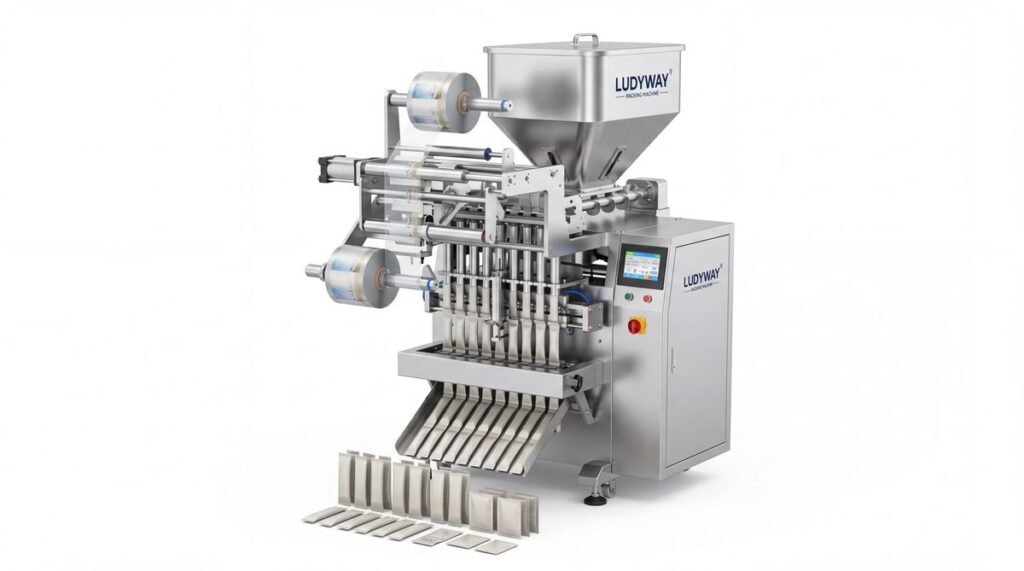
- Stick Pack Machines: A specialized type producing slim, elongated sachets perfect for single-serve powders, supplements, or liquids.
4. Labeling & Coding Equipment
This equipment applies vital information and branding to your packages.
- Label Applicators: Automatically apply pressure-sensitive labels to bottles, boxes, or pouches.
- Print & Apply Systems: Print variable data (like barcodes or batch codes) and immediately apply the label.
- Inkjet & Laser Coders: Directly print expiration dates, lot codes, and logos onto packaging surfaces.
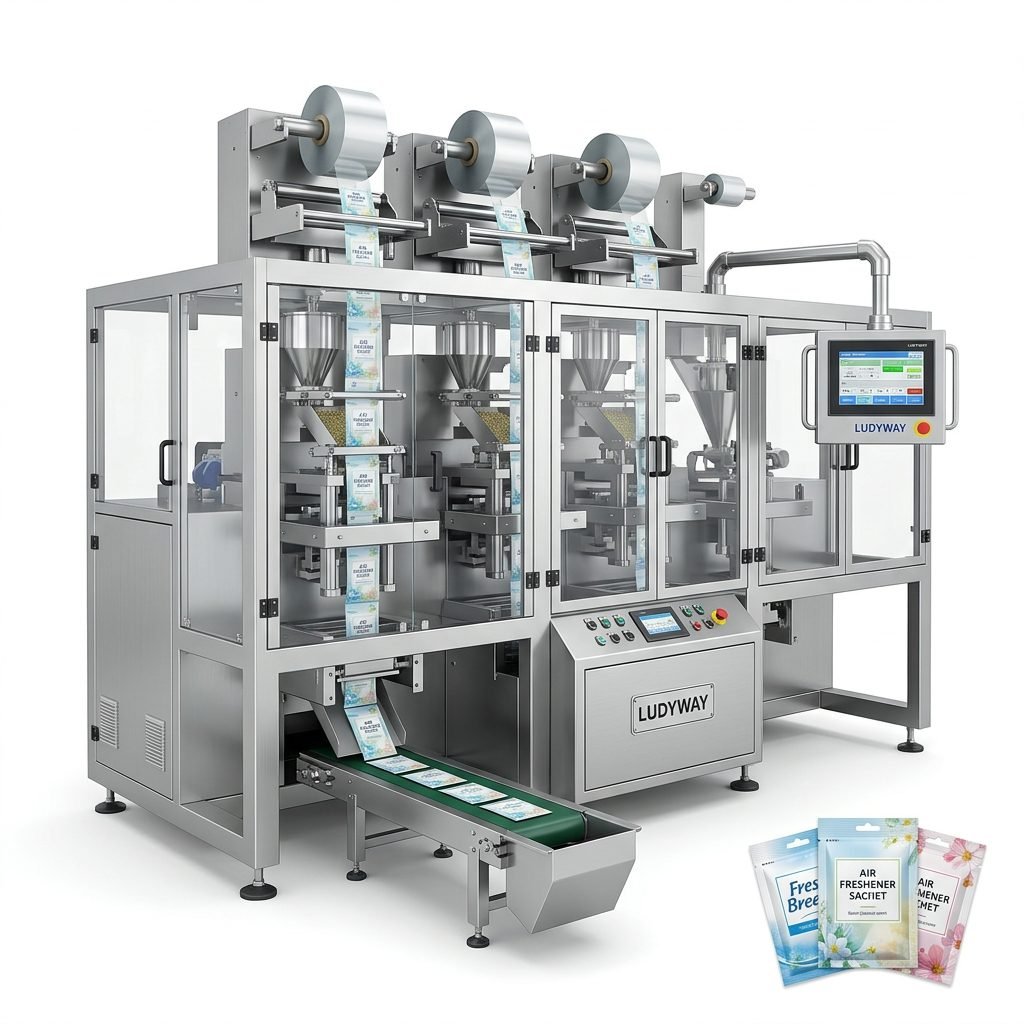
Pro Tip: For businesses requiring high flexibility and small batch runs, modular multi-lane stick pack or sachet packaging systems can be an excellent investment, allowing you to run different products simultaneously.
Key Factors for Choosing the Right Machine
With the types of equipment in mind, evaluate your specific operation against these decisive factors.
Product Characteristics
Your product dictates the machine’s core technology. Consider its form (liquid, powder, granule), viscosity, abrasiveness, and sensitivity (e.g., to heat, oxygen). A product like ground coffee requires a different filler than hand sanitizer gel.
Packaging Materials & Format
What will your product be packaged in? The machine must be compatible with your chosen films, pouches, bottles, or cartons. Determine your desired package style: stand-up pouches, flat sachets, stick packs, or rigid containers. Explore our packaging format capabilities.
Production Speed & Output Requirements
Calculate your required output in packages per minute (PPM) or hour (PPH). Match this with the machine’s rated speed, ensuring it can handle your peak demand with some overhead for future growth. Don’t over-invest in excessive speed you don’t need.
Level of Automation
Decide on the integration level:
→ Semi-Automatic: Lower cost, requires an operator for loading or actuation. Good for low volume or start-ups.
→ Fully Automatic: Integrated into a line, handles tasks from feeding to discharge. Essential for high-volume production.
→ Turnkey Line: A complete, ready-to-run system where all components (filler, sealer, capper, labeler) are matched and synchronized.
Accuracy and Consistency
For costly ingredients or regulated products (pharmaceuticals, supplements), filling accuracy is non-negotiable. Look for machines with high-precision scales, servo-driven augers, or advanced volumetric controls to minimize give-away and ensure compliance.
Footprint and Facility Constraints
Measure your available floor space. Ensure the machine’s dimensions and required peripherals (conveyors, hoppers) will fit comfortably in your facility, allowing for safe operator access and maintenance.
Budget and Total Cost of Ownership (TCO)
Look beyond the initial purchase price. Consider installation, training, maintenance, spare parts availability, energy consumption, and potential downtime costs. A reliable machine from a reputable supplier may have a higher upfront cost but a lower TCO. Learn about our support and service commitment.
📈 Long-Term Partnership Value: Choosing a supplier with deep industry experience and strong engineering capabilities is crucial. They can provide not just a machine, but a solution tailored to your production needs, ensuring reliability and offering support for the lifecycle of your equipment.
Implementing Your New Equipment
Successful implementation goes beyond delivery. Plan for factory acceptance testing (FAT), proper site installation, comprehensive operator and maintenance training, and a clear plan for ongoing technical support and spare parts. A partner who provides a complete turnkey production solution can manage this process seamlessly.
Frequently Asked Questions (FAQs)
1. What is the most important factor when choosing packaging equipment?
The most critical factor is a precise understanding of your product characteristics and packaging format. The machine technology must be compatible with both to ensure reliable operation, accuracy, and product safety.
2. How do I decide between a Form-Fill-Seal machine and a pre-made pouch filler?
Choose a Form-Fill-Seal (FFS) system for high-volume efficiency, lower film material costs, and greater format flexibility from a roll. Opt for a pre-made pouch filler if you have complex pouch shapes, require high-quality printed graphics on the pouch, or have lower to medium output requirements.
3. Can one machine handle different types of products?
Some machines offer changeover capabilities. For example, an auger filler might handle different powders with a change of the auger and hopper. However, switching between vastly different forms (e.g., liquid to powder) typically requires a different machine or significant, costly modification.
4. What should I look for in a packaging machinery supplier?
Seek a supplier with proven experience in your industry, a track record of reliable equipment, strong after-sales support (training, spare parts, service), and the ability to offer customized solutions rather than just off-the-shelf machines.
5. How can I future-proof my packaging equipment investment?
Select equipment with a modular design that allows for upgrades, choose a supplier committed to innovation and support, and ensure the machine’s speed and flexibility can accommodate reasonable forecasted growth in your product lines and output.