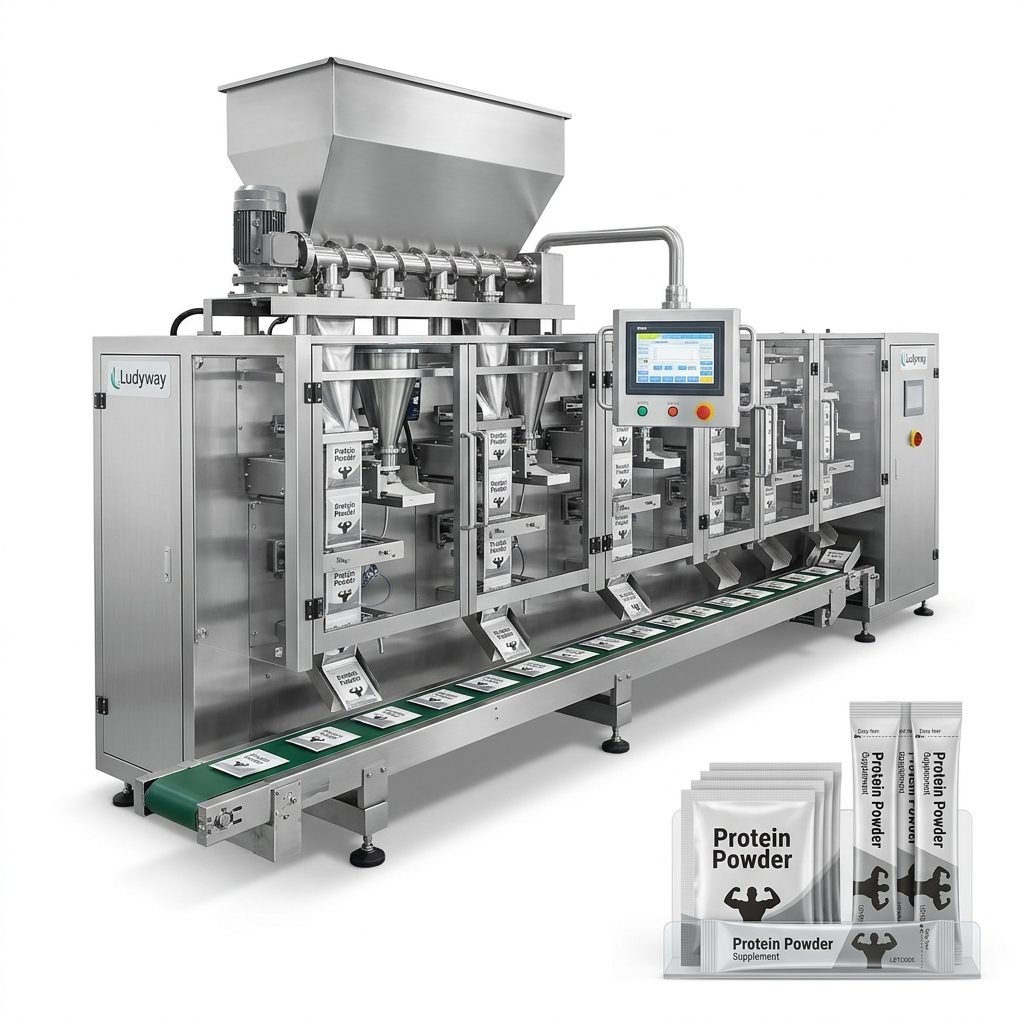
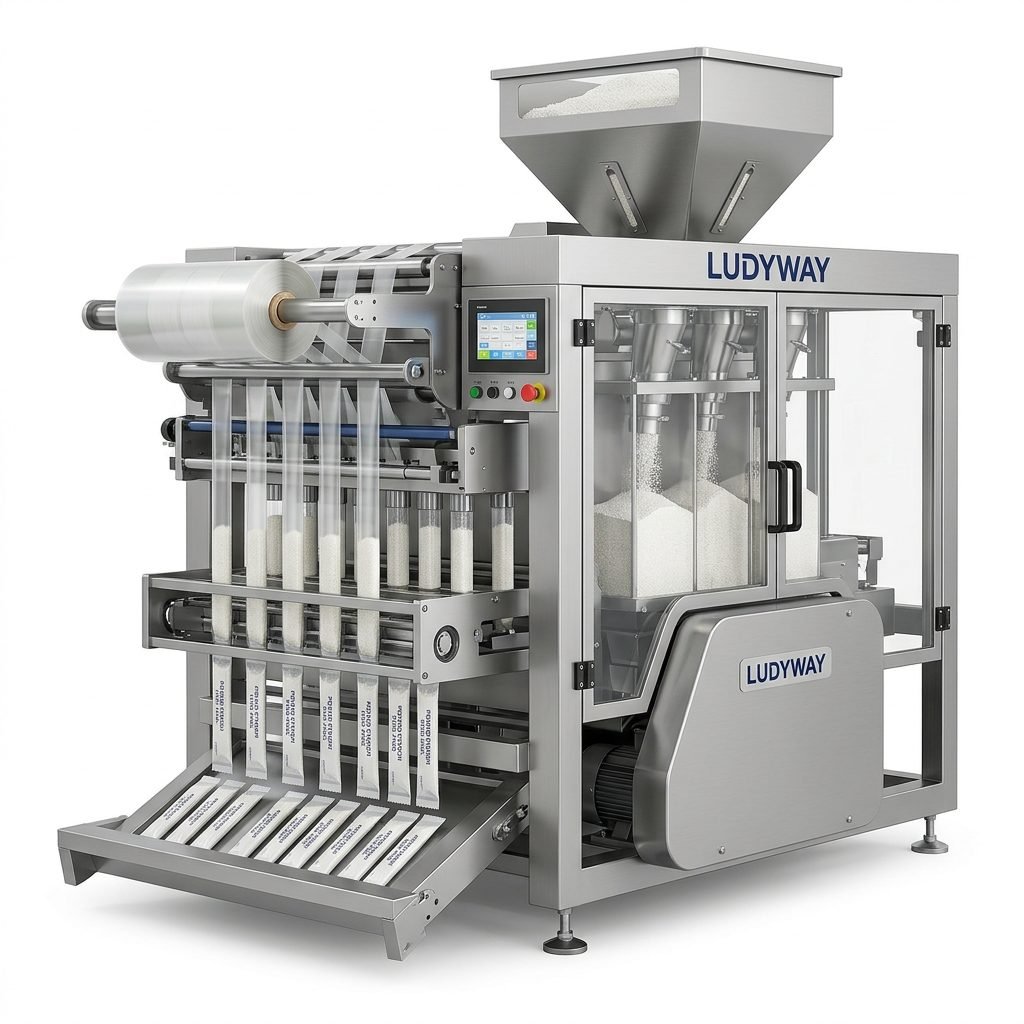
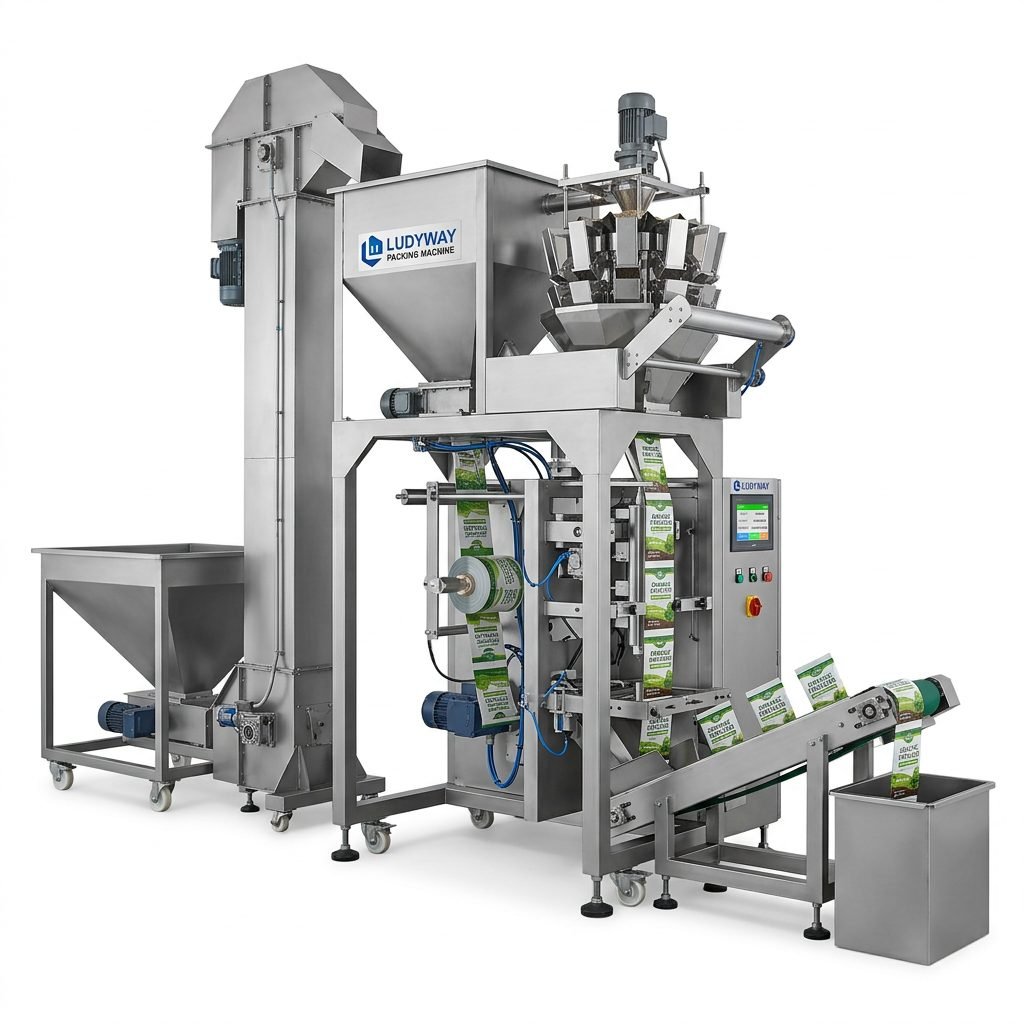
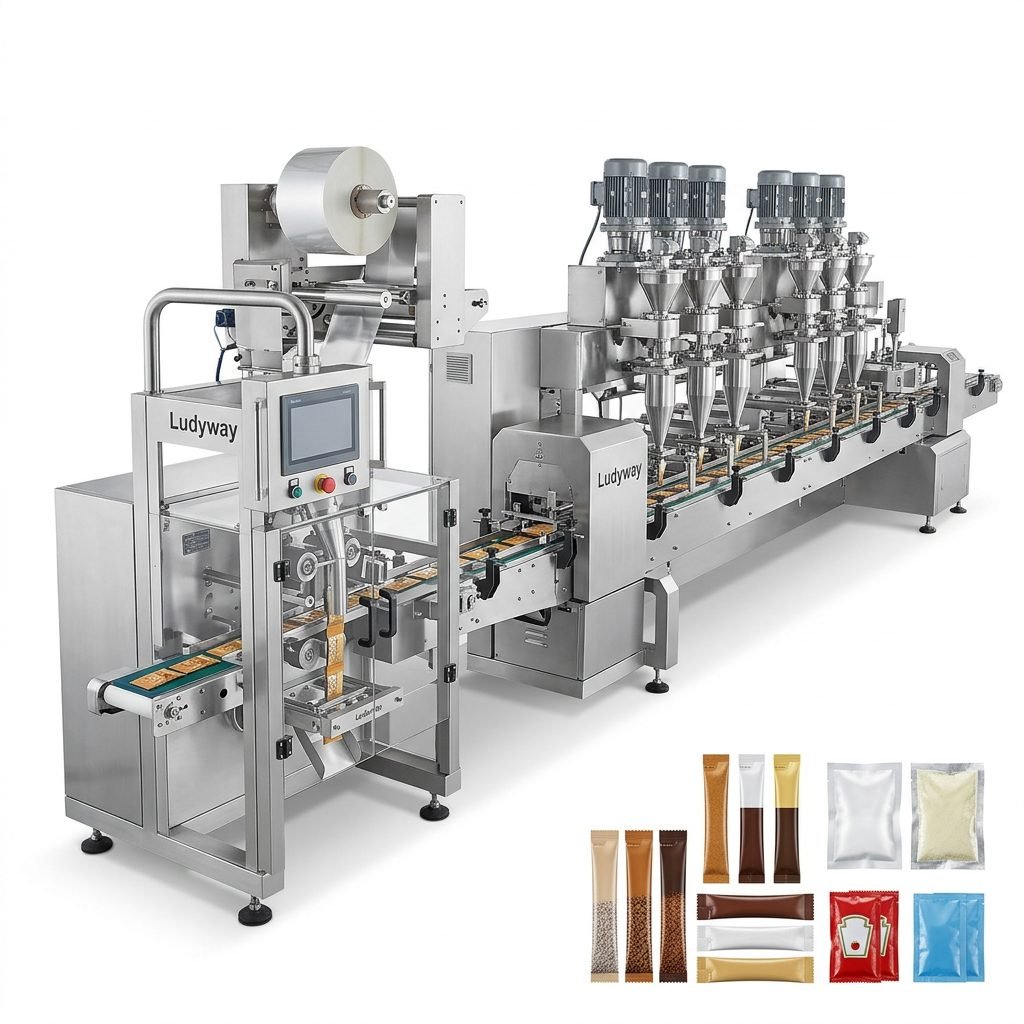
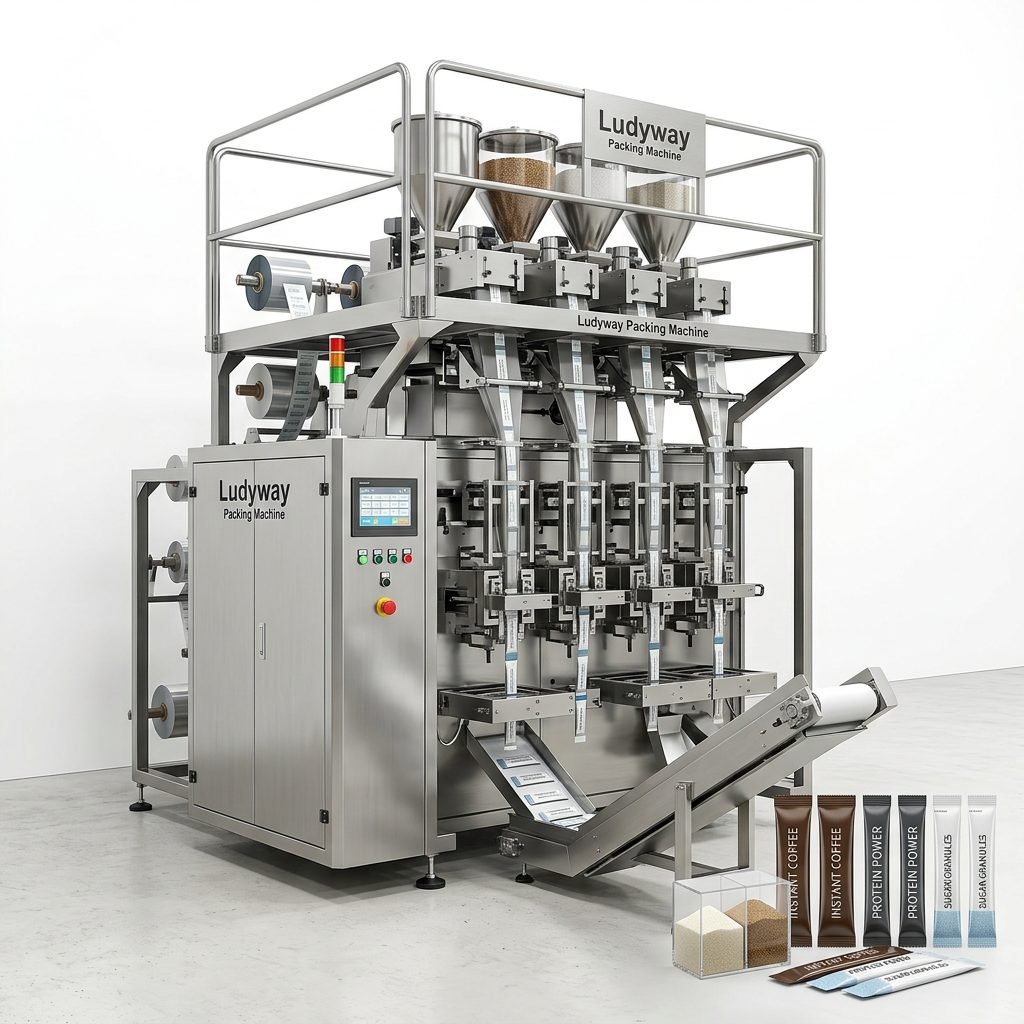
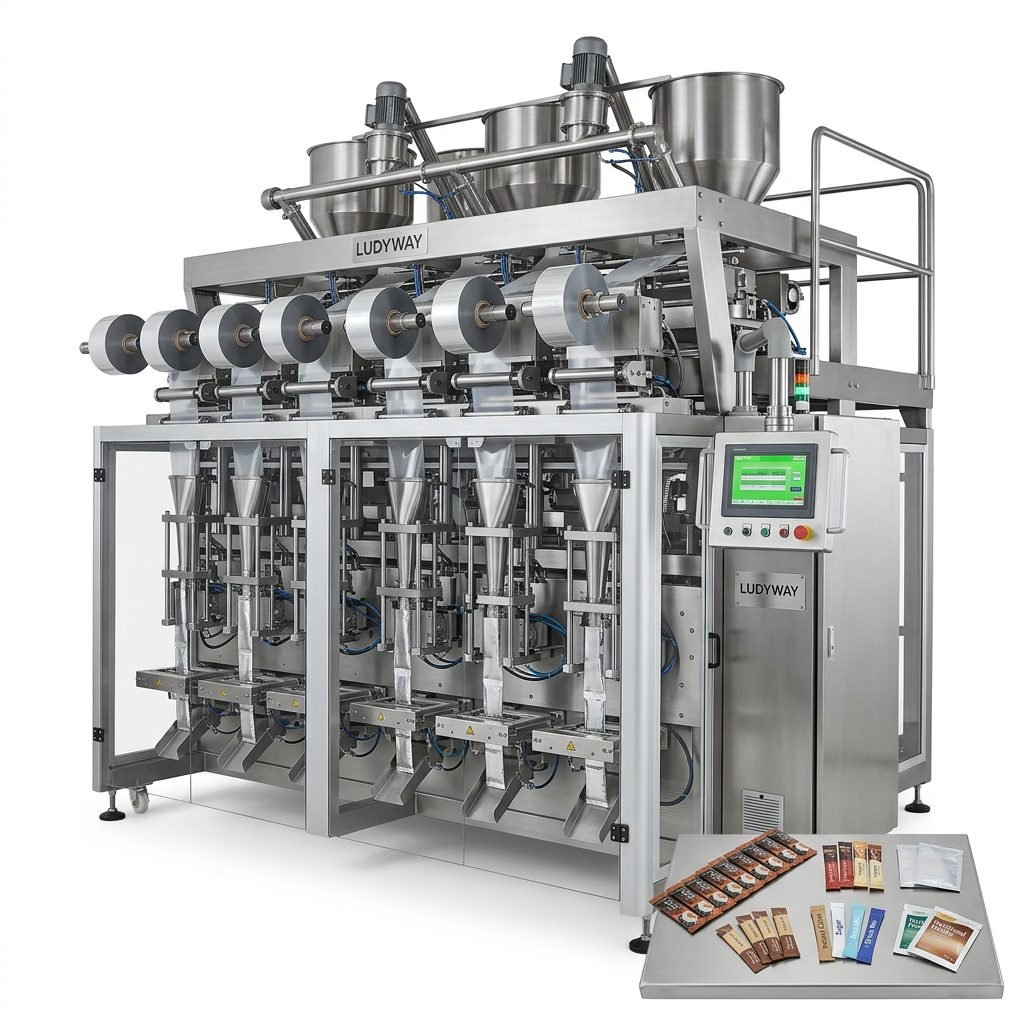
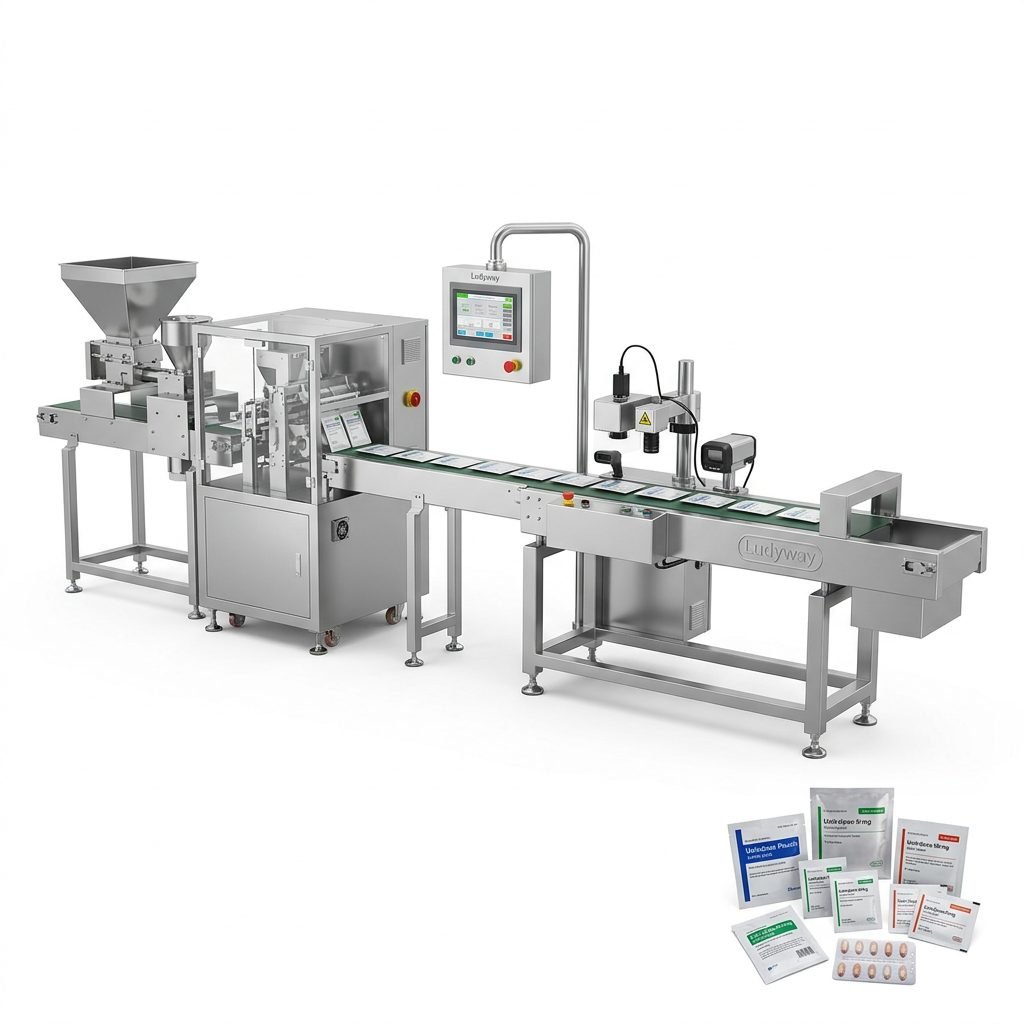
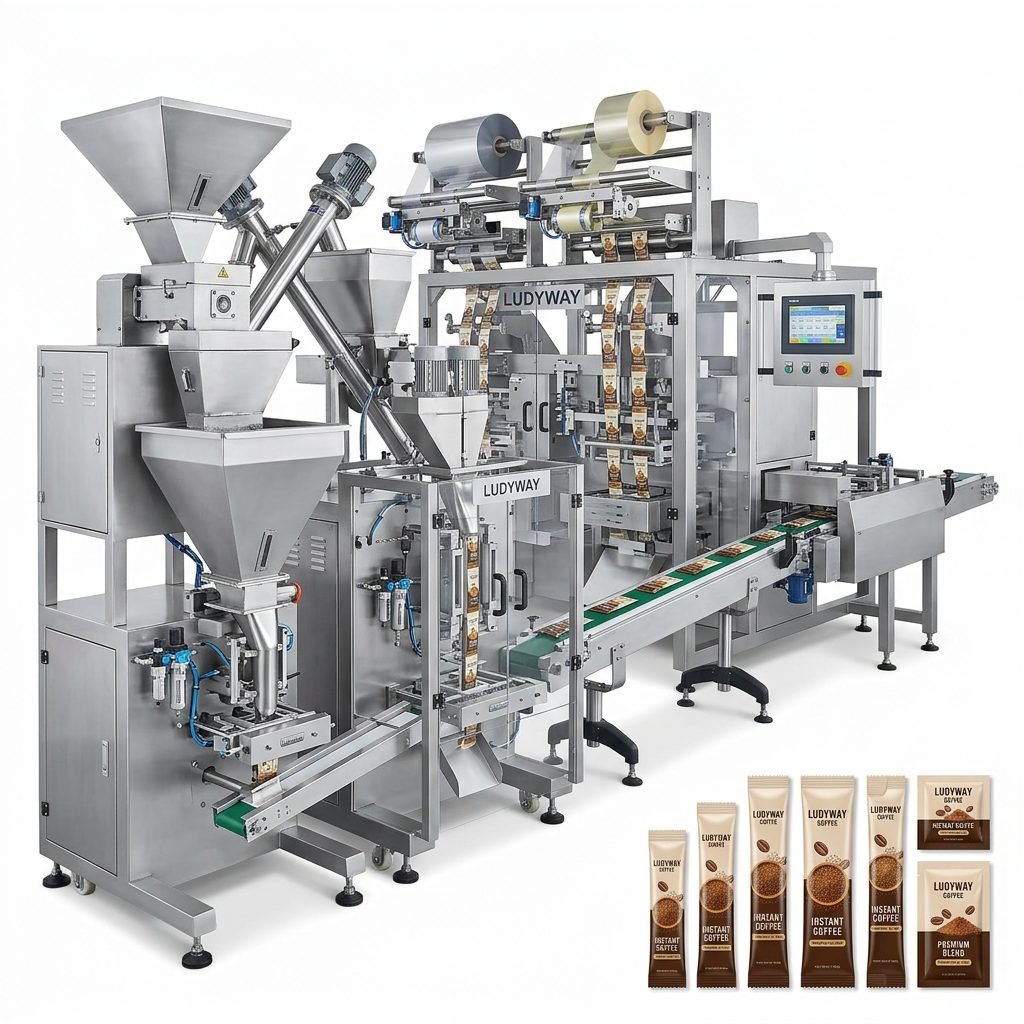
In the fast-paced world of automated packaging, the cutting blade is a critical yet often overlooked component. It is the precise, sharp edge that determines the quality, efficiency, and reliability of your packaging process. From creating clean seals on sachets to ensuring perfect cuts on stick packs, the right blade directly impacts product presentation, shelf life, and production uptime. This guide delves into the world of packaging machine blades, exploring their various types, specific applications, and providing a clear framework for selecting the optimal blade for your operation.
Understanding the Core Types of Packaging Machine Blades
Packaging machine blades are not one-size-fits-all. They are engineered for specific materials, machine types, and cutting actions. Understanding these categories is the first step to making an informed choice.
1. Straight Cut Blades
These are the most common type, featuring a simple, linear cutting edge. They are typically used in horizontal form-fill-seal (HFFS) machines and vertical form-fill-seal (VFFS) machines to cut across the film web, separating individual packages. Straight blades can be further classified by their mounting and action:
- Fixed Blades: Stationary blades that work in conjunction with a moving counterpart or a sealing jaw.
- Reciprocating Blades: Blades that move back and forth in a guillotine-style action for a clean, shear cut.
2. Serrated or Perforated Blades
These blades have a toothed or notched edge. They are not designed for a complete cut but rather to create a perforated line, allowing for easy tearing by the end-user. This is essential for products like sugar sachets, condiment packets, or multi-lane stick pack formats where easy opening is a key consumer requirement. The spacing and depth of the serrations determine the tear strength.
3. Rotary Blades
Common in high-speed continuous motion machines, rotary blades are circular discs that rotate against a stationary anvil blade or another rotary blade. They provide a smooth, continuous cutting action with minimal vibration, ideal for high-volume production lines for powders, granules, or liquids. They excel in cutting laminated and multi-layer films.
4. Hot Knife/Crush Cut Blades
This technology uses a heated blade to simultaneously cut and seal the packaging film. The heat melts the polymer layers, fusing them together to prevent fraying and create a clean, sealed edge. This is crucial for products where hygiene and barrier integrity are paramount, such as in medical device packaging or premium food items. It eliminates dust and particle generation from the cutting process.
Primary Applications and Material Considerations
The choice of blade is heavily influenced by the packaging material and the product being packed. Using the wrong blade can lead to ragged seals, film jams, and frequent downtime.
Film Types and Blade Interaction
Monolayer Films (e.g., PE, PP): Softer and more forgiving, they can often be cut effectively with standard straight or rotary blades. Serrated blades work well for tear-notches.
Laminated Films (e.g., PET/AL/PE, OPP/MPET/PE): These complex, multi-layer structures are tougher and more abrasive. They require harder, more wear-resistant blades (like tungsten carbide-coated) to maintain a sharp edge. A hot knife cut is often preferred for a perfect seal.
Paper-Based Materials: Abrasive and fibrous, paper quickly dulls standard blades. Ceramic or specially hardened steel blades are recommended for longevity.
Product-Specific Blade Requirements
- Food & Powder: Hygiene is critical. Blades must be easy to clean, corrosion-resistant (stainless steel), and should not generate particulate. A clean cut prevents powder leakage.
- Pharmaceutical & Medical: Beyond hygiene, precision and absolute seal integrity are non-negotiable. Hot knife systems are prevalent to ensure a sterile, fray-free seal.
- Granules & Hardware: Durability is key. Blades must withstand potential minor impacts from harder product particles.
How to Choose the Right Cutting Blade: A Step-by-Step Guide
Selecting the perfect blade involves a systematic assessment of your machine, material, and production goals.
Step 1: Analyze Your Packaging Machine
First, identify your machine model and its cutting mechanism. Consult the machine manual or the original equipment manufacturer (OEM). Key questions include:
- Is it a reciprocating or rotary cutting system?
- What is the blade mounting style and dimensions (length, width, thickness, hole pattern)?
- What is the recommended blade material and hardness by the OEM?
Step 2: Define Your Packaging Material
Gather detailed specifications of your film or laminate:
- Material Composition: What polymers, foil, or paper are used?
- Thickness (Gauge): Thicker materials require more robust blades.
- Abrasiveness: Does the film contain silica or other abrasive coatings?
- Sealing Layer: Does it require a hot cut for a hermetic seal?
Step 3: Evaluate Blade Material and Coating
Blade material dictates performance and lifespan:
- Tool Steel (D2, M2): A common, cost-effective choice for general-purpose cutting of non-abrasive films.
- Stainless Steel: Essential for food and pharmaceutical applications due to its corrosion resistance.
- Tungsten Carbide (TC) Coated/Tipped: Offers extreme hardness and wear resistance for abrasive laminated films, extending service life significantly.
- Ceramic: The hardest option, supremely wear-resistant for cutting abrasive paper or fiber-based materials, and chemically inert.
Step 4: Consider Operational Factors
- Production Speed: High-speed lines need blades that can dissipate heat and maintain an edge under constant use. Rotary or specialized high-speed blades are ideal.
- Cut Quality Requirement: Is a laser-sharp aesthetic cut needed, or is a functional perforation sufficient?
- Maintenance & Changeover: How quickly and easily can the blade be changed? Consider quick-change systems to minimize downtime.
Step 5: Partner with a Knowledgeable Supplier
Work with a technical supplier like Ludyway Machinery who can provide more than just a product. A good partner will:
- Offer technical consultation based on your specific application.
- Supply precision-ground blades that match OEM specifications exactly.
- Provide access to advanced materials and coatings (e.g., TC coating).
- Support with proper installation guidance and maintenance tips to maximize blade life.
Maintenance and Best Practices for Longevity
Proper care extends blade life and ensures consistent cut quality.
- Regular Cleaning: Remove film residue, dust, and product buildup after each shift or production run using appropriate tools and cleaners.
- Correct Handling & Storage: Store blades in a dry place, preferably in original protective sleeves. Handle edges carefully to prevent nicks.
- Timely Sharpening/Replacement: Establish a schedule based on runtime or material usage. Don’t wait for a complete failure; a dull blade produces poor seals and stresses the machine. Some hardened blades can be professionally re-sharpened.
- Alignment Checks: Periodically verify that the blade and its counter-part (anvil, seal jaw) are perfectly aligned. Misalignment causes uneven wear and poor cutting.
Frequently Asked Questions (FAQs)
How often should I replace my packaging machine blade?
There’s no fixed timeline. Replacement frequency depends on the blade material, the abrasiveness of your packaging film, and your daily production hours. Monitor cut quality—increased film tearing, ragged edges, or inconsistent seals are clear signs a blade needs sharpening or replacement. For abrasive materials running 24/7, inspection might be weekly, whereas for simple films, a blade could last months.
Can I sharpen the blades myself?
It is not recommended for most precision packaging blades. Sharpening requires specialized equipment to maintain the exact angle, flatness, and edge consistency. DIY sharpening often ruins the blade geometry, leading to worse performance. Send blades to the OEM or a professional sharpening service that understands packaging specifications. Some disposable blades are designed as cost-effective replacements rather than re-sharpenable items.
What causes premature blade wear?
The most common causes are: 1) Cutting overly abrasive materials (e.g., metallized film, paper) with a standard steel blade. 2) Misalignment between the blade and anvil, causing uneven contact. 3) Incorrect blade hardness for the application. 4) Lack of lubrication (if required by the machine design). 5) Film jams or foreign objects striking the cutting edge.
What’s the difference between a cutting blade and a sealing jaw?
They are distinct components that often work in unison. The sealing jaw applies heat and pressure to melt and fuse the inner layers of the film, creating the package seal. The cutting blade is then used to separate the individual packages by cutting through the sealed area (the “fin seal”) or the film web. In some systems, like hot knife cutters, the blade performs both functions simultaneously.
Why should I consider a tungsten carbide coated blade?
Tungsten carbide (TC) coating adds a microscopically hard, wear-resistant layer to the blade’s cutting edge. It is highly recommended for cutting abrasive laminated films (containing foil, metallized layers, or silica coatings). While the initial cost is higher, a TC-coated blade can last 5 to 10 times longer than a standard steel blade in these conditions, reducing changeover downtime, maintenance costs, and improving long-term cut consistency. For high-volume production, it is often the most economical choice. Consult with our experts to see if your application justifies the upgrade.