Selecting the right medical packaging machine is a critical decision for manufacturers in the pharmaceutical, nutraceutical, and medical device sectors. The packaging process must ensure product sterility, integrity, and compliance with stringent global regulations, all while maintaining operational efficiency. This guide provides a comprehensive overview of the types of machines available, their key features, and a structured approach to choosing the best solution for your specific production needs.
Primary Types of Medical Packaging Machines
The medical packaging landscape utilizes several specialized machine types, each designed for specific formats and materials. Understanding these categories is the first step in the selection process.
Blister Packaging Machines
These are among the most common machines for unit-dose packaging of tablets, capsules, and lozenges. They form a cavity (blister) from a thermoformable plastic web, place the product into the cavity, and then seal it with a lidding material, often foil. Modern blister packers offer high-speed operation, precise cavity forming, and advanced vision inspection systems to ensure 100% integrity.
Sachet and Stick Pack Machines
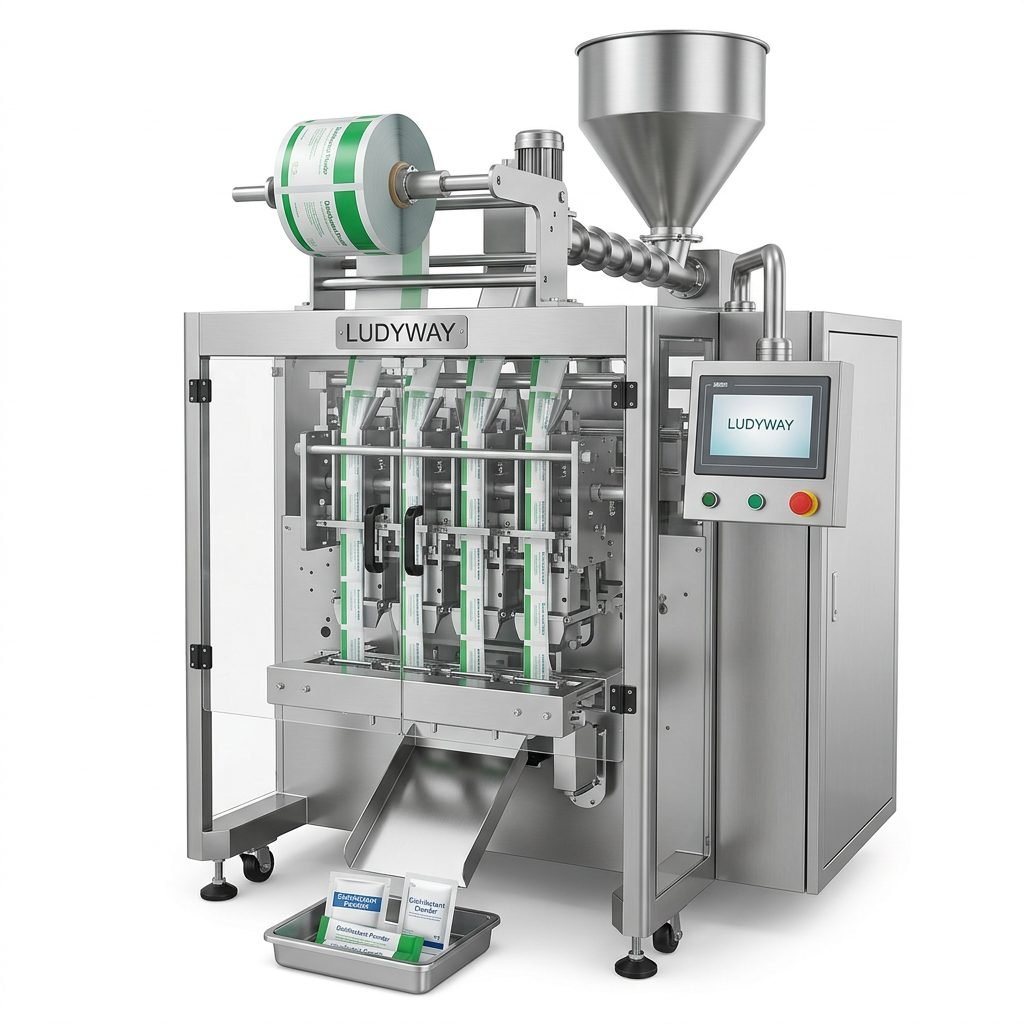
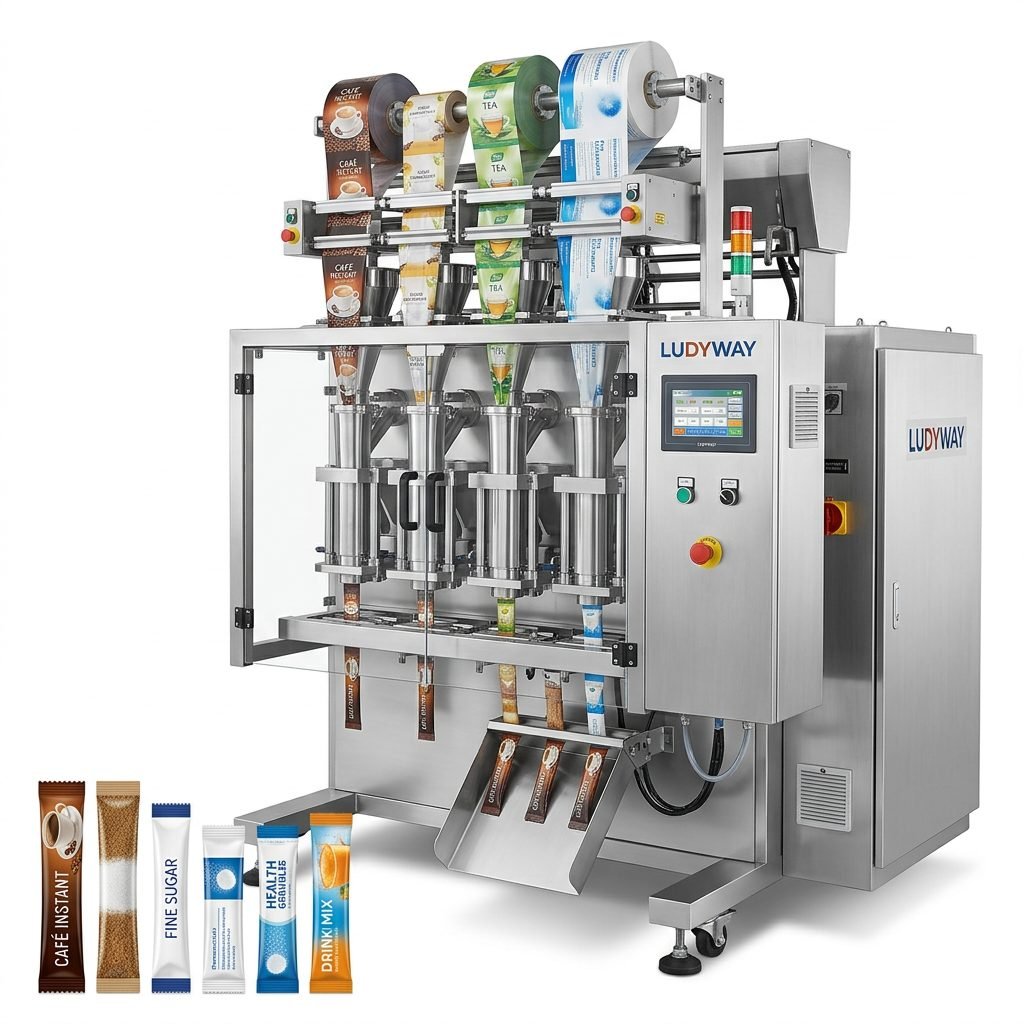
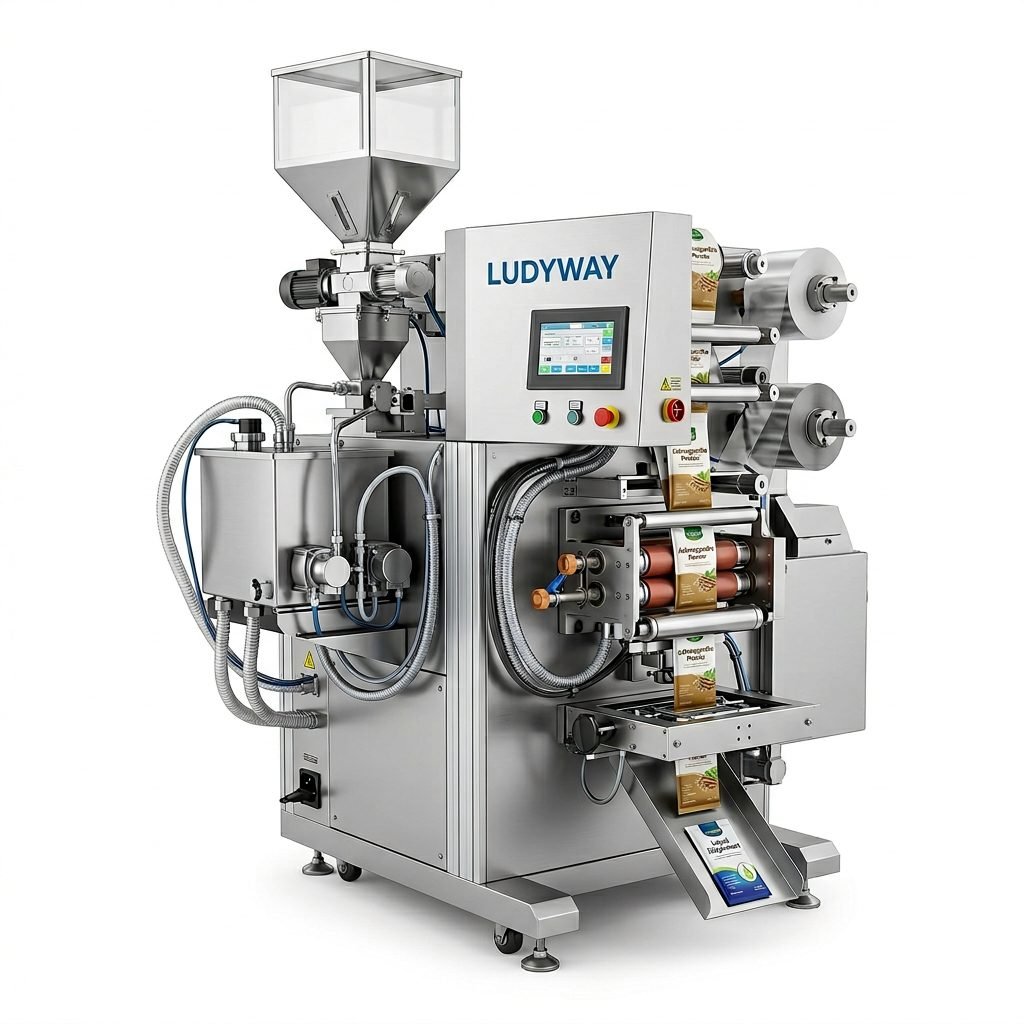
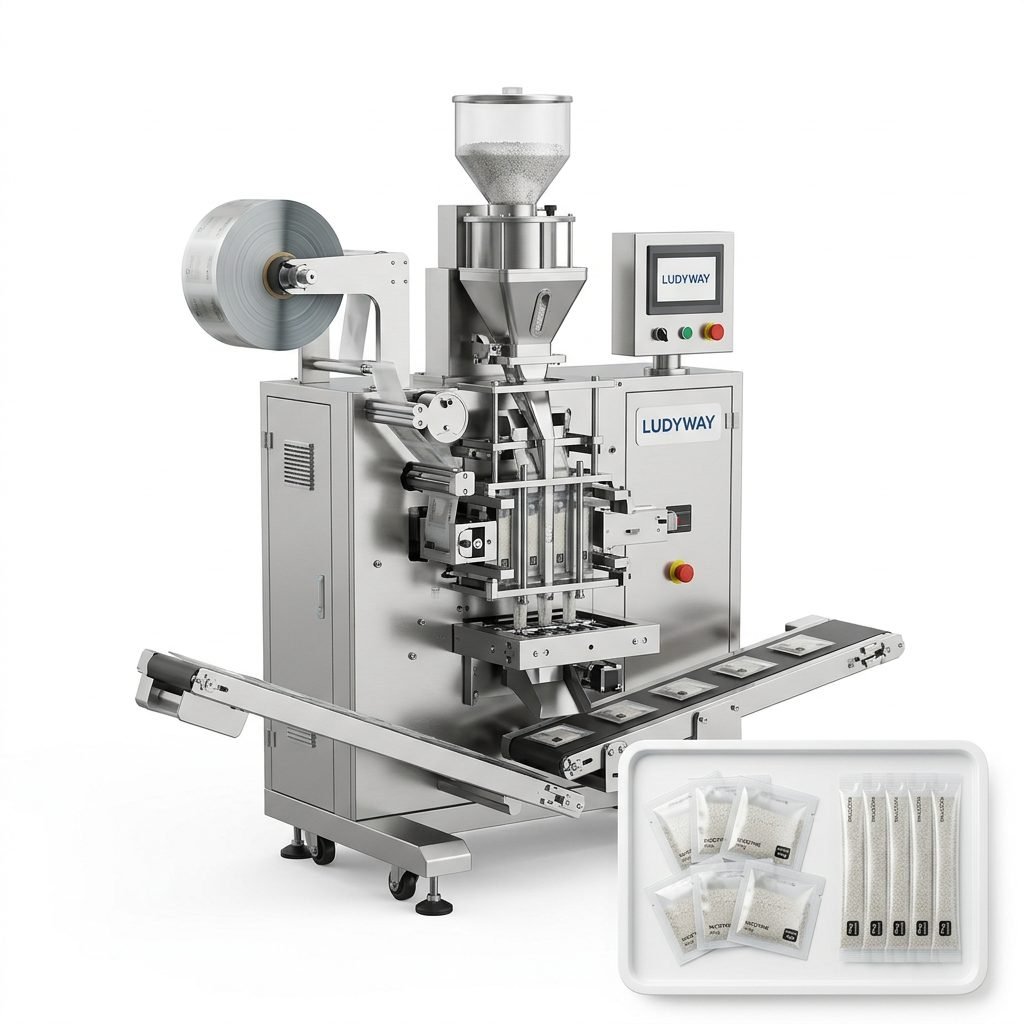
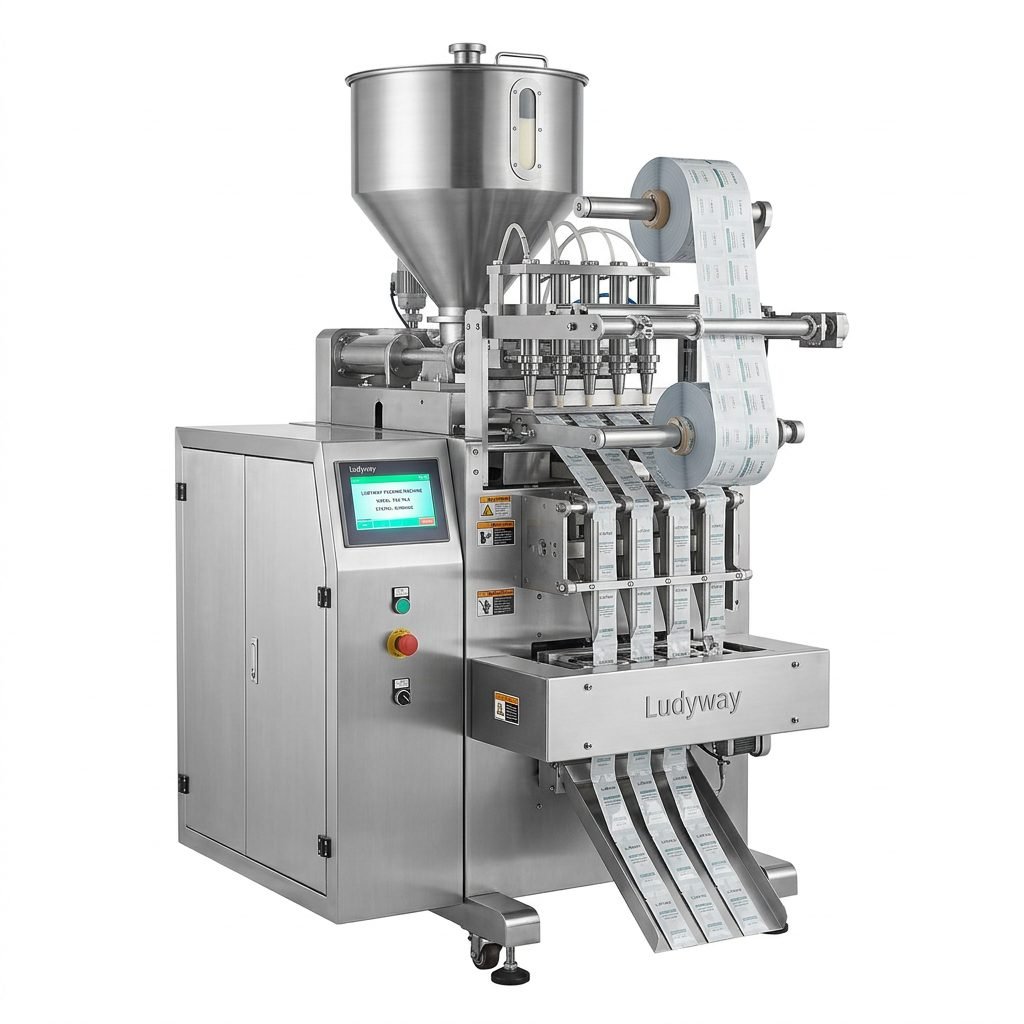
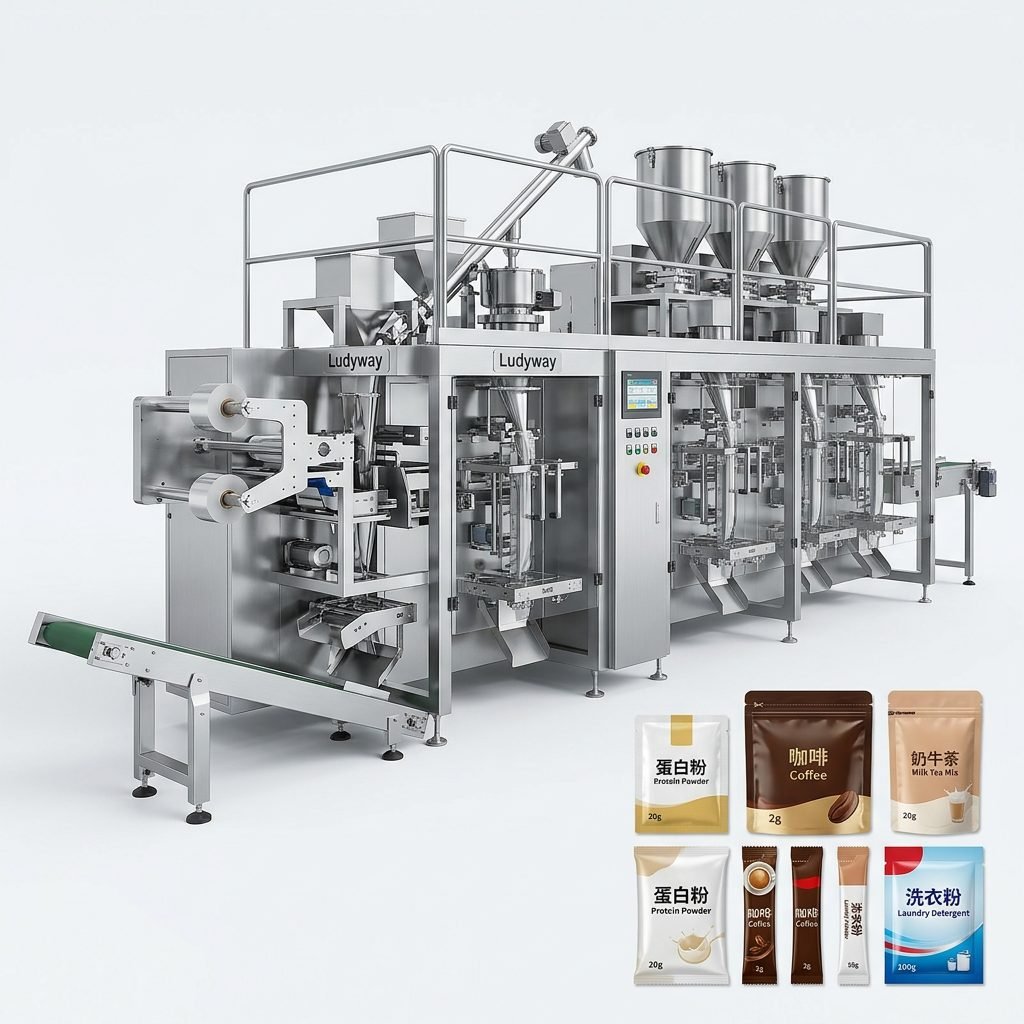
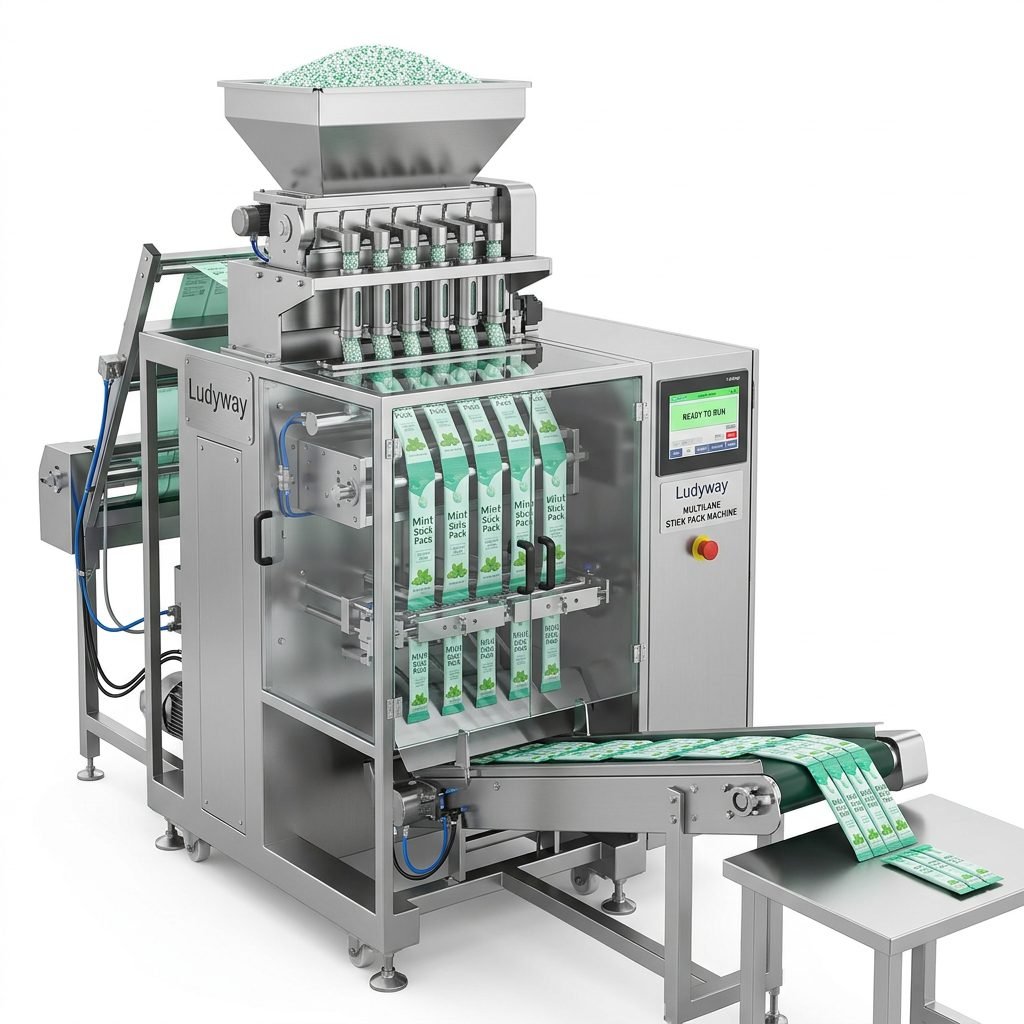
Ideal for single-dose powders, granules, or liquids, such as oral rehydration salts, instant drink mixes, or topical ointment samples. These machines create small, sealed pouches from roll stock film. Multi-lane sachet machines significantly increase output by producing several rows of packs simultaneously, making them highly efficient for high-volume production.
Bottle Filling and Capping Lines
Used for packaging liquid medications, syrups, eye drops, and sterile solutions into plastic or glass bottles. These are often modular systems that automate washing, filling, capping, sealing, and labeling in a continuous sequence. Accuracy in fill volume and tamper-evident cap application are paramount features.
Thermoform-Fill-Seal (TFS) Machines
A versatile technology used for creating sterile barrier systems for medical devices, surgical kits, and IV sets. The machine thermoforms a base web into trays, places the product, lays a sterile Tyvek or medical-grade paper lid, and heat-seals it. TFS machines are crucial for maintaining the sterility of products until point of use.
Cartoning Machines
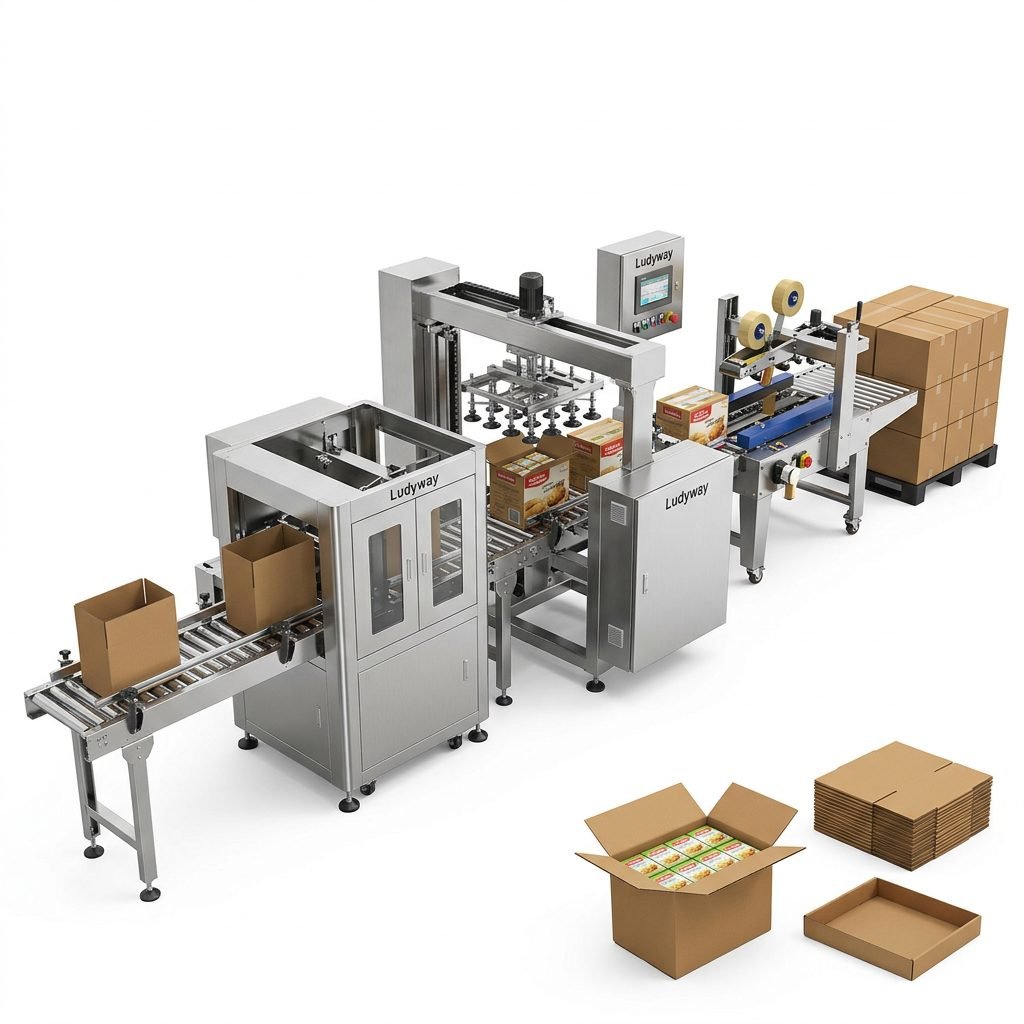
These machines erect, load, and seal folding cartons that contain blisters, bottles, or other primary packages. They often include leaflet inserters for patient information leaflets and can be integrated with serialization and aggregation systems for track-and-trace compliance, a growing requirement in many markets.
Essential Features and Technological Considerations
Beyond the basic type, several features differentiate standard equipment from high-performance, future-proof solutions for the medical field.
1. Compliance and Validation Support
Machines must be designed for easy validation in accordance with GMP (Good Manufacturing Practice) and relevant FDA/EMA guidelines. Look for features like 316L stainless steel or anodized aluminum contact surfaces, smooth exteriors without crevices for easy cleaning, and comprehensive documentation packages (DQ, IQ, OQ, PQ protocols).
2. Precision and Accuracy
Dosing consistency is non-negotiable. For powders and granules, auger filler systems with servo drives offer exceptional precision. For liquids, peristaltic or piston pumps ensure accurate, contact-free filling. Weight checkers integrated into the line provide real-time feedback and rejection of off-spec packs.
3. Changeover Flexibility
With the trend towards smaller batch sizes and personalized medicine, quick changeover is vital. Machines with tool-less adjustments, recipe memory storage, and easy-access format parts reduce downtime significantly when switching between different product sizes or packaging materials.
4. Integrated Quality Control
In-line inspection systems are no longer optional. Key integrations include:
✓ Vision Inspection: Checks for correct labeling, seal integrity, presence of product, and print quality.
✓ Leak Detection: For blister packs and sachets, ensuring the barrier properties are intact.
✓ Metal Detection/X-Ray: Identifies and rejects any foreign particle contamination.
5. Connectivity and Industry 4.0 Readiness
Modern machines should offer OPC-UA or other standard communication protocols for seamless integration into Factory Monitoring Systems (SCADA/MES). This enables real-time data collection on OEE (Overall Equipment Effectiveness), production counts, and downtime analysis, facilitating predictive maintenance and continuous improvement.
How to Choose the Best Medical Packaging Solution: A Step-by-Step Guide
Navigating the selection process requires a methodical approach that balances technical needs with business objectives.
Step 1: Define Your Core Requirements
Start with a clear specification document. This must include:
• Product Characteristics: Physical form (tablet, powder, liquid, device), sensitivity (hygroscopic, light-sensitive), and required sterility level.
• Packaging Materials: Type of film (PVC/PVdC, Aclar®, foil), lidding, or pre-formed containers. Consider sustainability goals.
• Output Speed (PPM): Calculate required speed based on annual volume, shifts, and allowing for maintenance.
• Footprint and Utilities: Assess available factory space and requirements for compressed air, electrical power, and exhaust.
Step 2: Evaluate Compliance and Regulatory Fit
Ensure the machine supplier understands the regulatory landscape of your target markets (e.g., FDA 21 CFR Part 211, EU Annex 1). The equipment construction and control system must support the necessary validation processes. Partnering with a supplier experienced in medical and pharmaceutical packaging is crucial here.
Step 3: Assess Total Cost of Ownership (TCO)
Look beyond the initial purchase price. Calculate TCO by factoring in:
• Operational Costs: Energy consumption, material waste rates, and required operator skill level.
• Maintenance Costs: Availability and cost of spare parts, recommended service intervals.
• Lifecycle & Support: Expected machine lifespan, availability of technical support, and training programs from the supplier.
Step 4: Prioritize Supplier Capability and Support
The machine is only as good as the company behind it. Evaluate potential suppliers on:
• Industry Experience: Proven track record with similar products and regulations.
• Service Network: Availability of local or responsive remote support for troubleshooting and spare parts.
• Project Execution: Ability to provide a complete turnkey solution, including factory acceptance tests (FAT), installation, and commissioning support.
Step 5: Request and Analyze a Product Test
Always insist on a live production test using your actual product and packaging materials (or closest equivalents). This is the only way to verify key performance indicators like speed, yield, accuracy, and seal quality. Observe the machine’s operation, noise level, and ease of use during the test.
Conclusion
Investing in a medical packaging machine is a strategic decision that impacts product quality, regulatory compliance, and production profitability for years to come. By thoroughly understanding the different machine types, insisting on critical features like precision and integrated QC, and following a disciplined selection process that emphasizes supplier partnership, manufacturers can secure a solution that delivers safety, efficiency, and a strong return on investment. The right packaging automation partner will not only provide reliable equipment but will also act as a long-term collaborator in navigating the evolving demands of the healthcare industry.
Frequently Asked Questions (FAQs)
What is the most important factor when choosing a medical packaging machine?
While speed and cost are important, compliance and validation capability are paramount. The machine must be designed and documented to meet GMP and relevant regulatory standards (FDA, EU) from the ground up. A fast machine that cannot be properly validated is unsuitable for medical production.
Can one machine handle different packaging formats, like sachets and stick packs?
Many vertical form-fill-seal (VFFS) machines are highly flexible and can produce different pouch styles (sachet, stick pack, gusseted bags) by changing the forming tube and sealing jaws. However, changeover requires time and skill. For dedicated, high-volume production of one format, a specialized machine is often more efficient.
How critical is in-line inspection for medical packaging?
It is absolutely critical. Integrated vision, leak, or checkweighing systems provide 100% inspection, which is a key requirement for quality control in medical manufacturing. They prevent defective products from reaching the market, protect patients, and reduce the risk of costly recalls, making them a essential component of a robust quality system.
What should I look for in a machine supplier’s after-sales service?
Prioritize suppliers who offer comprehensive training for your operators and maintenance staff, provide clear and readily available spare parts lists, and have a responsive technical support team—ideally with remote diagnostics capabilities. A strong service agreement ensures maximum uptime and protects your long-term investment.
Are there sustainable packaging options compatible with medical-grade machines?
Yes. The industry is moving towards mono-material films (like PP or PE) that are recyclable, while still meeting barrier requirements for moisture and light. Many modern machines can run these newer, sometimes more challenging, materials. Discuss your sustainability goals with your supplier early in the selection process to find a compatible solution.