In Malaysia’s vibrant and diverse market, packaging machinery plays a crucial role across numerous sectors, from the bustling food and beverage industry to the precise pharmaceutical and fast-moving consumer goods (FMCG) sectors. The demand for efficient, reliable, and automated packaging solutions is continuously growing, driven by the need for higher productivity, consistent quality, and cost-effectiveness. For business owners and production managers navigating this landscape, understanding the available options is key to making an informed investment.
Popular Types of Packaging Machinery in Malaysia
The Malaysian manufacturing scene utilizes a wide array of packaging machines, each designed for specific materials and production speeds. Here’s a breakdown of the most common types you’ll encounter.
Vertical Form Fill Seal (VFFS) Machines
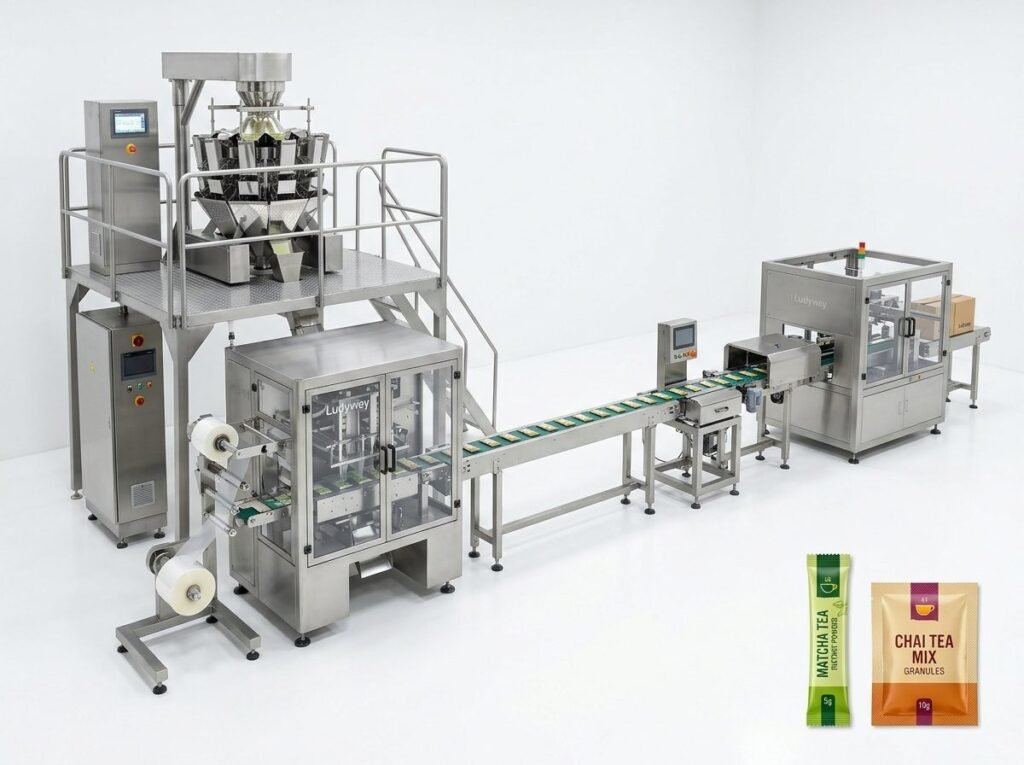
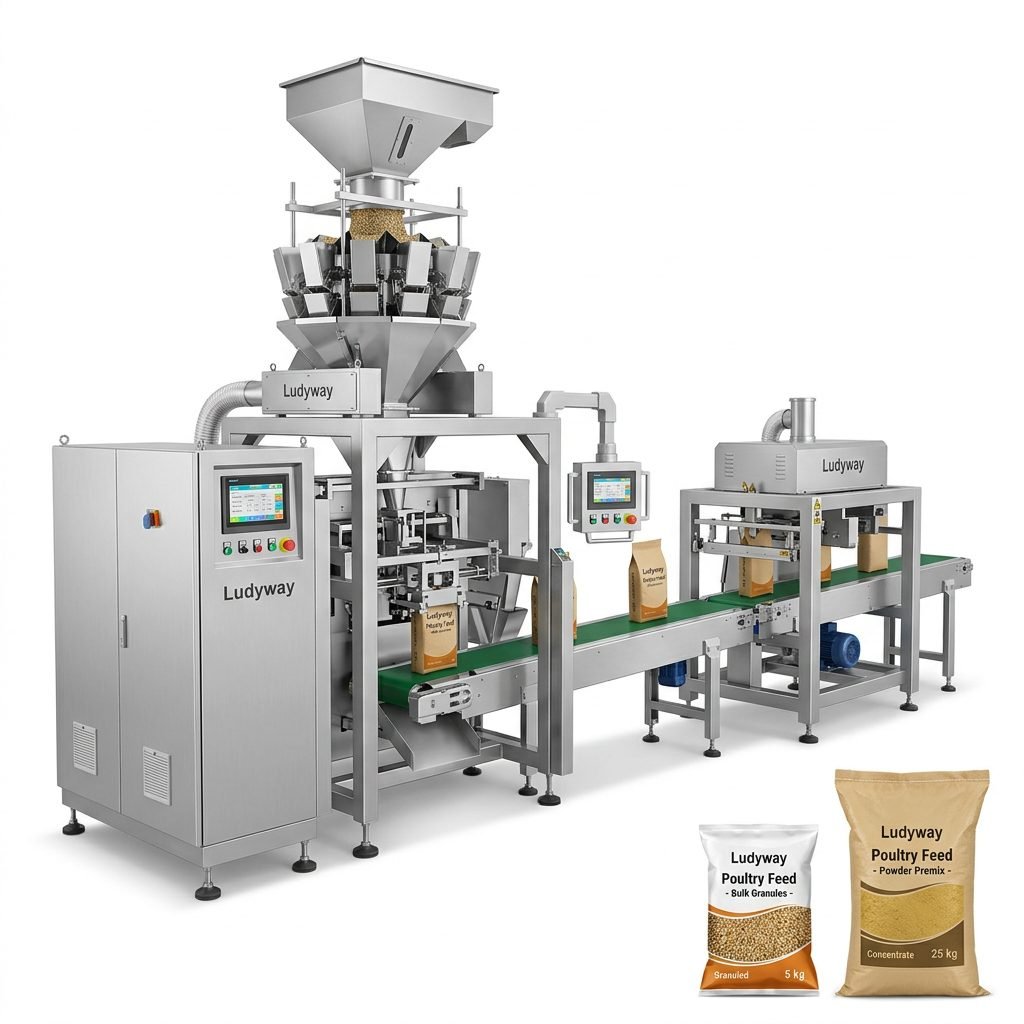
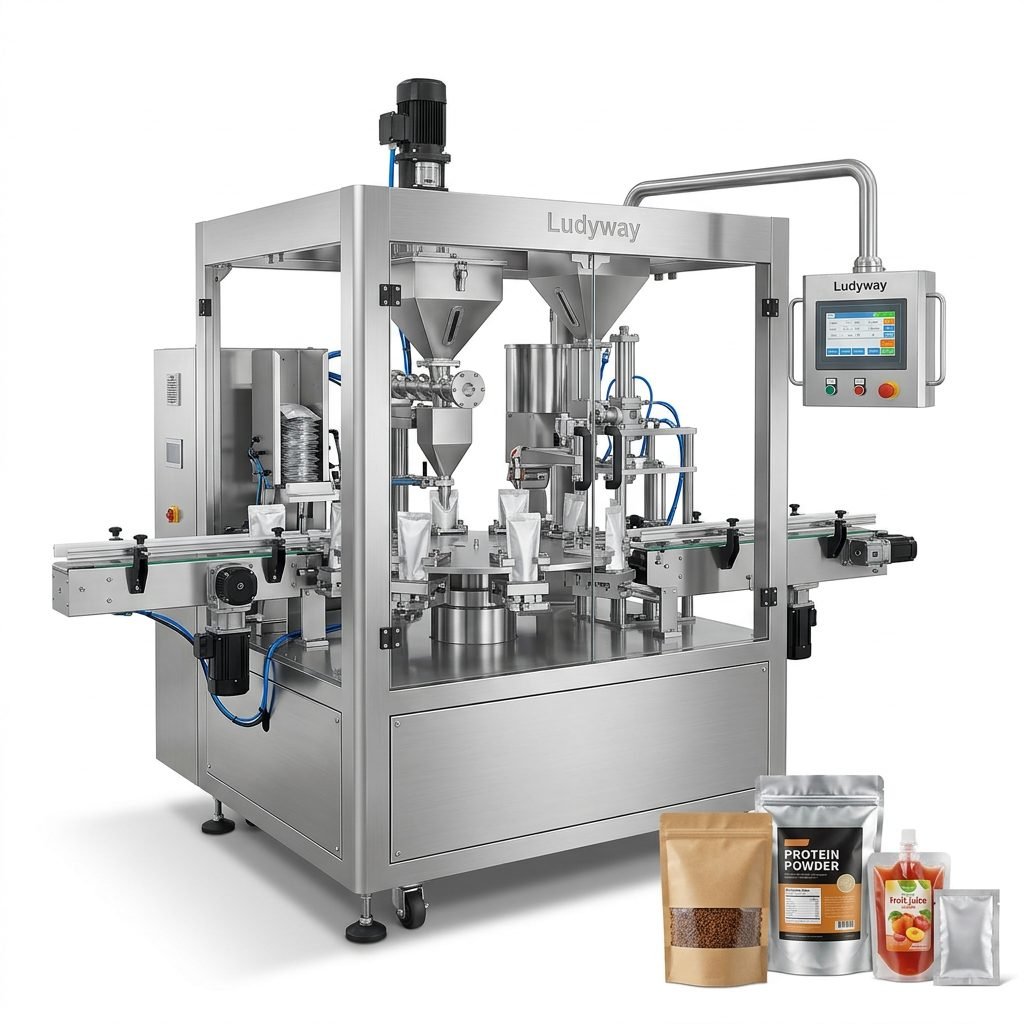
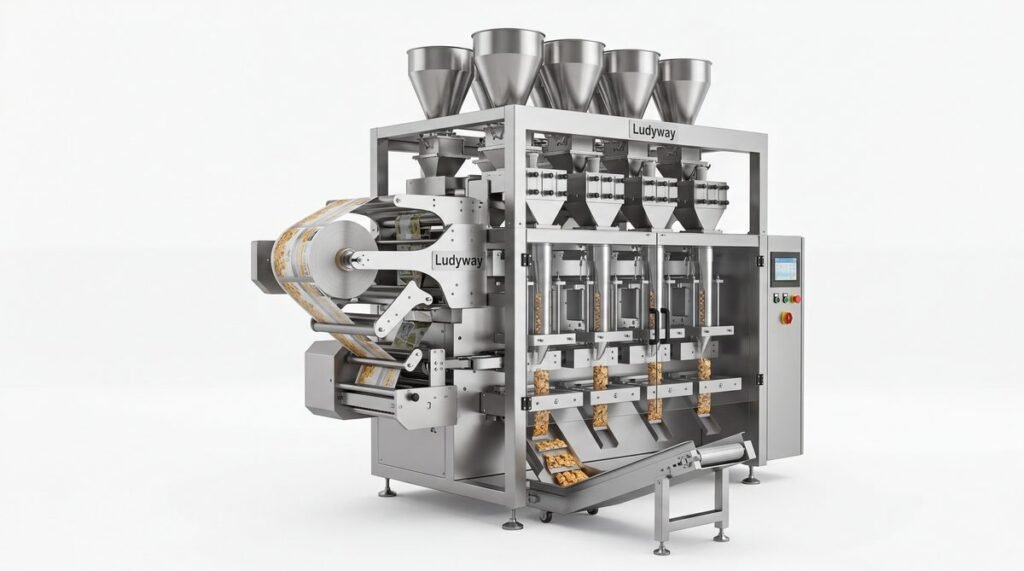
These are among the most versatile and widely used machines. They form bags from a roll of film, fill them with product, and then seal them. Ideal for packaging granules, powders, snacks, and liquids. Their flexibility in bag size and shape makes them a staple in many factories.
Horizontal Flow Wrappers
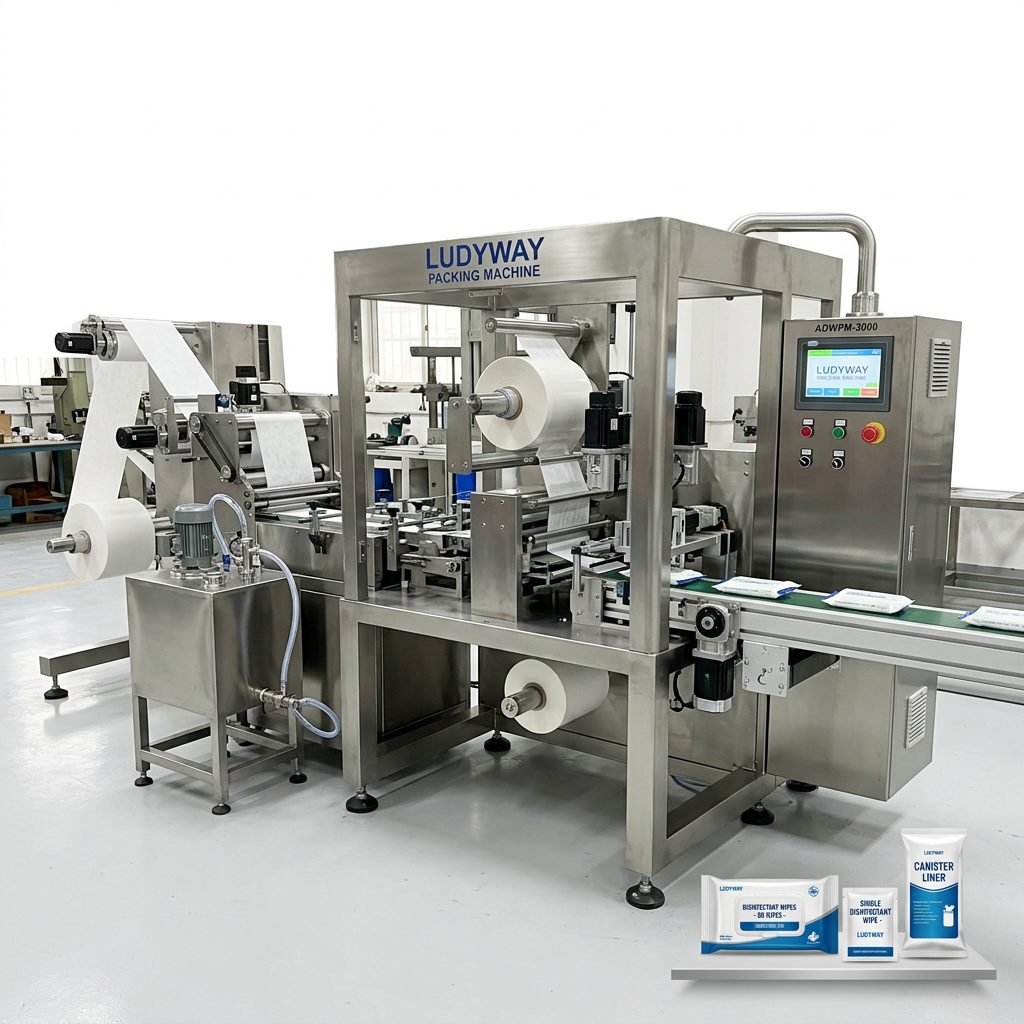
Perfect for wrapping individual items like biscuits, candy bars, soap bars, and pharmaceuticals. These machines use a continuous film to create a tight, secure wrap around products, offering excellent presentation and product protection.
Sachet and Stick Pack Machines
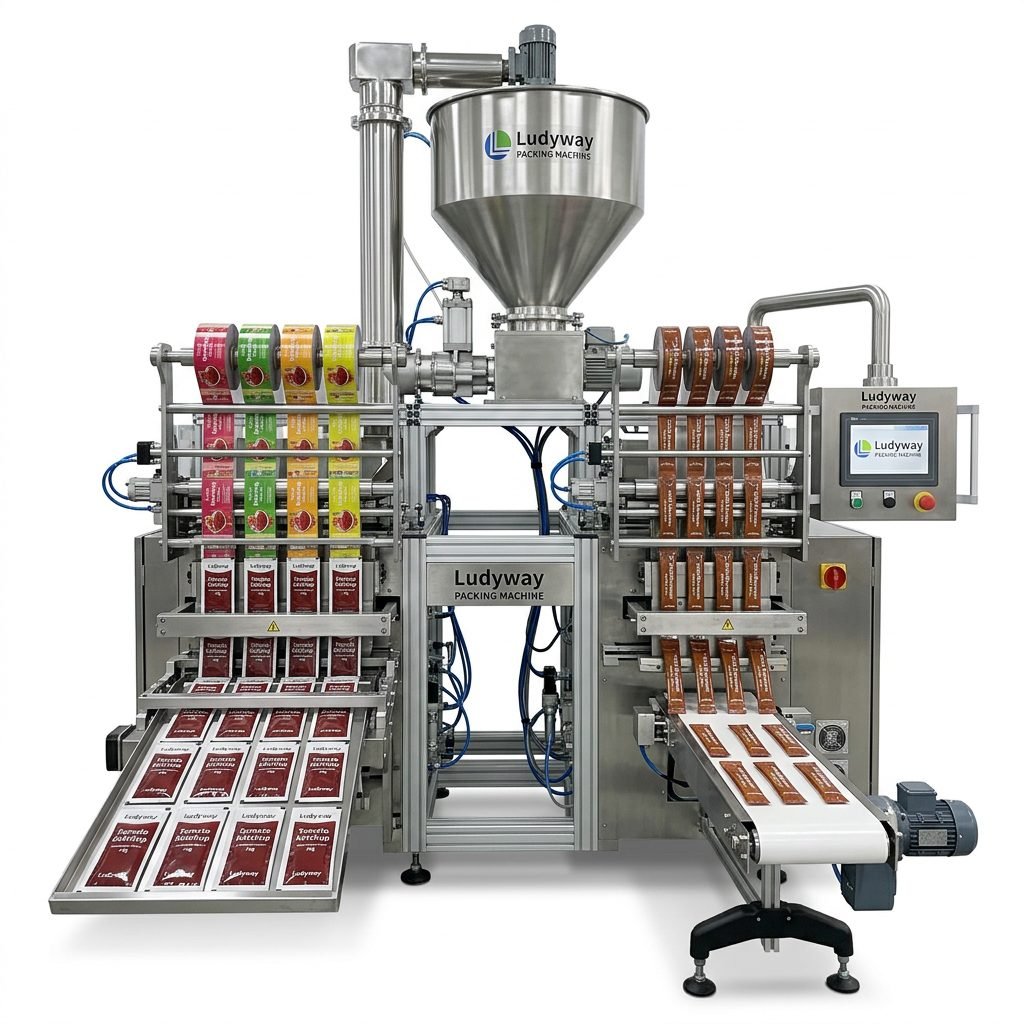
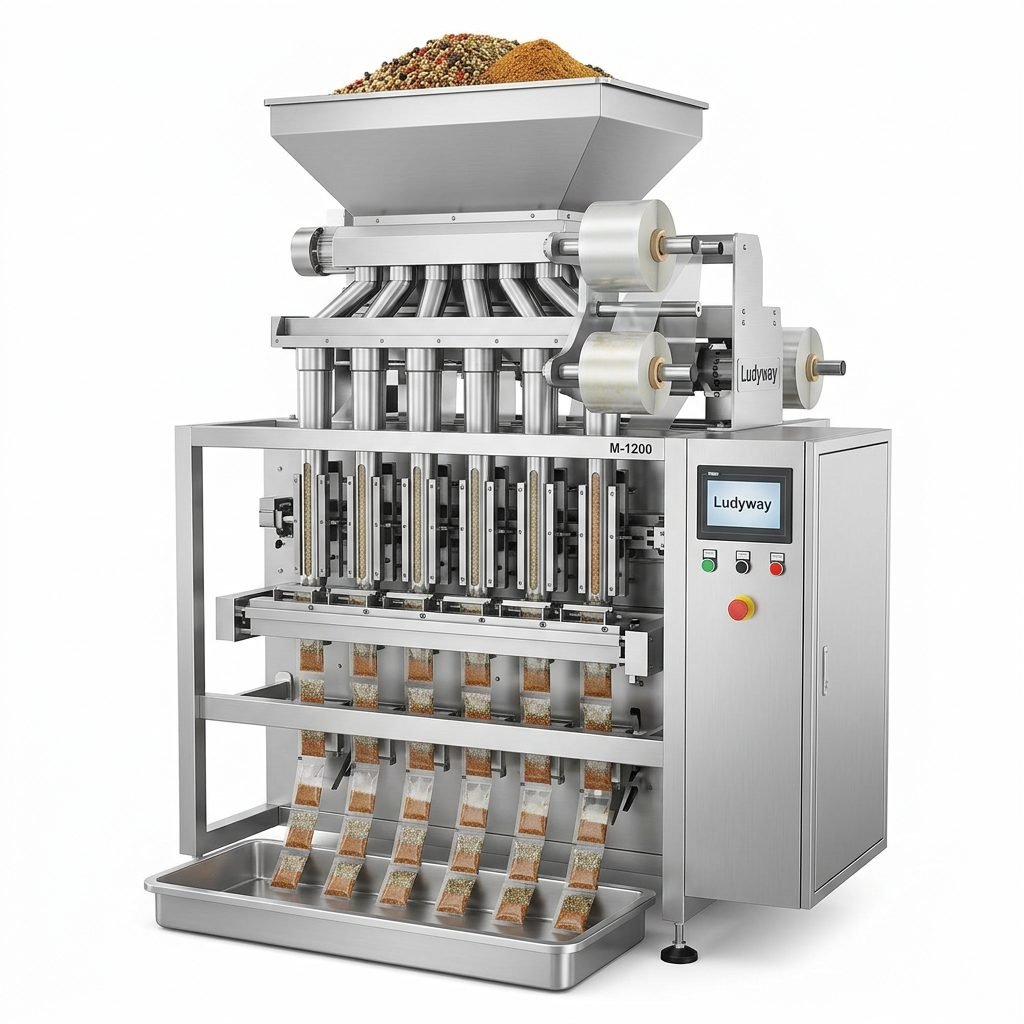
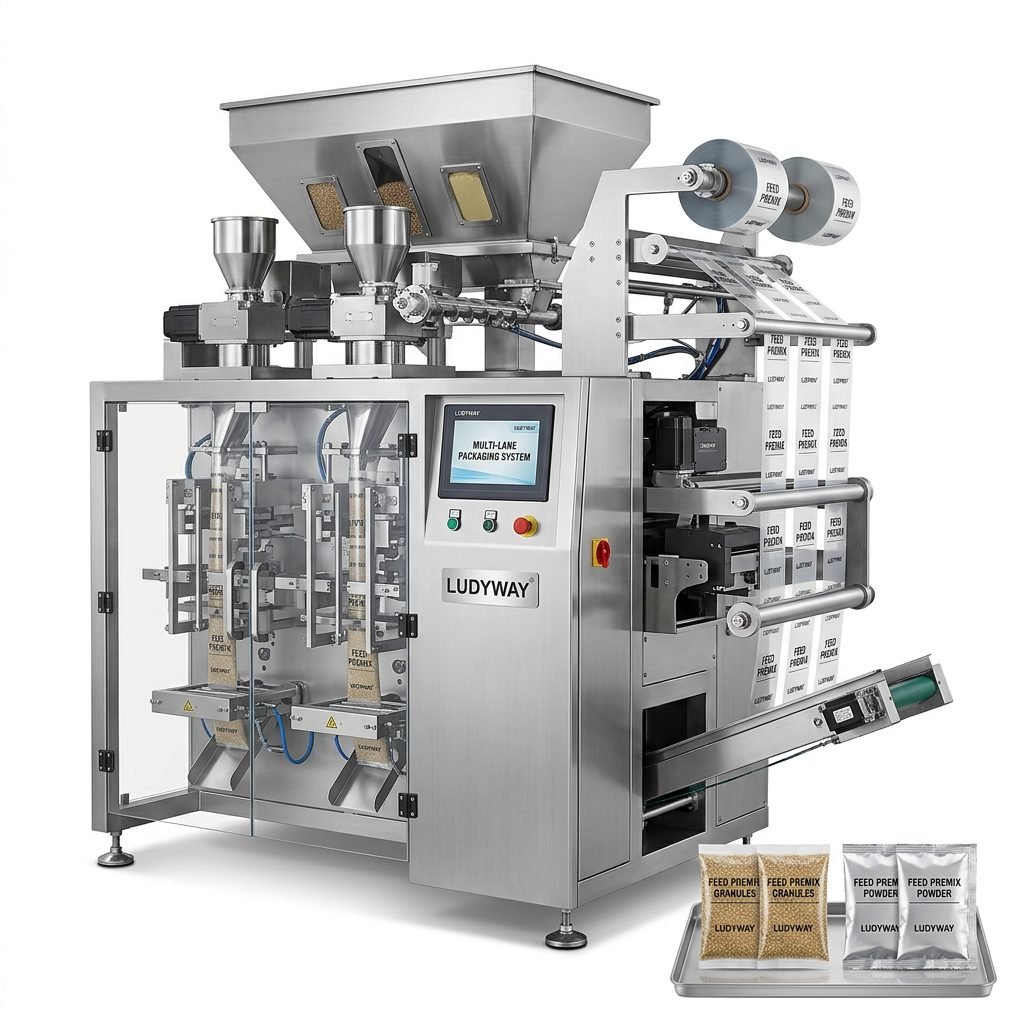
Extremely popular in Malaysia for single-serve portions, which align well with local consumption habits for items like instant coffee, seasoning, shampoo, and sauce packets. These machines can be single-lane or multi-lane for high-speed production of small pouches.
Capping and Sealing Machines
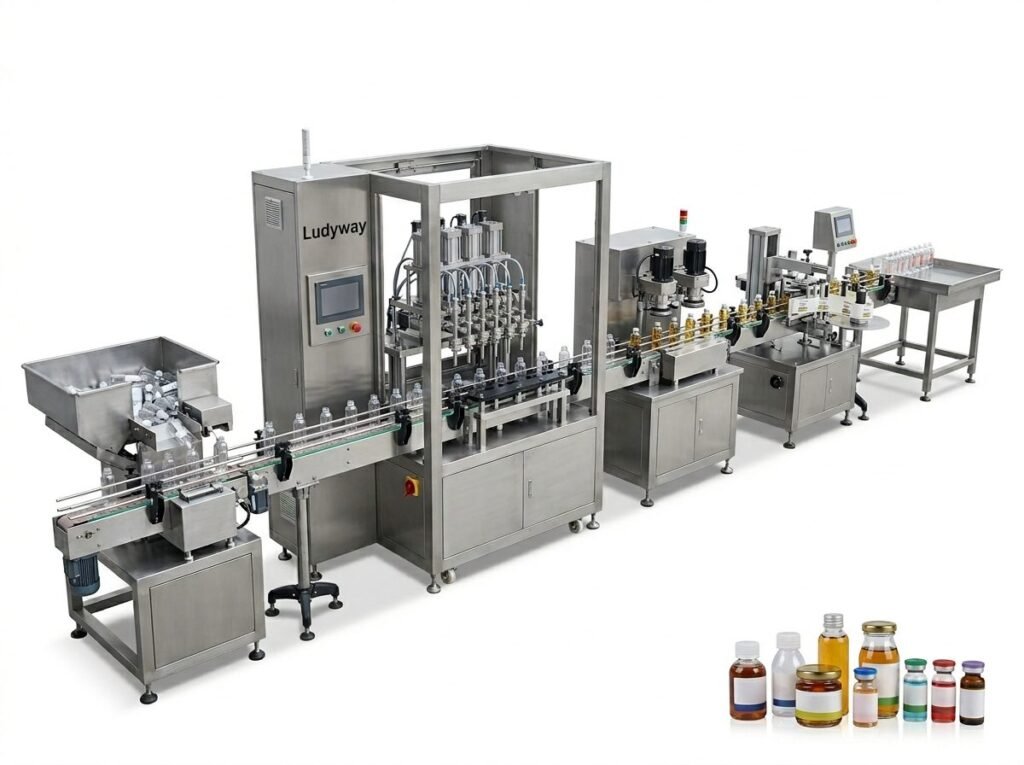
Essential for liquid and semi-liquid products in bottles, jars, or tubes. This category includes cappers for screw caps, snap caps, and induction sealers that provide tamper-evident and leak-proof seals, crucial for maintaining product integrity.
Cartoning Machines
Automate the process of forming cartons, inserting products (like multiple sachets or bottles), and closing them. They are vital for creating retail-ready packages and secondary packaging.
Understanding Pricing and Investment Factors
The price of packaging machinery in Malaysia varies significantly based on several factors. It’s not just about the initial machine cost but the total cost of ownership and return on investment.
Key Price Determinants
- Machine Type & Complexity: A basic single-head sachet machine will cost substantially less than a fully automated, multi-lane VFFS line with integrated checkweighers and robots.
- Automation Level: Manual or semi-automatic machines are more affordable but have lower output. Fully automatic, PLC-controlled systems command a higher price for superior speed and consistency.
- Production Speed & Output: Machines rated for higher bags-per-minute (BPM) or packages-per-hour are priced higher due to more robust construction and advanced technology.
- Brand & Origin: Well-established international brands often have a premium, while reliable manufacturers from regions like China offer competitive pricing for comparable technology and build quality.
- Customization & Features: Requirements for specific film types, special sealing methods, integration with existing lines, or unique product handling will affect the final cost.
Price Range Overview
As a general guide (prices are indicative and subject to change):
- Basic Semi-Automatic Machines: RM 15,000 – RM 50,000
- Standard Automatic Machines (e.g., single-lane VFFS): RM 50,000 – RM 150,000
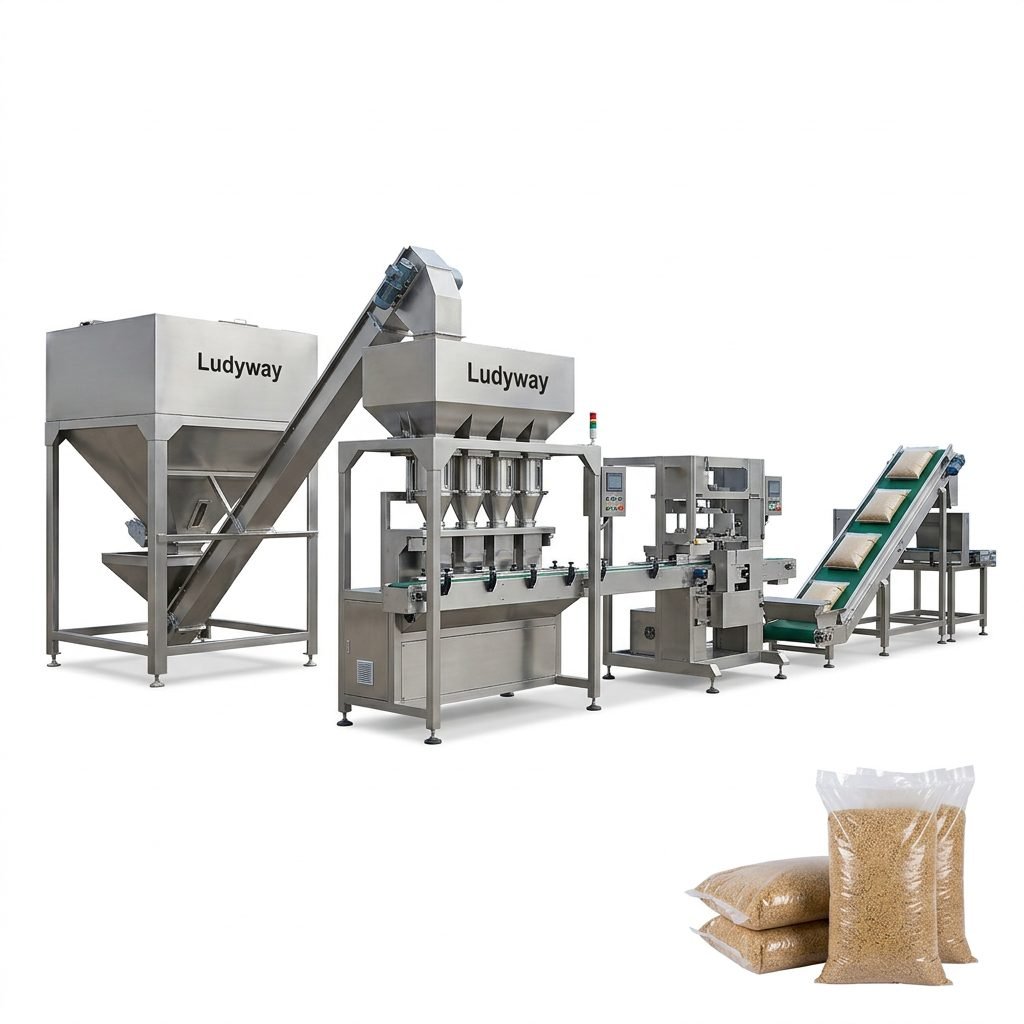
- High-Speed, Multi-Lane Systems: RM 150,000 – RM 500,000+
- Complete Turnkey Production Lines: RM 500,000 and above, depending on scale and complexity.
Finding Reliable Suppliers in Malaysia
Choosing the right supplier is as critical as choosing the right machine. A good supplier provides not just equipment, but also peace of mind through support and service.
What to Look for in a Supplier
When evaluating packaging machinery suppliers, consider these essential criteria:
- Technical Expertise & Experience: Look for suppliers with a deep understanding of your industry (food, pharma, etc.) and a proven track record. Experience matters in recommending the right solution.
- Product Range & Quality: A supplier offering a variety of models indicates broader expertise. Insist on seeing machine specifications, material of construction (e.g., food-grade stainless steel), and compliance with relevant standards.
- After-Sales Support: This is non-negotiable. Ensure they provide comprehensive installation, training, readily available spare parts, and prompt technical service in Malaysia. Downtime is costly.
- Local Presence & Showroom: A local office or showroom where you can see machines in operation or test with your product is a significant advantage.
- Financial Stability & Reputation: Check company history, client testimonials, and industry reputation. A stable company is more likely to be there for you in the long run.
Your Comprehensive Buying Guide
Follow this step-by-step guide to navigate the purchasing process smoothly and avoid common pitfalls.
Step 1: Define Your Requirements Clearly
Start with a detailed brief. What product are you packaging (format, characteristics)? What is your required output (bags/hour)? What packaging material do you want to use? What is your factory floor space and utilities (power, air supply)? What is your budget range?
Step 2: Research and Shortlist Suppliers
Use online B2B platforms, industry directories, and trade shows (like ProPak Asia) to find potential suppliers. Shortlist 3-5 companies that seem to match your needs based on their expertise and offerings.
Step 3: Request for Quotation (RFQ) and Demo
Send your detailed requirements to shortlisted suppliers. Ask for a formal quotation that includes machine specifications, delivery time, warranty, and terms. Most importantly, request a live or video demonstration using a sample of your actual product. This is the best way to verify machine suitability.
Step 4: Evaluate Proposals and Negotiate
Compare proposals not just on price, but on total value: machine robustness, energy efficiency, ease of maintenance, and the support package. Don’t hesitate to negotiate on price, payment terms, or included services.
Step 5: Finalize Contract and Plan for Installation
Ensure the final contract clearly outlines everything: machine specs, delivery, payment schedule, warranty details, training scope, and service level agreement (SLA). Plan your factory layout and utility connections in advance for a smooth installation.
Conclusion and Key Takeaways
Investing in the right packaging machinery is a strategic decision that can enhance your Malaysian business’s efficiency, product quality, and competitiveness. By thoroughly understanding the different machine types, carefully evaluating pricing against your ROI expectations, selecting a supplier with strong local support like experienced industry partners, and following a structured buying process, you can secure a solution that drives growth for years to come. Remember, the goal is to find a reliable partner, not just a piece of equipment.
Frequently Asked Questions (FAQs)
What is the most important factor when choosing a packaging machine in Malaysia?
The most critical factor is ensuring the machine is perfectly suited to handle your specific product (e.g., its flowability, abrasiveness, oiliness) at your required speed. A machine demo with your product is essential.
How can I ensure good after-sales service for my packaging machine?
Choose a supplier with a verified local service team in Malaysia. Ask for references from existing local clients and clearly define the service level agreement (SLA), including response time and spare parts availability, before purchase.
Are used or refurbished packaging machines a good option?
They can be cost-effective for startups or low-volume production. However, it requires extra diligence. Inspect the machine’s maintenance history, ensure critical spare parts are available, and factor in potential higher maintenance costs and shorter lifespan.
What are the common certifications I should look for?
For food and pharmaceutical applications, look for machines built with food-grade materials (e.g., 304/316 stainless steel) and designs that facilitate cleaning. Relevant standards may include CE Marking (for electrical safety) and GMP (Good Manufacturing Practice) principles for hygienic design.
How do I calculate the Return on Investment (ROI) for a packaging machine?
ROI is calculated by considering the machine cost against savings from increased output, reduced labor, lower material waste (from more accurate filling), and improved product quality/reduced rejects. Most reputable suppliers can help you build an ROI model based on your current operational data.