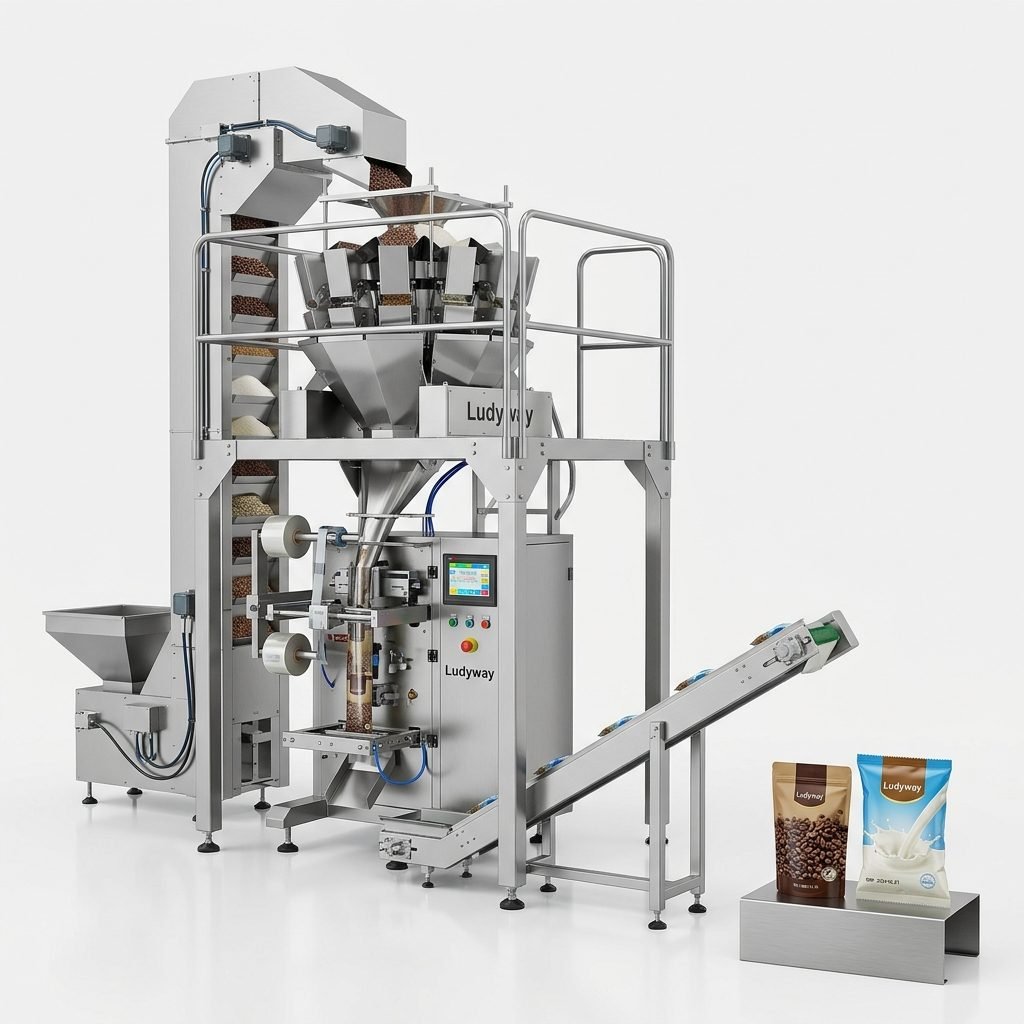
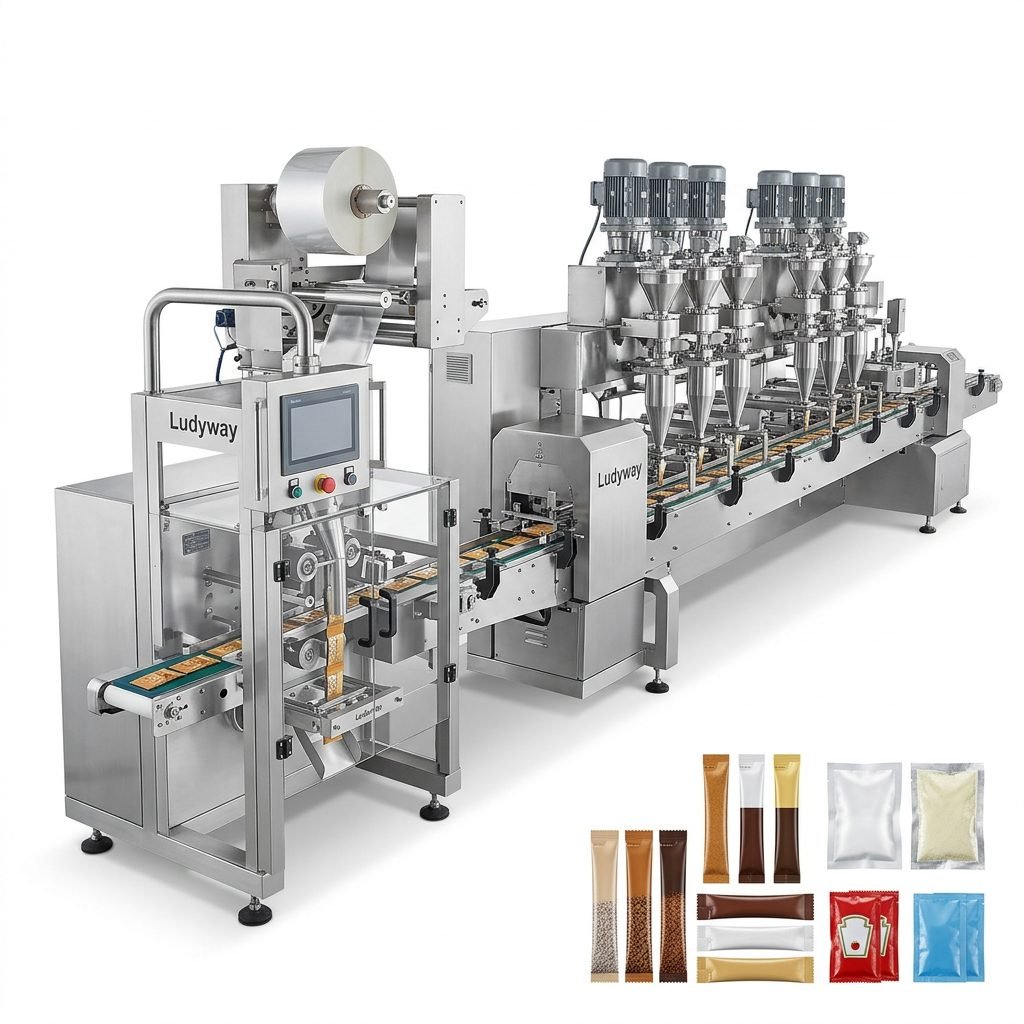
Choosing the right packaging machinery supplier is a critical decision that directly impacts your production efficiency, product quality, and overall operational success. With a vast array of manufacturers offering everything from single machines to complete turnkey lines, navigating the market can be daunting. This guide provides a comprehensive framework to help you evaluate and select the best packaging machinery supplier for your specific production line requirements, ensuring a partnership that drives long-term value and growth.
Understanding Your Core Packaging Needs
Before you begin evaluating suppliers, you must have a crystal-clear understanding of your own needs. This foundational step prevents you from being swayed by impressive but irrelevant features and ensures you find a partner who can solve your specific challenges.
Product Specifications & Packaging Format
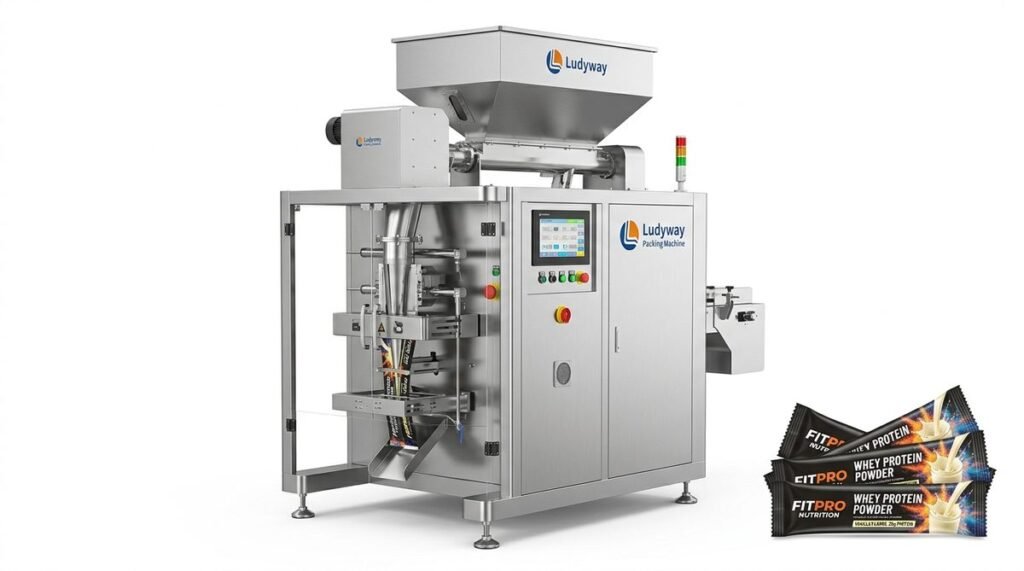
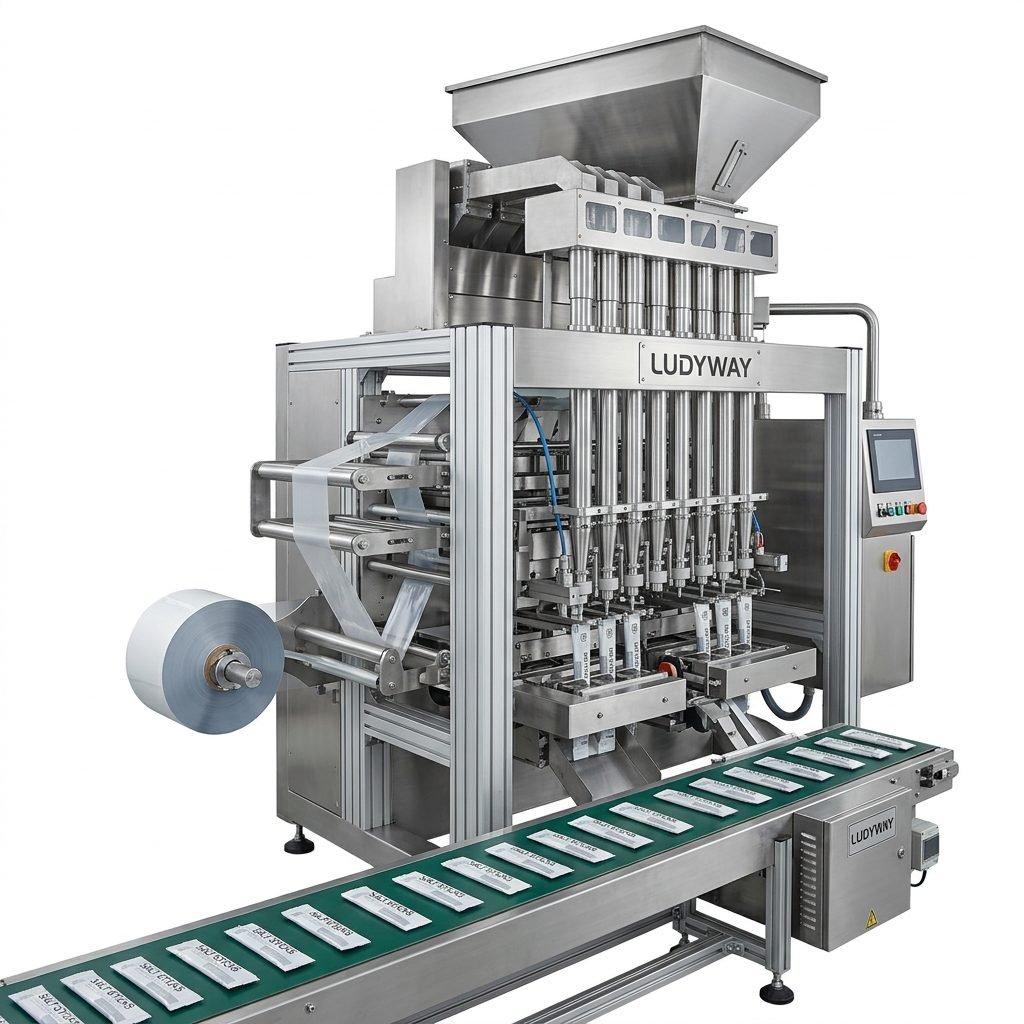
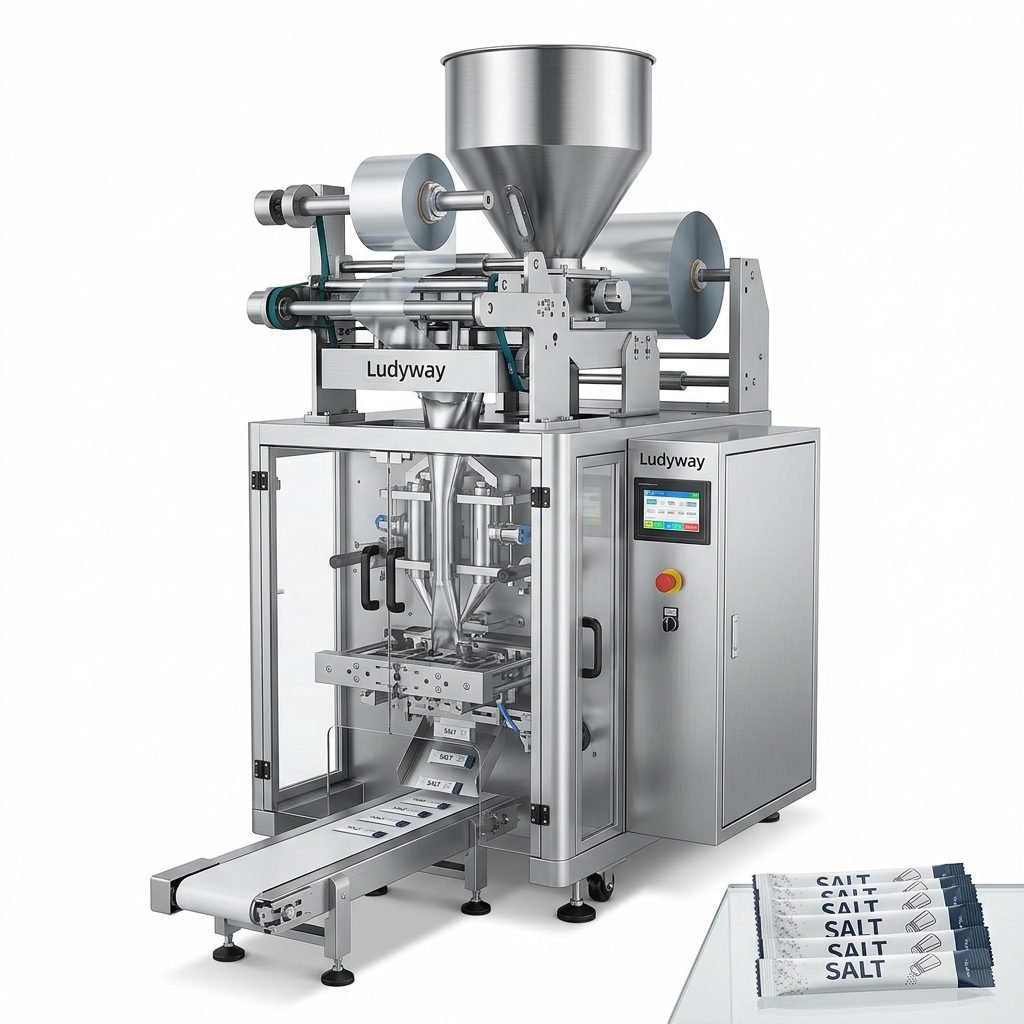
Define your product’s physical characteristics: Is it a granule, powder, liquid, paste, or solid? What are its flow properties, density, and potential for abrasiveness or corrosion? Next, determine your desired packaging format—whether it’s stick packs, sachets, pouches, bottles, or cartons. The machinery must be precisely engineered to handle your product’s unique behavior within your chosen format.
Production Volume & Speed Requirements
Calculate your current and projected future production volumes. This will dictate whether you need a standard-speed machine, a high-speed multi-lane system, or a fully automated line. Be realistic about your growth trajectory to avoid investing in equipment that will become a bottleneck in two years.
Integration with Existing Operations
Consider how the new machinery will fit into your current production floor. Assess requirements for floor space, power supply, compressed air, and connectivity with upstream (e.g., mixing) and downstream (e.g., cartoning, palletizing) equipment. Compatibility is key to a smooth workflow.
Key Criteria for Evaluating Packaging Machinery Suppliers
With your needs defined, you can systematically assess potential suppliers against the following critical criteria.
1. Technical Expertise & Industry Experience
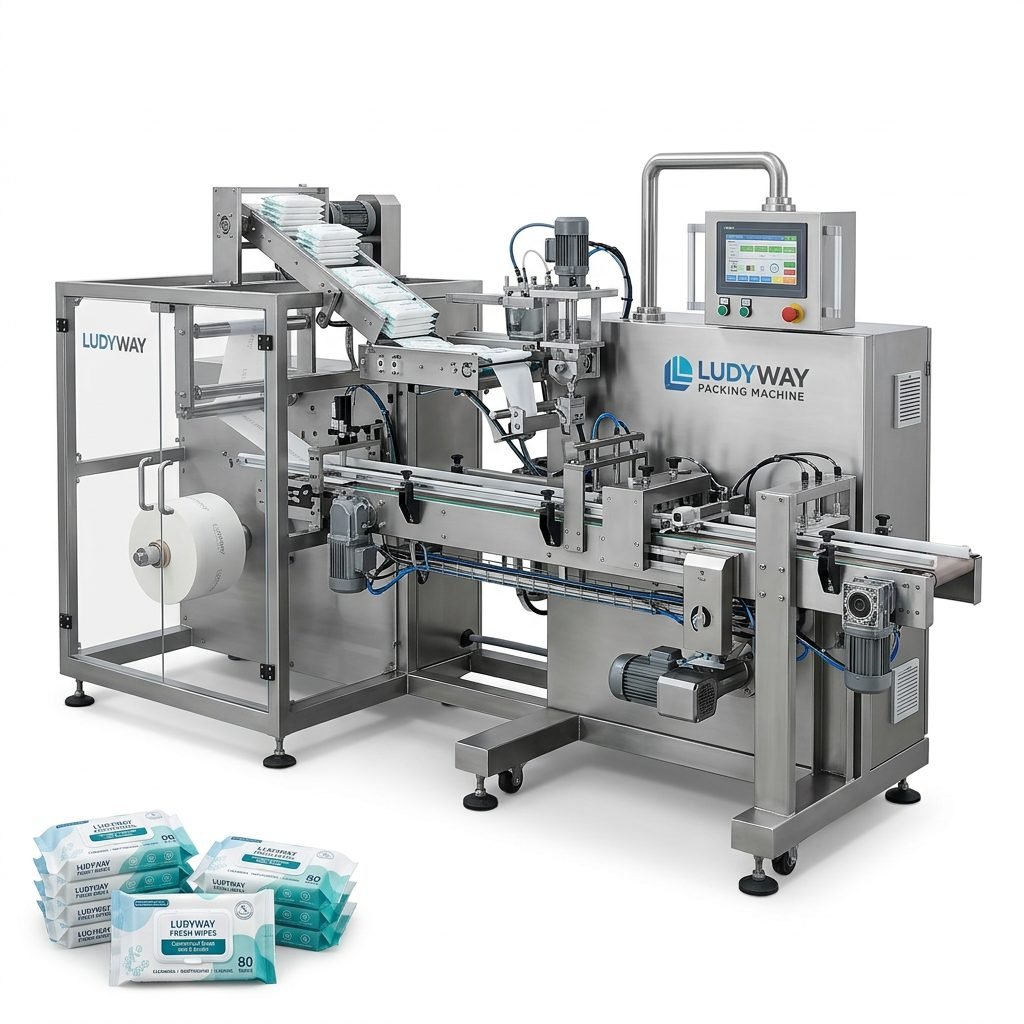
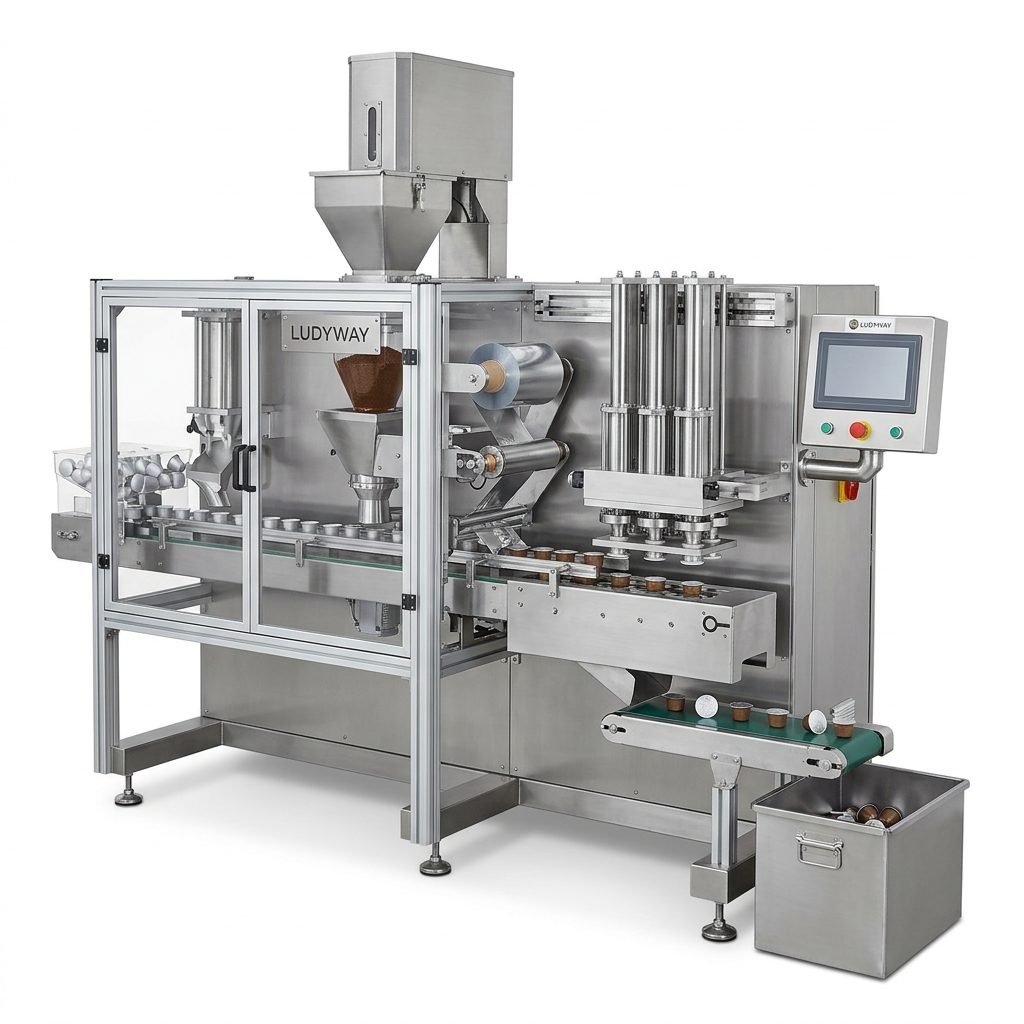
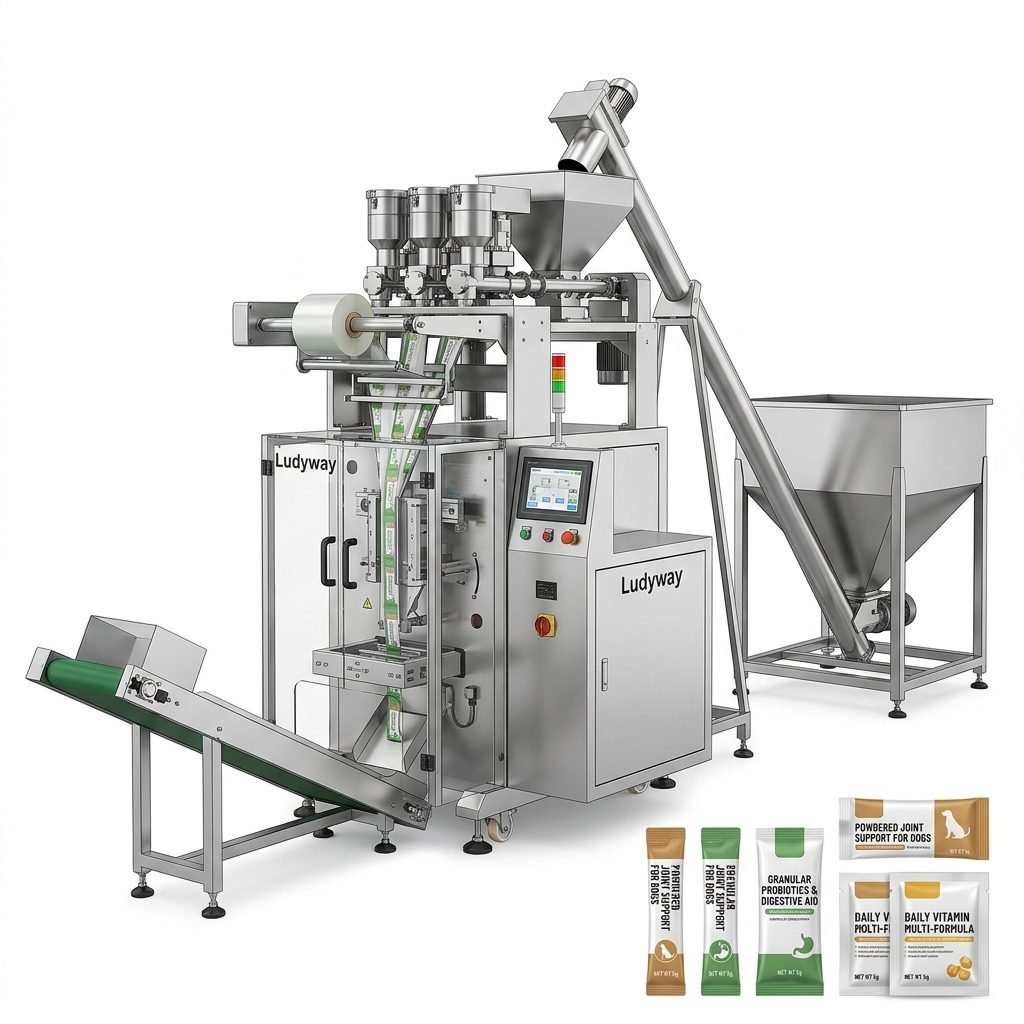
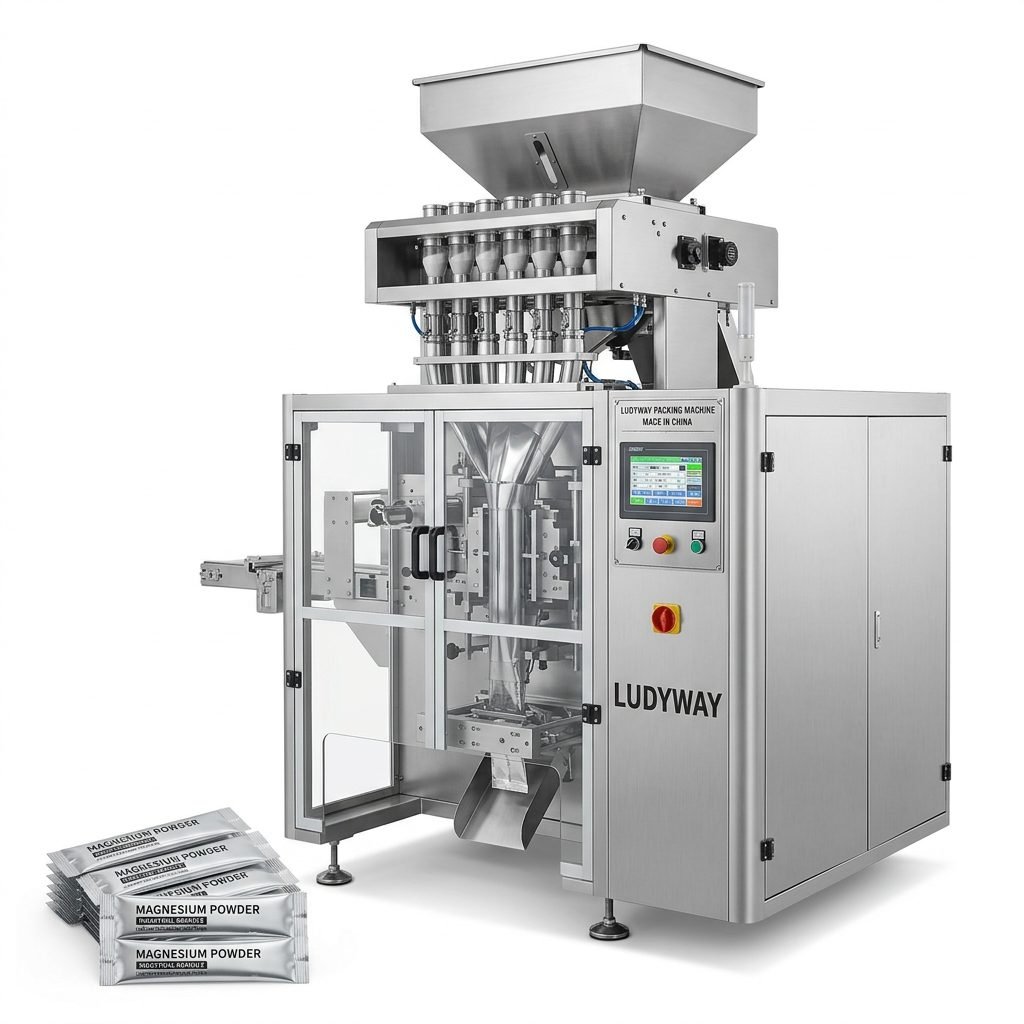
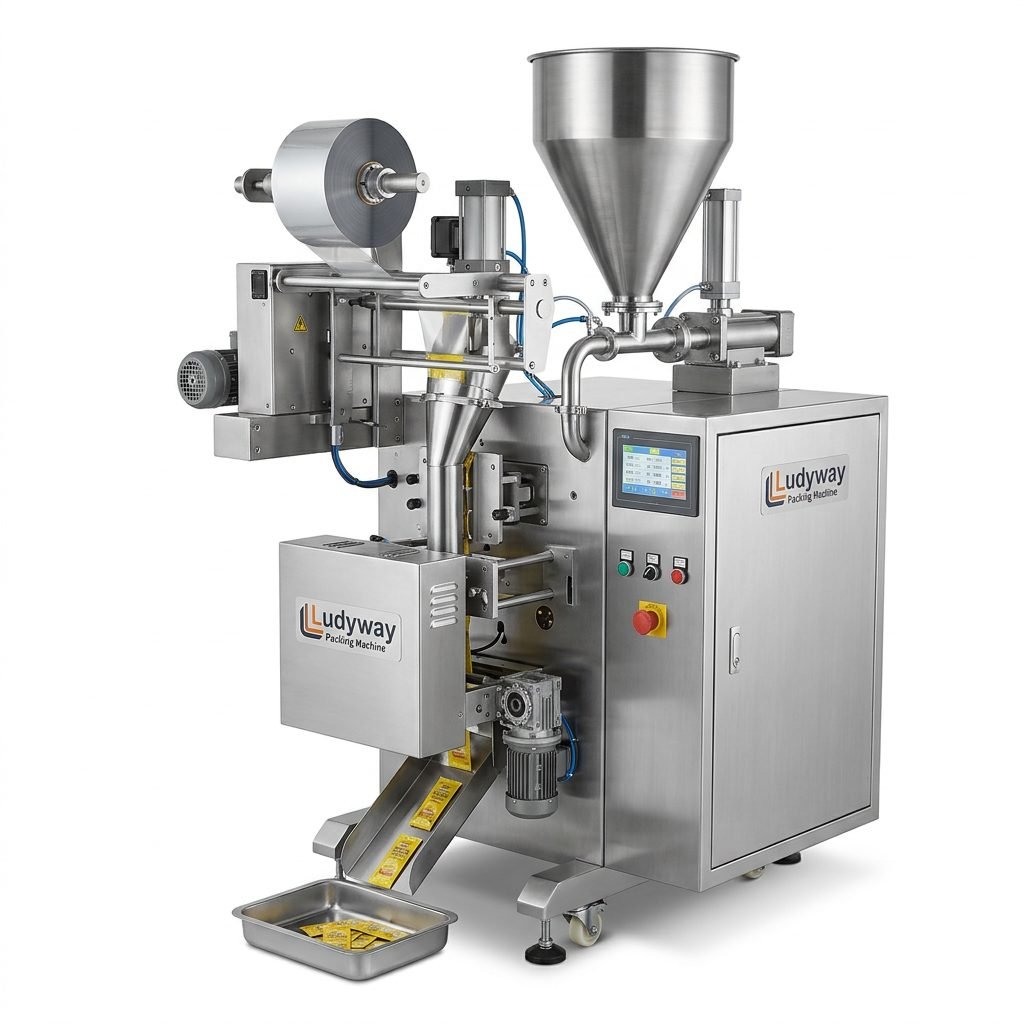
Look for a supplier with proven experience in your specific industry (e.g., food, pharmaceutical, nutraceuticals). A supplier like Ludyway Machinery, which specializes in solutions for these sectors, understands the stringent hygiene, safety, and regulatory standards you face. Deep technical expertise ensures they can recommend the right technology, not just the most expensive option.
Pro Tip: Ask for case studies or references from clients with similar products and production scales. A supplier’s longevity in the business, such as over 30 years of industry experience, is often a strong indicator of accumulated knowledge and stability.
2. Machine Quality & Technology Innovation
Investigate the build quality, core components (like PLCs and servos), and the level of automation offered. Modern packaging lines often incorporate Industry 4.0 principles, offering IoT connectivity for predictive maintenance, data collection, and remote monitoring. A forward-thinking supplier continuously innovates its product range.
3. Range of Solutions & Customization Capability
The best suppliers offer more than just a catalog of machines. They provide complete turnkey production solutions. Evaluate if they can supply the entire line—from feeding and weighing to filling, sealing, and secondary packaging. Crucially, assess their engineering team’s ability to customize standard equipment to address your unique challenges, a hallmark of a truly collaborative partner.
4. Manufacturing Capability & Quality Control
The supplier’s own manufacturing facility is a window into their commitment to quality. A modern, spacious facility (think 20,000㎡) equipped with advanced CNC machinery signifies strong in-house control over precision and production timelines. Inquire about their quality control protocols during assembly and testing.
5. After-Sales Support & Service Network
This is arguably the most important criterion. Reliable machinery will still require maintenance, parts, and occasional troubleshooting. Ensure your supplier has a robust global service network. What is their response time for spare parts? Do they offer comprehensive training for your operators and maintenance staff? A supplier committed to long-term cooperation will have clear, dependable support structures in place.
The Supplier Selection Process: A Step-by-Step Guide
Turn your evaluation criteria into an actionable process.
Step 1: Longlisting & Initial Research
Compile a list of potential suppliers through industry directories, trade shows (like PACK EXPO or interpack), and peer recommendations. Review their websites, product portfolios, and client lists to create a longlist of 8-12 companies.
Step 2: Request for Information (RFI)
Send a detailed RFI to your longlisted suppliers. This document should outline your project scope, product details, and key requirements. Their responses will help you shortlist 3-5 suppliers who demonstrate a clear understanding of your needs and the capability to meet them.
Step 3: Deep Dive & Due Diligence
For your shortlist, engage in technical meetings. Request a Factory Acceptance Test (FAT) invitation to see machines being built and tested. Scrutinize their financial stability and ask for detailed client references. Speaking directly to existing customers provides invaluable, unbiased insights.
Step 4: Proposal & Negotiation
Issue a formal Request for Proposal (RFP) to your top 2-3 candidates. Evaluate their proposals not just on price, but on total cost of ownership, warranty terms, delivery schedule, and payment terms. Negotiate to achieve the best value package.
Step 5: Final Decision & Contracting
Make your final decision based on a holistic view of technical fit, commercial terms, and the strength of the potential partnership. Ensure the contract clearly defines machine specifications, performance guarantees, delivery terms, payment schedule, and support agreements.
Why Partnering with a Specialist Like Ludyway Makes Sense
Navigating the complex landscape of packaging automation is easier with a focused expert. A specialist supplier brings concentrated knowledge to the table. For instance, a company that has developed over 50 intelligent packaging machine models specifically for granular, powdered, and liquid products has deep, practical insights into the nuances of these applications.
Such a partner moves beyond being a simple equipment vendor. They act as a consultant, understanding that your goal isn’t just to buy a machine, but to achieve a reliable, efficient, and scalable packaging process. Their commitment is to deliver innovative, efficient, and high-quality automated packaging solutions that are tailored, not just sold. This alignment of goals—where their success is tied to the performance of your production line—fosters a true partnership geared towards mutual, long-term growth.
Common Questions (FAQs)
1. What is the most important factor when choosing a packaging machine supplier?
While technical specifications are vital, the quality and reliability of after-sales support and service are often the most critical long-term factors. A machine is a long-term investment, and having a responsive, knowledgeable partner for maintenance, spare parts, and troubleshooting is essential for minimizing downtime and protecting your productivity.
2. How can I ensure the machine will work with my specific product?
Always insist on a product test using your actual materials. Reputable suppliers like Ludyway Machinery typically offer testing services at their facility or can arrange a trial. This is the only way to verify filling accuracy, sealing integrity, and overall machine compatibility with your product’s unique characteristics.
3. What’s the difference between a standard machine and a turnkey solution?
A standard machine is a single unit (e.g., a filler). A turnkey solution is a complete, ready-to-operate production line that includes all necessary equipment (conveyors, feeders, fillers, sealers, coders, etc.), integrated and tested to work seamlessly together. It’s delivered “ready to turn the key and start production,” reducing your integration risk and project timeline.
4. How do I budget for a new packaging line beyond the machine price?
Consider the Total Cost of Ownership (TCO). This includes the purchase price, installation costs, ongoing utilities (power, air), maintenance contracts, spare parts inventory, operator training, and potential costs for future change parts if you alter your package format. A higher-quality machine may have a higher upfront cost but a lower TCO due to greater reliability and efficiency.
5. What should I look for during a factory visit or FAT?
Observe the manufacturing environment for organization and cleanliness. Check the quality of welding, machining, and assembly. Pay close attention to the testing procedures—are machines running at full speed for extended periods? Engage with the engineers and assembly team to gauge their expertise. This visit confirms the supplier’s claimed capabilities in practice.