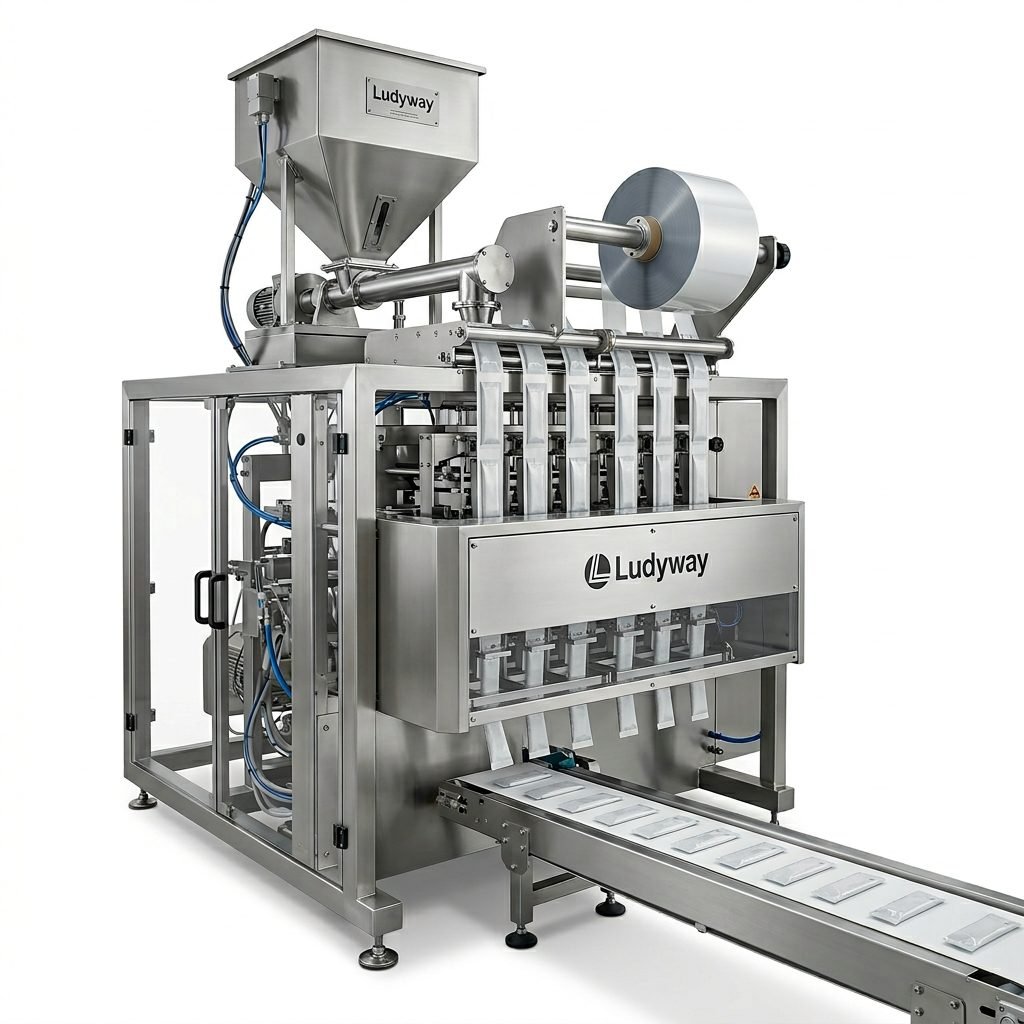
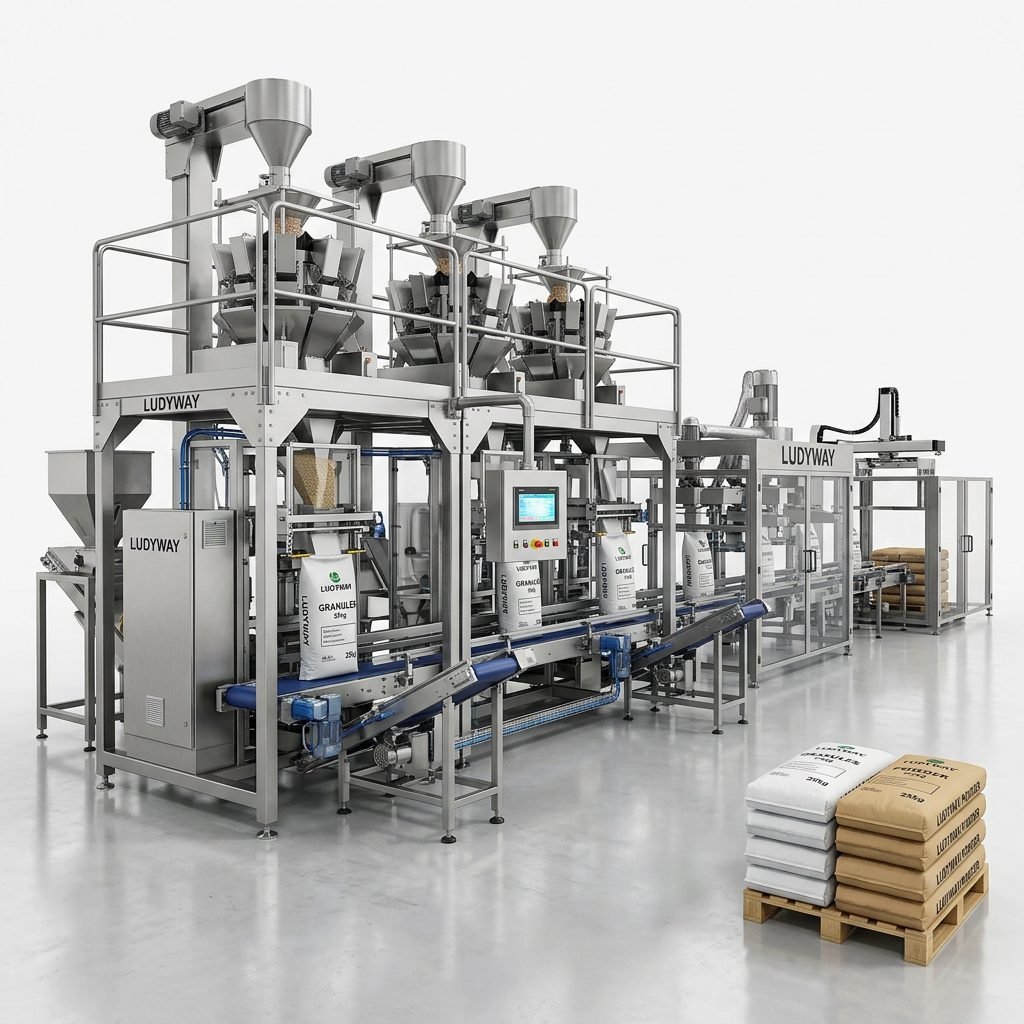
Selecting the right small tea packaging machine is a critical decision that directly affects your production efficiency, product quality, and long-term profitability. Whether you are a specialty tea brand launching your first line or an established producer upgrading equipment, understanding the key factors involved in machine selection can help you avoid costly mistakes. This comprehensive guide walks you through the essential considerations, helping you make an informed investment that aligns with your current needs and future growth plans.
Assess Your Production Scale and Packaging Format
Before comparing machine specifications, you need a clear picture of your production requirements. The ideal tea packaging machine depends largely on several interconnected factors. Start by evaluating your target output volume, the types of tea products you handle, and the packaging formats your customers expect. A mismatch between your production goals and machine capacity can lead to bottlenecks or unnecessary capital expenditure.
Consider the physical characteristics of your tea products. Loose leaf tea, powdered tea, and granulated tea each require different filling mechanisms and handling systems. Powdered matcha, for instance, demands precision dosing and dust control, while whole leaf teas need gentle handling to preserve leaf integrity. The packaging industry standards provide useful benchmarks for matching machine capabilities to product types.
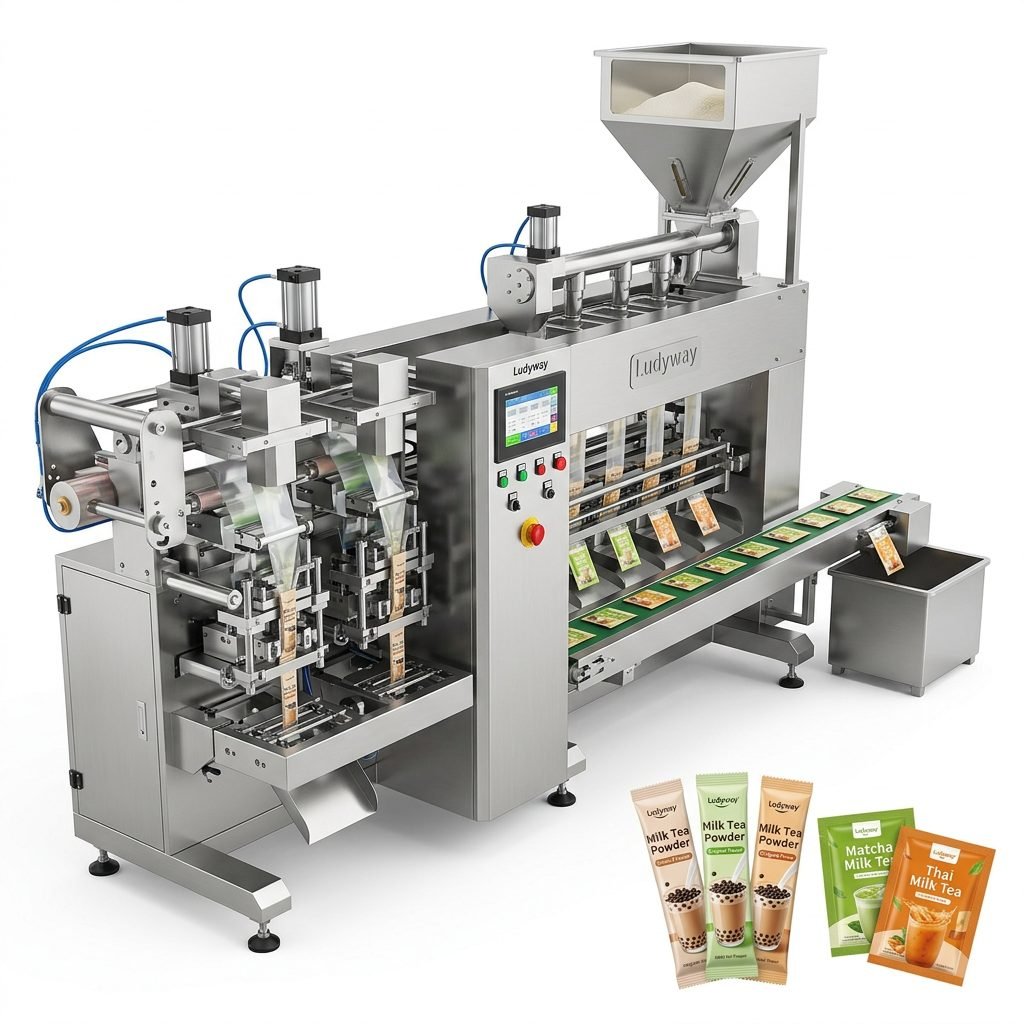
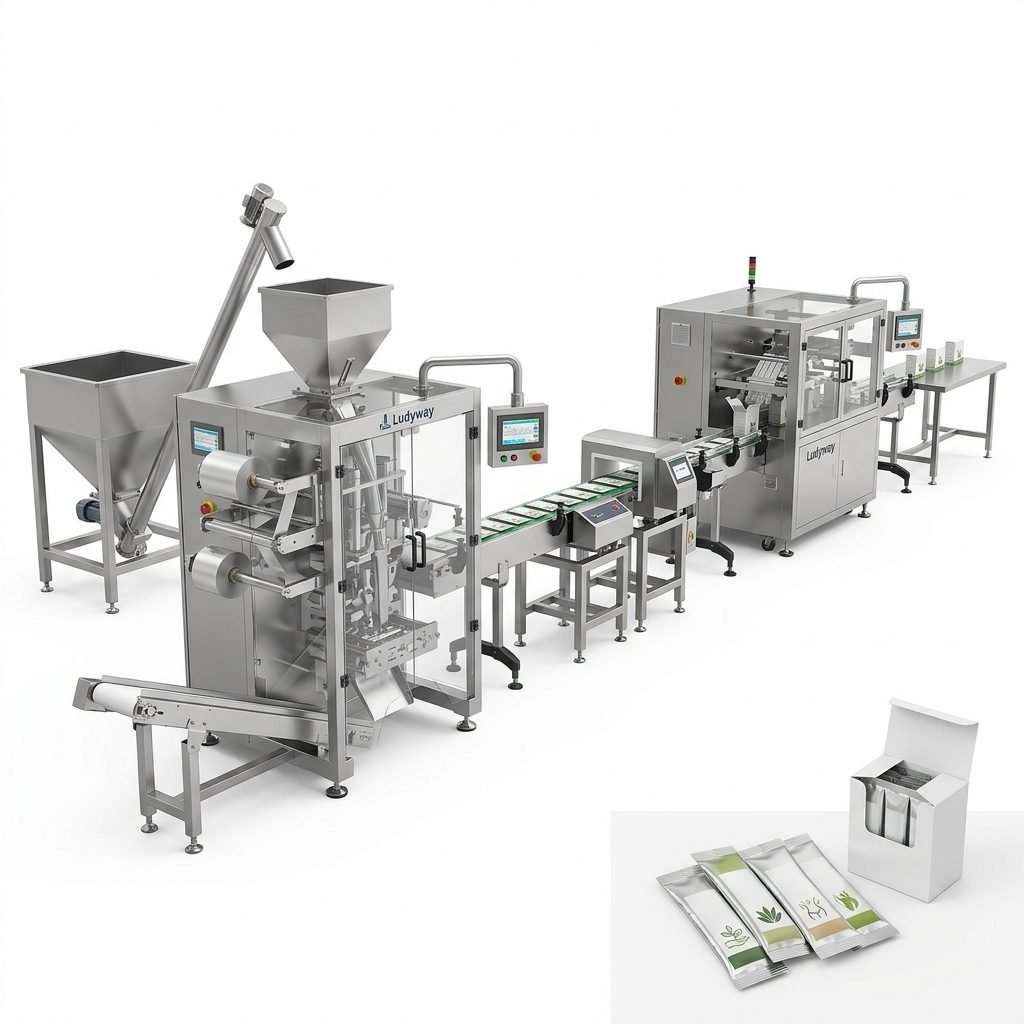
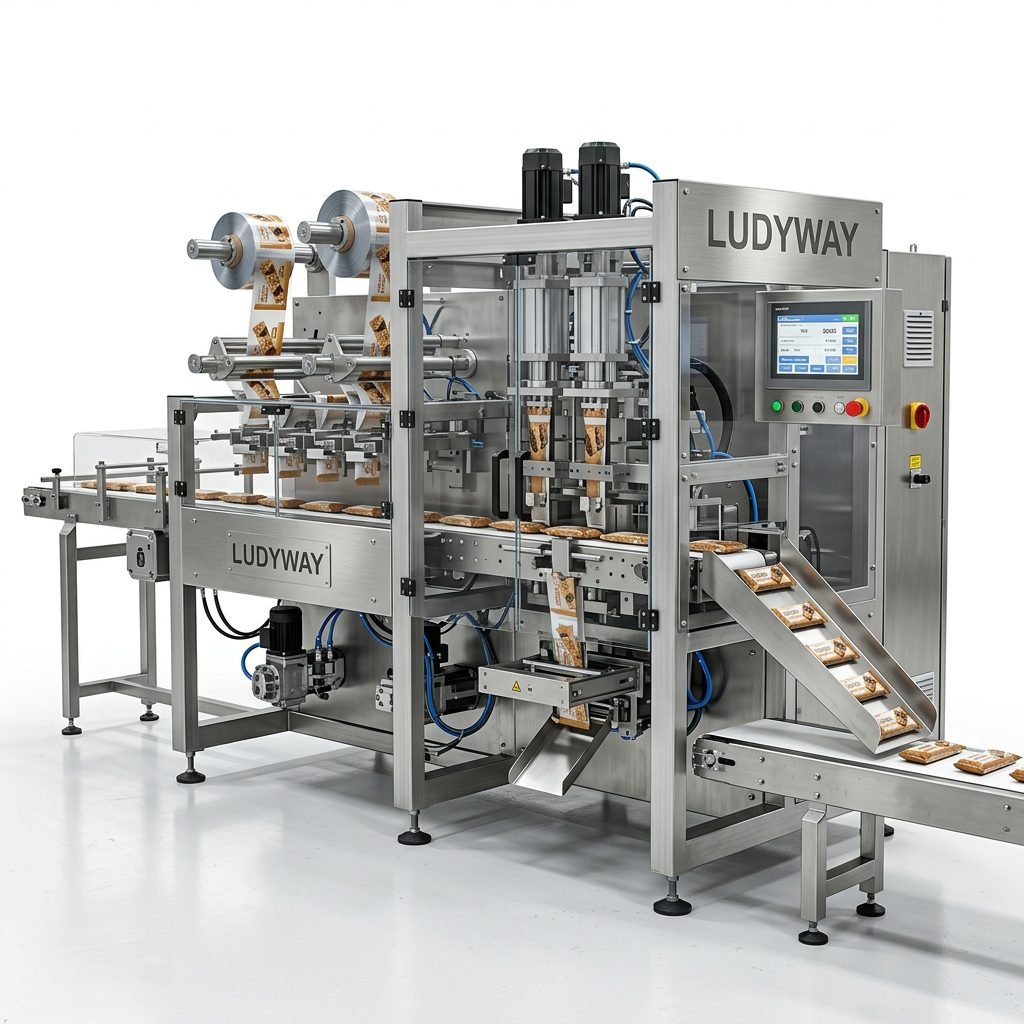
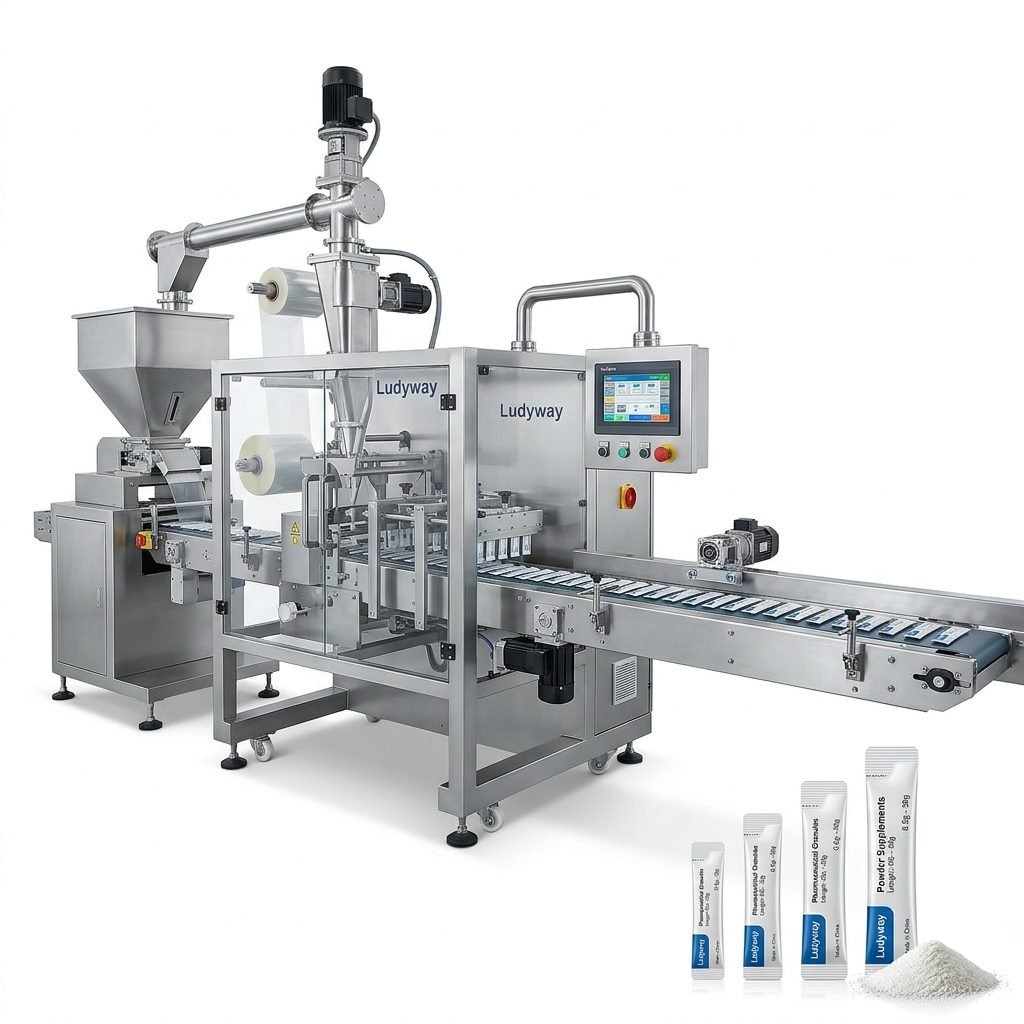
Additionally, think about your target packaging format. Are you filling stick packs, flat sachets, pillow bags, or gusseted pouches? Each format has different sealing requirements, material needs, and consumer appeal. The flexible packaging materials you choose will also influence machine configuration, as not all machines handle all film types equally well.
Key Machine Types for Tea Packaging
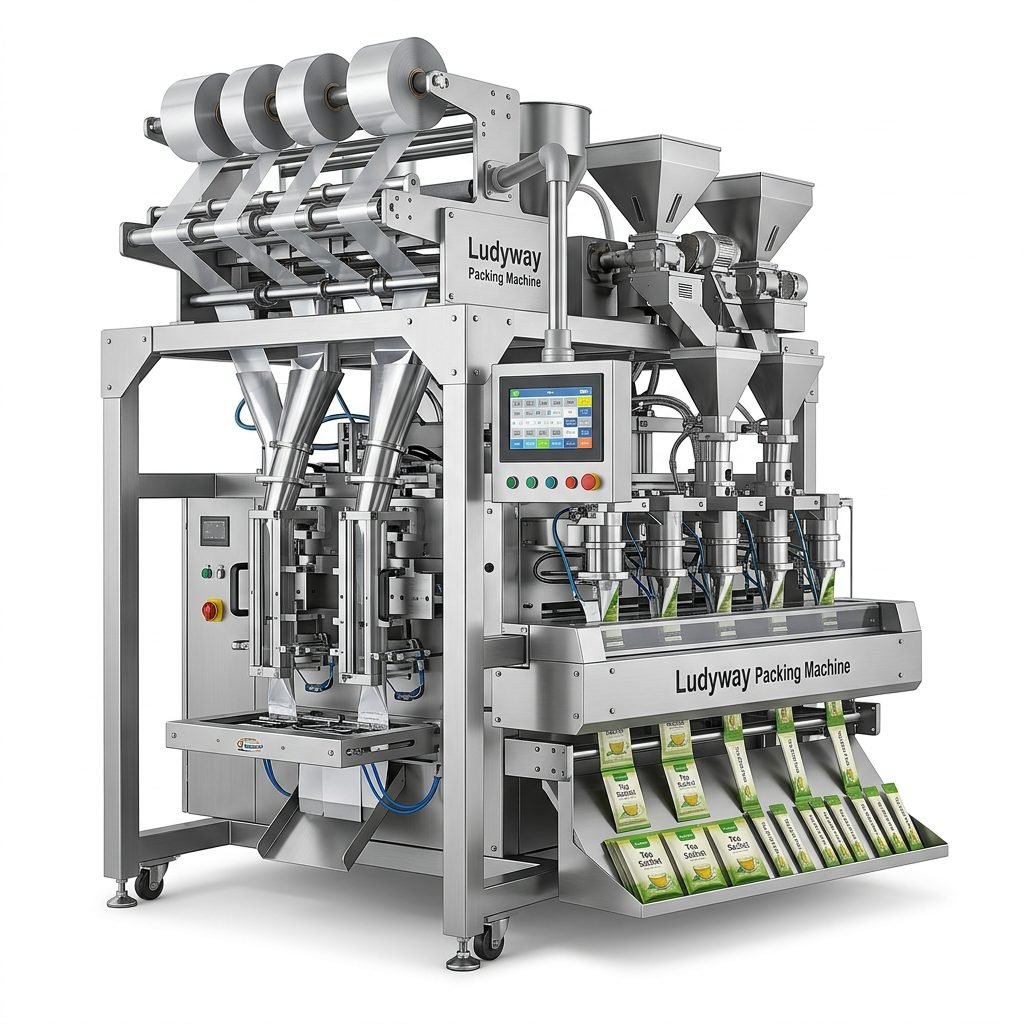
Understanding the different machine categories available in the market helps narrow your options significantly. The table below summarizes the primary types of small tea packaging machines and their typical applications:
| Machine Type | Best For | Packaging Speed | Key Advantage |
|---|---|---|---|
| Single-Lane Sachet Machine | Startups, specialty teas, low-volume production | 30-80 packs/min | Lower initial investment, easy to operate |
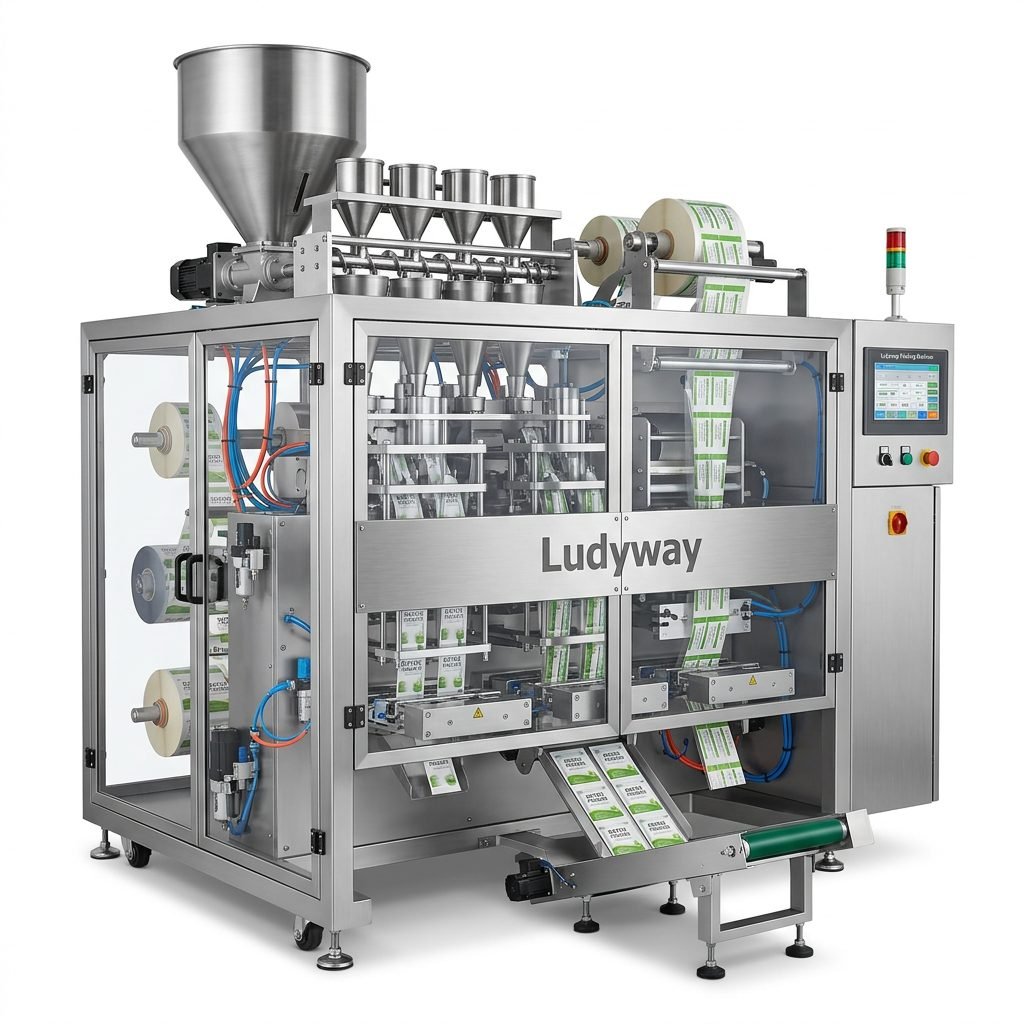
| Multi-Lane Stick Pack Machine | Medium to high-volume tea powders, matcha | 200-600 packs/min | High output in compact footprint |
| Vertical Form Fill Seal (VFFS) | Loose leaf tea, larger bag formats | 40-120 bags/min | Versatile bag sizes and formats |
| Tea Bag Machine (Envelope Type) | Traditional tea bag with string and tag | 100-350 bags/min | Specialized for classic tea bag format |
| Premade Pouch Machine | Premium tea products, gusseted pouches | 30-70 pouches/min | High-quality seal, premium appearance |
Critical Features to Evaluate
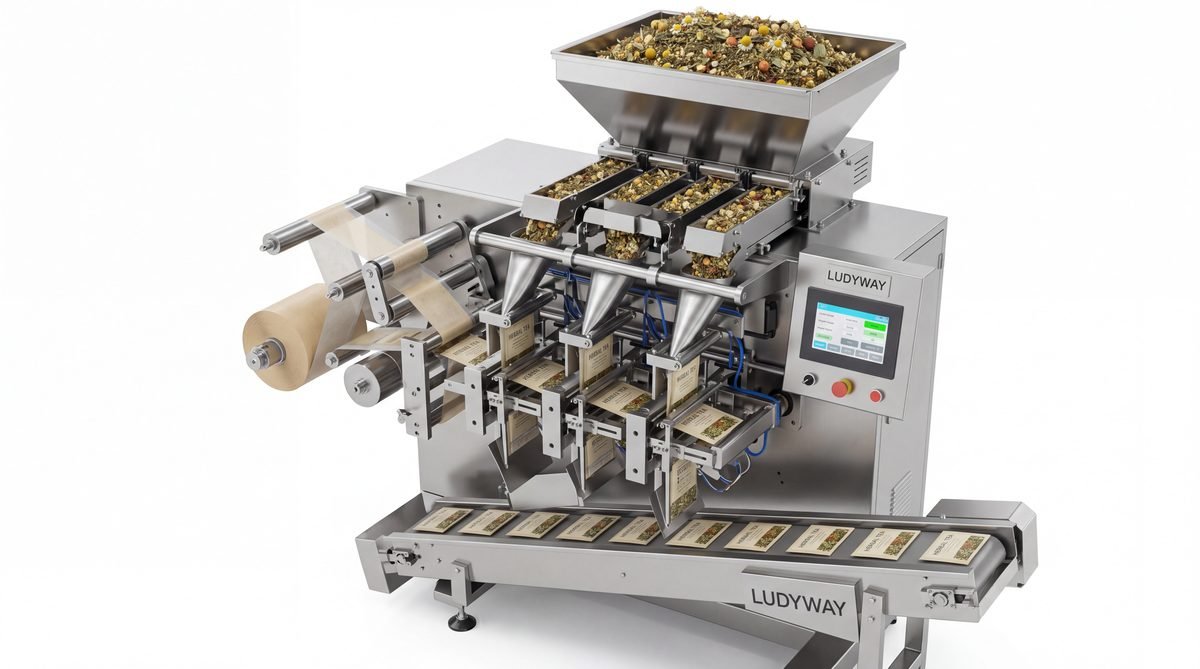
When comparing small tea packaging machines, certain features deserve particularly close attention. These elements directly impact machine performance, product quality, and long-term operational reliability. Use the following checklist to systematically evaluate each option:
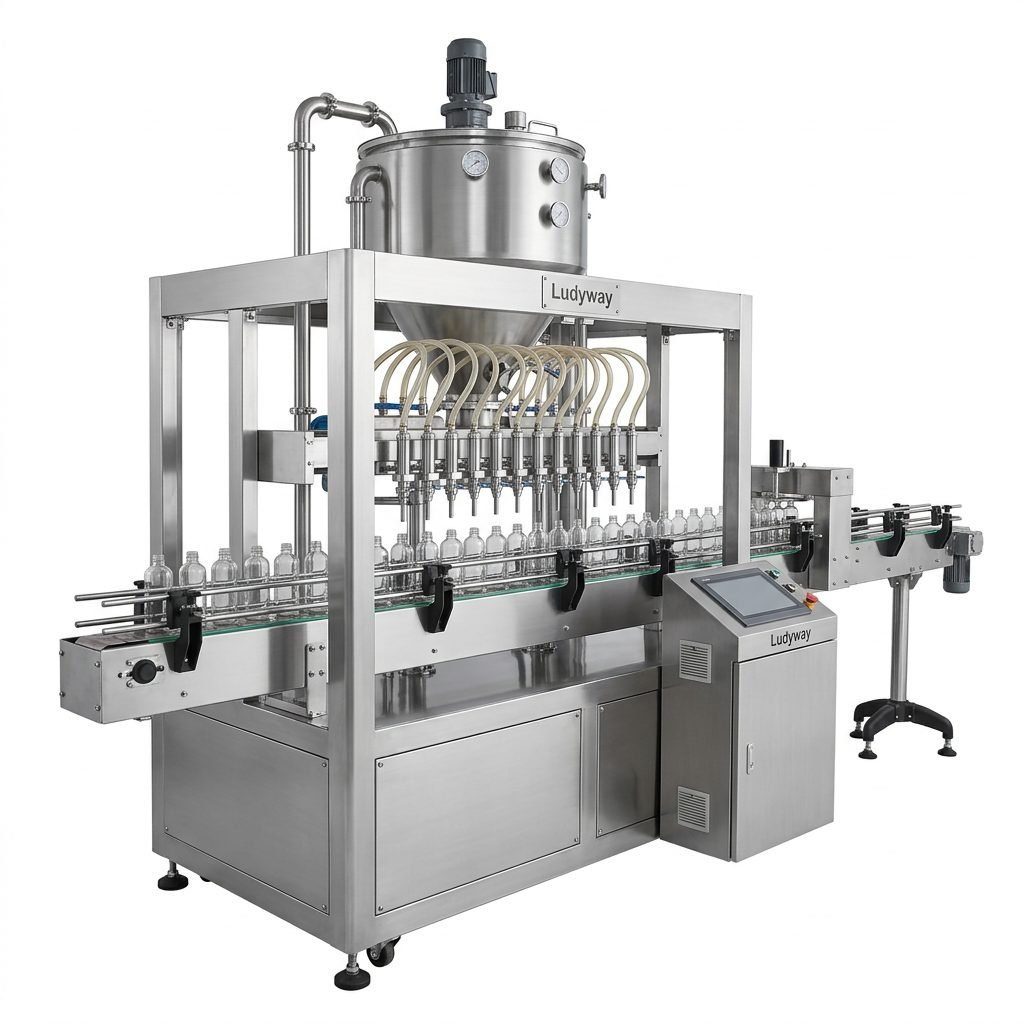
- Filling Accuracy and Dosing System — Precision dosing is essential for tea products, especially for high-value items like matcha or specialty blends. Look for servo-driven auger fillers or volumetric cup systems with accuracy within ±0.5% to ±1%.
- Sealing Temperature Control — Consistent sealing temperature prevents leaks and ensures package integrity. Machines with PID temperature controllers offer more reliable sealing than basic thermostat-controlled systems.
- Material Handling Capability — Verify that the machine can handle your specific flexible packaging industry films, including laminates, aluminum foil, and biodegradable materials.
- Dust Management System — Tea powders generate fine dust that can interfere with sealing and sensors. Effective dust extraction is critical for maintaining consistent performance with powdered teas.
- Changeover Efficiency — If you package multiple tea varieties or formats, quick-change features reduce downtime. Look for tool-free adjustments and recipe storage capabilities.
- Gas Flushing Capability — Nitrogen flushing extends shelf life for oxygen-sensitive teas. Confirm whether the machine supports Modified Atmosphere Packaging (MAP) if preservation is a priority.
Material Compatibility and Seal Integrity
Tea products are hygroscopic and sensitive to moisture, oxygen, and light. The food packaging regulations for tea require packaging that protects product quality throughout the supply chain. Your chosen machine must produce hermetic seals consistently across thousands of cycles.
Different film materials require different sealing parameters. Heat-sealable laminates with barrier layers are common in tea packaging, but the specific combination of sealing temperature, pressure, and dwell time varies by material. Machines with independently controlled sealing jaws and digital parameter adjustment provide the flexibility needed for various film types. Pay attention to the seal width and pattern — a well-designed serrated or knurled seal pattern can significantly improve seal strength and reduce leaker rates.
Automation Level and Production Line Integration
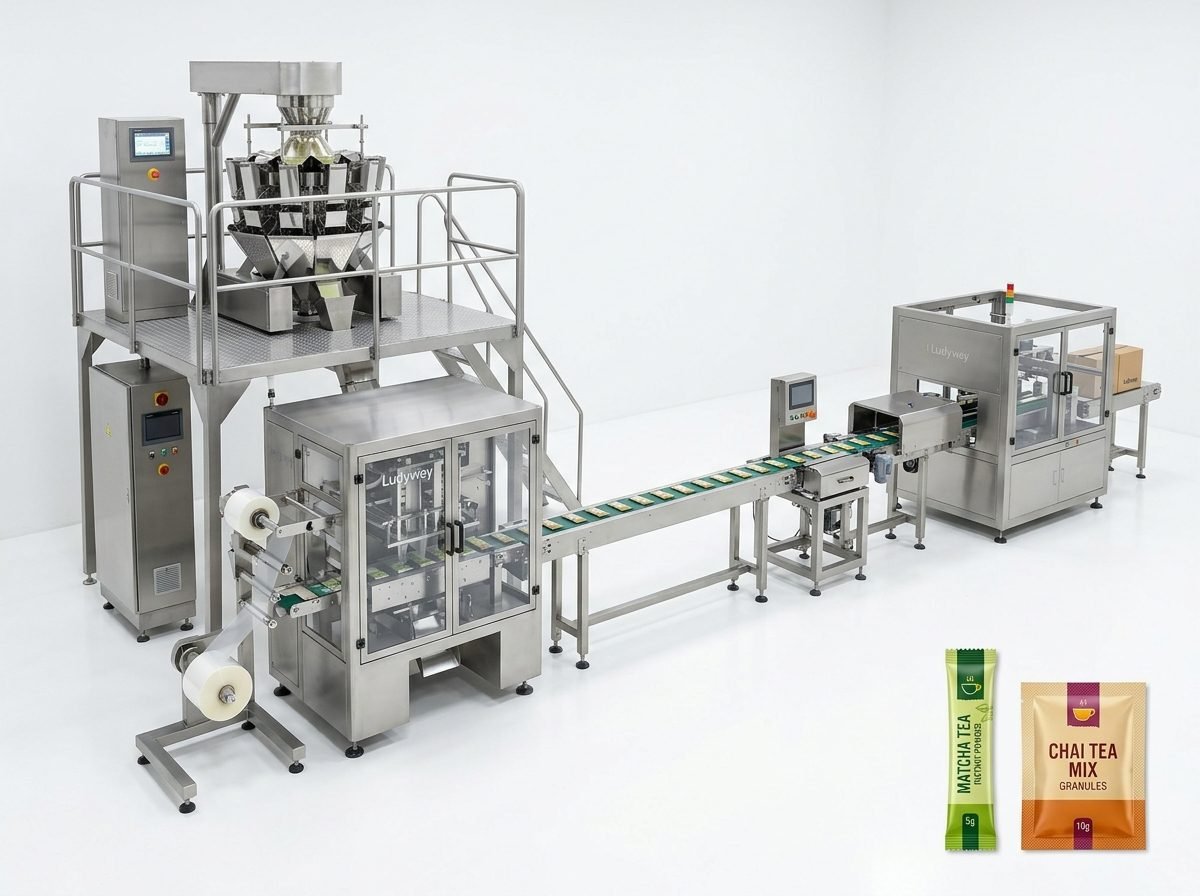
A small tea packaging machine rarely operates in isolation. Consider how the equipment will integrate with your existing or planned production line. The level of automation you choose affects labor requirements, throughput consistency, and overall line efficiency. Key integration points include:
- Infeed Systems — Automated feeding conveyors or bucket elevators that deliver tea products to the packaging machine consistently without manual intervention.
- Weighing and Dosing — Multi-head weighers or auger fillers synchronized with the packaging machine for precise portion control.
- Coding and Marking — Integrated date coders, batch printers, or laser marking systems for traceability and compliance.
- Inspection Systems — Checkweighers and metal detectors that verify package weight and product safety inline.
- Secondary Packaging — Cartoning machines and case packers that prepare finished sachets for distribution.
For growing businesses, selecting a machine that supports modular upgrades allows you to add automation components as production volumes increase, protecting your initial investment while building toward a fully automated line.
Budget, ROI, and Long-Term Value
The purchase price of a small tea packaging machine is only one part of the total cost equation. When calculating your budget and expected return on investment, factor in installation costs, operator training, ongoing maintenance, spare parts availability, and energy consumption. A machine with a lower upfront price but higher maintenance requirements may cost more over its lifetime than a pricier but more reliable alternative.
Review the packaging machinery market trends to understand current pricing benchmarks and technology developments. The investment range for small tea packaging machines varies significantly based on automation level, speed, and configuration. Consider the total cost of ownership over a 5-7 year period rather than focusing solely on the initial capital expenditure.
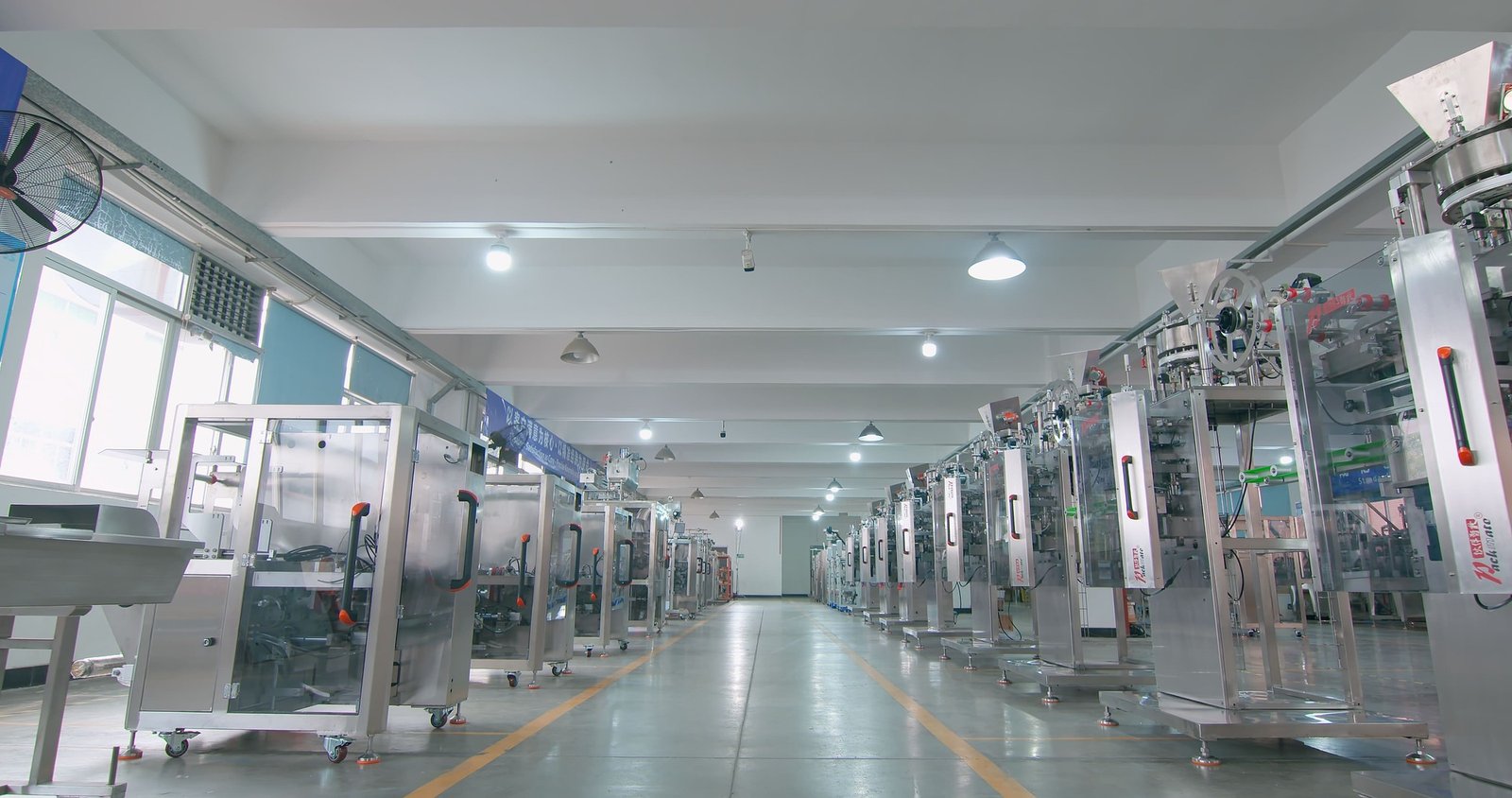
When evaluating suppliers, look beyond the equipment itself. A manufacturer with comprehensive after-sales support, readily available spare parts, and responsive technical assistance can dramatically reduce downtime risks. For example, Ludyway Machinery, with over 30 years of packaging industry experience and a 20,000-square-meter manufacturing facility, provides integrated packaging solutions and technical support to customers across more than 100 countries, helping manufacturers achieve efficient and reliable tea packaging operations.
Making the Final Decision
Choosing the right small tea packaging machine ultimately comes down to aligning equipment capabilities with your specific business goals. Start by clearly defining your production requirements, then evaluate machines based on measurable criteria rather than marketing claims. Where possible, arrange for product trials or sample runs using your actual tea products and packaging materials — this provides the most reliable assessment of real-world performance.
Consider the following summary checklist before finalizing your decision:
- Confirm that the machine’s speed and output match your current and projected production volumes
- Verify compatibility with your tea product type, packaging format, and film materials
- Evaluate the dosing system’s accuracy with your specific product characteristics
- Assess the machine’s track record and the manufacturer’s after-sales support infrastructure
- Calculate total cost of ownership including maintenance, parts, and energy consumption
- Check for compliance with relevant ISO packaging standards and food safety requirements
- Ensure operator training and technical documentation are available in your preferred language
A well-chosen tea packaging machine becomes a strategic asset that supports product quality, brand reputation, and business growth. Taking the time to evaluate your options thoroughly will pay dividends in operational efficiency and long-term profitability.
Industry Resources for Further Research
To support your decision-making process, the following authoritative resources provide additional guidance on packaging machinery selection, industry standards, and market trends:
- PMMI Business Intelligence Library — In-depth reports on packaging machinery market data and technology trends
- Flexible Packaging Association Industry Resources — Comprehensive information on packaging materials and sustainability
- ISO Packaging Standards — International standards for packaging machinery and processes
- FDA Packaging and Food Contact Substances — Regulatory guidance for food packaging compliance
- European Commission Packaging Regulations — EU requirements for packaging and packaging waste