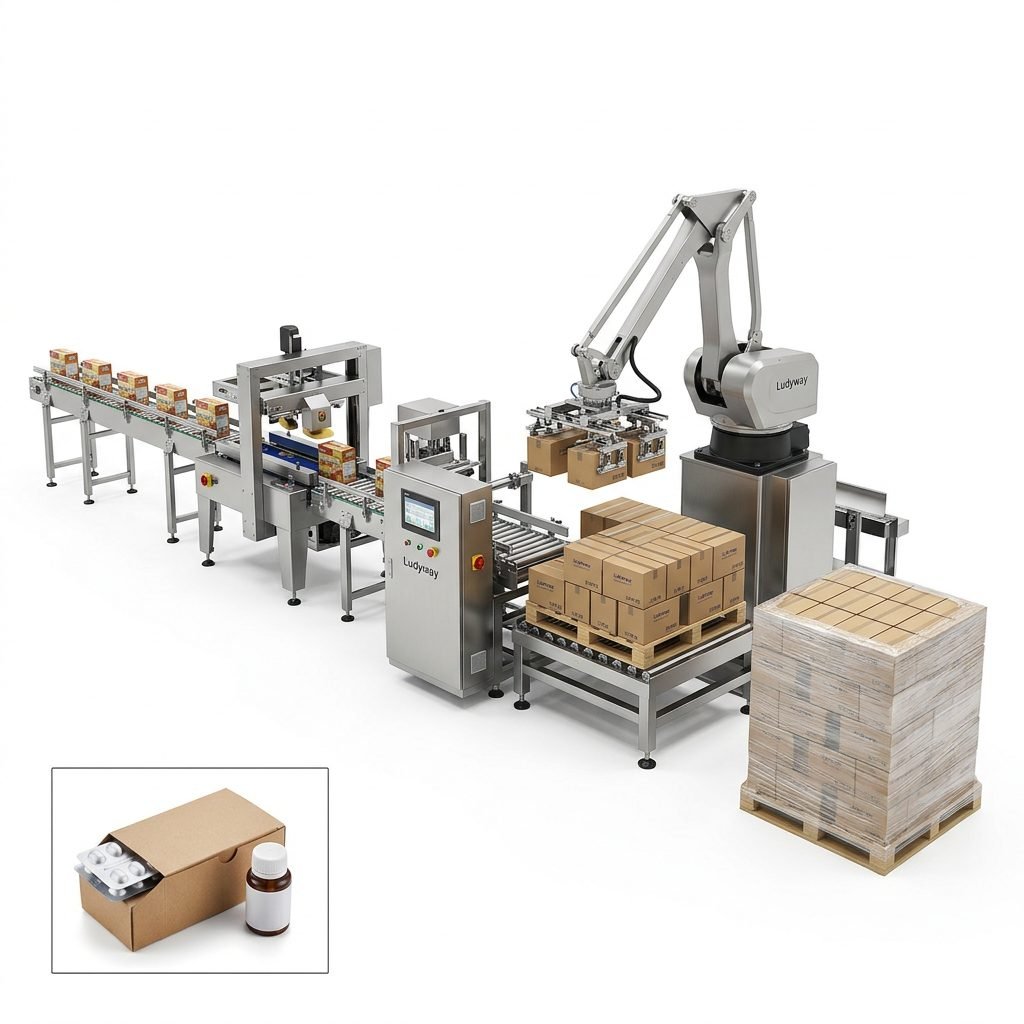
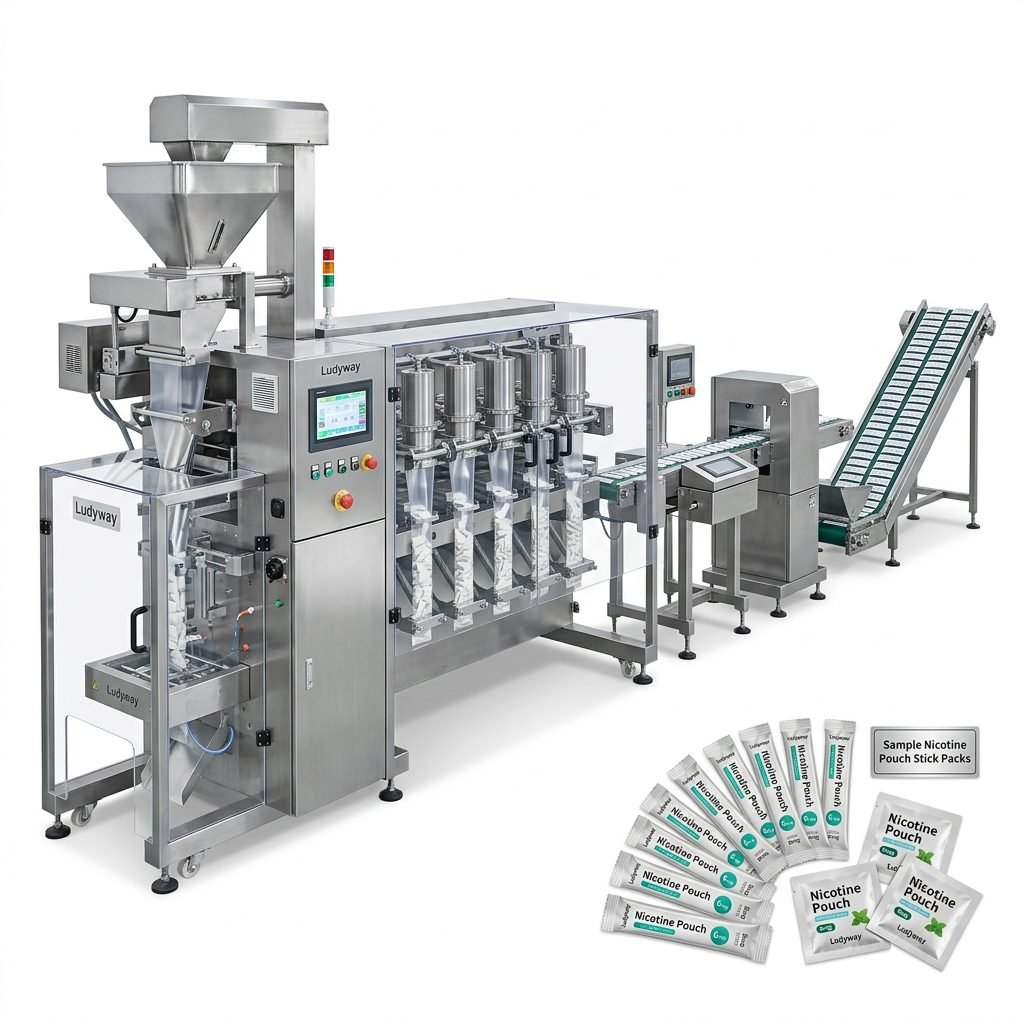
Selecting the right general packaging equipment is a critical decision for any production operation. The machinery you choose directly impacts your efficiency, product quality, and bottom line. This guide provides a comprehensive overview of the main types of packaging machinery, their specific uses, and key factors to consider when investing in equipment for your production line.
Core Types of General Packaging Equipment
The world of packaging machinery is vast, but most equipment falls into several fundamental categories based on its primary function in the packaging process.
Filling Machines
These are essential for accurately dispensing your product into containers, pouches, or other packaging formats. Accuracy and speed are their hallmarks.
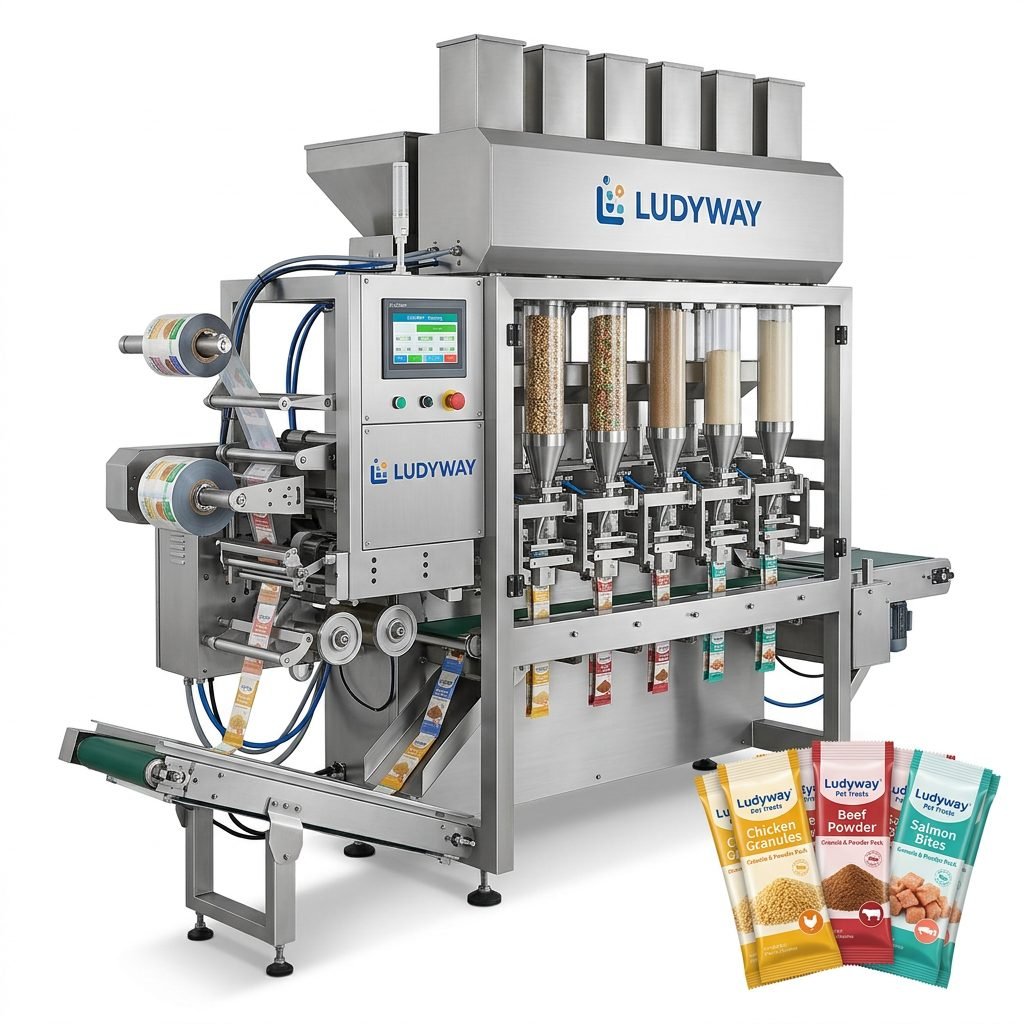
- Volumetric Fillers: Use cavities or cups to measure a set volume of product, ideal for uniform granules, powders, or chunks.
- Auger Fillers: Employ a rotating screw within a tube to dispense powders and fine granules with high precision. They are a staple in the food and pharmaceutical industries.
- Liquid Fillers: Include piston, gravity, and pump-based systems designed to handle everything from water-thin liquids to viscous pastes and creams.
Sealing Machines
Once filled, the package must be securely closed. Sealing machines ensure product integrity and shelf life.
- Heat Sealers: Apply heat and pressure to seal thermoplastic films or lidding materials. Common for pouches, sachets, and blister packs.
- Induction Sealers: Create a tamper-evident seal on bottles by inductively heating a foil liner under a plastic cap, widely used in pharmaceuticals and chemicals.
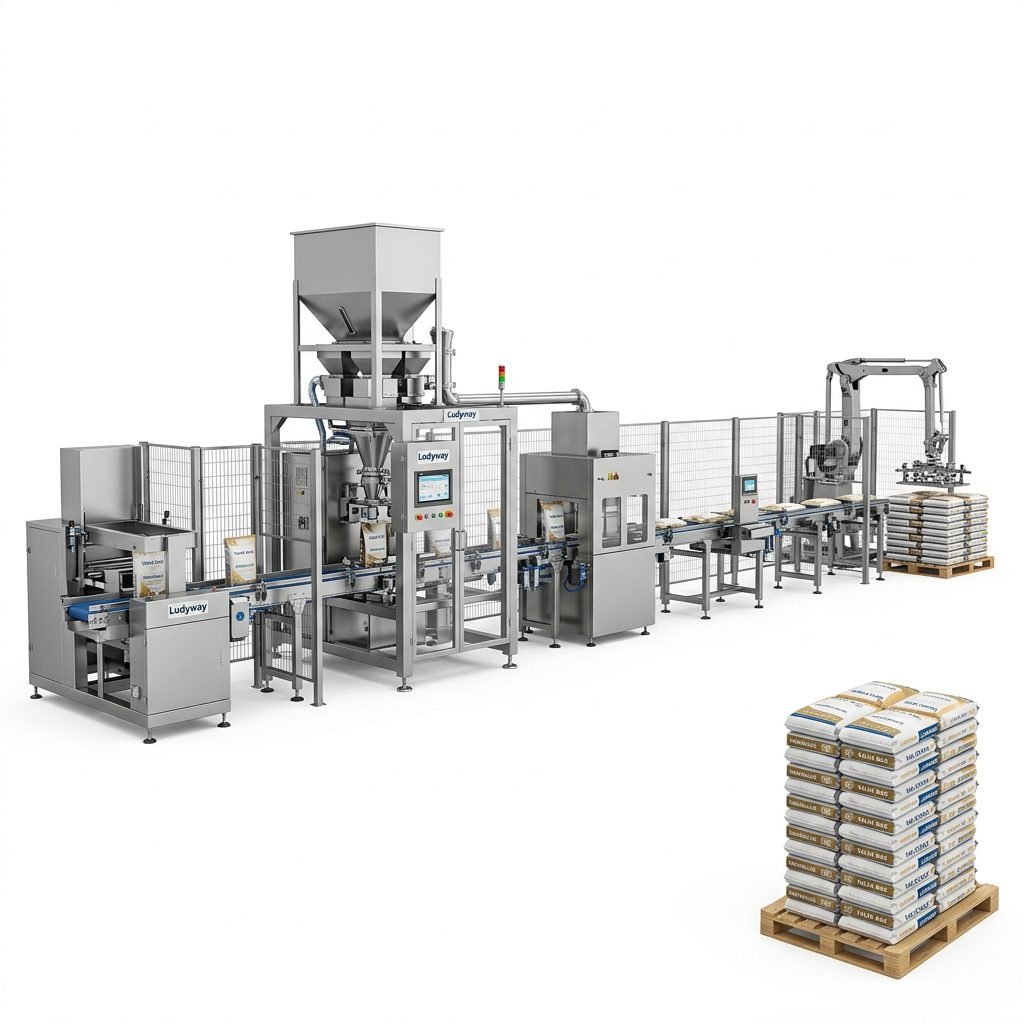
- Carton Sealers: Automatically apply tape or hot melt adhesive to close corrugated boxes, crucial for shipping and logistics.
Labeling and Coding Equipment
This equipment applies vital information, branding, and tracking data to the package.
- Pressure-Sensitive Labelers: Apply pre-printed labels from a roll or sheet onto various container shapes and materials.
- Print-and-Apply Systems: Integrate a printer to generate variable data (like batch codes or expiry dates) and immediately apply the label.
- Inkjet and Laser Coders: Directly mark alphanumeric codes, barcodes, or graphics onto packaging surfaces at high speed.
Wrapping and Bundling Machines
These units group primary packages together for sale, distribution, or added protection.
- Stretch Wrappers: Use plastic film to unitize pallet loads for stability during transport.
- Shrink Wrappers: Encase products or multipacks in a loose film sleeve, then apply heat to shrink the film tightly around them.
- Cartoners and Case Packers: Automatically erect cartons or cases and insert the primary packages in a specified pattern.
Primary Uses Across Key Industries
General packaging equipment is the backbone of modern manufacturing, tailored to meet the stringent demands of different sectors.
Food and Beverage Industry
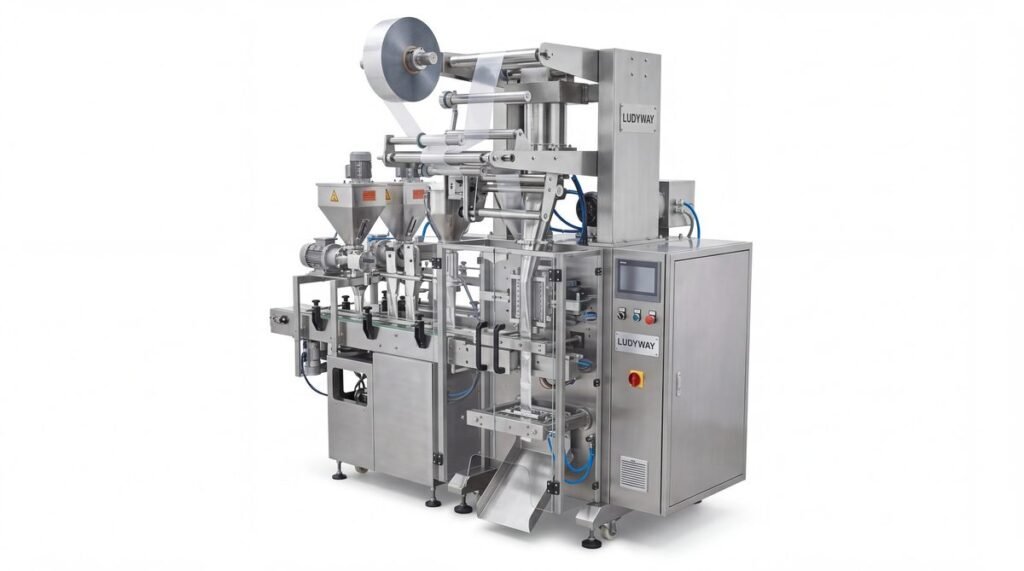
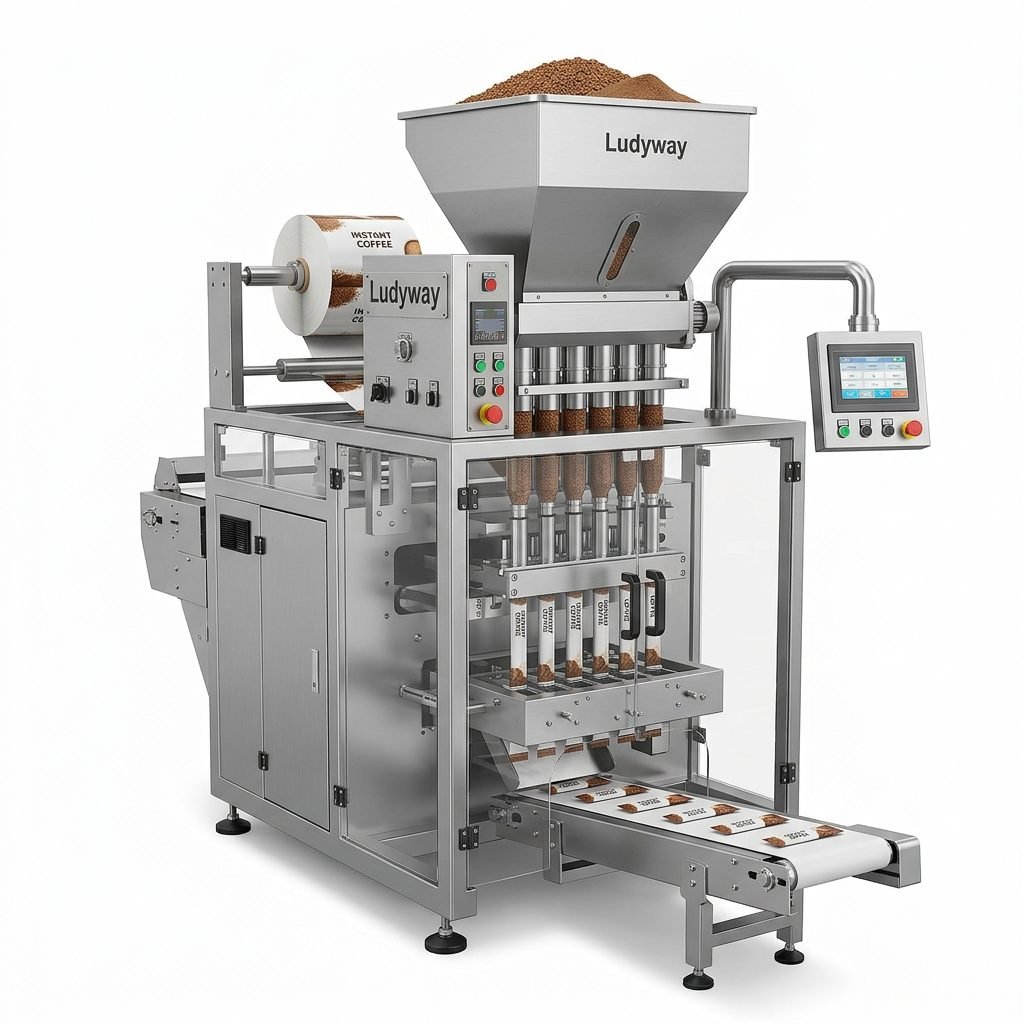
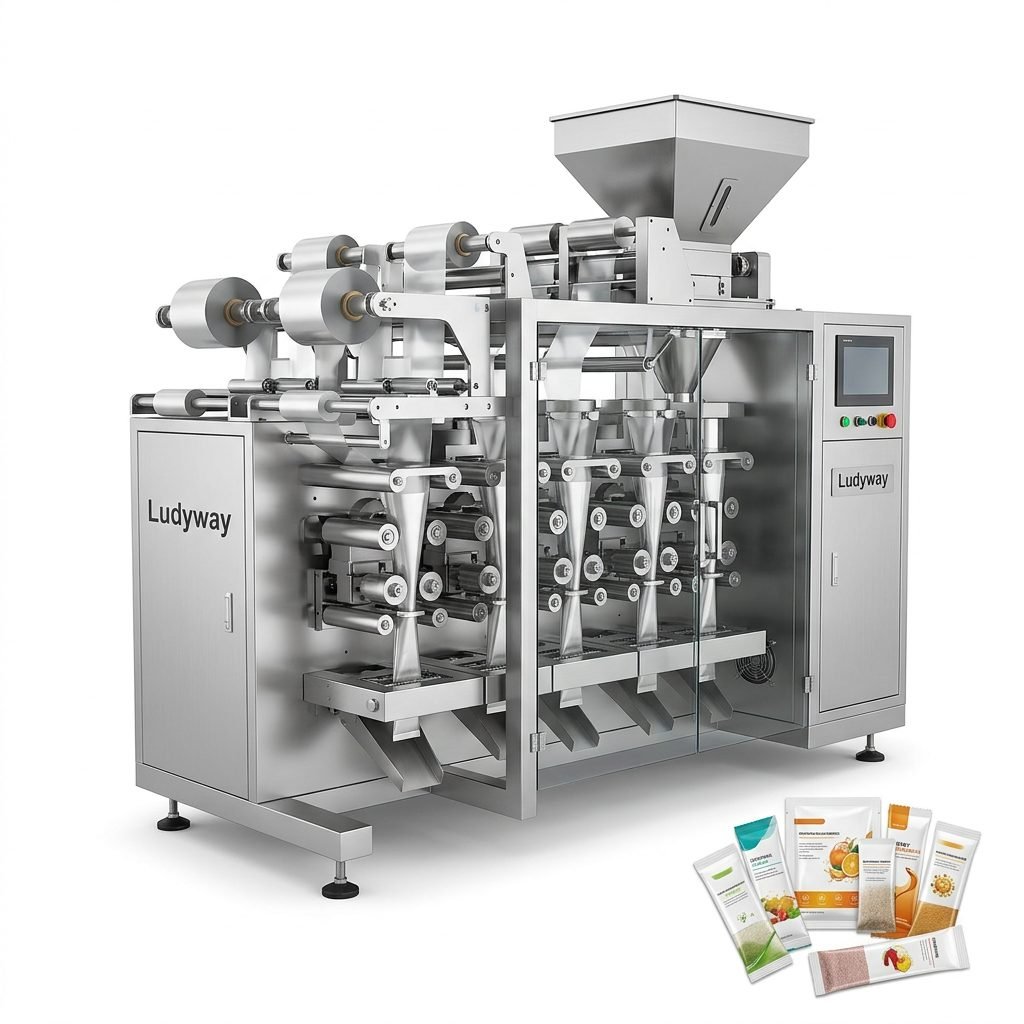
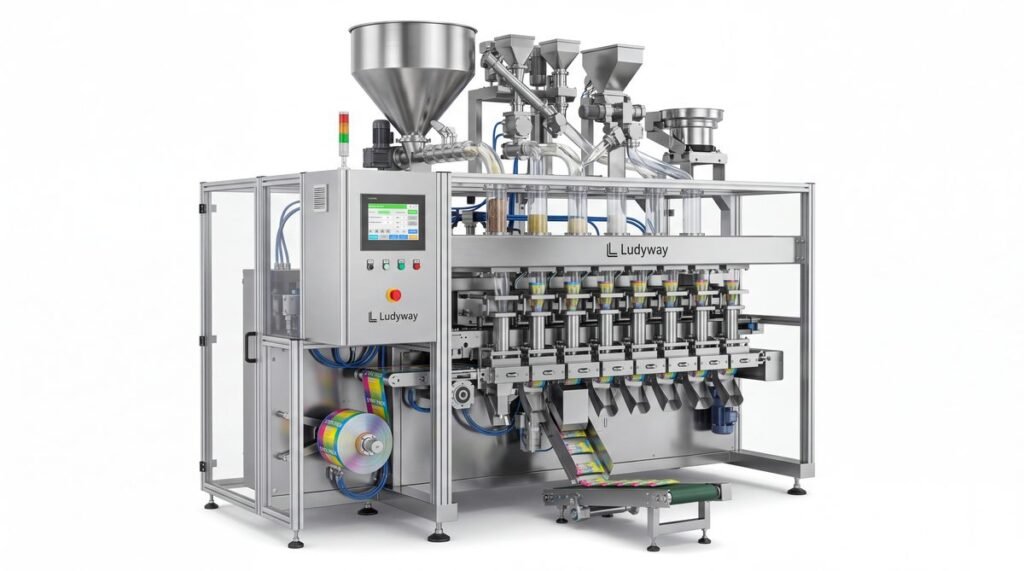
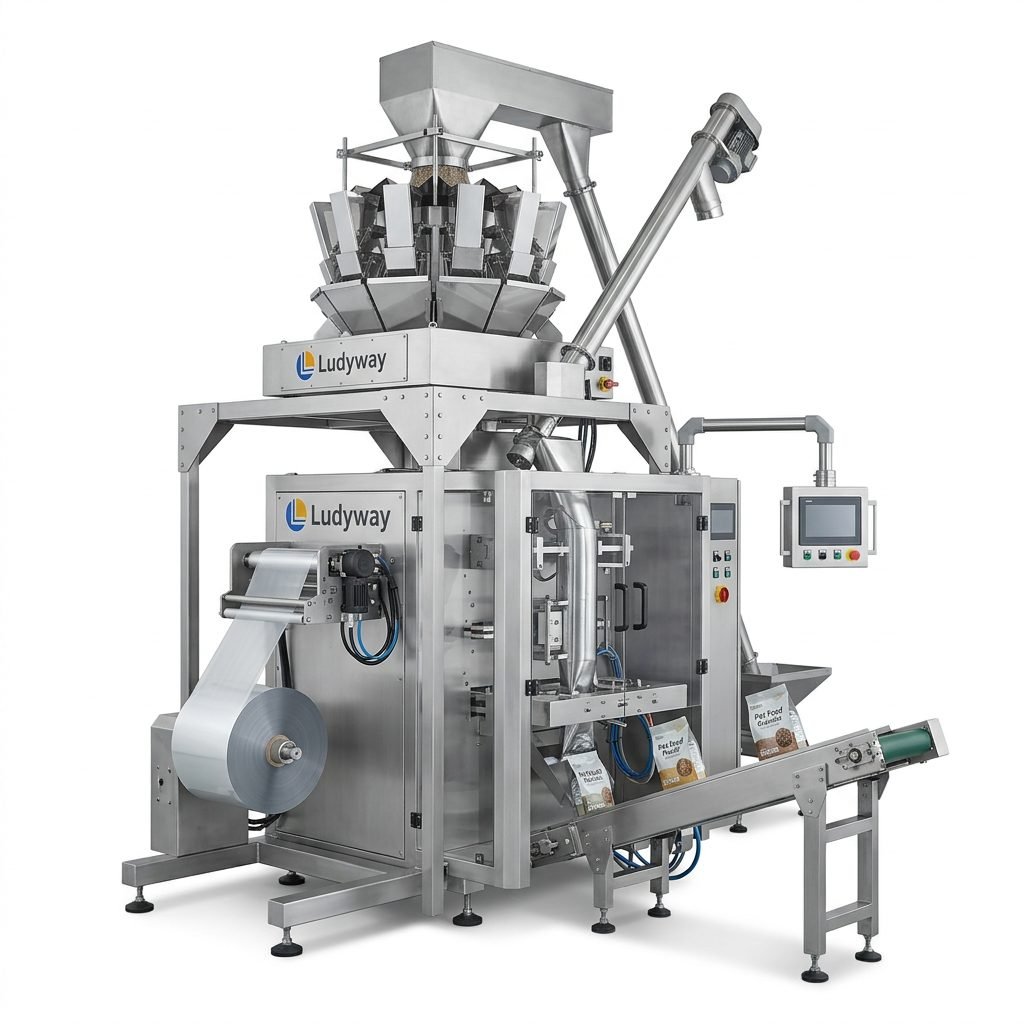
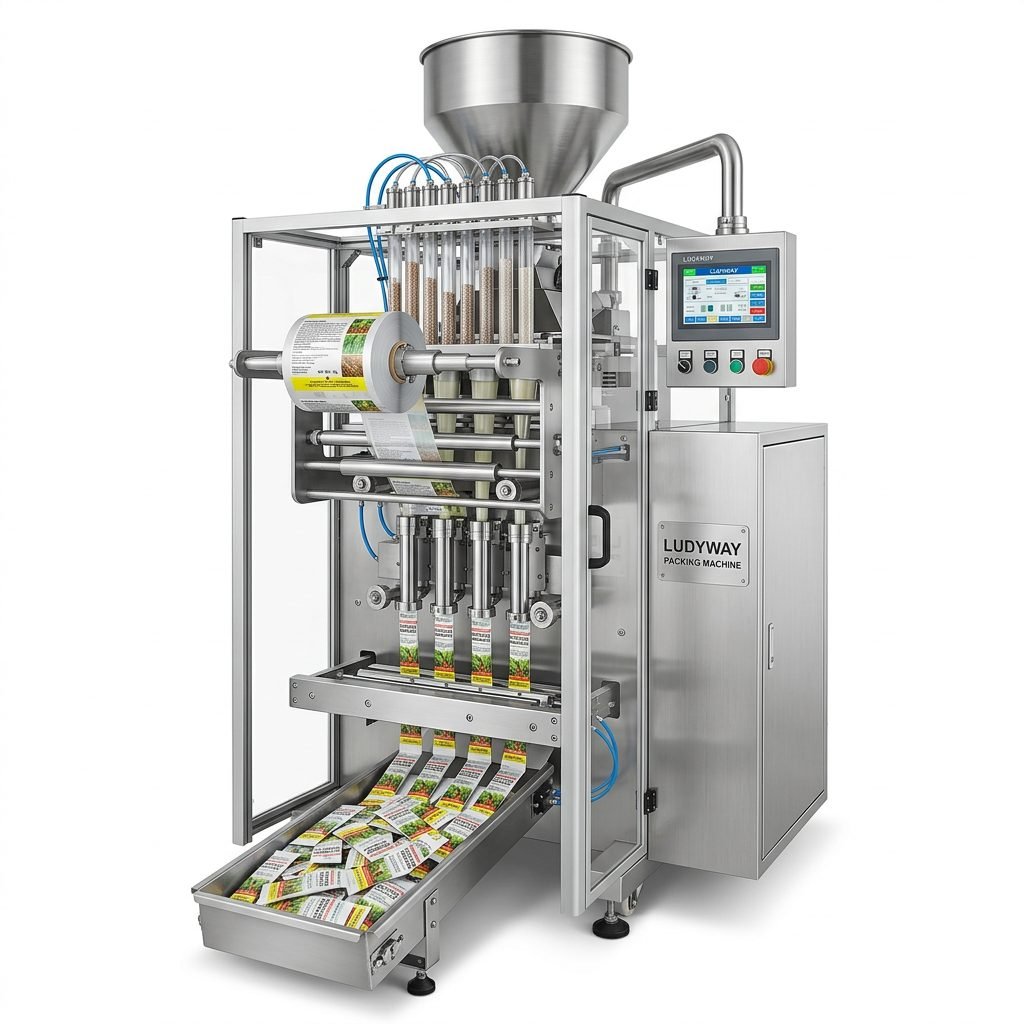
This sector demands hygiene, speed, and adaptability. Equipment must handle diverse products—from dry snacks to sauces—and often requires food-grade materials and easy-clean designs. Stick pack machines for drink mixes and vertical form-fill-seal (VFFS) machines for snacks are ubiquitous.
Pharmaceutical and Healthcare
Precision, sterility, and compliance (e.g., with cGMP) are non-negotiable. Machinery for blister packing, vial filling, and accurate powder dosing into sachets must offer exceptional accuracy and often include cleanroom-compatible features. Traceability via coding is also critical.
Consumer Goods and Chemicals
Durability and safety are paramount. Equipment must reliably seal containers to prevent leaks of liquids or powders, apply child-resistant closures, and ensure labels with hazard warnings remain legible. Liquid filling lines and robust sealing systems are common here.
Did You Know?
The evolution of packaging machinery is closely tied to consumer trends. The rise of single-serve portions and on-the-go consumption has significantly increased the demand for high-speed, small-format packaging solutions like sachet and stick pack machines.
How to Choose the Right Machinery for Your Production
Investing in packaging equipment is a significant decision. A structured evaluation will help you select machinery that delivers a strong return on investment.
1. Analyze Your Product and Packaging
Start with the fundamentals. Define your product’s physical state (solid, powder, liquid), its characteristics (viscosity, particle size, abrasiveness), and its sensitivity (to moisture, light, oxygen). Then, specify your desired packaging format—be it pouches, bottles, sticks, or boxes—and the material it will be made from. The machine must be compatible with all these factors.
2. Determine Your Required Output Speed
Calculate your current and projected production volumes. Required speed (packages per minute/hour) is a primary driver of machine selection and cost. Balance your peak demand needs with a realistic assessment of your operational uptime. Avoid over-investing in excessive speed you won’t utilize.
3. Evaluate Integration and Footprint
Consider the machine as part of a system. Will it integrate smoothly with your upstream and downstream equipment (mixers, conveyors, palletizers)? Measure your available floor space carefully. A modular machine that can be expanded later might be a wise choice for growing businesses.
4. Prioritize Ease of Use and Changeover
In today’s market, flexibility is key. Look for equipment with quick-change parts and recipe storage for different products or package sizes. An intuitive human-machine interface (HMI) reduces training time and operator error. Easy access for cleaning and maintenance is also crucial for efficiency and hygiene.
5. Assess Supplier Support and Reliability
The machine is only as good as the company behind it. Research the manufacturer’s reputation, experience in your industry, and the availability of local technical support, spare parts, and training. Request references and ask about mean time between failures (MTBF) to gauge reliability.
Pro Tip: Think Long-Term
When comparing options, look beyond the initial purchase price. Consider the total cost of ownership, which includes energy consumption, maintenance costs, required operator skill level, and the machine’s potential for future upgrades or integration with automation and Industry 4.0 data systems.
Frequently Asked Questions (FAQs)
What is the most versatile type of packaging machine for small to medium businesses?
A vertical form-fill-seal (VFFS) machine is often considered highly versatile. It can handle a wide range of free-flowing products (granules, powders, small solids) and create various pouch styles from roll stock, making it suitable for many food and non-food applications with relatively quick changeovers.
How important is automation in general packaging equipment?
Automation is increasingly critical for consistency, hygiene, and labor cost reduction. Even basic automated machines improve output accuracy and speed compared to manual operations. The level of automation you need depends on your volume, product value, and labor market conditions.
What are the key maintenance requirements for packaging machinery?
Regular maintenance typically includes daily cleaning, lubrication of moving parts as per the manufacturer’s schedule, inspection and replacement of wear items (like seals, gaskets, and cutting blades), and calibration of weighing or filling systems. A proactive maintenance plan is essential to prevent unplanned downtime.
Can one machine handle multiple, very different product types?
While some machines offer good flexibility, significant differences in product format (e.g., switching from liquid sachets to granular stick packs) usually require dedicated machinery or extensive, time-consuming changeovers. It’s often more efficient to have specialized machines for fundamentally different product lines.
Where can I find a reliable supplier for packaging machinery?
Look for established suppliers with proven expertise in your specific industry. A reliable partner, like Ludyway Machinery, offers not just equipment but comprehensive support—from initial consultation and testing to installation, training, and after-sales service—ensuring you get a solution tailored to your production goals.