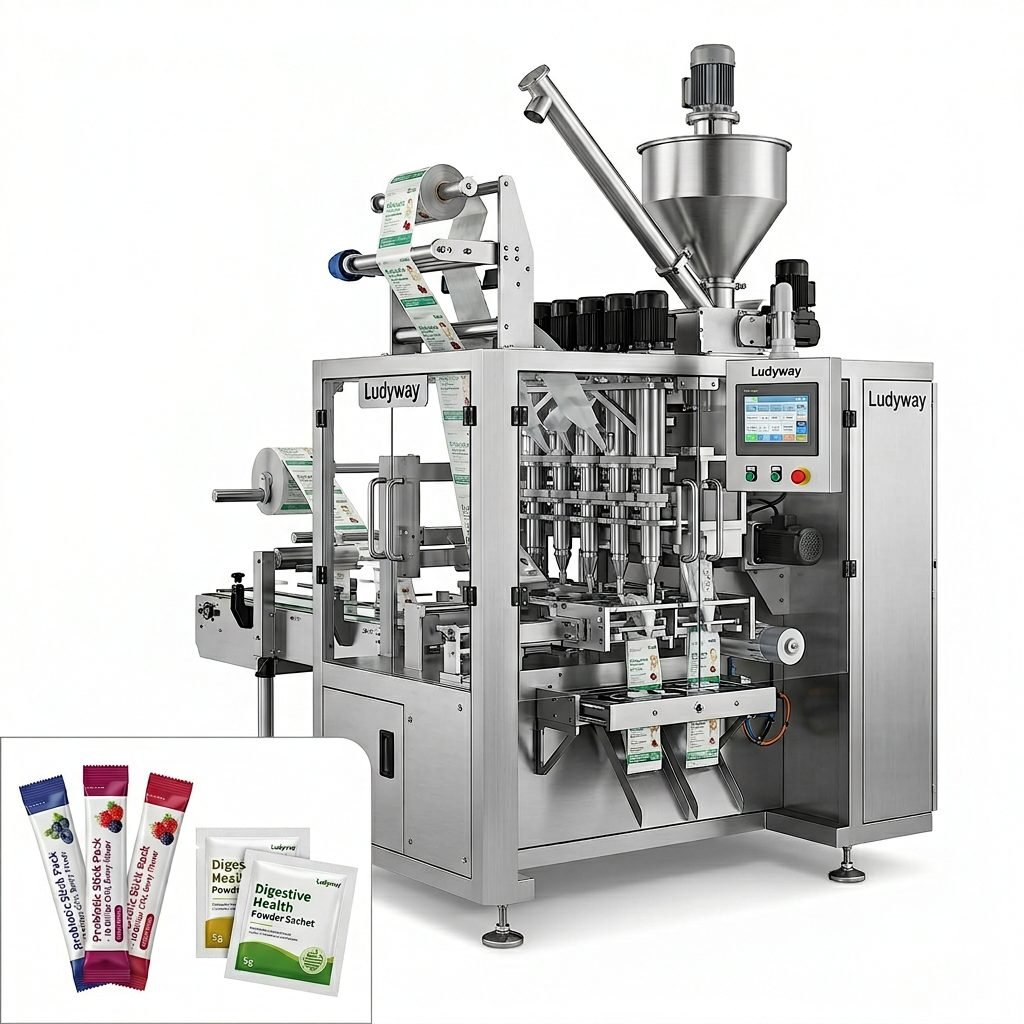
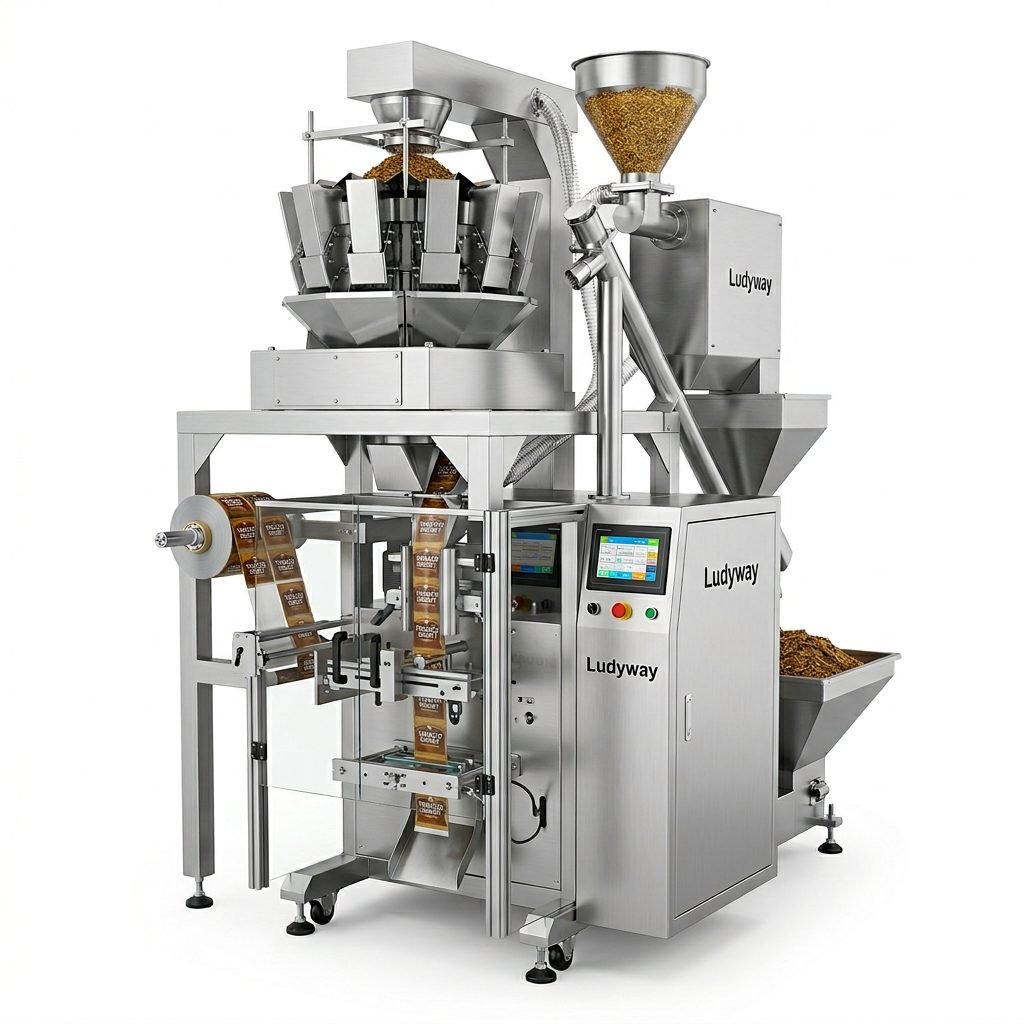
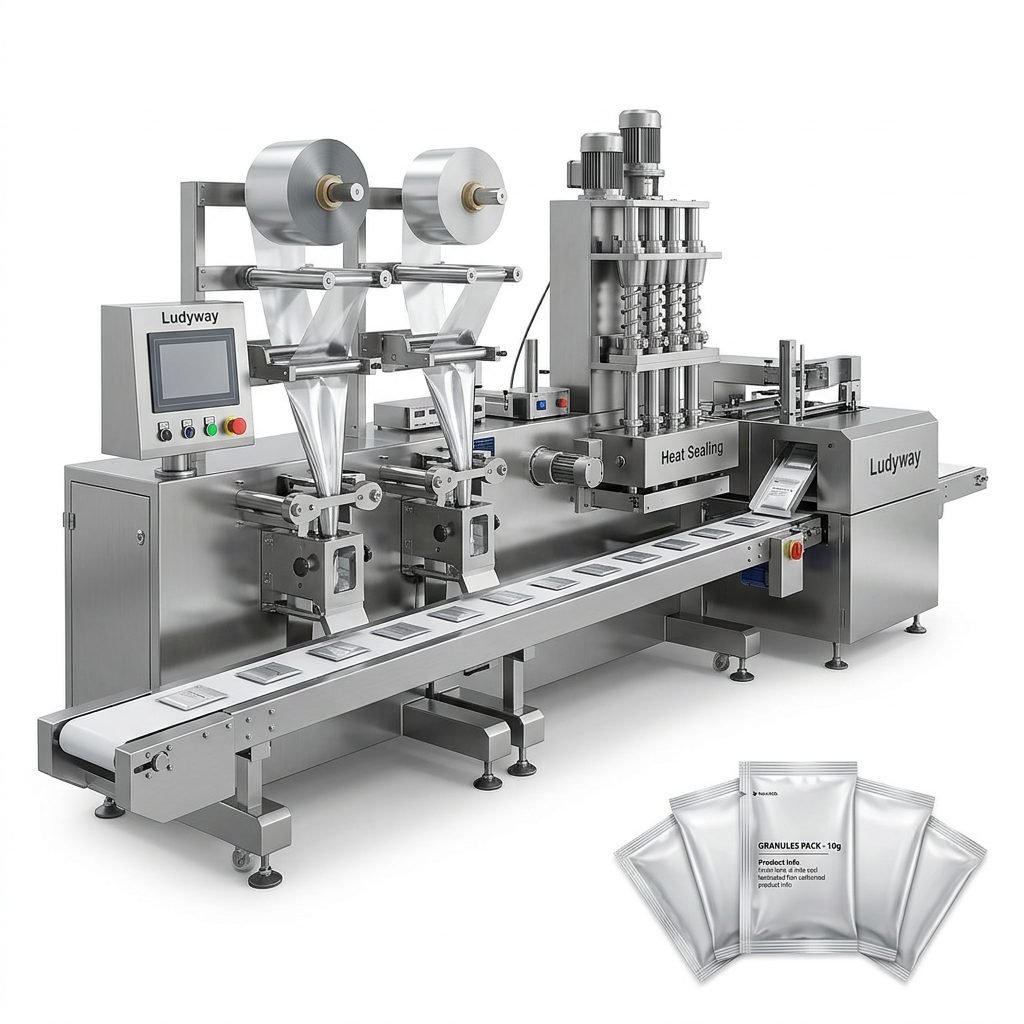
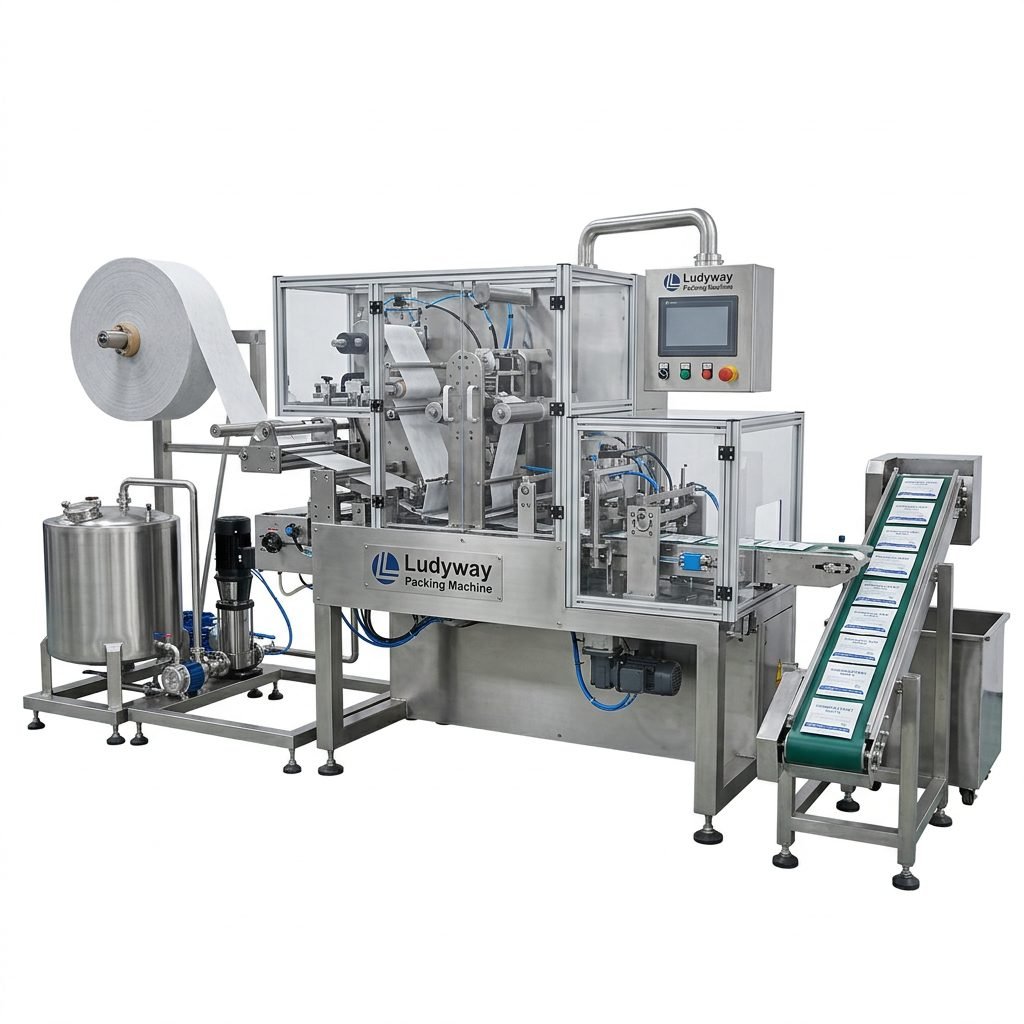
The frozen food industry relies heavily on efficient, reliable, and hygienic packaging to maintain product quality, extend shelf life, and meet consumer demands. Choosing the right frozen food packaging equipment is a critical investment that impacts production speed, operational costs, and final product presentation. This guide explores the main types of machinery, their key features, and provides a framework for selecting the optimal machine for your specific needs.
Primary Types of Frozen Food Packaging Equipment
The packaging process for frozen goods often involves several stages, each requiring specialized equipment. Understanding the different categories is the first step toward building an effective packaging line.
1. Vertical Form-Fill-Seal (VFFS) Machines
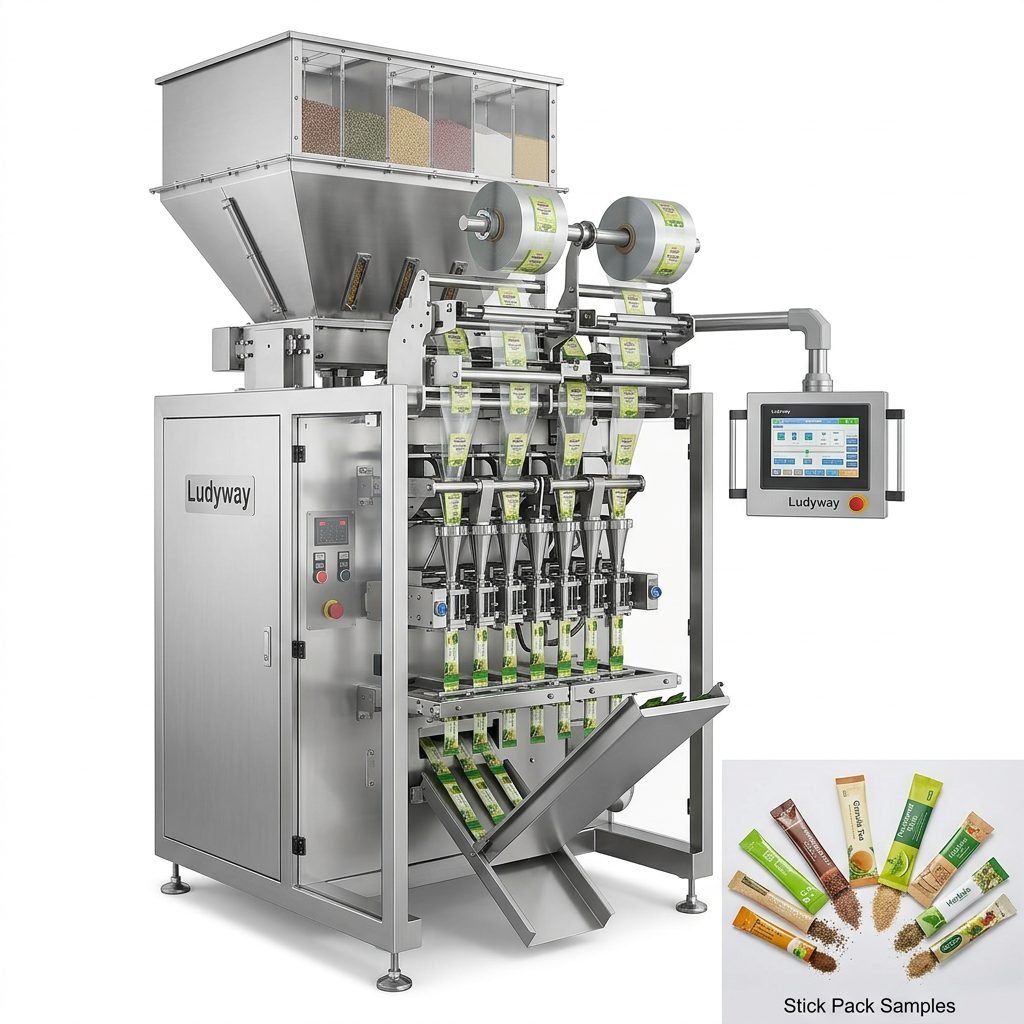
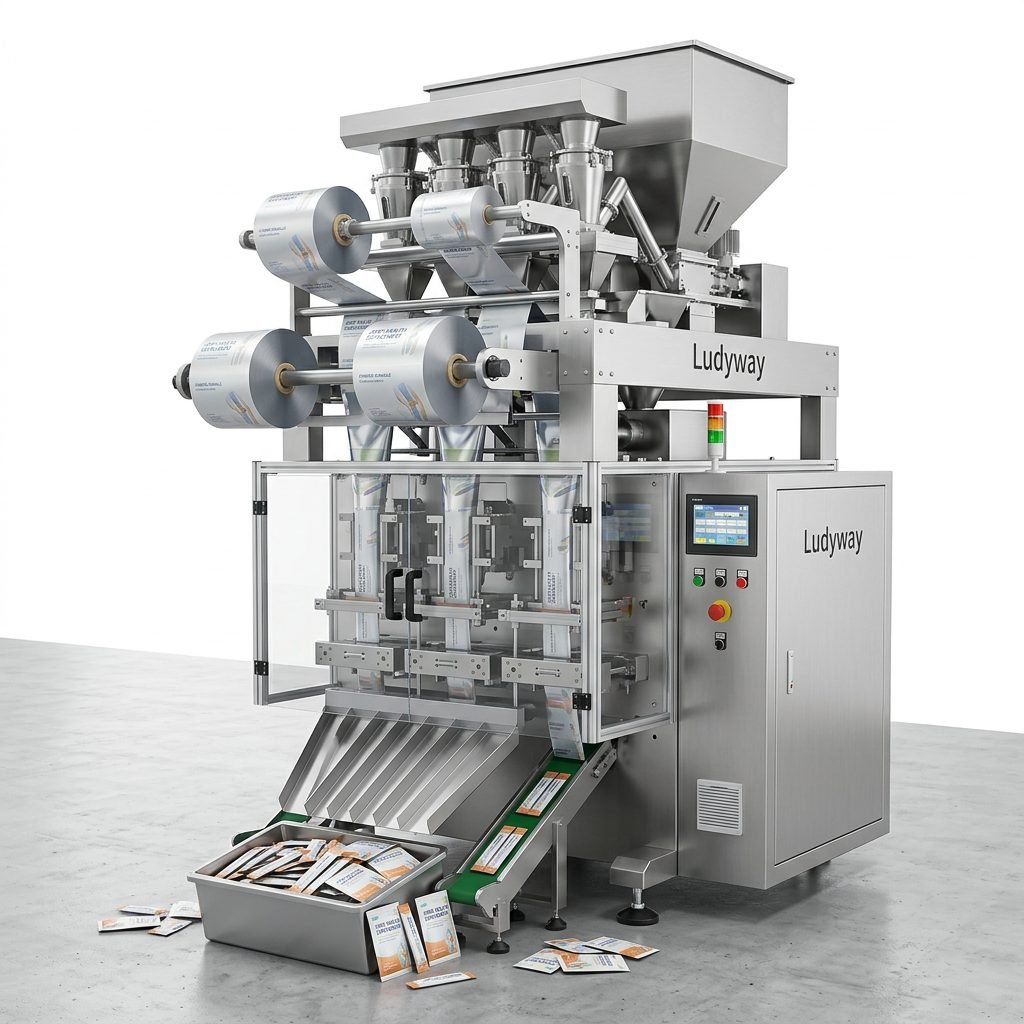
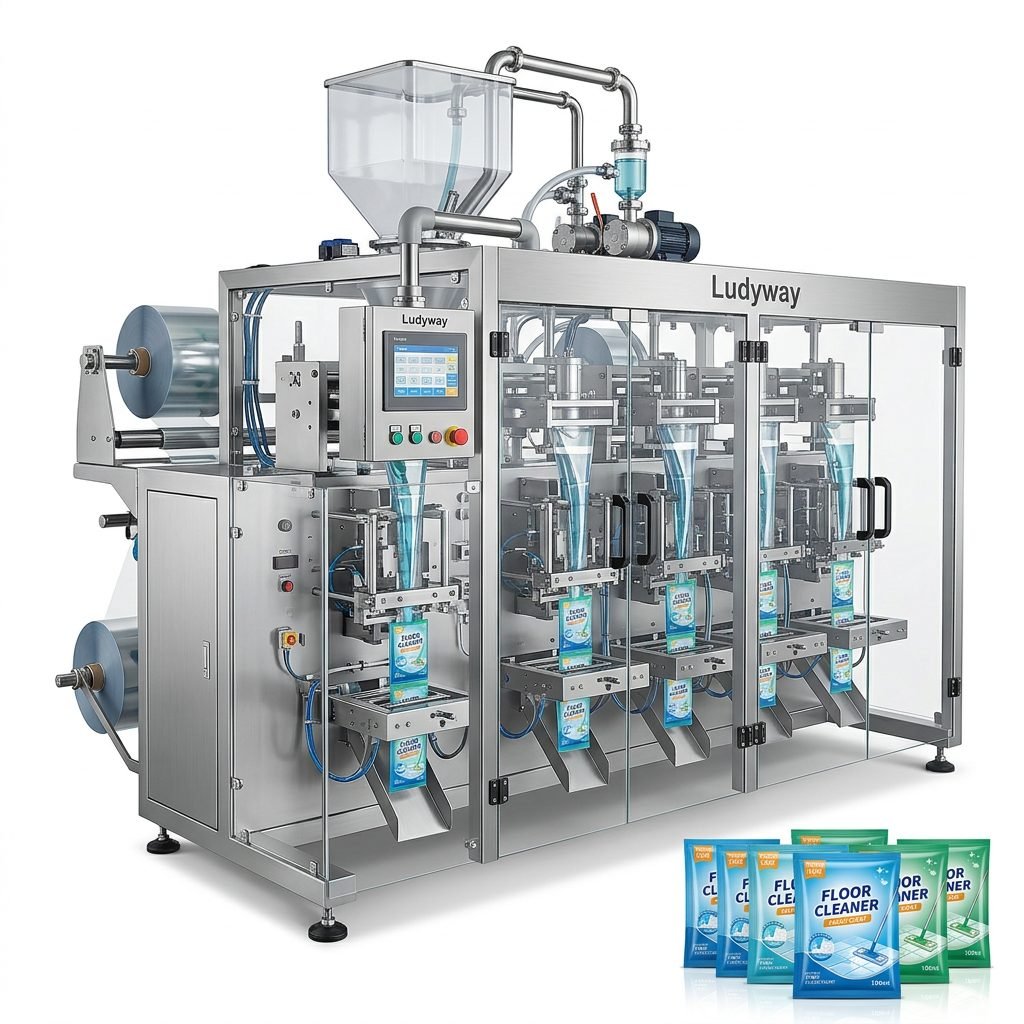
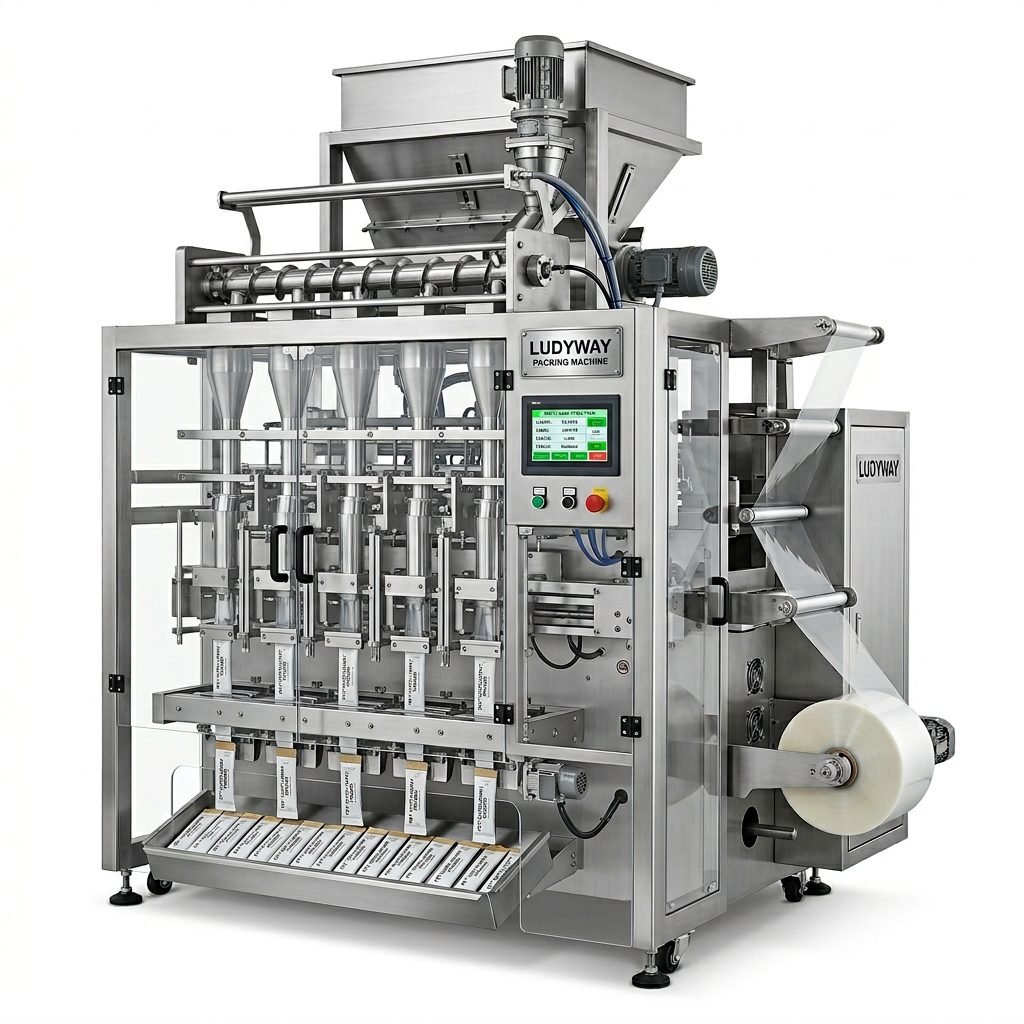
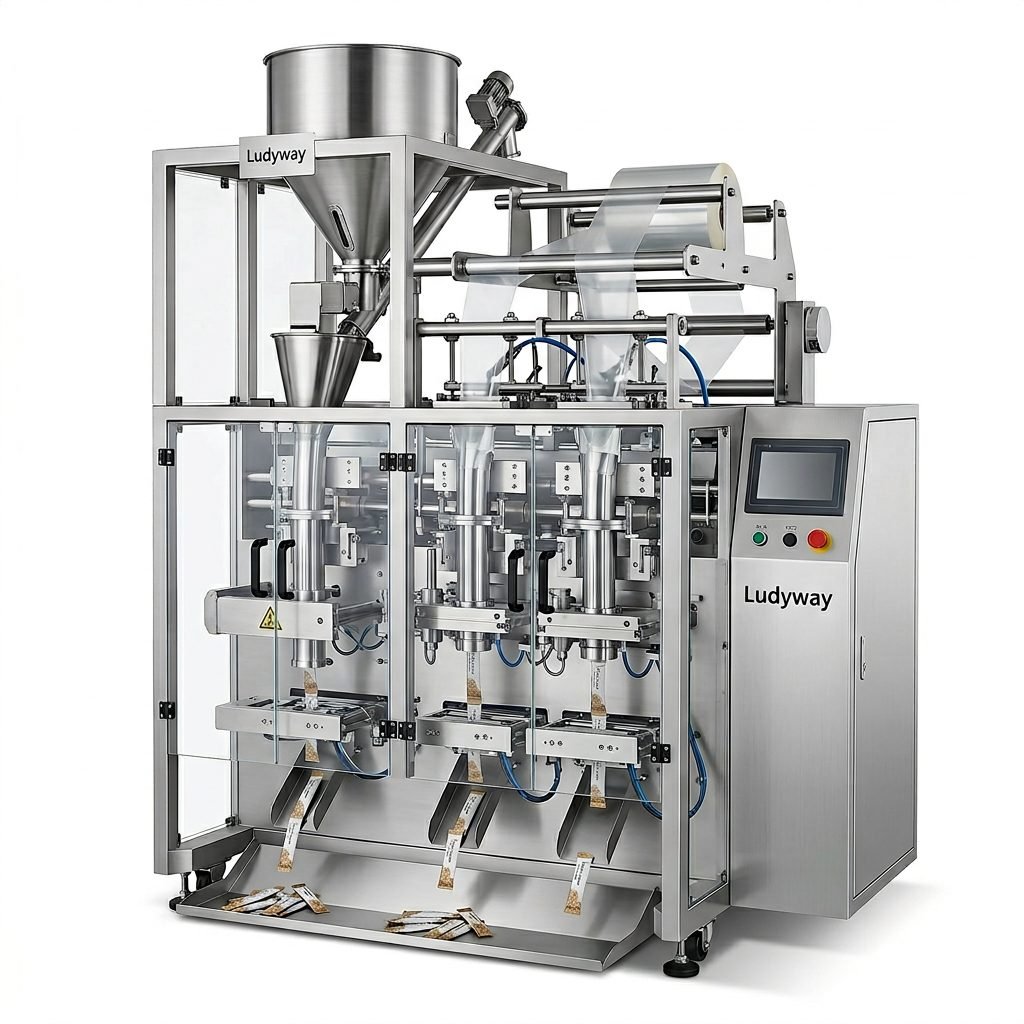
These are the workhorses of the industry for packaging individual portions or bulk quantities of loose frozen products like vegetables, fruits, fries, or seafood medleys. A VFFS machine forms a roll of packaging film into a bag, fills it with the product, and then seals it. Modern VFFS systems for frozen food are designed with features to handle cold, often moist products and prevent ice crystal formation during the sealing process.
Key Application: Ideal for free-flowing frozen items such as peas, corn, berries, and diced potatoes. They offer high speed and flexibility in bag size.
2. Horizontal Form-Fill-Seal (HFFS) Machines
HFFS machines are typically used for more structured or delicate frozen products that require a flat, pillow-style pouch. Think frozen pizzas, burgers, fish fillets, or pre-prepared meals. The product is placed on a horizontal web of film, which is then formed around it and sealed. This method provides excellent product presentation and can accommodate various printed film materials for strong branding.
3. Tray Sealing and Thermoforming Equipment
For premium frozen meals, seafood, or appetizers, tray sealing is a popular choice. This process involves placing the product into a pre-formed plastic or paperboard tray, applying a lidding film, and heat-sealing it under a controlled atmosphere. Modified Atmosphere Packaging (MAP) is often integrated here, replacing air inside the package with a gas mix (like nitrogen or CO2) to drastically slow oxidation and preserve texture and flavor.
Why MAP Matters for Frozen Food
While freezing preserves food, oxidation and freezer burn can still degrade quality over time. MAP technology in tray sealers creates a protective gaseous environment around the product, significantly reducing ice crystal formation, preventing dehydration, and locking in freshness and color for a much longer period.
4. Cartoning and Case Packing Systems
After primary packaging, individual frozen food packages often need to be grouped into cartons or cases for shipping and retail display. Automated cartoners erect, load, and seal boxes, while case packers efficiently arrange multiple packages into shipping cases. These systems are crucial for achieving high-volume throughput with minimal manual labor.
Essential Features to Look for in Frozen Food Packaging Machinery
Not all packaging machines are built to withstand the harsh, cold, and often wet environment of frozen food production. Here are the non-negotiable features to prioritize.
Hygienic and Corrosion-Resistant Construction
Equipment must be built with stainless steel (preferably grade 304 or 316) on all food-contact surfaces and critical frames. This prevents rust and corrosion from constant exposure to moisture and allows for easy, thorough cleaning to meet stringent food safety standards like HACCP, FDA, or EU regulations.
→ Look for: Sealed electrical components, waterproof motors, and easy-access panels for sanitation.
Cold-Environment Performance
Machinery must operate reliably in low-temperature rooms. This requires special lubricants that don’t thicken or freeze, advanced sealing systems that can bond films effectively even when cold, and control systems that remain stable in chilled conditions.
Speed and Efficiency (Throughput)
Your machine’s output must match or exceed your production requirements. Consider not just maximum speed but also efficiency—factors like quick changeover times between different product sizes or packaging formats minimize downtime and increase overall equipment effectiveness (OEE).
Flexibility and Changeover Capability
Market demands change. A machine that can handle multiple bag sizes, pouch styles, or film types with minimal tooling change and adjustment time offers a significant long-term advantage. This adaptability protects your investment against future product line expansions.
How to Choose the Right Machine for Your Operation
Selecting equipment is a strategic decision. Follow this step-by-step framework to make an informed choice.
Step 1: Analyze Your Product and Process
Start with the basics: What are you packaging? Is it delicate or rugged? What is its temperature at the point of packaging? Define your primary packaging material (film type, thickness) and the required seal strength. Determine your current and projected daily/weekly production volume.
Step 2: Define Your Budget and ROI Goals
Consider the total cost of ownership, not just the purchase price. Factor in installation, maintenance, energy consumption, and potential labor savings. A more automated, efficient machine from a reliable supplier may have a higher upfront cost but deliver a faster return on investment through reduced waste and higher output.
Step 3: Evaluate Supplier Expertise and Support
The machine is only as good as the company behind it. Choose a supplier with proven experience in the frozen food sector. They should understand the unique challenges and offer comprehensive support, including installation, operator training, readily available spare parts, and responsive technical service. A partner like Ludyway Packing Machine, with deep industry knowledge, can be invaluable.
Step 4: Request a Product Test
Never buy based on specifications alone. Arrange to send a sample of your actual product and packaging materials to the supplier for a live test run. This demonstrates the machine’s real-world performance, seal quality, and speed with your specific items, de-risking the purchase.
Step 5: Plan for Integration and Future Growth
Consider how the new machine will integrate into your existing line. Does it require special utilities? Ensure the supplier can provide a complete turnkey solution if needed. Also, think about scalability—can the equipment be upgraded or integrated with additional automation (like checkweighers or labelers) in the future?
Pro Tip: Focus on Total Line Efficiency
While the packaging machine is central, its performance is interconnected with upstream and downstream equipment. When selecting your packaging machine, discuss with your supplier how it will interface with your freezers, conveyors, and case packers to create a smooth, bottleneck-free production flow. A holistic view prevents isolated efficiency gains that don’t translate to overall line productivity.
Frequently Asked Questions (FAQs)
1. What is the most important feature in a frozen food packaging machine?
The most critical feature is hygienic, corrosion-resistant construction (using food-grade stainless steel) combined with reliable performance in cold, humid environments. Without this, machine longevity and food safety compliance are compromised.
2. Can one machine handle different types of frozen food?
It depends on the machine’s flexibility. A well-designed Vertical Form-Fill-Seal (VFFS) machine with quick-change tooling can often handle various free-flowing products (e.g., switching from peas to fries). However, switching from loose vegetables to structured items like burgers usually requires a different machine type, such as an HFFS or tray sealer.
3. Is Modified Atmosphere Packaging (MAP) necessary for all frozen foods?
No, it’s not necessary for all, but it is highly beneficial for premium products where extended shelf life, superior color retention, and prevention of freezer burn are key selling points. It’s commonly used for seafood, prepared meals, and high-value vegetables or fruits.
4. How do I ensure the packaging seals properly in cold conditions?
This requires a machine with precise temperature-controlled sealing jaws. The jaws must deliver enough heat to melt and fuse the packaging layers through potential frost or moisture on the film. Reputable suppliers will test this rigorously with your specific film material during a product trial.
5. What kind of maintenance do these machines require?
Regular preventive maintenance is essential. This includes daily cleaning, lubrication with cold-temperature-approved greases, inspection of seals and wear parts, and calibration of scales and sensors. Choosing a supplier that offers clear maintenance schedules and readily available spare parts, such as Ludyway, minimizes unexpected downtime.