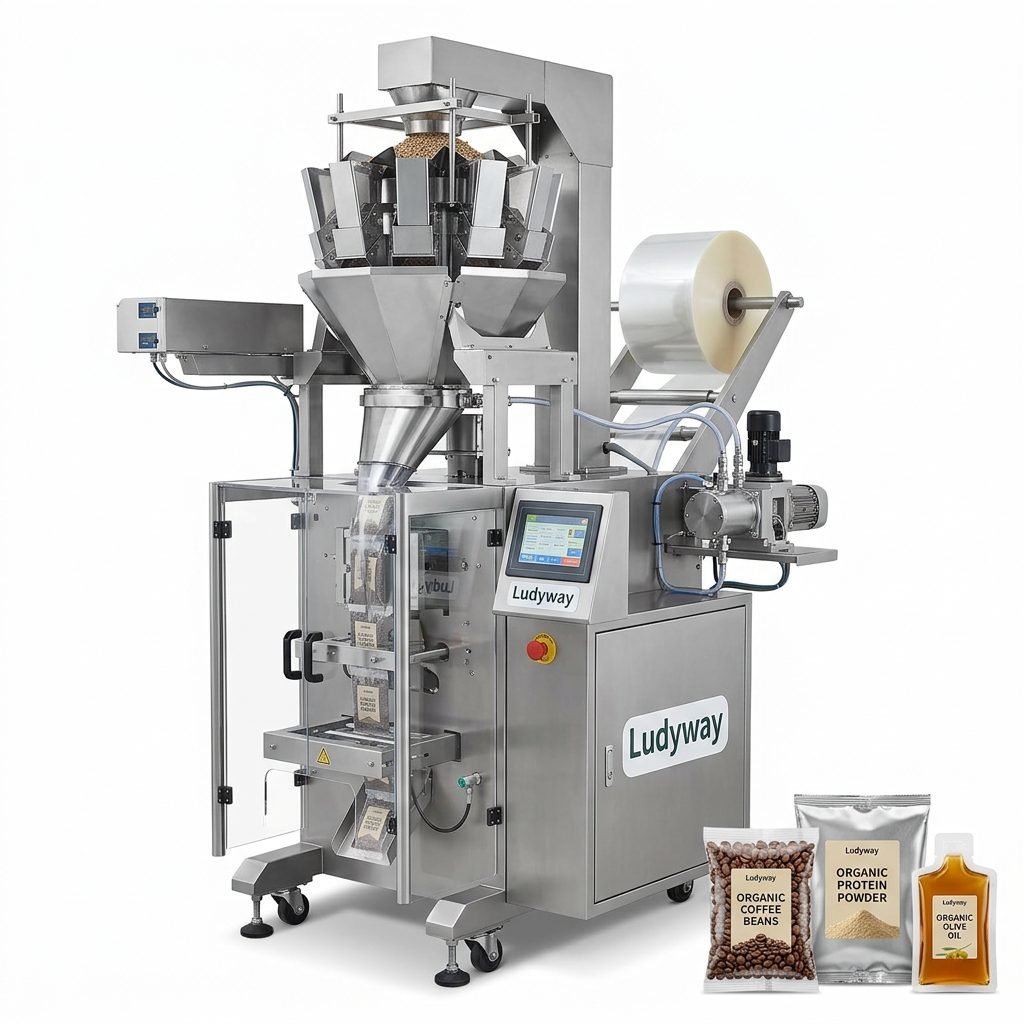
Selecting the right tray sealer packaging machine is a critical decision for food manufacturers aiming to enhance product shelf life, ensure safety, and improve production efficiency. This comprehensive guide will walk you through the key factors to consider when choosing the best solution for your specific food products, from operational requirements to advanced technological features.
Understanding Tray Sealer Packaging Machines
A tray sealer is an automated machine that hermetically seals a pre-formed lidding film onto a filled tray or container. This process creates a secure, airtight package that is essential for modified atmosphere packaging (MAP) and vacuum sealing applications. The primary goal is to extend freshness, prevent contamination, and present products attractively on retail shelves.
Core Components and How They Work
The sealing process typically involves several stages. First, filled trays are conveyed into the machine’s sealing station. A lidding film is then drawn over the trays. A sealing die, heated to a precise temperature, descends to apply pressure and heat, bonding the film to the tray flange. Finally, the excess film is trimmed, and the sealed packages are discharged. The consistency of heat, pressure, and dwell time is paramount for achieving a perfect, leak-proof seal every time.
Key Takeaway:
The fundamental mechanism relies on precise thermal sealing. Investing in a machine with accurate temperature and pressure controls is non-negotiable for packaging integrity.
Critical Factors for Choosing Your Machine
Your choice must align with your product characteristics, production goals, and operational environment. Here’s a detailed breakdown of the selection criteria.
1. Product Compatibility and Tray Specifications
The physical properties of your food product dictate the machine requirements. Consider the following:
- Tray Material & Depth: Machines must accommodate your specific tray type—whether PP, APET, CPET, aluminum, or pulp—and their varying depths and flange designs.
- Product Type: Dry goods, liquids, fresh produce, or ready-to-eat meals each have different sealing and handling needs. For instance, liquid products may require a deeper flange to prevent spillage during sealing.
- Packaging Atmosphere: Determine if you need Vacuum sealing, Gas Flushing (MAP), or simple ambient air sealing. This choice directly impacts the machine’s required features, such as vacuum pumps and gas injection systems.
2. Production Speed and Output Requirements
Matching the machine’s speed (cycles per minute or trays per minute) to your current and projected output is essential for ROI. A professional packaging expert can help you analyze your throughput needs to avoid bottlenecks or underutilized capacity.
Calculation Tip: Required Speed = (Daily Output Target in Trays) / (Operational Minutes per Day). Always factor in a buffer for maintenance and changeovers.
3. Level of Automation and Integration
From semi-automatic to fully automated in-line systems, the automation level affects labor costs and efficiency.
- Semi-Automatic: Ideal for low-volume production or pilot lines, requiring manual loading/unloading.
- Fully Automatic: Integrated with tray denesters, fillers, and conveyors for high-volume, hands-off operation. These complete turnkey production line solutions maximize throughput.
4. Sealing Technology and Special Features
Advanced features can solve specific packaging challenges and add value.
- Pre-Punching & Tear Notches: For easy-open consumer convenience.
- Code Dating & Labeling: Integrated inkjet or thermal transfer printers for batch codes and expiry dates.
- Leak Detection Systems: Critical for MAP products to ensure seal integrity and food safety.
Advanced Considerations for Optimal Performance
Beyond the basics, these factors ensure long-term reliability and adaptability.
Machine Durability and Hygiene Design
Food-grade stainless steel (e.g., 304 or 316) contact parts are mandatory for durability and ease of cleaning. Look for machines with a smooth, crevice-free design that complies with industry hygiene standards like EHEDG or USDA, facilitating quick washdowns and preventing bacterial harborage.
Supplier Expertise and After-Sales Support
The machine’s quality is only as good as the support behind it. Partner with a supplier known for reliable solutions and strong engineering capabilities. Evaluate their offer of installation, training, readily available spare parts, and responsive technical service. A provider with over 30 years of industry experience brings invaluable practical knowledge to the table.
Future-Proofing and Flexibility
Can the machine handle different tray sizes with quick changeovers? Is the control system (often a user-friendly PLC with HMI) capable of storing multiple product recipes? Choosing a flexible platform protects your investment against future product launches or packaging redesigns.
Summary of the Selection Process
- Define Needs: Analyze product, tray, output, and packaging type (MAP/Vacuum).
- Research Technology: Identify required features like automation level and special functions.
- Evaluate Suppliers: Assess build quality, hygiene design, and the strength of their support network.
- Plan for Growth: Ensure machine flexibility and scalability for future needs.
- Request a Test: Always conduct a production test with your actual product and packaging materials before purchase.
Frequently Asked Questions (FAQs)
1. What is the main difference between vacuum sealing and Modified Atmosphere Packaging (MAP)?
Vacuum sealing removes almost all air from the package to inhibit the growth of aerobic bacteria and fungi. MAP replaces the air inside the package with a protective gas mixture (like Nitrogen and CO2) specifically tailored to the food product. MAP is often preferred for delicate items (like chips or baked goods) that could be crushed by full vacuum, as it maintains package shape while still extending shelf life.
2. How often does the sealing film need to be changed, and is it a complex process?
Film change frequency depends on your production volume. For high-output lines, an automatic film unwind system with a splicing station allows for continuous operation by joining a new roll to the end of an expiring one without stopping the machine. Changeover complexity varies by model, but modern machines are designed for quick and easy roll replacement to minimize downtime.
3. Can one tray sealer handle multiple different tray sizes and shapes?
Yes, many models are designed for flexibility. The key is a “quick changeover” system. This typically involves interchangeable tooling (sealing dies and nest plates) that can be swapped out in minutes rather than hours. When evaluating machines, inquire about the changeover process and the cost of additional tooling for each of your tray formats.
4. What are the most common causes of a poor seal, and how can they be prevented?
Common causes include incorrect temperature/pressure settings, contamination on the tray flange (from product or dust), using incompatible film/tray materials, or a worn sealing die. Prevention involves strict parameter control, maintaining impeccable hygiene at the filling station, validating material compatibility, and implementing a regular preventive maintenance schedule to check and replace worn components.
5. What kind of maintenance does a tray sealer require, and what is the typical lifespan?
Daily cleaning and visual checks are essential. Periodic maintenance includes lubricating moving parts, calibrating sensors, and checking heater bands and sealing dies for wear. With proper operation and maintenance, a high-quality tray sealer from a reputable manufacturer can have a lifespan of 15 years or more. The availability of spare parts and technical support is crucial for maximizing machine longevity.