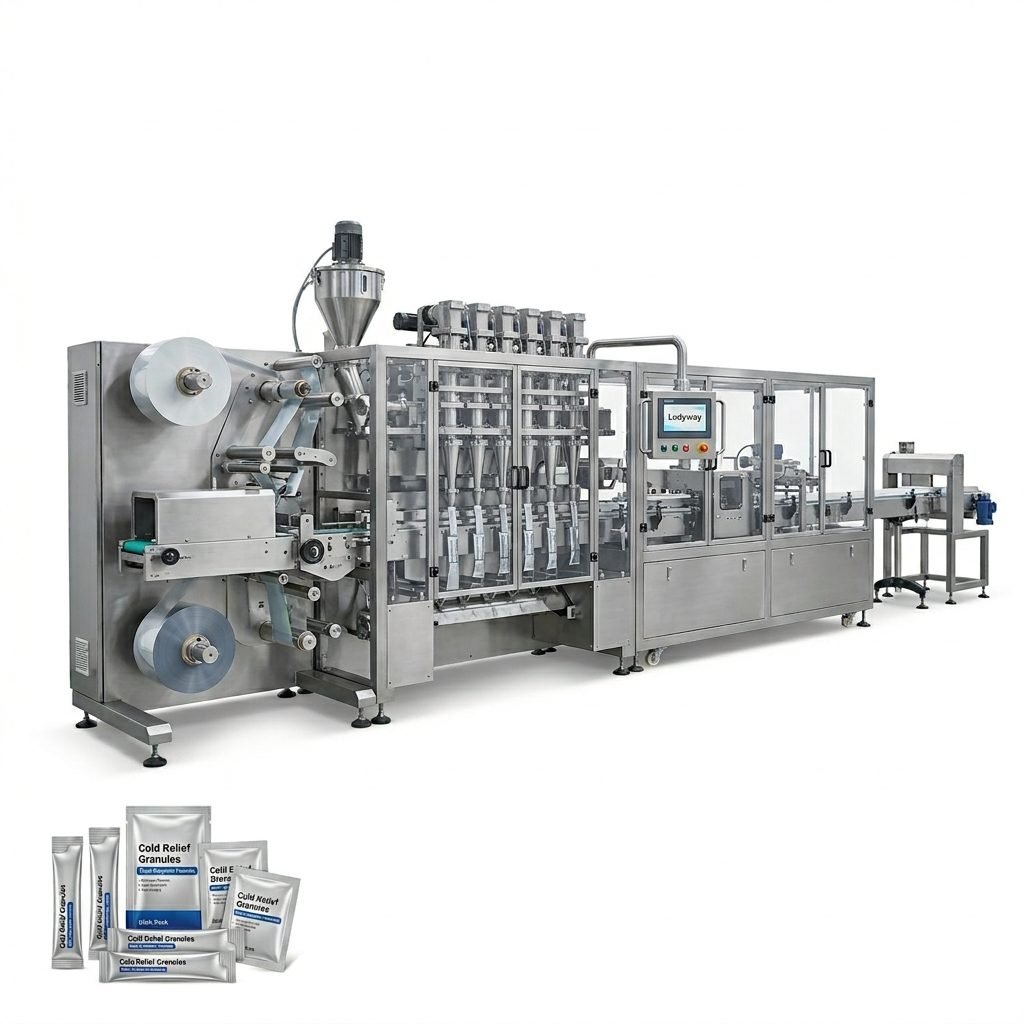
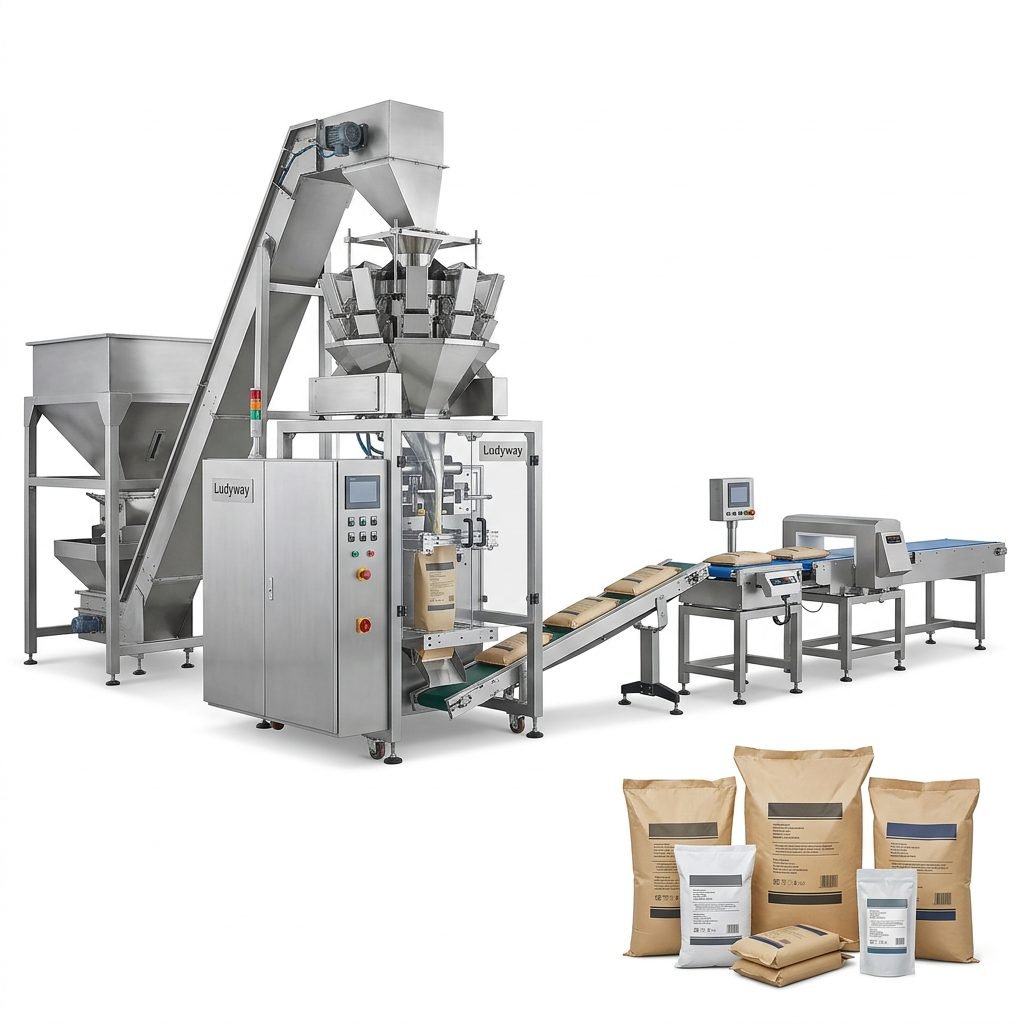
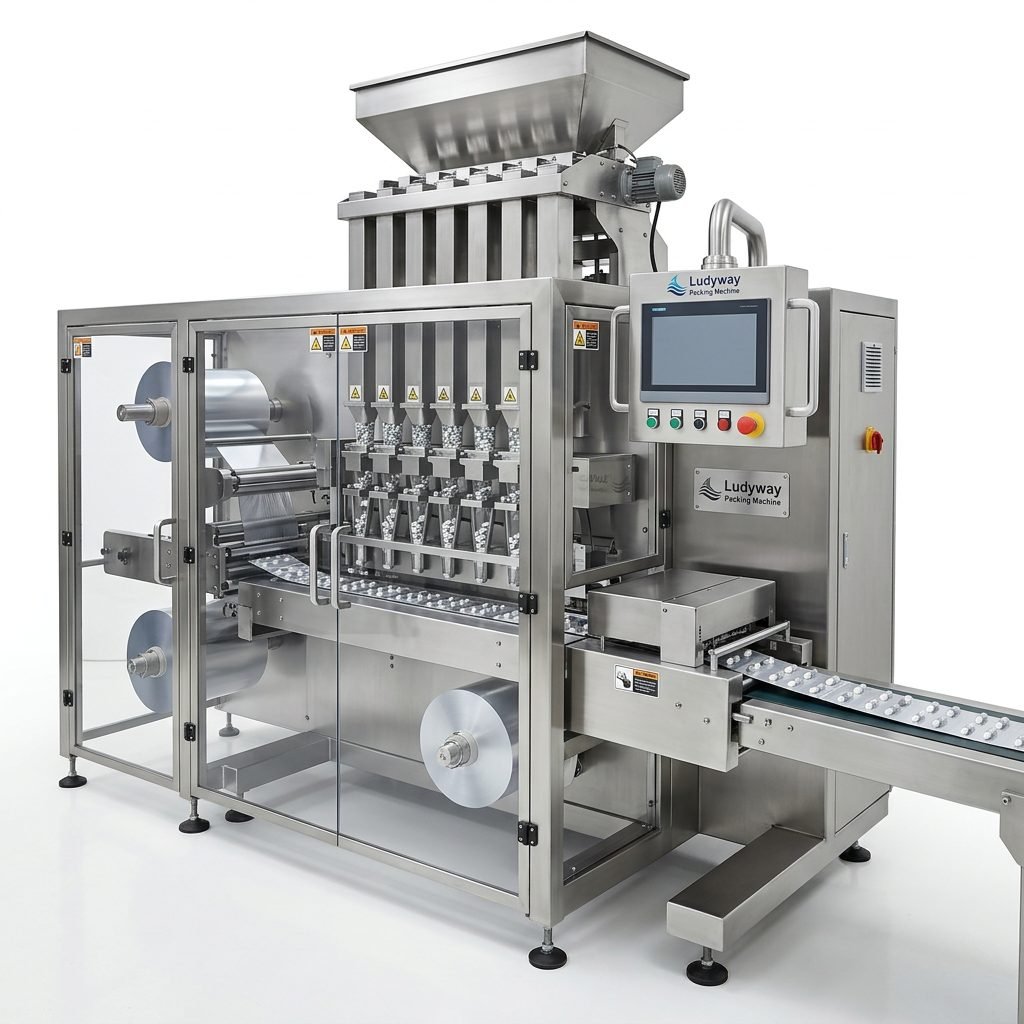
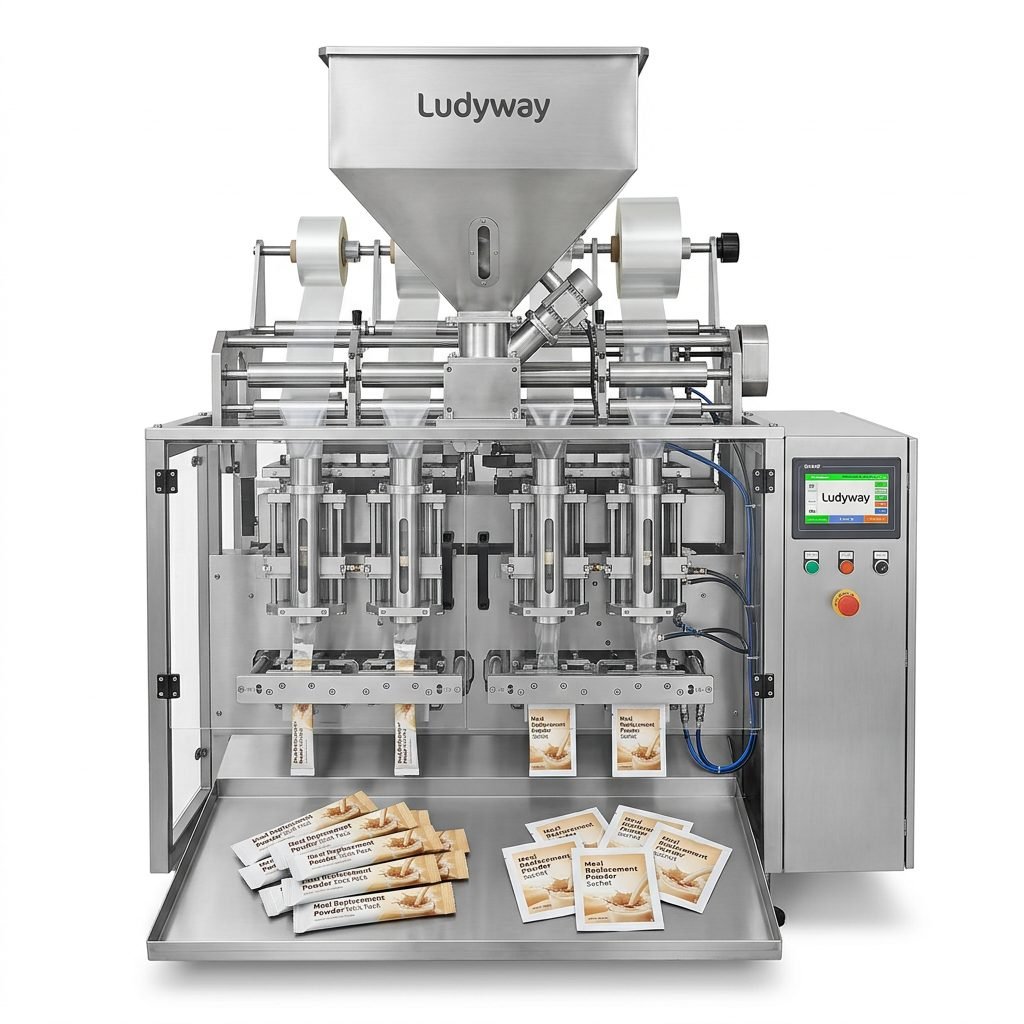
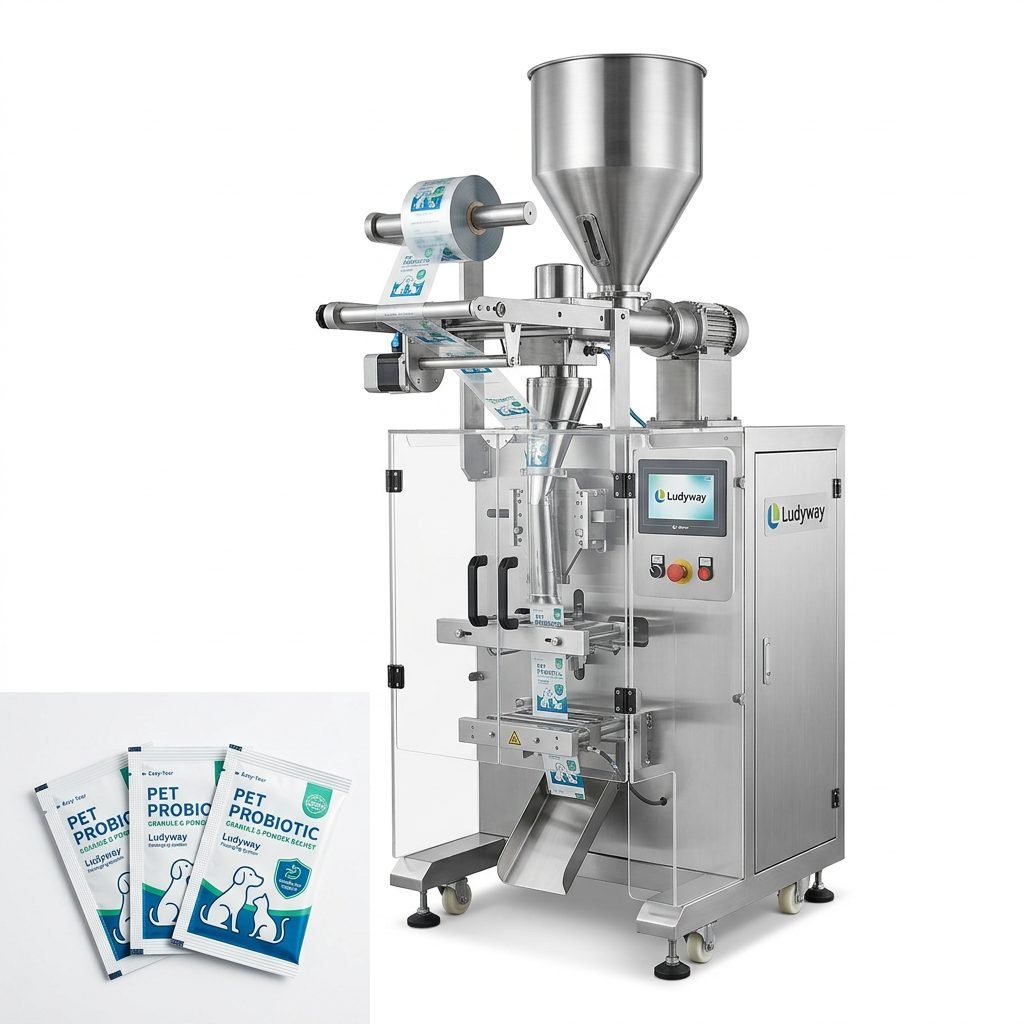
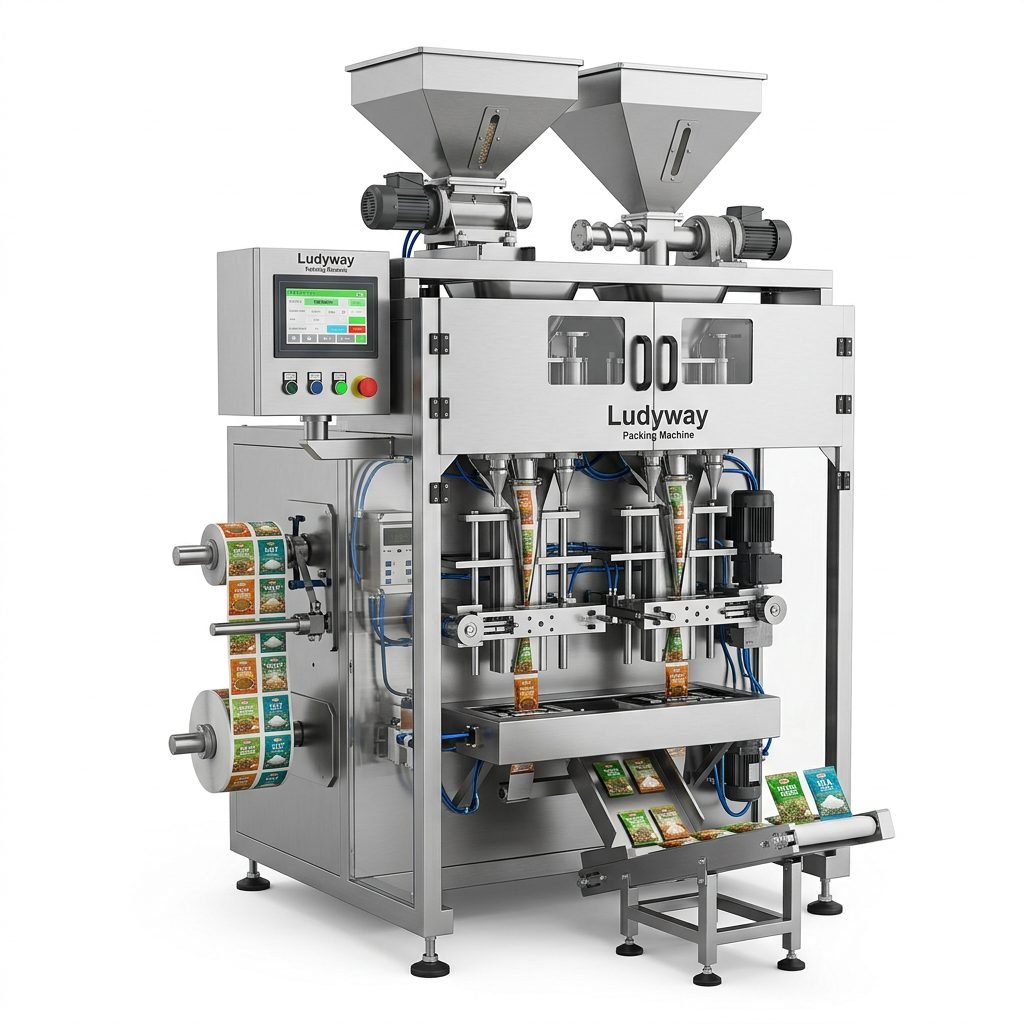
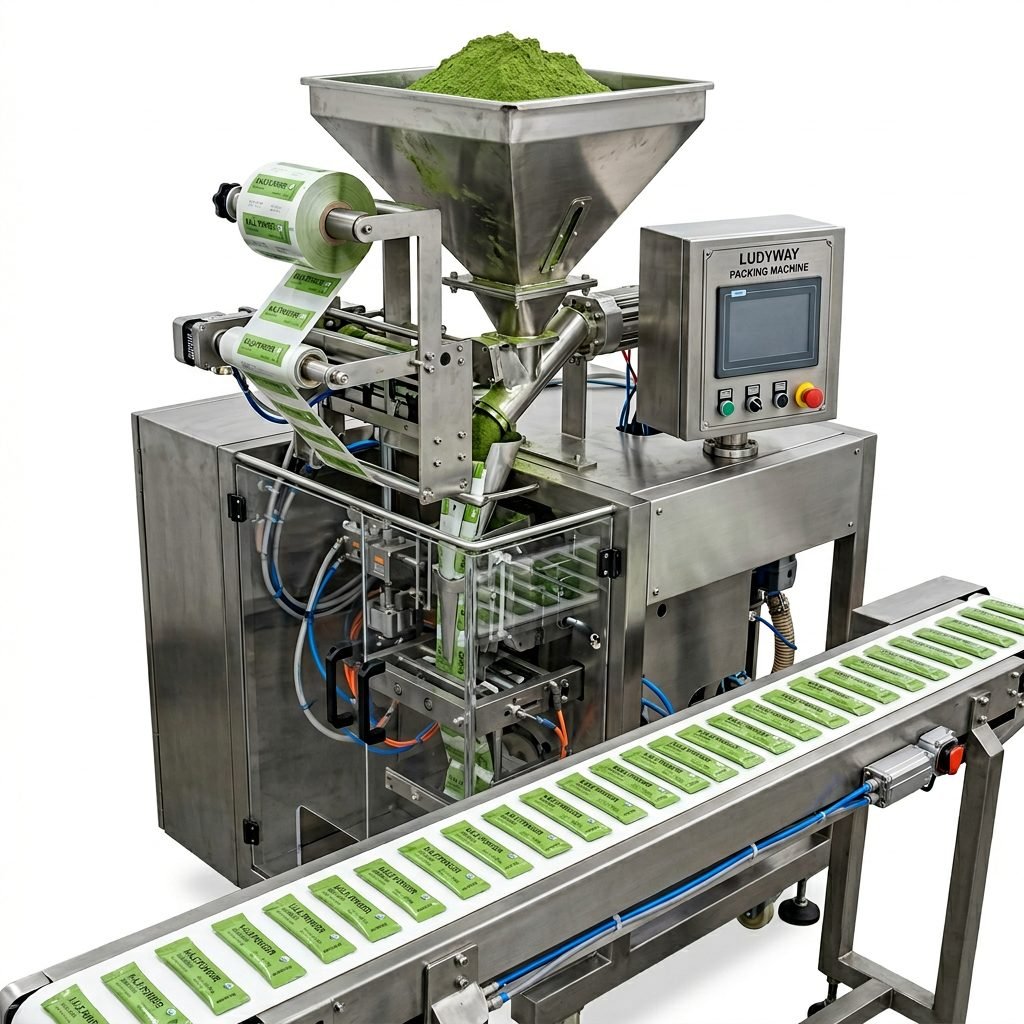
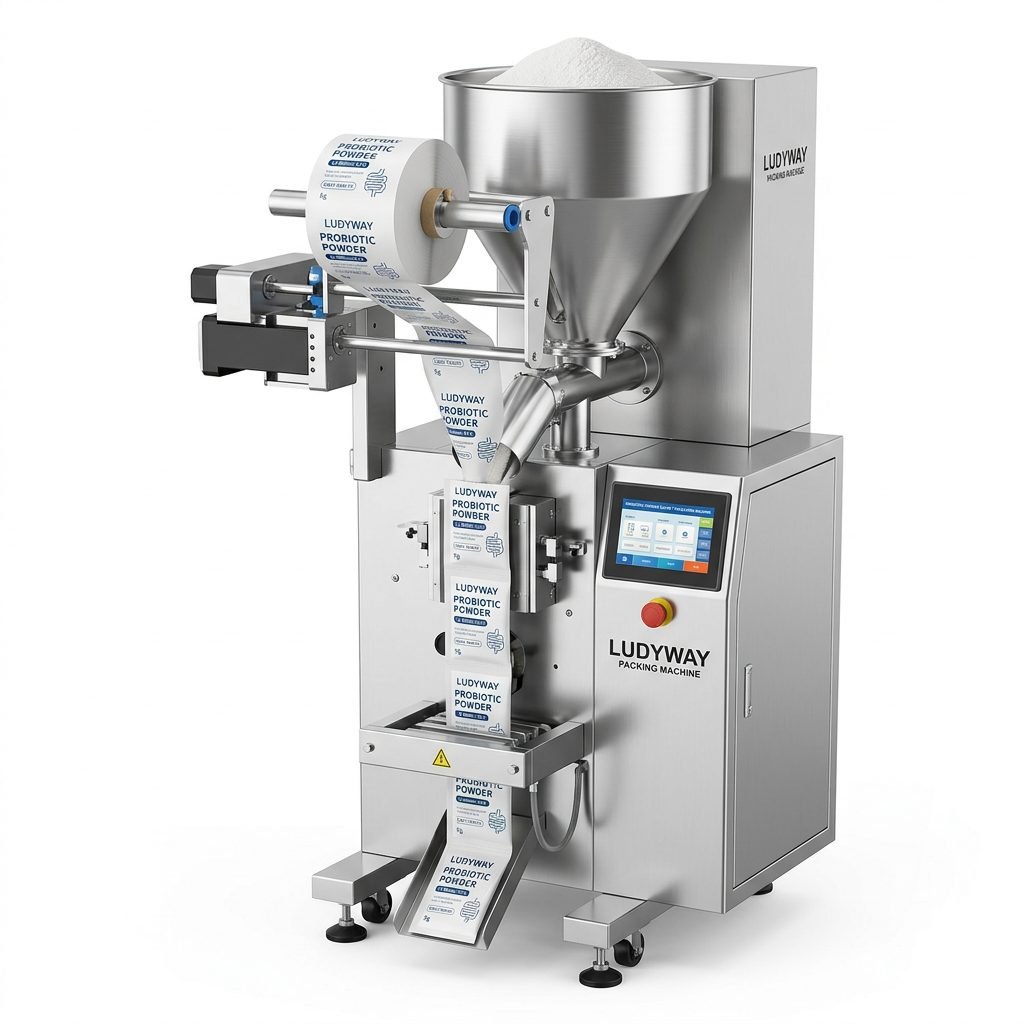
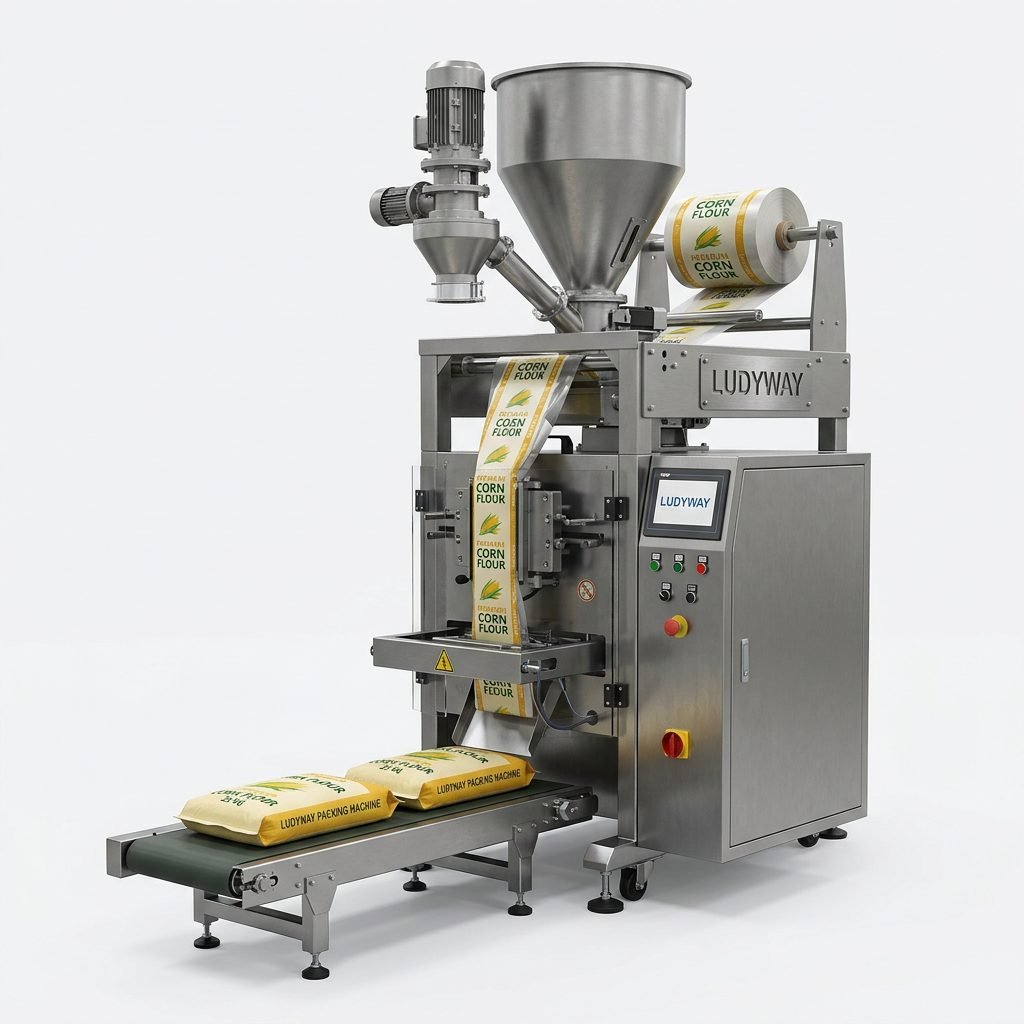
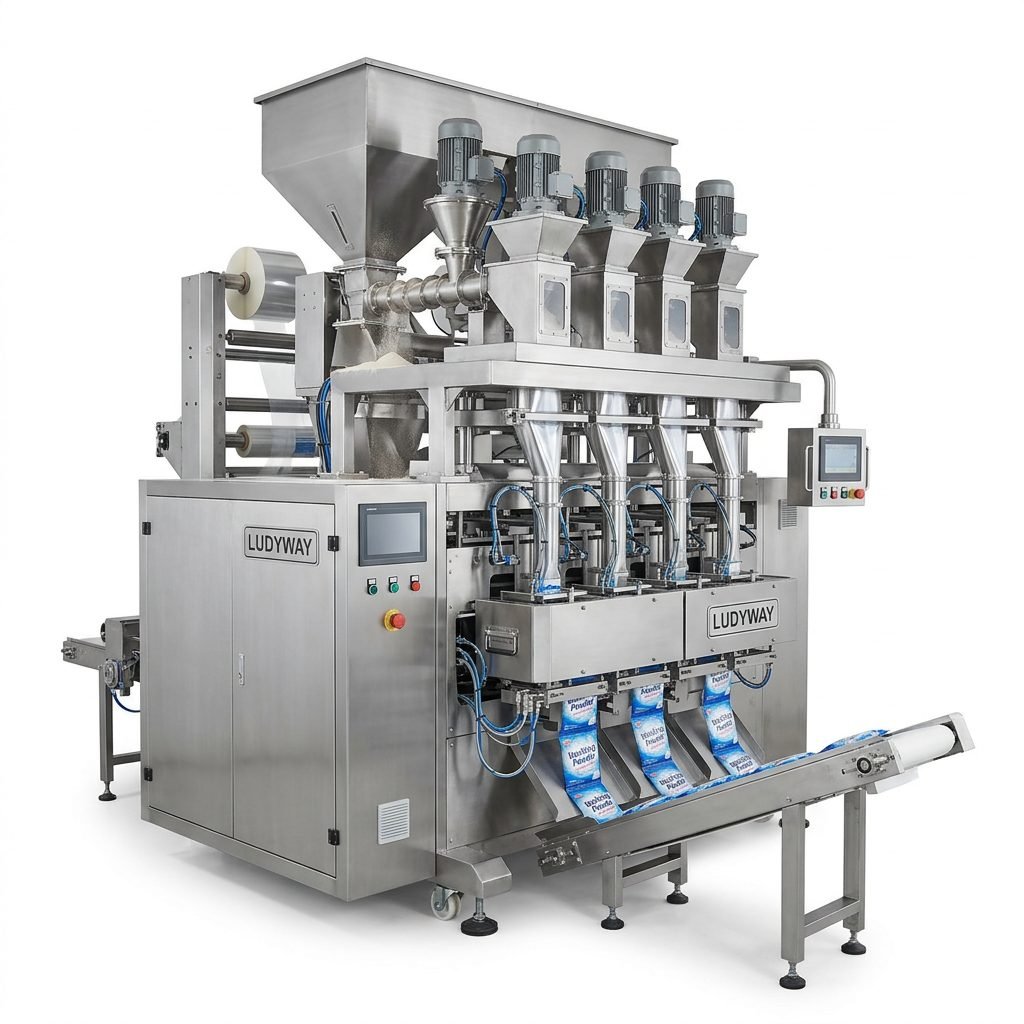
Selecting the right packaging machine manufacturer is a critical decision for any business in Uganda looking to scale production, improve efficiency, and ensure product quality. The Ugandan market, with its growing food processing, pharmaceutical, and agricultural sectors, demands reliable and cost-effective packaging solutions that can handle local conditions and consumer needs. This guide will walk you through the essential factors to consider when choosing a manufacturer, specifically focusing on suppliers like Ludyway and other key players such as Packmate Machinery, PacklineOEM, PackingMachineOEM, and SnusMachinery.

Understanding Your Business Needs in the Ugandan Context
Before evaluating manufacturers, clearly define your operational requirements. Uganda’s diverse industries—from instant coffee and milk powder to agricultural inputs and pharmaceuticals—each have unique packaging demands. Consider your product type (granule, powder, liquid, pouch), required output speed, local power stability, available factory space, and the skill level of your operators. A manufacturer that understands these local nuances, like Ludyway with its experience serving over 100 countries, can provide more suitable solutions.
Key Local Considerations:
Product Type: Are you packaging maize flour, medicinal granules, liquid detergent, or tea in sachets?
Production Volume: Match the machine’s speed (packs per minute) to your market demand.
Environmental Factors: Consider dust, humidity, and voltage fluctuations common in Ugandan industrial settings.
After-Sales Support: Proximity of technical support and availability of spare parts is crucial.
Evaluating Manufacturer Expertise and Experience
The manufacturer’s track record is paramount. Look for a company with proven experience in your specific industry. Ludyway, for instance, specializes in turnkey solutions for food, pharmaceutical, and health industries with over 30 years of expertise. Review their portfolio: do they offer machines for the packaging formats you need (e.g., multi-lane stick pack, sachet, liquid filling)? Competitors like Packmate Machinery and PacklineOEM also position themselves as leading manufacturers, so examining their specific case studies relevant to East Africa is wise.

Critical Questions to Ask:
- How many years has the company been manufacturing packaging equipment?
- Can they provide references from clients in similar industries or regions?
- What is their research and development capability for adapting to new market trends?
- Do they have experience with the regulatory standards relevant to Uganda?
Assessing Machine Quality, Technology, and Customization
High-quality, durable machinery minimizes downtime—a vital factor for Ugandan businesses where maintenance can be challenging. Inspect the construction materials, drive systems, and control technology. Manufacturers like Ludyway operate from a modern 20,000㎡ facility and offer over 50 intelligent machine models, indicating a commitment to quality and innovation. Similarly, PackingMachineOEM focuses on non-standard custom machines, which might be ideal for unique local products.
Technology & Customization Checklist:
✔ Precision & Consistency: Look for high-precision weighing and filling systems to reduce product giveaway.
✔ Automation Level: From semi-automatic to fully integrated lines, choose based on your labor and efficiency goals.
✔ Flexibility: Can the machine handle multiple package sizes or different products with quick changeovers?
✔ Hygienic Design: Essential for food and pharma; check for easy-clean surfaces and compliance with standards.

After-Sales Support, Training, and Spare Parts Availability
Robust after-sales service is arguably the most critical factor for success in Uganda. A breakdown without local support can halt production for weeks. Evaluate the manufacturer’s service network. Do they have local agents or technicians in East Africa? What is their response time? Ludyway emphasizes long-term cooperation and provides professional service and technical support globally. Ensure the manufacturer offers comprehensive installation, commissioning, and operator training—preferably in local languages. Also, verify the availability and delivery time for critical spare parts.
Essential Service Agreements Should Cover:
- On-site installation and commissioning by factory engineers.
- Detailed training for your maintenance and operational staff.
- Warranty period and clear terms of coverage.
- Access to technical manuals, diagrams, and remote support.
- A defined spare parts inventory plan.

Cost Analysis and Return on Investment (ROI)
While upfront cost is important, the total cost of ownership (TCO) is a better metric. This includes purchase price, installation, energy consumption, maintenance, and potential downtime costs. A slightly more expensive, reliable machine from an established manufacturer like Ludyway or Packmate Machinery may offer a far better ROI than a cheaper, less reliable option. Calculate potential savings from increased speed, reduced material waste, and lower labor costs. Many manufacturers can provide ROI projections based on your specific data.
ROI Factors to Model:
• Increased Output: How much more product can you pack per shift with a higher-speed machine?
• Reduced Waste: Precision dosing can save 2-5% of product, directly impacting margins.
• Labor Efficiency: Automation may reduce the number of operators required per line.
• Downtime Costs: Estimate production loss from machine failures with poor support.
Making the Final Decision and Building a Partnership
After shortlisting manufacturers like Ludyway, SnusMachinery (for niche products like oral nicotine), or others, request detailed proposals. Visit their manufacturing facility if possible, or arrange virtual tours. Test your product on their machines (via sample testing or video evidence). Finally, view this not just as a purchase but as a long-term partnership. The right manufacturer will act as a solutions provider, helping you navigate growth and technological changes in Uganda’s dynamic market.

Frequently Asked Questions (FAQs)
1. Why is after-sales support so important when buying a packaging machine in Uganda?
Given potential challenges with local technical expertise and spare parts logistics, strong after-sales support ensures minimal production downtime. Manufacturers with a global service commitment, like Ludyway, can provide faster remote troubleshooting and parts supply, which is critical for maintaining operations.
2. Can I get a packaging machine customized for my unique Ugandan product?
Yes. Leading manufacturers specialize in customization. PackingMachineOEM, for example, focuses on non-standard machines, while others like Ludyway offer tailored turnkey solutions. Provide detailed product samples and requirements during the consultation phase.
3. How do I choose between a Chinese manufacturer and a local supplier?
Chinese manufacturers like Ludyway, Packmate Machinery, and PacklineOEM often offer advanced technology and competitive pricing due to scale. The key is to select one with a proven export record, robust international service, and an understanding of African markets, rather than just a local reseller with limited technical backing.
4. What packaging formats are most suitable for the Ugandan consumer market?
Small, affordable unit-dose packages like sachets and stick packs are extremely popular for products like instant coffee, seasoning, shampoo, and pharmaceuticals. These formats cater to purchasing power and convenience. Manufacturers offering high-speed, multi-lane sachet machines are therefore highly relevant.
5. What is the typical lead time for receiving and installing a packaging machine in Uganda?
Lead times vary based on machine complexity and customization. For standard models, it can range from 30 to 90 days after order confirmation, plus shipping and customs clearance time in Uganda. Comprehensive manufacturers will manage the entire supply chain, including delivery and installation supervision.