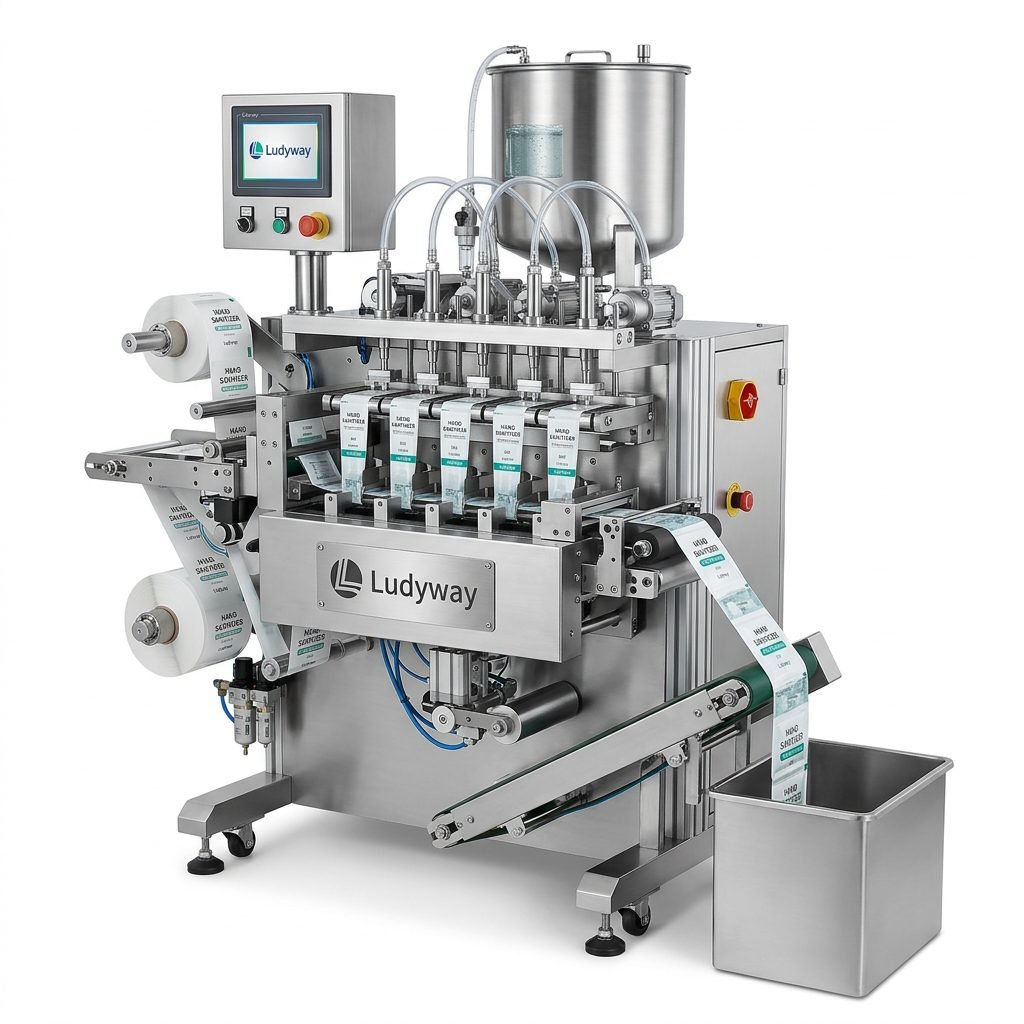
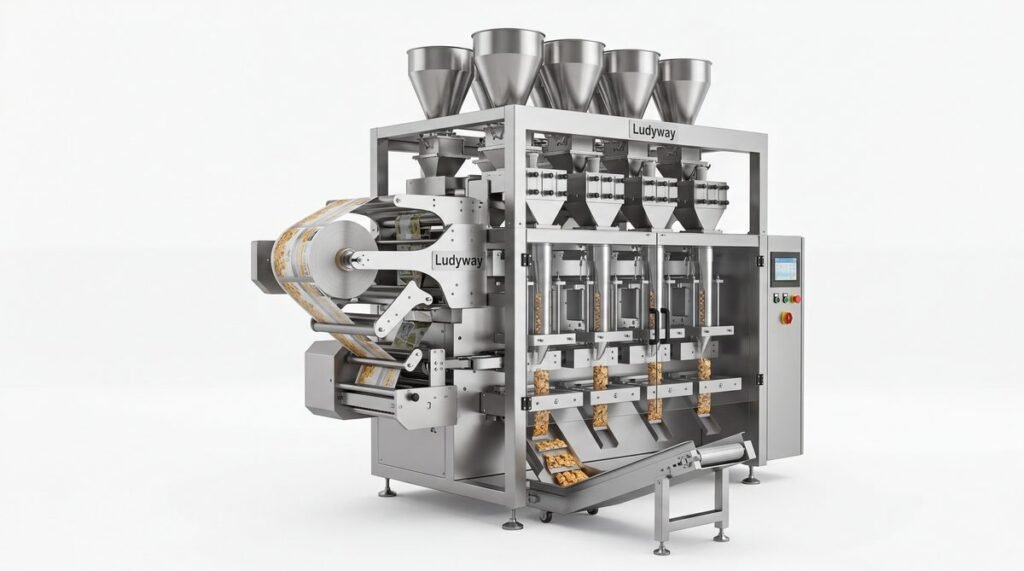
When considering the purchase of a vacuum packaging machine, the price is often the primary concern. However, the cost is not a single number but a spectrum influenced by a multitude of factors. This comprehensive guide will break down the pricing structure, helping you understand what you’re paying for and how to make an informed investment for your business.
Understanding the Core Factors That Influence Price
The price of a vacuum packaging machine can range from a few hundred dollars for a basic chamber model to over $100,000 for a fully automated, high-speed production line. The key determinants are:
Machine Type & Technology: The fundamental design dictates the base price. External suction sealers are the most affordable, suitable for light use. Single-chamber vacuum sealers offer better vacuum quality for small to medium batches. Double-chamber machines provide continuous operation, while belt-chamber (rotary or in-line) systems are designed for high-volume, automated production and command the highest prices.
Automation Level & Production Speed: Manual or semi-automatic machines are cost-effective for low output. The price increases significantly with automation—programmable logic controllers (PLCs), touchscreen interfaces, robotic loading/unloading arms, and integration with upstream/downstream equipment all add to the cost but drastically improve efficiency and consistency.
Construction & Durability: Machines built with food-grade stainless steel, commercial-grade pumps, and industrial-grade sealing elements are more expensive but offer longevity, hygiene, and reliability in demanding environments. Cheaper models often use more plastic and lighter-duty components.
Chamber Size & Bag Dimensions: The physical size of the vacuum chamber directly impacts cost. A larger chamber that can accommodate bigger or multiple bags per cycle requires more material, a more powerful pump, and a larger sealing bar, increasing the price.
Additional Features & Customization: Features like gas flushing (for Modified Atmosphere Packaging – MAP), specialized sealing programs for delicate products, data logging, network connectivity, or custom tooling for unique pouch shapes will add to the final price.
Price Range Breakdown by Machine Category
To give you a clearer picture, here is a general overview of price brackets. Remember, these are estimates, and final quotes depend on specifications.
1. Entry-Level / External & Single-Chamber Machines
Price Range: $500 – $5,000
Ideal for startups, small businesses, or laboratories with low to moderate packaging volumes. These are often tabletop or benchtop units. External sealers (using vacuum bags with channels) are at the very low end. Single-chamber machines offer better performance for packaging items like dried goods, spices, or small hardware parts.
2. Mid-Range / Double-Chamber & Rollstock Machines
Price Range: $5,000 – $25,000
The workhorses for many small to medium-sized food processors, butchers, and contract packagers. Double-chamber machines allow loading of one chamber while the other is sealing, maximizing productivity. Rollstock machines form, fill, and seal bags from a roll of film, offering excellent efficiency for consistent products.
3. High-End / Automated Belt Chamber & Turnkey Lines
Price Range: $25,000 – $100,000+
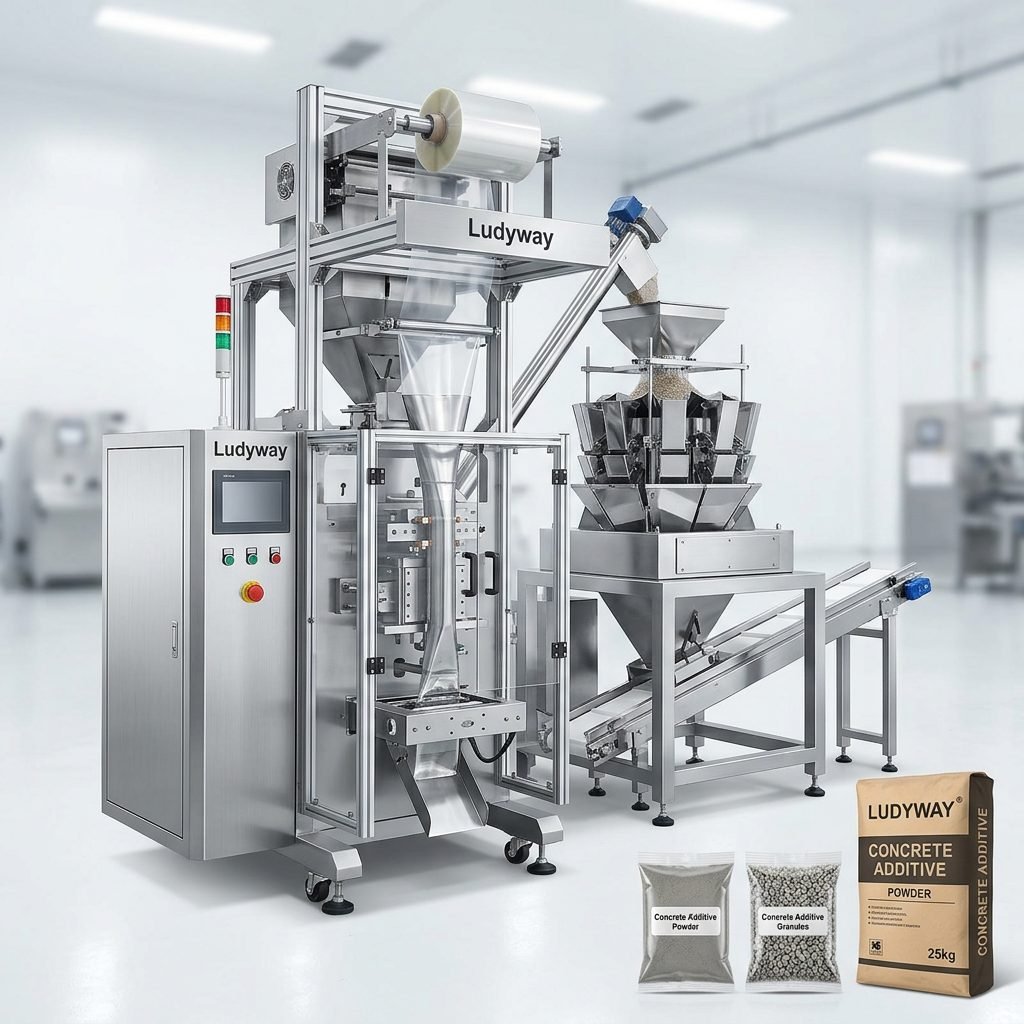
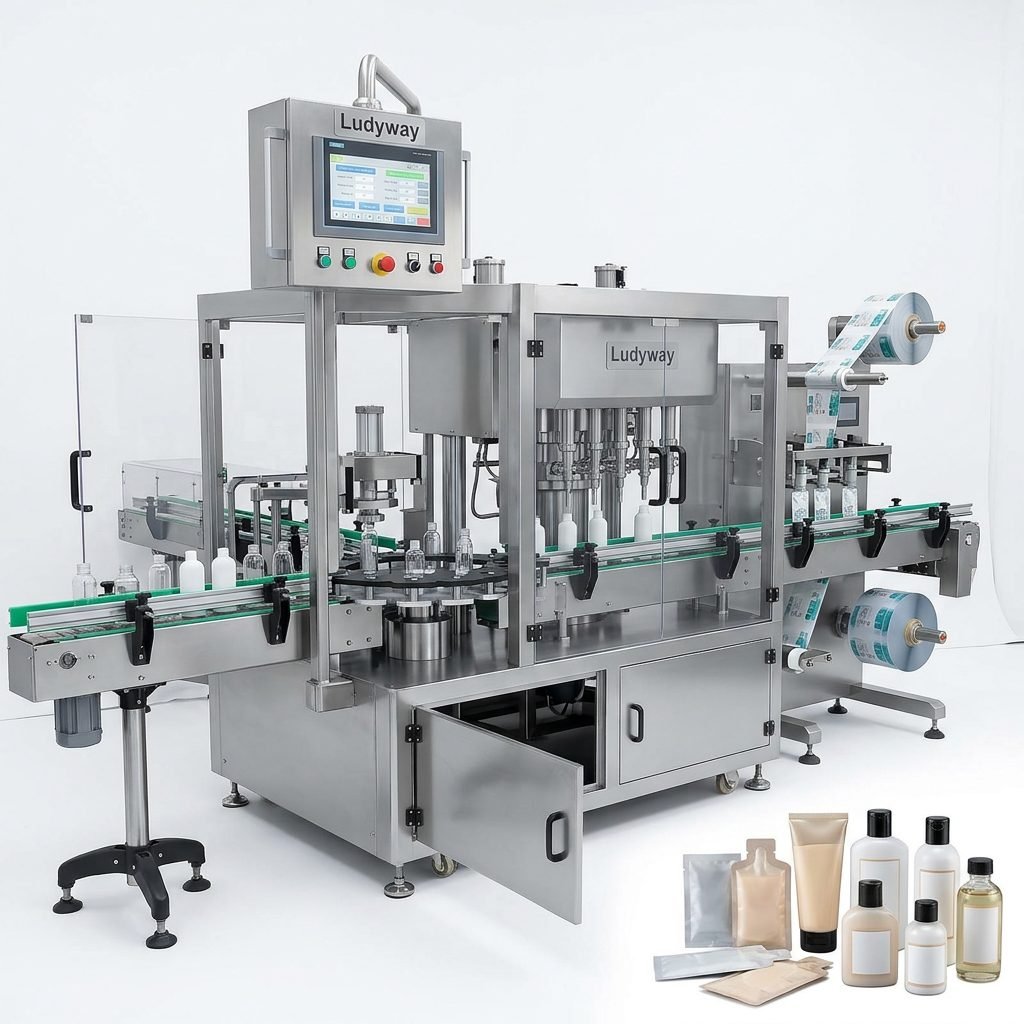
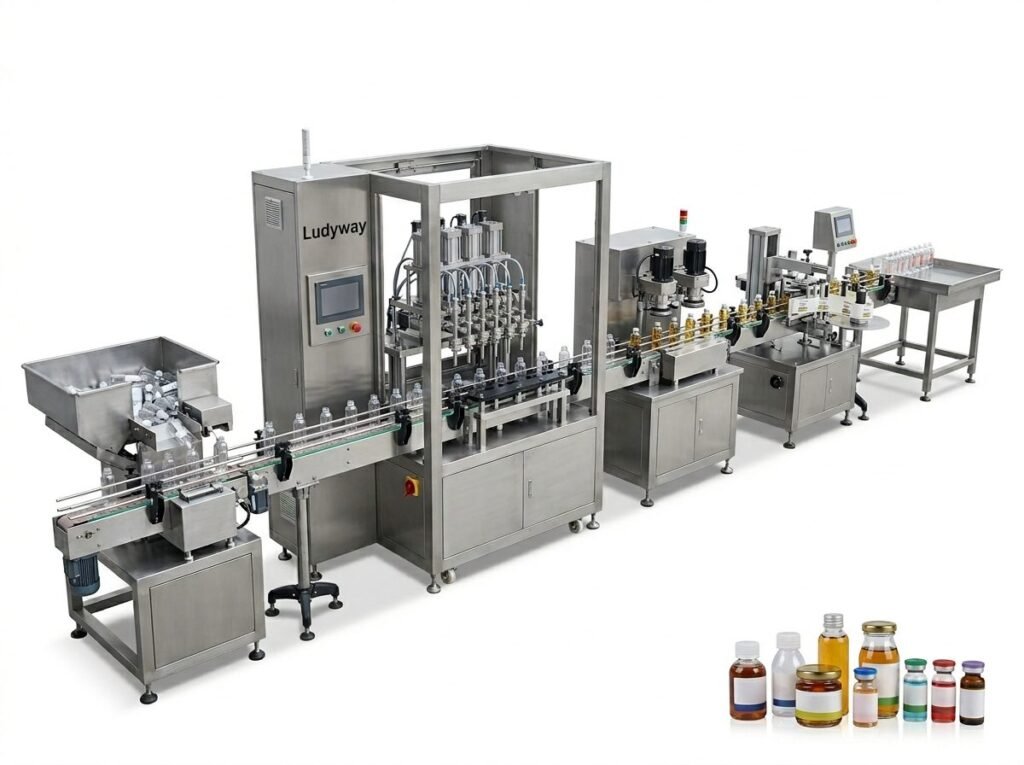
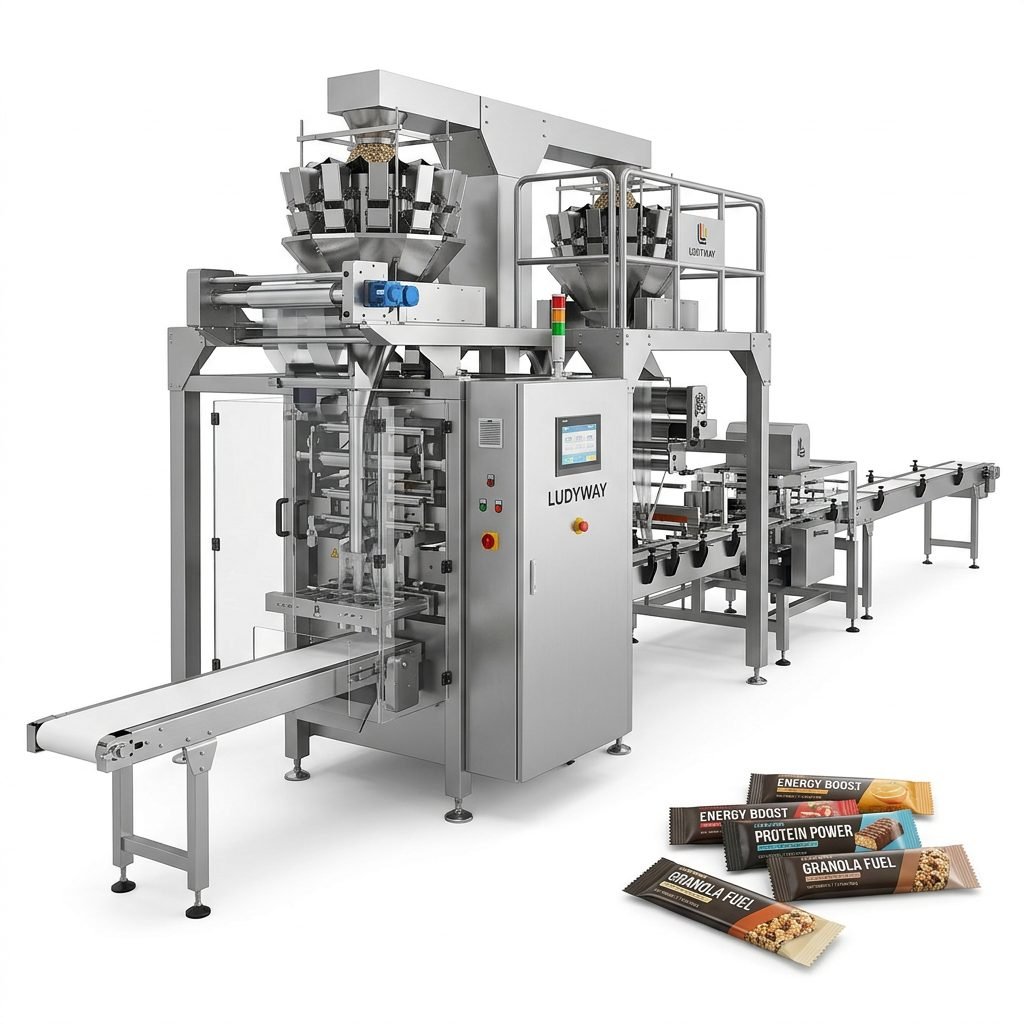
This category is for serious production. Belt chamber machines provide a continuous flow of products into and out of the vacuum chamber, seamlessly integrated with conveyors. Prices soar with added automation like pick-and-place systems, weight checkers, and labeling machines. A complete turnkey packaging line solution, designed and installed by experts like Ludyway Packing Machine, represents the peak investment but delivers maximum output, minimal labor, and superior ROI for high-volume operations.
Beyond the Sticker Price: The Total Cost of Ownership (TCO)
A savvy buyer looks beyond the initial purchase price. The true cost includes:
Operating Costs: This encompasses energy consumption, cost of vacuum bags or rollstock film, and inert gases (if using MAP). A more efficient, well-sealed machine may have a higher upfront cost but lower long-term energy and film waste expenses.
Maintenance & Service: Consider the availability and cost of spare parts (sealing bars, gaskets, pump oil) and service contracts. Machines from reputable suppliers with a strong global support network, backed by 30+ years of industry experience, may prevent costly downtime.
Labor Costs: An automated machine reduces the number of operators required, significantly saving on labor costs over time. This is a critical factor in calculating payback period.
How to Get an Accurate Quote and Make the Right Choice
To move from ballpark figures to a firm price, you need to engage with suppliers effectively.
1. Define Your Requirements Clearly: Prepare a specification sheet detailing your product (size, texture, moisture content), desired packaging speed (bags per minute/hour), bag size and material, and available factory space (footprint, utilities).
2. Request Detailed Proposals: Contact several reputable manufacturers or distributors. A serious provider will ask detailed questions and may request product samples. They should provide a quote that breaks down the machine cost, optional features, shipping, installation, training, and warranty terms.
3. Evaluate the Supplier, Not Just the Machine: The partner behind the machine is crucial. Assess their experience and track record, technical support capability, availability of training, and the quality of their documentation. A company that offers comprehensive solutions from a 20,000㎡ modern production facility is likely to provide more reliable and scalable support.
4. Consider ROI, Not Just Cost: Calculate the potential return. How will the machine reduce product waste (from spoilage), improve shelf appeal, increase production capacity, and lower labor costs? A higher-priced machine that doubles your output and reduces waste by 30% can pay for itself much faster than a cheaper, slower, less reliable alternative.
Frequently Asked Questions (FAQs)
Q: What is the cheapest type of vacuum packaging machine I can buy?
A: The most affordable option is a handheld or tabletop external vacuum sealer, often costing between $50 and $300. These are suitable for very light, occasional home or office use but are not recommended for commercial, food-safe, or frequent packaging due to limited vacuum strength and seal durability.
Q: Is it worth buying a used or refurbished vacuum packaging machine?
A: It can be a cost-effective option, especially for established brands with available parts. However, it carries risks like unknown maintenance history, worn components, and limited or no warranty. It is highly advisable to purchase through a reputable dealer who refurbishes and tests the equipment and offers a short-term warranty.
Q: How much does maintenance typically cost per year?
A: For a well-maintained industrial machine, annual preventative maintenance costs might range from 2% to 5% of the machine’s original purchase price. This covers routine parts like sealing bar tape, chamber gaskets, pump oil/filters, and professional servicing. Neglecting maintenance can lead to far more expensive repairs and production stoppages.
Q: Can one machine handle different bag sizes and products?
A: Most industrial machines are versatile within a range. Chamber machines can accommodate any bag that fits inside the chamber, though the sealing bar length is fixed. Changing bag sizes often requires a simple adjustment. Switching between very different products (e.g., from dry powder to liquid) may require cleaning and potentially different sealing program settings or bar temperatures.
Q: What is the most important feature to look for in a commercial machine?
A: While features are important, reliability and consistent seal quality are paramount. A machine that runs continuously without breaking seals or losing vacuum protects your product and your production schedule. This is why robust construction, a quality vacuum pump, and a proven track record from the manufacturer are critical investments.