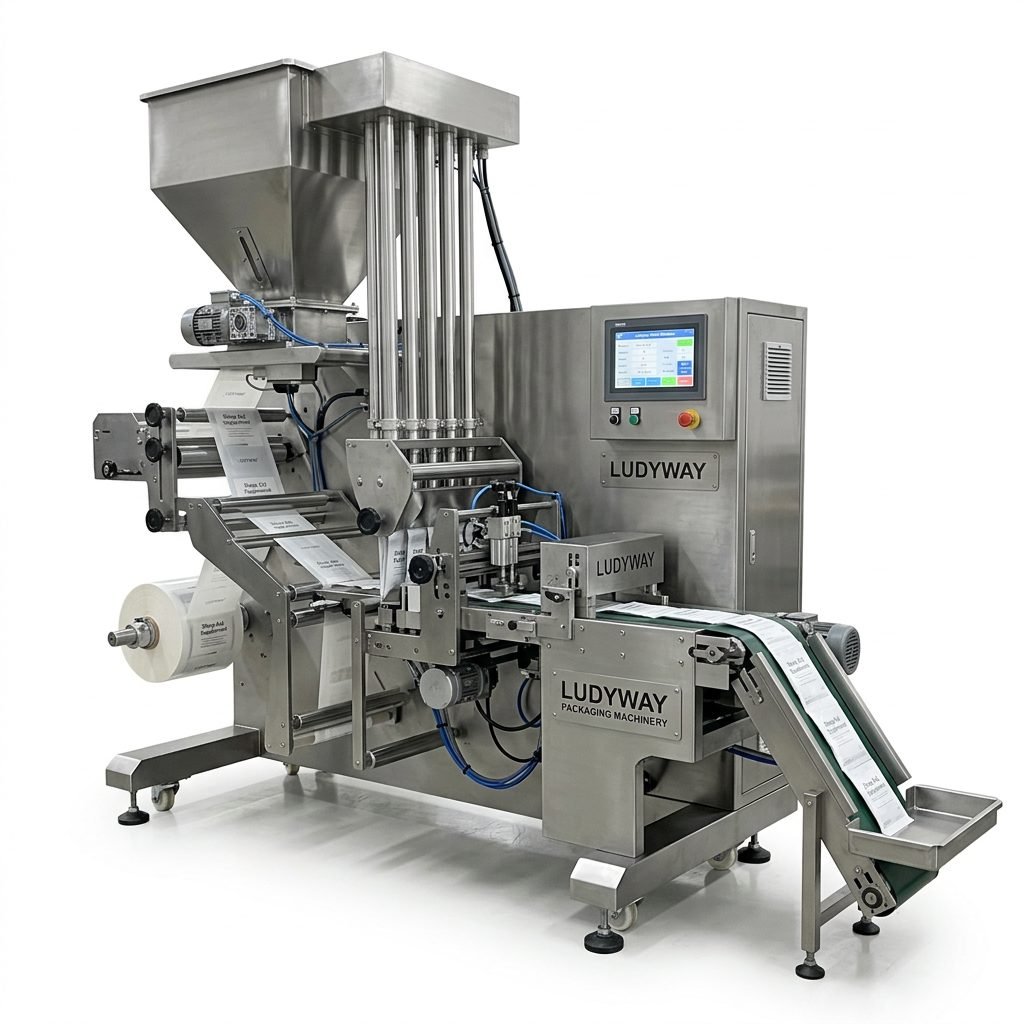
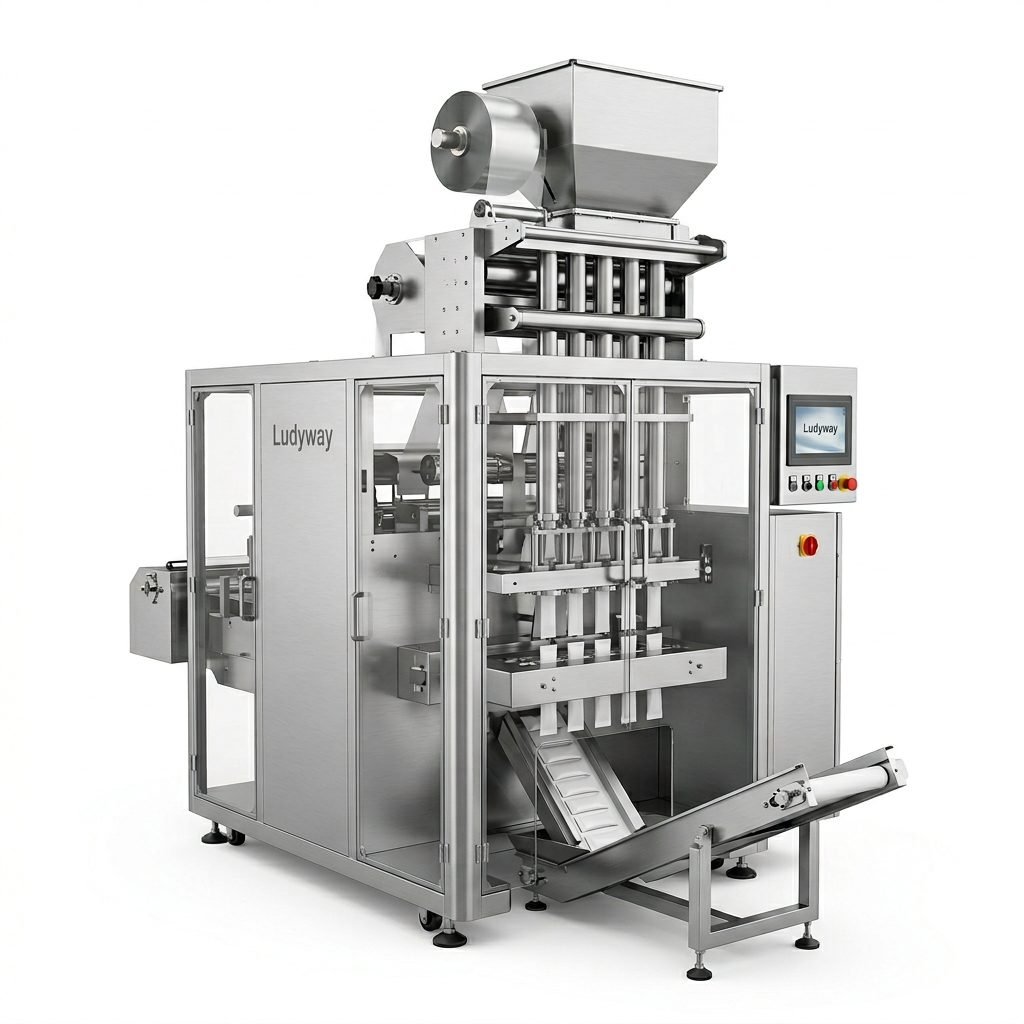
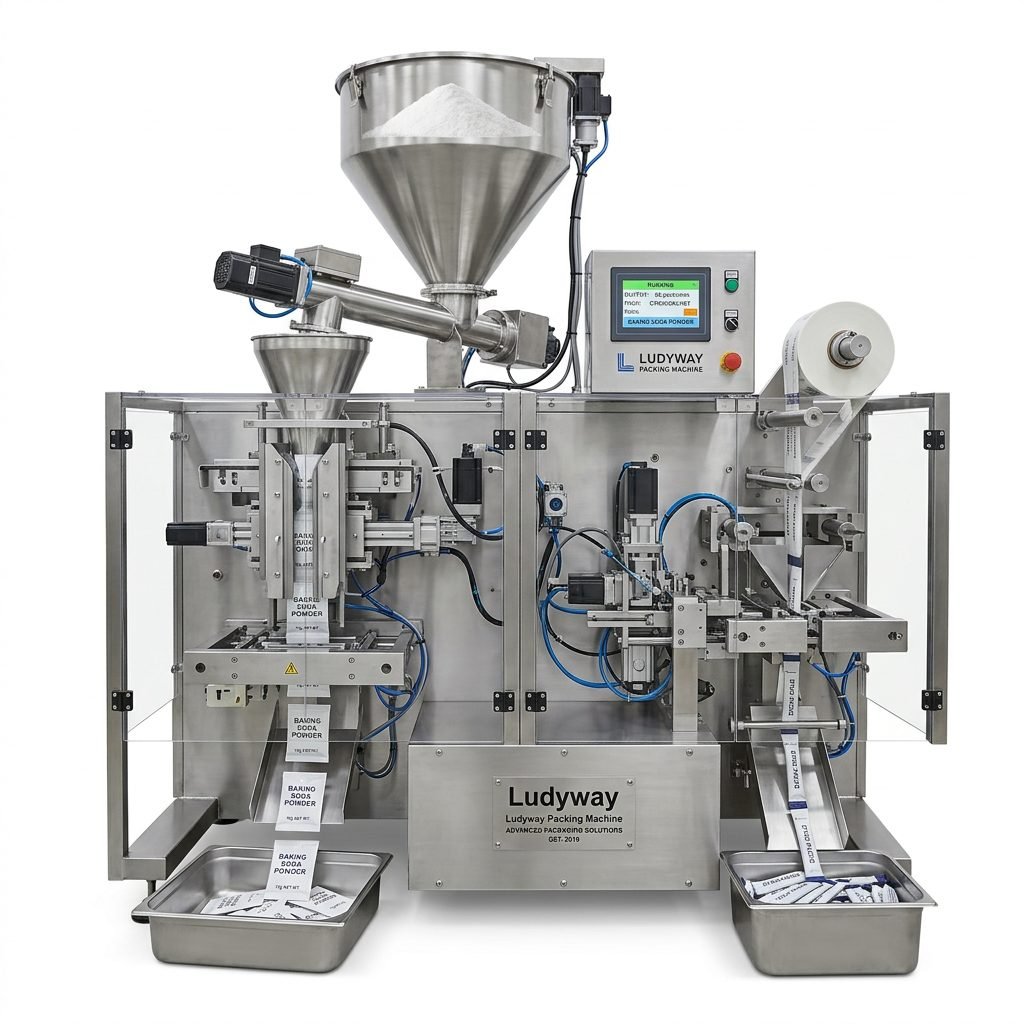
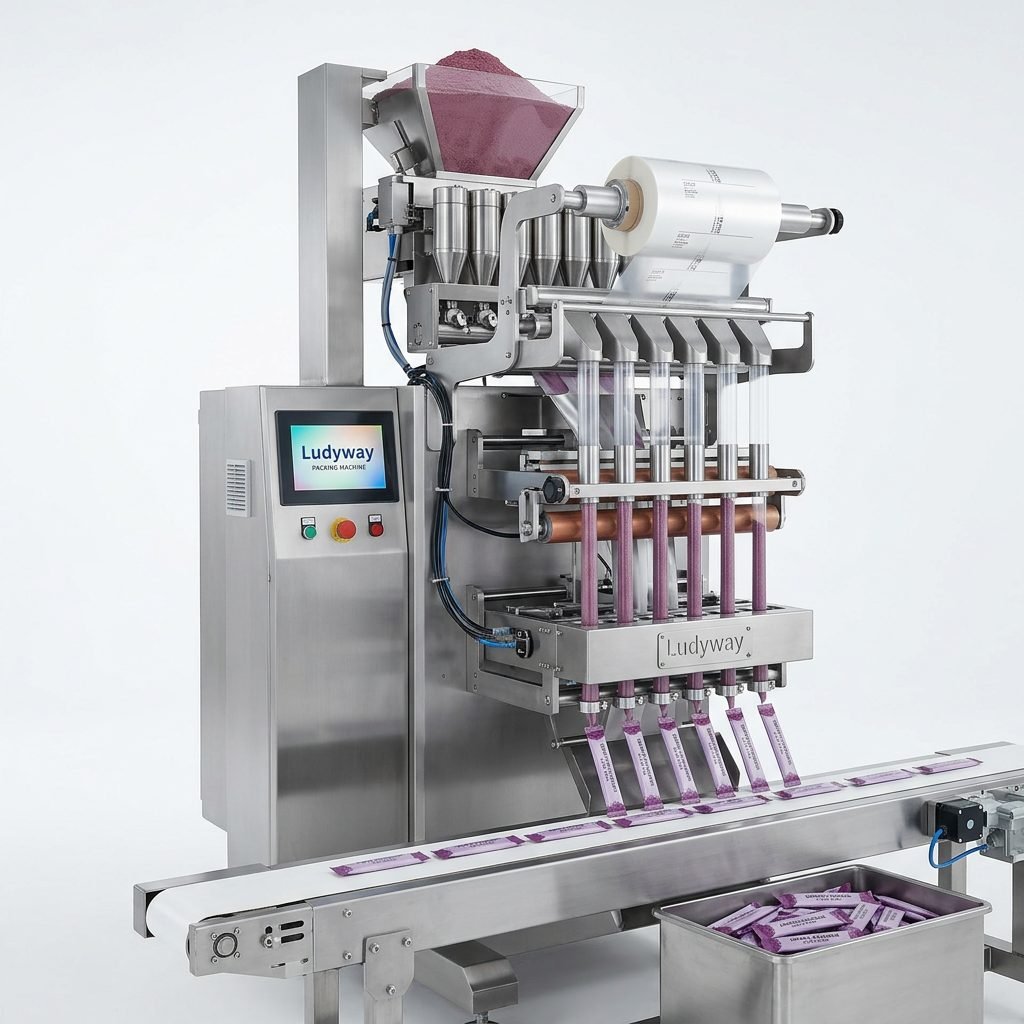
Investing in a pillow packaging machine is a strategic decision that directly affects your production efficiency, product quality, and long-term operational costs. Whether you are packaging food powders, pharmaceutical granules, pet food, or nutraceutical supplements, selecting the right equipment requires a structured evaluation of your product characteristics, production goals, and automation requirements. This guide walks you through the essential factors to consider, helping you make an informed purchasing decision that aligns with your manufacturing needs and growth plans.
Understanding Your Product and Packaging Requirements
Before comparing machine specifications, start by defining your product parameters and packaging needs. The physical properties of your product—whether it is a free-flowing powder, granule, liquid, or sticky paste—determine the type of dosing and filling system required. Key questions to answer include:
- What is the product type? Powder, granule, liquid, paste, or a combination affects filling mechanism selection.
- What is the target fill weight? Machine dosing accuracy depends on the weight range per pillow pack.
- What packaging material will you use? Film type, thickness, barrier properties, and heat-seal compatibility matter.
- What are the desired bag dimensions? Width, length, and gusset requirements influence the former and sealing jaw design.
- What is your required output speed? Machines range from semi-automatic to high-speed multi-lane systems producing hundreds of packs per minute.
Types of Pillow Packaging Machines
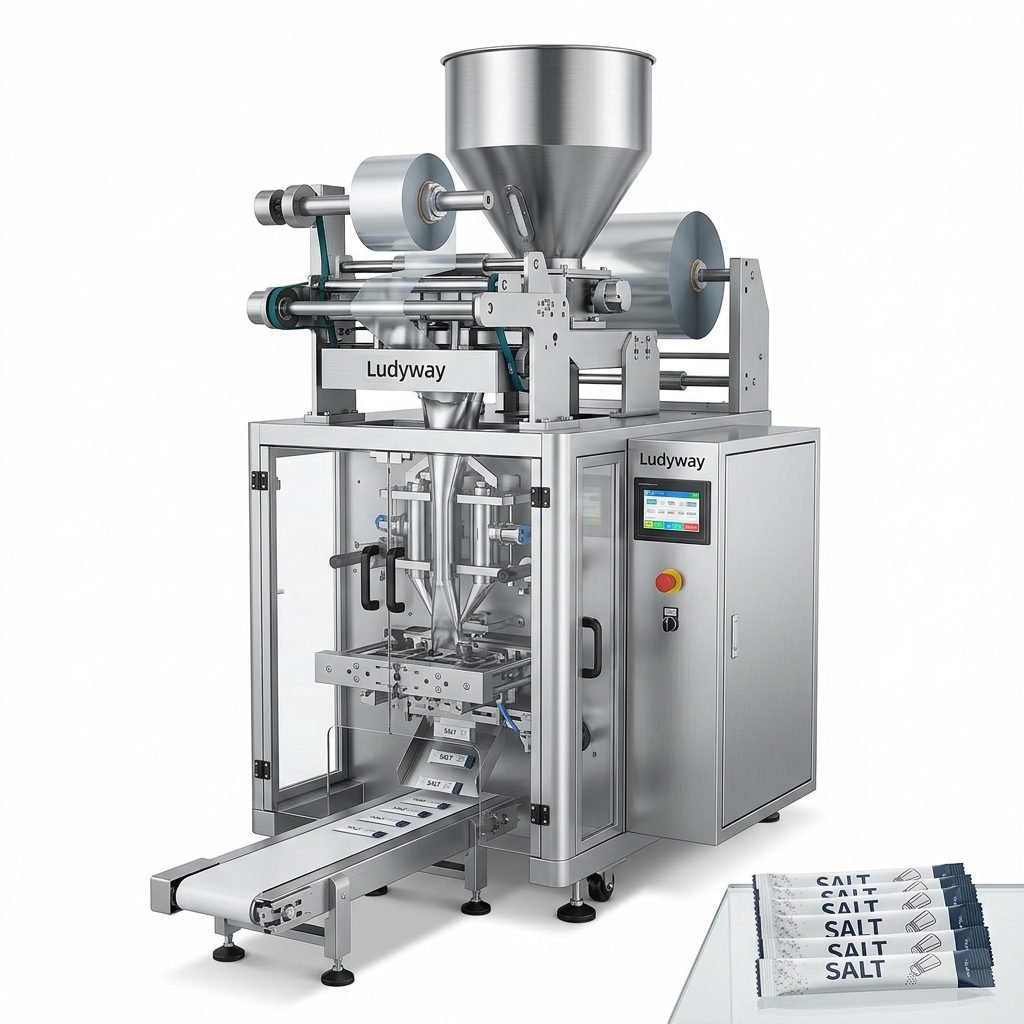
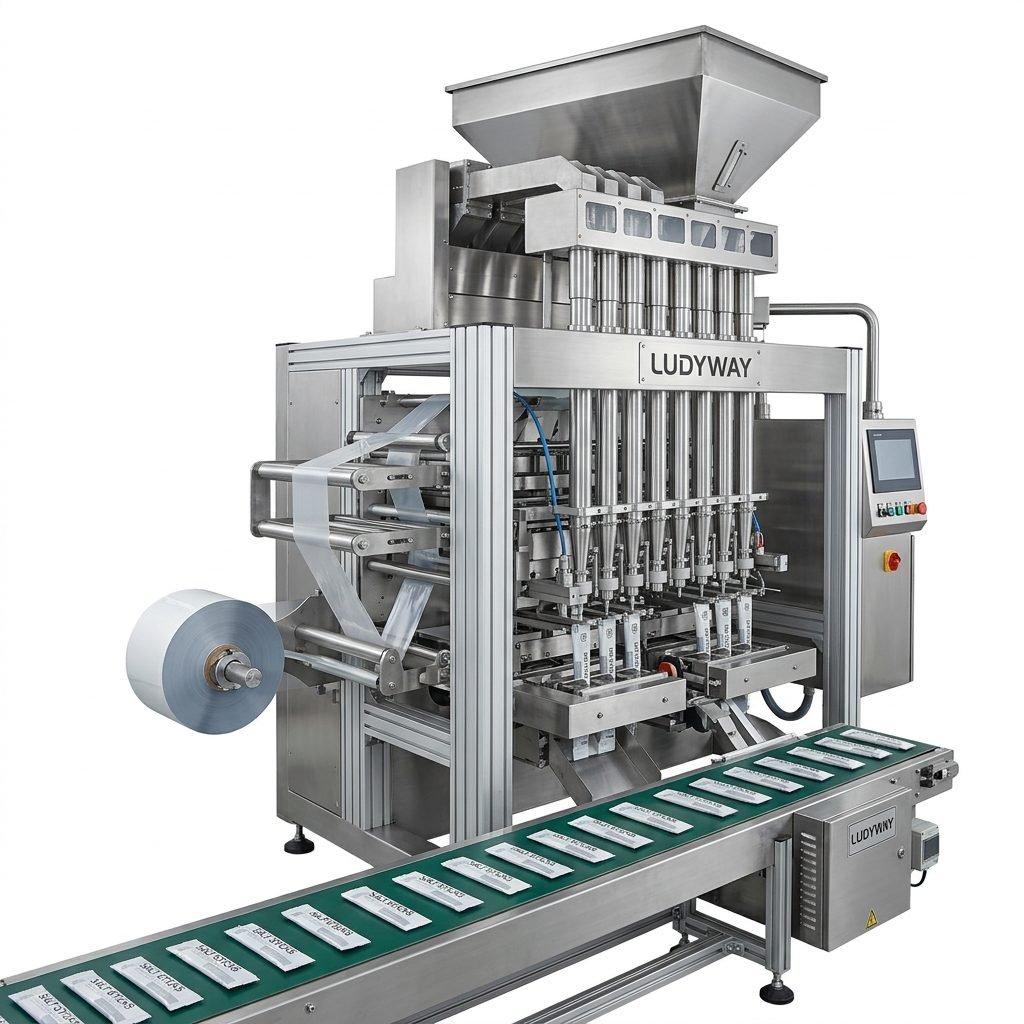
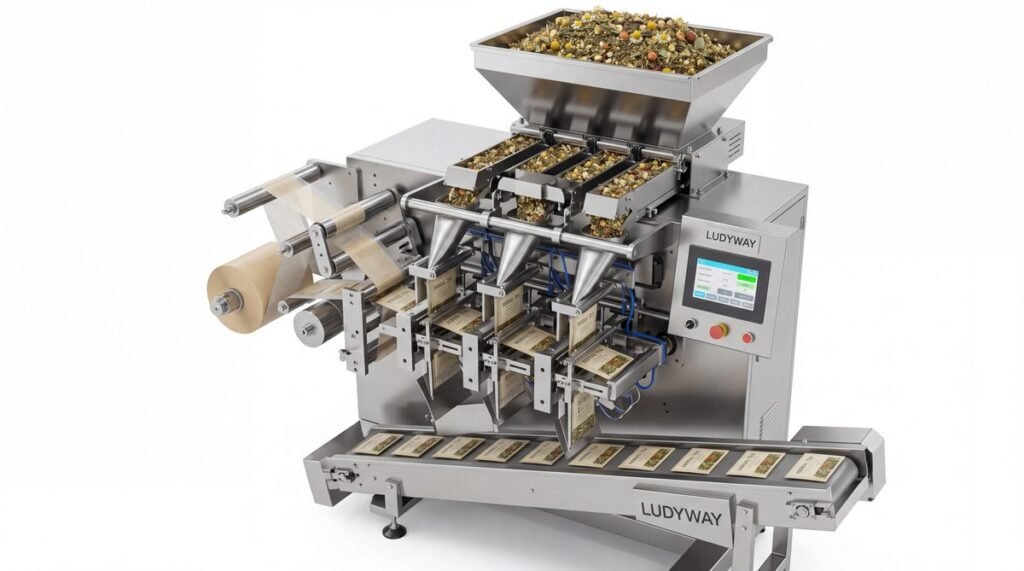
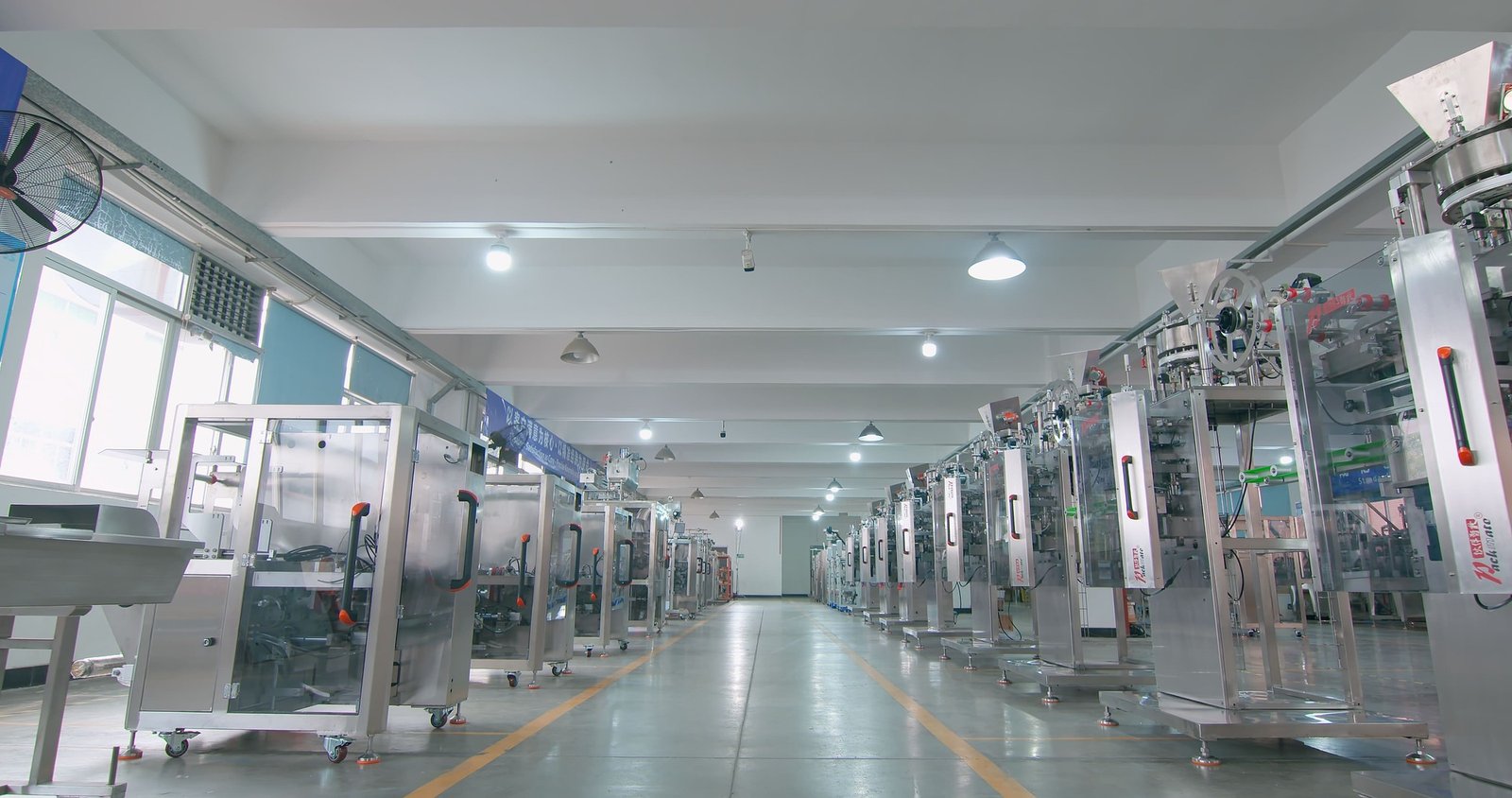
Different machine configurations serve different production scales and packaging formats. Understanding the main categories helps narrow your options:
| Machine Type | Best For | Key Advantage | Typical Speed Range |
|---|---|---|---|
| Single-Lane VFFS | Small to medium production volumes | Cost-effective, versatile, easy to operate | 30–80 packs/min |
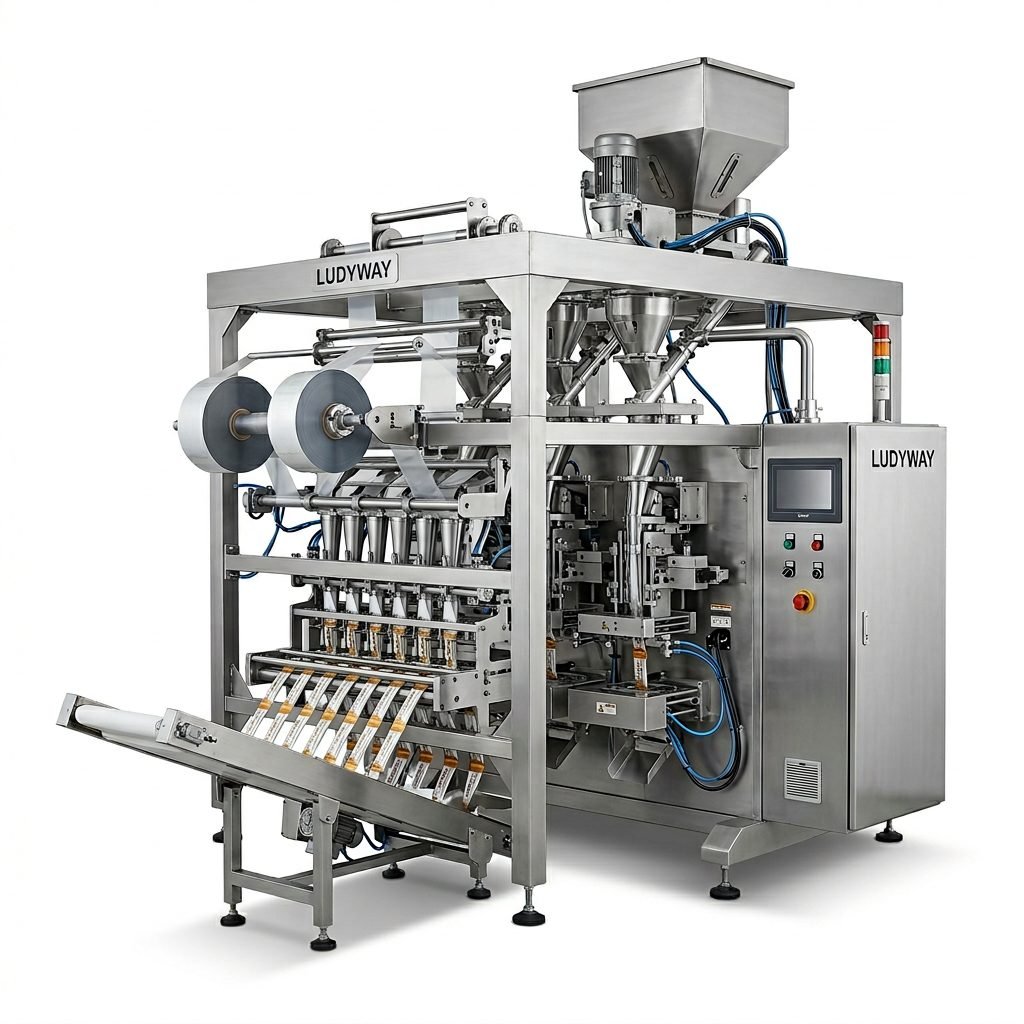
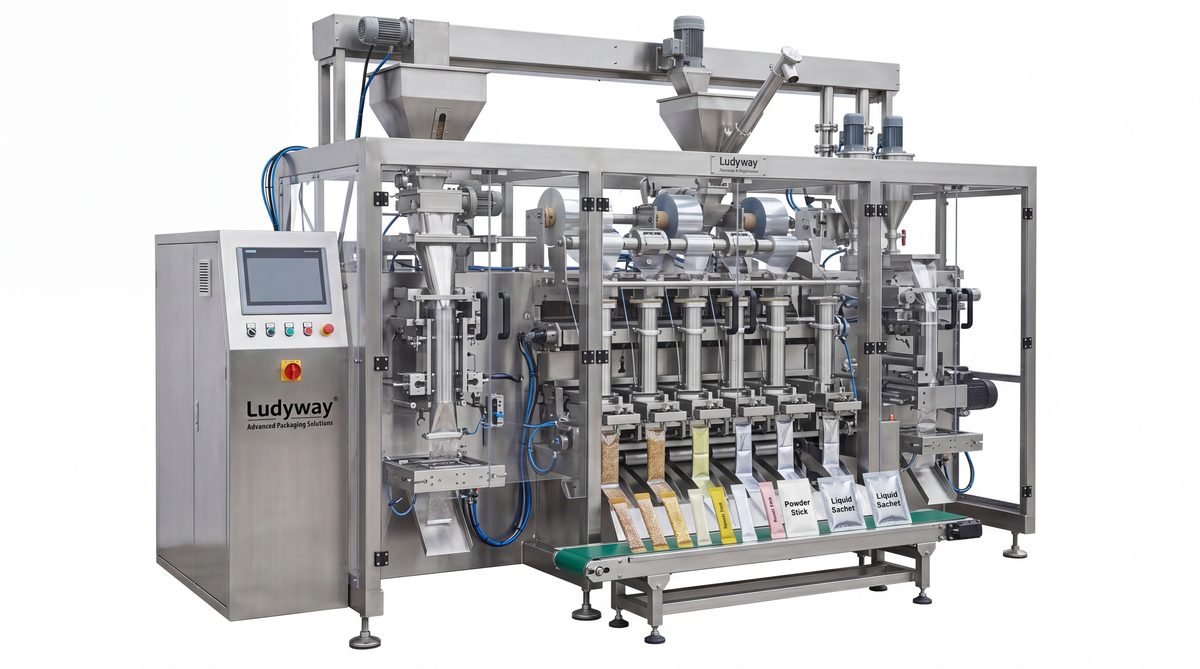
| Multi-Lane Stick Pack | High-volume powder and granule products | Maximum throughput, compact pack format | 200–600+ packs/min |
| Multi-Lane Sachet Machine | Liquid, paste, and cream products | Flexible format, excellent seal integrity | 150–400 packs/min |
| Rotary Pillow Pack Machine | Continuous motion, ultra-high-speed applications | Exceptional speed, consistent seal quality | 400–1,200 packs/min |
| Intermittent Motion Machine | Short runs, frequent product changeovers | Lower cost, simpler maintenance | 20–60 packs/min |
Critical Technical Features to Evaluate
Beyond machine type, several technical features significantly impact performance, reliability, and product quality:
Dosing and Filling System Accuracy
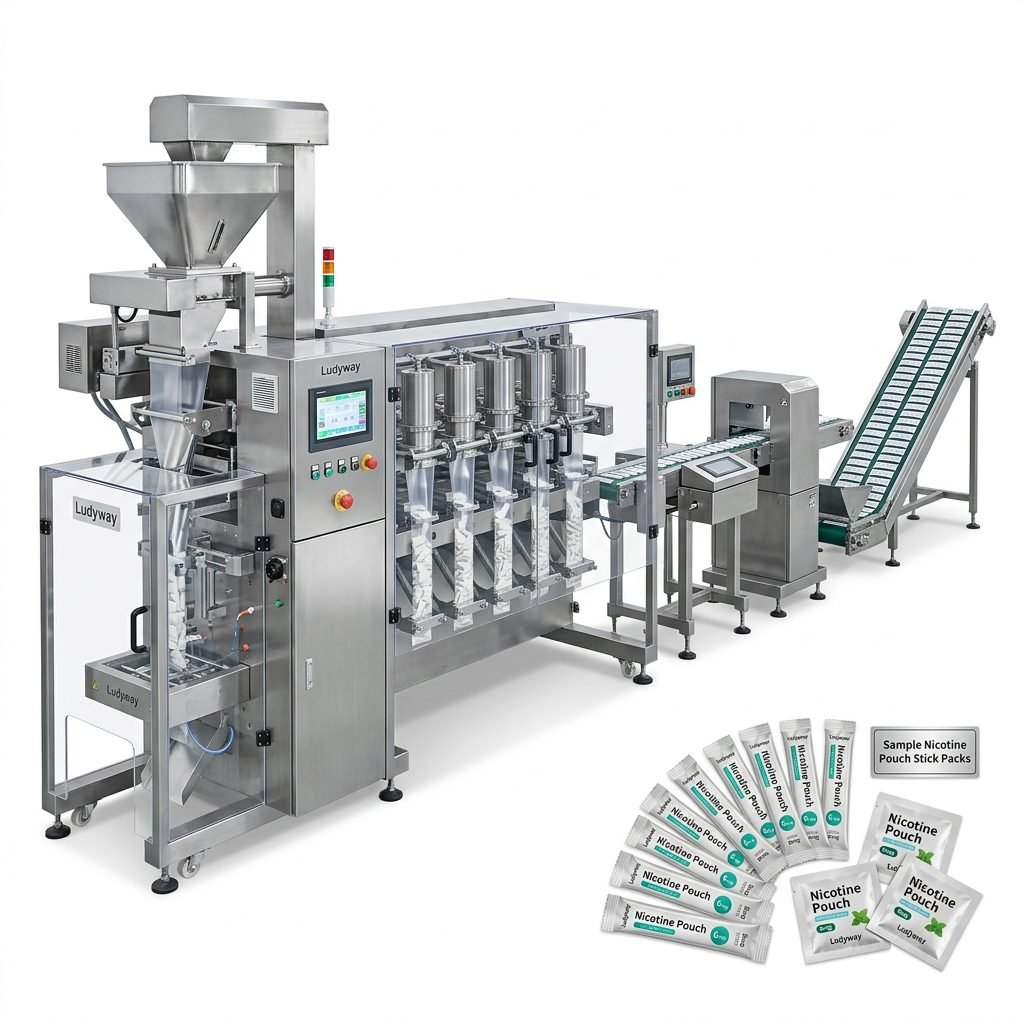
The filling mechanism must match your product’s flow characteristics. Auger fillers excel with powders, volumetric cup fillers work well for free-flowing granules, and piston or pump systems are ideal for liquids and pastes. For premium products, gravimetric weighing systems offer the highest dosing precision.
Sealing Technology
Pillow pack integrity depends on reliable sealing. Look for machines with temperature-controlled sealing jaws, adjustable sealing pressure, and dwell time settings. Machines equipped with serrated or knurled sealing patterns provide stronger seals, especially for thicker films or products requiring gas flushing.
Film Handling and Registration
Precise film registration ensures consistent bag length and print alignment. Servo-driven film feeding systems offer superior accuracy compared to mechanical clutch systems. If you use pre-printed film, verify that the machine supports photoelectric eye mark registration for accurate cutting and sealing positions.
Automation and Integration Capabilities
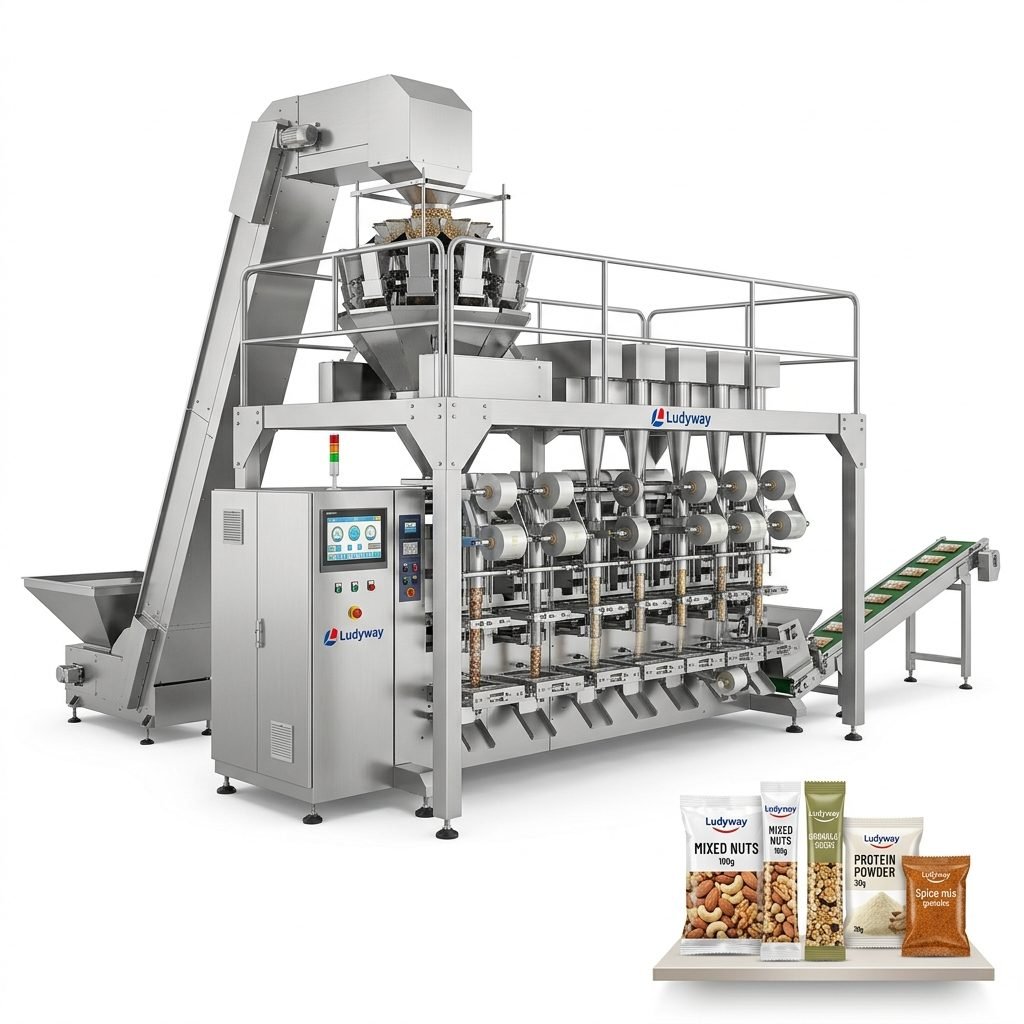
Modern pillow packaging machines can integrate with upstream and downstream equipment to form complete packaging lines. Consider whether you need:
- Automatic feeding systems – Bucket elevators, screw conveyors, or vibratory feeders for continuous product supply
- Inline printing and coding – Thermal transfer, inkjet, or laser marking for batch codes and expiration dates
- Checkweighing – Dynamic or static checkweighers for quality assurance and fill level verification
- Metal detection and X-ray inspection – Critical for food and pharmaceutical applications
- Cartoning and case packing – Automated secondary packaging for downstream efficiency
- Palletizing systems – Robotic palletizers for end-of-line automation
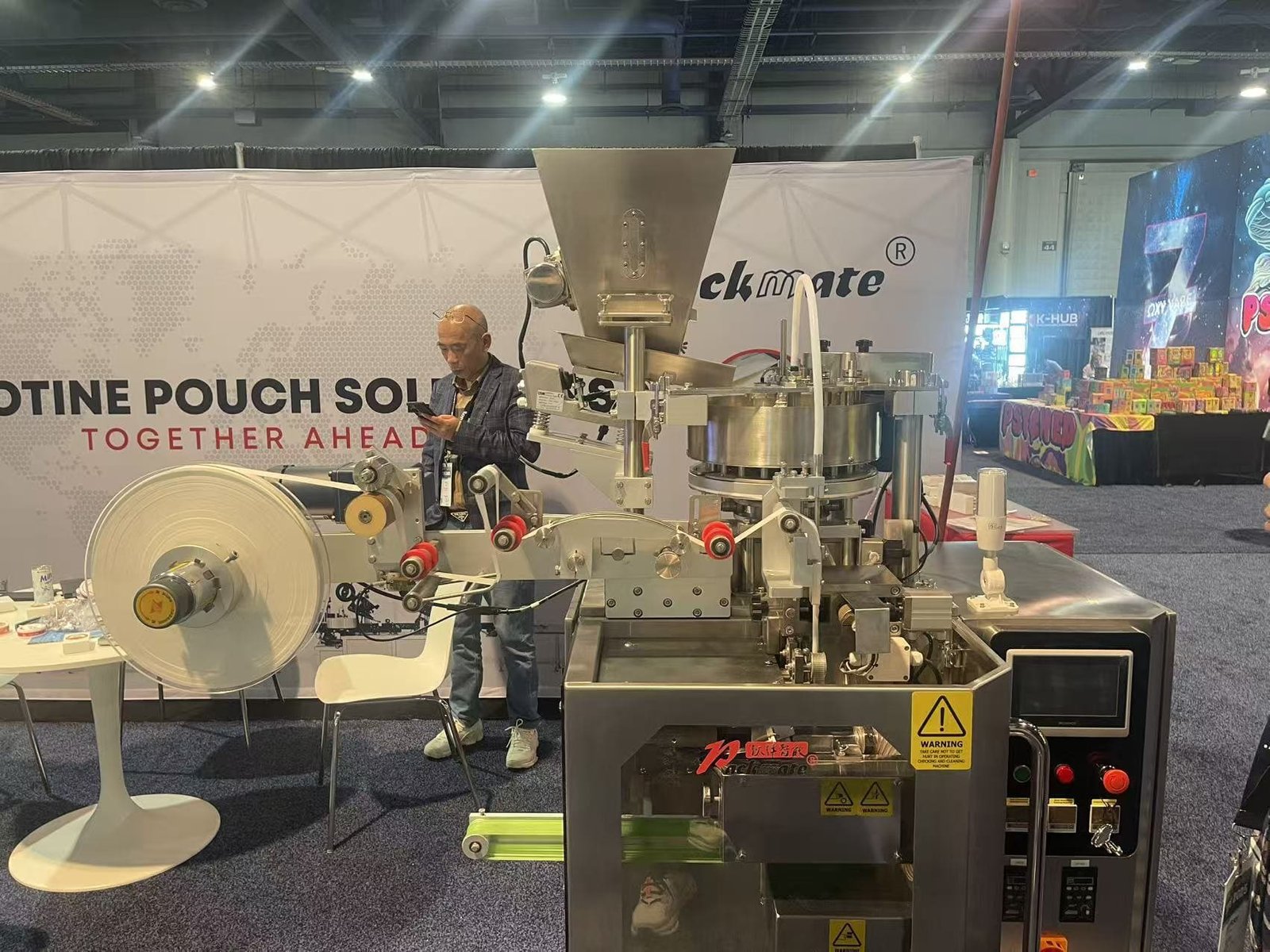
Selecting a machine that supports modular integration allows you to scale gradually, adding automation modules as your production volume grows. For manufacturers seeking a single-source partner, turnkey packaging solutions that encompass the entire line can simplify project management and technical coordination. As one experienced packaging machinery manufacturer with over 30 years of industry experience, Ludyway Machinery provides integrated pillow packaging systems that combine multi-lane filling, sealing, coding, inspection, and cartoning into coordinated production lines.
Material Compatibility and Sustainability Considerations
Your choice of packaging film directly influences machine configuration. Common film types include:
| Film Material | Properties | Typical Applications | Sealability |
|---|---|---|---|
| Laminated PET/PE | High clarity, good barrier | Food powders, dry mixes | Excellent |
| Aluminum Foil Laminate | Superior moisture and oxygen barrier | Pharmaceuticals, hygroscopic products | Good |
| BOPP/CPP | Cost-effective, moisture resistant | Snacks, confectionery | Very good |
| Paper/Foil/PE Laminate | Excellent puncture resistance | Pet food, industrial products | Moderate |
| Recyclable Mono-Material Films | Environmentally friendly, growing availability | Various sustainable packaging initiatives | Varies by formulation |
With increasing regulatory focus on packaging sustainability and material circularity, verify that your machine can handle recyclable mono-material films if sustainability is part of your packaging strategy. These newer films often require more precise temperature control and sealing parameter adjustments.
Compliance, Standards, and Regulatory Requirements
Depending on your industry and target markets, your pillow packaging machine may need to comply with specific standards:
- Food safety: Machines should be constructed with food-grade materials and designed for easy cleaning and sanitation
- Pharmaceutical requirements: Equipment may need to meet FDA packaging regulations and cGMP guidelines
- ISO standards: Relevant ISO packaging standards cover dimensional requirements, testing methods, and quality specifications
- CE marking and international certifications: Essential for machines exported to European and other regulated markets
Total Cost of Ownership and ROI Analysis
The purchase price is only one component of the total investment. Evaluate the following cost factors over the machine’s expected service life:
- Initial purchase and installation costs – Machine price, shipping, customs duties, and installation fees
- Operational costs – Energy consumption, compressed air requirements, film waste rates
- Consumable parts – Sealing jaws, cutting blades, Teflon tape, filters, and lubricants
- Maintenance and spare parts – Preventive maintenance schedules and spare parts availability
- Operator training and labor – Skill level required and number of operators per shift
- Downtime costs – Production losses during maintenance, changeover, or repairs
A higher-quality machine with greater reliability and lower film waste often delivers superior long-term ROI despite a higher initial price. Calculate the payback period based on expected throughput, labor savings, and material efficiency improvements.
Evaluating Suppliers and After-Sales Support
The manufacturer’s support infrastructure is as important as the machine itself. When evaluating suppliers, assess:
- Industry experience and track record – Years in business, installed base, and customer references
- Technical support availability – Remote assistance, on-site service, and response times
- Spare parts distribution – Inventory levels, shipping options, and parts identification system
- Training programs – Operator training, maintenance training, and documentation quality
- Customization capabilities – Willingness to adapt machine configurations to your specific product
- Warranty terms – Coverage period, scope, and conditions
Resources such as the PMMI packaging industry resources and Flexible Packaging Association industry data provide valuable benchmarks for evaluating equipment quality and supplier credibility. Attending events like PACK EXPO International also offers opportunities to see machines in operation and meet manufacturers face-to-face.
Questions to Ask Potential Suppliers
- Can you provide references from customers packaging similar products?
- What is your standard lead time and what factors can affect delivery?
- Do you offer factory acceptance testing before shipment?
- What is included in your standard warranty, and what extended options are available?
- How do you handle urgent spare parts requests for international customers?
- Can the machine be upgraded with additional lanes or features in the future?
Making the Final Decision
After gathering technical specifications, quotations, and supplier evaluations, compare your options against a consistent set of criteria. Prioritize the factors that most directly impact your production goals: if speed is paramount, focus on throughput; if product integrity is critical, emphasize dosing accuracy and seal quality; if flexibility matters, prioritize quick-changeover features and format adaptability.
Remember that the right pillow packaging machine is not necessarily the most expensive or the fastest on the market—it is the one that best fits your product characteristics, production environment, budget constraints, and long-term growth plans. By taking a methodical approach to equipment selection, you can secure a packaging solution that delivers consistent performance, supports your quality standards, and provides a solid return on investment for years to come.
Disclaimer: This guide provides general information for evaluating pillow packaging machinery. Equipment specifications, certifications, and performance vary by manufacturer and configuration. Always consult directly with qualified packaging equipment suppliers and conduct thorough due diligence before making purchasing decisions.