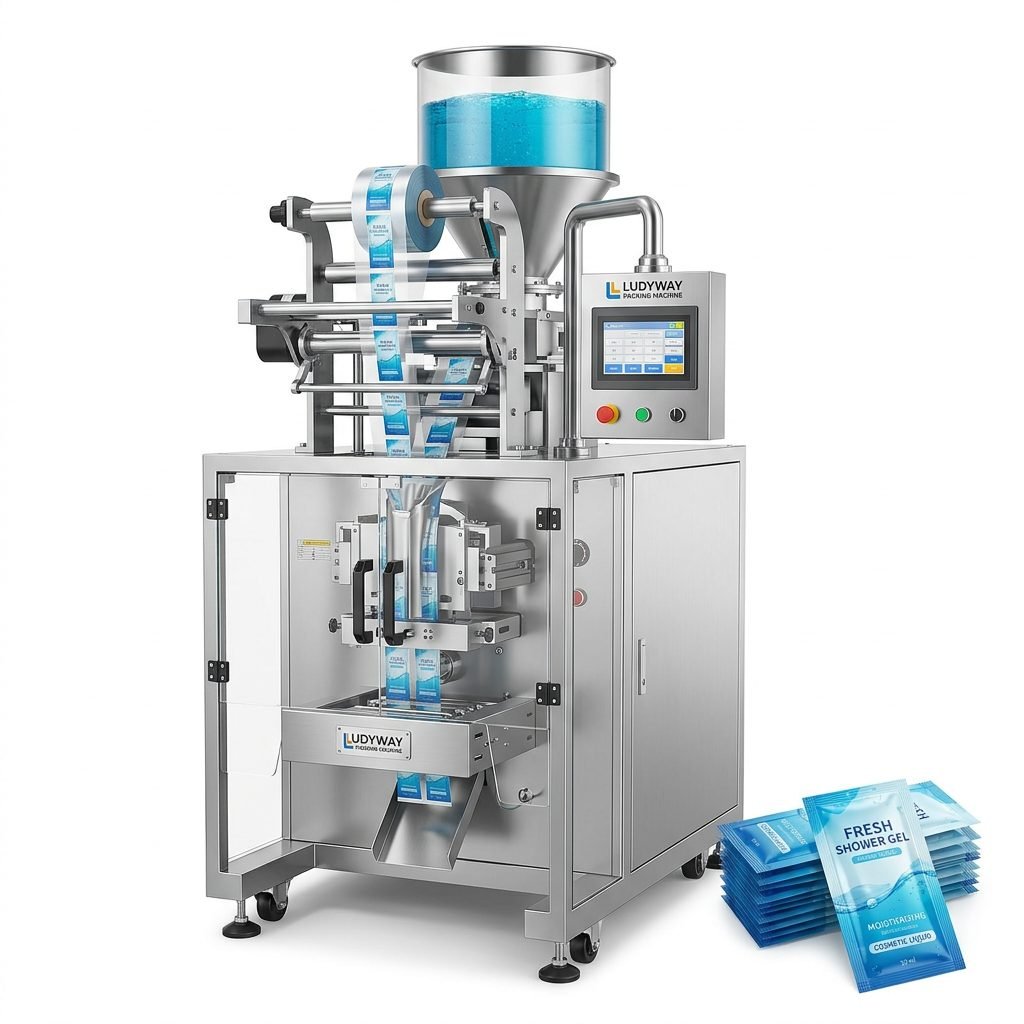
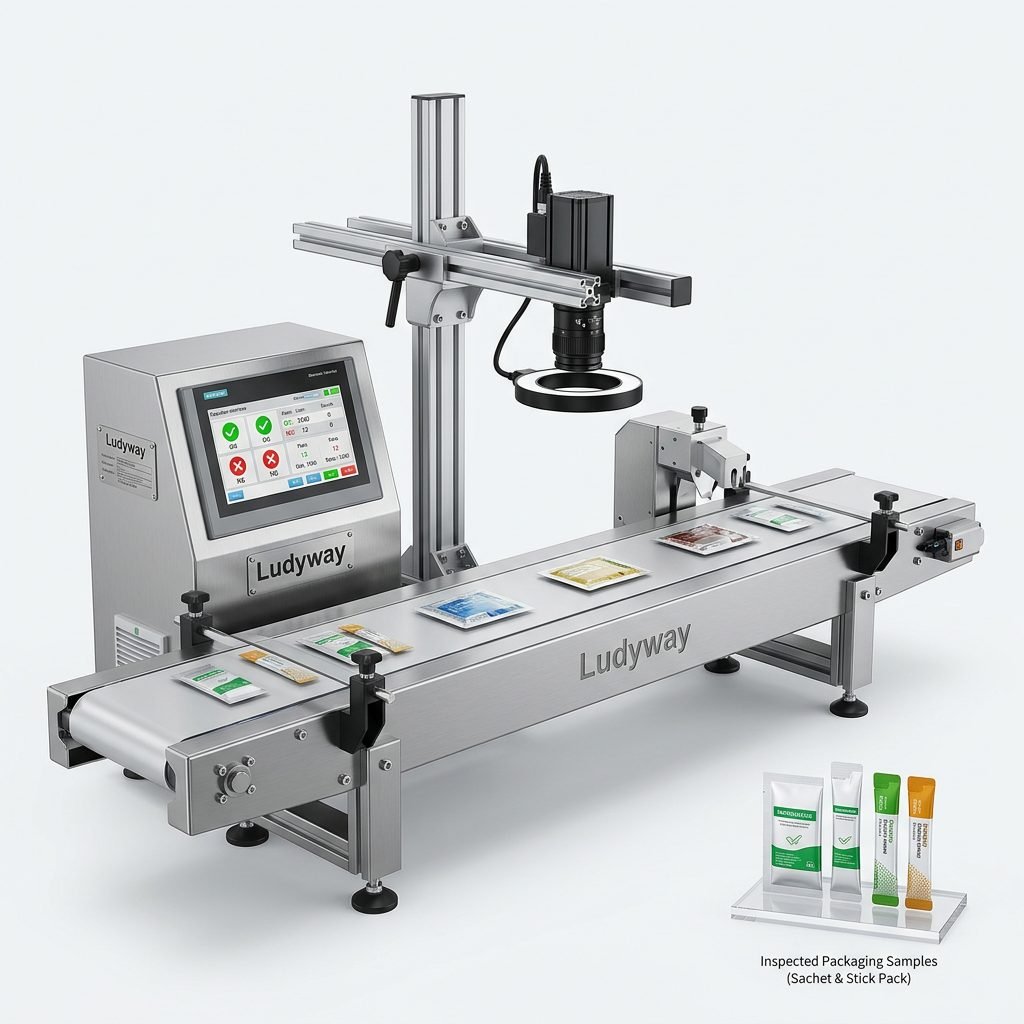
Selecting the right bakery packaging equipment is a critical decision that directly impacts your production efficiency, product quality, and overall profitability. This comprehensive guide will walk you through the different types of machinery available, their specific uses, and the key factors to consider when choosing the best equipment for your bakery’s unique needs.
Core Types of Bakery Packaging Equipment
The bakery packaging landscape is diverse, with machines designed for specific product forms and packaging styles. Understanding these core types is the first step in making an informed investment.
1. Sachet Packaging Machines
Sachet machines are ideal for packaging single-serving portions of dry mixes, icings, glazes, or sprinkles. They create small, sealed pouches from a roll of packaging film.
Primary Use: Portion-controlled dry ingredients, promotional add-ons, or sauce packets included with baked goods.
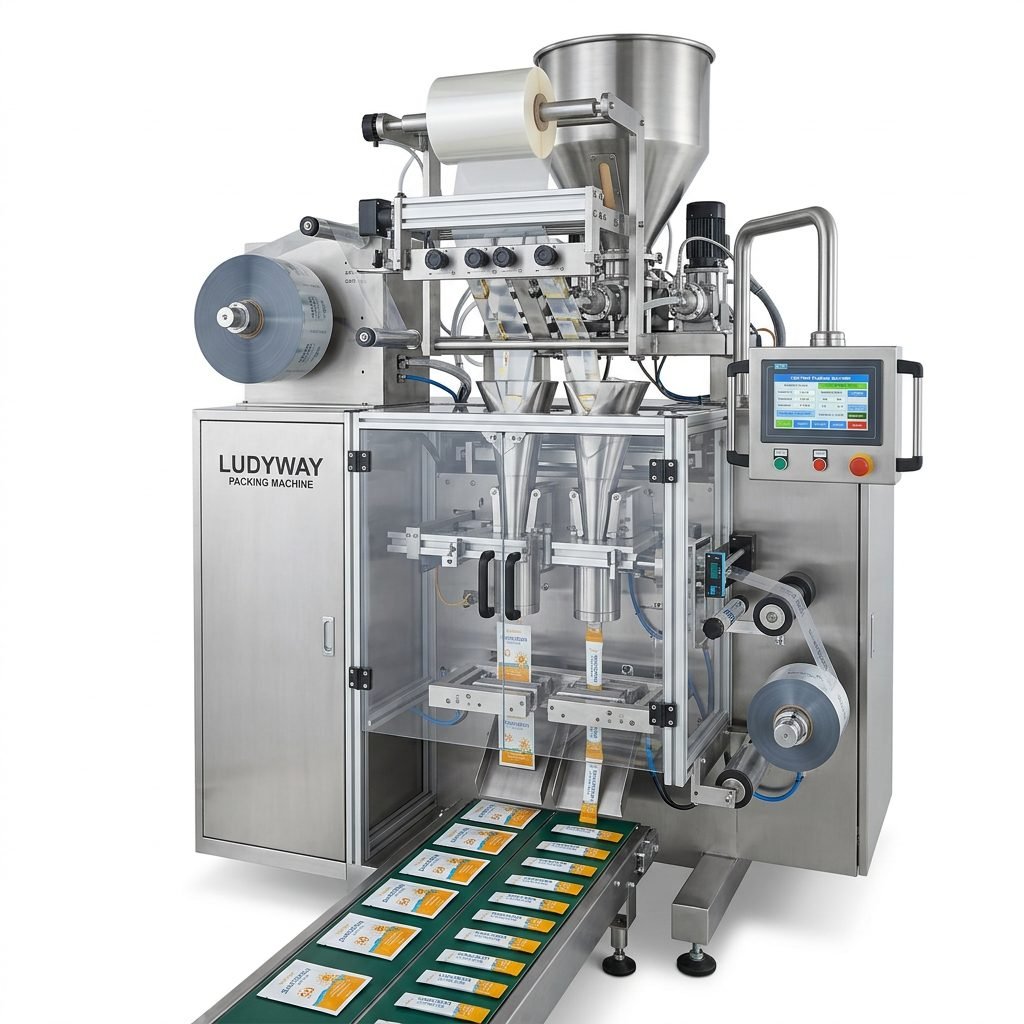
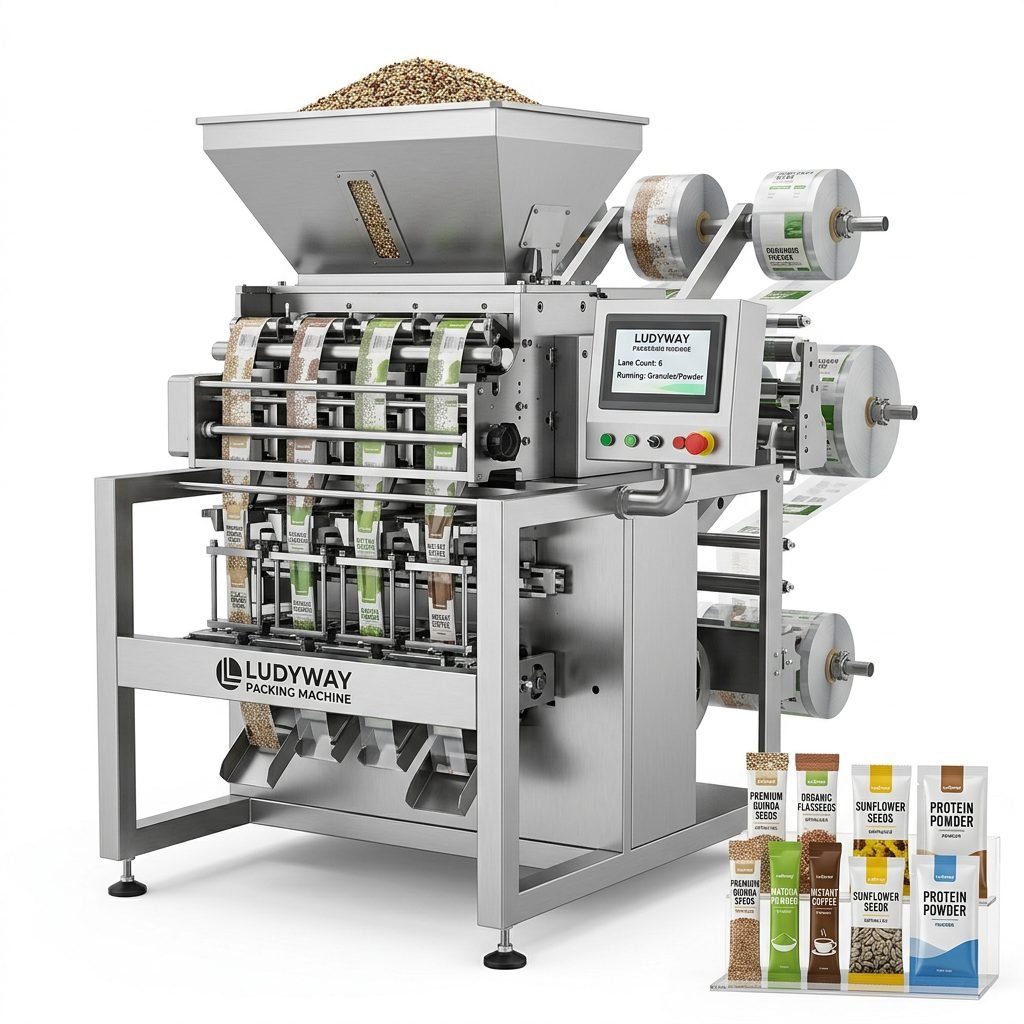
2. Stick Pack Packaging Machines
Similar to sachets but in a long, narrow stick shape, these machines are perfect for powdered drink mixes that might accompany a bakery café or for packaging baking powder, yeast, or decorative sugars.
Key Advantage: They offer a sleek, modern look and are excellent for products that are stirred or dissolved.
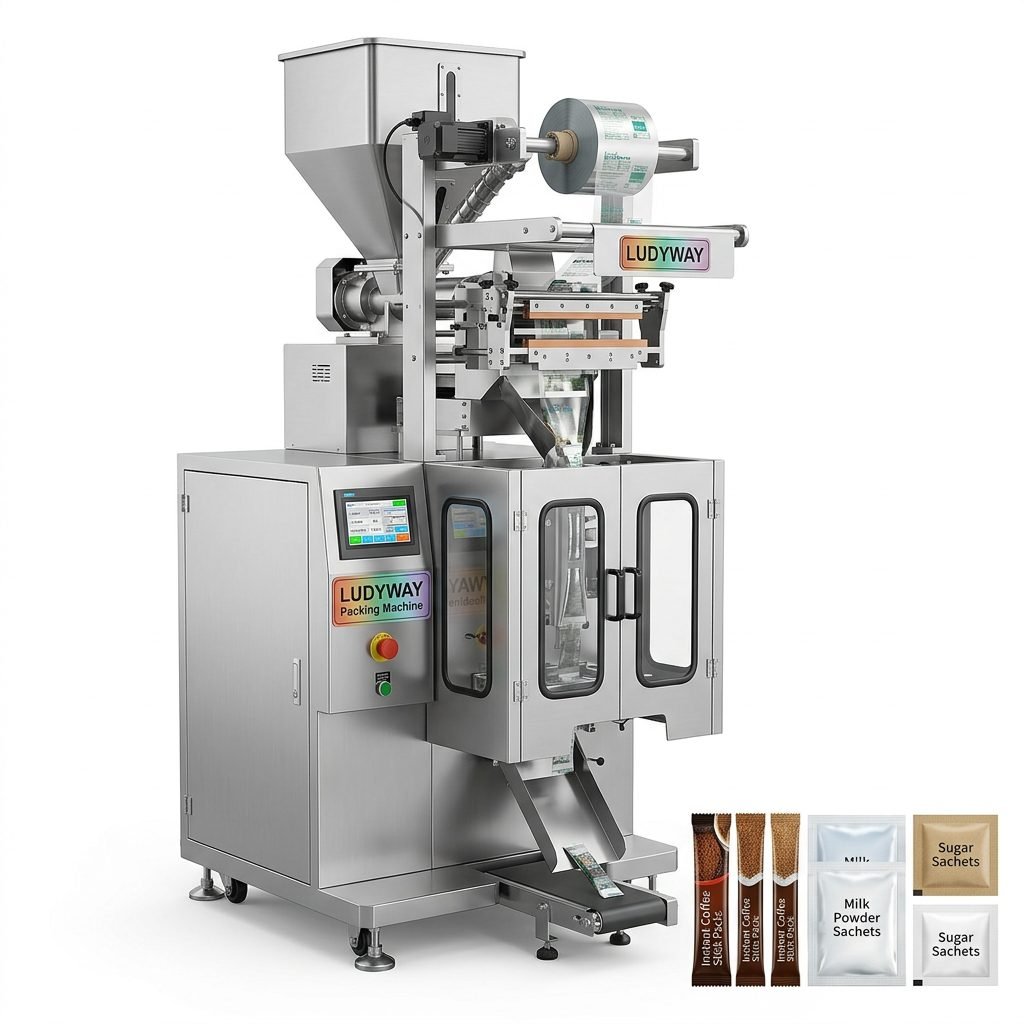
3. Granule & Powder Packaging Machines
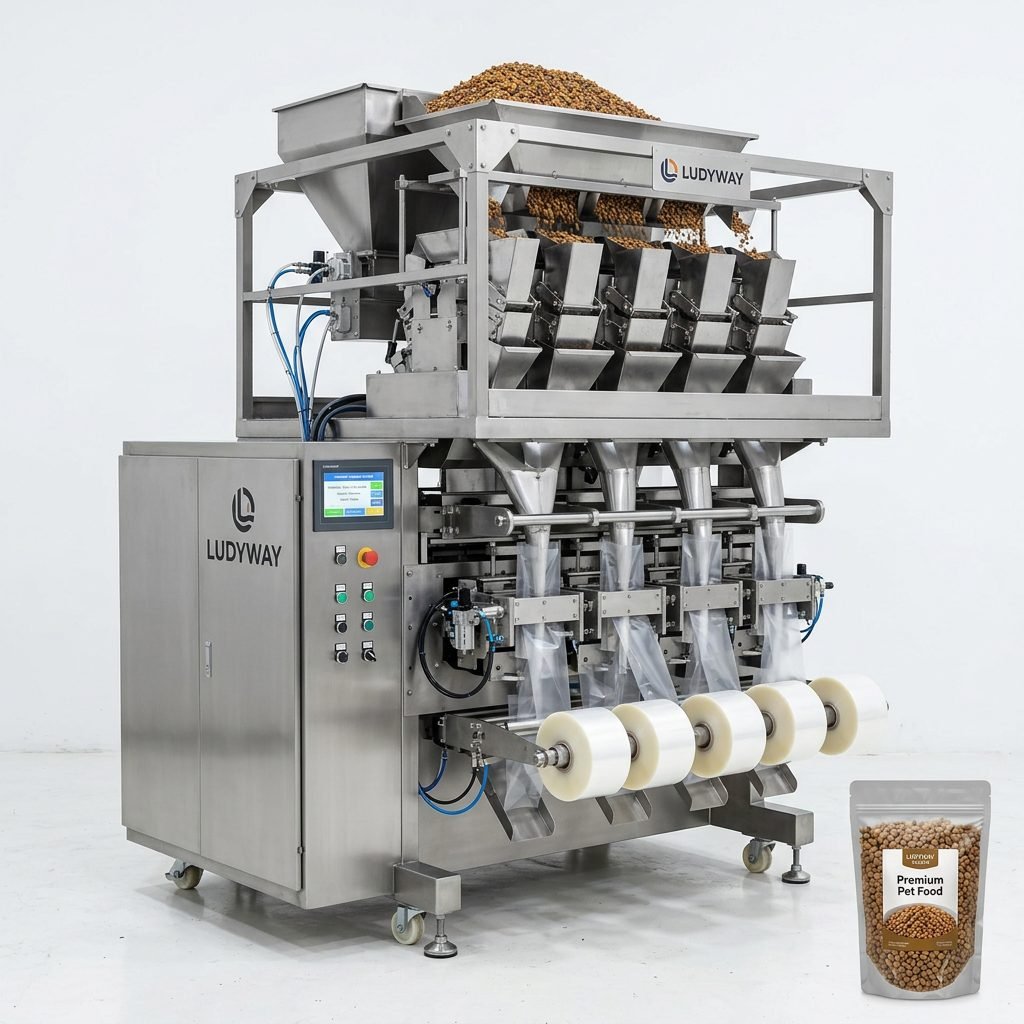
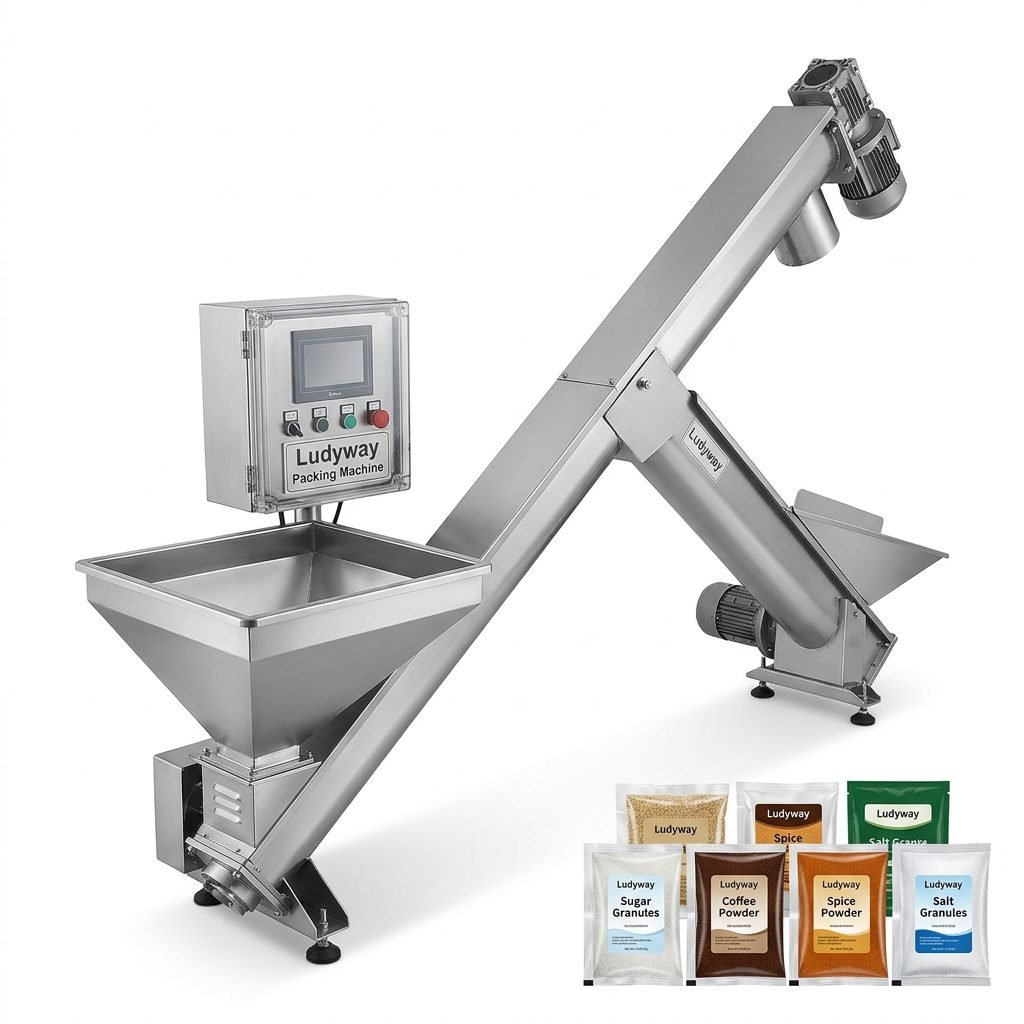
These are versatile vertical form-fill-seal (VFFS) machines designed to handle free-flowing products like chocolate chips, candied nuts, cookie mixes, or flour.
Typical Output: They can produce pillow bags, gusseted bags, or flat bags in various sizes, making them a backbone for many bakery ingredient packaging lines.
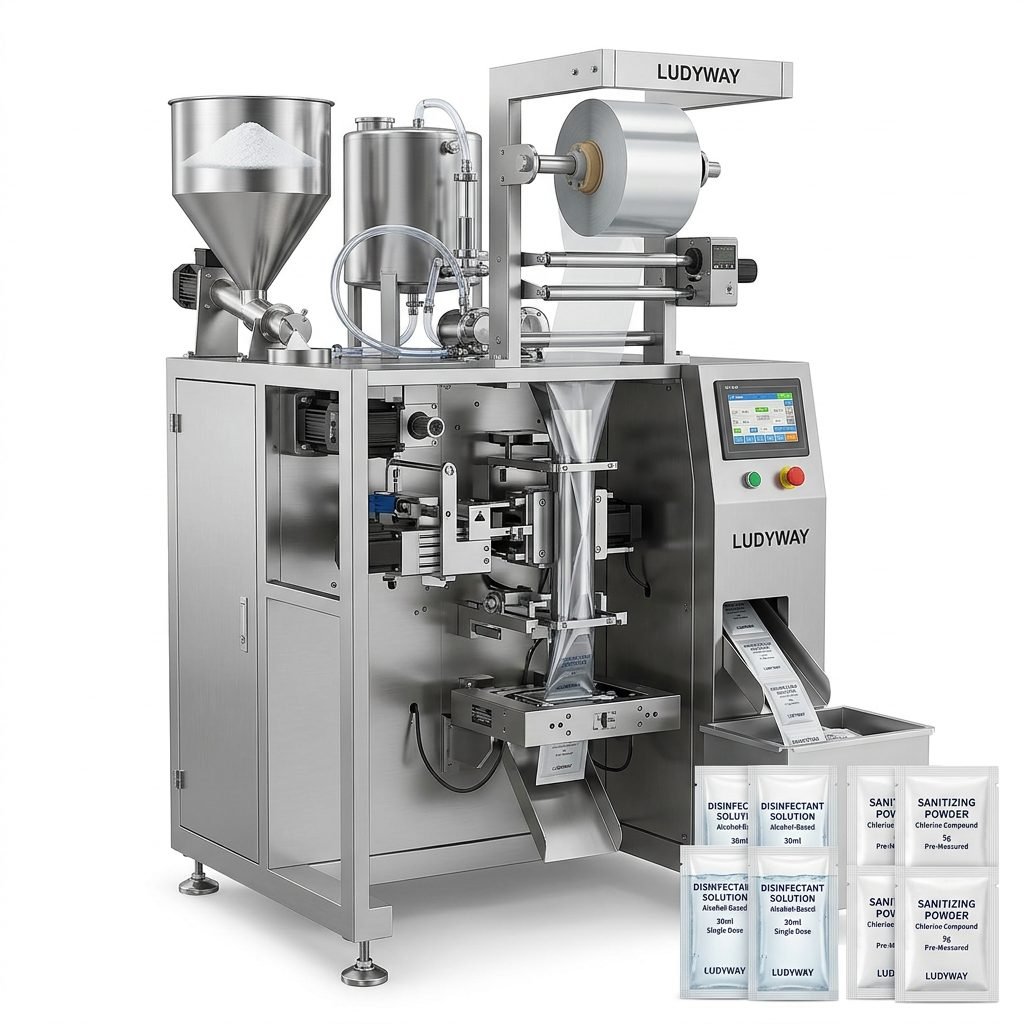
4. Liquid & Viscous Product Packaging Machines
For bakeries that produce their own sauces, syrups, custards, or edible oils, liquid packaging machines are essential. They are engineered to handle different viscosities without drips or spills.
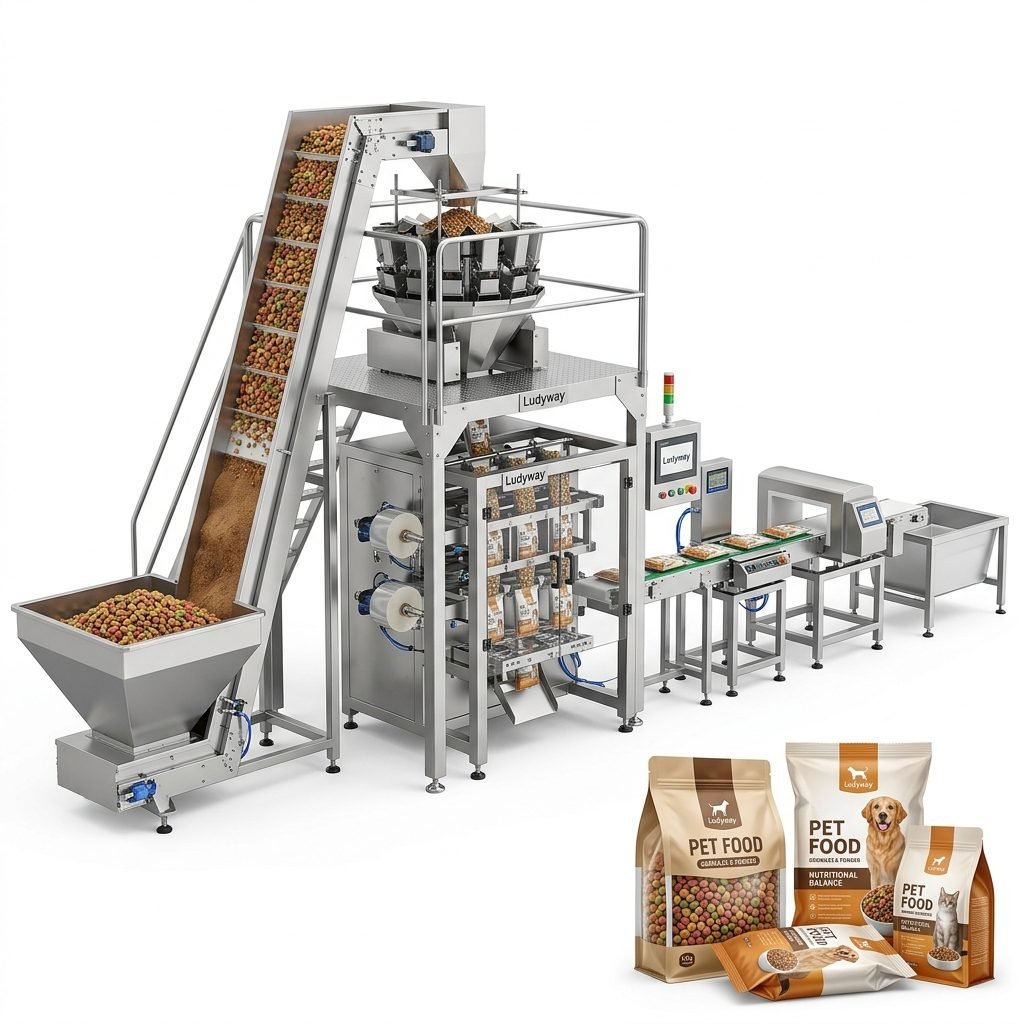
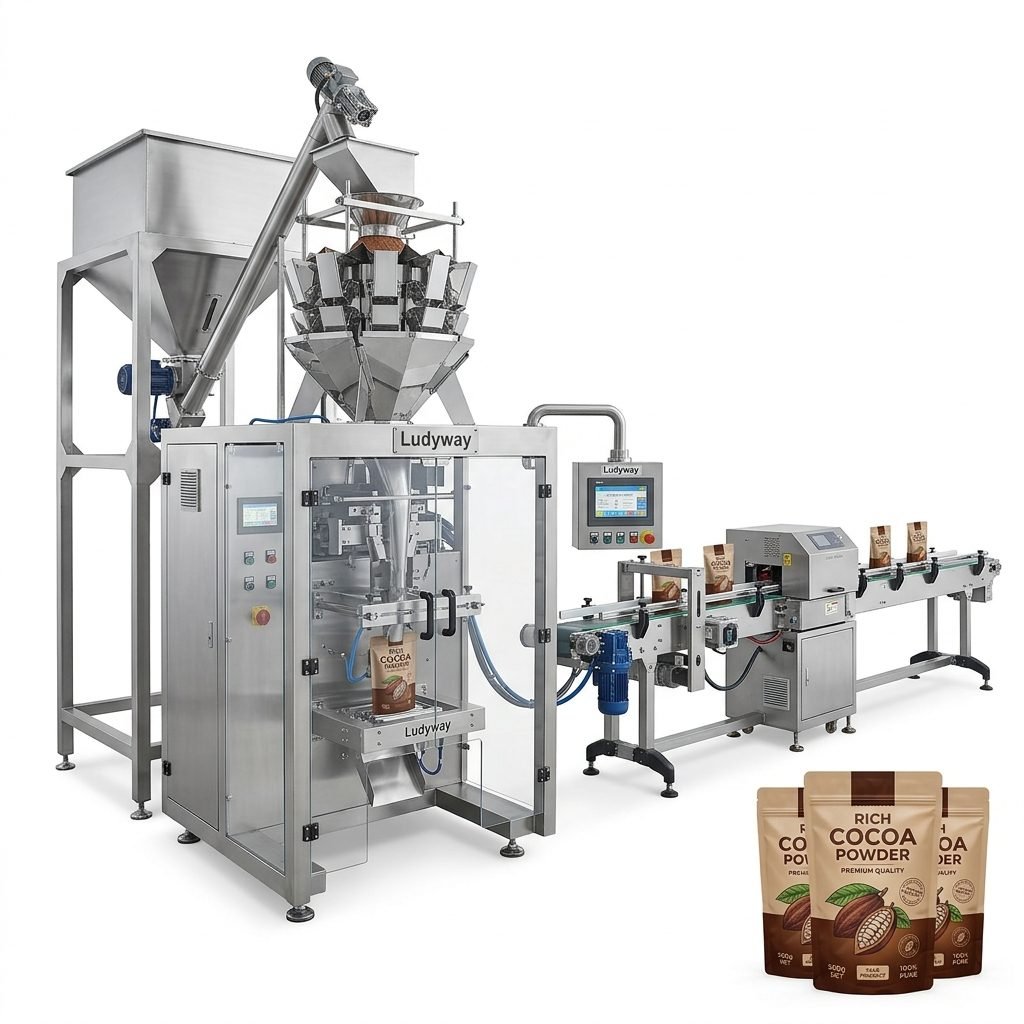
5. Complete Turnkey Packaging Lines
Beyond individual machines, a complete automated line integrates several systems—like feeding, weighing, packaging, and cartoning—into one seamless operation. This is suitable for large-scale production of items like packaged cookies, snack cakes, or bread mixes.
Investing in a coordinated line from a single supplier, such as Ludyway Machinery, ensures compatibility, simplifies maintenance, and optimizes throughput.
Strategic Uses in a Modern Bakery
Modern packaging equipment goes beyond mere containment; it serves strategic business functions.
Brand Enhancement & Shelf Appeal
High-quality, consistent packaging protects your product and acts as a silent salesman on the shelf. Machines that produce clean seals and crisp graphics directly contribute to a premium brand perception.
Extending Product Shelf Life
Proper packaging is crucial for freshness. Machines that create airtight seals for dry goods or use modified atmosphere packaging (MAP) for certain baked items can significantly extend shelf life, reducing waste and expanding distribution range.
Enabling Product Diversification
With the right equipment, a bakery can easily diversify its product line. For example, a sachet machine allows you to sell your signature frosting mix separately, or a granule packager lets you market your artisan cookie mix as a retail product.
Operational Efficiency: Automation reduces labor costs, minimizes human error, and increases output consistency, allowing skilled staff to focus on baking and recipe development.
How to Choose the Right Machines: A Step-by-Step Guide
Choosing equipment is not a one-size-fits-all process. Follow this structured approach to find your perfect match.
Step 1: Analyze Your Product & Packaging Format
Start with the product itself. Is it a powder, granule, liquid, or solid? What is its weight and volume? Determine your desired final package: stick pack, sachet, stand-up pouch, or flat bag. This will narrow down the machine type immediately.
Step 2: Evaluate Your Production Requirements
Be realistic about your needs. Calculate your required speed (bags per minute) based on current and projected sales. Consider your available factory space for the machine and any upstream/downstream equipment. Define your budget, including not just the purchase price but also installation, training, and long-term maintenance costs.
Step 3: Assess Critical Machine Features & Technology
Look for features that guarantee quality and ease of use. A precise weighing system is non-negotiable for portion control and cost management. The sealing system must be robust and reliable to prevent leaks. User-friendly touchscreen controls and recipe memory functions simplify changeovers between products. Prioritize machines built with food-grade, durable materials like stainless steel for hygiene and longevity.
Partnering with an experienced provider like Ludyway Packaging Machinery ensures access to modern technology and reliable after-sales support.
Step 4: Consider Supplier Credibility & Support
The machine is only as good as the company behind it. Choose a supplier with a proven track record in the food industry. Review their warranty terms and the availability of spare parts. Inquire about installation support, operator training, and technical service. A supplier who offers comprehensive support is investing in your long-term success.
Pro Tip: Always request a live or recorded product test using your own materials. This is the best way to verify machine performance before purchase.
Step 5: Plan for the Future
Think about scalability. Can the machine handle a range of package sizes? Is it easy to integrate into a larger automated line later? Selecting modular or upgradeable equipment from a supplier with a broad portfolio, such as Ludyway’s packaging solutions, protects your investment as your business grows.
Frequently Asked Questions (FAQs)
What is the most versatile type of bakery packaging machine?
A vertical form-fill-seal (VFFS) machine for granules and powders often offers the greatest versatility for a standard bakery. It can handle a wide range of dry ingredients and can be configured to produce different bag styles and sizes, making it a excellent foundational investment.
How much should I budget for a basic packaging machine?
Costs vary widely based on automation level and speed. A semi-automatic tabletop machine may start in the thousands, while a fully automatic, high-speed system can cost significantly more. It’s crucial to view this as a long-term investment in efficiency and quality that will provide a return over time.
Can one machine handle both powders and liquids?
Generally, no. Powder and liquid machines have fundamentally different feeding and sealing mechanisms to handle their distinct physical properties. Using the wrong machine type will lead to poor seals, product waste, and frequent downtime. It’s best to choose equipment specifically designed for your product type.
How important is after-sales service when choosing a supplier?
Extremely important. Reliable technical support, readily available spare parts, and good training resources are critical for minimizing production downtime. A supplier’s commitment to after-sales service is a direct indicator of their product quality and dedication to customer success.
What are the key maintenance routines for packaging equipment?
Daily cleaning of product contact parts, regular lubrication of moving components as per the manual, and periodic inspection of seals, cutters, and sensors are essential. Following the manufacturer’s prescribed maintenance schedule is the most effective way to ensure consistent performance and extend the machine’s operational life.