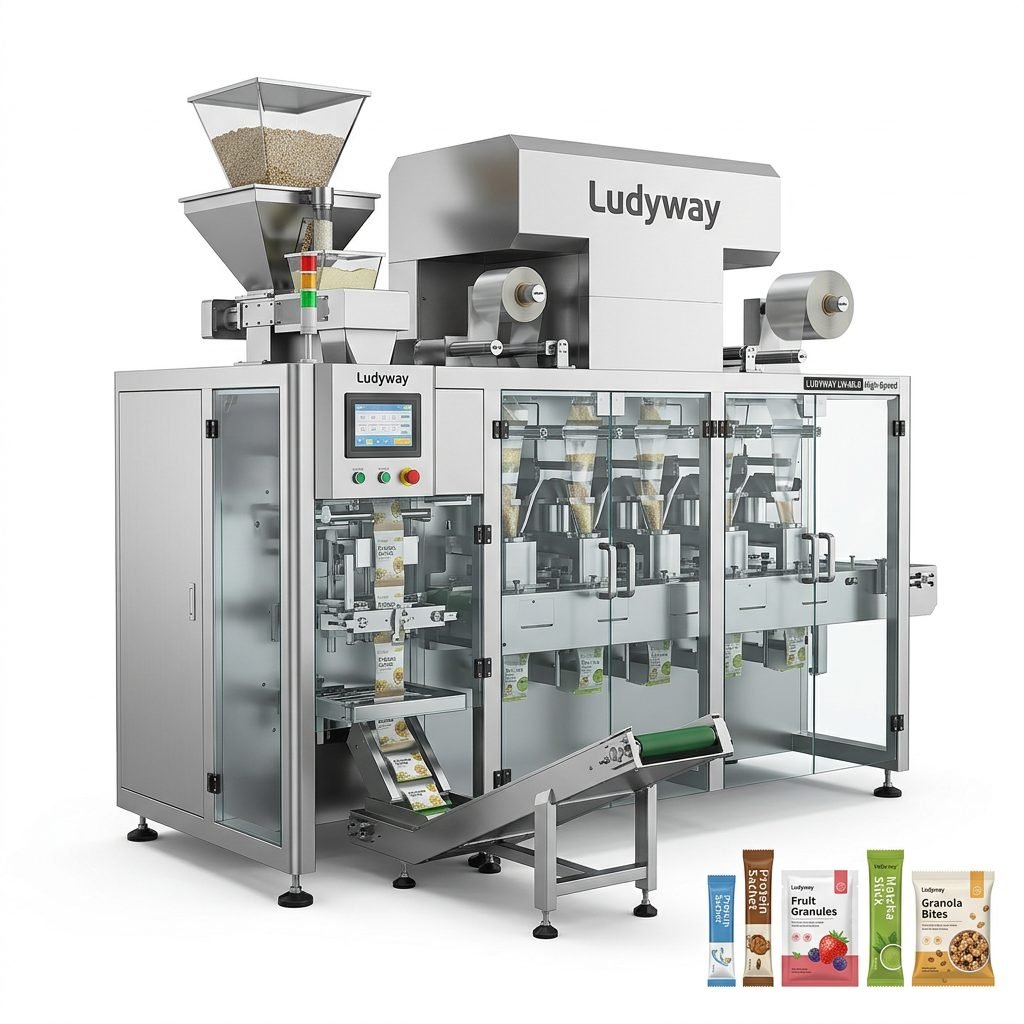
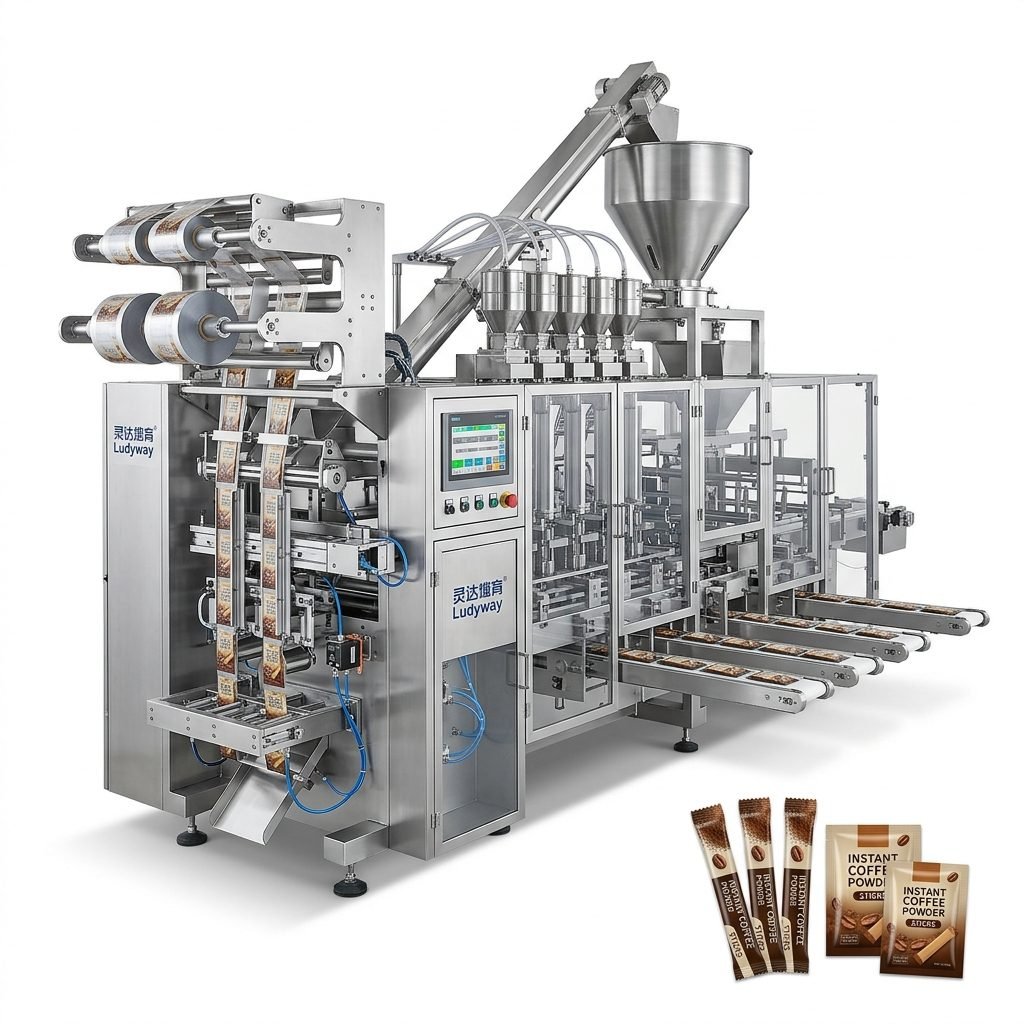
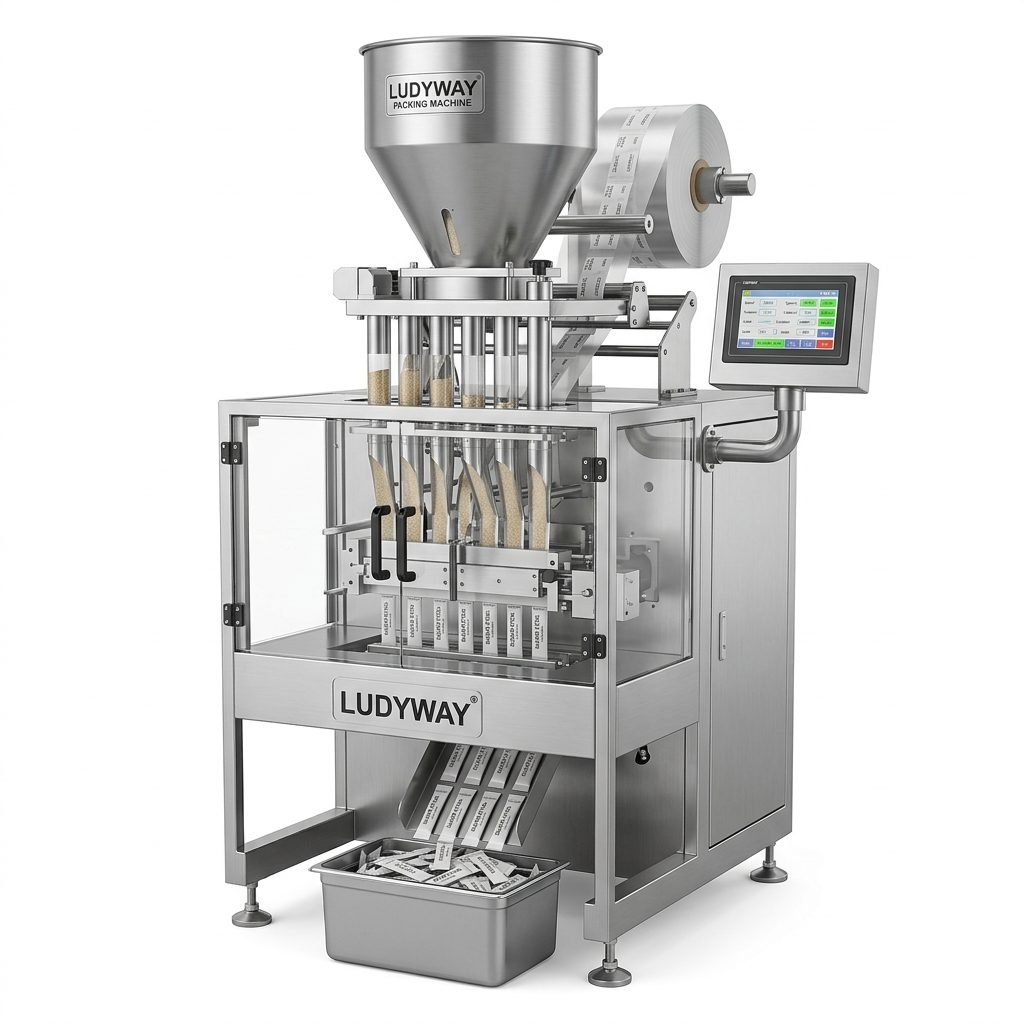
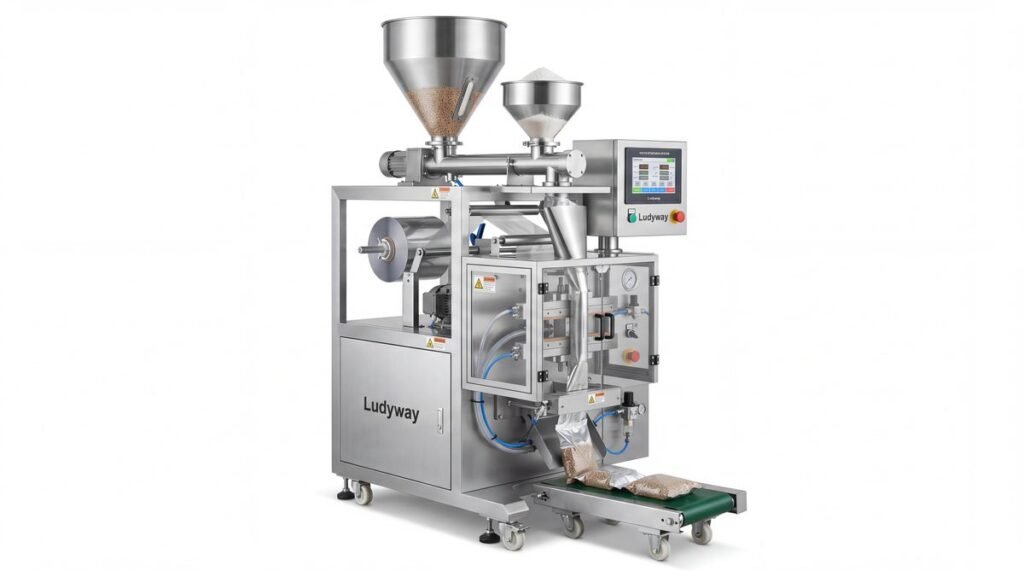
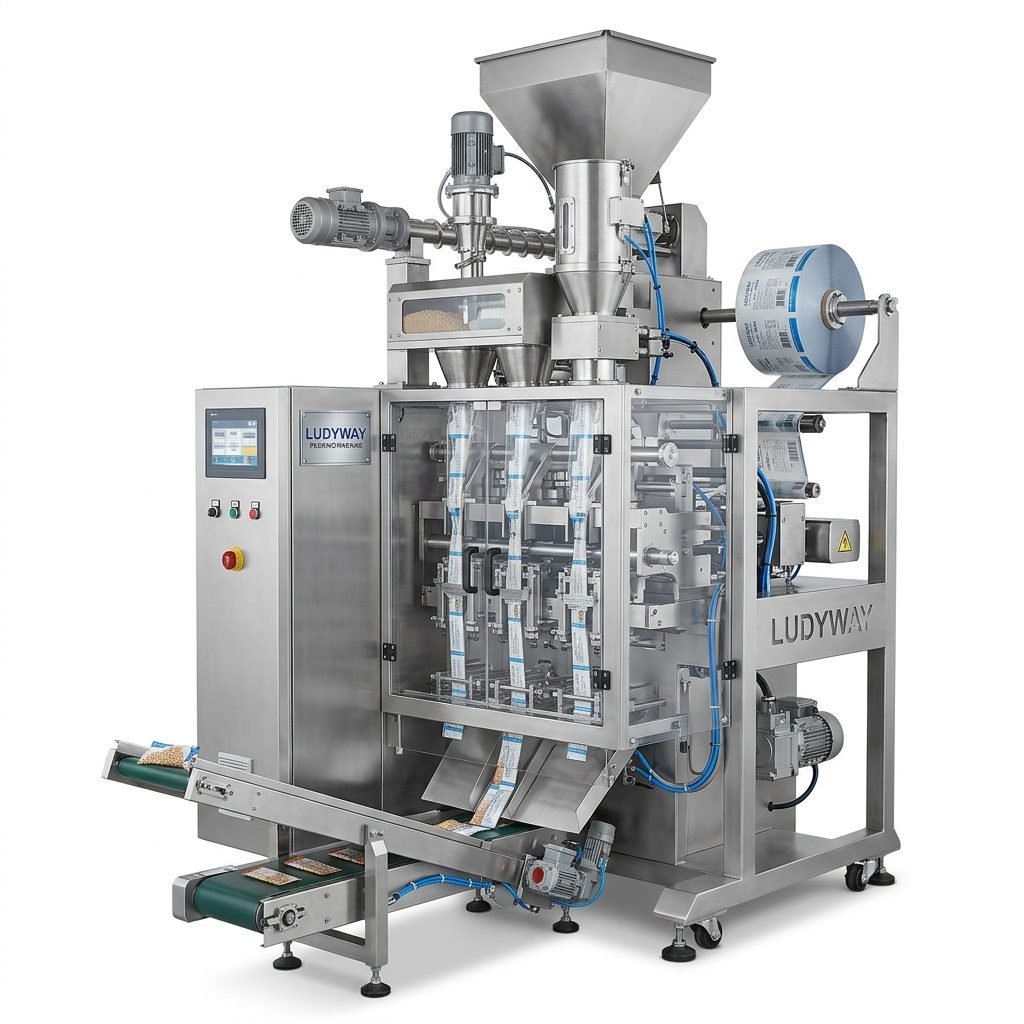
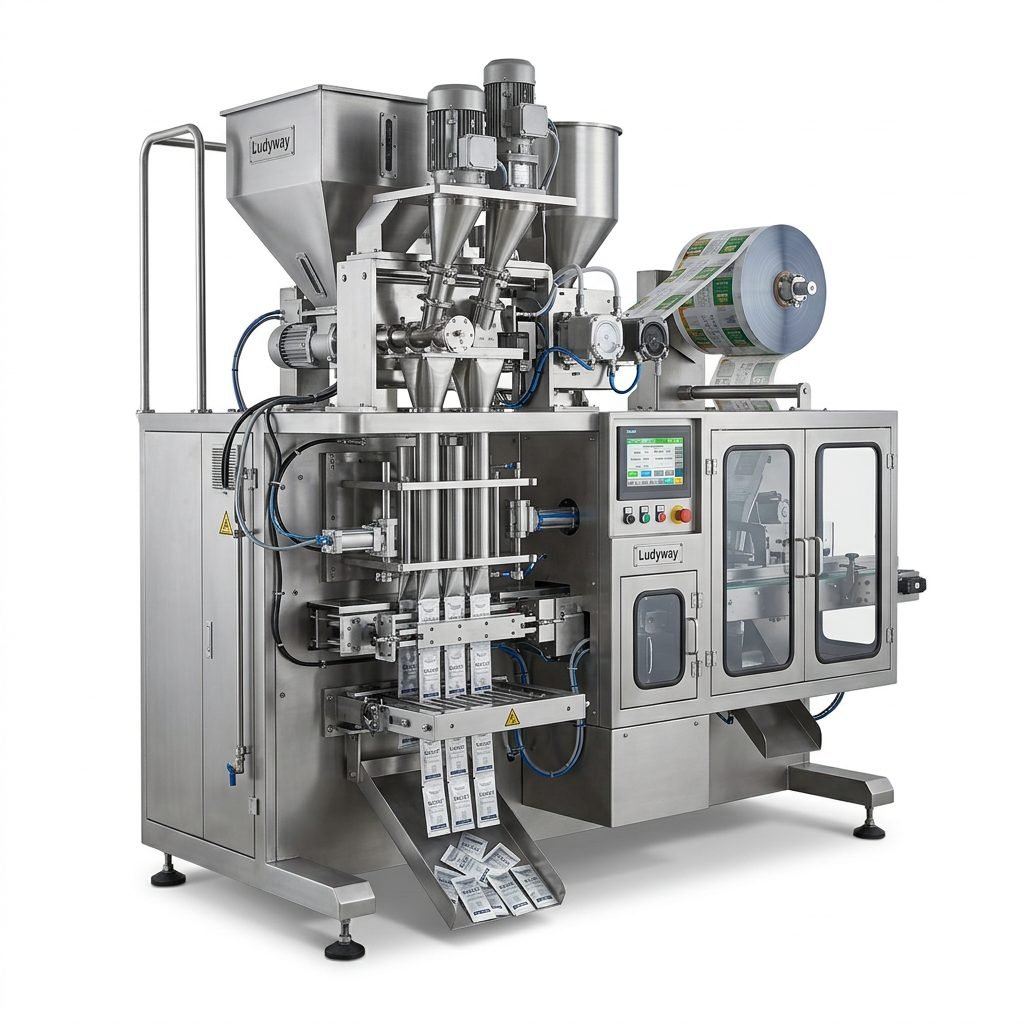
A stick packaging machine is a specialized form-fill-seal system designed to produce slim, single-dose packages for powders, granules, liquids, gels, and pastes. These compact packs are widely used in food, pharmaceutical, nutraceutical, cosmetic, and chemical industries because they are convenient, hygienic, easy to carry, and ideal for controlled portioning.
For manufacturers looking to improve packaging efficiency while maintaining product accuracy and attractive presentation, a stick packaging machine can be a highly practical investment. It supports high-speed automation, reduces manual labor, and helps brands deliver consistent pack quality across large production volumes.
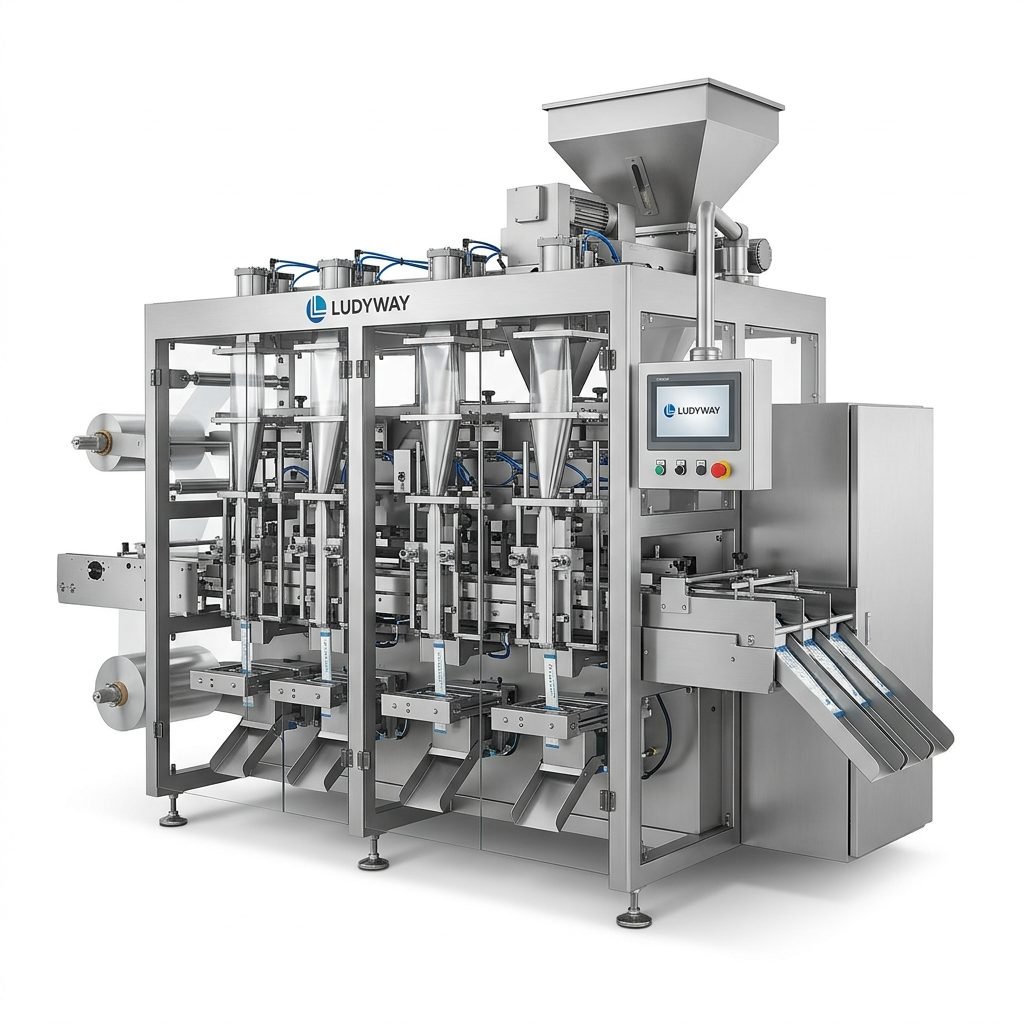
What Is a Stick Packaging Machine?
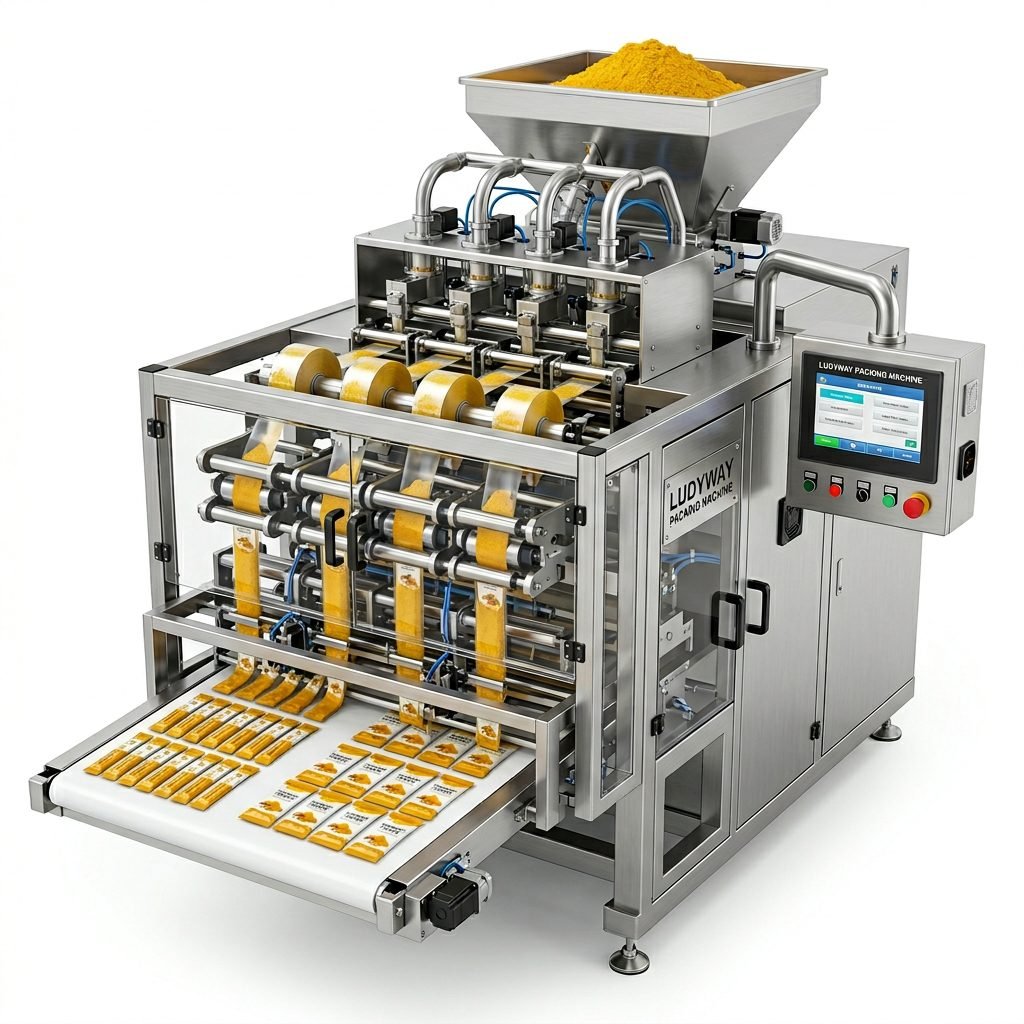
A stick packaging machine automatically forms narrow tubular packs from roll film, fills them with product, seals them, and cuts them into finished stick packs. The machine can be configured for single-lane or multi-lane production, depending on output requirements.
Stick packs are especially popular for:
- Instant coffee, sugar, salt, seasoning powder, and drink mixes
- Collagen, protein powder, probiotics, electrolytes, and supplements
- Pharmaceutical powders, granules, and oral-dose products
- Cosmetic creams, serums, lotions, and gels
- Cleaning liquids, detergents, and specialty chemicals
How a Stick Pack Machine Works
Although machine structures can vary by product type, the core packaging workflow usually includes the following steps:
- Film unwinding and alignment
- Vertical film forming into multiple stick channels
- Accurate dosing or filling of the product
- Longitudinal and horizontal sealing
- Cutting and discharge of finished stick packs
- Optional coding, counting, cartoning, and case packing
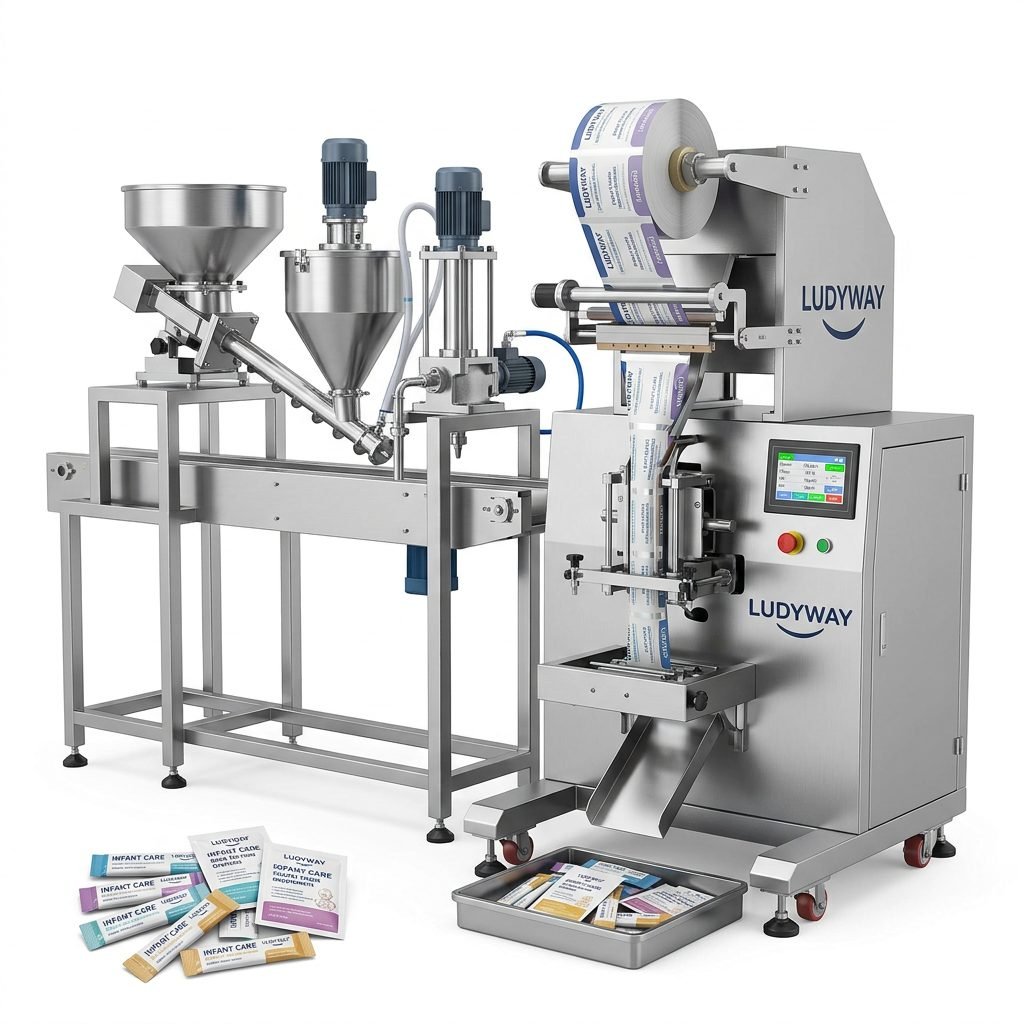
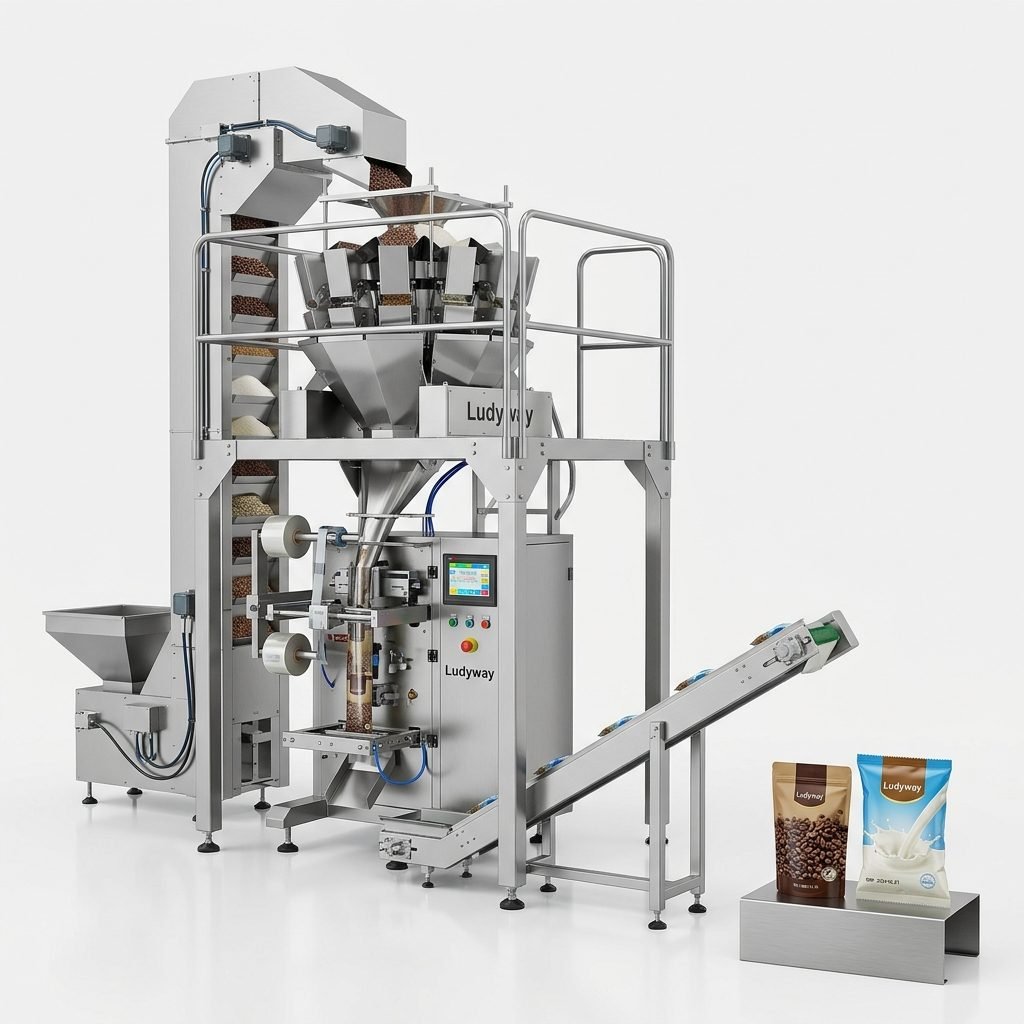
For powder and granule products, auger fillers, cup fillers, or weighing systems are commonly used. For liquid or paste applications, piston pumps, peristaltic pumps, or servo-driven liquid filling systems are often integrated.
Main Features of Stick Packaging Machines
| Feature | Description | Benefit |
|---|---|---|
| Multi-lane design | Several lanes run simultaneously | Higher output in limited floor space |
| Servo control | Precise movement of film and dosing systems | Better accuracy and stable sealing |
| PLC and touch screen | Centralized operation interface | Easy adjustment and operator-friendly use |
| Automatic film tracking | Photoelectric mark detection | Consistent pack length and print registration |
| Flexible dosing options | Suitable for powders, liquids, granules, and gels | Broad application range |
| Hygienic construction | Food/pharma-grade contact parts | Improved product safety and easier cleaning |
| Optional downstream integration | Cartoning, checkweighing, coding, case packing | Creates a more complete packaging line |
Key Benefits for Manufacturers
Stick pack machinery offers more than just fast filling and sealing. It can support broader production goals related to efficiency, branding, and product quality.
1. High Packaging Speed
Multi-lane stick pack systems are built for high-volume production. Compared with manual or semi-automatic packaging, they can dramatically increase output while maintaining repeatable pack dimensions and fill weight.
2. Accurate Portion Control
For products such as nutritional supplements, pharmaceuticals, coffee, sweeteners, and specialty ingredients, dosing accuracy is critical. A properly configured machine helps reduce overfill, minimize giveaway, and improve cost control.
3. Reduced Labor Dependency
Automated stick packaging minimizes manual intervention in filling, sealing, and cutting. This helps lower labor intensity and can improve consistency across shifts.
4. Better Product Presentation
Stick packs create a clean, modern, retail-friendly format. Their slim appearance makes them especially suitable for premium single-use products, sample packs, travel sizes, and on-the-go consumption.
5. Improved Shelf and Transport Efficiency
Because stick packs are compact and lightweight, they can help brands optimize packing density, lower transportation volume, and improve storage efficiency.
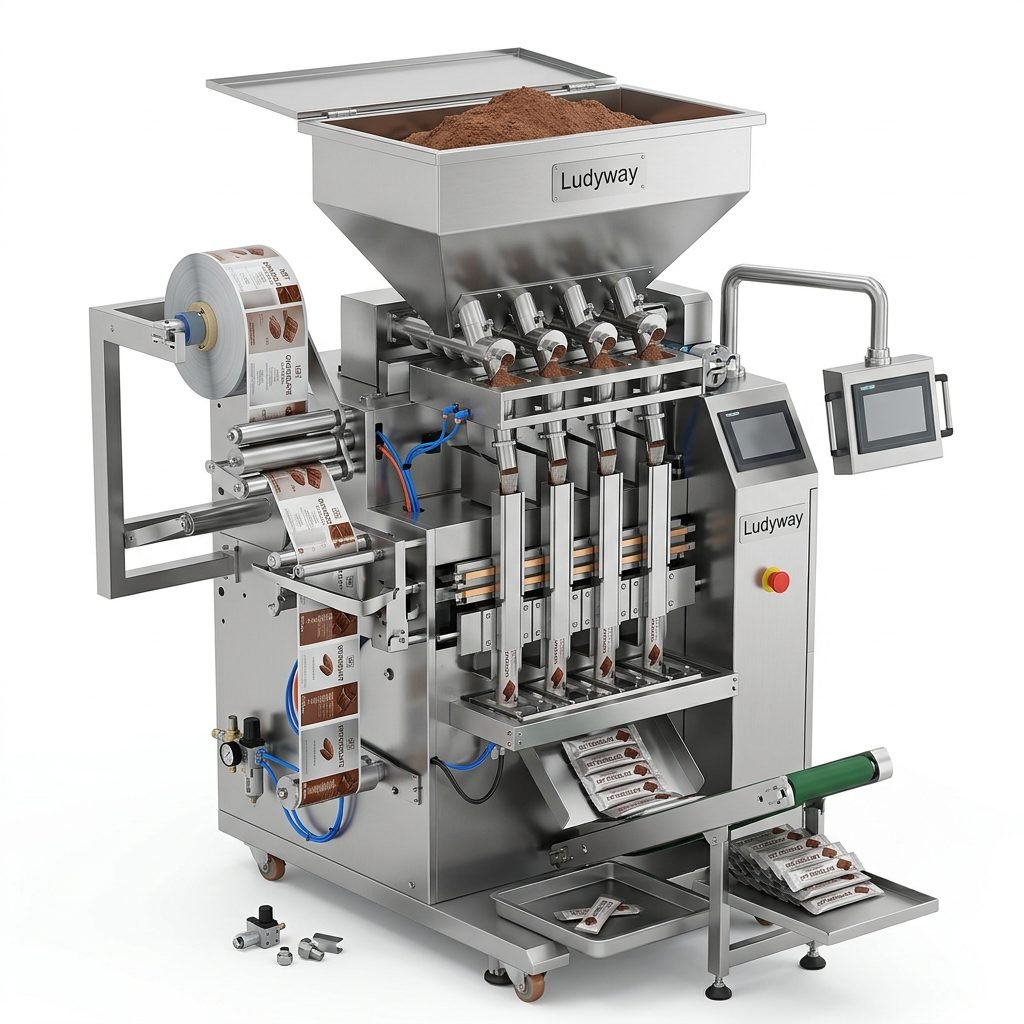
Common Product Types Packed in Stick Packs
Stick pack machines are used across many sectors because they can handle a wide variety of materials.
Powders
- Coffee powder
- Milk powder
- Protein powder
- Collagen powder
- Seasoning and spice blends
- Pharmaceutical powders
Granules
- Sugar
- Salt
- Tea granules
- Electrolyte granules
- Seed products
- Nutritional supplement granules
Liquids and Pastes
- Honey
- Sauces
- Mouthwash
- Shampoo
- Cream and serum formulations
- Cleaning liquids
Industries That Use Stick Packaging Machines
Food Industry
Food manufacturers use stick packs for single-serve condiments, beverage powders, sugar, seasonings, sweeteners, sauces, and snack ingredients. The format is ideal for convenience retail, foodservice, travel use, and e-commerce bundles.
Pharmaceutical Industry
Pharmaceutical and healthcare brands use stick packs for unit-dose powders, oral rehydration salts, granule medicines, dietary supplements, and wellness products. This format supports easy dosing and tamper-evident packaging.
Nutraceutical and Health Supplement Industry
Stick packaging has become especially popular for collagen, probiotics, multivitamins, energy powders, sports nutrition, and functional drink mixes. The portability of stick packs fits modern lifestyle products very well.
Cosmetic and Personal Care Industry
Cosmetic companies often use stick packs for trial-size cream, lotion, serum, shampoo, gel, and facial care products. It is a strong option for sampling, travel packs, and premium skin-care launches.
Chemical and Household Product Industry
Certain detergents, cleaners, additives, and specialty chemicals can also be packed in stick formats when precise dosing and compact unit packaging are required.
Single-Lane vs Multi-Lane Stick Pack Machines
| Type | Best For | Advantages | Considerations |
|---|---|---|---|
| Single-lane | Small batches, pilot runs, lower output needs | Lower initial cost, simpler operation | Limited capacity |
| Multi-lane | Medium to large-scale manufacturing | High output, efficient use of floor space | Higher complexity and investment |
How to Choose the Right Stick Packaging Machine
Selecting the right machine depends on more than speed alone. Buyers should review the following factors carefully:
Product Characteristics
- Powder, granule, liquid, gel, or paste
- Flowability and density
- Moisture sensitivity or dust generation
- Particle size and filling behavior
Packaging Format Requirements
- Stick pack width and length
- Required fill volume or weight
- Seal style and pack shape
- Film material compatibility
Production Output
Determine whether your target output requires 4 lanes, 6 lanes, 8 lanes, 10 lanes, or more. Higher lane counts generally increase capacity, but they also require stable product feeding and precise machine synchronization.
Automation Level
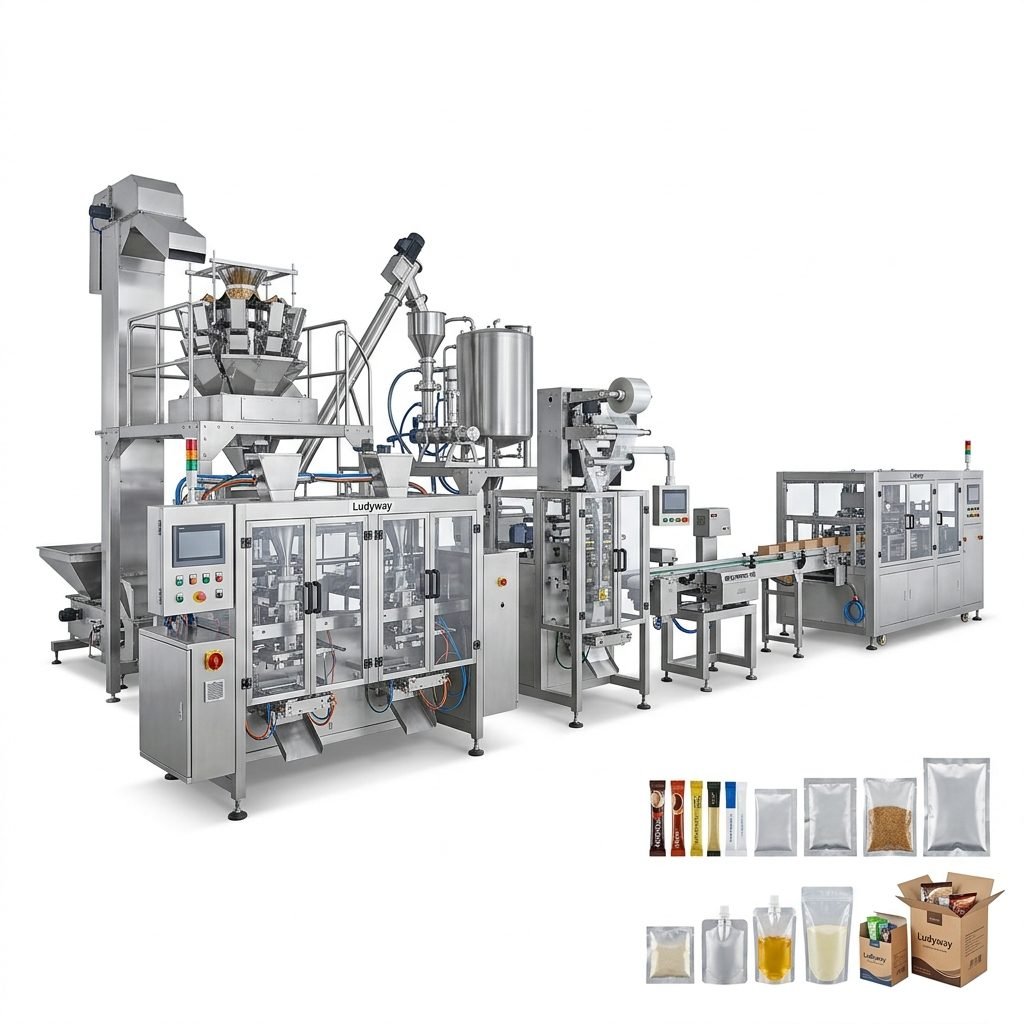
Some businesses need a standalone machine, while others need a complete line including feeders, conveyors, printers, checkweighers, cartoners, and case packers.
Cleaning and Compliance
If the machine will be used for food, pharmaceuticals, or health supplements, sanitary design, easy cleaning, and material compliance should be key priorities.
Important Technical Considerations
Before purchasing, it is worth discussing these technical details with the supplier:
- Filling accuracy for your product range
- Sealing quality under different film materials
- Changeover time between pack sizes or products
- Dust control for fine powders
- Anti-drip design for liquid applications
- Machine stability during continuous high-speed operation
- Spare parts and after-sales support
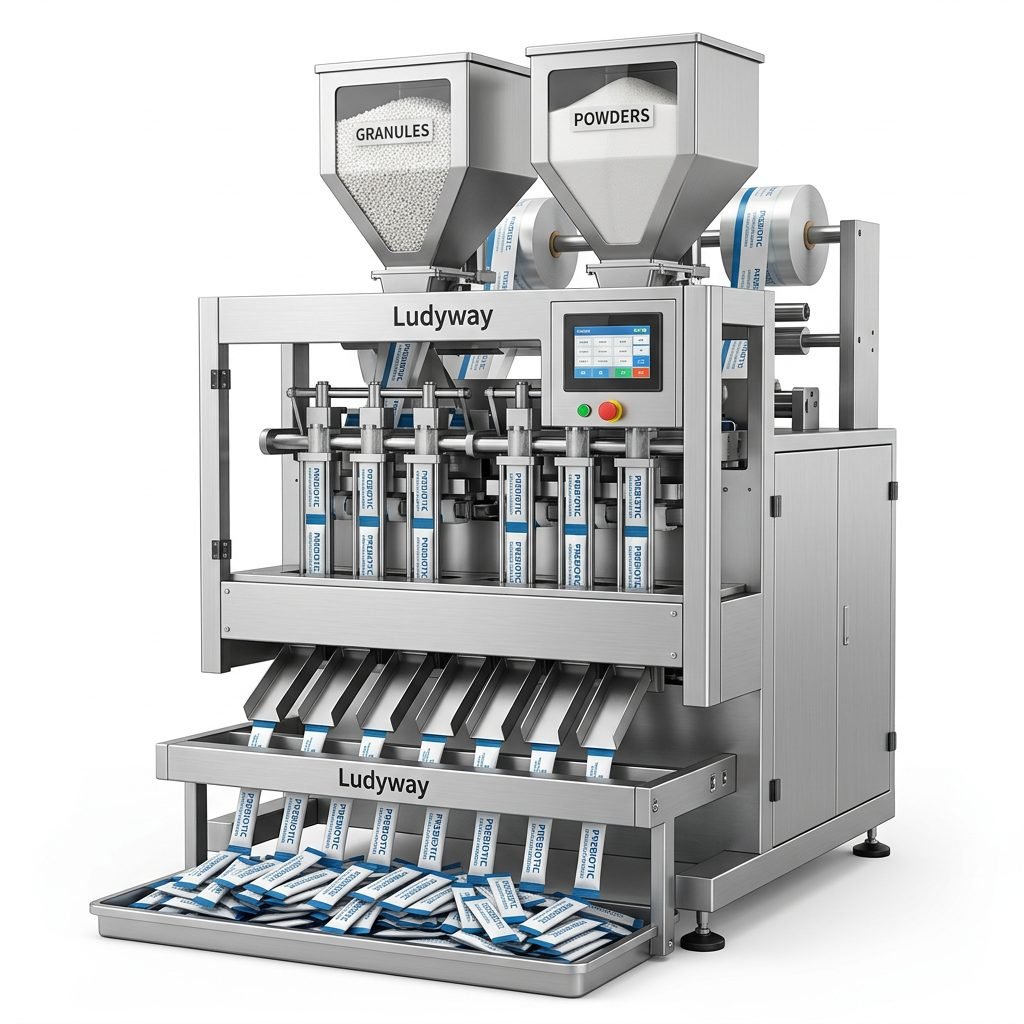
Why Multi-Lane Stick Packaging Is Growing So Fast
Global demand for single-dose packaging continues to rise because consumers increasingly prefer convenience, portion control, portability, and hygienic use. At the same time, manufacturers want faster packaging speeds, lower labor costs, and more automated production.
This combination makes multi-lane stick pack systems particularly attractive for brands in:
- Instant beverage and food products
- Sports nutrition and wellness supplements
- Pharmaceutical unit-dose applications
- Travel-size and sample-size cosmetics
- Single-use household and industrial products
Turnkey Packaging Line Integration
In many factories, a stick packaging machine performs best when integrated into a larger turnkey packaging line. This may include:
- Automatic feeding systems
- Dust collection or product transfer equipment
- Date coding and printing systems
- Checkweighers and inspection units
- Sachet counting and grouping systems
- Cartoning and case packing equipment
- Palletizing solutions
Integrated systems can help reduce handling bottlenecks and support smoother end-to-end production management.
Maintenance Tips for Long-Term Performance
Proper maintenance helps protect both machine life and packaging consistency. Best practices include:
- Cleaning filling and sealing areas regularly
- Checking film tracking accuracy and tension
- Inspecting sealing jaws and cutting components
- Calibrating filling systems on schedule
- Monitoring wear parts and replacing them preventively
- Training operators on correct startup and shutdown procedures
Who Should Invest in a Stick Packaging Machine?
A stick packaging machine is a strong fit for businesses that need:
- Single-serve or unit-dose packaging
- High-speed automatic packaging for powders, granules, or liquids
- Compact and consumer-friendly package design
- Scalable production from standalone machine to full line
- More efficient packaging with improved product consistency
Choosing a Reliable Manufacturing Partner
When sourcing packaging equipment, machine design is only one part of the decision. The supplier’s engineering strength, export experience, customization capability, and technical service are equally important. Buyers often prefer manufacturers that can support both individual machines and complete automated line planning.
For businesses seeking scalable stick pack equipment and integrated packaging solutions, Ludyway stick packaging machine solutions are backed by more than 30 years of manufacturing experience, a modern production base of over 20,000 square meters, and broad application coverage across food, pharmaceutical, health supplement, cosmetic, and chemical sectors.
Final Buying Checklist
| Checklist Item | Why It Matters |
|---|---|
| Product type and flow characteristics | Determines filler type and machine configuration |
| Target output per minute | Helps define lane quantity and automation level |
| Stick pack dimensions | Affects forming system and film usage |
| Filling accuracy requirement | Important for cost control and compliance |
| Film material compatibility | Ensures strong seals and stable production |
| Need for turnkey line integration | Improves factory-wide packaging efficiency |
| After-sales service and spare parts | Supports reliable long-term operation |
A well-matched stick packaging machine can help manufacturers increase throughput, improve pack consistency, and respond faster to growing demand for convenient single-dose packaging. Whether for food powders, pharmaceutical granules, health supplements, or cosmetic liquids, the right system can deliver a strong balance of speed, precision, flexibility, and scalability.