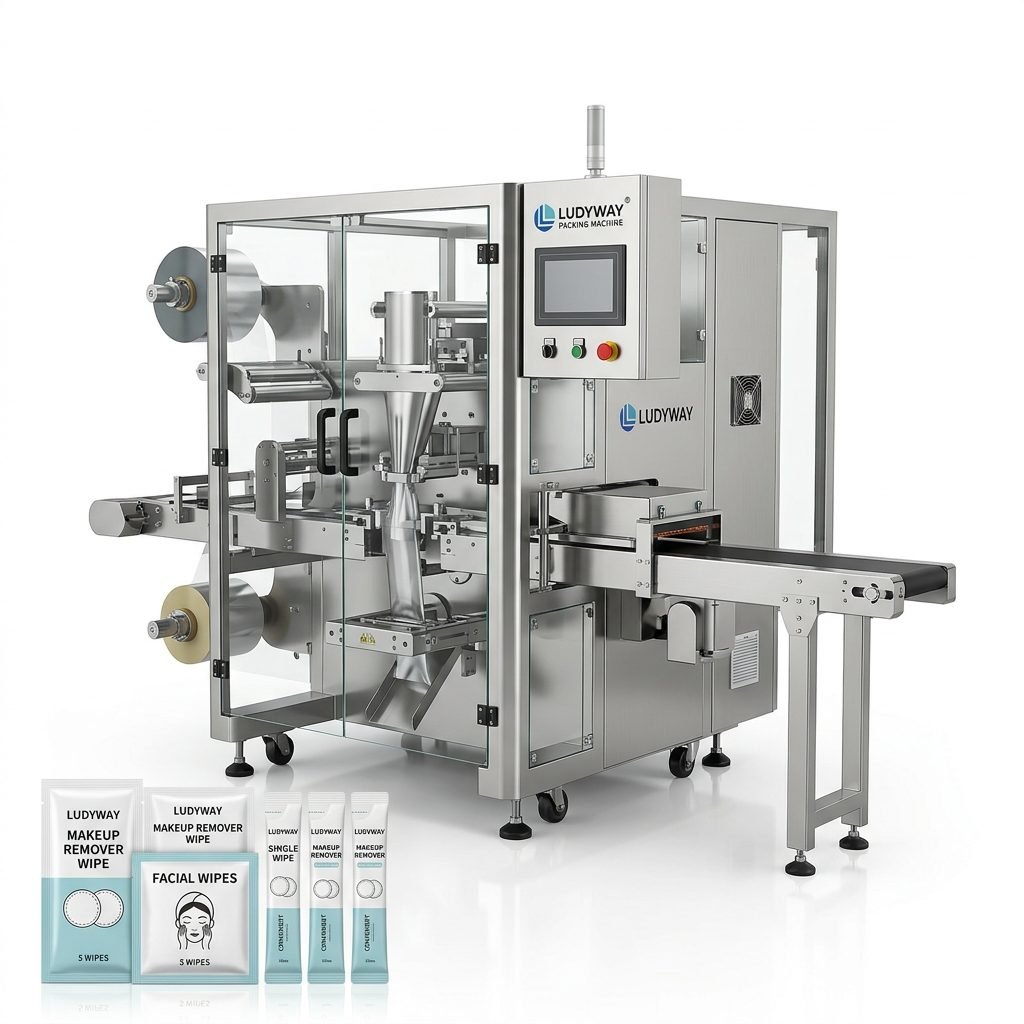
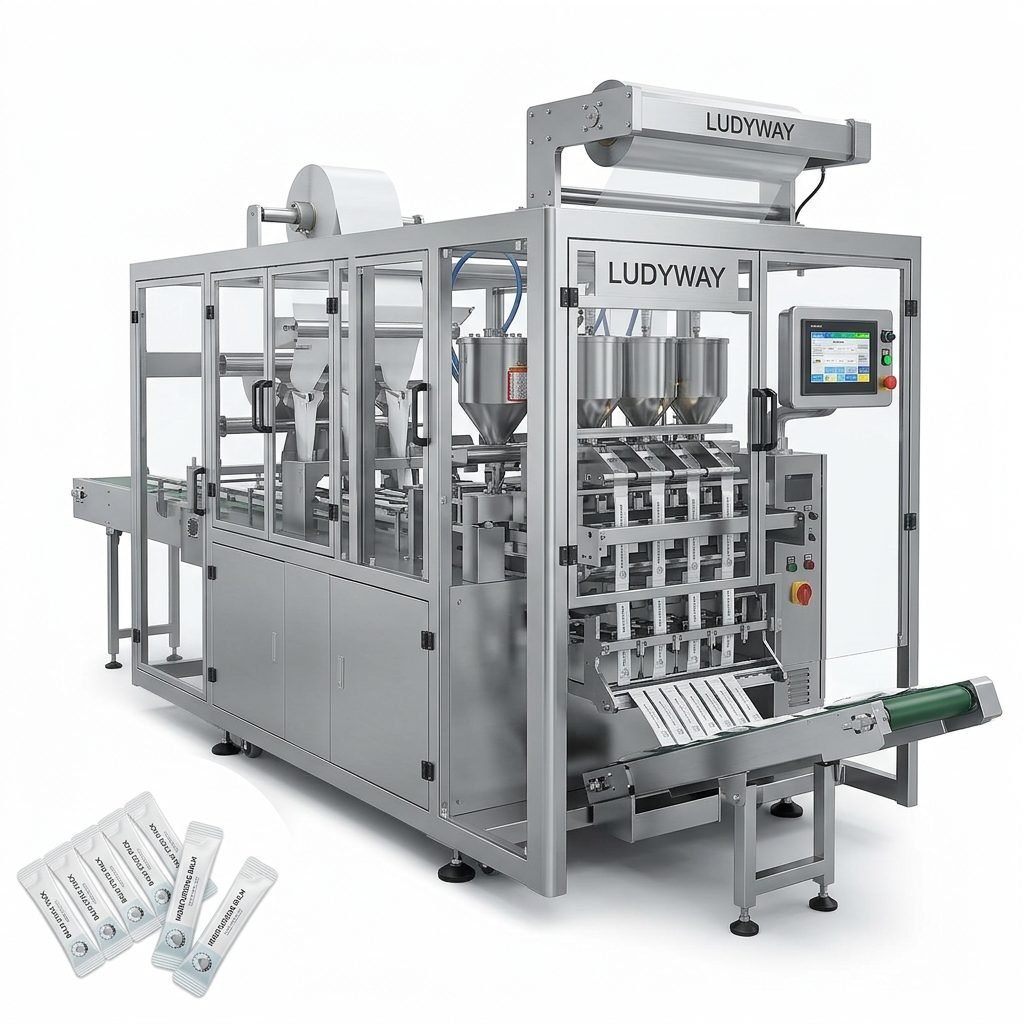
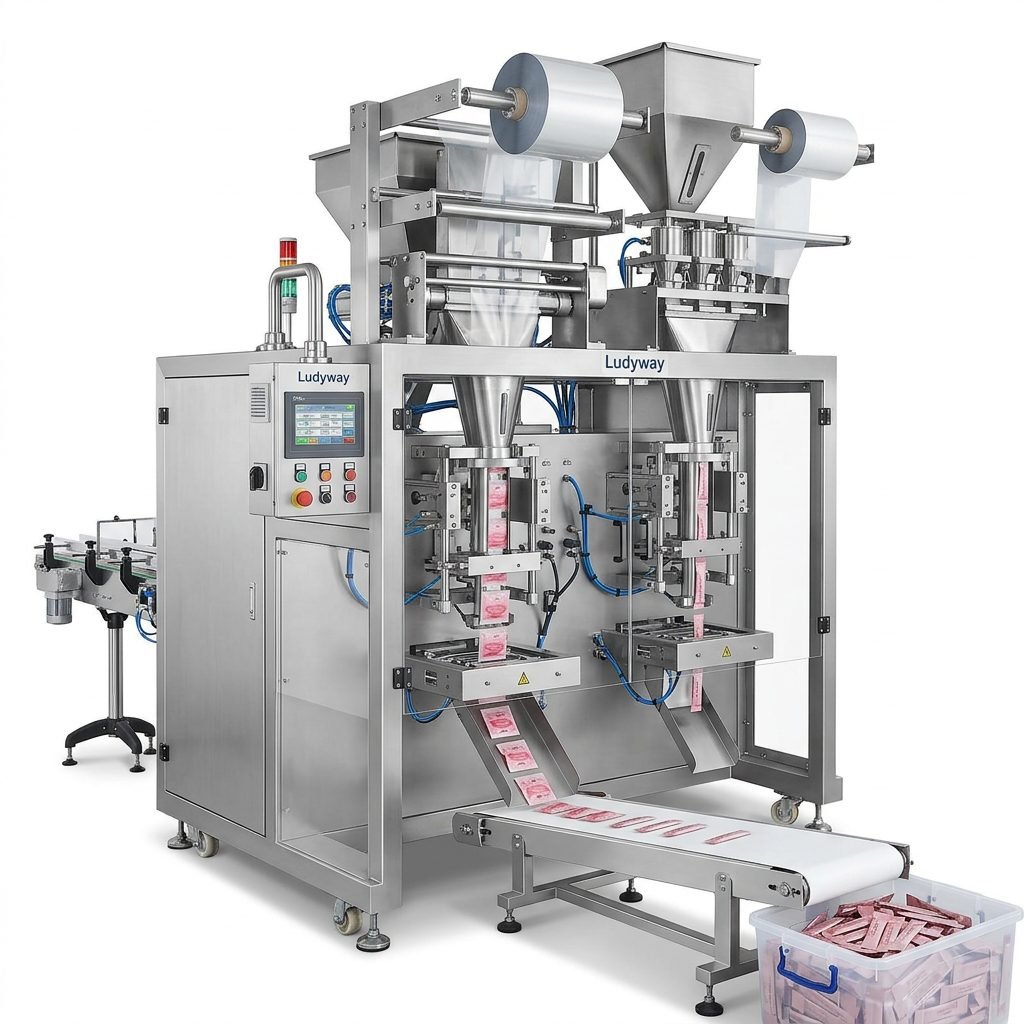
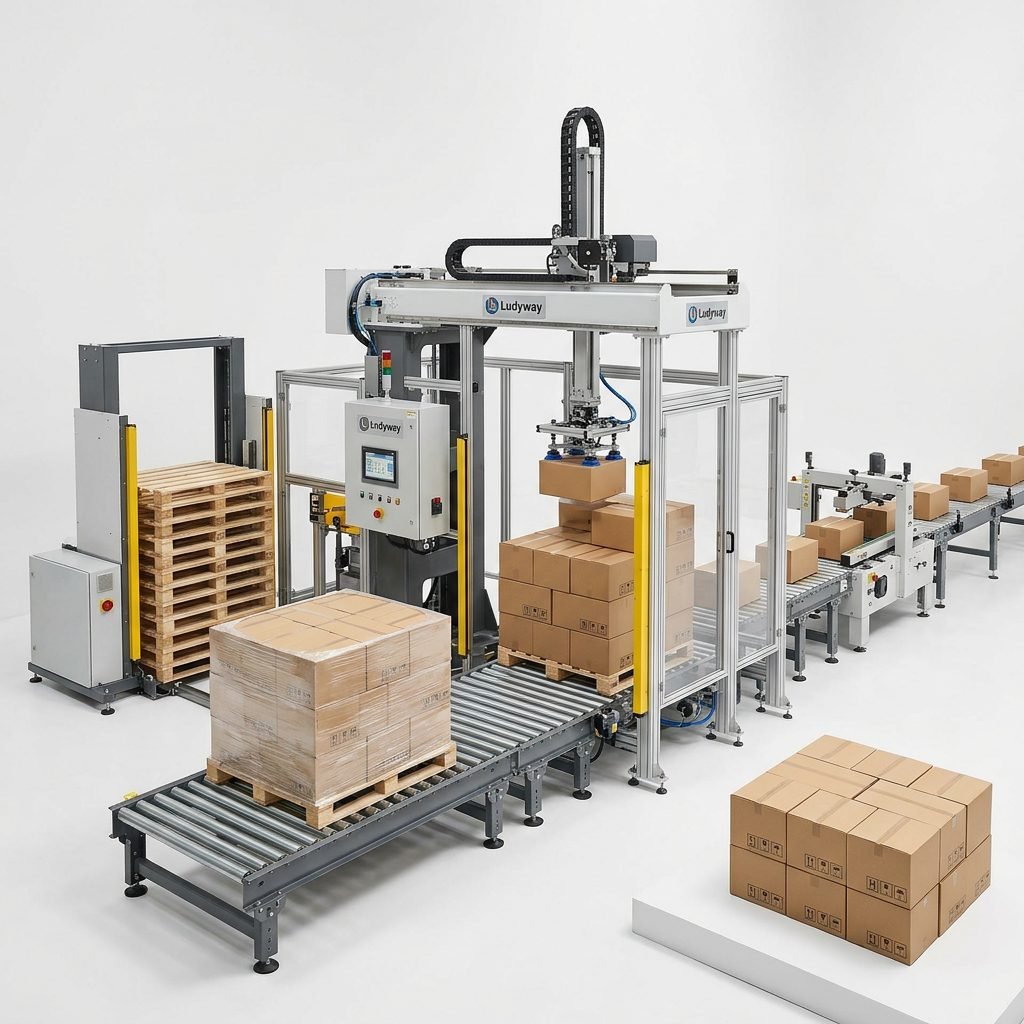
Selecting the right cheese packaging equipment is a critical decision for any dairy producer, impacting product quality, shelf life, operational efficiency, and brand perception. The market offers a diverse array of machines, each designed for specific packaging formats and production scales. This comprehensive guide will walk you through the primary types of cheese packaging machinery, their key features, and a structured approach to choosing the best machine for your operation.
Primary Types of Cheese Packaging Equipment
The packaging process for cheese varies significantly between hard, semi-soft, soft, and shredded varieties. Consequently, the machinery is specialized. Here are the main categories:
1. Vacuum Packaging Machines
These machines remove air from the package before sealing, significantly extending shelf life by inhibiting the growth of aerobic bacteria and mold. They are ideal for blocks, wedges, and chunks of hard and semi-soft cheeses.
Key Application: Whole blocks of cheddar, gouda, parmesan, and similar cheeses where long-term freshness and prevention of drying are paramount.
2. Modified Atmosphere Packaging (MAP) Machines
MAP machines replace the air inside the package with a protective gas mixture, typically nitrogen and carbon dioxide. This preserves the cheese’s original texture, color, and flavor better than vacuum packaging for certain types.
Best for: Shredded cheese, sliced cheese, soft cheeses, and crumbled varieties like feta or blue cheese, where maintaining a fluffy or distinct texture is crucial.
3. Flow Wrap Machines
Also known as horizontal form-fill-seal (HFFS) machines, these create a pouch from a roll of film, fill it with the product, and seal it. They are highly versatile and fast.
Common Uses: Individually wrapped cheese slices, snack-sized cheese portions, cheese sticks, and small bars. They are the backbone of high-volume consumer packaging lines.
4. Thermoforming Packaging Machines
These machines use heat to form plastic trays or cavities from a roll of film, fill them with product (like cheese cubes or spreads), and seal them with a lidding film. They create a rigid, premium-looking package.
Ideal for gourmet cheese cubes, cheese spreads, dip cups, and ready-to-eat snack packs where product presentation and compartmentalization are important.
5. Cartoning and Case Packing Equipment
This secondary packaging equipment automatically loads individual cheese packages into cartons or cases for shipping and distribution. It is essential for integrating primary packaging into a complete automated line.
Essential Features to Evaluate
Beyond the machine type, several features determine performance, reliability, and suitability for your specific cheese products.
Production Speed and Output
Measured in packages per minute (PPM). Match the machine’s speed to your current and projected production volumes. Over-specifying can be as costly as under-specifying.
Packaging Material Compatibility
The machine must reliably handle the films or laminates required for your chosen packaging method (e.g., high-barrier films for MAP, vacuum-grade pouches). Check sealing jaw design and temperature control precision.
Pro Tip: Always test your exact packaging material on the machine during trials. Sealing performance is critical for cheese preservation.
Automation Level and Integration
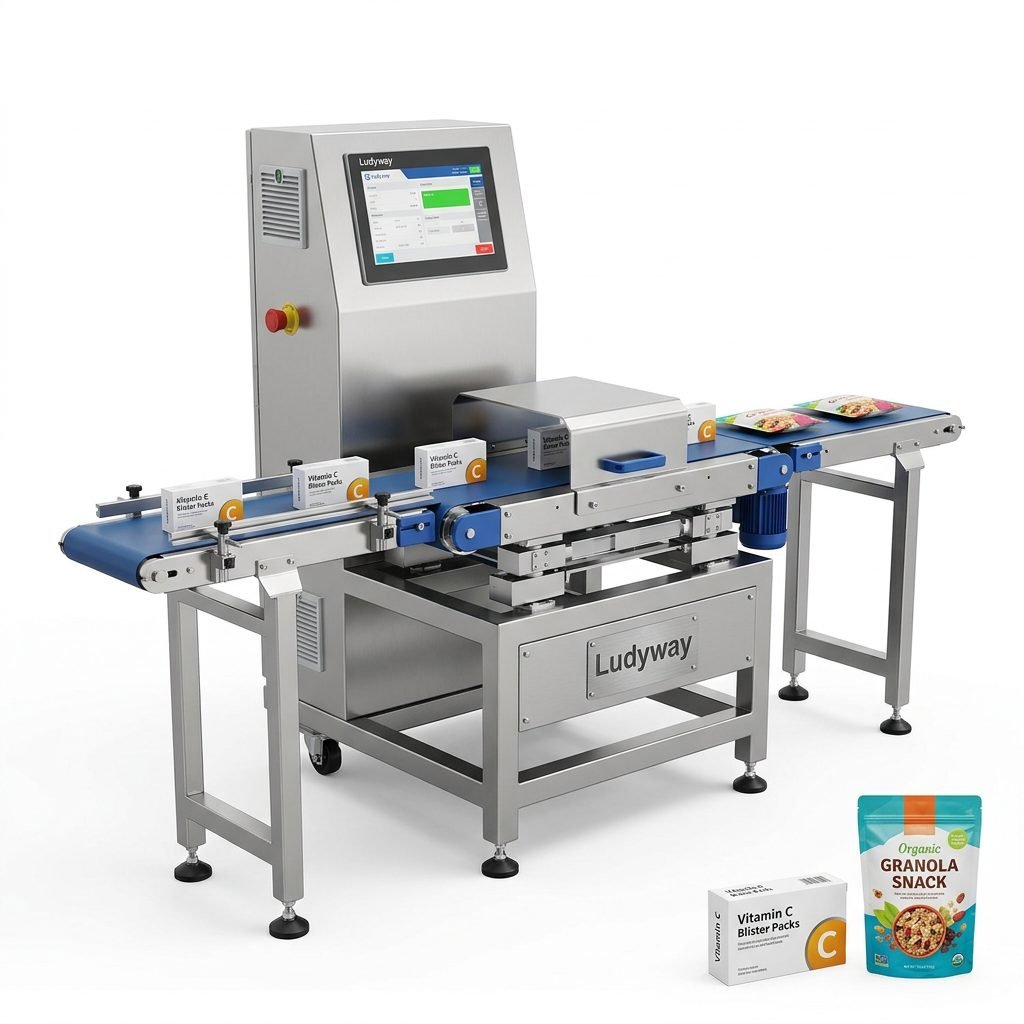
Consider options like automatic weight checkers, date coders, label applicators, and vision inspection systems. A higher level of automation reduces labor costs and improves consistency but increases initial investment.
Hygienic Design and Cleanability
Food-grade stainless steel construction, smooth surfaces without crevices, and easy access for cleaning (CIP/SIP where possible) are non-negotiable for dairy applications to meet stringent food safety standards.
Flexibility and Changeover
If you produce multiple cheese varieties or package sizes, evaluate how quickly and easily the machine can be adjusted. Look for features like tool-less changeovers and recipe memory storage.
How to Choose the Best Machine: A Step-by-Step Guide
Step 1: Define Your Product and Packaging Goals
Start with clarity. What type of cheese are you packaging? What is the target shelf life? What is the desired retail package look and feel? Your answers will narrow down the machine type (e.g., MAP for shredded cheese, flow wrap for slices).
Step 2: Analyze Your Production Requirements
Calculate your required output in packages per shift. Consider future growth. Assess your available factory space (footprint) and utilities (electrical, compressed air).
Step 3: Research and Shortlist Suppliers
Look for manufacturers with proven experience in the dairy and cheese packaging sector. Evaluate their reputation, technical support network, and spare parts availability. A supplier like Ludyway Machinery, with deep industry experience, can provide valuable guidance and reliable solutions.
Step 4: Request Demonstrations and Trials
Never buy based on specifications alone. Arrange to run your actual cheese product and packaging materials on the shortlisted machines. This is the only way to verify performance, seal integrity, and speed.
Step 5: Evaluate Total Cost of Ownership (TCO)
Look beyond the purchase price. Factor in operational costs (energy, film consumption), maintenance costs, expected downtime, and the cost of future changeover parts. A slightly more expensive but robust and efficient machine often has a lower TCO.
Critical Consideration: Ensure the supplier offers comprehensive after-sales service, training, and technical support. Reliable packaging partners provide this as standard, safeguarding your production continuity.
Step 6: Plan for Integration and Support
Consider how the new machine will integrate with your existing line. Discuss installation, commissioning, and operator training with the supplier. Confirm warranty terms and service response times.
Conclusion
Investing in the right cheese packaging equipment is a strategic decision that directly affects product quality, operational costs, and market competitiveness. By thoroughly understanding the different machine types, critically evaluating key features, and following a disciplined selection process that includes product trials, you can make an informed investment. Partnering with an experienced supplier who understands the unique demands of dairy packaging, such as Ludyway, can provide the expertise and reliable equipment needed to build an efficient, future-proof packaging operation that protects your product and delights your customers.
Frequently Asked Questions (FAQs)
What is the main difference between vacuum packaging and MAP for cheese?
Vacuum packaging removes air, which can compress soft or shredded cheeses. MAP replaces air with a gas mix, preserving the original texture and shape better, making it superior for shredded, sliced, or soft varieties.
Can one machine handle both block cheese and shredded cheese?
Typically, no. Block cheese is best served by vacuum or skin packaging, while shredded cheese requires a Modified Atmosphere Packaging (MAP) machine to maintain flowability and prevent clumping. Some advanced lines may integrate different modules, but the core technology differs.
How important is the barrier property of the packaging film?
It is absolutely critical. Cheese is sensitive to oxygen (causing mold) and moisture loss (causing hardening). High-barrier films with low oxygen transmission rates (OTR) are essential for achieving the desired shelf life, especially for MAP and vacuum packaging.
What are the key hygiene features to look for in a cheese packager?
Look for food-grade stainless steel (especially on product contact parts), fully sealed and washdown-duty electrical components, smooth and crevice-free surfaces, and easy disassembly for manual cleaning. Designs that prevent lubricant contamination are also vital.
Should I prioritize speed or flexibility when choosing a machine?
This depends on your business model. High-volume, single-SKU producers should prioritize speed and reliability. Producers with many SKUs (different cheese types, weights, or package shapes) must prioritize quick and simple changeover capabilities to minimize downtime.