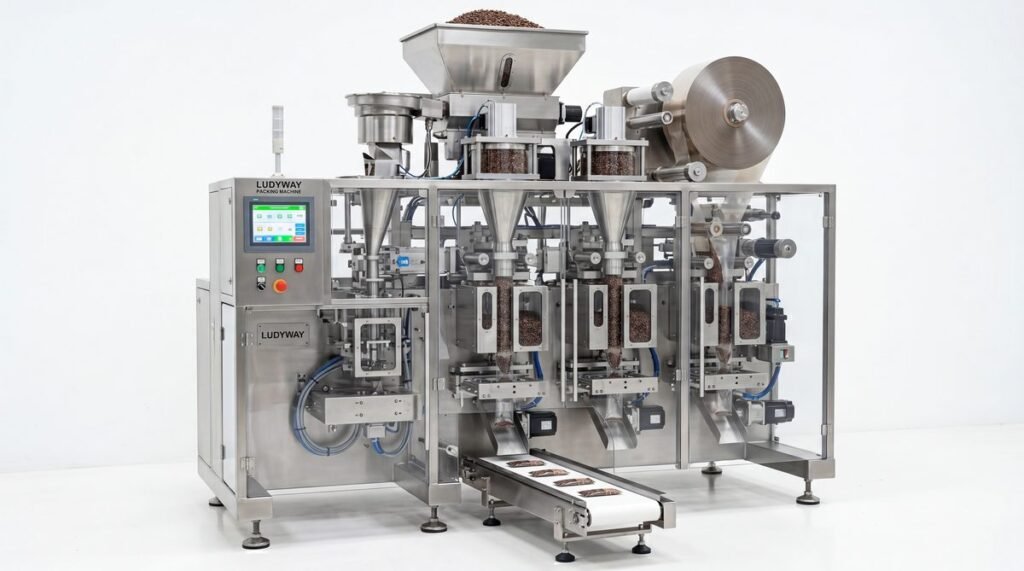
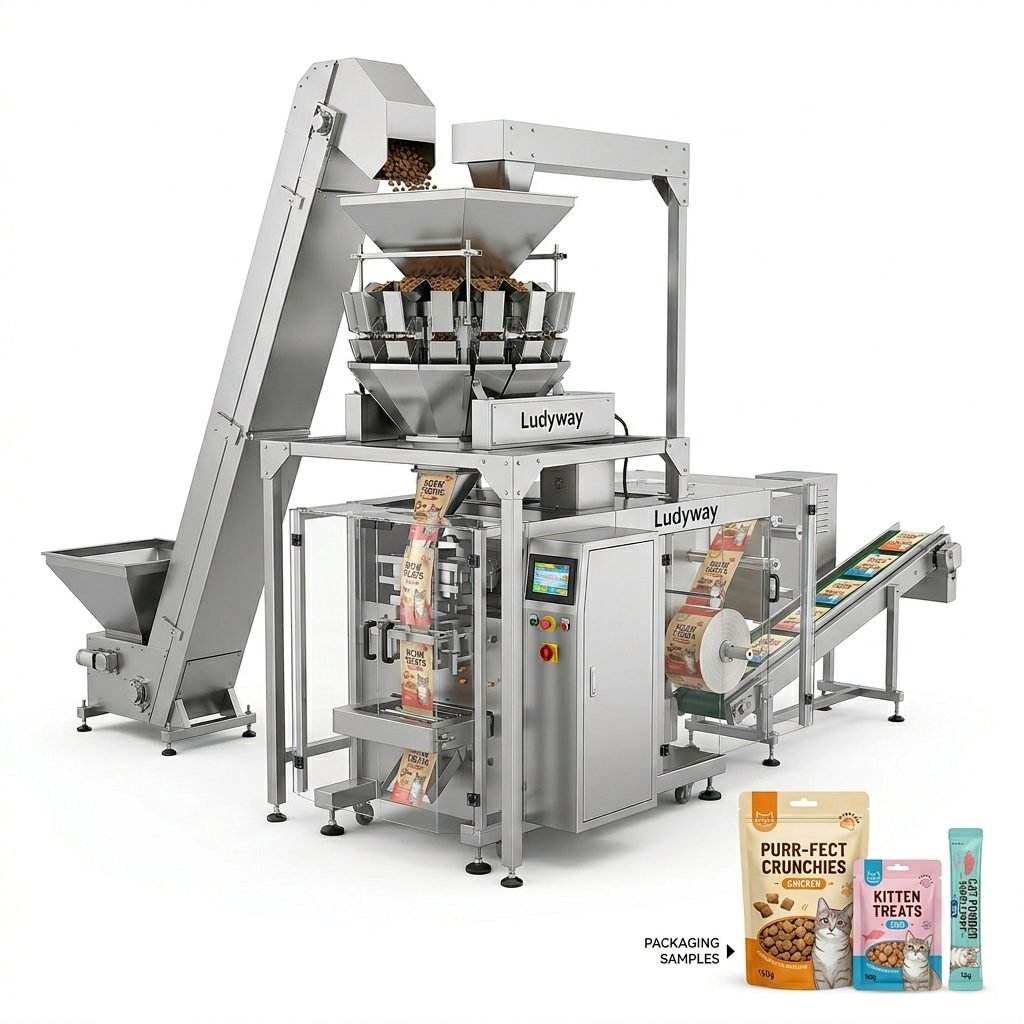
Choosing the right single serve packaging machine is a critical decision for any business involved in small batch production. Whether you’re a startup, a specialty food producer, or a company launching a new product line, the efficiency, flexibility, and reliability of your packaging equipment directly impact your operational costs, product quality, and scalability. This comprehensive guide will walk you through the key factors to consider, ensuring you select the best unit to meet your specific needs and fuel your growth.
Understanding Your Production Needs
Before diving into machine specifications, a thorough analysis of your own requirements is the essential first step. This foundational understanding will guide every subsequent decision.
Product Characteristics
The physical properties of your product dictate the type of machine you need. Consider these aspects carefully:
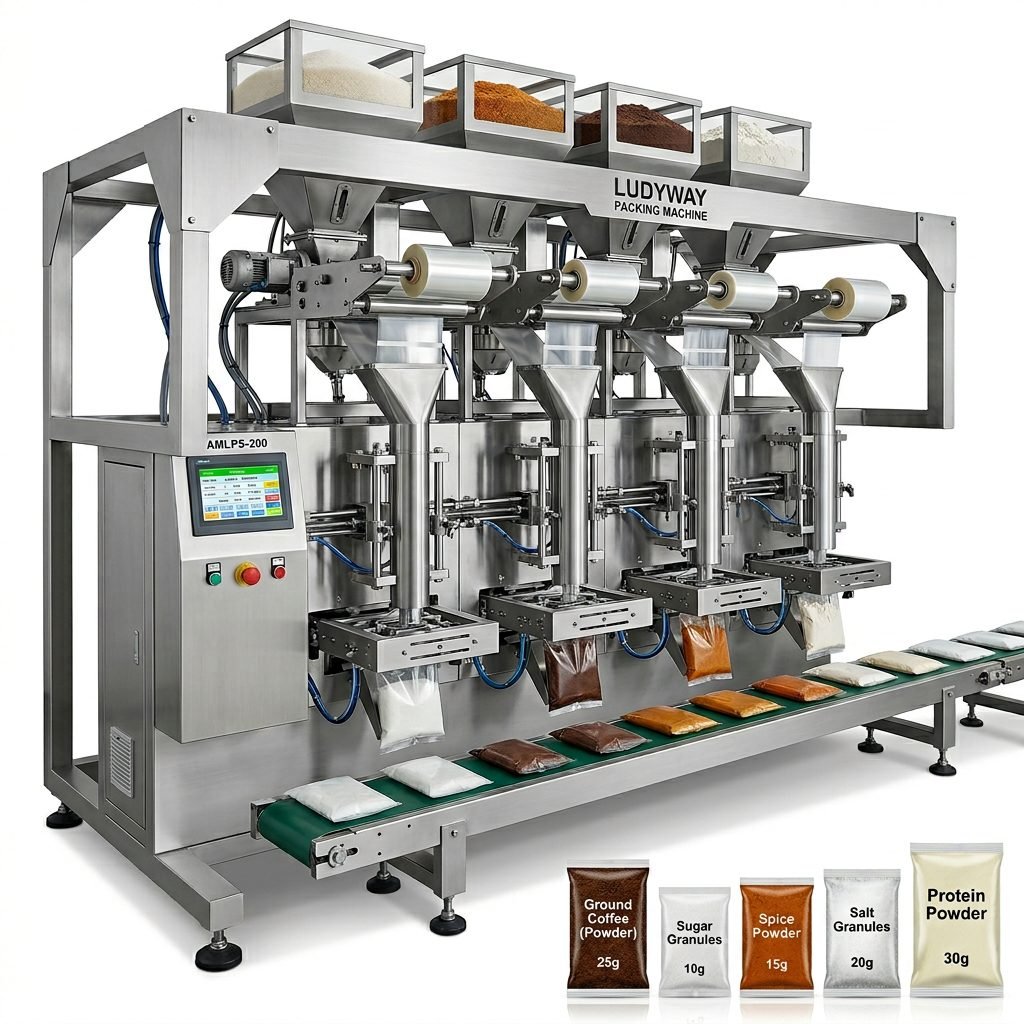
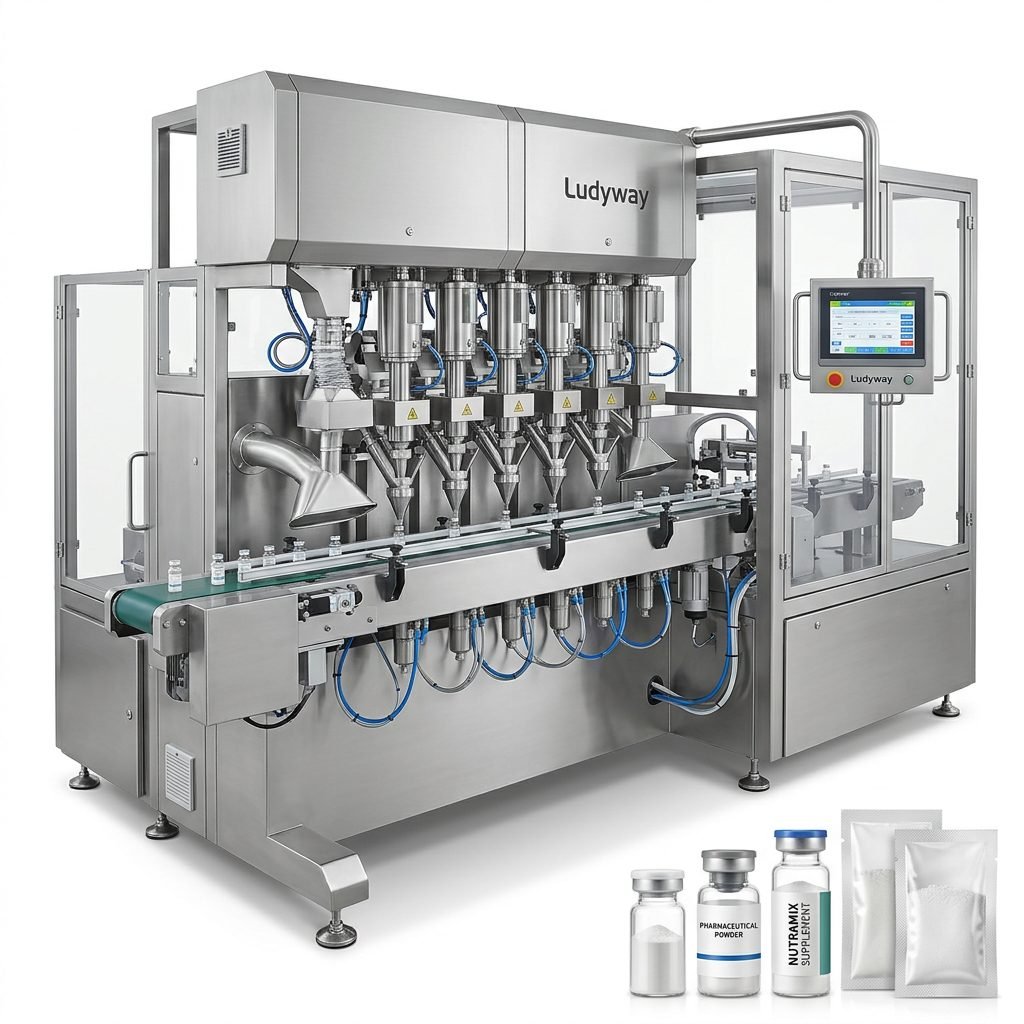
• Granules & Powders: (e.g., coffee, sugar, spices, protein powder). Machines must handle fine particles without clogging and ensure precise, consistent filling. Look for auger filler systems with anti-bridging features.
• Liquids & Semi-liquids: (e.g., sauces, honey, oils, cosmetics). Piston or pump filling systems are typical. Viscosity is a key factor—thicker products may require specialized pumps or heating mechanisms.
• Solids & Granules: (e.g., nuts, candy, tea leaves). These often use volumetric cup or weigh scale filling for accuracy.
Output Volume & Speed
Define your current and near-future production goals. A machine for 1,000 sachets per hour has vastly different requirements than one for 10,000. Over-investing in excessive speed increases upfront cost and complexity, while under-investing creates a bottleneck. Aim for a machine that can comfortably handle your peak demand with about 20-30% capacity headroom for growth.
Packaging Format & Materials
What does your final package look like? The machine must be compatible with your desired format.
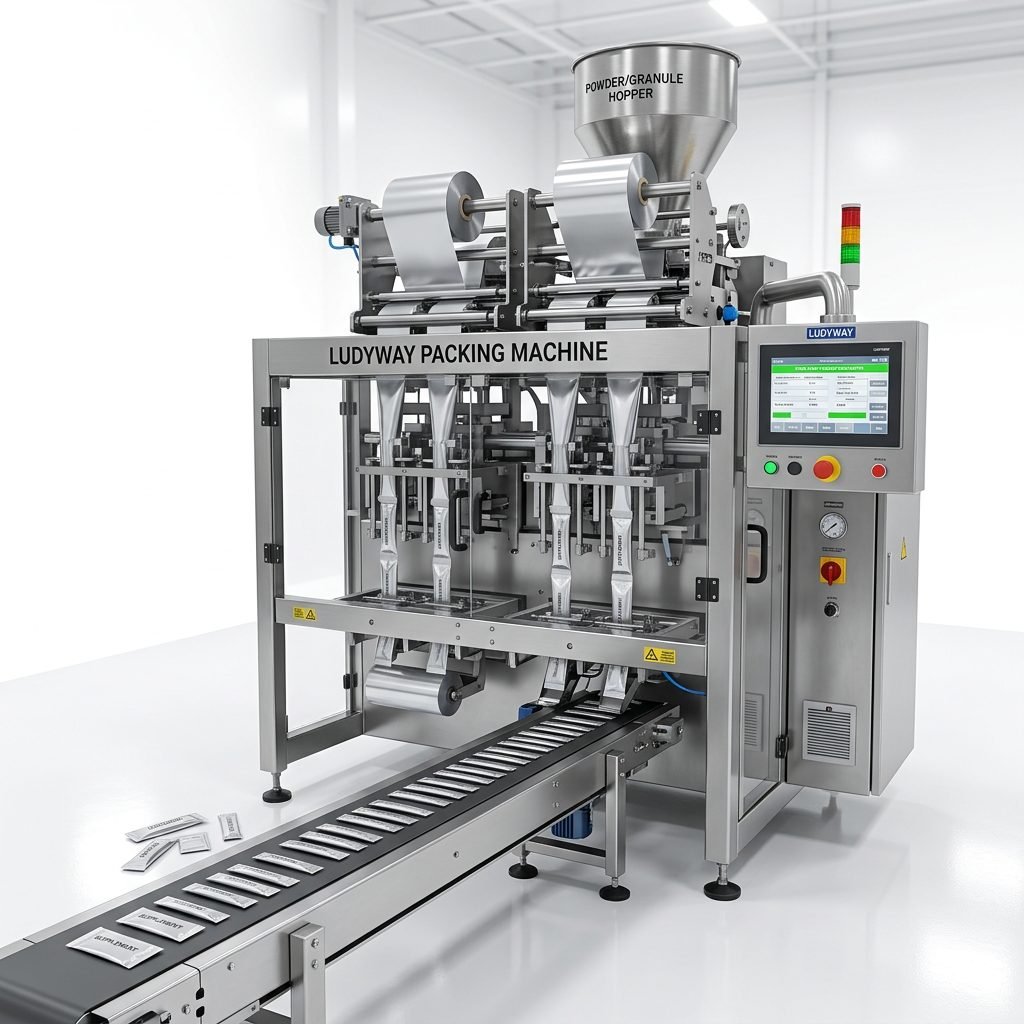
- Stick Packs: Slim, elongated packs ideal for powders and liquids.
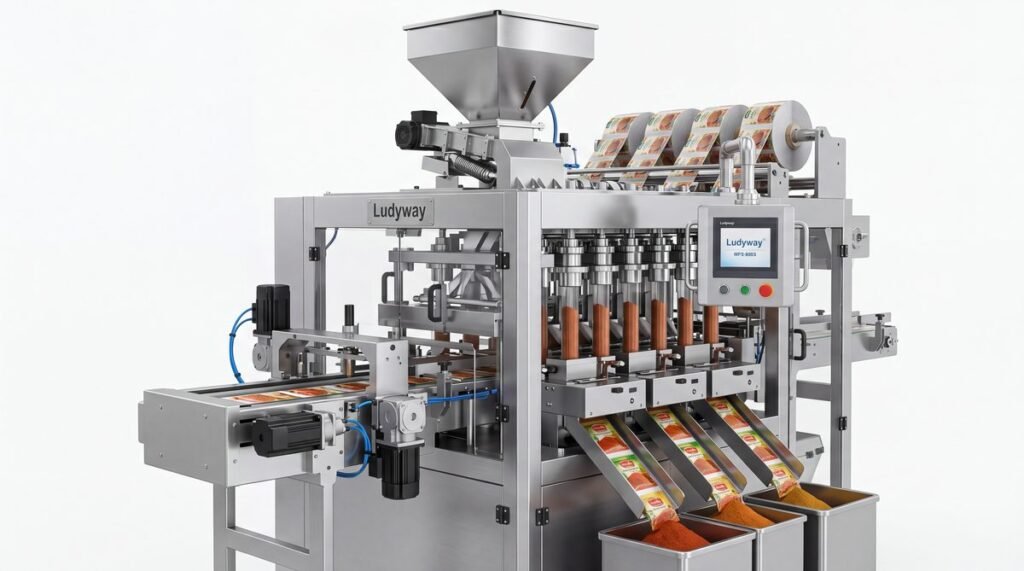
- Sachets (Pouches): Flat or stand-up pouches, common for sauces, condiments, and single-serve toppings.
- Four-Side Seal Bags: Often used for tea, snacks, or hardware items.
Also, consider the packaging material (laminate film, recyclable plastic, paper composites) as the machine’s sealing system (heat, ultrasonic, cold seal) must be suited to it.
Key Machine Features to Evaluate
With your needs defined, you can now effectively compare the technical capabilities of different single serve packaging machines.
Filling System Accuracy
This is paramount for cost control and compliance. Inaccurate filling leads to product giveaways or underfilled packages that disappoint customers.
🔍 Auger Fillers: Best for fine powders and granules. Accuracy depends on auger design, tooling, and powder characteristics. Look for servo-driven augers for superior control.
🔍 Volumetric Cup Fillers: Good for free-flowing granules and small pieces. Simpler but may be less precise with irregular shapes.
🔍 Liquid Piston Fillers: Excellent for liquids and pastes. Provide highly consistent fills regardless of viscosity changes.
Flexibility & Changeover
For small batch production, the ability to quickly switch between products, package sizes, or materials is a huge advantage. Machines with tool-less changeover or quick-release mechanisms for forming tubes, filling heads, and sealing jaws can reduce downtime from hours to minutes, maximizing your equipment utilization.
Automation Level & Control
Modern machines range from semi-automatic (requiring manual bag placement) to fully automatic (integrated from roll film to finished bag). For small batches, a semi-automatic machine might be a cost-effective entry point. However, a fully automatic vertical form-fill-seal (VFFS) machine significantly boosts output and reduces labor. Look for user-friendly touchscreen PLC controls that store recipes for different products, simplifying operation and ensuring consistency.
Build Quality & Reliability
Investigate the machine’s construction. Stainless steel contact parts are essential for food and pharmaceutical applications for hygiene and durability. Robust framing and high-quality components from reputable brands (like servo motors, PLCs, and sensors) reduce maintenance needs and prevent costly production halts. A reliable partner like Ludyway Machinery, with decades of industry experience, can provide machines built for long-term performance.
Beyond the Machine: The Total Solution
The machine itself is just one part of the equation. A successful implementation depends on the support and ecosystem around it.
Supplier Support & Service
Your relationship with the machine supplier is crucial. Evaluate their after-sales support:
- Availability of installation, training, and commissioning services.
- Speed and terms of warranty coverage.
- Accessibility of spare parts and technical support.
- Proven track record, as demonstrated in their company history of supporting global clients.
Integration & Future-Proofing
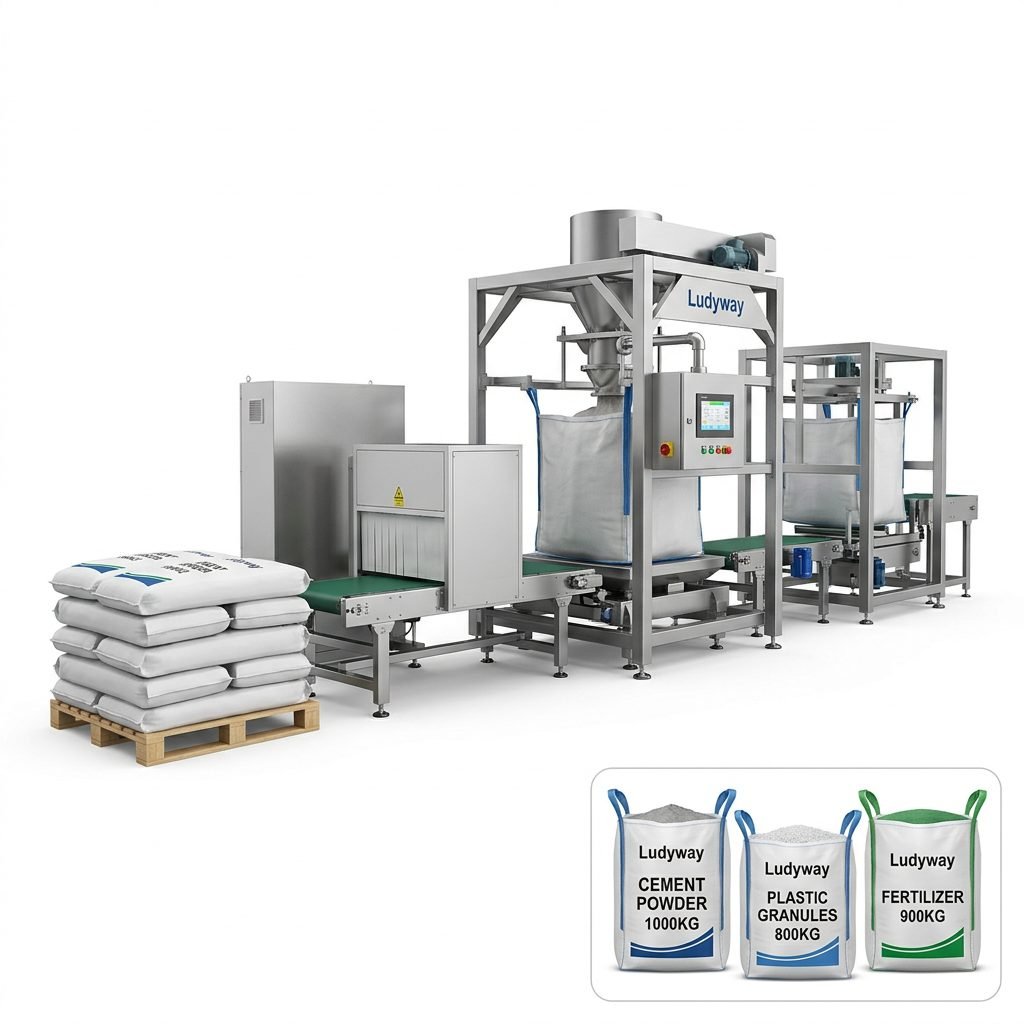
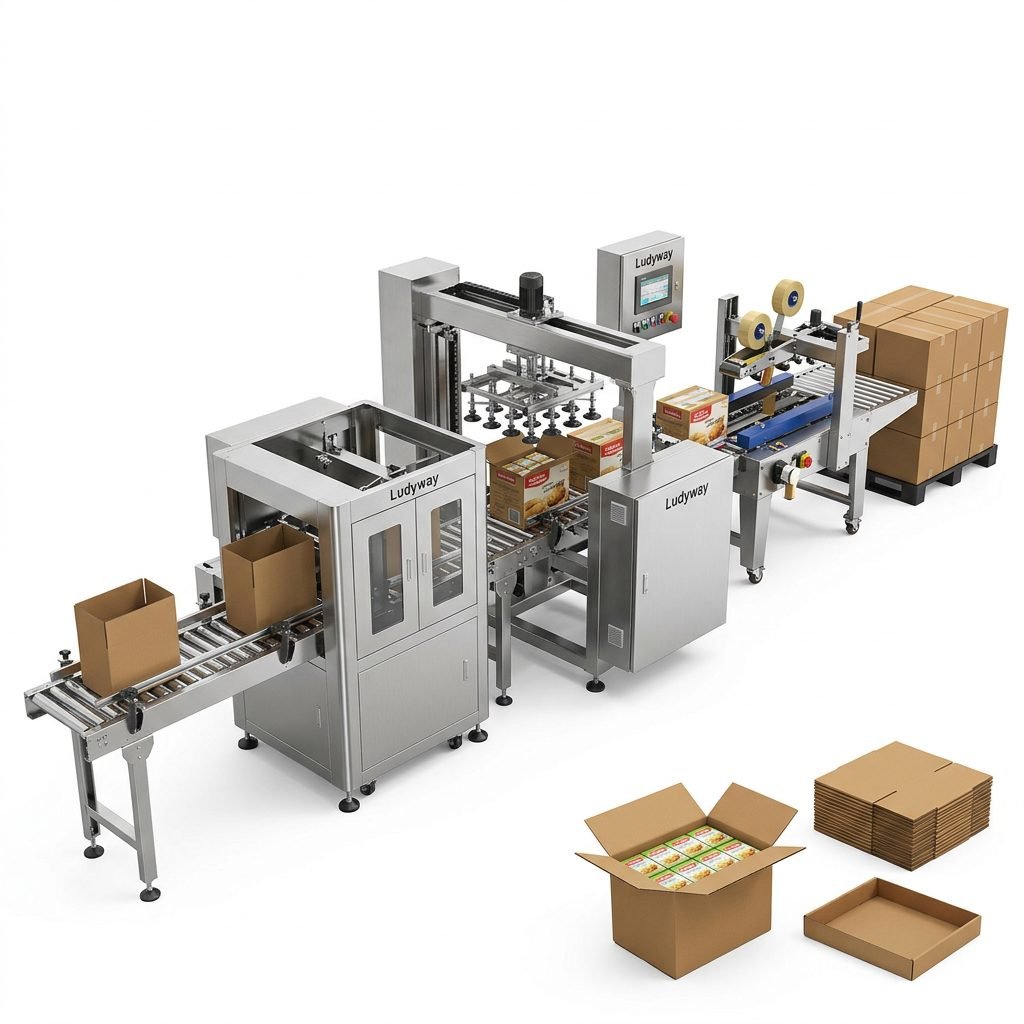
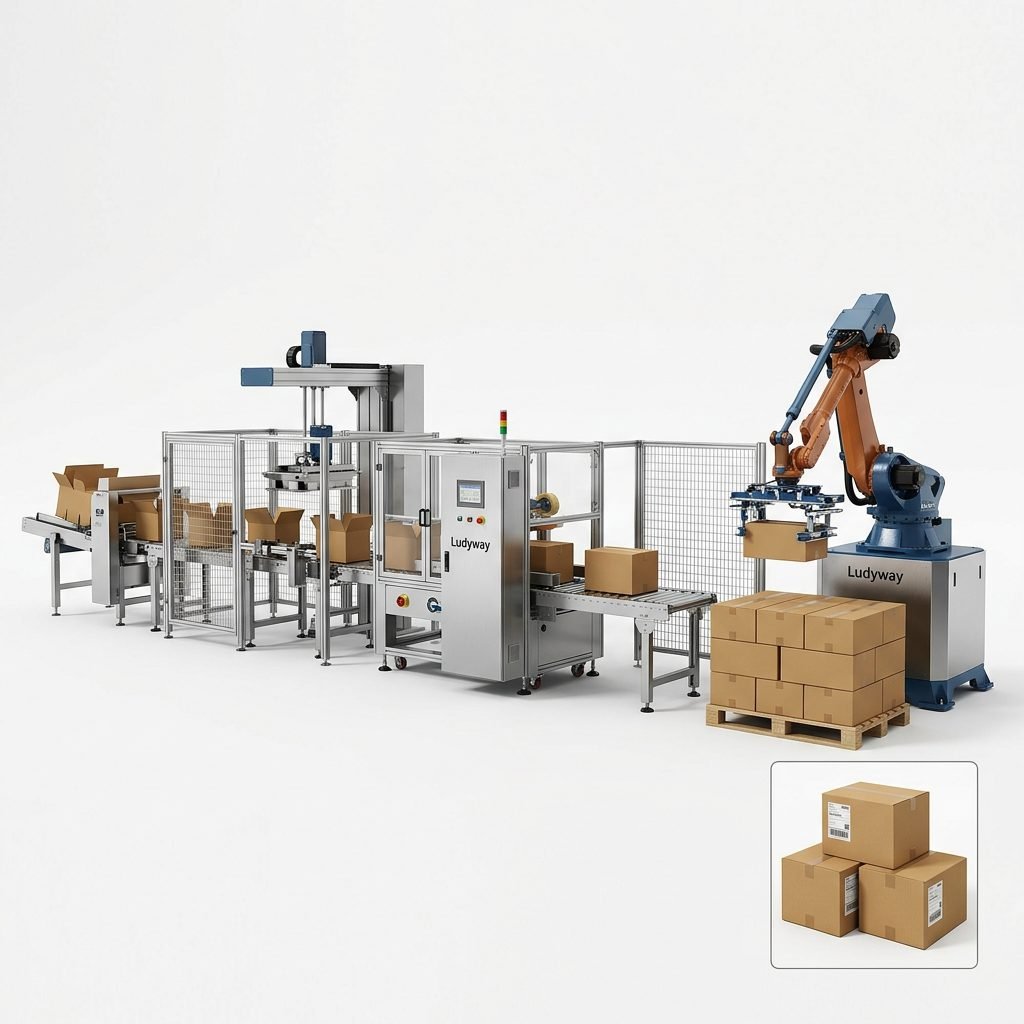
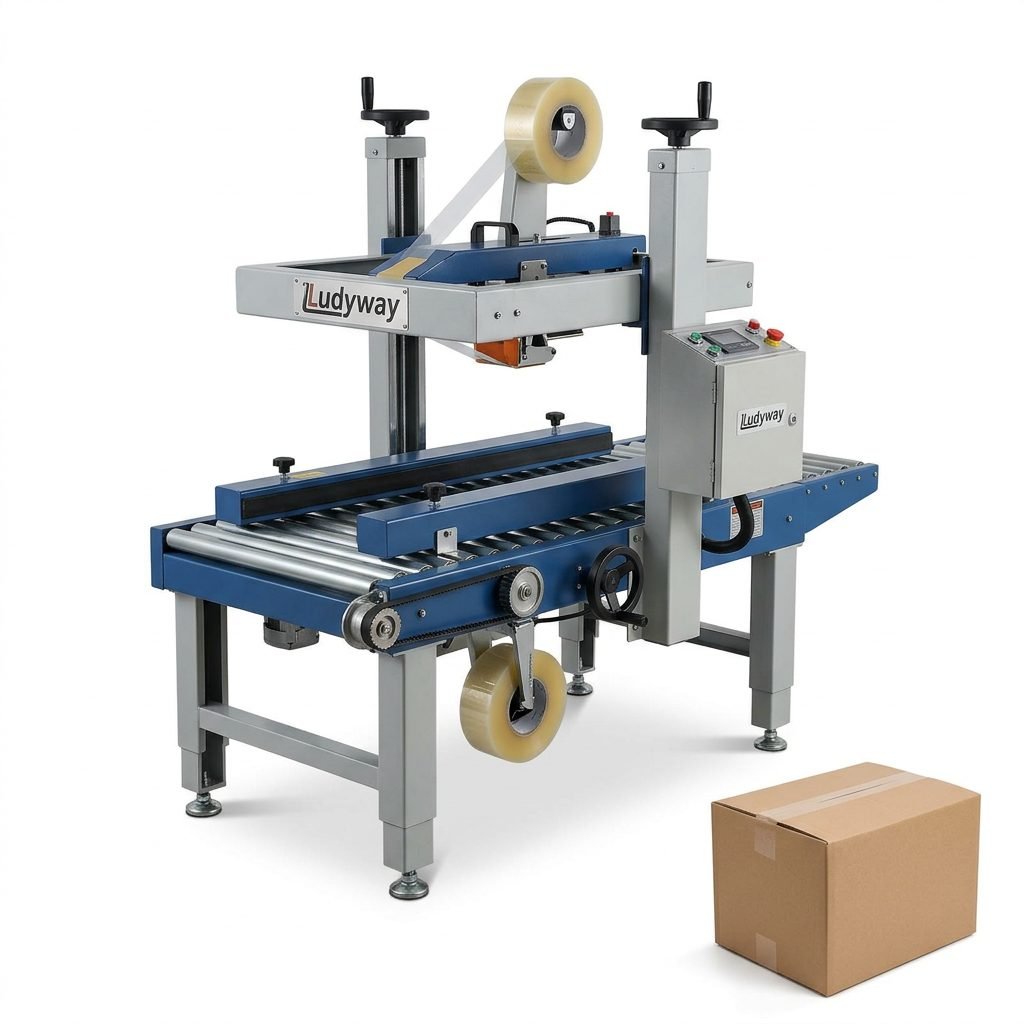
Consider how the machine fits into your current and future workflow. Can it be easily integrated with upstream equipment (like mixers) or downstream systems (like cartoners or case packers)? Choosing a modular machine or a supplier who offers complete turnkey production line solutions allows you to scale your automation seamlessly as your business grows.
Total Cost of Ownership (TCO)
Look beyond the initial purchase price. Calculate the TCO, which includes:
• Machine price & delivery.
• Installation & training costs.
• Energy and compressed air consumption.
• Maintenance, spare parts, and potential downtime costs.
• Material waste during changeovers and running.
A slightly more expensive but robust and efficient machine often has a lower TCO than a cheaper, less reliable alternative.
Frequently Asked Questions (FAQs)
1. What is the typical price range for a single serve packaging machine suitable for small batches?
Prices vary widely based on automation, speed, and features. Semi-automatic machines can start from $5,000 to $15,000, while fully automatic vertical form-fill-seal (VFFS) machines typically range from $20,000 to $50,000 or more for high-end models. It’s vital to budget based on your specific technical requirements and TCO.
2. How difficult is it to operate and maintain these machines?
Modern machines with intuitive PLC touchscreens are designed for ease of operation. Proper initial training from the supplier is key. Maintenance difficulty depends on the machine’s complexity. Choosing a supplier with clear manuals, available spare parts, and good support makes ongoing maintenance manageable for in-house technicians.
3. Can one machine handle different types of products (e.g., powder and liquid)?
Some machines are designed for multi-purpose use with interchangeable filling systems (e.g., switching from an auger to a piston pump). However, this often requires a significant changeover involving different parts and cleaning. For frequently switching between vastly different product types (dry vs. wet), dedicated machines might be more efficient to avoid cross-contamination and lengthy changeovers.
4. How do I ensure my packaging is sealed properly and stays fresh?
A proper seal depends on the correct combination of packaging material, sealing temperature, pressure, and dwell time. Your machine supplier should help you specify the right film and configure the sealing jaws. For product freshness, you may need barrier films that protect against oxygen, moisture, or light. Conduct shelf-life testing with your chosen material and machine settings.
5. What are the lead times for purchasing and installing a new machine?
Lead times can range from a few weeks for standard models in stock to several months for custom-configured machines or complex production lines. Factors include manufacturing schedule, customization level, and shipping. Plan your procurement timeline well in advance of your planned production start date and discuss this clearly with your supplier.