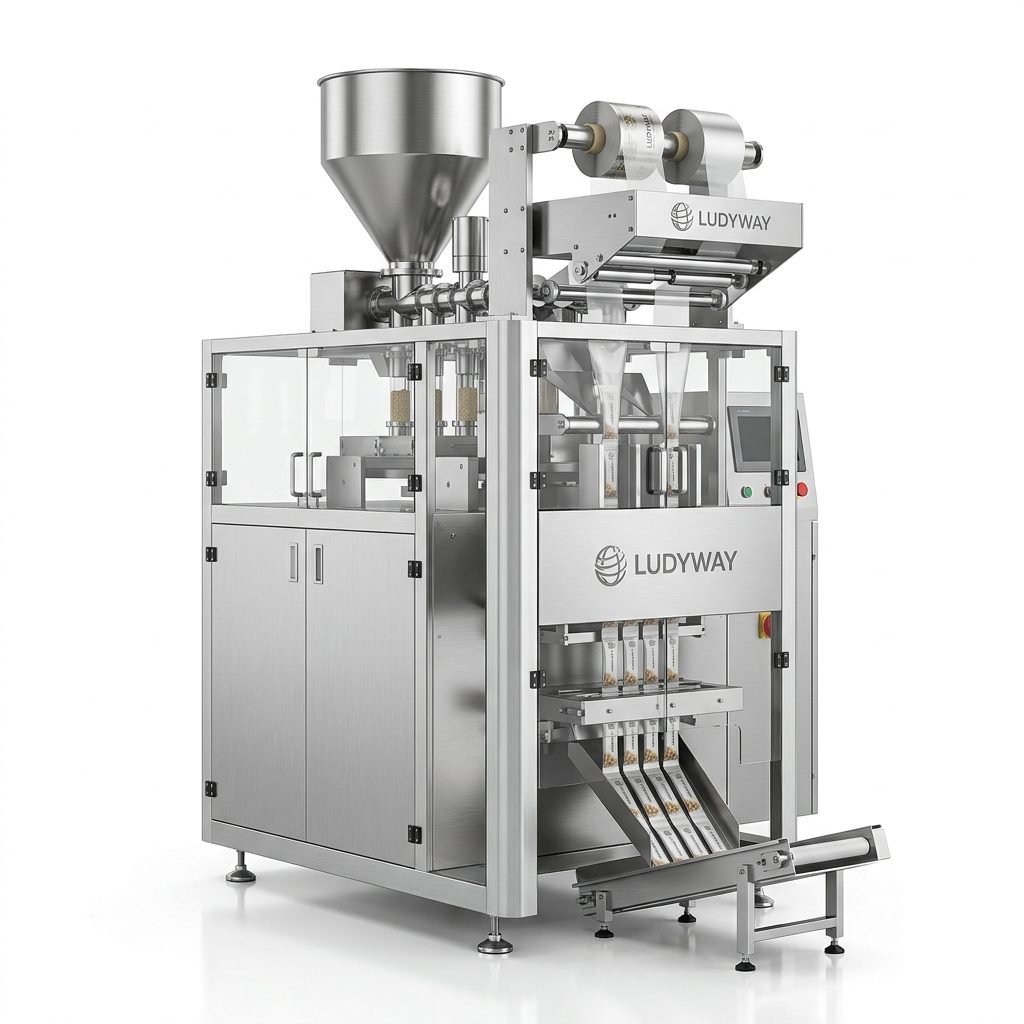
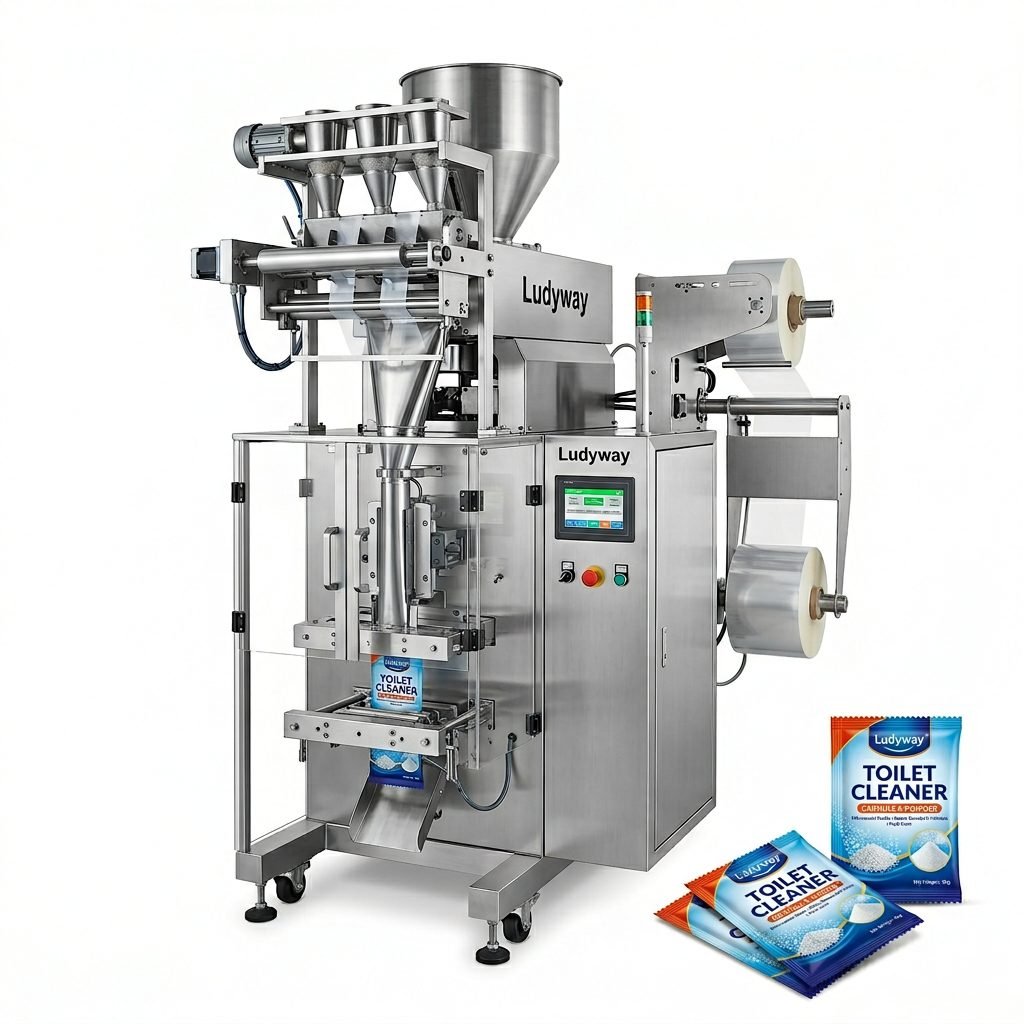
In the fast-paced world of manufacturing, efficient and reliable packaging is a cornerstone of product integrity and brand success. Overwrap packaging machines, which encase products or bundles in a protective film, are vital assets across numerous industries. This comprehensive guide delves into the types, working principles, and key considerations for selecting the right overwrap machine for your production line.
Understanding the Core Types of Overwrap Machines
The market offers a variety of overwrap packaging machines, each designed for specific product shapes, speeds, and materials. Understanding these categories is the first step in making an informed choice.
1. Horizontal Flow Wrappers
These are among the most common types. The product is transported horizontally into a tube of film, which is then sealed longitudinally and at the ends. They are exceptionally versatile and ideal for high-speed packaging of individual items like candy bars, baked goods, or grouped items like trays of bottles or multiple snack packs.
2. Vertical Form-Fill-Seal (VFFS) Overwrappers
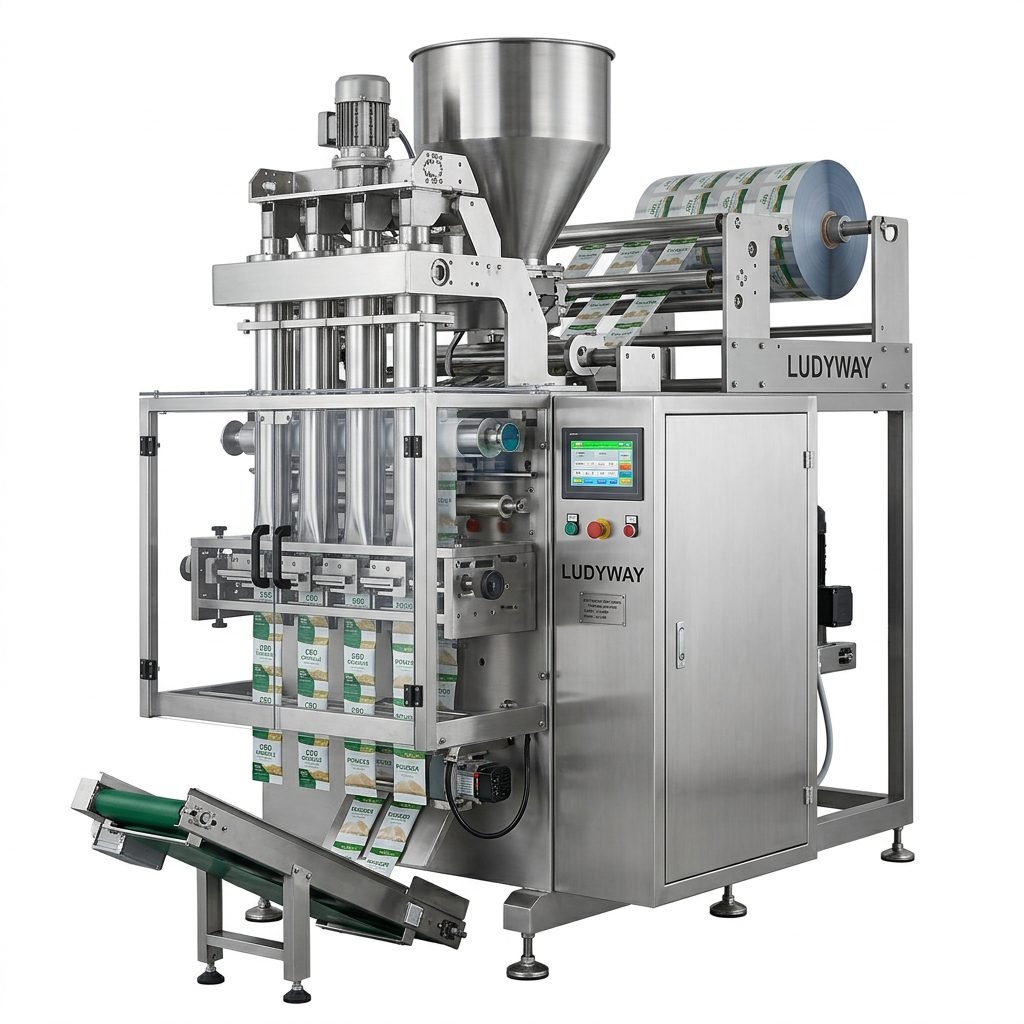
Primarily known for pouching, VFFS machines can also be configured for overwrapping. The film is formed vertically around the product, which is then lowered into it. This type is excellent for bundling loose items (like soup mixes or hardware) into a stable, unitized pack, or for overwrapping already-boxed products for extra protection.
3. Shrink Wrapping Systems
While often considered a subset, shrink wrapping is a crucial overwrap method. The machine loosely encases the product in film, after which it passes through a heat tunnel. The film shrinks tightly around the product, creating a secure, tamper-evident, and visually appealing package. Perfect for multi-packs, promotional bundles, and securing products on display trays.
4. Sleeve Wrappers
These machines apply a pre-formed sleeve of film or label over a product. They are often used for high-speed applications like beverage cans, jars, and bottles, providing 360-degree graphics and excellent shelf appeal. The sleeve can be heat-shrunk for a tight fit or left loose.
Key Insight:
The choice between these types heavily depends on product form factor (individual, bundle, tray), required output speed, and the desired final package appearance (tight shrink, loose wrap, labeled sleeve).
How Overwrap Packaging Machines Work: The Basic Principles
Despite their differences, most overwrap machines operate on a similar sequence of core functions. Grasping this process helps in troubleshooting and optimizing machine performance.
Step 1: Film Feeding & Forming
A roll of packaging film (polyethylene, polypropylene, etc.) is mounted on an unwind stand. The film is fed through a series of tensioners and guides to ensure smooth, consistent movement. It is then shaped—formed into a tube around the product in a flow wrapper, or into a bag in a VFFS machine.
Step 2: Product Loading & Positioning
Products are fed into the machine via a conveyor, flight bars, or a loading system. Precise timing and positioning are critical here to ensure the product enters the film web at the exact right moment for a centered, consistent wrap.
Step 3: Sealing
This is the heart of the operation. Heated sealing jaws (or crimpers) press together to create the final seals.
- Longitudinal Seal: The seam that runs the length of the package.
- End Seals (or Cross Seals): The seals at the package’s head and tail, which also cut the film to separate individual packs.
Advanced machines use servo-driven sealing jaws for precise control over temperature, pressure, and dwell time.
Step 4: Cutting & Discharge
Integrated into the sealing process, a knife cuts the film between packages. The finished, overwrapped product is then discharged onto a takeaway conveyor for collection, case packing, or further handling.
Choosing the Right Overwrap Machine: A Strategic Guide
Selecting a machine is a significant investment. Here are the critical factors to evaluate, ensuring your new equipment aligns with your production goals and delivers a strong return on investment.
1. Analyze Your Product Specifications
This is the starting point. Document everything:
- Dimensions & Shape: Length, width, height, and stability. Irregular shapes may need custom tooling.
- Fragility & Sensitivity: Delicate products may require gentle handling systems or specific sealing temperatures.
- Surface Properties: Slippery, sticky, or dusty surfaces can affect handling and film adhesion.
2. Define Your Packaging Requirements
The package itself dictates machine capabilities.
- Film Material: Specify the type (OPP, BOPP, PE, Shrink Film) and gauge. The machine must be compatible.
- Seal Type: Fin seal (seal inside-out) or lap seal (seal overlapping). Fin seals are generally stronger and more aesthetic.
- Production Speed (PPM): Calculate your required output in packs per minute. Choose a machine that can sustainably meet your peak demand with a 10-20% buffer.
3. Evaluate Machine Features & Construction
Look beyond the brochure. Assess the engineering.
- Frame & Build Quality: Robust, heavy-duty construction minimizes vibration and ensures longevity in 24/7 environments.
- Drive System: Modern servo-driven machines offer superior precision, flexibility, and energy efficiency compared to mechanical cam-driven systems.
- Control System: User-friendly HMI (Human-Machine Interface), recipe storage, and diagnostic tools are essential for quick changeovers and minimizing downtime.
- Changeover Ease: How quickly can you switch from one product size to another? Look for tool-less or quick-release mechanisms.
🔄 The Importance of a Reliable Partner
Your machine supplier is as important as the machine itself. A partner like Ludyway Machinery, with decades of industry experience, provides more than just equipment. They offer:
- Customization: Ability to tailor the machine to your specific product and line layout.
- Technical Support & Training: Comprehensive startup assistance and operator training.
- After-Sales Service & Parts: Guaranteed access to genuine spare parts and responsive service technicians to maximize uptime.
Investing in a machine from a supplier with a strong track record in turnkey packaging solutions mitigates risk and ensures long-term productivity.
4. Consider Total Cost of Ownership (TCO)
Look beyond the initial purchase price. Factor in:
- Energy consumption
- Film waste and efficiency
- Expected maintenance costs and part availability
- Potential for future upgrades or integration with other automated packaging systems
Frequently Asked Questions (FAQs)
What is the main difference between an overwrap and a shrink wrap machine?
An overwrap machine creates a package, which may be loose or tight. A shrink wrap machine is a type of overwrapper that specifically uses heat to shrink the film tightly around the product. All shrink wrappers are overwrappers, but not all overwrappers use shrink film.
How often does an overwrap machine require maintenance?
Regular preventive maintenance is crucial. Daily cleaning of sealing jaws and weekly checks of lubrication, chain tension, and wear parts are standard. A full preventative maintenance schedule should be provided by your supplier, like the service teams at Ludyway, to prevent unexpected downtime.
Can one machine handle vastly different product sizes?
Yes, but within limits defined by the machine’s “size range.” Changeover time and complexity vary. Machines designed for high flexibility often feature servo drives and quick-change parts to minimize switchover time between sizes.
What are the most common causes of film breakage or poor seals?
Common causes include incorrect film tension settings, misaligned sealing jaws, contaminated or damaged jaw surfaces, incorrect temperature/pressure settings for the film type, or using film that is outside the machine’s specified gauge range.
Is it better to choose a very high-speed machine for future growth?
While planning for growth is wise, significantly over-speccing can be inefficient. High-speed machines often have a higher initial cost, consume more energy, and may be less gentle with products. Choose a machine that meets your foreseeable 3-5 year needs with a reasonable buffer.