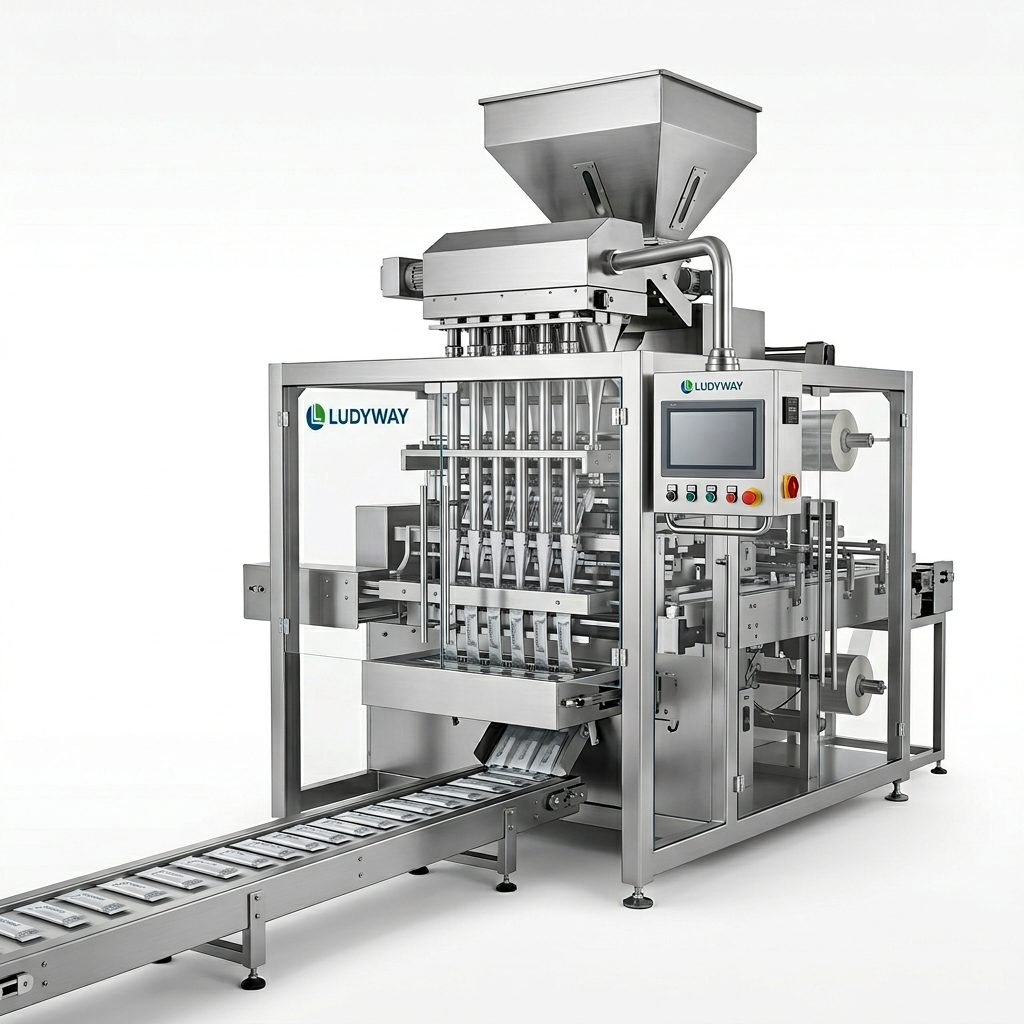
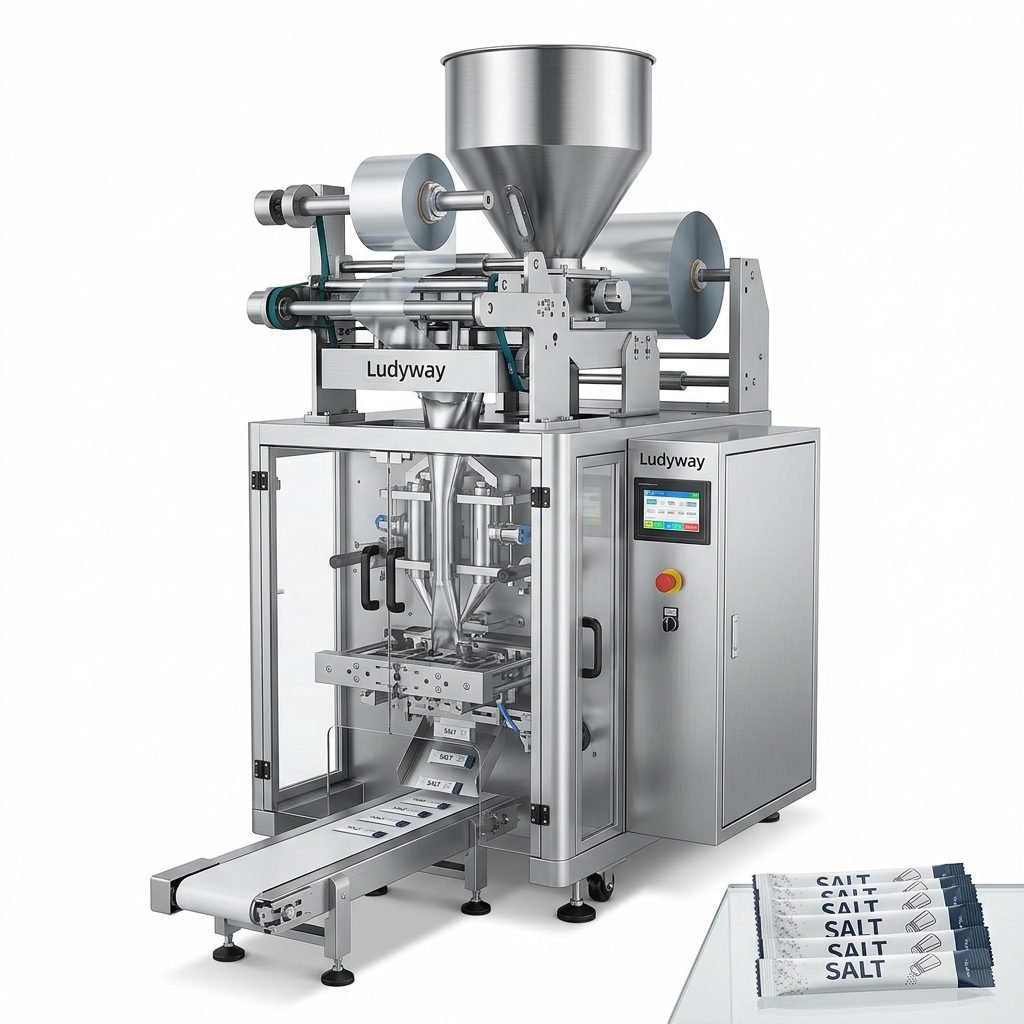
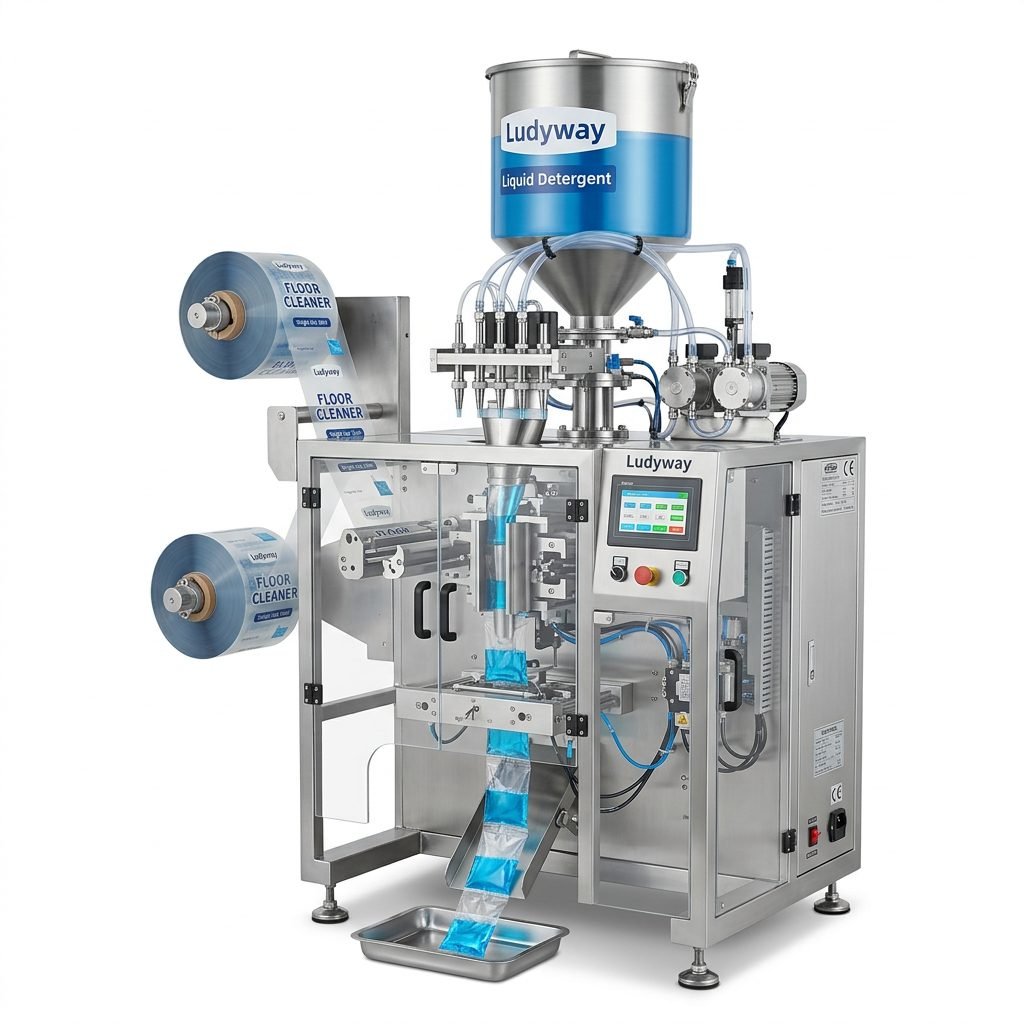
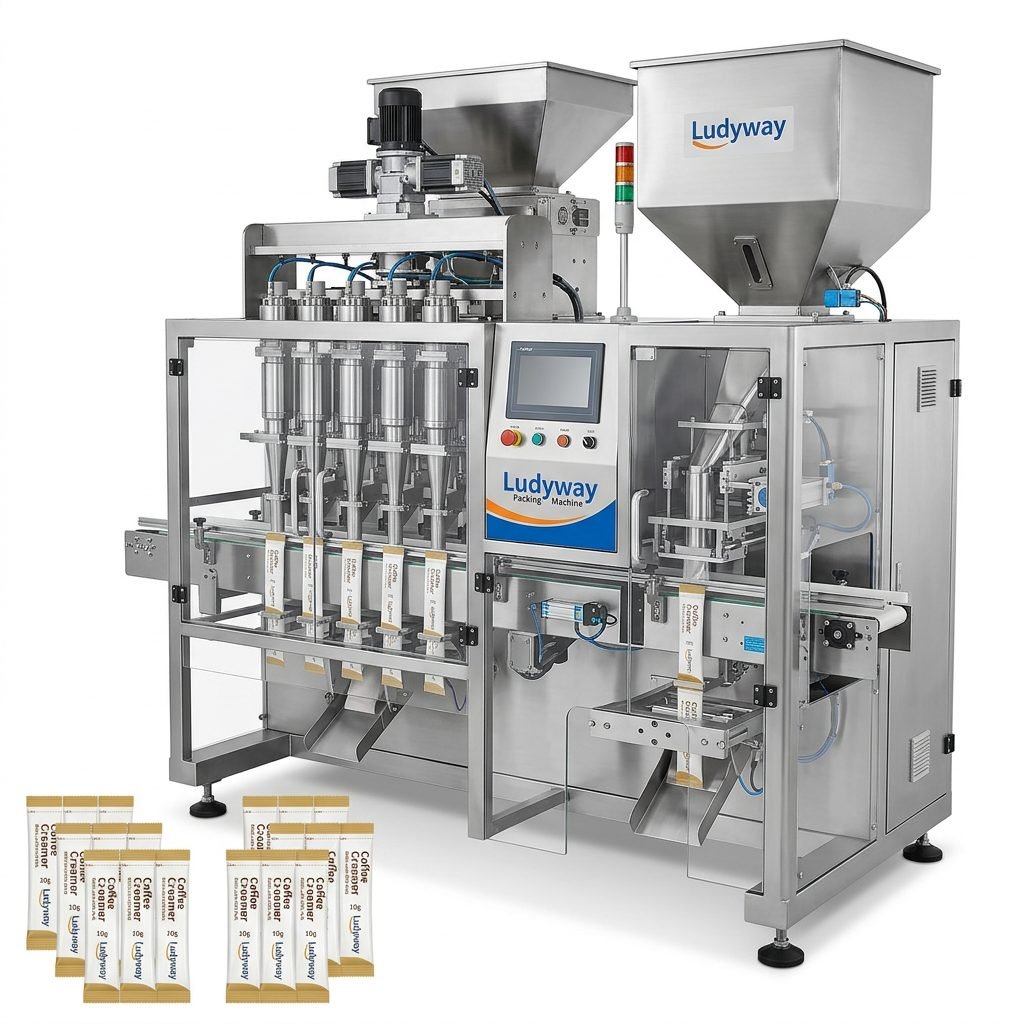
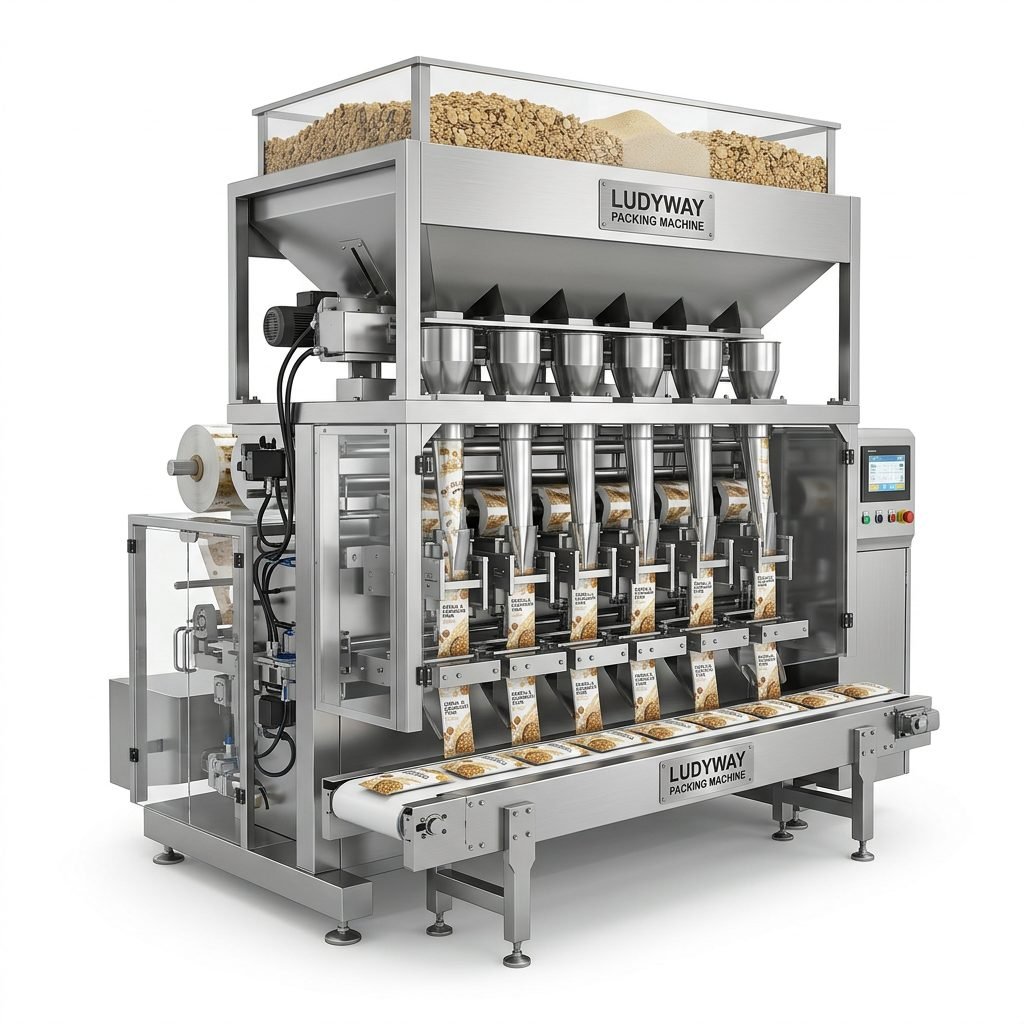
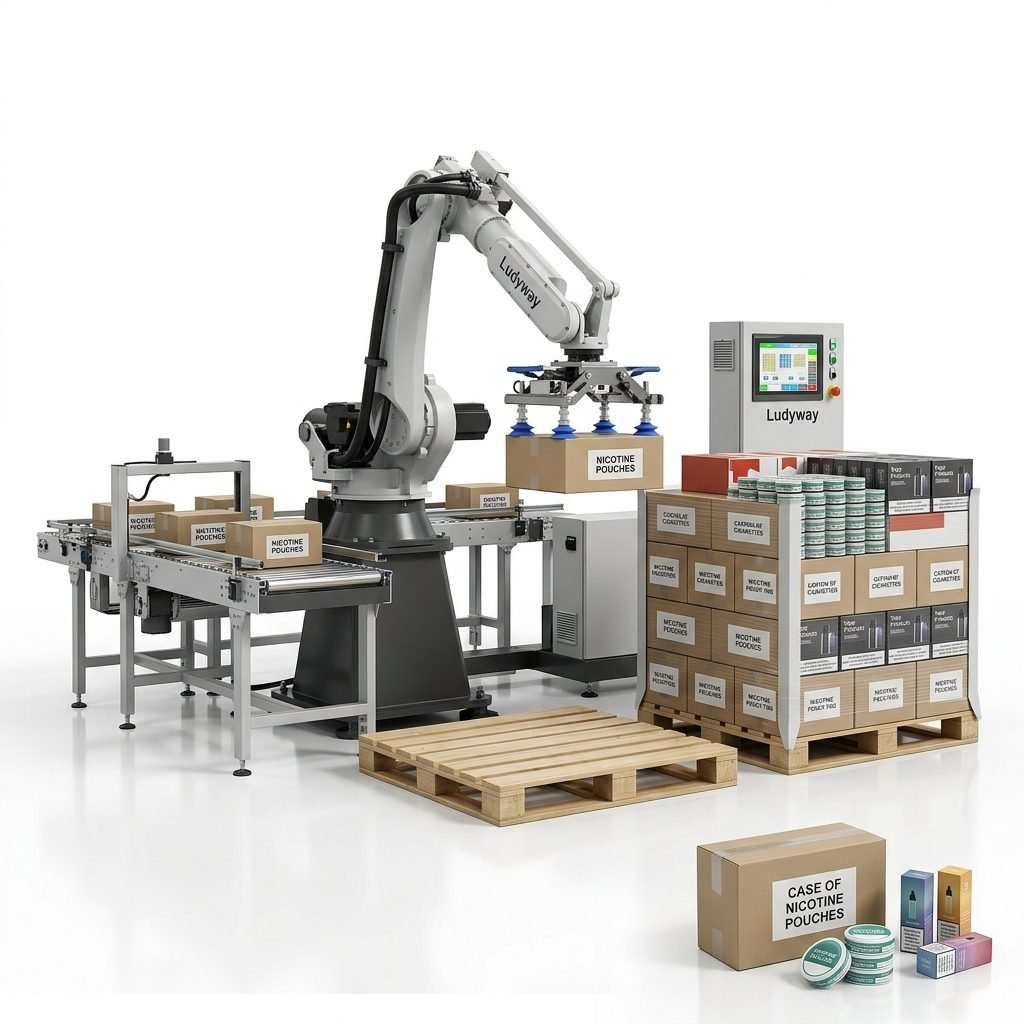
Selecting the right packaging machinery manufacturer is a critical strategic decision that directly impacts your production efficiency, product quality, and long-term operational costs. The market offers a vast array of suppliers, each with varying levels of expertise, technology, and service support. This guide provides a comprehensive framework to help you navigate this complex landscape and make an informed choice that aligns perfectly with your production line requirements and business goals.
Understanding Your Core Packaging Requirements
Before beginning your search, a thorough internal assessment is essential. Clearly defining your needs will serve as a blueprint for evaluating potential suppliers.
Product & Material Specifications
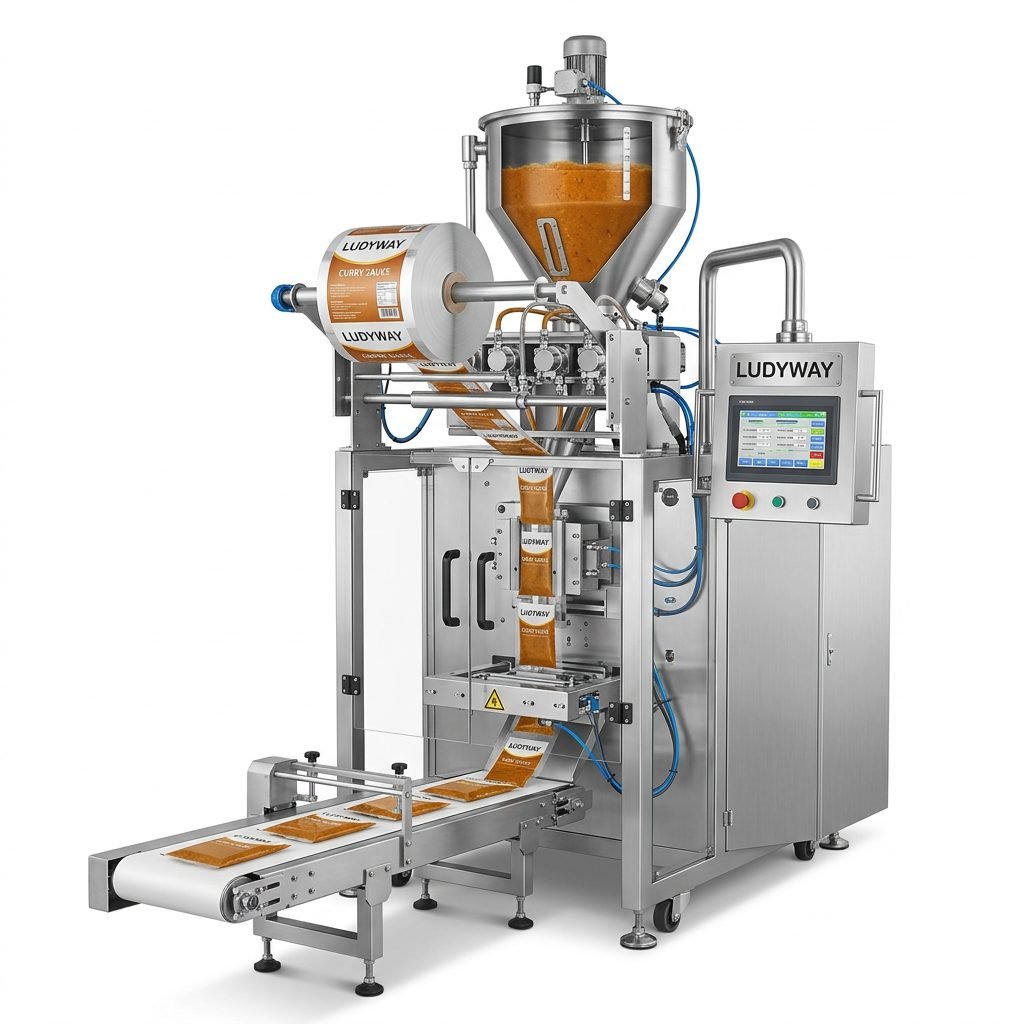
What are you packaging? The characteristics of your product—whether it’s granules, powders, liquids, pastes, or solids—dictate the machine type. Consider material properties like flowability, hygroscopicity, and abrasiveness.
Key Consideration:
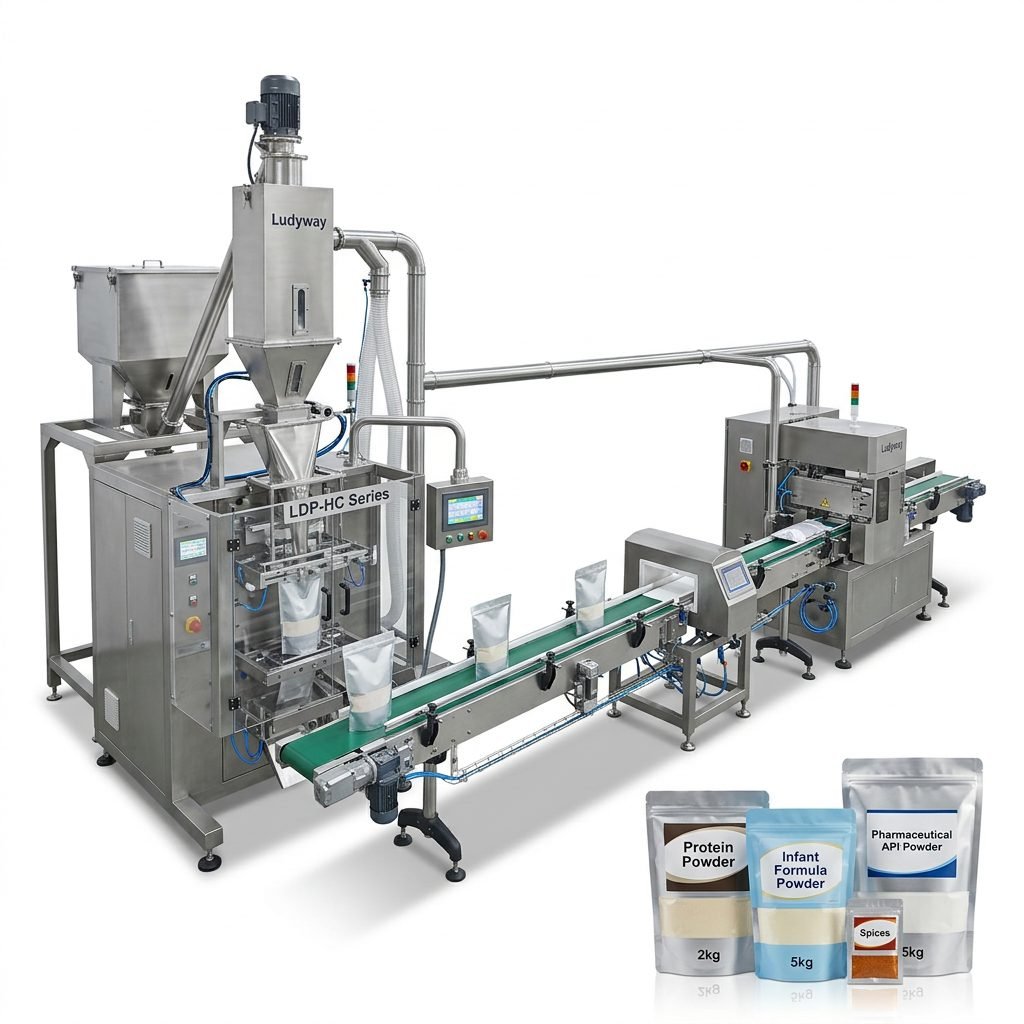
A supplier with deep experience in your specific product category, like granule and powder packaging, will anticipate challenges and recommend optimal solutions from the start.
Output Speed & Line Integration
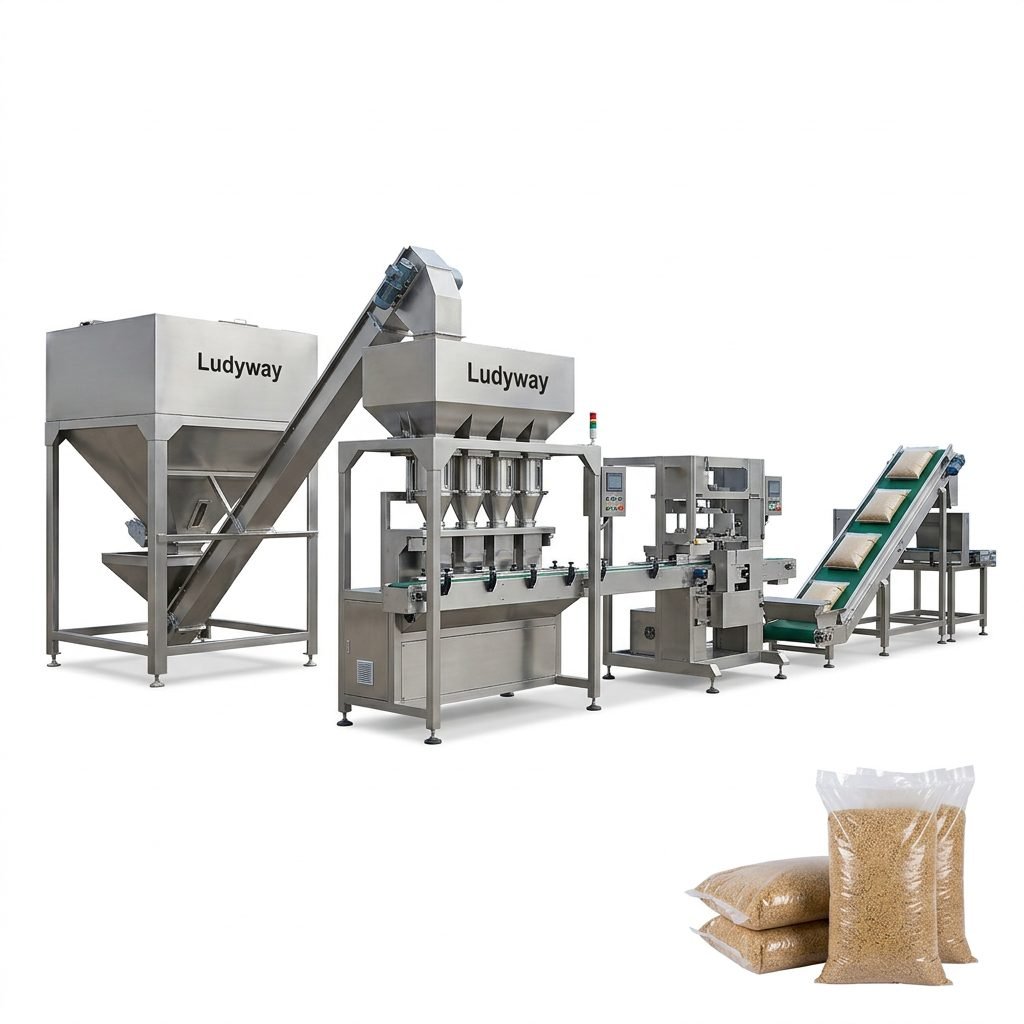
Determine your required output in packs per minute (PPM) or units per hour. Consider future scalability. Will the machine need to integrate with existing upstream (filling, conveying) or downstream (cartoning, case packing) equipment? Compatibility is crucial for a seamless turnkey production line.
Packaging Format & Flexibility
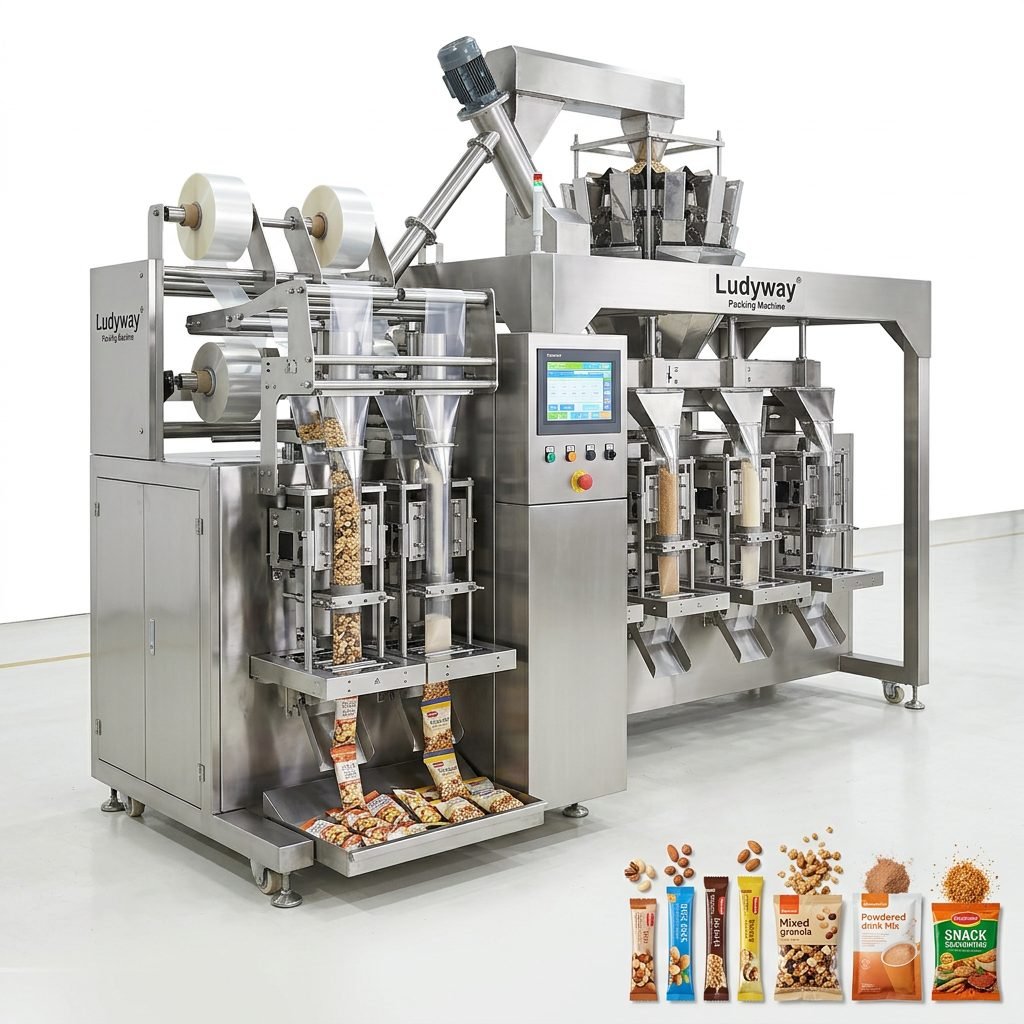
Define your primary packaging format: stick packs, sachets, pouches, bottles, or blister packs. Also, consider if you need future flexibility for different sizes or formats, which may point you towards modular or multi-lane machine designs.
Evaluating the Manufacturer’s Capabilities
Once your needs are clear, you can critically assess potential partners. Look beyond the brochure and delve into their operational and technical strengths.
Technical Expertise & Innovation
Investigate the company’s engineering backbone. Do they have in-house R&D? How do they incorporate technological advancements? A manufacturer committed to innovation, such as developing intelligent packaging machine models, is more likely to offer efficient, future-proof equipment.
Manufacturing & Quality Infrastructure
A modern, sizable production facility is a strong indicator of capacity and quality control. For instance, operations supported by a 20,000㎡ manufacturing facility typically have streamlined processes for consistent quality. Inquire about their quality management systems (e.g., ISO standards) and testing protocols.
Industry Experience & Specialization
Experience in your specific industry (e.g., food, pharmaceutical, health products) is invaluable. A supplier familiar with your regulatory and hygiene standards (like FDA, GMP) can save significant time and compliance headaches. A track record of over 30 years of industry experience suggests resilience and accumulated practical knowledge.
Service & Support Ecosystem
The relationship begins after the sale. Evaluate their installation, training, maintenance, and spare parts support. Ask about response times for technical assistance and the availability of local service engineers. A reliable partner is committed to long-term cooperation and minimizing your downtime.
Making the Final Decision & Building Partnership
The final selection involves comparing detailed proposals and viewing the relationship as a strategic partnership.
Comprehensive Proposal Analysis
Request detailed quotations that break down costs (machine, tooling, installation, training). Compare the total cost of ownership (TCO), not just the initial price. Scrutinize proposed machine specifications, warranty terms, and delivery timelines side-by-side.
Due Diligence Checklist:
✅ Request and contact client references, especially those with similar applications.
✅ If possible, visit the manufacturer’s factory to see production and quality controls firsthand.
✅ Ask for a product sample run on their equipment to verify performance on your specific materials.
Prioritizing Partnership Over Price
While budget is important, the cheapest option often carries hidden costs in reliability, efficiency, and support. Choose a manufacturer that demonstrates clear communication, transparency, and a willingness to understand your business. A true partner acts as an extension of your team, providing professional service and continuous support to optimize your packaging operations over time.
Frequently Asked Questions (FAQs)
1. What is the most important factor when choosing a packaging machine supplier?
While technical specs are vital, the supplier’s proven industry experience and after-sales support are often the most critical long-term factors. A reliable machine with exceptional support will ensure higher uptime and productivity over its lifespan.
2. How can I ensure the machine will work with my specific product?
Always request a product sample test at the supplier’s facility. Sending your exact material for a live trial run is the best way to verify filling accuracy, speed, and compatibility before purchase.
3. What does a “turnkey production line” solution include?
A turnkey solution typically includes the design, supply, integration, installation, and commissioning of all packaging line components—from the primary packaging machine to conveyors, checkweighers, labelers, and case packers—ensuring a fully operational line from a single point of responsibility.
4. How long does it typically take from order to installation?
Lead times vary widely based on machine complexity and customization, ranging from 8 to 20 weeks for standard models. Clear communication about your timeline expectations with the supplier during the quoting phase is essential.
5. Why should I consider a supplier with a large manufacturing facility?
A substantial in-house modern production facility indicates strong control over quality, supply chain, and production scheduling. It often translates to better build quality, more consistent delivery times, and greater capacity for customization and spare parts manufacturing.