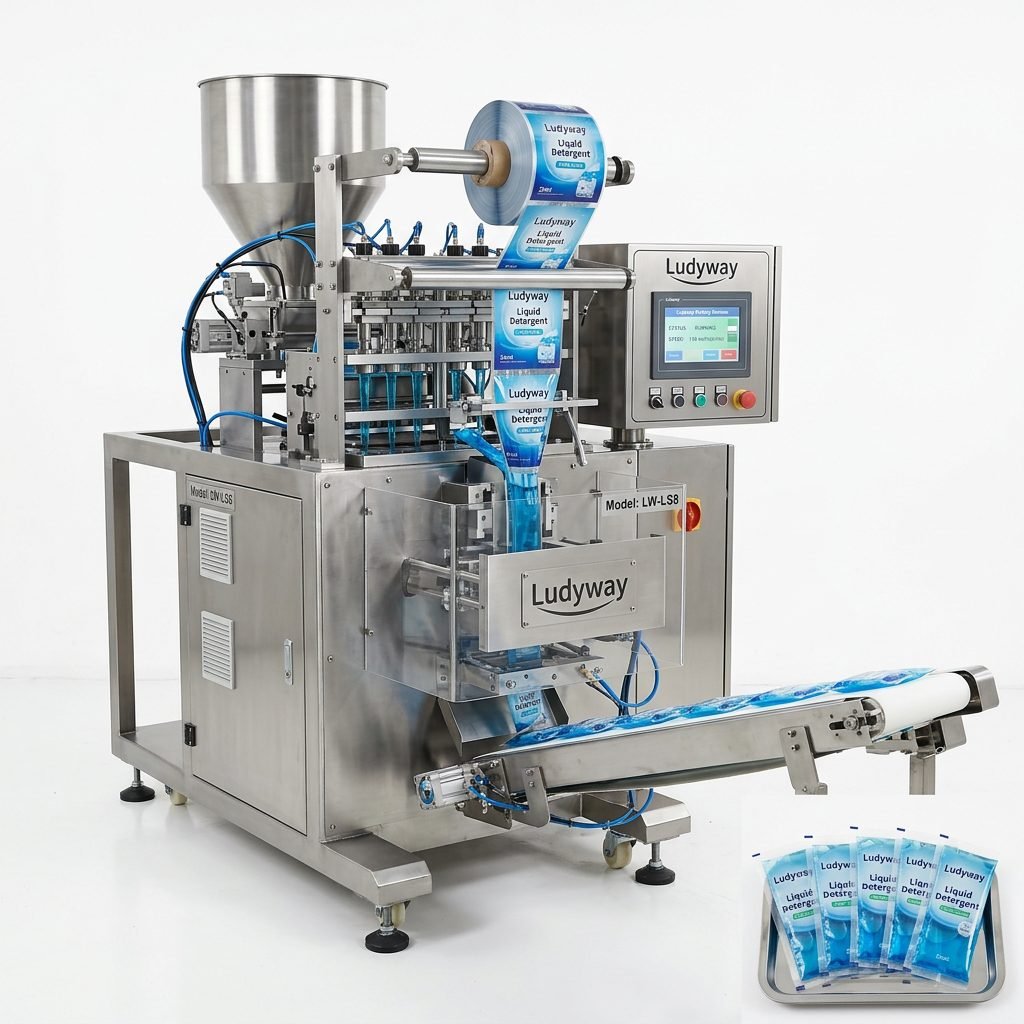
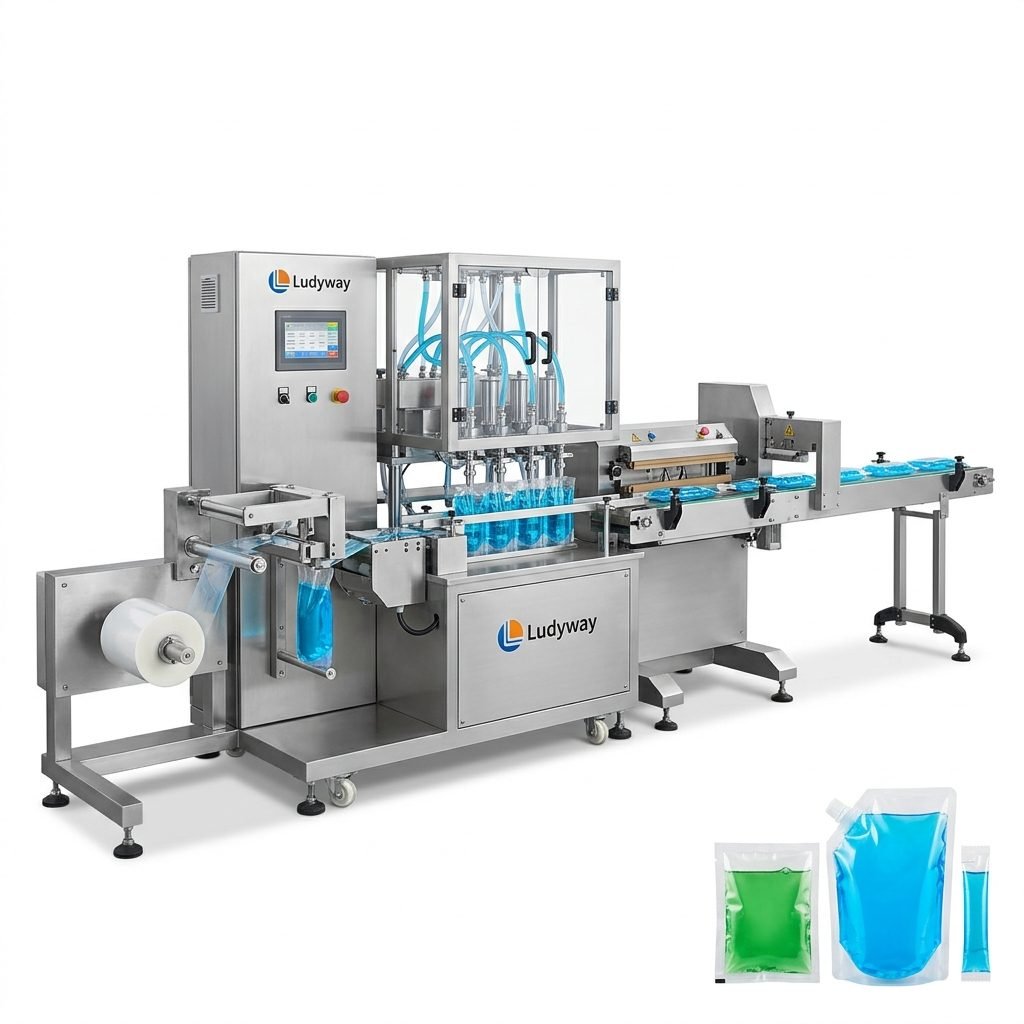
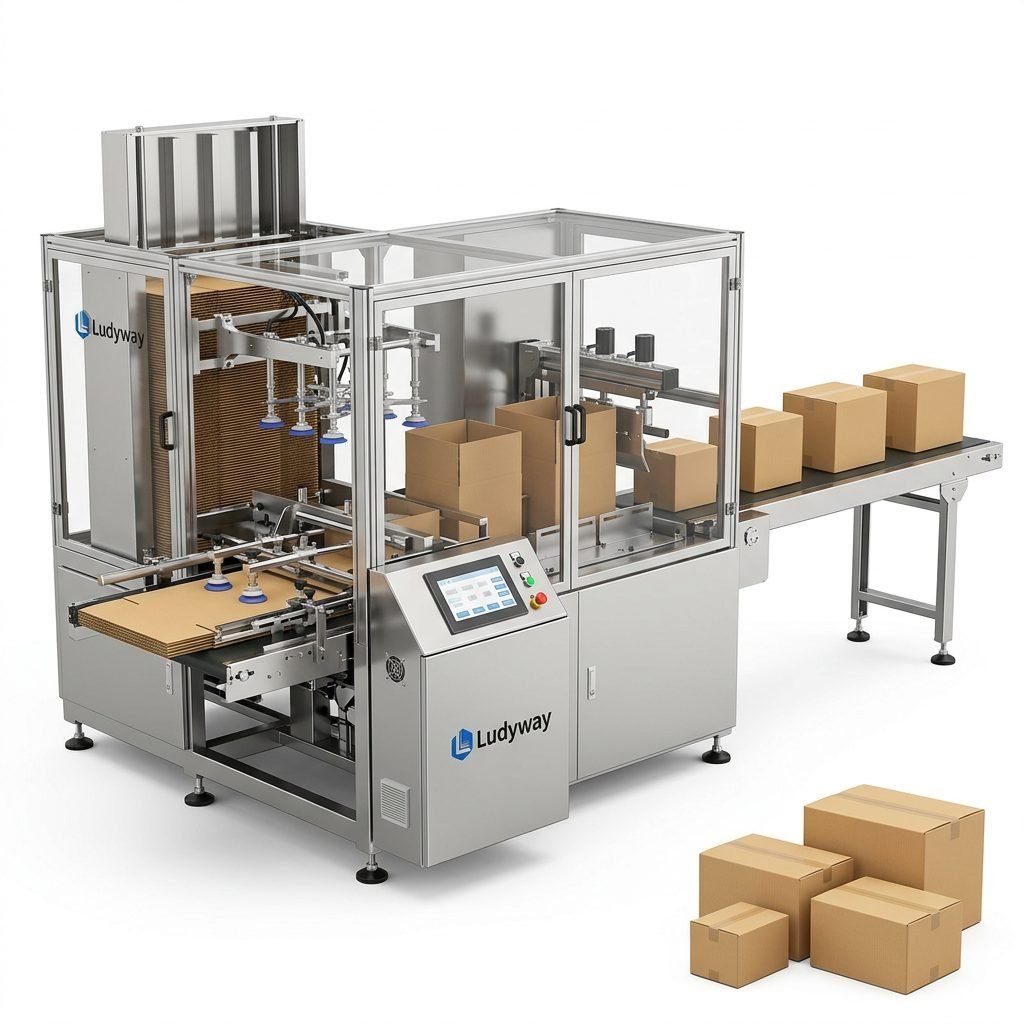
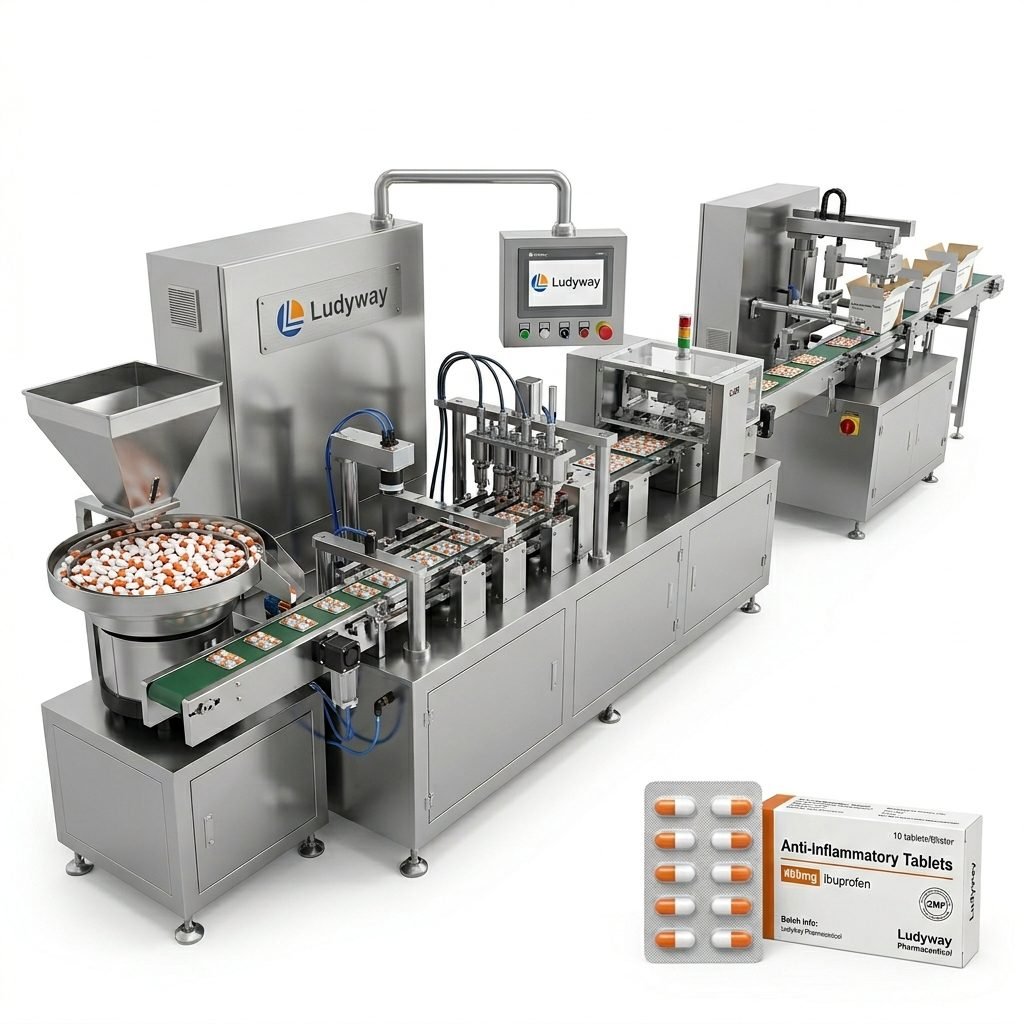
In the intricate world of automated packaging, the conveyor belt is the unsung hero, the critical component that ensures smooth, continuous, and reliable operation. Selecting the right packaging machine belt is not a mere accessory choice; it is a fundamental decision that impacts efficiency, product integrity, maintenance costs, and overall line performance. This guide delves into the essential types, materials, applications, and key selection criteria to empower you to make the optimal choice for your specific needs.
Primary Types of Packaging Machine Belts
Understanding the different belt configurations is the first step. Each type is engineered for specific movement profiles and product handling requirements.
Flat Transmission Belts
These are the workhorses for general conveying. They provide a stable, flat surface ideal for moving packaged boxes, cartons, bottles, or pouches between different stages of the packaging line, such as from a filler to a cartoner.
Timing Belts (Synchronous Belts)
Featuring teeth that mesh with pulleys, timing belts provide precise, non-slip movement. This is absolutely critical in applications like indexing, where a product must be stopped in an exact position for labeling, coding, or robotic pick-and-place operations. They eliminate positional drift.
Modular Plastic Belts
Constructed from interlocking plastic modules, these belts are incredibly versatile. They are durable, easy to clean, and resistant to corrosion, making them perfect for washdown environments in food, beverage, and pharmaceutical packaging. Their open grid design allows for airflow and drainage.
Wire Mesh Belts
Made from stainless steel or other metal alloys, wire mesh belts excel in high-temperature environments, such as cooling tunnels or pasteurization units in food packaging. They allow for excellent air circulation and are easy to clean and sanitize.
Common Belt Materials & Their Properties
The belt material dictates its compatibility with your product, environment, and operational demands.
Thermoplastic Polyurethane (TPU) & Polyurethane (PU)
A top choice for food-grade and general packaging. TPU/PU belts offer excellent abrasion resistance, flexibility, and can be manufactured to be FDA/USDA compliant. They resist oils, greases, and many chemicals, and are available in various textures (smooth, rough, patterned) for specific grip requirements.
Polyvinyl Chloride (PVC)
PVC belts are a cost-effective solution for general-purpose conveying. They are durable and come in a variety of colors and surface textures. However, they may not be suitable for extreme temperatures or direct contact with certain oily foods or chemicals.
Silicone
Known for exceptional heat resistance and release properties. Silicone belts are ideal for sealing machines (like flow wrappers) where heat is applied, as they prevent melted plastic film from sticking to the belt. They are also highly hygienic.
Polyester & Nylon
These synthetic fabrics are often used as the core reinforcement in fabric-based belts, providing high tensile strength and dimensional stability with minimal stretch. They form the backbone of many high-performance flat and timing belts.
Stainless Steel & Metal Alloys
The ultimate choice for durability, heat resistance, and sanitary requirements. Used in wire mesh, hinged, or solid metal belts, they are essential for packaging lines involving baking, freezing, or aggressive cleaning chemicals.
Key Applications in Packaging Machinery
Different packaging processes demand different belt characteristics.
Infeed & Outfeed Conveying: General-duty flat or modular belts reliably transport products to and from primary packaging machines like fillers, wrappers, and sealers.
Product Handling & Positioning: Timing belts are crucial for precise placement under fill nozzles, into pockets of intermittent motion machines, or for accurate label application.
Heat Sealing & Cooling: Silicone-coated or solid silicone belts are used on vertical and horizontal form-fill-seal (FFS) machines to transport pouches through the heated sealing jaws without sticking. Wire mesh belts are used in cooling tunnels.
Accumulation & Sorting: Low-friction belts or specialized “zero-pressure” accumulation systems use sensor-controlled belts to gently gather products without causing damage or scuffing.
Checkweighing & Metal Detection: Belts for these quality control stations must be low-profile, non-metallic (for metal detectors), and stable to ensure accurate weight readings and inspection.
How to Choose the Right Packaging Machine Belt
Follow this structured decision-making framework to narrow down your options.
1. Analyze the Product & Environment
- Product Characteristics: Is it abrasive, oily, sticky, hot, or cold? Sharp edges can cut softer belts.
- Sanitary Requirements: Does the belt need to be FDA-compliant, easy to clean, or withstand daily washdowns with steam or caustic cleaners?
- Operating Environment: Consider ambient temperature, humidity, and exposure to chemicals, oils, or moisture.
2. Define the Mechanical Requirements
- Load Capacity: Determine the total weight and distribution of the product on the belt.
- Speed & Precision: High speeds require low-stretch materials. Precise positioning demands timing belts.
- Pulley & Drive Compatibility: Ensure the belt thickness, width, and (for timing belts) pitch match your machine’s pulleys and drive system.
3. Consider Surface Properties & Tracking
Surface Texture: Choose smooth surfaces for easy product release, textured or profiled surfaces for incline conveying or to prevent product slippage.
Belt Tracking: A belt that runs off-center causes damage and downtime. Look for features like V-guides on the underside, crowned pulleys, or tracking aids specific to the belt type.
4. Evaluate Total Cost of Ownership (TCO)
Look beyond the initial purchase price. A more expensive belt that lasts three times longer, reduces maintenance, and prevents product loss (from spills or misalignment) offers a far better return on investment. Partnering with a knowledgeable supplier like Ludyway Machinery for technical support can optimize TCO.
5. Consult with Experts
When in doubt, consult the machine manufacturer or a specialized belt distributor. Provide them with all the parameters above. They can recommend the optimal material, type, and even specific belt profile for your packaging machine.
Frequently Asked Questions (FAQs)
Q1: How often should I replace my packaging machine belt?
There’s no fixed interval. Replace belts when you see signs of wear like cracks, fraying edges, permanent stretching (causing slippage), or damage that affects tracking or product handling. Proactive replacement during scheduled maintenance is better than an unplanned line stoppage.
Q2: Can I use any food-grade belt for my food packaging application?
Not all food-grade belts are equal. You must ensure the belt material is appropriate for the specific food type (fatty, acidic, etc.), temperature range (hot filling, freezing), and cleaning protocols. Always request the manufacturer’s compliance certificates and suitability statements.
Q3: My belt is constantly tracking to one side. What can I do?
First, ensure the conveyor frame is level and the pulleys are aligned and parallel. Check for product buildup on pulleys. If the problem persists, the belt may be damaged or have uneven tension. Consult your supplier; the belt may need a V-guide installed or require replacement.
Q4: What’s the difference between a PVC and a PU belt?
While both are polymers, PU (Polyurethane) generally offers superior abrasion resistance, flexibility, and chemical resistance compared to PVC. PU is often the preferred choice for more demanding applications and where higher hygiene standards are required, though it may come at a higher cost.
Q5: How do I measure for a replacement belt?
For flat belts, measure the length (center-to-center distance of pulleys) and width precisely. For timing belts, you must identify the pitch (distance between teeth, e.g., 5mm, 10mm), the number of teeth, and the belt width. The safest method is to use the part number from the old belt or consult the machine manual.