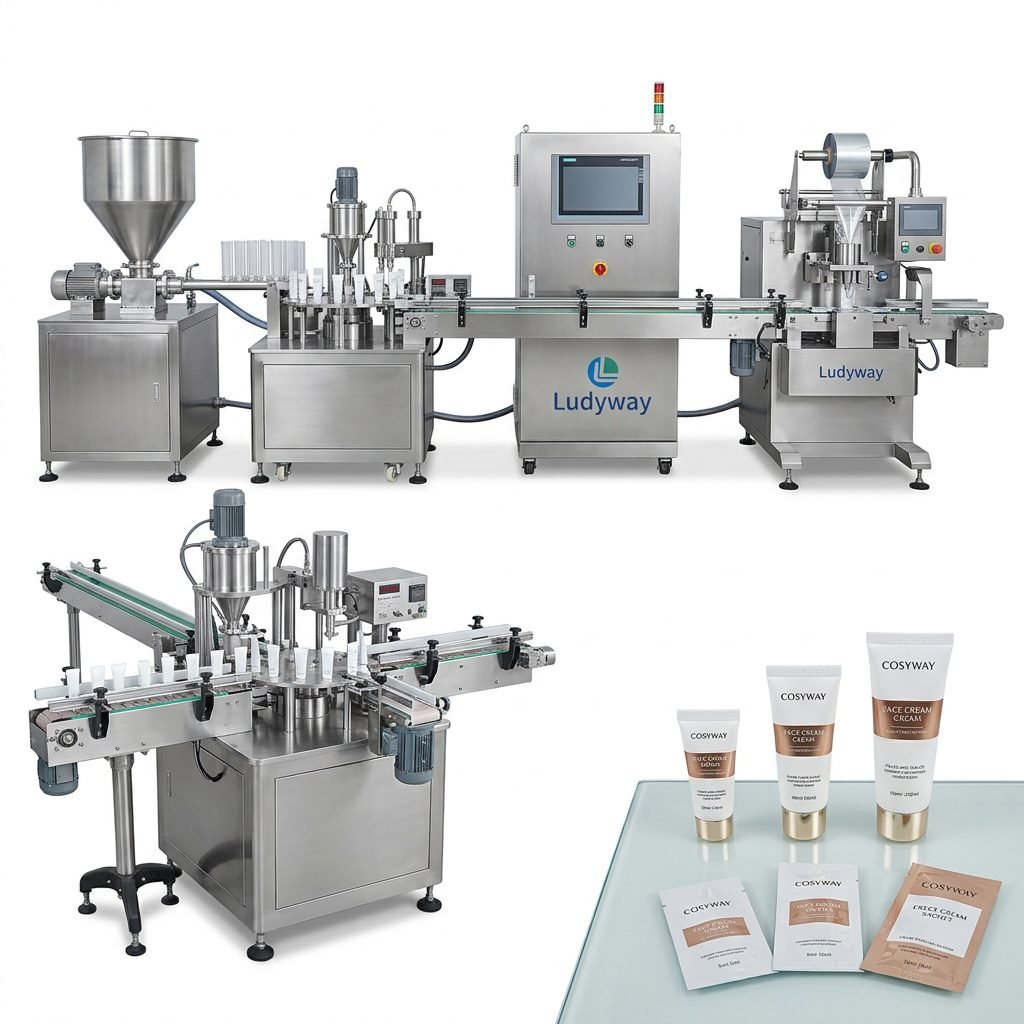
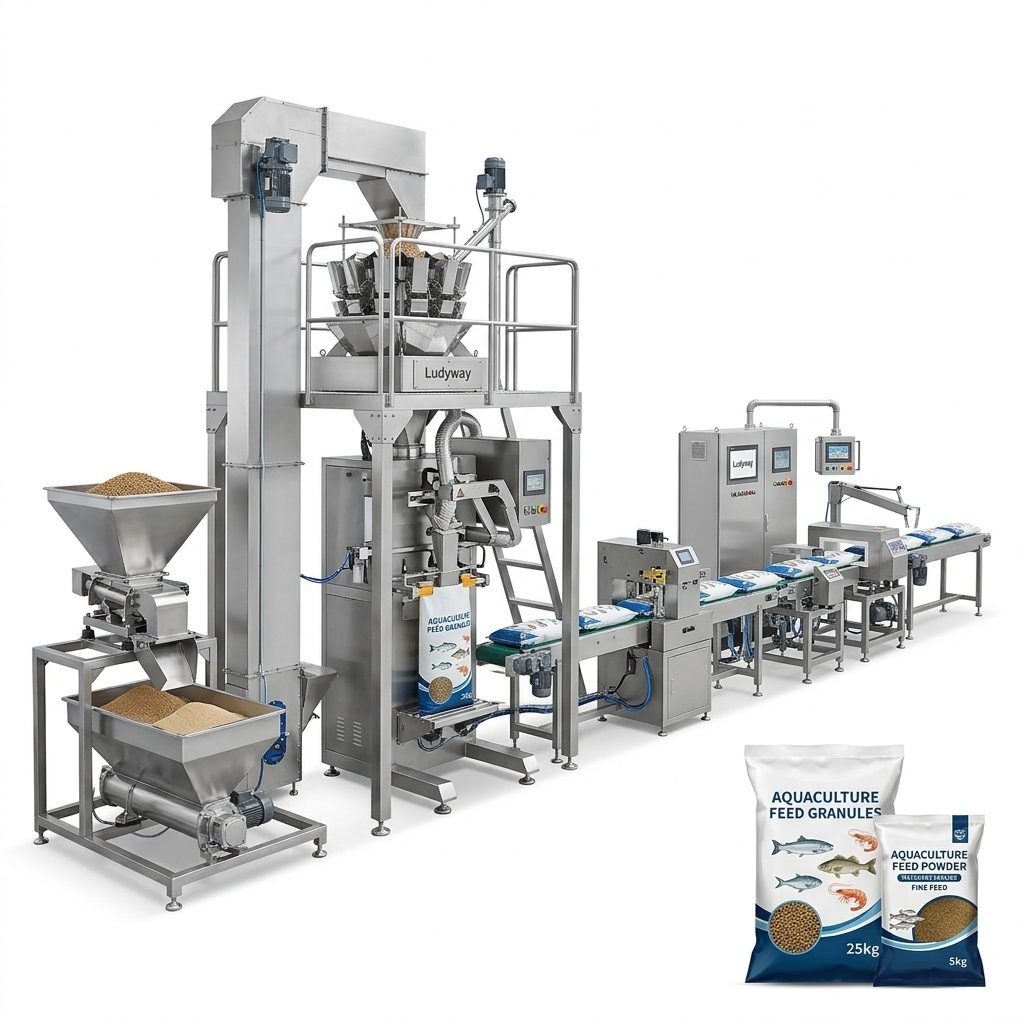
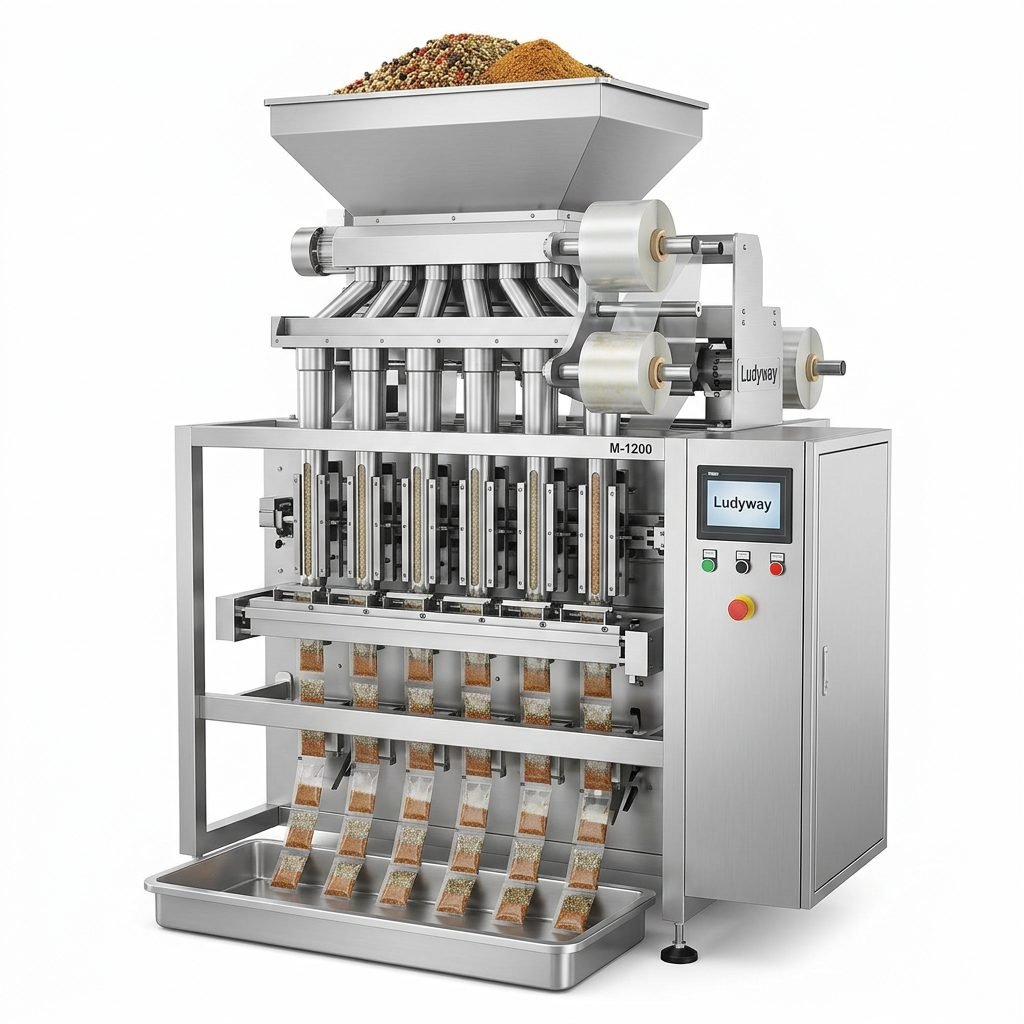
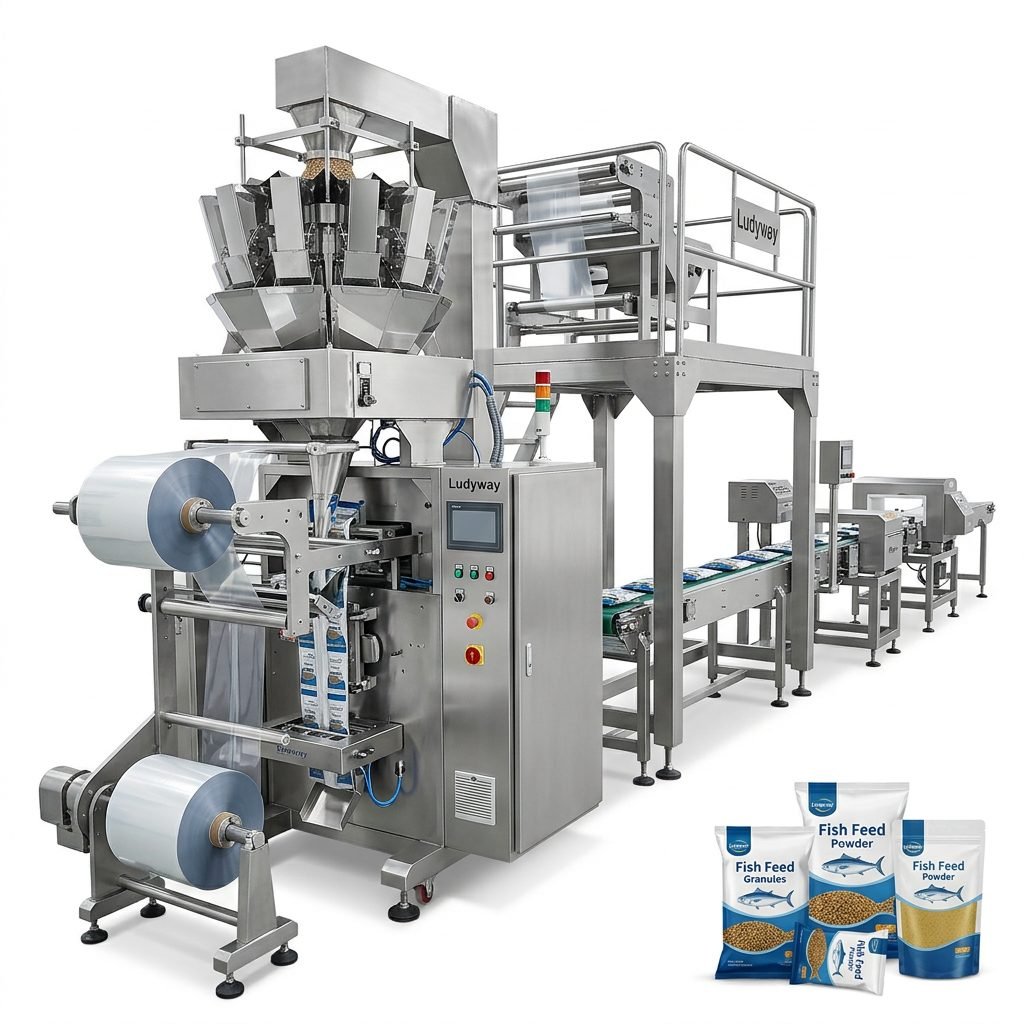
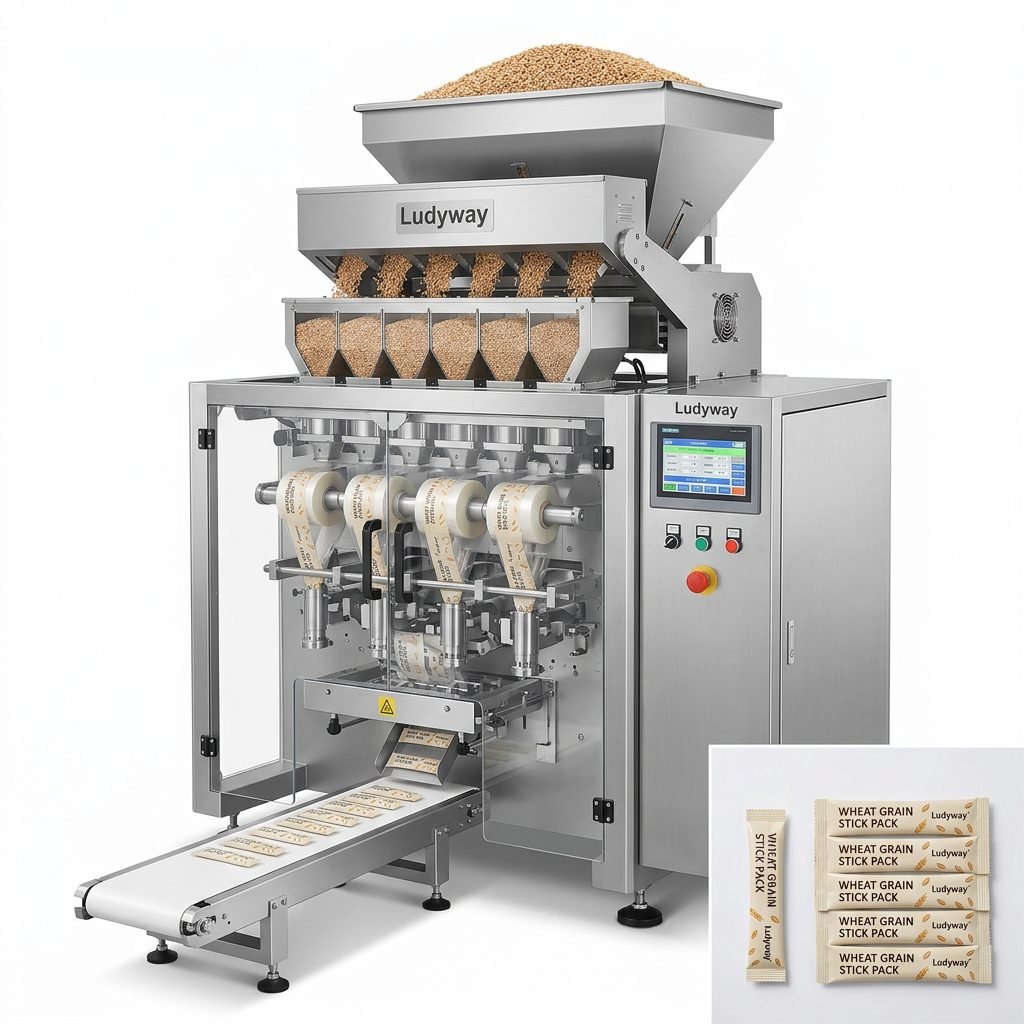
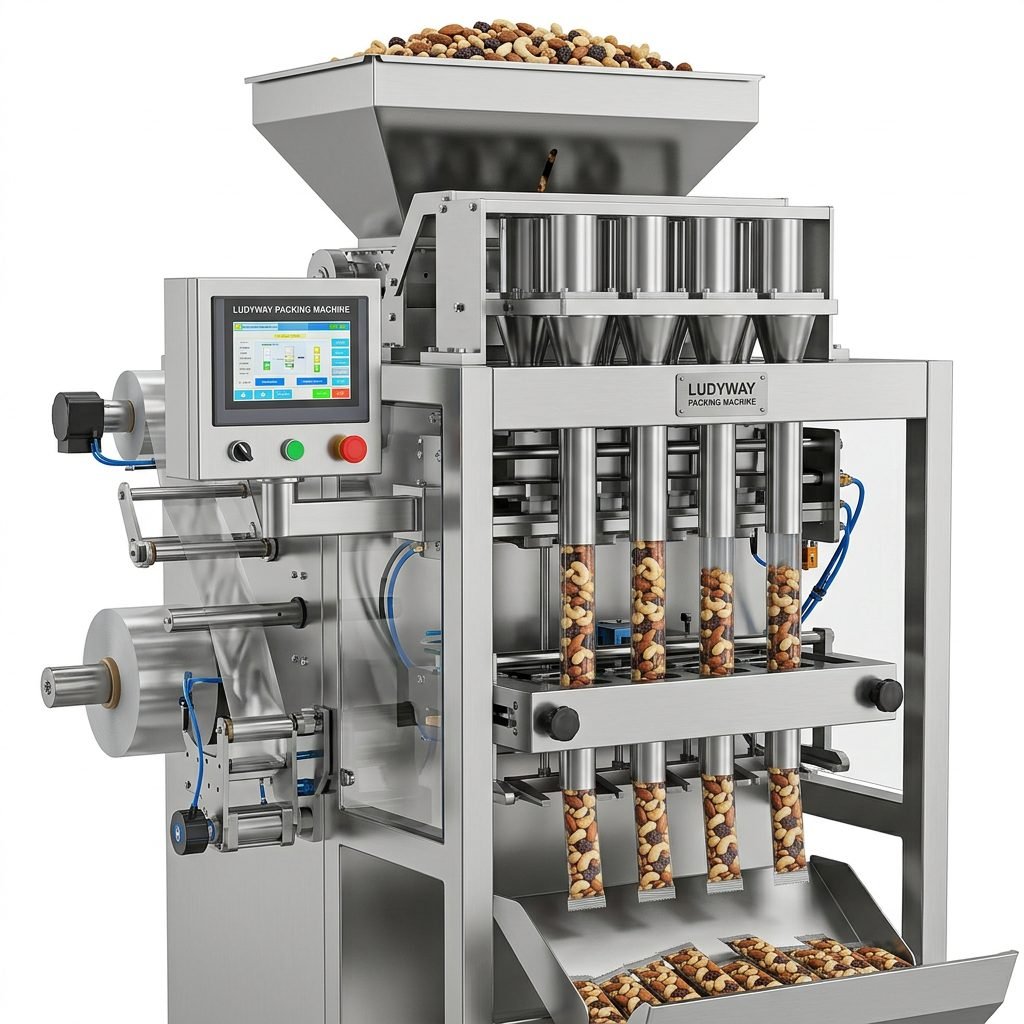
Ensuring your packaging line operates at peak efficiency and reliability hinges on the quality and proper management of its individual parts. From the smallest sealing element to the complex control systems, each component plays a critical role. This guide delves into the essential parts for packaging machines, explores strategic upgrades to enhance performance, and outlines best practices for maintenance to maximize your equipment’s lifespan and output.
Core Components: The Building Blocks of Your Machine
Understanding the key parts of your packaging machine is the first step toward effective operation and troubleshooting.
1. Feeding & Metering Systems
These components are responsible for accurately delivering the product into the packaging format. Common parts include:
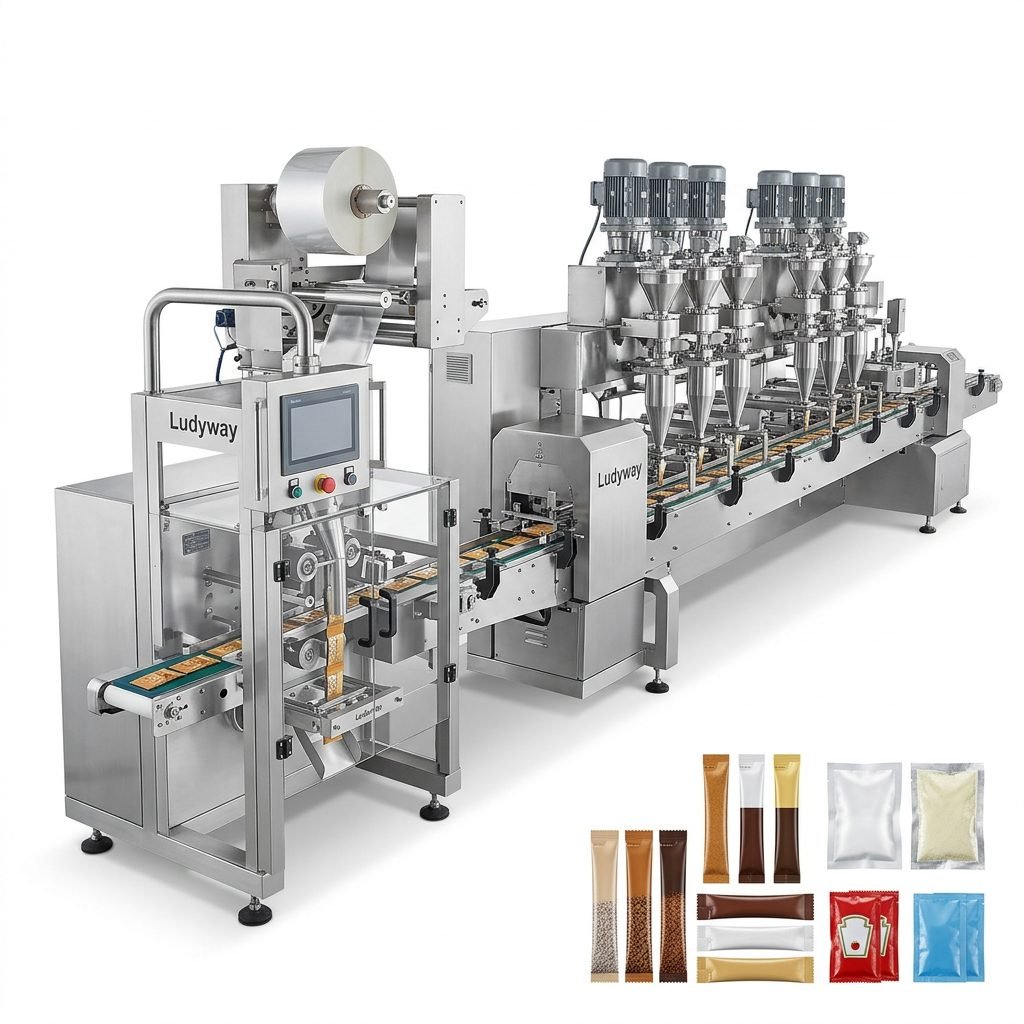
- Augers/Fillers: For precise volumetric dosing of powders and granules.
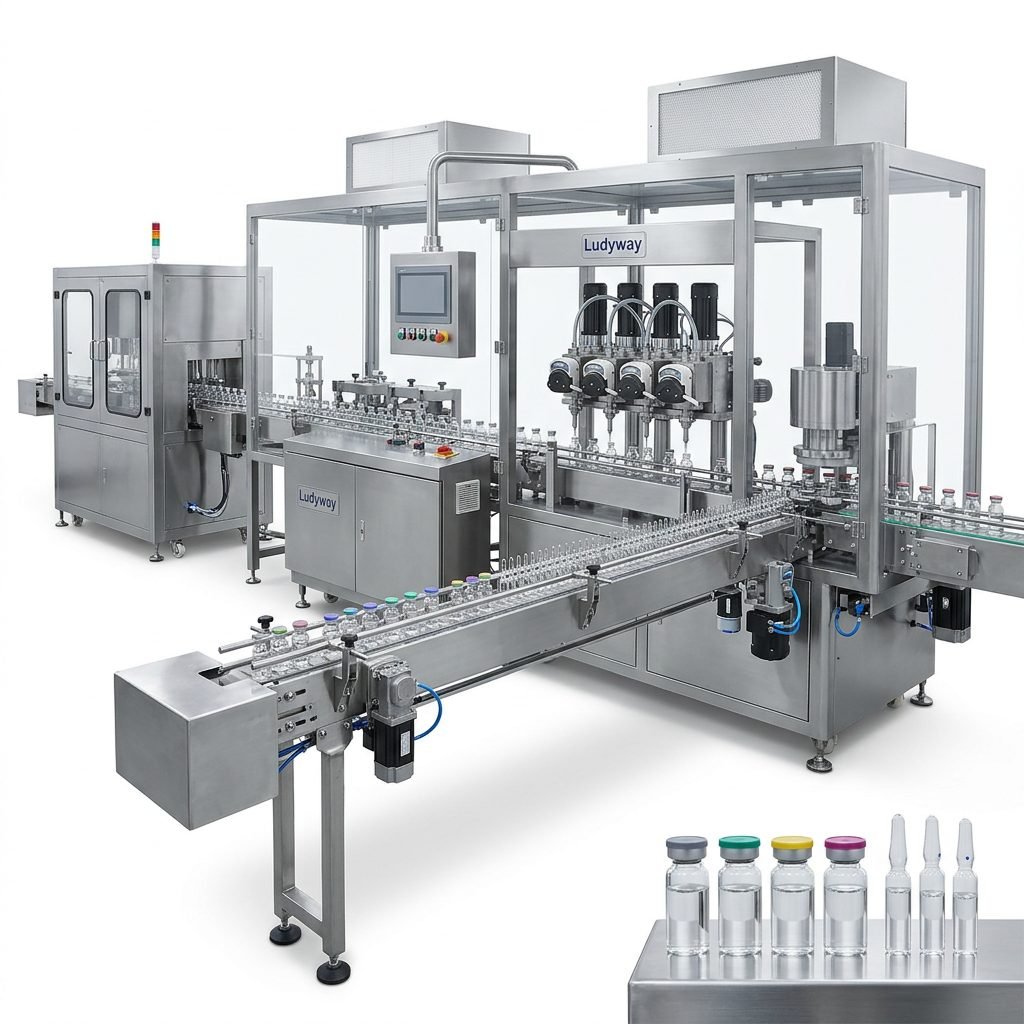
- Pumps & Valves: For controlled filling of liquids and pastes.
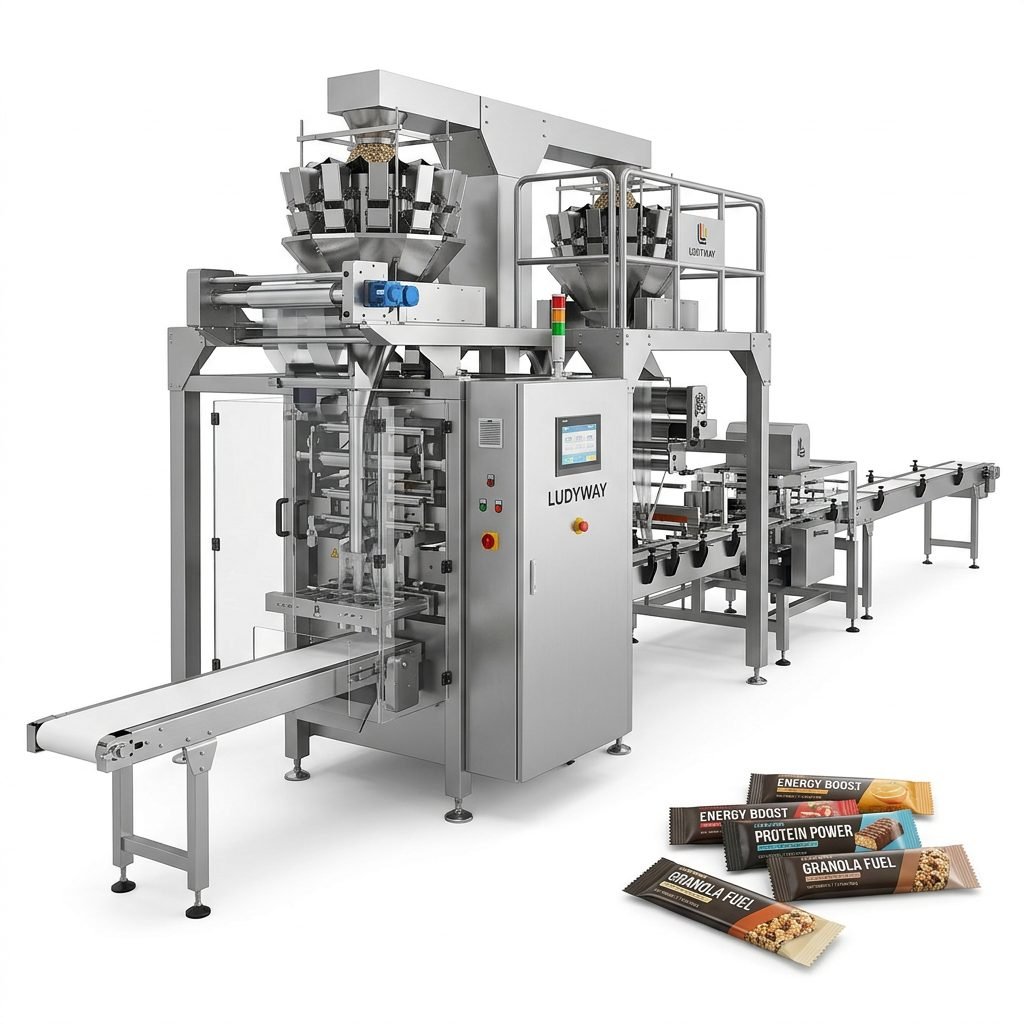
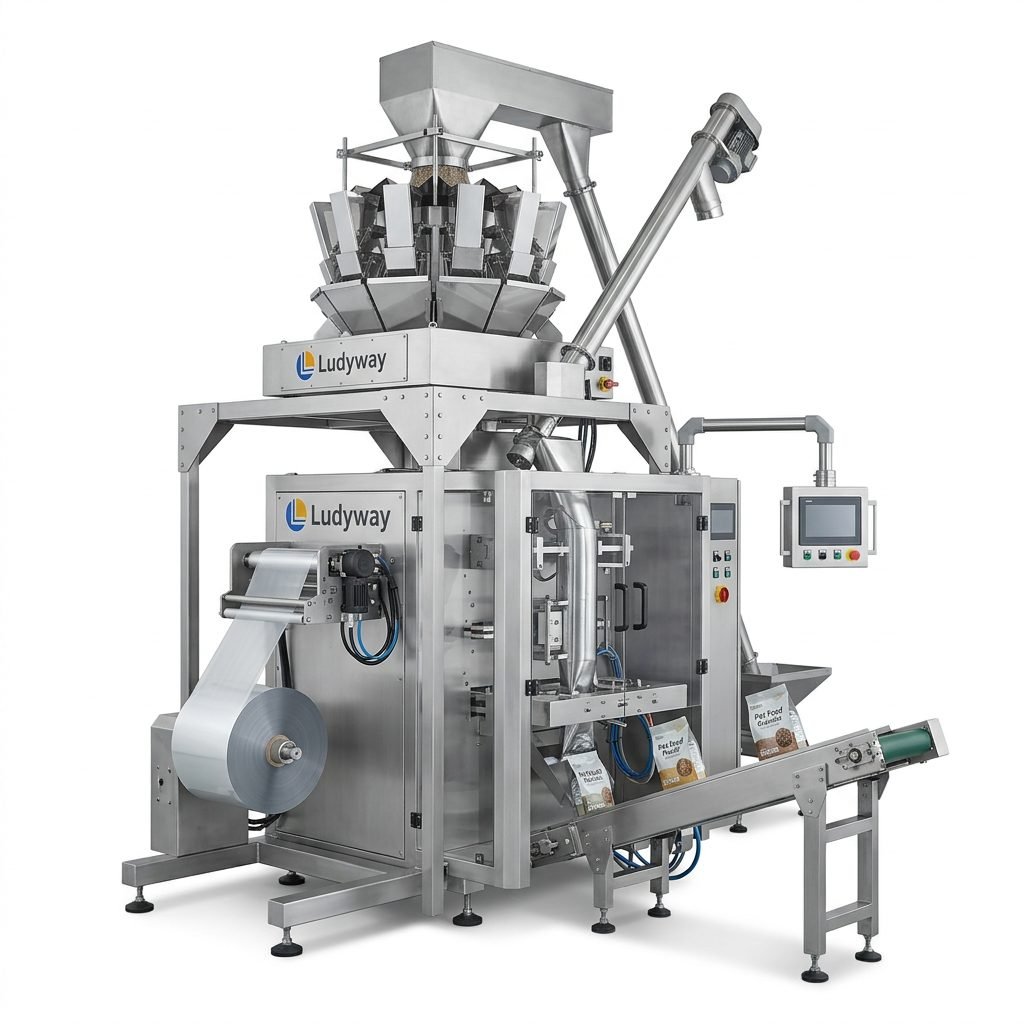
- Weigh Cells & Scales: For high-precision net weight filling systems.
⚠️ Key Insight: Wear in these parts directly impacts dosing accuracy, leading to product giveaway or underfills. Regular calibration and inspection are non-negotiable.
2. Film & Material Handling Parts
The system that transports and forms the packaging material. Vital components include:
- Film Rollers & Guides: Ensure smooth, tension-controlled web feed.
- Forming Plows & Collars: Shape the flat film into pouches or sticks.
- Sealing Elements: Heating elements (bands, bars), sealing jaws, and Teflon coatings create the hermetic seal.
3. Drive & Transmission Components
These provide the motion and power for the machine’s cycle.
- Servo Motors & Drives: Offer precise, programmable control of movements.
- Gears, Belts, & Chains: Transfer power between different machine sections.
- Bearings & Bushings: Reduce friction in rotating and linear motions.
4. Control & Sensing Systems
The “brain” and “nervous system” of the machine.
- PLC (Programmable Logic Controller): The central processing unit.
- HMI (Human-Machine Interface): The operator’s touchscreen control panel.
- Sensors: Photoelectric, proximity, and temperature sensors monitor process conditions.
⚠️ Key Insight: Upgrading older relay-based controls to a modern PLC system can dramatically improve diagnostics, flexibility, and ease of use.
Strategic Upgrades: Boosting Performance & Capabilities
Beyond routine replacement, upgrading specific parts can transform your machine’s capabilities.
1. Modernizing the Control System
Replacing an outdated control panel with a modern touchscreen HMI and PLC offers intuitive operation, advanced recipe management, and detailed production data logging. This upgrade simplifies changeovers and provides valuable insights for optimization.
2. Enhancing Dosing Accuracy
Upgrading from a simple auger to a servo-driven auger or installing a precision weigh scale system can drastically reduce filling variation. This is crucial for cost control and compliance with net content regulations.
3. Improving Seal Integrity & Speed
Advanced impulse sealing systems or contoured sealing jaws can provide more consistent seals on challenging materials. Upgrading to high-performance heating elements with better temperature uniformity can also increase sealing speed and reliability.
4. Implementing Advanced Diagnostics
Adding IoT-enabled sensors and connectivity modules allows for remote monitoring of machine health. Predictive maintenance alerts for issues like motor vibration or temperature drift can prevent unexpected downtime.
Proactive Maintenance: The Key to Longevity & Uptime
A disciplined maintenance regimen is the most cost-effective strategy for any packaging operation.
Daily & Weekly Routines
- Cleaning: Remove product dust and debris from sealing areas, guides, and sensors.
- Visual Inspection: Check for loose fasteners, worn belts, or damaged Teflon coatings.
- Lubrication: Apply appropriate lubricants to bearings, guides, and chains as specified.
Monthly & Quarterly Checks
- Calibration: Verify the accuracy of dosing systems and temperature controls.
- Wear Part Inspection: Measure and assess wear on sealing bands, cutting blades, auger flights, and gaskets.
- Electrical Check: Inspect connections, check sensor alignment, and test safety circuits.
Annual or Semi-Annual Overhaul
This involves a more comprehensive disassembly and replacement of key wear components. It’s also an opportunity to perform alignment checks on critical assemblies like the forming column or main drive train. Keeping a detailed maintenance log helps track part lifecycles and plan these overhauls effectively.
📊 Best Practice: Maintain a spare parts inventory for critical wear items (sealing bands, cutting blades, common sensors). This minimizes downtime when replacement is needed.
Choosing the Right Parts & Partner
Selecting high-quality replacement parts and a reliable supplier is fundamental.
- Material Compatibility: Ensure parts like seals and gaskets are compatible with your product (food-grade, chemical resistance).
- Original vs. Compatible: OEM parts guarantee fit and performance, but high-quality compatible parts from specialized manufacturers can offer cost savings without sacrificing reliability.
- Supplier Support: Choose a supplier that provides detailed technical specifications, cross-reference guides, and accessible technical support. A partner with strong engineering expertise, like Ludyway Machinery, can offer valuable guidance beyond just selling parts.
Investing in top-quality parts, implementing strategic upgrades, and adhering to a proactive maintenance schedule creates a virtuous cycle. It enhances your packaging line’s efficiency, reduces unplanned downtime, protects your product quality, and ultimately safeguards your bottom line. For specialized guidance on components or upgrades for your specific machinery, consulting with experienced packaging engineers is always recommended. You can explore solutions offered by experts in the field through resources like Ludyway’s packaging systems portfolio.
Frequently Asked Questions (FAQs)
1. How often should I replace the sealing bands on my pouch machine?
Replacement frequency depends on run hours, film material, and temperature. Under continuous operation with abrasive films, inspect monthly and plan replacement every 3-6 months. A visible loss of surface integrity or inconsistent seals are clear indicators.
2. Can I upgrade my old mechanical machine to servo-driven controls?
Yes, many machines can be retrofitted. It requires replacing the main drive motor, installing a servo drive and controller, and integrating them with the PLC. This is a significant upgrade that improves accuracy, flexibility, and diagnostics. Consulting a specialist like packaging automation engineers is crucial for a successful project.
3. What are the most common signs of a failing bearing in the drive train?
Increased noise (grinding or humming), excessive vibration transmitted to the frame, and localized heat around the bearing housing are primary signs. Don’t ignore these, as a failed bearing can cause catastrophic damage to other components.
4. Is it necessary to use OEM parts, or are third-party alternatives reliable?
OEM parts ensure perfect compatibility. However, many reputable third-party manufacturers produce high-quality, compatible parts that meet or exceed original specifications at a lower cost. The key is to source from trusted suppliers with proven quality control.
5. How can I improve the accuracy of my powder filler?
Beyond regular auger wear inspection, consider upgrading to a servo-driven auger for precise rotation control. Implementing a check-weigh system downstream to feedback corrections to the filler can also dramatically improve net weight accuracy.