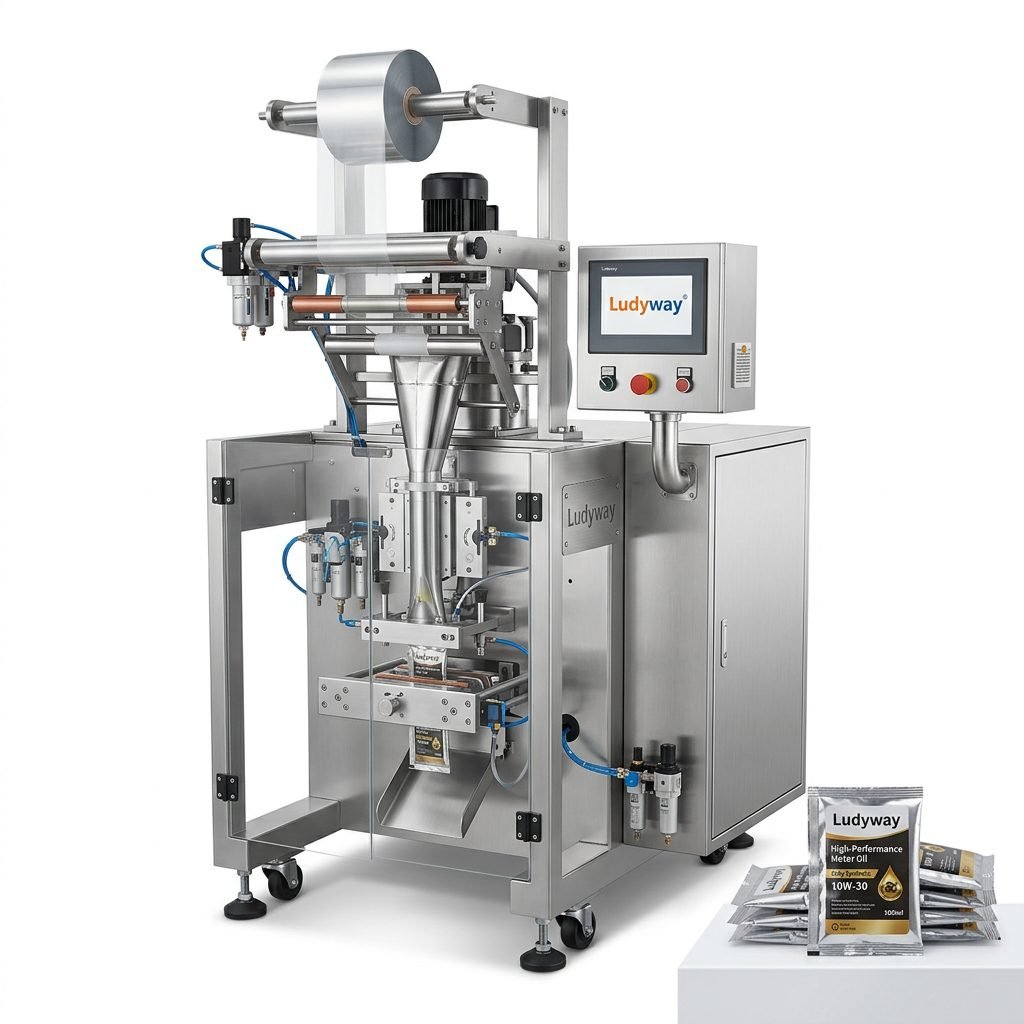
The bakery industry across Africa is experiencing unprecedented growth, driven by rapid urbanization, changing consumer habits, and a rising middle class. From Lagos to Nairobi, bakeries are scaling up operations to meet surging demand for bread, pastries, biscuits, and packaged baked goods. Setting up an efficient packaging machine production line is no longer optional—it is a strategic necessity for competitiveness and profitability.
Understanding Africa’s Bakery Packaging Landscape
The African continent presents unique opportunities and challenges for bakery packaging operations. Unlike more mature markets, many regions combine traditional baking methods with modern retail formats, creating a hybrid demand for packaging solutions. Supermarket chains, hotels, restaurants, and institutional buyers increasingly require professionally packaged bakery products that meet shelf-life, hygiene, and branding standards.
Key markets driving bakery packaging demand include Nigeria, Kenya, South Africa, Ghana, Ethiopia, and Tanzania. Each country has distinct regulatory requirements, power infrastructure considerations, and consumer preferences that influence packaging line design. Understanding these nuances before investing in equipment is critical to long-term success.
Essential Types of Bakery Packaging Machines
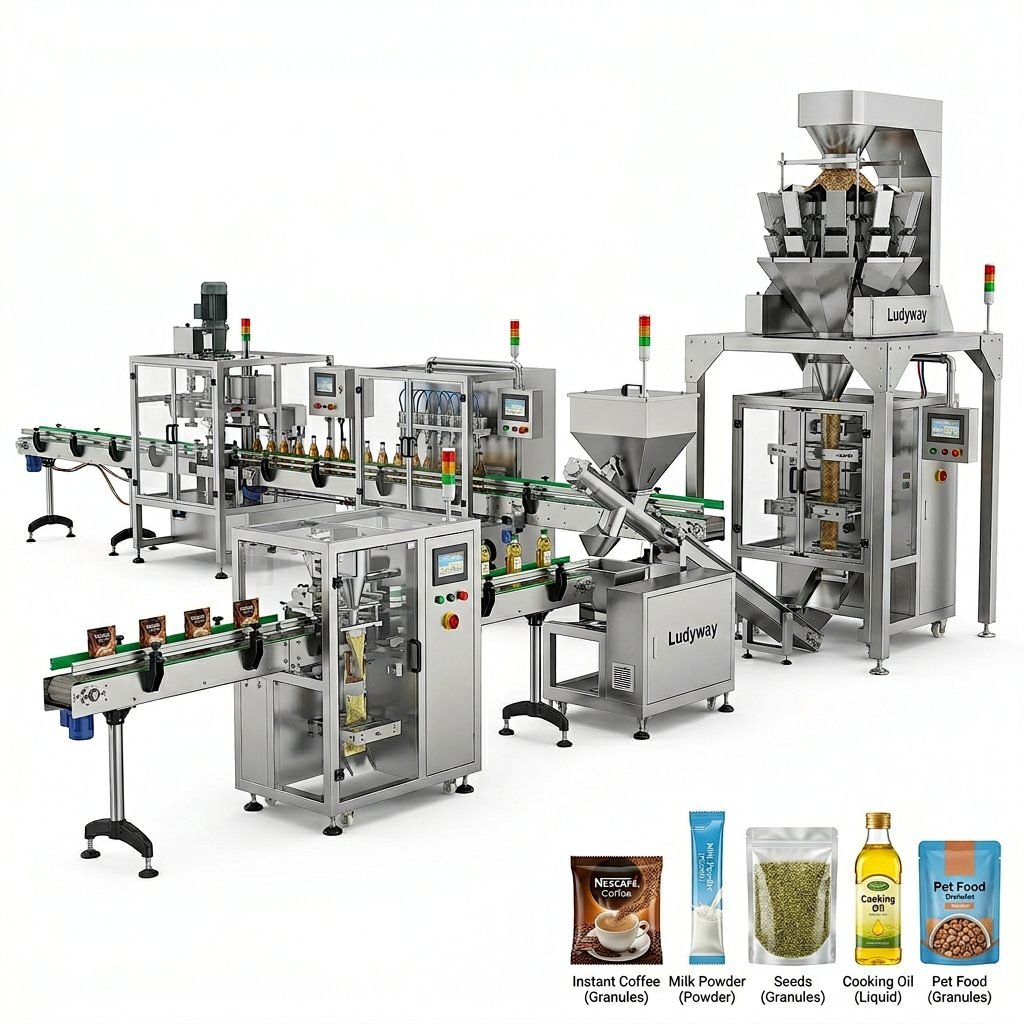
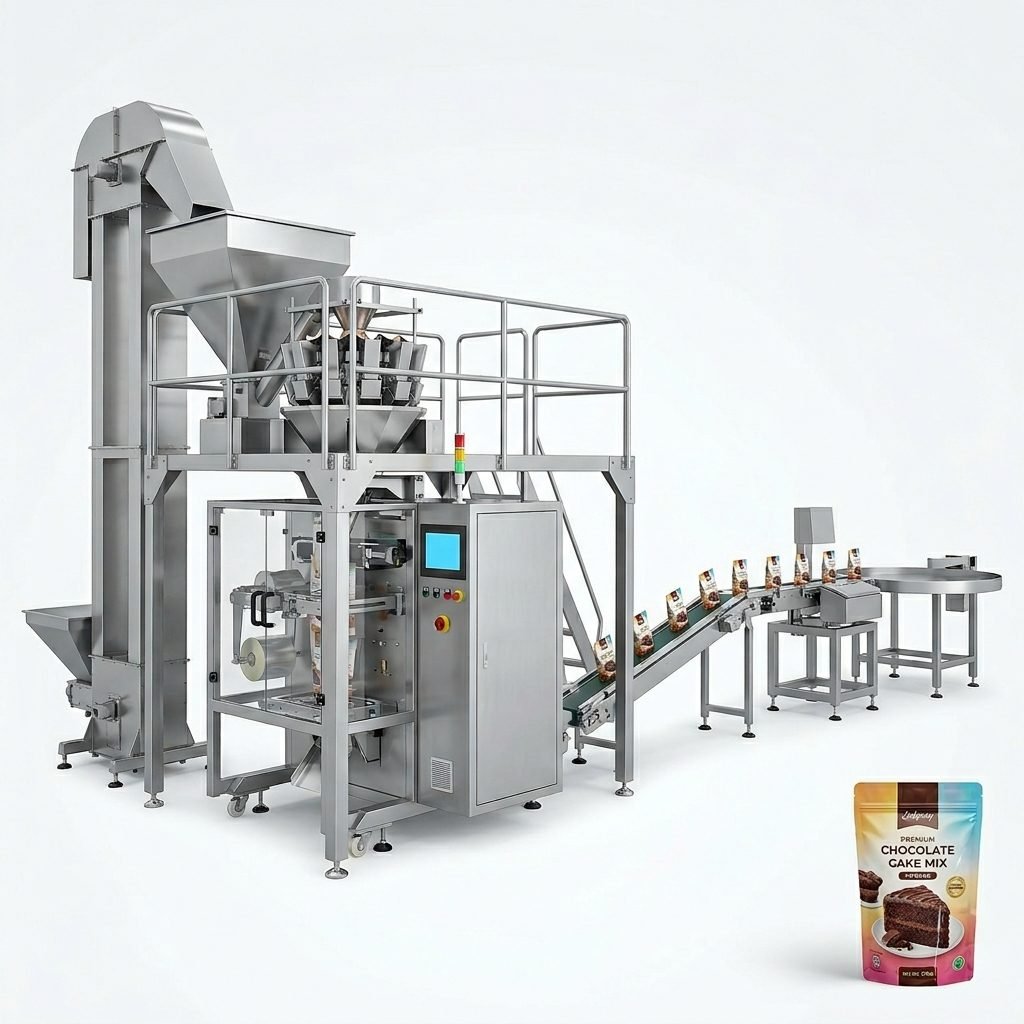
A complete bakery packaging production line typically integrates several machine types. The specific configuration depends on your product range—whether you are packaging sliced bread, rolls, biscuits, cakes, or dry bakery ingredients. Below are the core equipment categories:
Flow Wrapping and Horizontal Packaging Machines
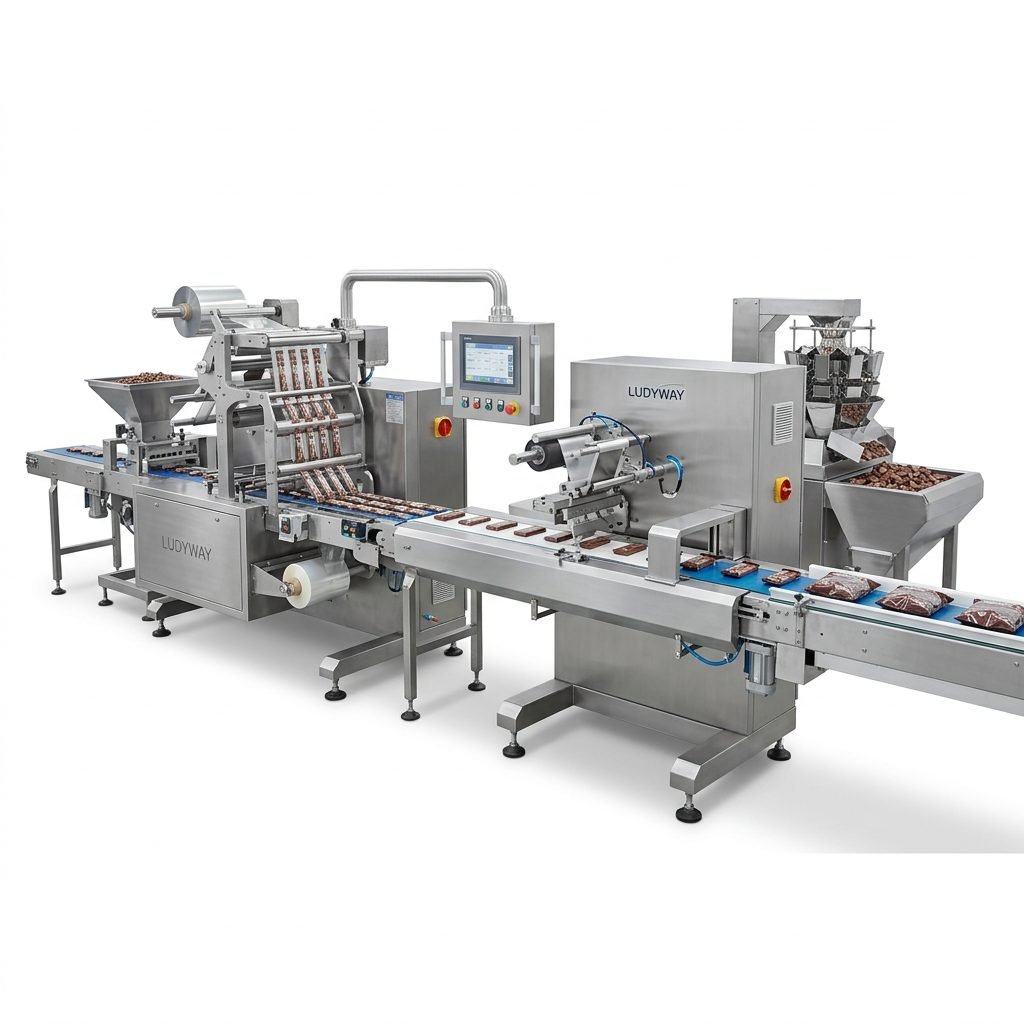
These machines are ideal for individual bread loaves, pastries, and baked snacks. They create airtight pillow-pack style wraps that preserve freshness and enable attractive product presentation. Modern flow wrappers offer adjustable speeds and can handle various film types suitable for African climate conditions.

Bread Bagging and Clipping Systems
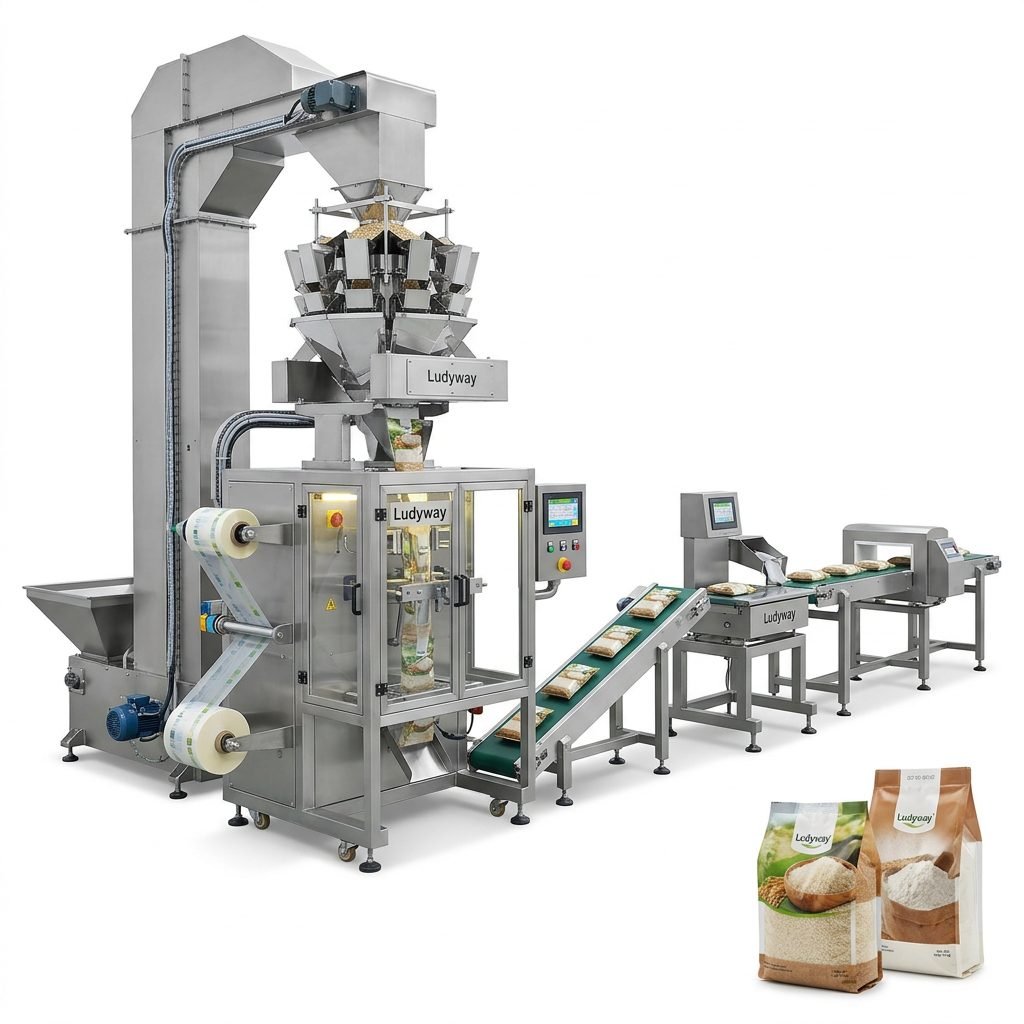
For sliced bread and larger loaves, automatic bagging machines with twist-tie or clip closures are standard across commercial bakeries. These systems can bag hundreds of loaves per hour, dramatically reducing labor costs while improving hygiene. Many systems now incorporate date coding and labeling modules for traceability compliance.
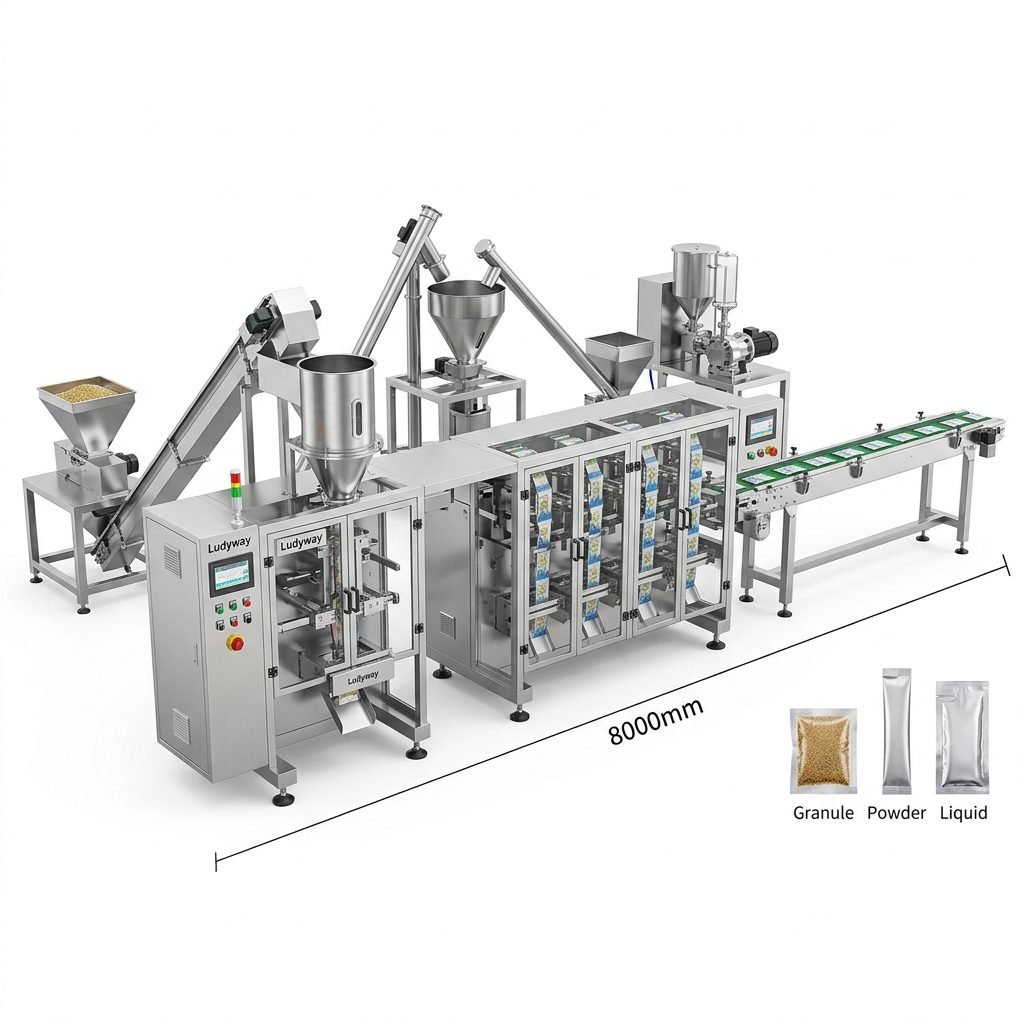
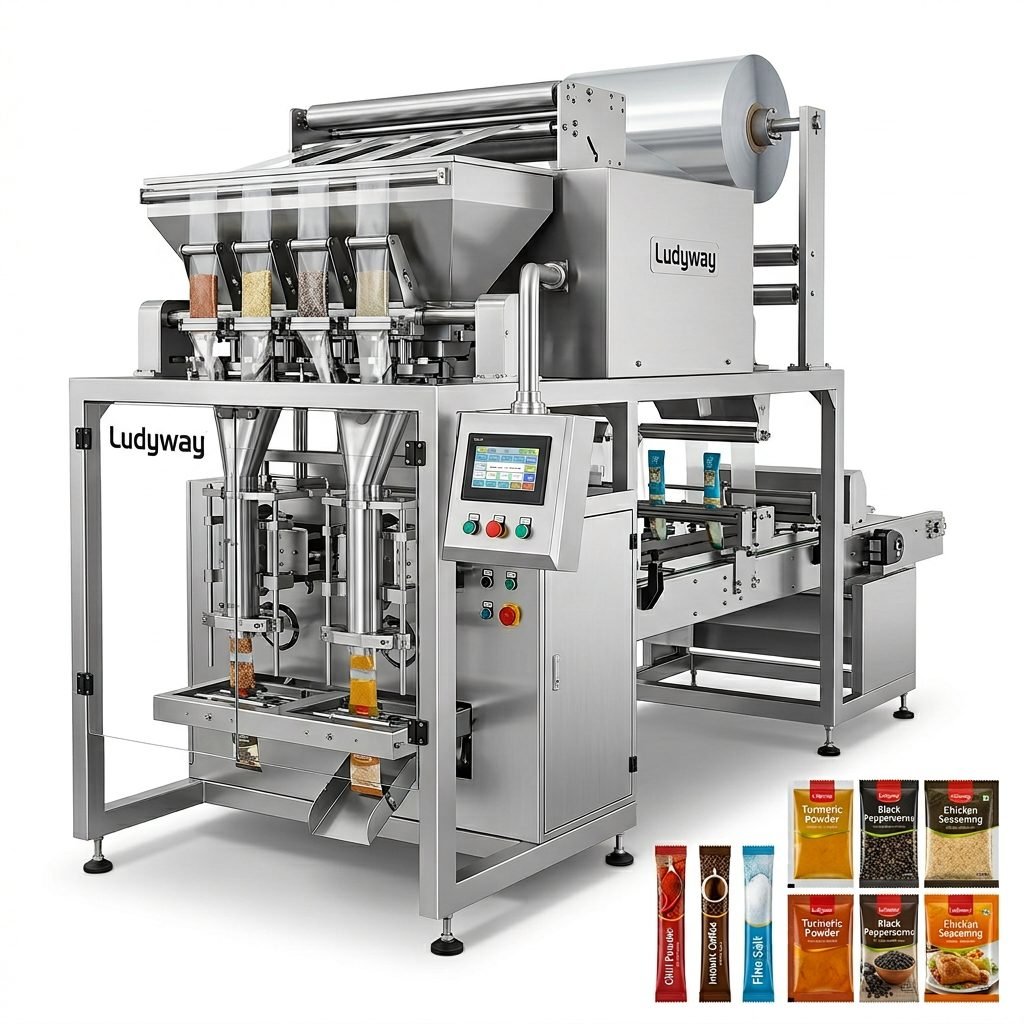
Multi-Lane Sachet and Stick Pack Machines
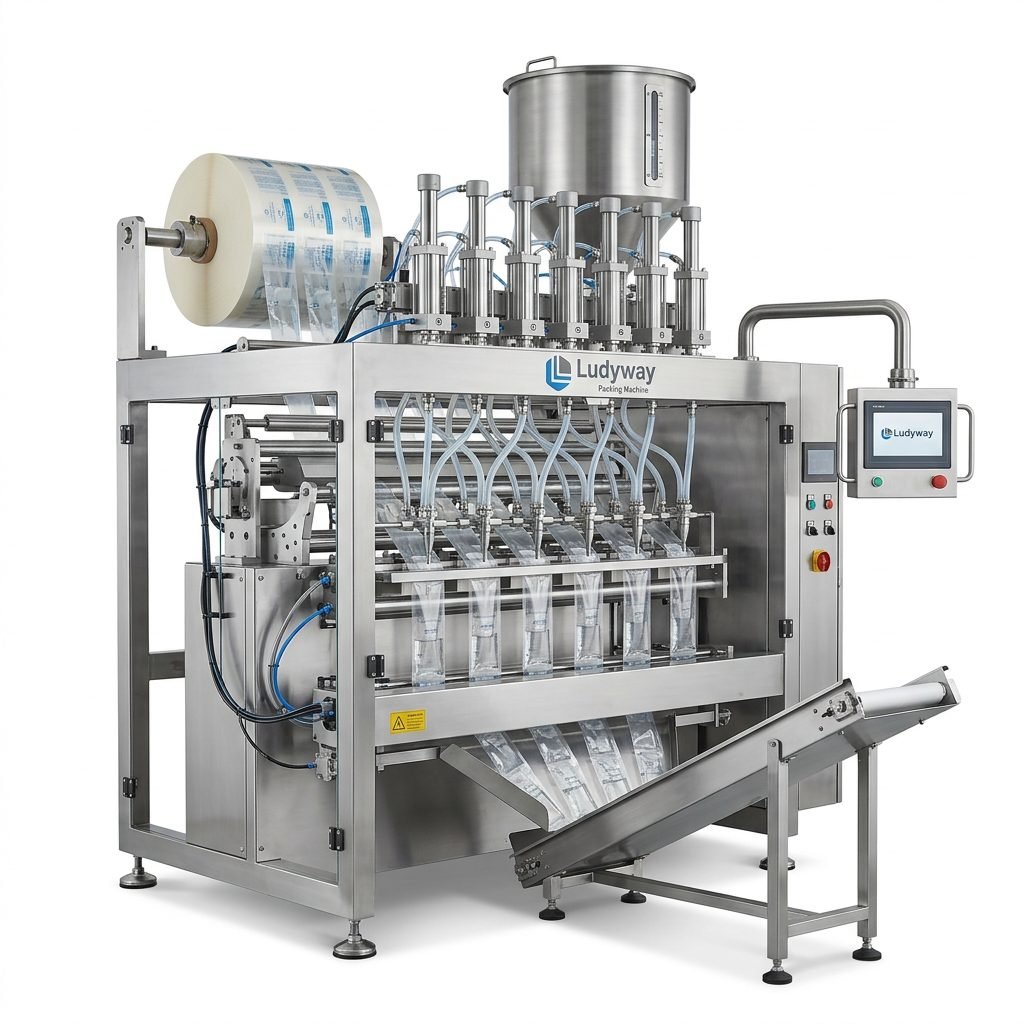
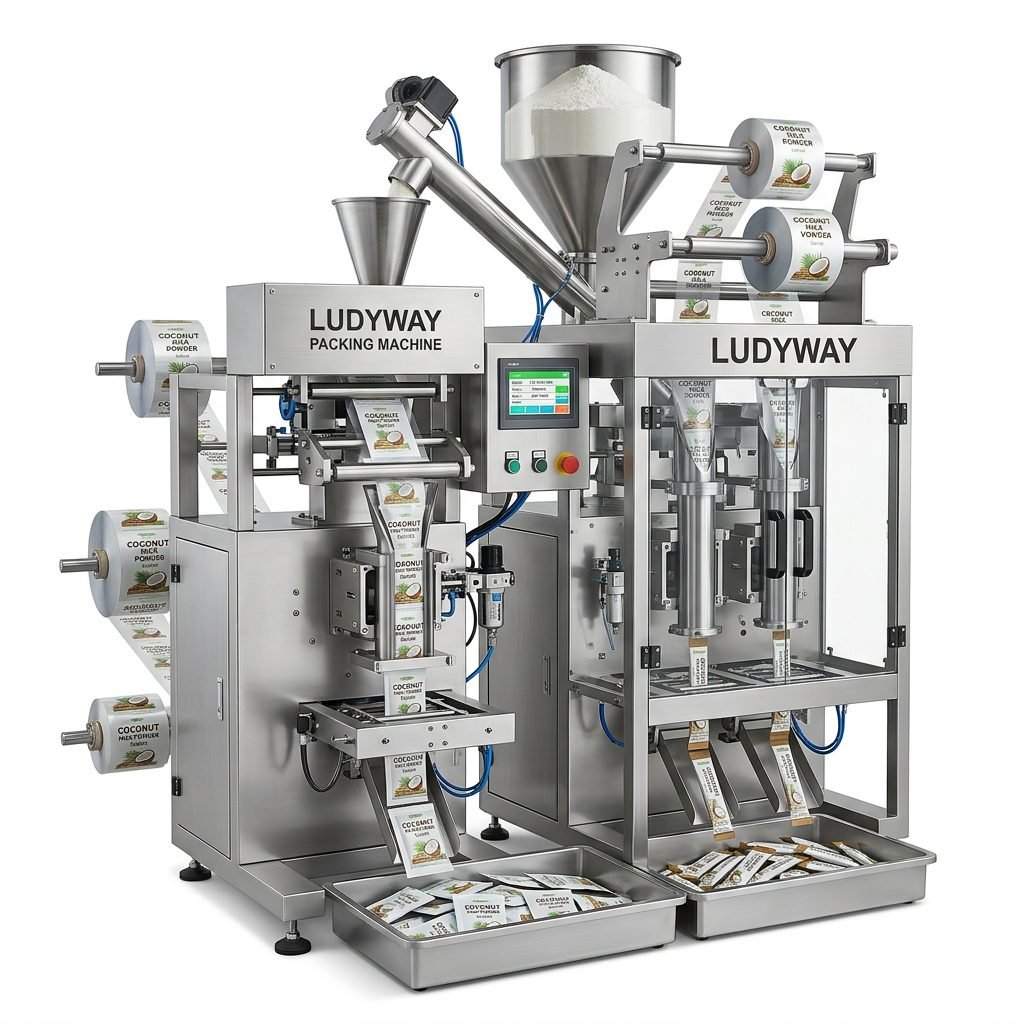
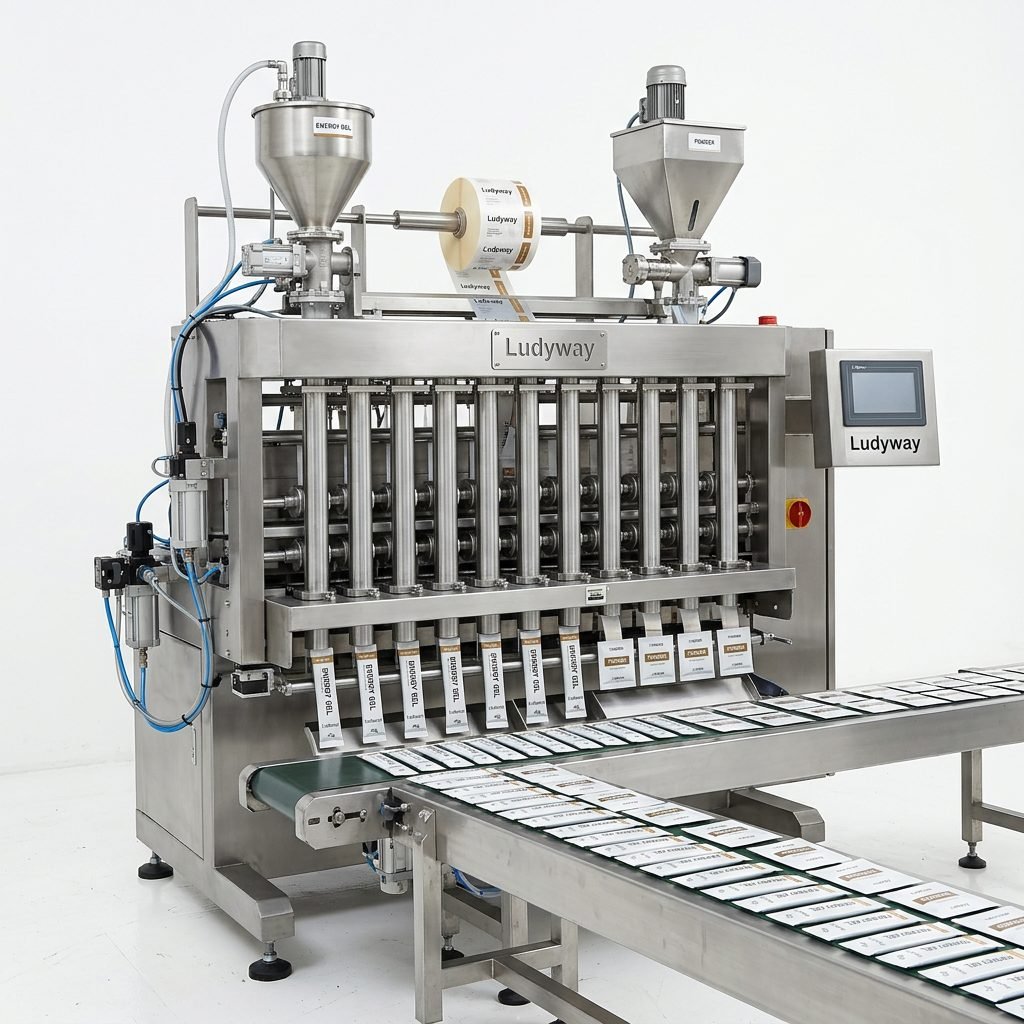
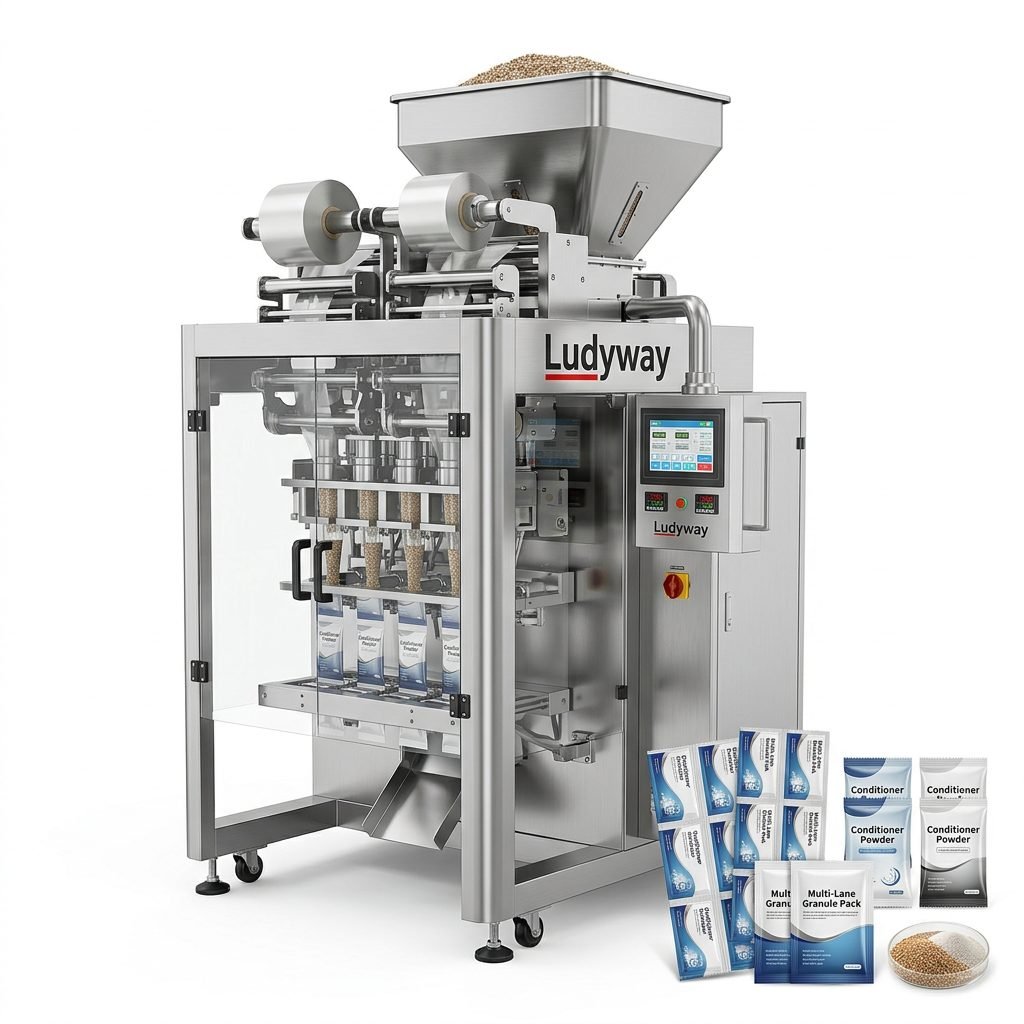
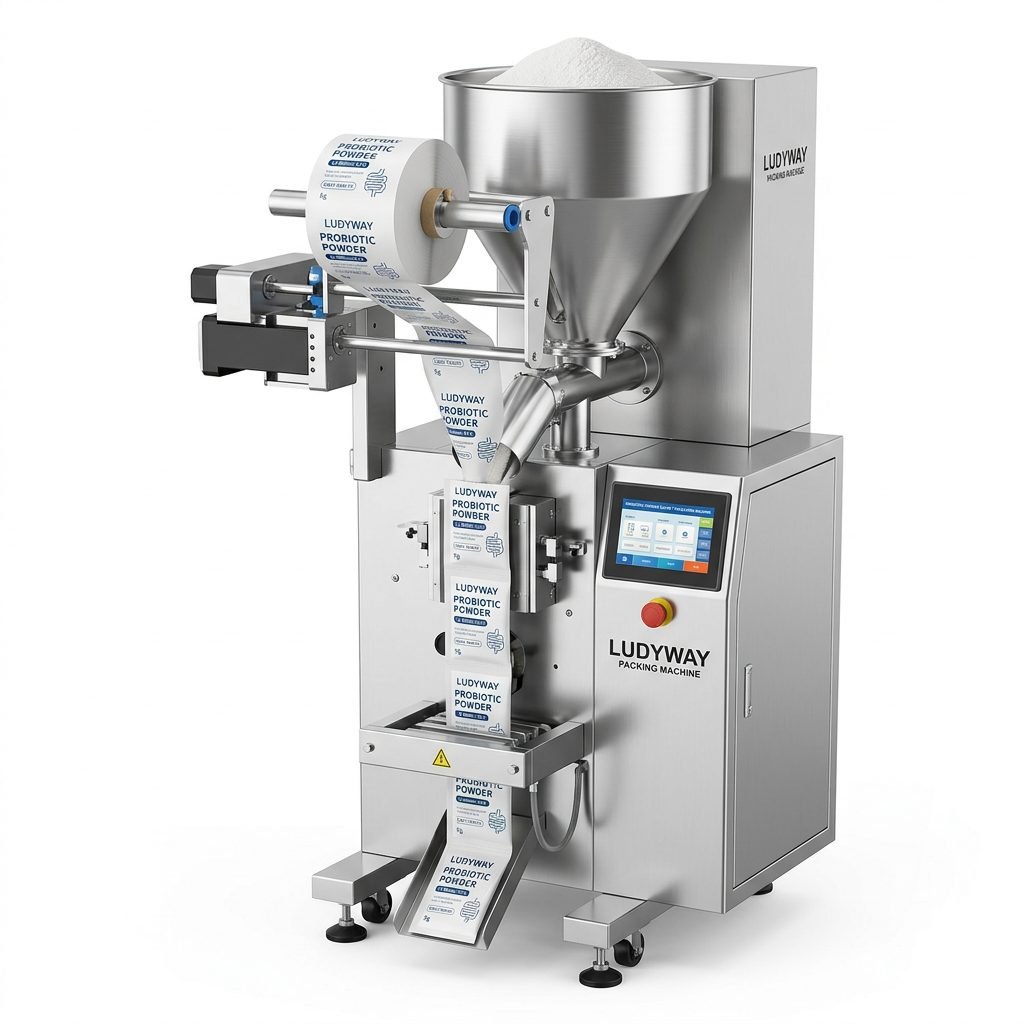
For powdered bakery ingredients such as pre-mixes, baking powder, yeast sachets, and flavoring packets, multi-lane sachet packaging machines offer exceptional throughput. These systems can produce 4 to 12 lanes simultaneously, filling and sealing small sachets at impressive speeds. They are particularly valuable for bakeries that also sell branded retail ingredient products.
Step-by-Step Production Line Planning
Proper planning is the foundation of a successful packaging line installation. Rushing into equipment purchases without thorough analysis often leads to costly mismatches between machine capabilities and actual production needs. Follow these structured steps:
| Phase | Key Activities | Estimated Timeline |
|---|---|---|
| 1. Assessment | Evaluate current production volume, product types, packaging formats, and growth projections | 2-4 weeks |
| 2. Design | Create floor plan layouts, define equipment specifications, and select machinery suppliers | 4-6 weeks |
| 3. Procurement | Order equipment, negotiate terms, arrange logistics and import documentation | 8-12 weeks |
| 4. Installation | Site preparation, equipment delivery, mechanical and electrical setup | 3-6 weeks |
| 5. Commissioning | Testing, calibration, operator training, and fine-tuning production parameters | 2-4 weeks |
Factory Layout and Infrastructure Requirements
African bakeries often operate in diverse facility types, from purpose-built industrial units to converted spaces. Regardless of your facility, certain infrastructure elements are essential for packaging line success:
- Stable Power Supply: Voltage fluctuations are common in many African regions. Industrial-grade voltage stabilizers and backup generators are critical investments to protect sensitive packaging electronics.
- Compressed Air Systems: Most automated packaging machines require clean, dry compressed air for pneumatic components. Invest in proper air drying and filtration equipment.
- Climate Control: High humidity and temperatures can affect packaging film properties and machine performance. Consider air-conditioned packaging areas where possible.
- Sanitary Design: Flooring, drainage, and wall surfaces should facilitate easy cleaning and comply with food safety standards.
- Material Flow: Design logical pathways for raw materials entering and finished packaged goods exiting the production area.
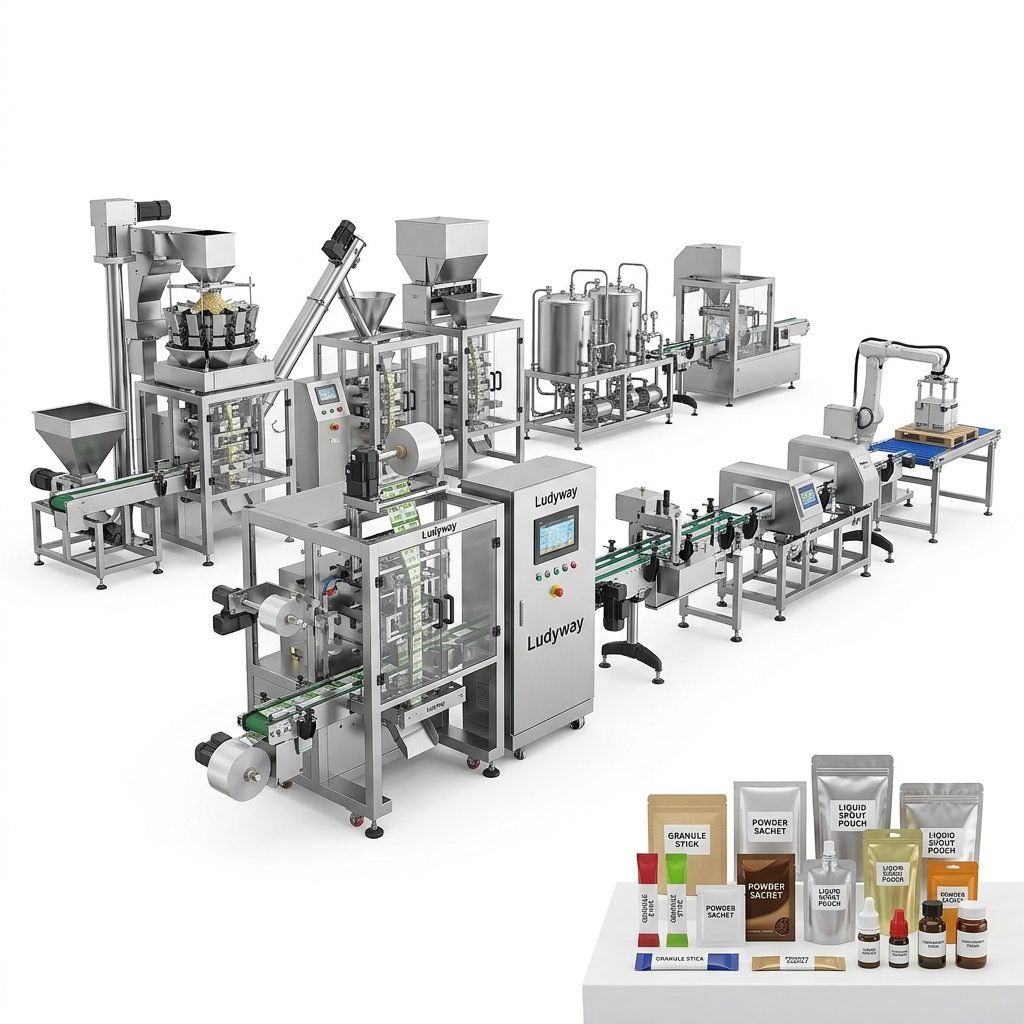
Selecting the Right Packaging Materials
Packaging material selection directly impacts product shelf life, machine efficiency, and consumer appeal. In Africa, where distribution chains can be lengthy and storage conditions vary, material quality is paramount. Common materials for bakery packaging include:
- BOPP Films: Biaxially oriented polypropylene offers excellent clarity, moisture barrier properties, and printability for bread bags and biscuit wraps.
- Laminated Foils: Multi-layer laminates with aluminum foil provide superior barrier protection for extended shelf-life products like cake mixes and baking powders.
- Kraft Paper with PE Lining: Environmentally friendly options gaining popularity in premium bakery segments across South Africa and Kenya.
- Biodegradable Films: Emerging sustainable packaging options aligned with global trends and increasing African regulatory interest in reduced plastic waste.
Cost Considerations and Budget Planning
Investing in a bakery packaging production line requires careful financial planning. Costs vary significantly based on automation level, production capacity, and country-specific import duties. The table below outlines typical budget categories:
| Cost Category | Percentage of Total Budget | Notes |
|---|---|---|
| Primary Packaging Machinery | 45-55% | Flow wrappers, baggers, sachet machines, conveyors |
| Auxiliary Equipment | 10-15% | Date coders, metal detectors, checkweighers, labelers |
| Installation and Commissioning | 8-12% | Site preparation, electrical work, technician support |
| Shipping and Import Duties | 10-20% | Varies significantly by country; African continental trade agreements may reduce costs |
| Training and Documentation | 3-5% | Operator training, maintenance manuals, SOP development |
| Contingency Reserve | 10-15% | Unforeseen expenses, currency fluctuations, delays |
Navigating Import Regulations and Logistics
Importing packaging machinery into African countries involves multiple regulatory steps. Each nation has its own customs procedures, tariff structures, and documentation requirements. Key considerations include:
- Certificate of Origin: Required by most African customs authorities to determine applicable duty rates under trade agreements.
- Standards Compliance: Some countries require equipment to meet local standards or have specific certifications such as ISO packaging standards.
- Port Handling: Major ports like Mombasa, Durban, and Lagos have specific procedures for industrial equipment clearance.
- Inland Transportation: Plan for specialized transport if your facility is located far from major ports.
Operator Training and Skill Development
One of the most overlooked aspects of setting up a packaging line in Africa is operator training. Even the most advanced machinery will underperform without skilled operators. Develop a comprehensive training program covering:
Core Training Modules
- Machine startup and shutdown procedures
- Product changeover and format adjustment techniques
- Daily cleaning and sanitation protocols aligned with FDA food packaging guidelines
- Basic troubleshooting and fault diagnosis
- Preventive maintenance scheduling and execution
- Quality control checks and documentation practices
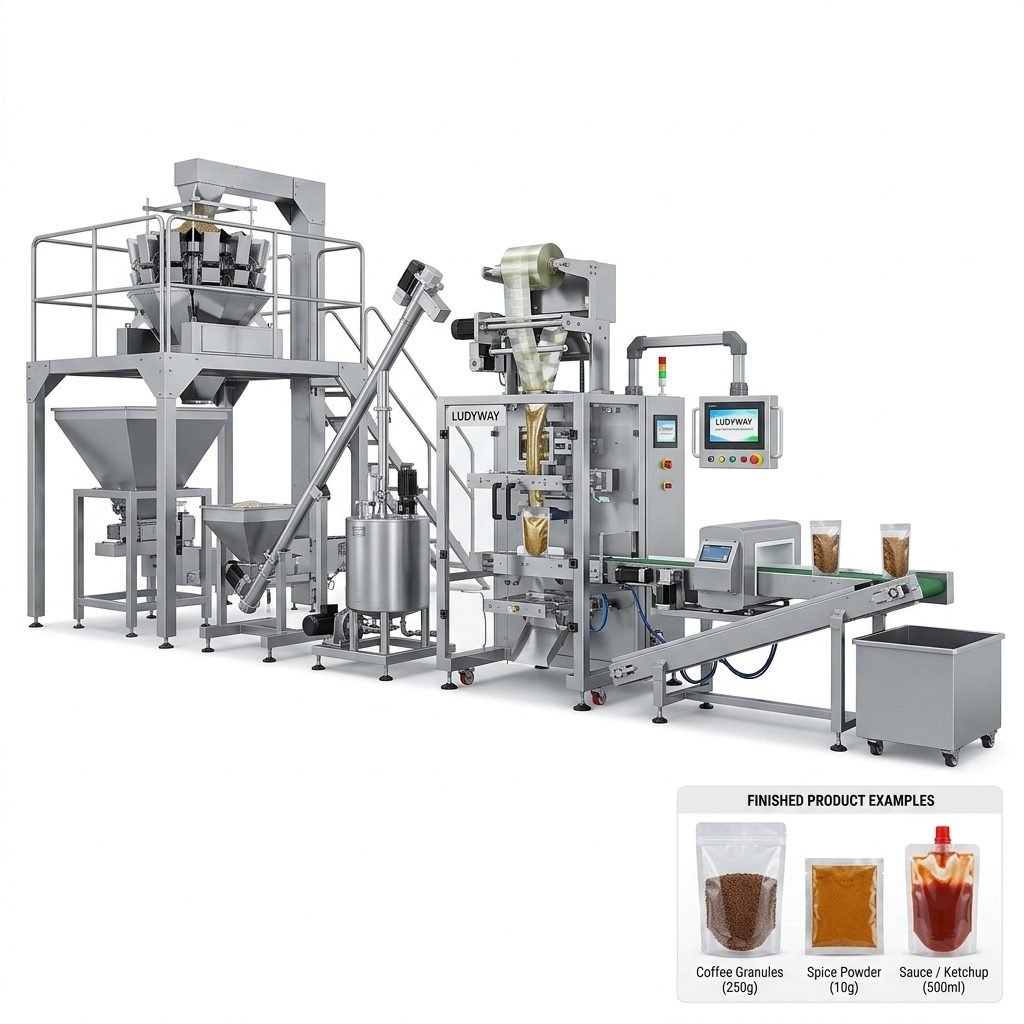
Maintenance Strategies for African Operating Conditions
African environments can be particularly demanding on packaging machinery. Dust, humidity, heat, and inconsistent power quality all contribute to accelerated wear. A proactive maintenance strategy is essential:
| Maintenance Type | Frequency | Key Activities |
|---|---|---|
| Daily | Every shift | Visual inspection, cleaning of sealing jaws, lubrication checks, sensor verification |
| Weekly | Every 40-50 operating hours | Belt tension adjustments, chain lubrication, filter cleaning, software backups |
| Monthly | Every 160-200 operating hours | Bearing inspection, electrical connection tightening, calibration verification |
| Quarterly | Every 500-600 operating hours | Gearbox oil changes, comprehensive sensor testing, pneumatic system overhaul |
| Annual | Shutdown period | Complete machine overhaul, replacement of wear parts, control system updates |
Quality Control and Food Safety Compliance
Food safety is non-negotiable in bakery packaging. Consumers and regulators increasingly demand rigorous quality assurance throughout the packaging process. Incorporate these quality control measures into your production line:
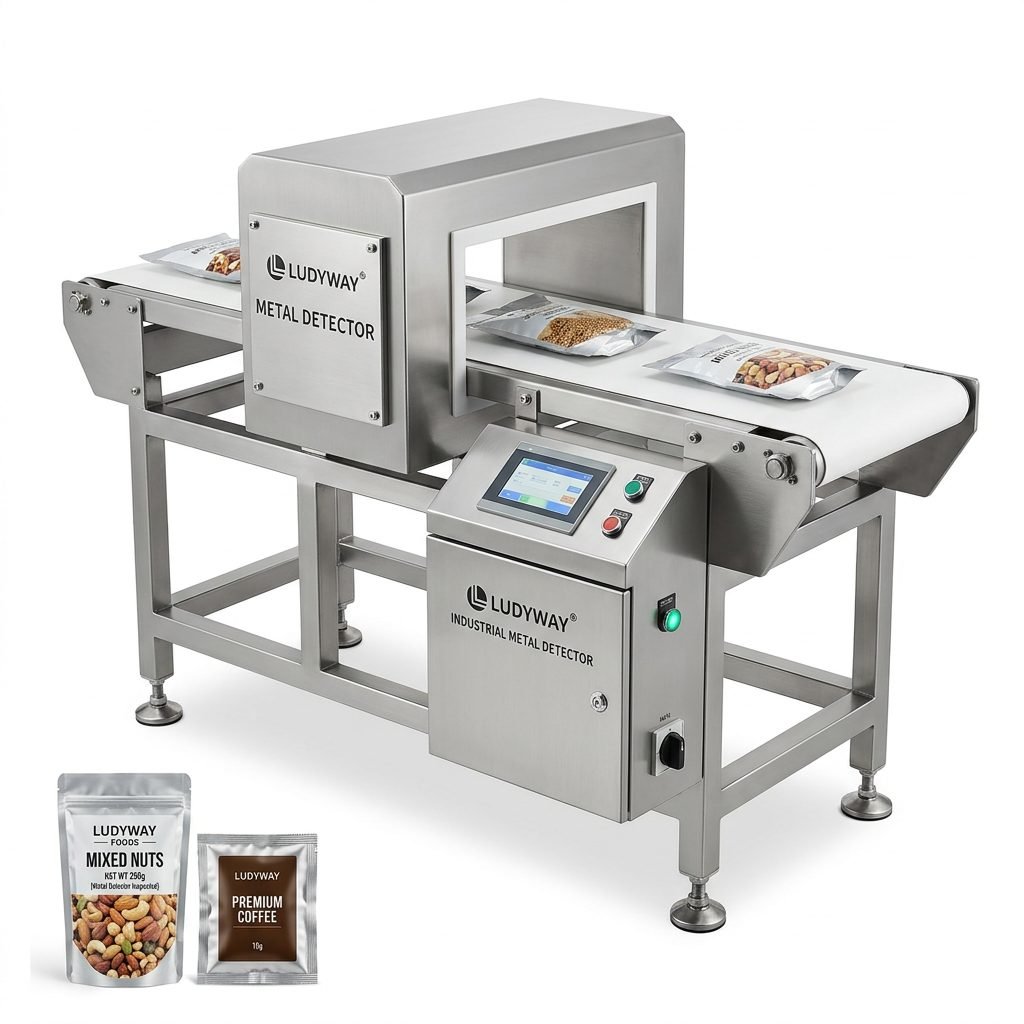
- Metal Detection: Install inline metal detectors after packaging to catch any metallic contaminants before products leave the facility.
- Checkweighing: Automatic checkweighers verify that each package contains the correct product weight, protecting both consumers and your margins.
- Seal Integrity Testing: Regular seal strength and leak testing ensures packages remain intact through distribution.
- Date Code Verification: Automated vision systems can verify that date codes and batch numbers are correctly printed on every package.
Sustainability and Waste Reduction
Sustainable packaging practices are gaining traction across Africa, driven by both regulatory pressure and consumer awareness. Bakeries that proactively address packaging waste gain competitive advantage. Consider these approaches:
- Right-Sizing Packages: Optimize package dimensions to minimize material usage without compromising product protection.
- Film Gauge Reduction: Modern machines can handle thinner films while maintaining seal integrity, reducing plastic consumption by 15-30%.
- Recyclable Mono-Materials: Shift from multi-layer laminates to recyclable mono-material structures where technically feasible.
- Production Waste Tracking: Implement systems to measure and minimize film waste during machine startups and changeovers.
These practices align with global packaging sustainability trends tracked by organizations like the Flexible Packaging Association and European packaging regulations monitored by the European Commission.
Choosing a Reliable Equipment Partner
Selecting the right machinery supplier is arguably the most critical decision in this entire process. Look for manufacturers with proven experience in emerging markets, strong after-sales support networks, and a commitment to long-term partnership rather than transactional sales. Key evaluation criteria include:
- African Market Experience: Has the supplier successfully installed lines in your target country or region?
- Technical Support Availability: Can they provide remote diagnostics, on-site service, and rapid spare parts delivery?
- Training Capabilities: Do they offer comprehensive operator and maintenance training programs?
- Customization Flexibility: Can they adapt standard machines to your specific product and packaging requirements?
- Documentation Quality: Are manuals and technical documents available in languages your team understands?
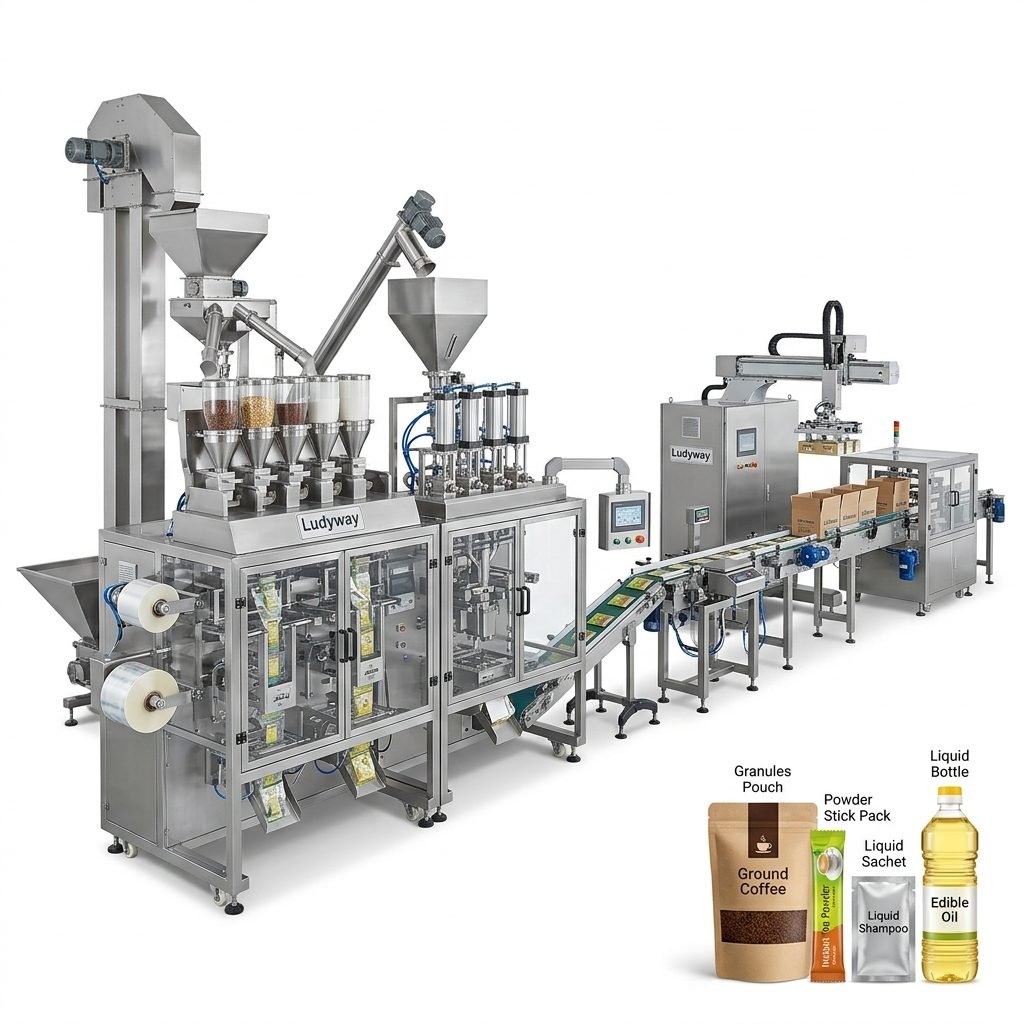
Established manufacturers with global reach often provide the most reliable support for African operations. For instance, Ludyway has developed extensive expertise in supplying turnkey packaging solutions to diverse international markets, offering over 50 intelligent packaging machine models suitable for food, pharmaceutical, and bakery applications across more than 100 countries.
Common Challenges and Practical Solutions
Every packaging line installation encounters obstacles. Anticipating common challenges specific to the African context enables faster problem resolution:
Power Instability
Challenge: Voltage fluctuations and unexpected outages can damage sensitive PLC controllers and servo drives. Solution: Install industrial-grade online UPS systems and automatic voltage regulators specifically sized for your packaging line’s power requirements.
Spare Parts Availability
Challenge: Long lead times for imported spare parts can cause extended downtime. Solution: Negotiate a comprehensive spare parts package as part of the initial equipment purchase, including critical wear components, sensors, and belts.
Skilled Labor Shortages
Challenge: Finding technicians with packaging machinery experience can be difficult in some African markets. Solution: Invest in intensive initial training, create detailed standard operating procedures with visual guides, and establish ongoing skills development programs.
Climate Adaptation
Challenge: High ambient temperatures and humidity affect film handling, sealing quality, and electronic component longevity. Solution: Specify machines with tropicalized components, ensure proper ventilation in the packaging area, and select packaging films rated for local climate conditions.
Future-Proofing Your Packaging Investment
The bakery market in Africa will continue evolving rapidly. Building flexibility into your packaging line from the start protects your investment against changing market demands. Consider these forward-looking strategies:
- Modular Machine Design: Choose equipment that allows for future upgrades and additional modules without complete replacement.
- Format Flexibility: Invest in machines capable of handling multiple bag sizes, film types, and packaging formats with minimal changeover time.
- Data Connectivity: Select machinery with Industry 4.0 capabilities—remote monitoring, production data collection, and predictive maintenance alerts.
- Scalable Capacity: Plan your initial line layout to accommodate additional machines as production volumes grow.
Industry reports from PMMI’s Business Intelligence consistently highlight the importance of flexible automation in emerging markets, where growth trajectories can shift rapidly in response to economic and demographic changes.
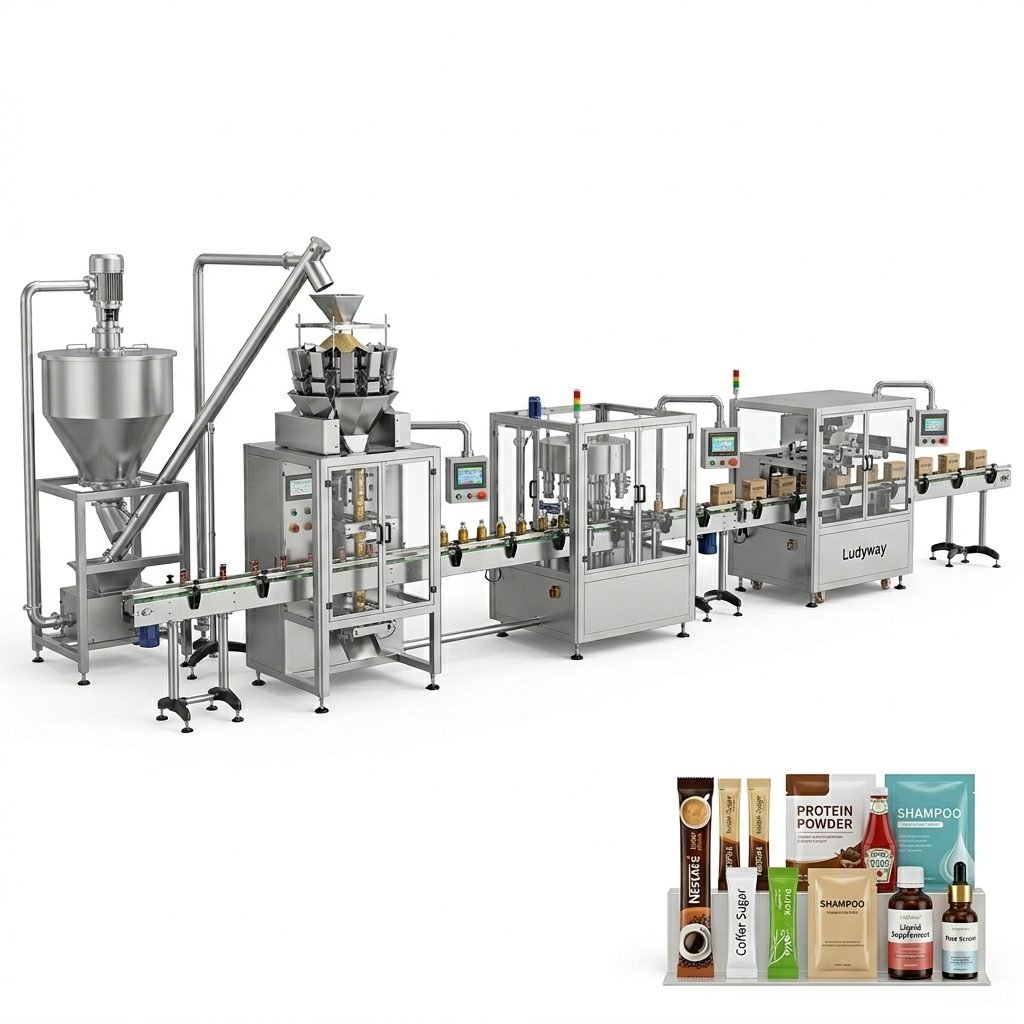
Conclusion: Building for Long-Term Success
Setting up a bakery packaging machine production line in Africa is a significant but rewarding investment. Success depends on thorough planning, realistic budgeting, selecting the right equipment partners, and committing to ongoing training and maintenance. The African bakery market offers tremendous growth potential for businesses that approach packaging automation strategically.
By following the structured approach outlined in this guide—from initial assessment through installation, training, and continuous improvement—you can build a packaging operation that delivers consistent quality, operational efficiency, and competitive advantage in one of the world’s most dynamic food markets. The key is to start with a clear understanding of your current needs while building in flexibility for the opportunities that lie ahead.
Frequently Asked Questions
What is the typical cost of a bakery packaging line for a medium-sized African bakery?
Costs typically range from $30,000 to $150,000 USD for a basic to mid-range automated line, including primary packaging machines, conveyors, and basic auxiliary equipment. High-capacity fully automated lines can exceed $300,000. Factors include machine origin, automation level, and import duties specific to your country.
How long does it take to install and fully commission a packaging line?
From order placement to full production, expect 3 to 6 months. This includes manufacturing lead time (8-12 weeks), shipping (3-6 weeks), installation (2-4 weeks), and commissioning with operator training (2-4 weeks). Remote locations may require additional time for logistics.
Can packaging machines handle Africa’s varied climate conditions?
Yes, when properly specified. Request tropicalized components from your supplier, including conformal-coated circuit boards, sealed bearings, and corrosion-resistant materials. Air-conditioned packaging rooms significantly improve machine performance and film handling in hot, humid regions.
What ongoing support should I expect from a packaging machine supplier?
Reputable suppliers provide remote technical support, spare parts supply, software updates, and periodic preventive maintenance visits. Before purchasing, clarify warranty terms, response times for support requests, and availability of local service partners in your region.
For more information on global packaging standards and industry best practices, visit the PMMI Association for Packaging and Processing Technologies and the Flexible Packaging Association.