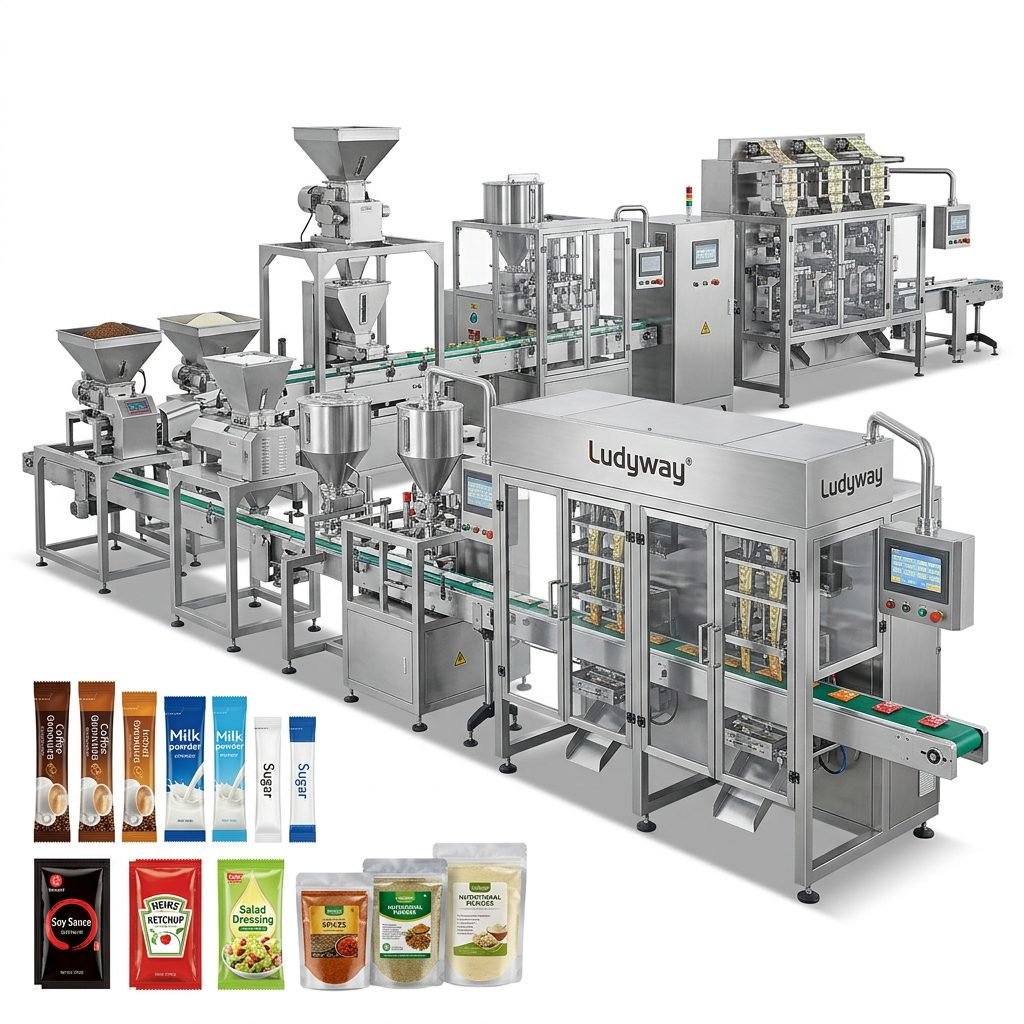
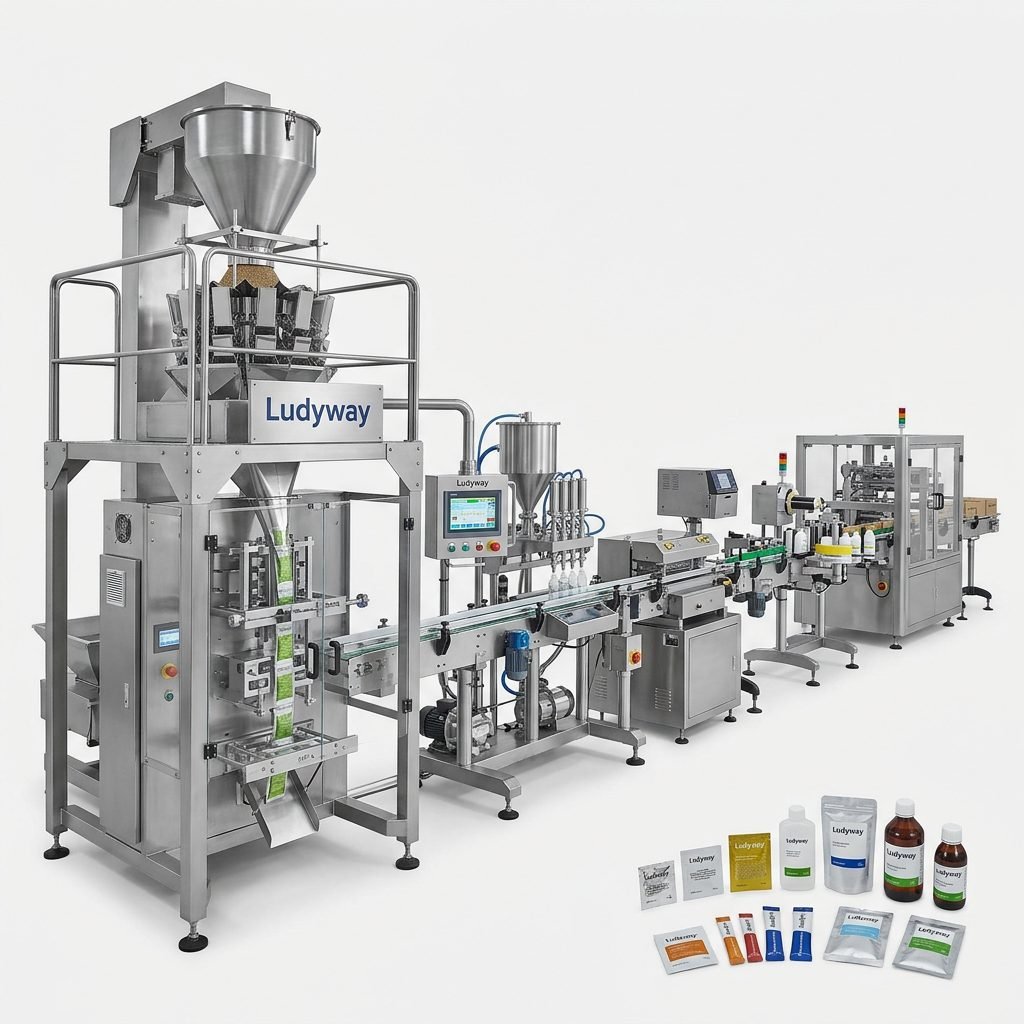
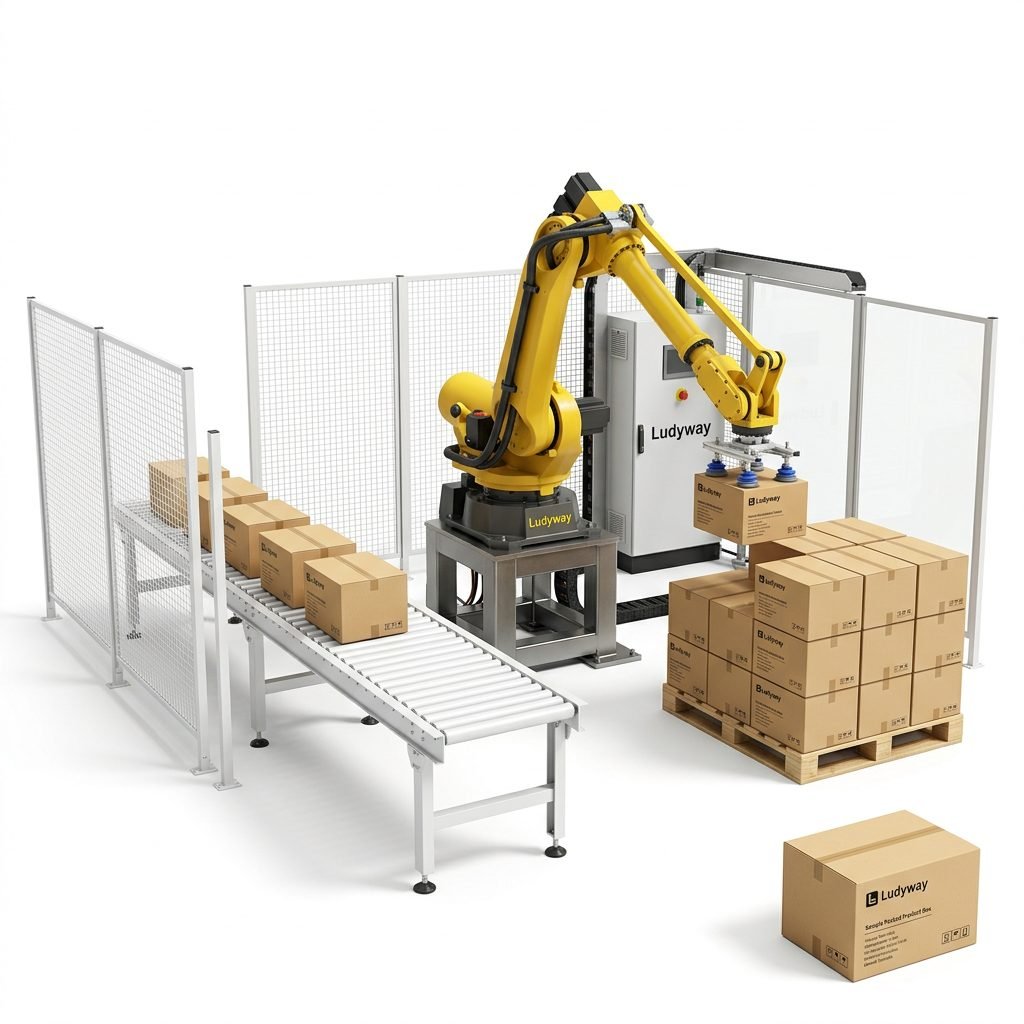
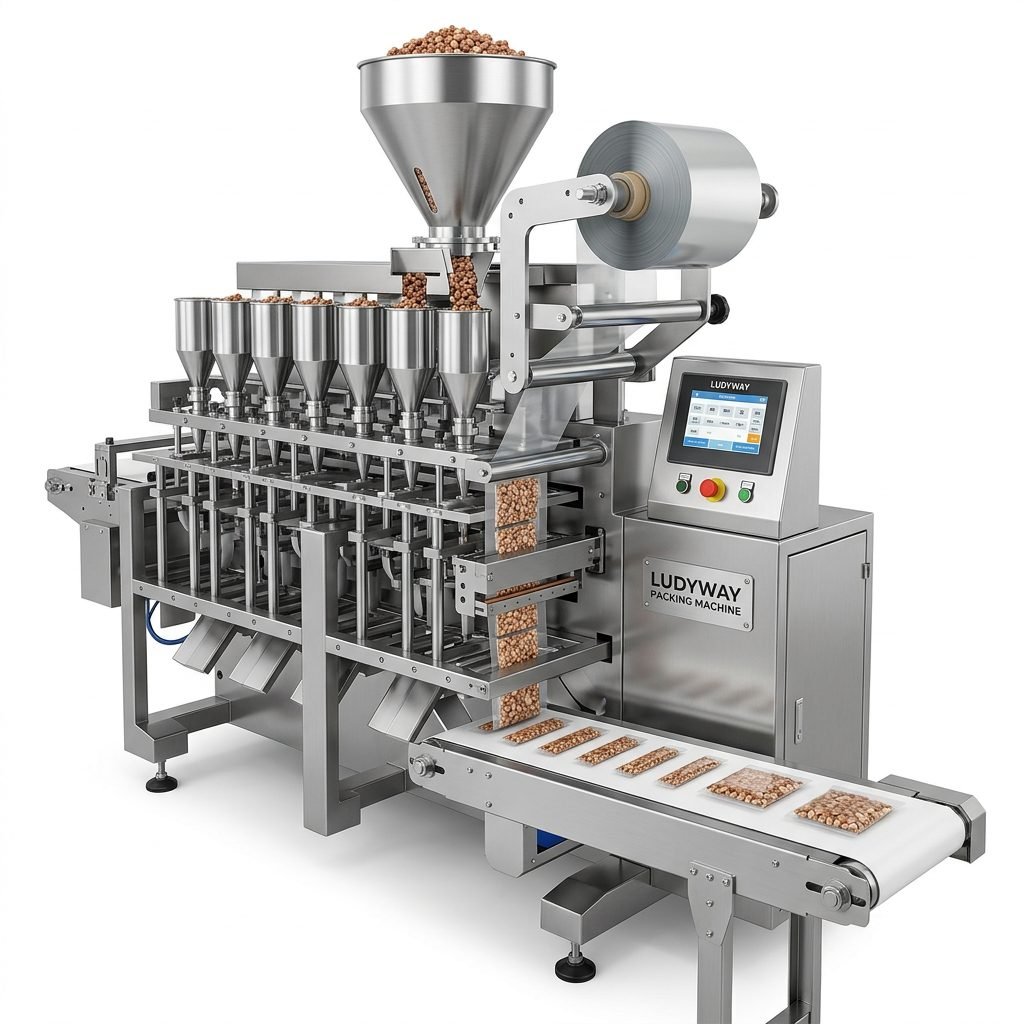
Thermoforming blister packaging is a critical process for countless industries, from pharmaceuticals and medical devices to consumer goods and electronics. Selecting the right thermoforming blister packaging machine is not merely an equipment purchase; it’s a strategic decision that impacts production efficiency, product integrity, and your bottom line. This comprehensive guide will walk you through the essential factors to consider, ensuring you choose the best solution tailored precisely to your production needs.
Understanding Thermoforming Blister Packaging
Before diving into machine selection, it’s vital to understand the process. Thermoforming blister packaging involves heating a plastic sheet (typically PVC, PET, or Aclar) until pliable, then forming it over a mold to create cavities (blisters). Products are placed into these cavities, and a lidding material (often foil or paper) is sealed on top. The machine automates this entire sequence: forming, filling, sealing, and die-cutting. The versatility and excellent product visibility offered by blister packs make them a preferred choice for unit-dose and high-integrity packaging.
Key Components of a Blister Machine
A standard thermoforming blister packaging machine integrates several key stations. The forming station uses heat and pressure (or vacuum) to shape the blister cavities. The filling station, which can be manual, semi-automatic, or fully automatic, places the product into the blisters. The sealing station applies heat and pressure to bond the lidding material to the formed web. Finally, the punching or die-cutting station separates the individual blisters or strips from the continuous web. Understanding these components helps in evaluating a machine’s capability and complexity.
How to Choose the Best Machine: A Step-by-Step Guide
Navigating the market for blister packaging equipment requires a methodical approach. Here are the core factors to analyze.
1. Define Your Product and Production Requirements
→ Product Specifications: The physical characteristics of your product are paramount. Consider its size, shape, fragility, and sensitivity to heat or moisture. This dictates the required blister cavity depth and dimensions, as well as the choice of forming and lidding materials.
→ Output Speed (Production Capacity): Calculate your required output in blisters per minute (BPM) or packs per hour. Are you running small, customized batches or high-volume, 24/7 production? Your target output directly influences whether you need a basic, intermediate, or high-speed machine.
→ Packaging Material: The type of plastic web (e.g., PVC, PET, PP, COC) and lidding (aluminum foil, paper-foil laminates) you plan to use must be compatible with the machine’s forming and sealing technology. Some machines are optimized for specific material families.
2. Evaluate Machine Types and Automation Level
Blister packaging machines range from simple to highly sophisticated. Manual or semi-automatic machines are cost-effective for low-volume production or prototyping, where loading is done by hand. For serious production, fully automatic machines are essential. These integrate automatic web feeding, forming, filling, sealing, and cutting with minimal operator intervention. For the highest efficiency, consider machines that can be integrated into a complete packaging line with cartoners and case packers.
3. Assess Critical Technical Features
Look beyond the basic specs. The quality of key components determines long-term reliability and package quality.
- Forming Technology: Is it pneumatic (air pressure), hydraulic, or mechanical? Mechanical and hydraulic systems often provide more consistent, high-pressure forming for complex or deep-draw blisters.
- Sealing System: A precise, temperature-controlled sealing station is critical for hermetic seals. Look for systems with even heat distribution and adjustable pressure.
- Changeover Ease: How quickly can you switch between different blister sizes or products? Machines with quick-change mold systems and recipe storage dramatically reduce downtime.
- Control System & HMI: A modern, user-friendly Human-Machine Interface (HMI) with programmable logic controllers (PLC) allows for easy operation, monitoring, and troubleshooting.
4. Prioritize Compliance, Safety, and Support
For industries like pharmaceuticals and medical devices, regulatory compliance is non-negotiable. Ensure the machine meets relevant standards (e.g., cGMP, FDA requirements if applicable) and is constructed with appropriate materials (e.g., stainless steel contact parts). Safety features like guarded interlocks and emergency stops are mandatory. Equally important is the supplier’s reputation for after-sales support. Reliable technical assistance, availability of spare parts, and comprehensive training are investments in your production continuity. Partnering with an experienced provider like Ludyway Machinery, which offers tailored solutions and global support, can mitigate operational risks.
Beyond the Machine: The Value of a Complete Solution
The most successful packaging operations view the machine as the heart of a broader system. Consider the value of a turnkey solution from a supplier who can also provide material guidance, mold design and fabrication, installation, commissioning, and operator training. This holistic approach, backed by deep industry expertise, ensures a smoother ramp-up and optimized performance from day one. Exploring advanced packaging solutions for different product forms can also provide insights into optimizing your entire production workflow.
Making the Final Decision: Total Cost of Ownership (TCO)
Do not base your decision solely on the initial purchase price. Calculate the Total Cost of Ownership (TCO), which includes:
- Energy consumption and compressed air usage.
- Material waste rates (scrap web).
- Maintenance costs and expected lifespan.
- Downtime costs and changeover speed.
- Required operator skill level and staffing.
A slightly more expensive machine with higher efficiency, lower waste, and greater reliability will almost always provide a better return on investment over a 5-10 year period.
Frequently Asked Questions (FAQs)
What is the main difference between thermoforming and cold forming blister machines?
Thermoforming uses heat to soften a plastic web before forming it. It’s versatile and cost-effective for a wide range of products. Cold forming (or aluminum blistering) uses a punch to mechanically draw aluminum laminate into a cavity without heat. It offers superior barrier properties (moisture, oxygen) for extremely sensitive pharmaceuticals but is typically more expensive and uses specialty materials.
How do I determine the right machine speed for my business?
Analyze your current and forecasted demand. Calculate your required weekly/monthly output, then add a 20-30% buffer for growth. Choose a machine whose maximum speed exceeds this calculated need. It’s more efficient to run a capable machine at 80% capacity than to run a slower machine at 100% capacity with no room for expansion or to handle peak demand.
Can one machine handle different blister sizes and shapes?
Yes, most modern automatic machines are designed for changeover. The key factor is the mold system. Machines with quick-change mold plates or cassette systems allow you to switch between different blister designs in minutes rather than hours, making them ideal for production lines with multiple SKUs.
What are the most common maintenance requirements for these machines?
Regular maintenance is crucial. Daily tasks include cleaning and visual inspection. Weekly/monthly tasks often involve lubricating moving parts, checking heater and seal integrity, and verifying pneumatic systems. Always follow the manufacturer’s prescribed maintenance schedule. Sourcing machines from a supplier with a strong spare parts network, such as Ludyway’s global support, ensures minimal downtime during maintenance.
Is it better to buy a new or a used thermoforming blister machine?
This depends on your budget and technical expertise. A new machine comes with the latest technology, a full warranty, and supplier support. A used machine has a lower upfront cost but may come with hidden wear, obsolete controls, and limited support. For critical applications or regulated industries, a new or professionally refurbished machine from a reputable source is usually the safer, long-term choice.