Selecting the right Vertical Form Fill Seal (VFFS) packaging machine is a critical decision that directly impacts your production efficiency, product quality, and overall operational costs. This versatile packaging technology, which forms bags from a roll of film, fills them with product, and seals them in a continuous vertical process, is a cornerstone for industries ranging from food and snacks to pharmaceuticals and chemicals. With numerous models and configurations available, making an informed choice requires a thorough understanding of your specific needs and the machine’s capabilities.
Understanding Your Product and Production Requirements
The first and most crucial step is a deep analysis of what you are packaging. The physical characteristics of your product dictate the machine’s necessary features.
Key Product Considerations:
- Product Type: Is it a free-flowing granule (like rice or seeds), a fine powder (flour, spices), a sticky paste, or a solid piece? Each requires different auger, volumetric, or weigh-cell filling systems.
- Particle Size and Consistency: Fine powders need dust-tight seals and anti-static film, while granules may require vibration-assisted settling.
- Product Sensitivity: Hygroscopic, oily, or fragile products need special handling and possibly nitrogen flushing systems for modified atmosphere packaging (MAP).
Next, quantify your production demands. Your required output speed, measured in bags per minute (BPM), will determine the machine’s drive system and level of automation. Are you running a single shift or 24/7? This affects the need for robust, industrial-grade components. Also, consider future growth—investing in a slightly more capable machine can prevent a costly upgrade in two years.
Core Machine Specifications and Features to Evaluate
Once your product profile is clear, you can dissect the machine’s specifications.
1. Film Handling and Bag Making
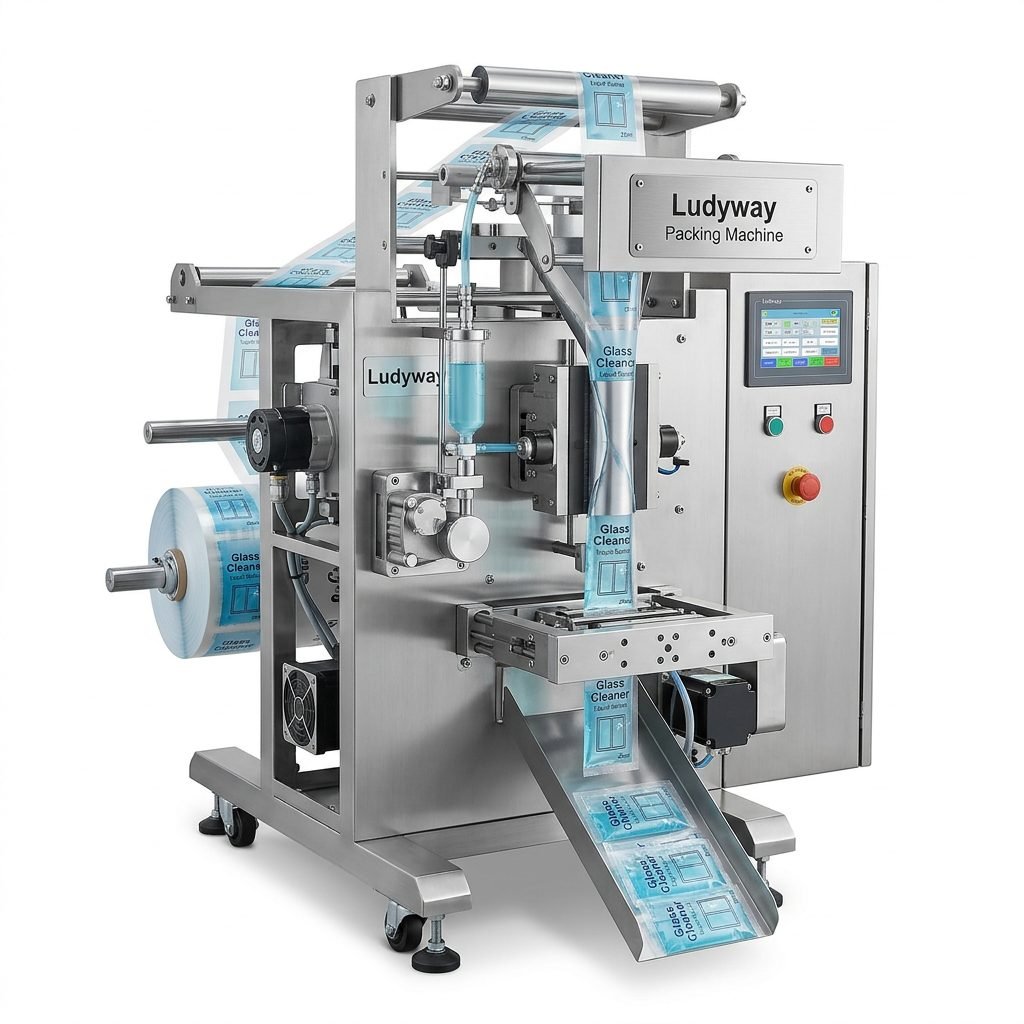
The heart of the VFFS machine is its forming tube and sealing jaws. The machine must be compatible with your packaging film (e.g., laminates, polyethene, polypropylene). Check the maximum film roll width and diameter the machine can accommodate. The sealing system is vital: do you need constant-heat jaws for standard seals or impulse sealing for challenging films? For complex bag styles like zipper bags, spouted pouches, or hang-hole bags, ensure the machine has the specific attachments and programming capabilities.
2. Filling System: The Key to Accuracy
This is where product meets package. The choice of filler is non-negotiable for weight accuracy and efficiency.
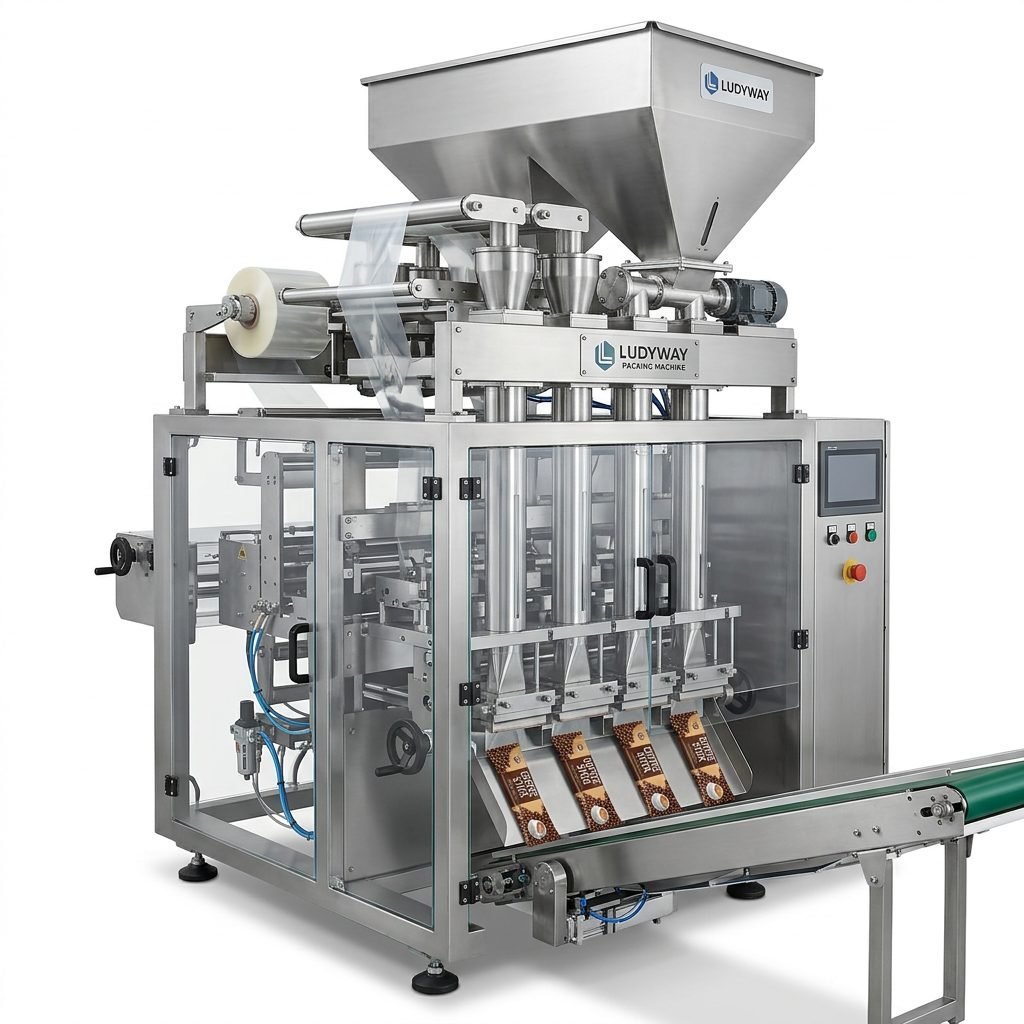
Volumetric Cup Fillers: Best for uniform, free-flowing products at high speeds. Cost-effective but less precise with variable-density products.
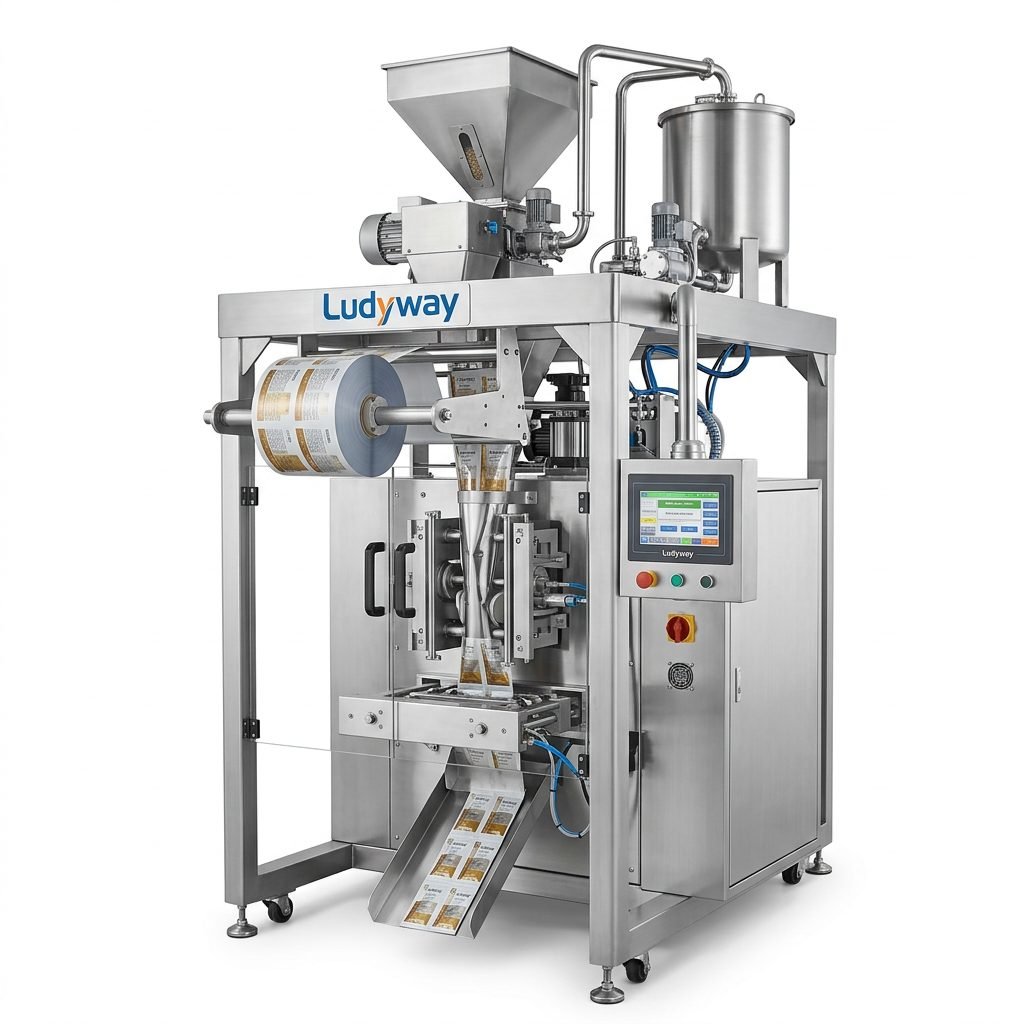
Auger Fillers: Ideal for powders, granules, and pastes. They offer good accuracy and can handle a wide range of products. Stainless steel augers with polished finishes are essential for food and pharmaceutical grades.
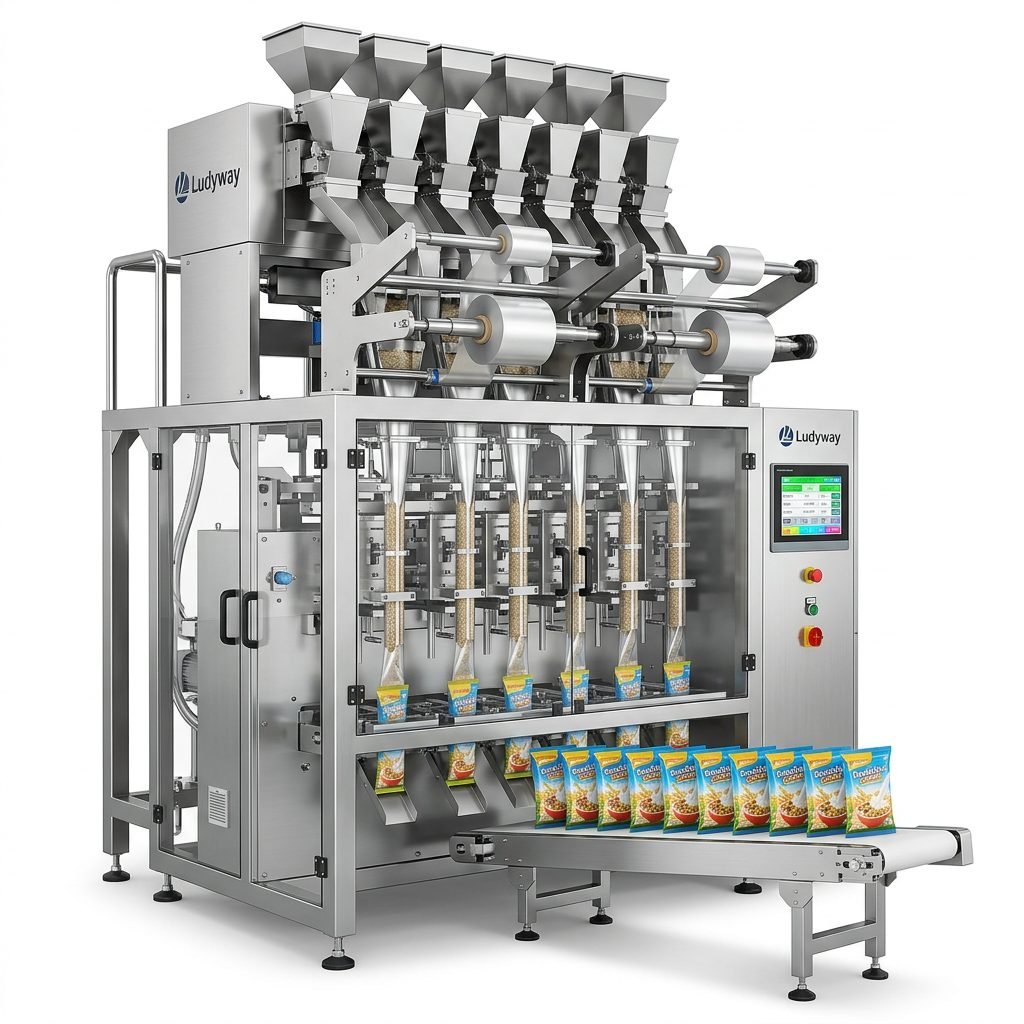
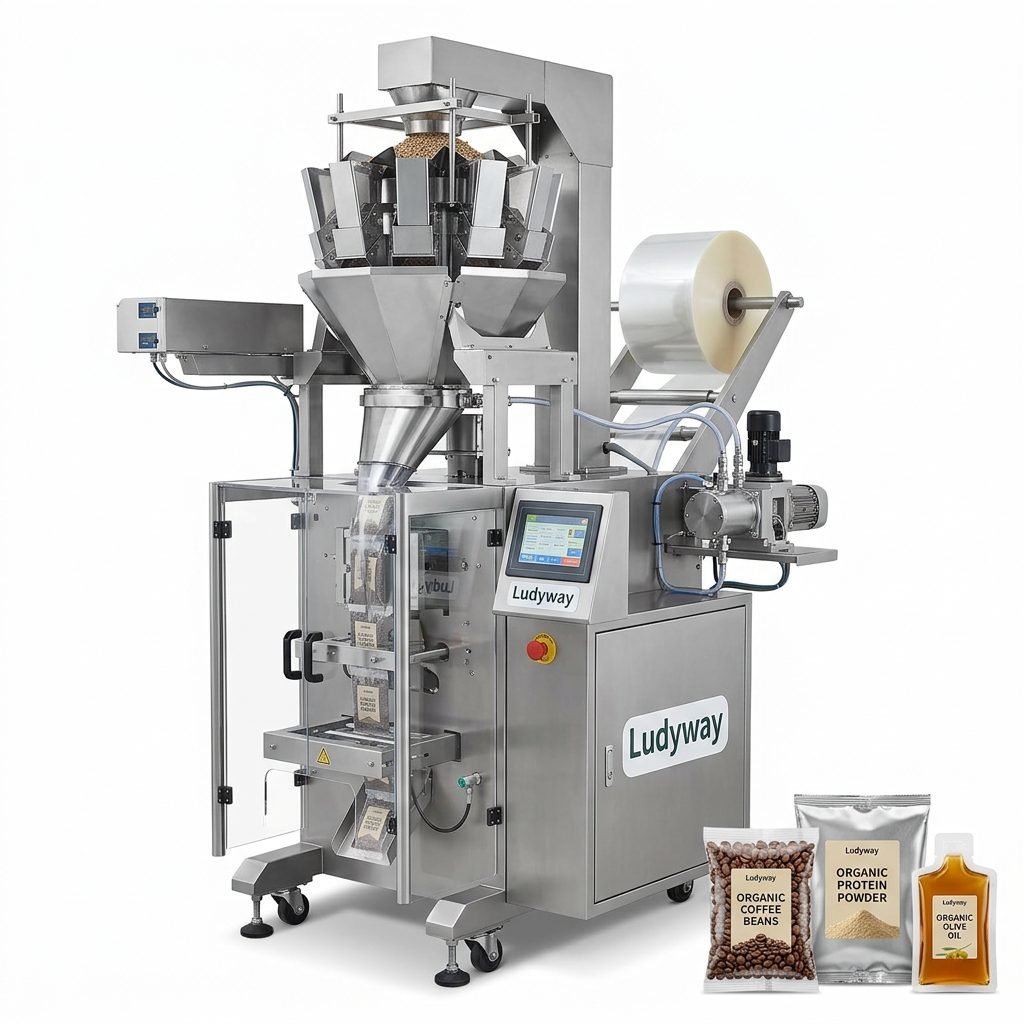
Weigh Scale Fillers (Gross or Net Weight): Provide the highest accuracy, crucial for high-value products or where “weight by count” regulations apply. They integrate scales (strain gauge or load cell) into the filling process, often making them the choice for snack foods and coffee.
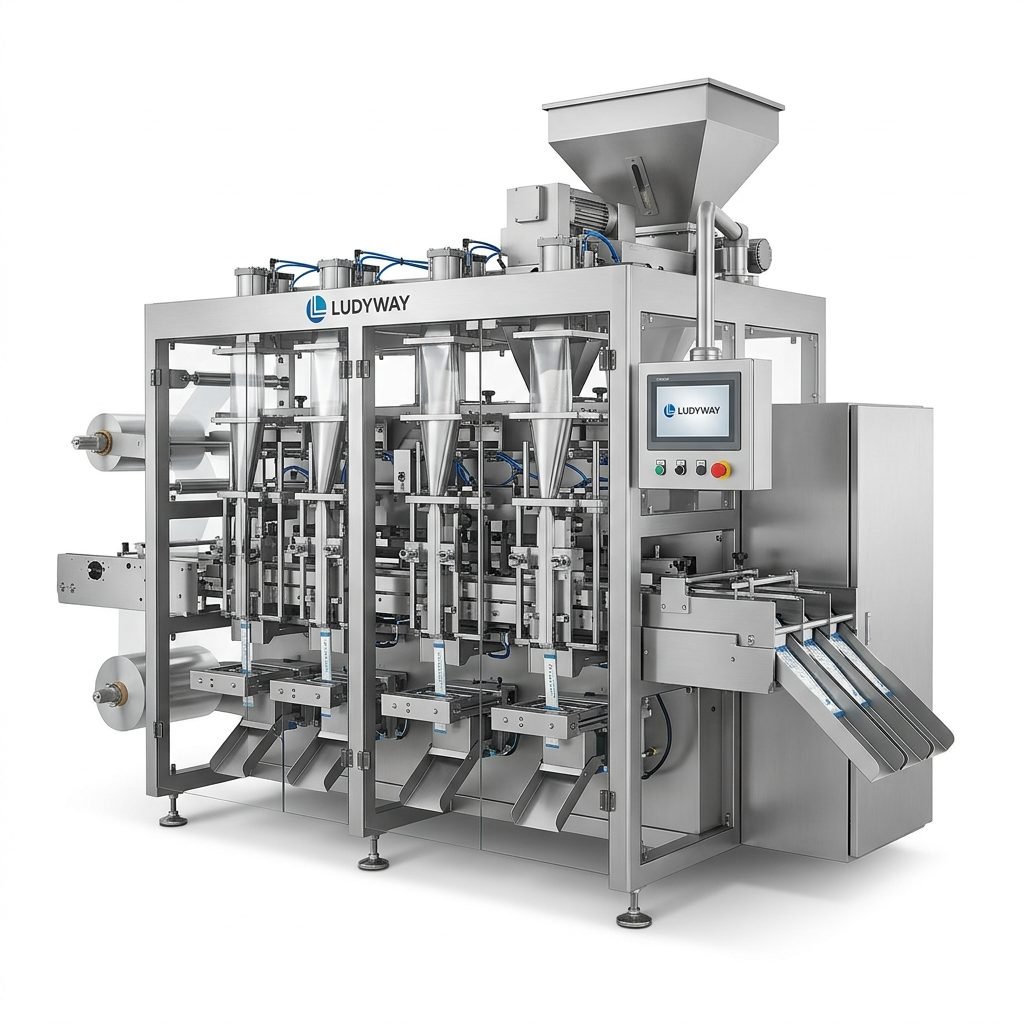
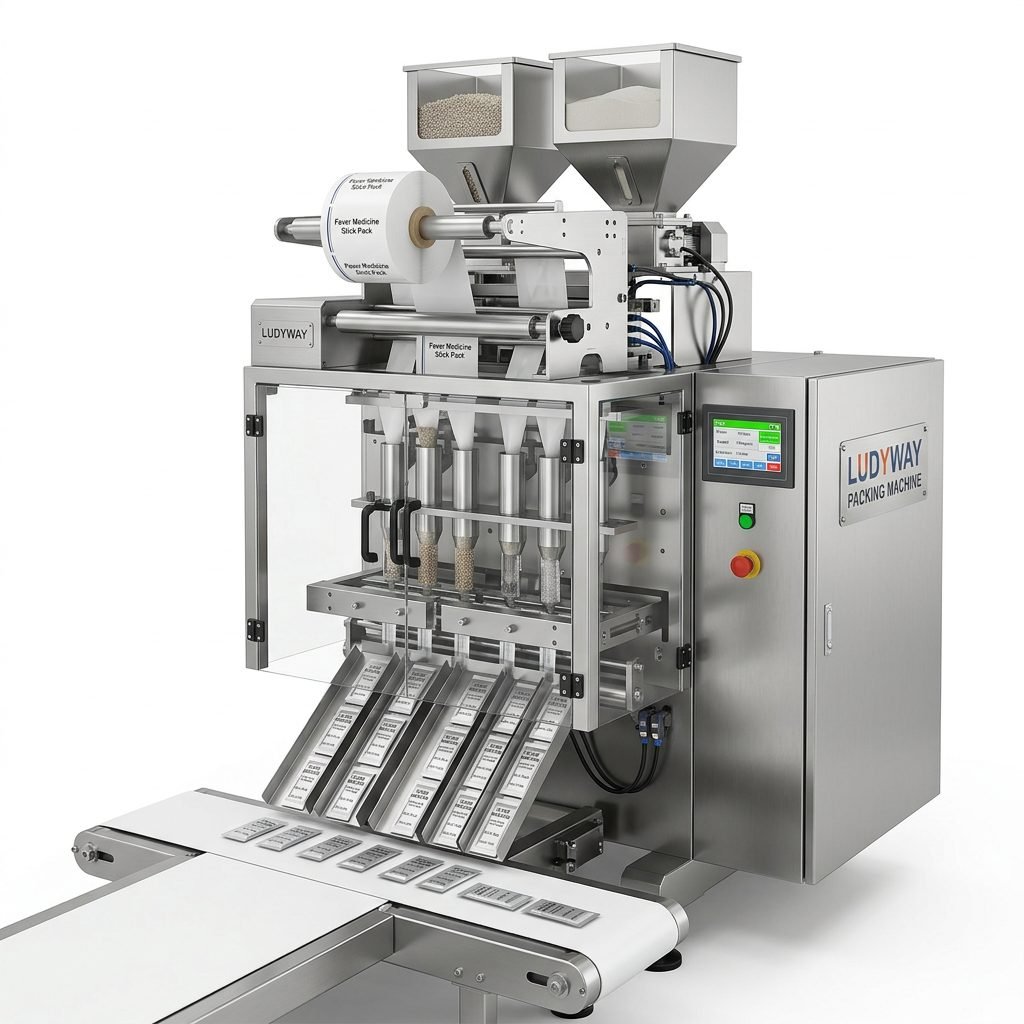
For multi-component packaging (e.g., a seasoning packet with a pasta pouch), a multi-lane or multi-head VFFS system is required. Companies like Ludyway Machinery specialize in designing such integrated solutions, where multiple filling systems feed into a single bag-making unit.
3. Control System and Integration
The machine’s brain is its Programmable Logic Controller (PLC) and Human-Machine Interface (HMI). A user-friendly, color touchscreen HMI with recipe storage dramatically reduces changeover time between products. Look for machines that support industrial communication protocols (Ethernet/IP, Profinet) for easy integration into your factory’s SCADA or MES systems for data collection and production monitoring.
Supplier Selection: Beyond the Machine
The manufacturer or supplier is as important as the machine itself. A reliable partner ensures long-term success.
- Experience & Reputation: Seek a supplier with a proven track record in your specific industry. A company with over 30 years of industry experience brings invaluable application knowledge.
- Testing & Support: Always insist on a live product test at the supplier’s facility. This validates the machine’s performance with your exact product and film. Assess their after-sales service structure—availability of spare parts, technical support response time, and training programs.
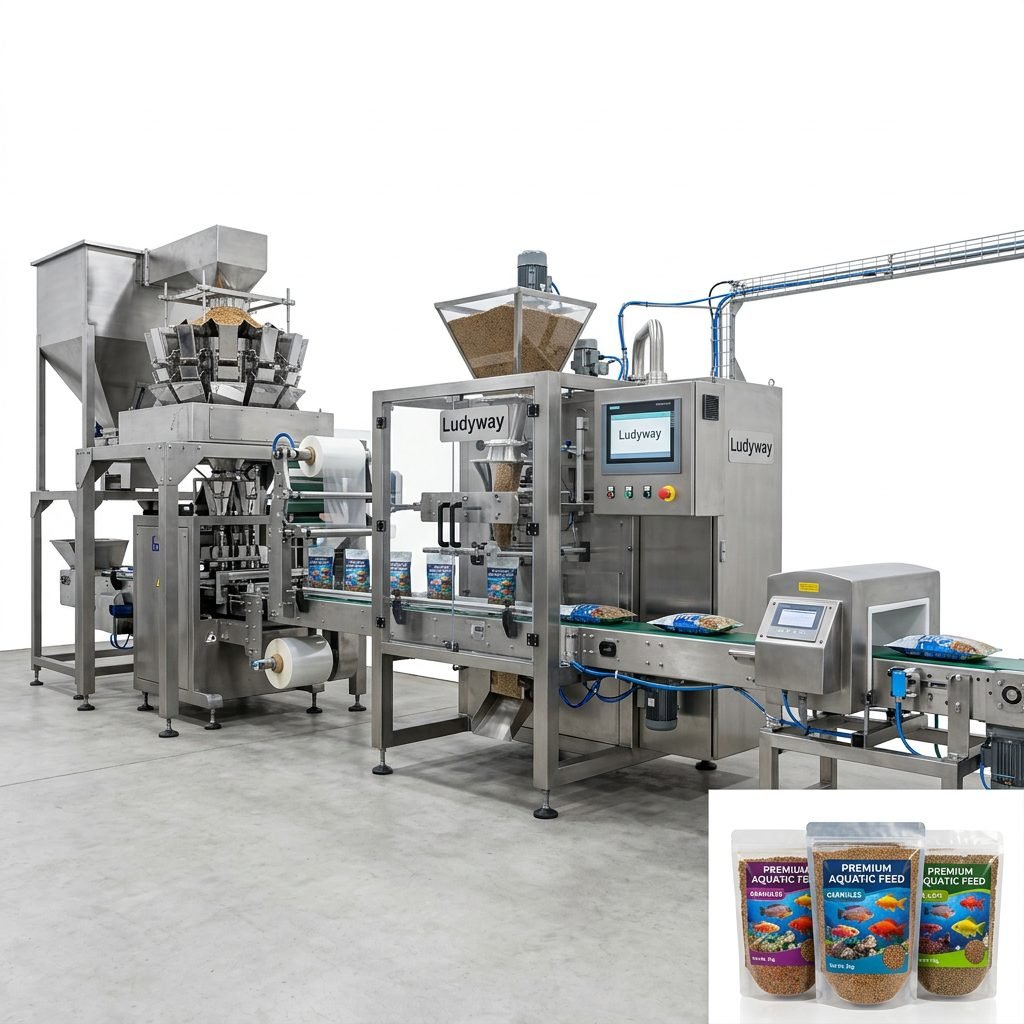
- Customization & Scalability: Can they modify the standard machine to fit your unique line layout or special requirement? A partner with strong engineering capabilities can provide true turnkey production line solutions, from the VFFS machine to conveyors, checkweighers, and cartoners.
As a professional packaging expert, choosing a partner who views your project as a long-term collaboration, not just a one-time sale, is paramount. They should act as an extension of your engineering team.
Total Cost of Ownership (TCO) and ROI Analysis
The purchase price is just the initial investment. A comprehensive TCO analysis includes:
- Operational Costs: Energy consumption, compressed air usage, and film waste during start-up and changeovers.
- Maintenance Costs: Predictable costs for wear parts (sealing jaws, belts, filters) and the ease of performing routine maintenance.
- Downtime Cost: This is often the largest hidden cost. A more reliable, accurate machine minimizes product giveaway, rework, and unplanned stops.
Calculate the Return on Investment (ROI) by factoring in increased output speed, reduced labor (through automation), lower material waste, and improved product consistency. A slightly higher upfront cost for a more robust and automated machine often yields a much faster and greater ROI.
Final Steps: Validation and Planning
Before finalizing your decision, create a detailed checklist. Visit the supplier if possible. Review all documentation, including manuals, electrical diagrams, and CE/UL certifications. Plan for the installation: floor space, utilities (power, air), operator training, and a ramp-up period for fine-tuning.
Choosing the right VFFS machine is a strategic investment. By methodically evaluating your product, production goals, machine features, and supplier partnership, you can select a system that not only meets today’s needs but also scales for tomorrow’s opportunities, ensuring packaging becomes a competitive advantage for your business.
Frequently Asked Questions (FAQs)
What is the main difference between a VFFS machine and a pre-made bag machine?
VFFS machines create bags from a continuous roll of film immediately before filling, offering higher speeds, lower film cost, and greater flexibility in bag size. Pre-made bag machines use already-sealed bags on three sides, which are then opened, filled, and sealed. They are often used for irregularly shaped products or when the film material cannot be run on a VFFS former.
How accurate are the filling systems on a VFFS machine?
Accuracy depends on the filler type and product. Volumetric systems can achieve ±1-2% accuracy for uniform products. Auger fillers typically reach ±0.5-1.5%. Multi-head weighers are the most precise, commonly achieving ±0.1-0.5% or even better for snack foods and frozen vegetables.
Can one VFFS machine handle different bag styles?
Yes, most modern VFFS machines are highly versatile. By changing the forming tube and configuring the PLC program, a single machine can typically produce pillow bags, gusseted bags, block-bottom bags, and more. Changeover to a different bag style usually requires a tooling change and can take from 30 minutes to a few hours.
What kind of maintenance does a VFFS machine require?
Daily maintenance includes cleaning to prevent product buildup (especially crucial in food and pharma) and visual inspections. Weekly tasks might involve checking seal jaw alignment and lubricating moving parts. Periodic maintenance (monthly/quarterly) includes replacing wear parts like jaw Teflon covers, filter elements, and belts. A good supplier provides a detailed preventive maintenance schedule.
Is it possible to integrate a VFFS machine into an existing production line?
Absolutely. A key strength of VFFS machines is their modularity. They can be integrated with upstream equipment (like mixers or depositors) via conveyors and with downstream equipment like checkweighers, metal detectors, and cartoners. Professional suppliers design and supply these complete packaging line solutions to ensure seamless communication and material handling between all line components.