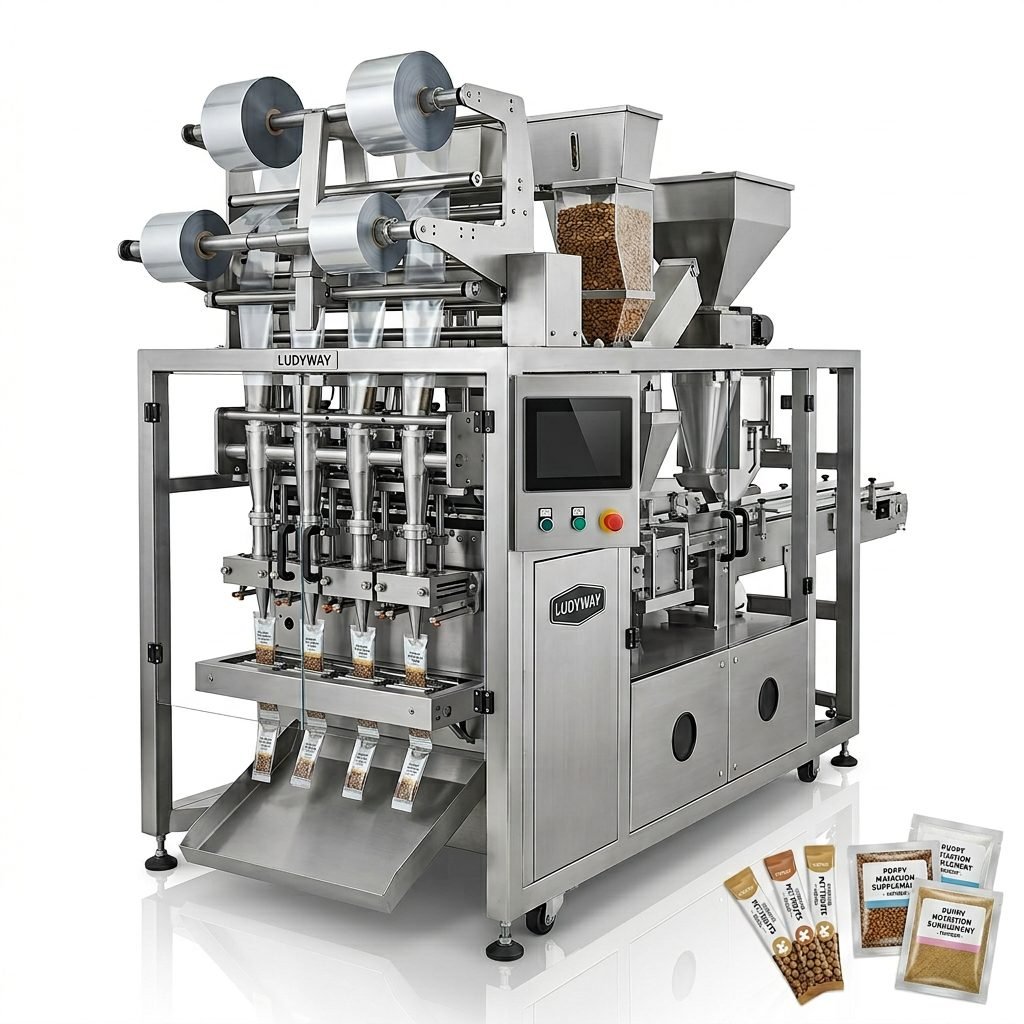
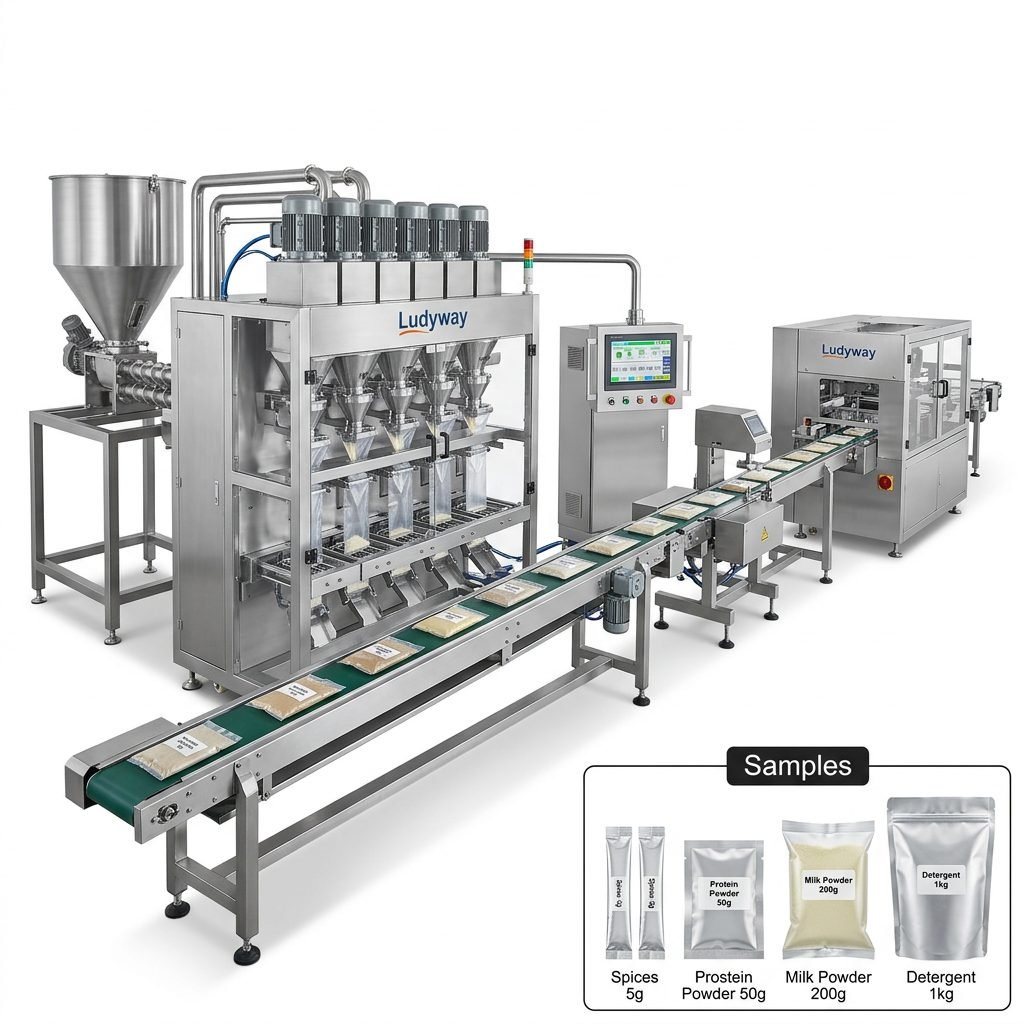
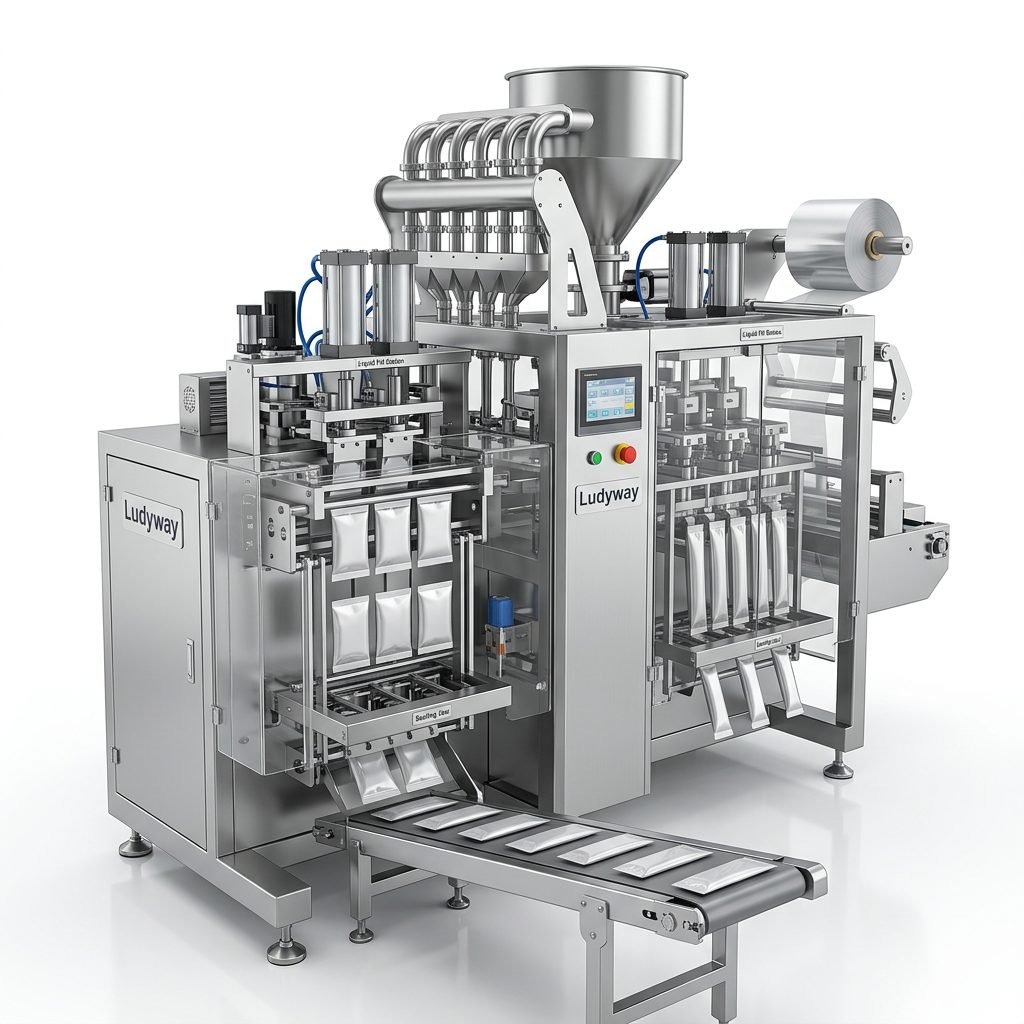
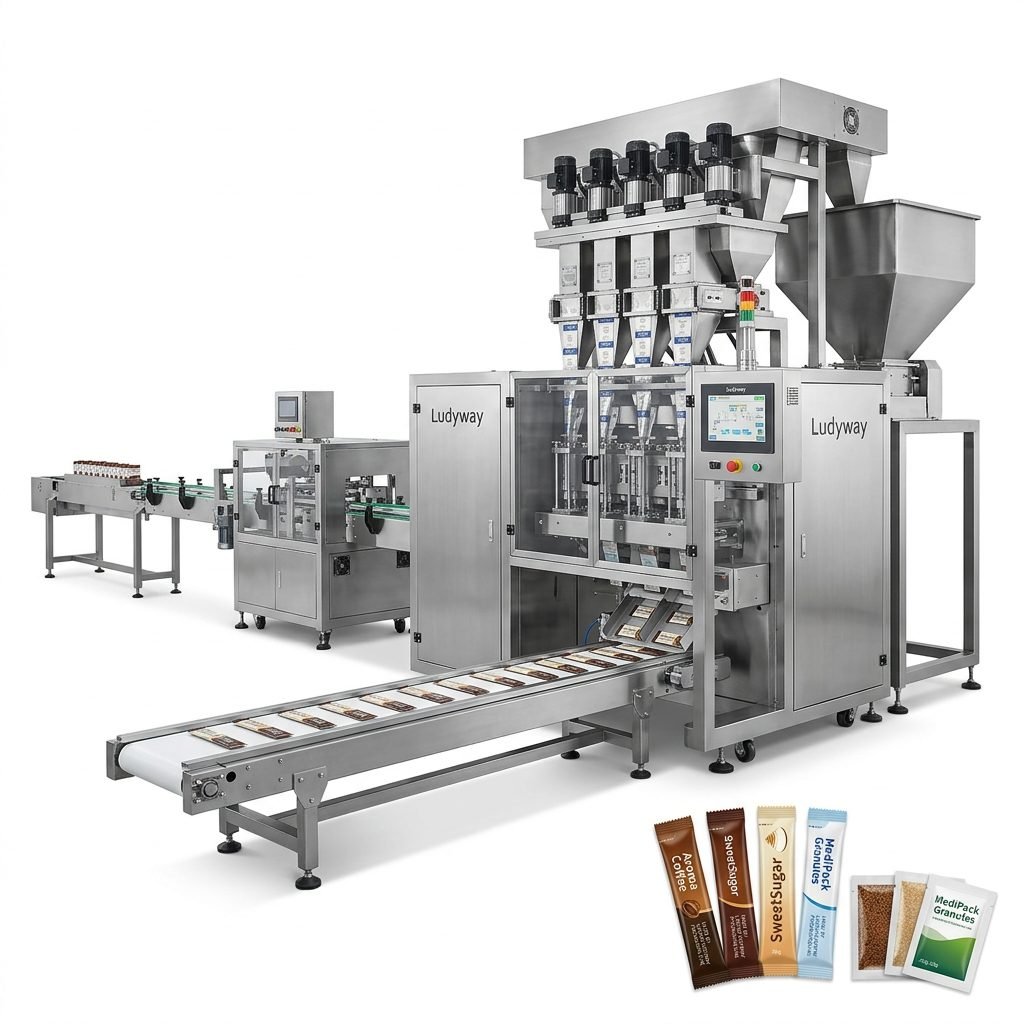
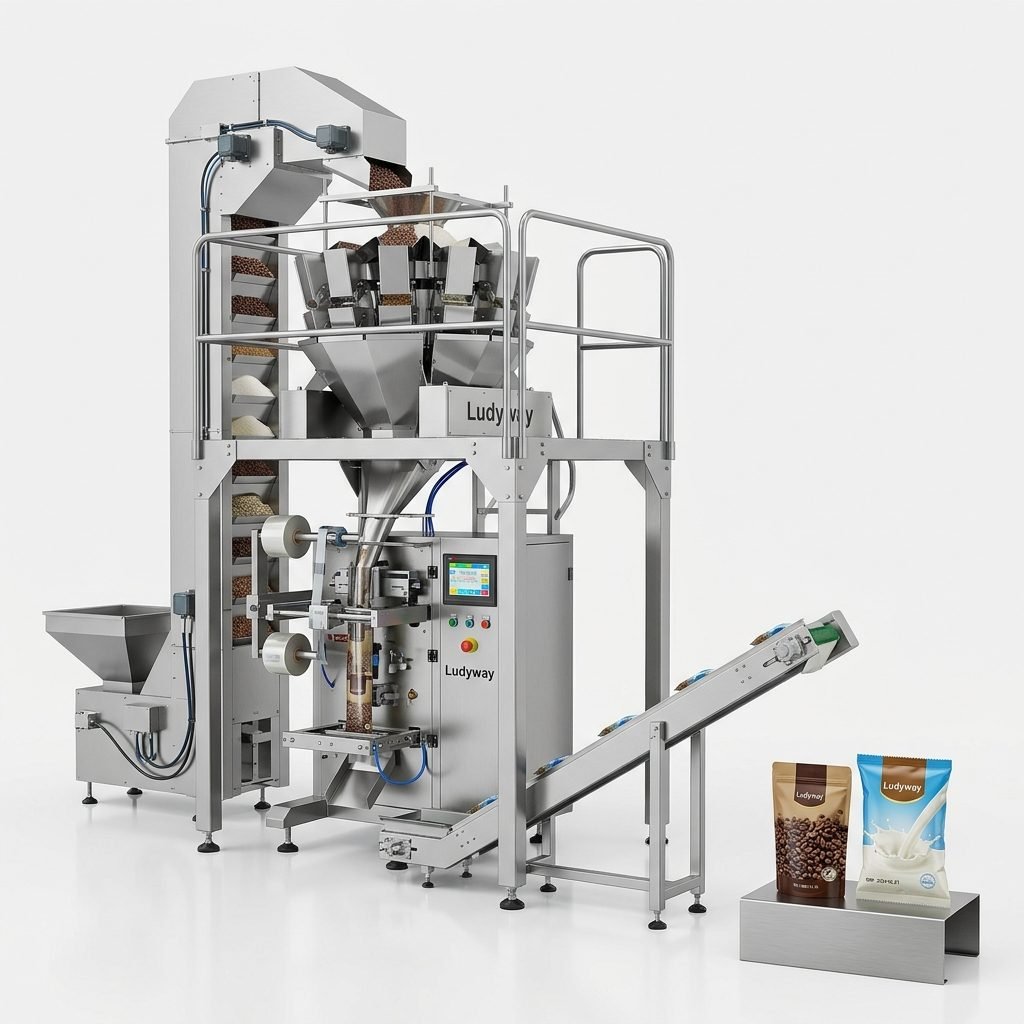
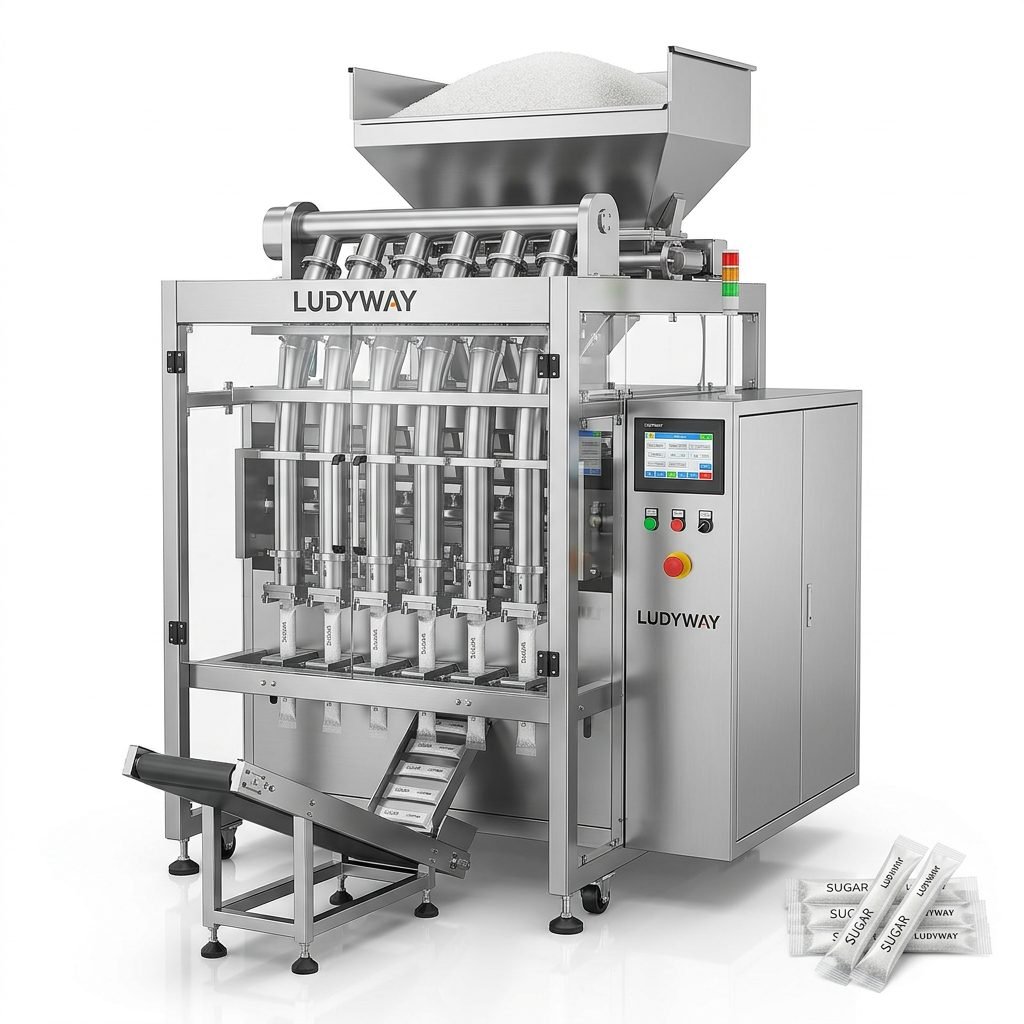
In the world of manufacturing and product distribution, packaging plays a crucial role beyond mere containment. While primary packaging is in direct contact with the product, secondary packaging serves as the critical outer layer that groups, protects, and prepares primary packages for handling, storage, and transport. Secondary packaging machinery automates this vital stage, ensuring efficiency, consistency, and cost-effectiveness on the production line.
Understanding Secondary Packaging Machinery
Secondary packaging machinery refers to the automated equipment used to collate, bundle, case, or wrap primary packaged products into larger units. This layer is essential for logistics, branding, and retail readiness. Common examples include cartoners, case packers, shrink wrappers, bundlers, and tray formers. These machines take individual bottles, sachets, or boxes and efficiently group them into sellable or shippable units like multi-packs, display trays, or shipping cases.
Core Function: The primary goal is to transition products from the production line to the distribution chain securely and efficiently. It adds a layer of protection against damage, simplifies handling, and often serves as the first point of visual appeal for bulk consumers.
Key Types of Secondary Packaging Equipment
Selecting the right machinery depends heavily on your product type, speed requirements, and final package format. Here’s a breakdown of major categories:
Cartoning Machines
These machines automatically form cartons, insert products (like blister packs, bottles, or sachets), and close them. They are ideal for creating retail-ready boxes. Options range from intermittent motion for lower speeds to continuous motion for high-speed lines.
Case Packers and Sealers
This equipment is the workhorse of shipping preparation. Case packers accurately load primary packages into corrugated shipping cases, while sealers (tape or glue) securely close them. They are vital for ensuring products arrive undamaged at their destination.
→ Efficiency Note:
Modern case packers often integrate robotic arms or gentle product handling systems to minimize changeover time and prevent damage to delicate primary packaging.
Shrink Wrapping and Bundling Machines
These units use a loose film to group products together, which is then heated to form a tight, transparent bundle. Perfect for creating multi-packs (e.g., beverage cans, water bottles) or securing products to a corrugated tray. They offer excellent product visibility and tamper evidence.
Tray Forming and Packing Systems
These systems form paperboard or corrugated trays and automatically place products into them. The loaded tray can then be shrink-wrapped or sent directly to retail. This format is highly popular for its stability and shelf presence.
How to Choose the Right Solution for Your Line
Investing in secondary packaging machinery is a significant decision. A misaligned choice can lead to bottlenecks, increased waste, and higher operational costs. Follow this structured approach to ensure you select the optimal equipment.
1. Analyze Your Product and Primary Package
Everything starts with your product. Consider its size, weight, shape, and fragility. Also, examine the material and strength of your primary package (e.g., flexible pouch, rigid bottle). Machinery must handle these characteristics gently yet reliably. For instance, lightweight sachets require different handling than heavy glass jars.
2. Define Your Output Requirements
You must know your required production speed (units per minute/hour). The secondary packer must sync seamlessly with your upstream filling and primary packaging machines to avoid creating a bottleneck or leaving capacity underutilized. Always plan for future growth when specifying speed.
3. Determine the Final Package Format
What is the end goal? A 12-bottle shrink-wrapped tray? Individual cartons for retail? Master shipping cases? Your market, retailer requirements, and consumer preferences dictate this. The chosen machinery must produce this exact format consistently.
Pro Tip: Engage with your distribution and sales teams early. Understanding supply chain needs and shelf-space dynamics can prevent costly format changes later.
4. Evaluate Flexibility and Changeover
If you run multiple SKUs (Stock Keeping Units) on the same line, quick and simple changeover is critical. Look for machines with tool-less adjustments, easy-access panels, and programmable recipes. This minimizes downtime when switching product sizes or pack patterns.
5. Assess Integration and Footprint
The machine must physically fit into your existing production layout and integrate electronically with line controllers (PLC) and monitoring systems. Consider upstream and downstream conveyor connections, electrical requirements, and overall space (footprint).
6. Prioritize Reliability and Support
Downtime is expensive. Investigate the machine’s build quality, component brands (e.g., motors, drives), and the manufacturer’s reputation. Ensure comprehensive technical support, training, and spare parts availability are accessible. A reliable partner like Ludyway Packaging Machinery, with decades of industry experience, can be invaluable here.
7. Consider Total Cost of Ownership (TCO)
Look beyond the initial purchase price. Factor in energy consumption, required consumables (film, glue, tape), maintenance costs, and potential labor savings. A slightly more expensive but more efficient and robust machine often has a lower TCO over its lifespan.
The Role of a Trusted Packaging Partner
Navigating these choices is complex. Partnering with an experienced packaging machinery provider transforms this challenge into a strategic advantage. A true partner doesn’t just sell a machine; they analyze your entire operation, recommend the optimal solution, and ensure it delivers long-term value.
For example, a provider with deep application knowledge can foresee challenges with your specific product type—whether it’s sticky food powders, delicate pharmaceuticals, or volatile chemicals. They can advise on the best film for your shrink wrapper or the most reliable carton closing method for your climate. Their engineering expertise and project management ensure the line integrates smoothly and performs as promised from day one.
→ Partnership Value:
Look for a partner invested in your success. They should offer thorough commissioning, operator training, and responsive after-sales service. This ongoing support, as demonstrated through a long company history of innovation and client collaboration, is essential for maximizing your equipment’s uptime and return on investment.
Conclusion
Selecting the right secondary packaging machinery is a pivotal decision that impacts your production efficiency, product safety, and bottom line. By thoroughly understanding your product, output needs, and final package format, and by rigorously evaluating machinery flexibility, integration, and supplier support, you can make an informed investment. Remember, the goal is to choose a solution that not only meets today’s requirements but also adapts to tomorrow’s opportunities, securing a streamlined and profitable packaging operation for years to come.
Frequently Asked Questions (FAQs)
What is the main difference between primary and secondary packaging machinery?
Primary packaging machinery handles the package that is in direct contact with the product (e.g., filling and sealing a pouch or bottle). Secondary packaging machinery handles the outer layer that groups these primary packages together for distribution and sale (e.g., putting bottles into a carton or shrink-wrapping them into a multi-pack).
How important is machine flexibility for secondary packaging?
Extremely important if you produce multiple products or package sizes. High flexibility with quick changeovers minimizes downtime when switching production runs, allowing for more efficient, small-batch production and faster response to market demands.
Can secondary packaging machinery be integrated into an existing automated line?
Yes, most modern secondary packers are designed for integration. They can communicate with line controllers via PLC and connect physically via conveyors. It’s crucial to discuss your existing line specifications with the machinery supplier during the planning phase to ensure seamless compatibility.
What are the key maintenance requirements for this type of equipment?
Regular maintenance typically includes cleaning, lubrication of moving parts, inspection and replacement of wear items (like sealing wires, belts, or grippers), and checking for mechanical alignment. Adhering to the manufacturer’s preventive maintenance schedule is vital for reliability and longevity.
How do I justify the investment in automated secondary packaging equipment?
Justification comes from calculating the Total Cost of Ownership (TCO) and Return on Investment (ROI). Key benefits to quantify include: increased line speed and output, reduced labor costs, lower material waste from improved accuracy, decreased product damage, and enhanced operational consistency and reporting capabilities.