In the fast-paced world of manufacturing, efficient product presentation and protection are paramount. Filling and packaging equipment forms the backbone of countless production lines, transforming raw materials or bulk products into the neatly packaged goods we see on shelves. This comprehensive guide delves into the types of machinery available, explains their core working principles, and provides a structured framework for selecting the ideal system for your specific needs.
Understanding the Core Types of Filling and Packaging Equipment
The landscape of packaging machinery is diverse, with each type designed for specific product forms and production volumes. Understanding these categories is the first step toward making an informed investment.
1. Filling Machines
These machines are responsible for accurately dispensing a product into its container. The technology varies significantly based on the product’s physical state.
Liquid Fillers: Utilize technologies like gravity, piston, pump, or vacuum to handle products ranging from water and juices to oils and viscous creams. Accuracy is critical to avoid underfills or costly overfills.
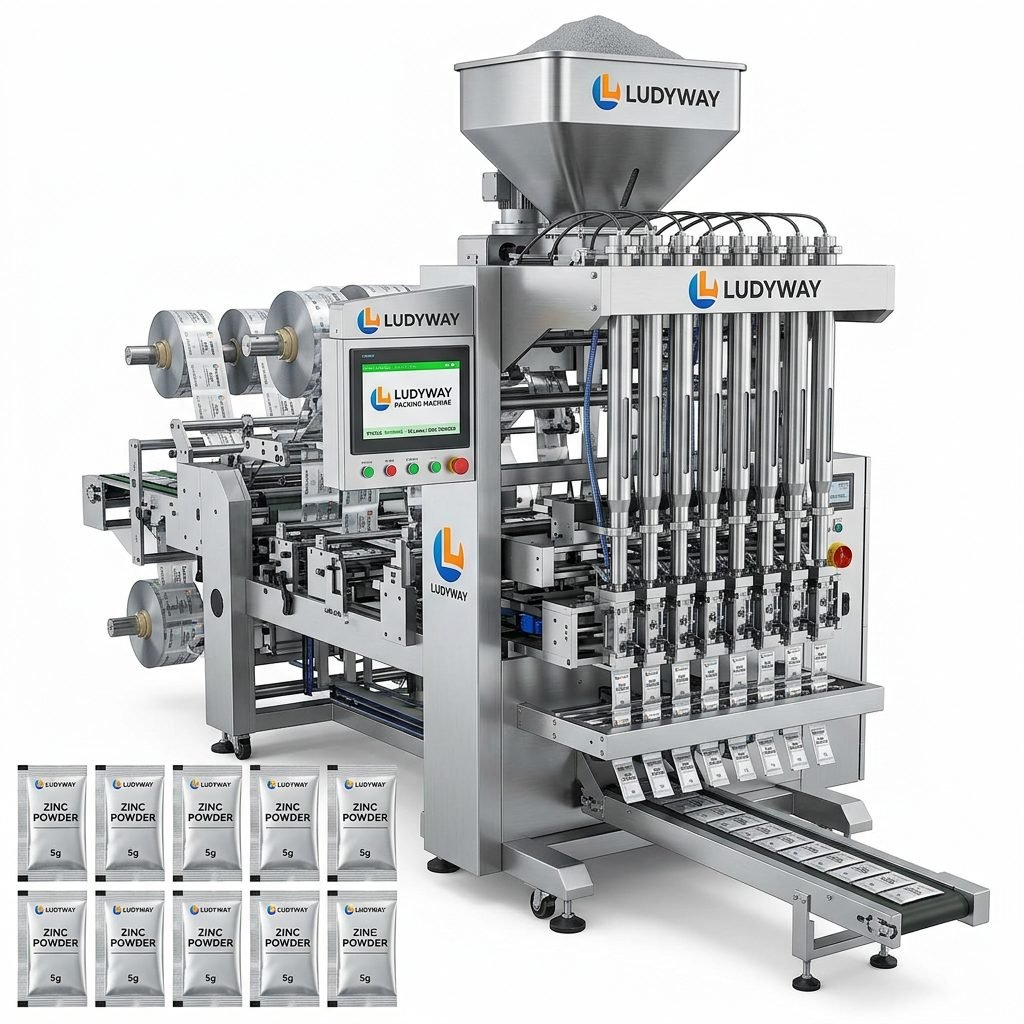
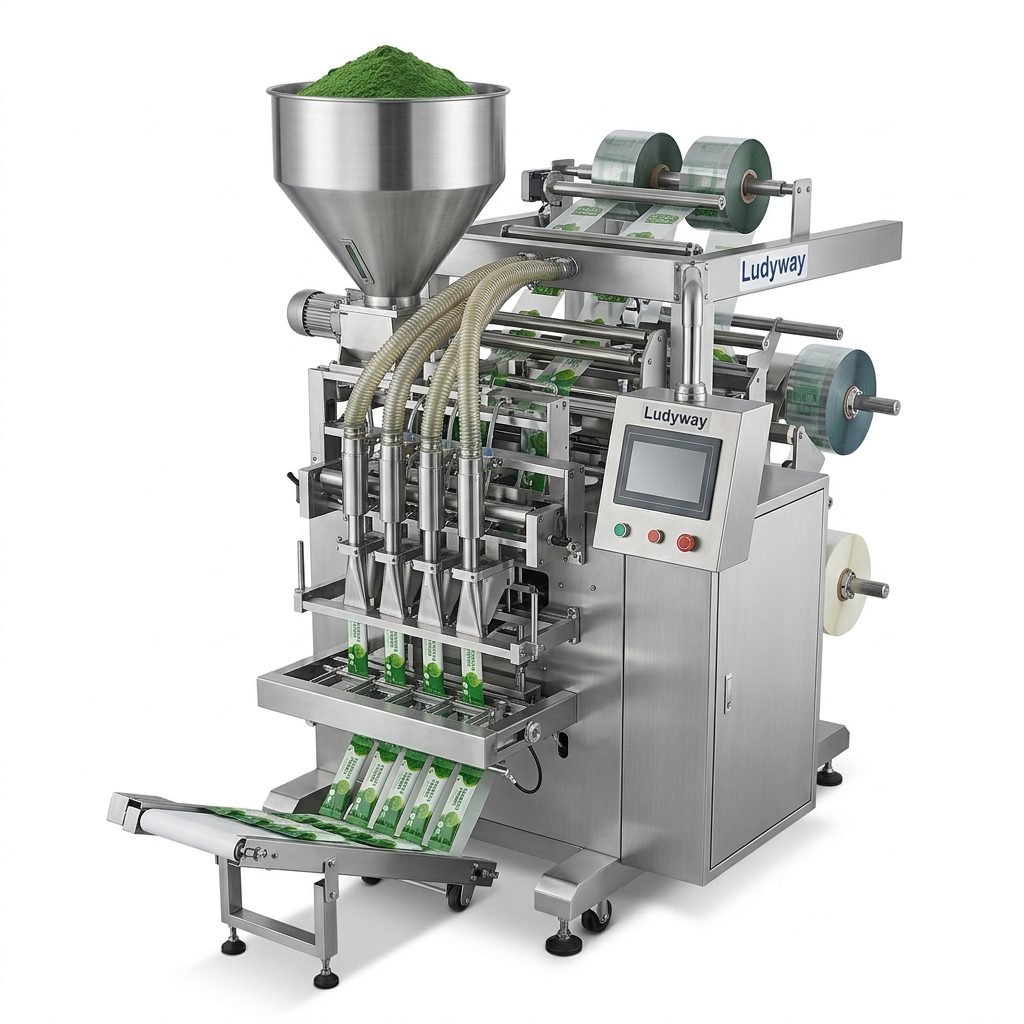
Powder Fillers: Designed for free-flowing and non-free-flowing powders like flour, spices, protein powder, or pharmaceuticals. Common types include auger fillers (using a screw mechanism), volumetric cup fillers, and weigh fillers for ultimate precision.
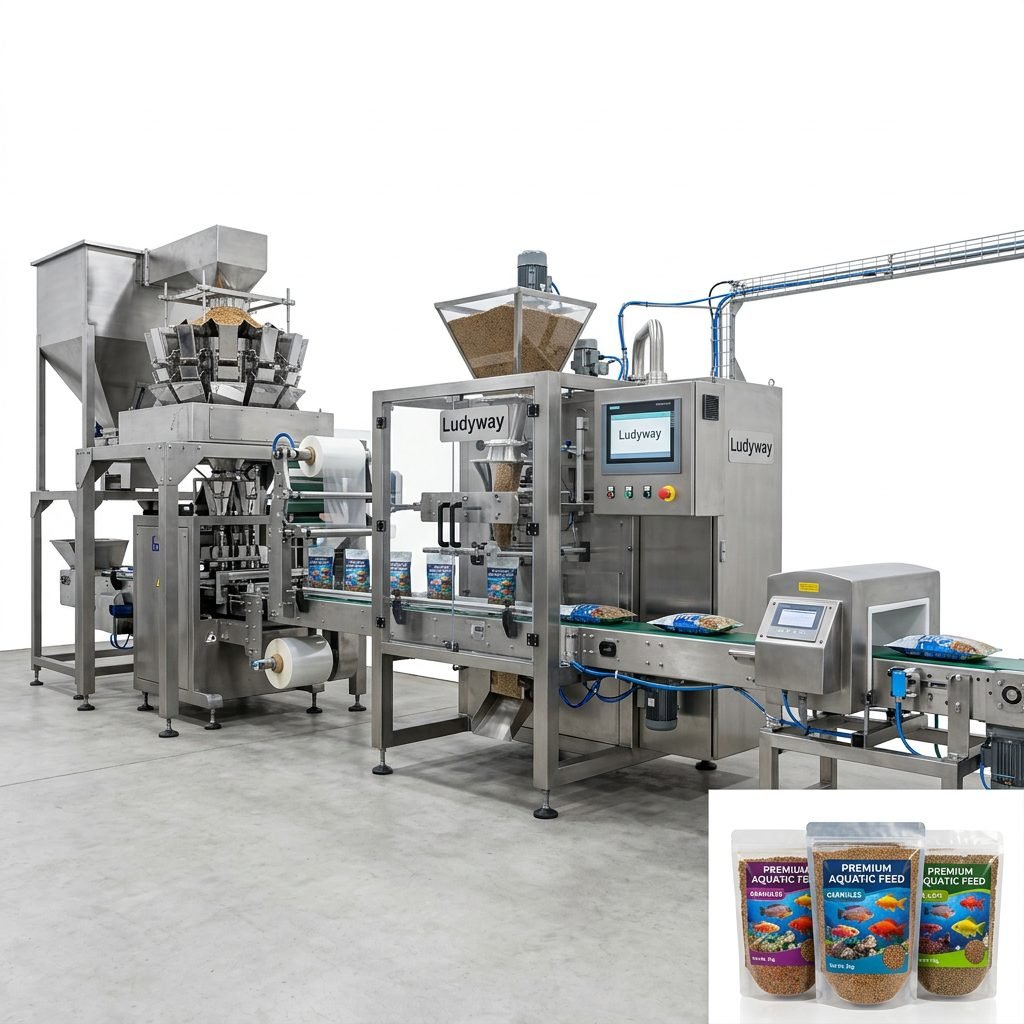
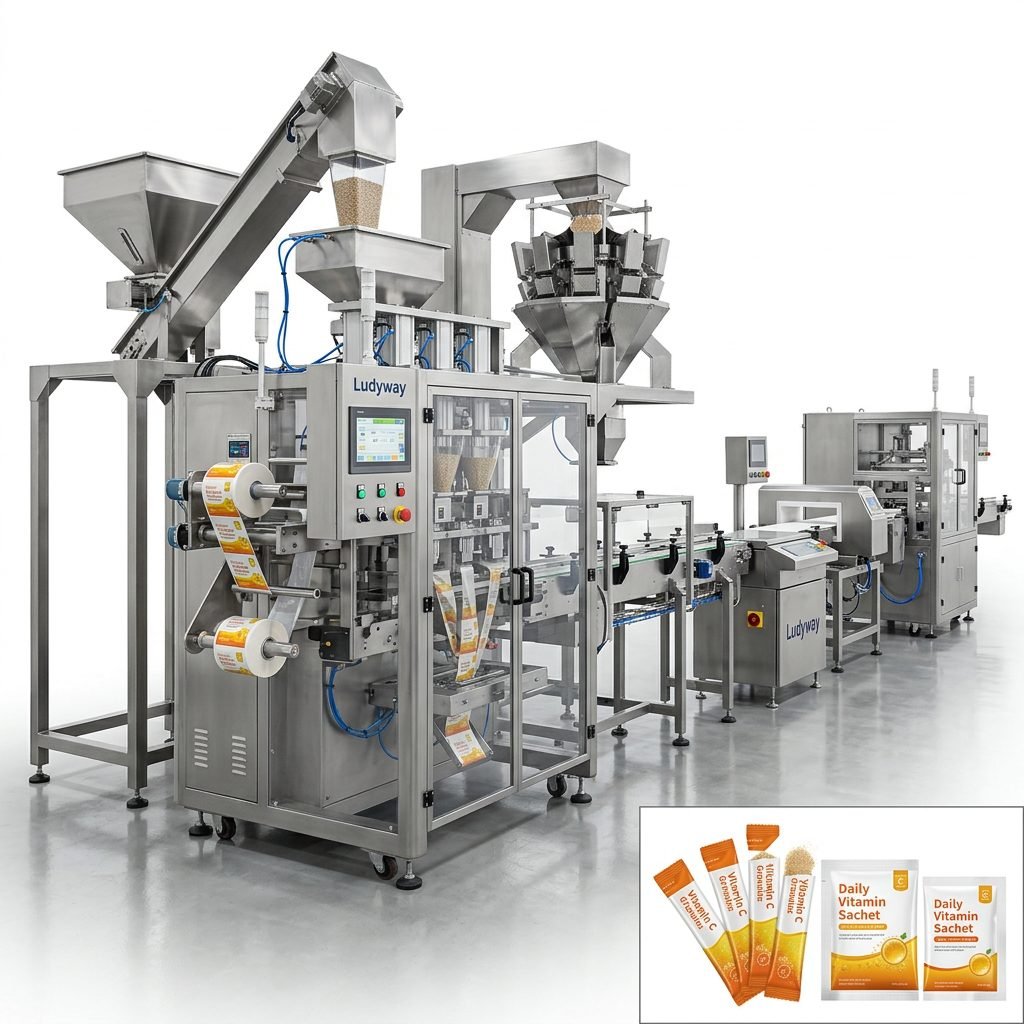
Granule & Solid Fillers: Handle products like coffee beans, nuts, candies, or capsules. They often use volumetric counting or multi-head weigher systems, which are incredibly fast and accurate for combining portions from multiple weigh buckets.
2. Packaging Machines
This broad category encompasses machines that form, seal, and sometimes fill the packaging itself.
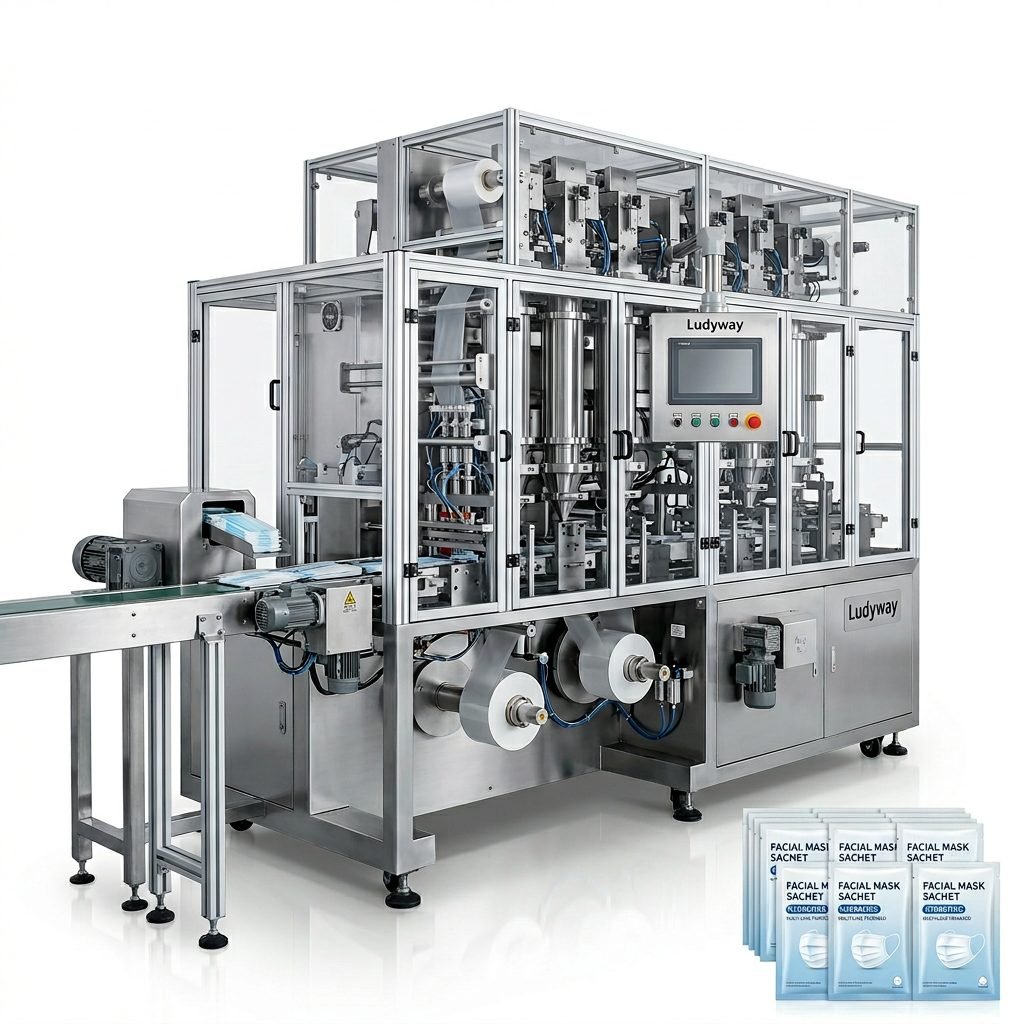
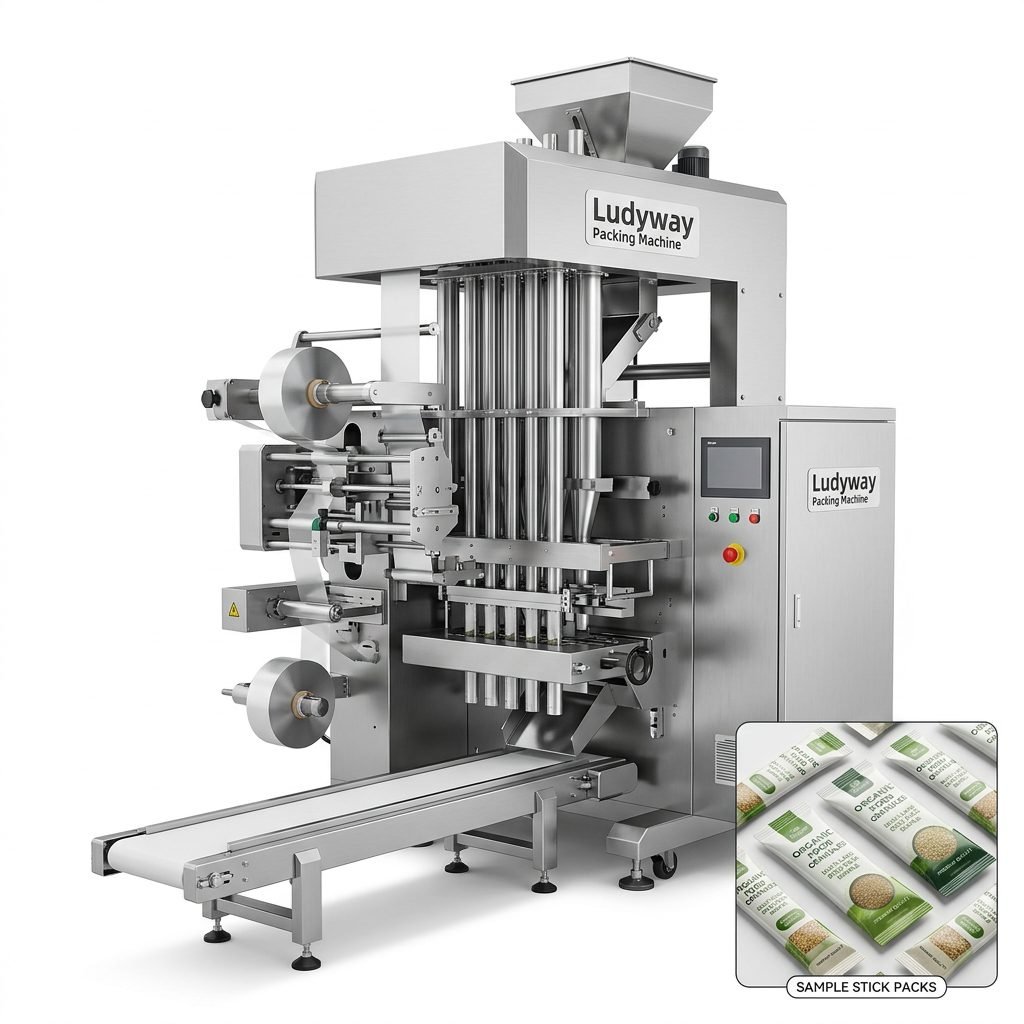
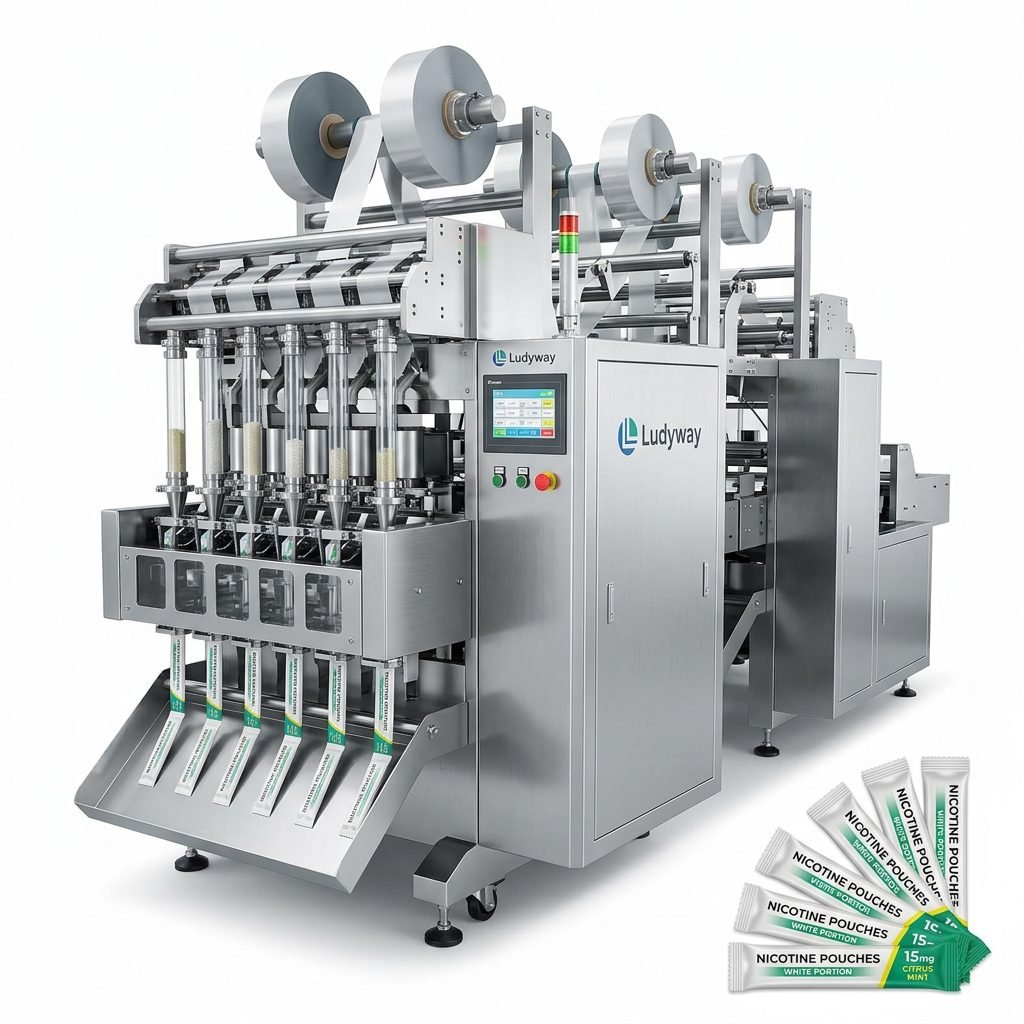
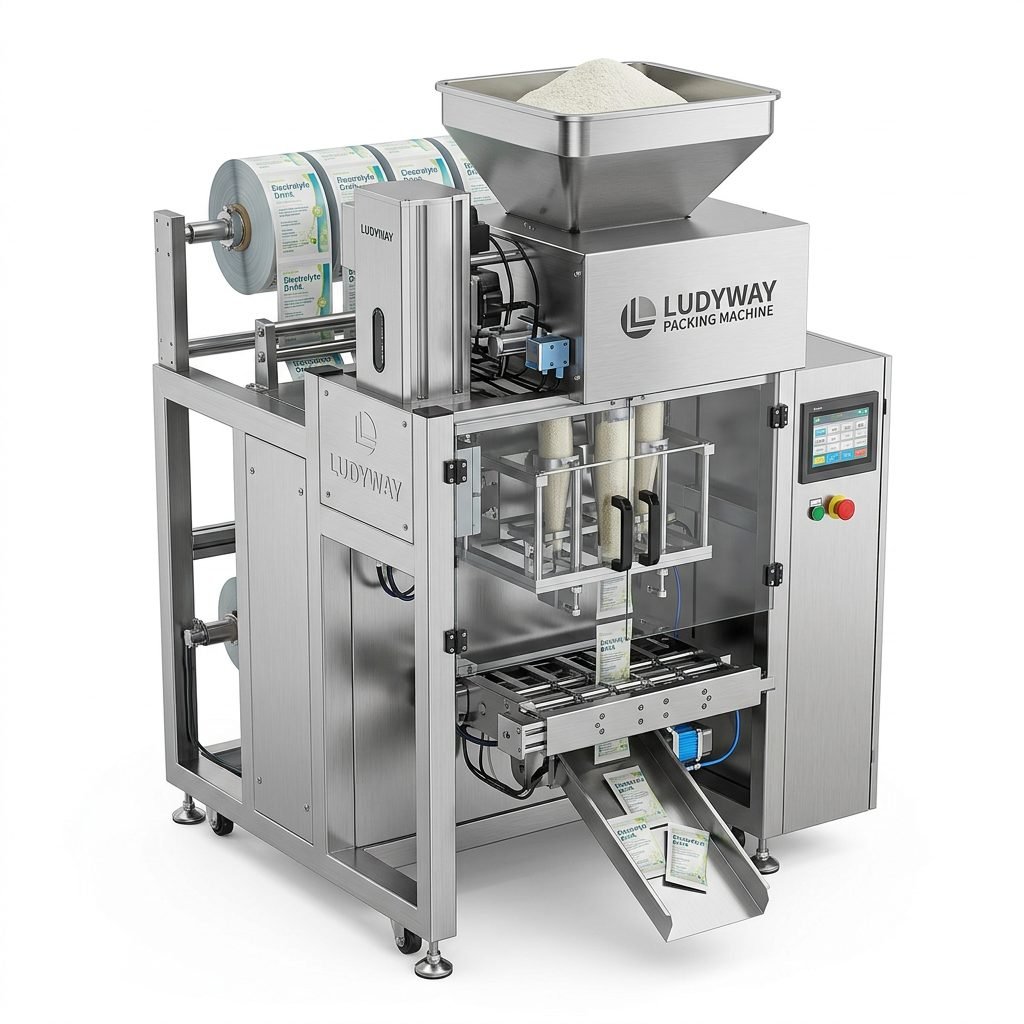
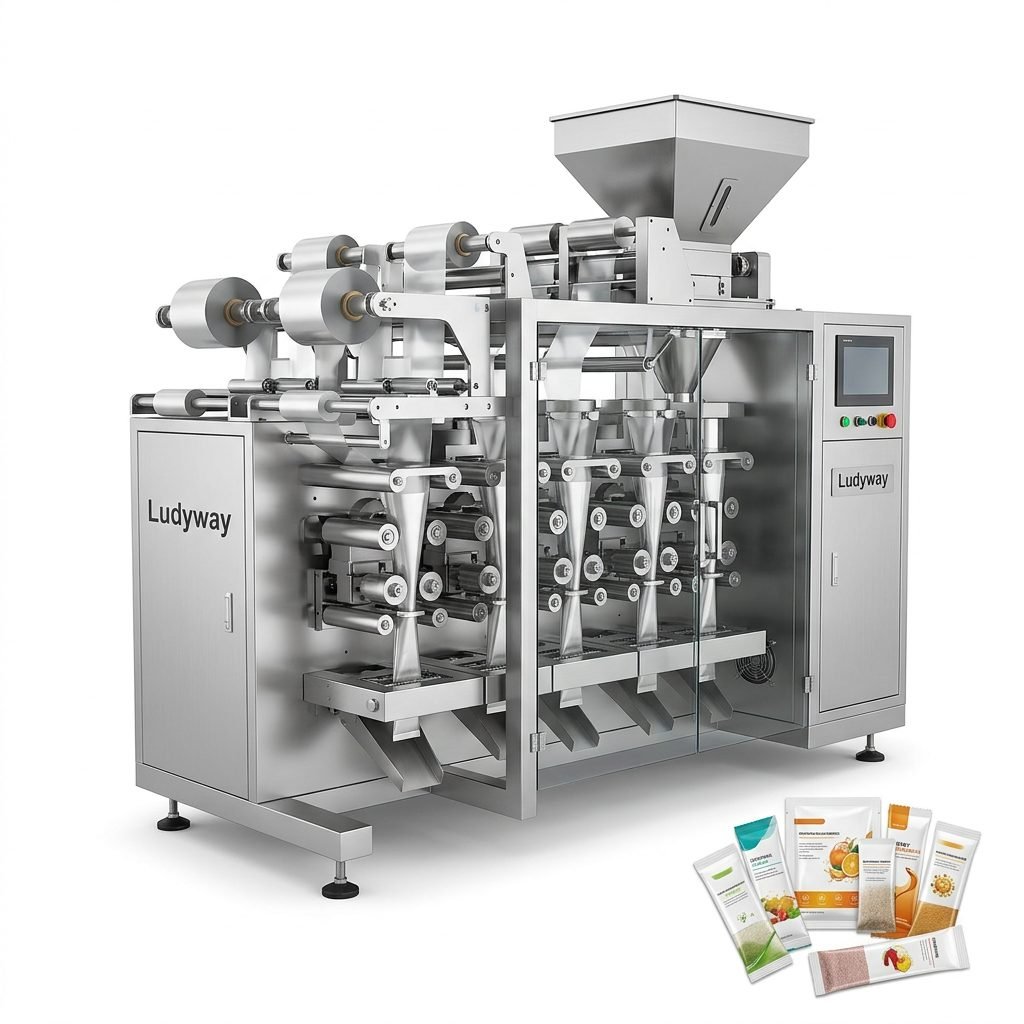
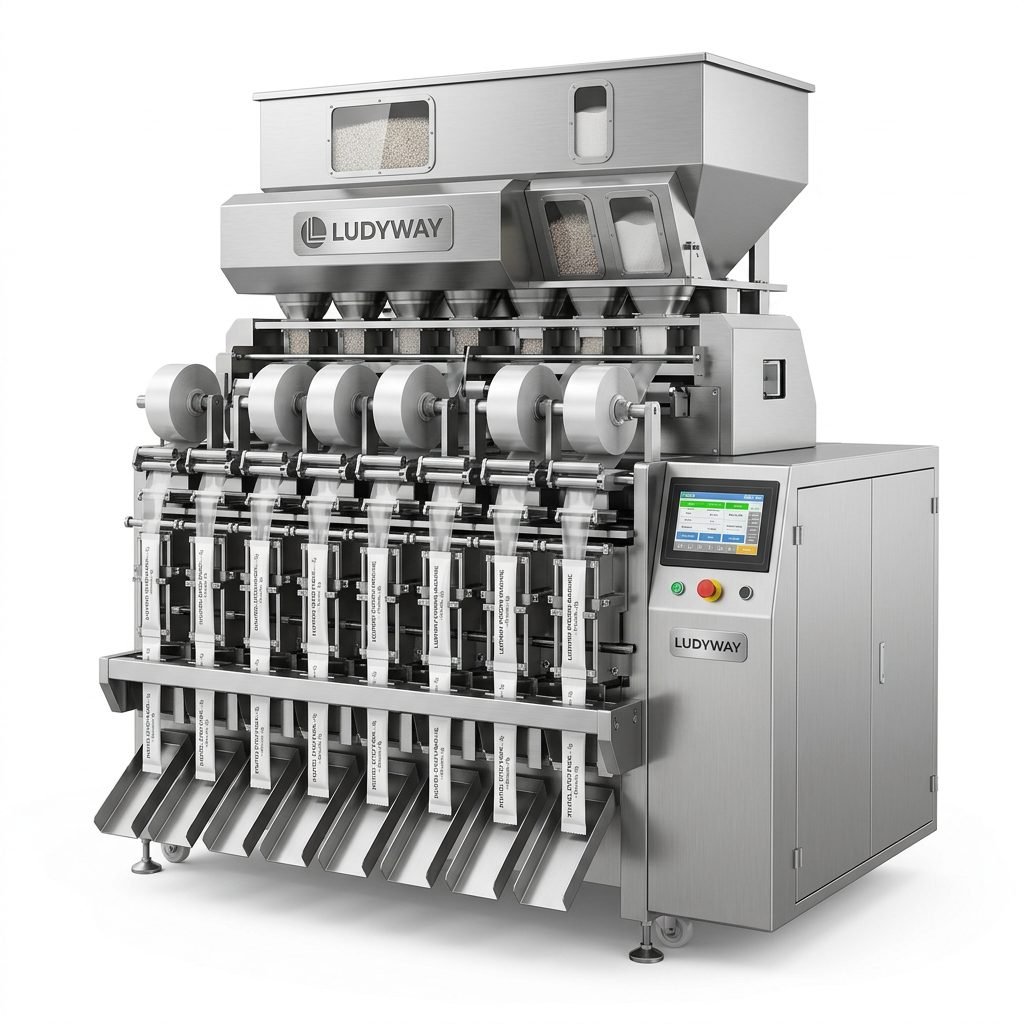
Form-Fill-Seal (FFS) Machines: The most integrated solution. They create the package (a pouch, sachet, or stick pack) from a roll of film, fill it with product, and then seal it—all in one continuous operation. This is highly efficient and reduces packaging material waste.
Bottling & Capping Lines: These are typically linear systems where empty containers are fed, filled, capped, and labeled. They are modular, allowing you to integrate specific fillers and cappers (screw cappers, snap cappers, press-on cappers) as needed.
Cartoning Machines: Automate the insertion of products (like filled pouches or bottles) into cartons, followed by closing and sealing. They can handle a variety of carton styles, including tuck-end, glue-end, and tray-style boxes.
Key Working Principles Behind the Machines
While machines vary, several fundamental principles govern their operation. Grasping these concepts helps in troubleshooting and optimizing performance.
Volumetric vs. Gravimetric Filling
This is the core distinction in filling technology. Volumetric filling dispenses a pre-set volume (using a piston chamber, cup, or auger revolution). It’s fast and cost-effective but can be less accurate if product density varies. Gravimetric (weight-based) filling uses scales to achieve a target weight. This is the gold standard for accuracy, especially for high-value products, but can be slightly slower and more expensive.
Packaging Material Handling
Machines must precisely handle flexible films (for pouches) or rigid containers (bottles, cans). This involves precise servo or stepper motor control for film feeding and forming, as well as sophisticated conveyor and gripper systems for container handling to maintain alignment and prevent spills.
Sealing Technologies
The integrity of the package depends on the seal. Heat sealing is most common for plastic films, using heated jaws to melt layers together. Induction sealing creates a tamper-evident seal under bottle caps by heating a foil liner. Ultrasonic sealing uses high-frequency vibrations to seal synthetic materials without excessive heat, ideal for sensitive products.
How to Choose the Right Filling and Packaging System
Selecting equipment is a strategic decision. A methodical evaluation of your requirements will lead to a system that boosts productivity and ROI.
Step 1: Define Your Product and Production Parameters
This is the non-negotiable starting point. Be specific about:
• Product Characteristics: State (liquid, powder, granules), viscosity, density, abrasiveness, and sensitivity (to heat, air, moisture).
• Production Speed (Output): Required units per minute/hour/shift.
• Packaging Specifications: Container type, material, size range, and required seal type.
Step 2: Evaluate Machine Capabilities and Flexibility
Match your parameters against machine specs. Consider future needs: Can the machine handle a range of sizes with quick changeovers? Is it compatible with different packaging materials? Investing in a slightly more flexible machine can prevent obsolescence. For businesses seeking adaptable solutions, exploring a range of intelligent packaging machine models can provide the versatility needed for evolving product lines.
Step 3: Assess Accuracy, Hygiene, and Build Quality
Accuracy directly impacts profit and compliance, especially in food and pharmaceutical packaging. Demand verification data. Hygiene is critical; machines for food or pharma should have easy-clean designs (sanitary construction, minimal crevices). Build quality (frame, components, motors) dictates longevity and uptime. Robust engineering ensures reliability under continuous operation.
Step 4: Analyze Integration and Support
Will the machine stand alone or integrate into a full line? Consider connectivity (PLC, Industry 4.0 readiness). Crucially, evaluate the supplier’s support: installation, training, spare parts availability, and technical service. A reliable partner with deep industry experience is invaluable for minimizing downtime and ensuring long-term success.
Step 5: Consider Total Cost of Ownership (TCO)
Look beyond the initial purchase price. Calculate TCO by including:
• Operational Costs: Energy consumption, required compressed air, material waste rate.
• Maintenance Costs: Predictable parts replacement and labor.
• Efficiency Gains/Losses: Higher machine speed or accuracy can significantly lower cost-per-unit.
A slightly higher upfront investment in a more efficient, durable system often yields a much lower TCO over 5-10 years.
Frequently Asked Questions (FAQs)
1. What is the main difference between a filling machine and a form-fill-seal machine?
A filling machine requires a pre-made container (bottle, pouch) to fill. A Form-Fill-Seal (FFS) machine is a complete system that creates the package from a roll of film, fills it, and seals it in one integrated process, offering greater efficiency for flexible packaging.
2. How do I know if I need volumetric or weigh-based filling?
Choose volumetric filling for good speed and cost-effectiveness when your product has consistent density. Opt for weigh-based (gravimetric) filling when product value is high, density varies, or regulatory compliance demands extreme accuracy, as seen in many automated packaging solutions for pharmaceuticals and premium foods.
3. What are the key hygiene features to look for in food-grade packaging equipment?
Look for stainless steel (grade 304 or 316) contact surfaces, a design with minimal ledges or dead zones where product can accumulate, easy disassembly for cleaning, and compatibility with clean-in-place (CIP) or steam-in-place (SIP) systems.
4. Can one machine handle vastly different package sizes?
Most machines have a defined size range. Handling “vastly” different sizes often requires a changeover of parts (like forming shoulders, filler nozzles, or sealing jaws). The key metric is “changeover time” – look for machines designed for quick, tool-less changeovers to maximize flexibility.
5. What is the most important factor in ensuring a successful packaging line integration?
Clear communication and planning with your equipment supplier. Providing detailed product samples, packaging materials, and required output specifications is essential. Working with a supplier that offers turnkey production solutions and project management support can seamlessly coordinate all line components from conveying to end-of-line packaging.