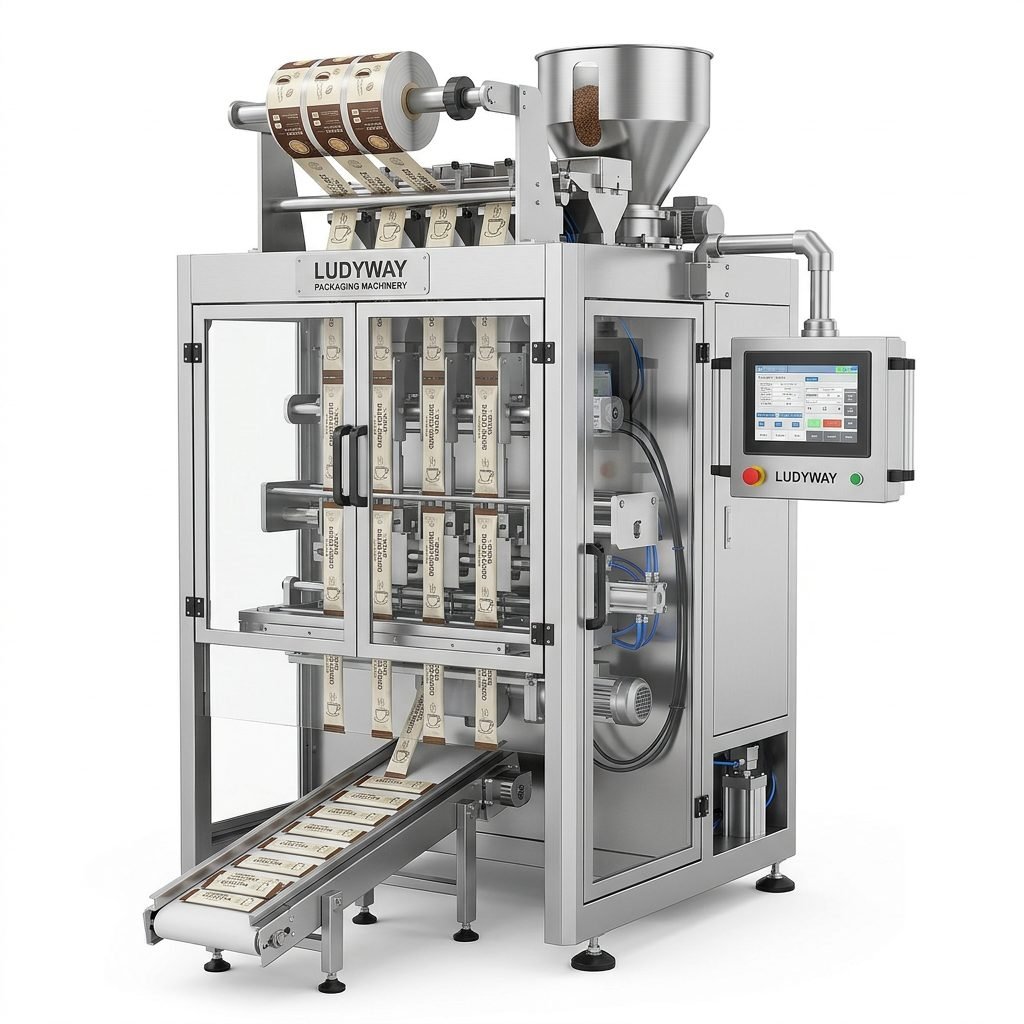
Finding reliable packaging machine blade sharpening services near you is crucial for maintaining production efficiency and ensuring product quality. Industrial knife grinding is a specialized service that requires precision, expertise, and the right equipment. This guide will help you understand the importance of regular blade maintenance, what to look for in a local service provider, and how to ensure your packaging operations run smoothly with sharp, dependable blades.
The Critical Role of Sharp Blades in Packaging Operations
In the fast-paced world of manufacturing, a dull blade is more than an inconvenience—it’s a liability. Sharp blades are essential for clean cuts, which directly impact package integrity, product presentation, and line speed. Dull blades can lead to increased waste due to jagged seals or incomplete cuts, potentially causing product spillage and compromising shelf life. Furthermore, they force machinery to work harder, increasing wear on other components and leading to more frequent, costly breakdowns.
Key Takeaway: Consistent, clean cuts from sharp blades are non-negotiable for high-speed packaging lines. They ensure seal integrity, reduce material waste, and minimize machine strain.
Signs Your Packaging Blades Need Sharpening
Don’t wait for a complete failure. Proactive maintenance is key. Watch for these warning signs:
- Uneven or Frayed Seals: The packaging film tears or seals poorly, creating weak points.
- Increased Product Waste: More rejected packets due to improper cutting or sealing.
- Audible Strain: Your machine sounds labored or makes unusual noises during the cutting cycle.
- Visible Burrs or Nicks: Upon inspection, the cutting edge shows damage or imperfections.
- Frequent Jamming: Material gets caught or drags at the cutting point, causing stoppages.
How to Find & Evaluate Local Industrial Knife Grinding Services
Searching for “packaging machine blade sharpening near me” is the first step, but vetting the results is critical. A true specialist understands the unique metallurgy and geometry of packaging blades, which differ significantly from other industrial knives.
Essential Questions to Ask a Service Provider
Before you commit, get clear answers on their capabilities:
➤ What is your experience with my specific machine brand or blade type? (e.g., blades for vertical form-fill-seal, horizontal flow wrappers, cartoners).
➤ What grinding process do you use? Precision CNC grinding often offers superior consistency and edge retention compared to manual methods.
➤ Do you offer pick-up and delivery, or emergency on-site service? This minimizes your machine downtime.
➤ Can you provide a certification of work or a report on blade condition? Professional documentation adds accountability.
➤ What is the typical turnaround time? A reliable provider should offer a clear service window.
The Advantages of Partnering with a Packaging Specialist
While general machine shops may offer grinding, a specialist in packaging machinery brings invaluable advantages. They comprehend how blade angle, hardness, and finish affect performance on specific films, laminates, or papers. They can also spot underlying issues—like a misaligned anvil or worn holder—that might be prematurely dulling your blades. This diagnostic insight prevents recurring problems and saves money long-term.
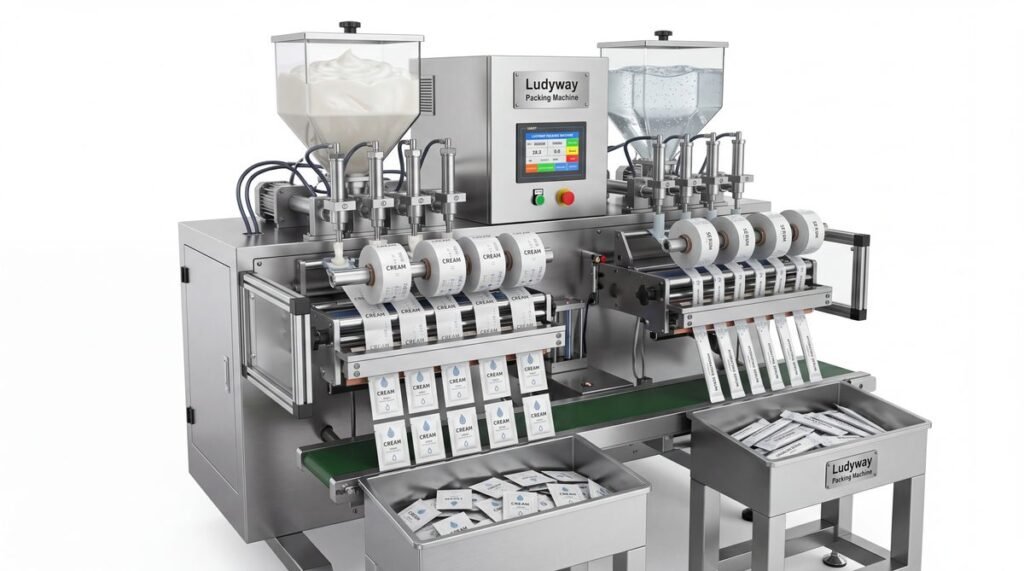
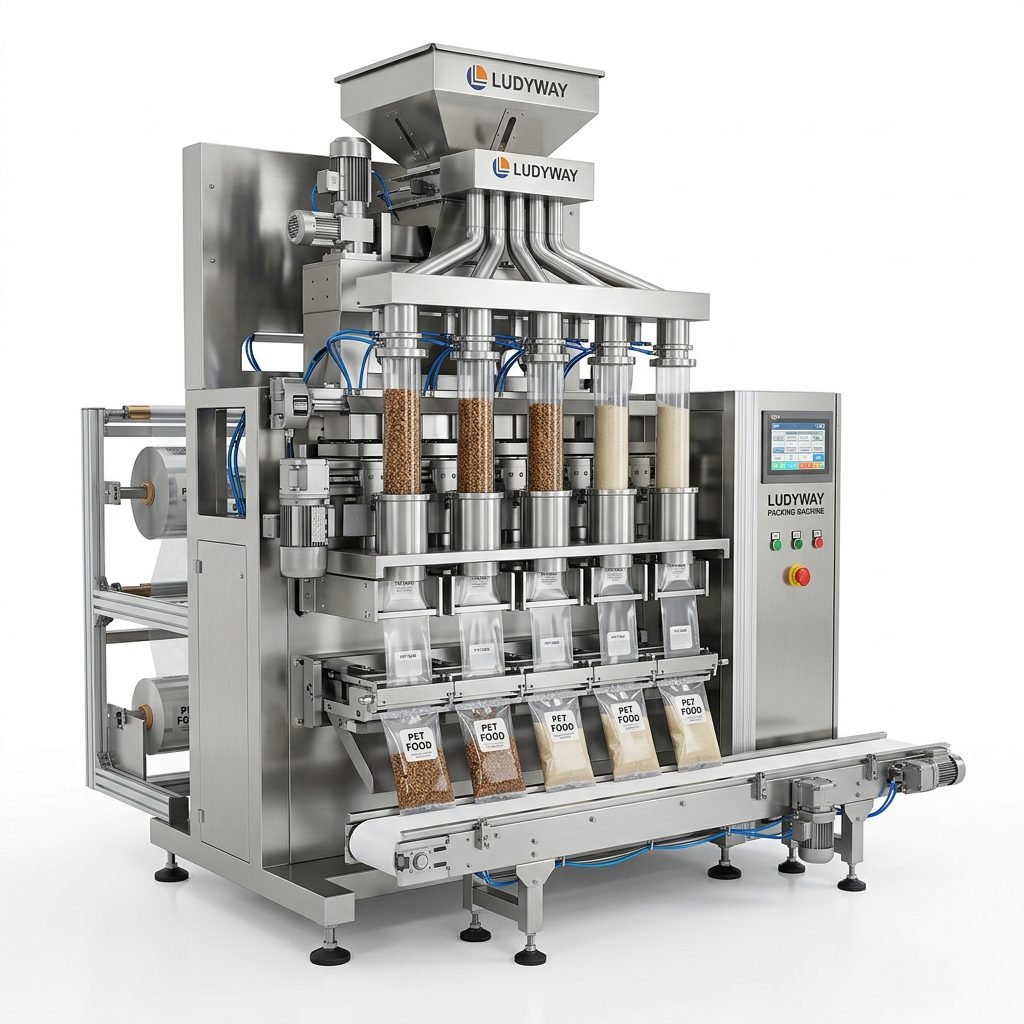
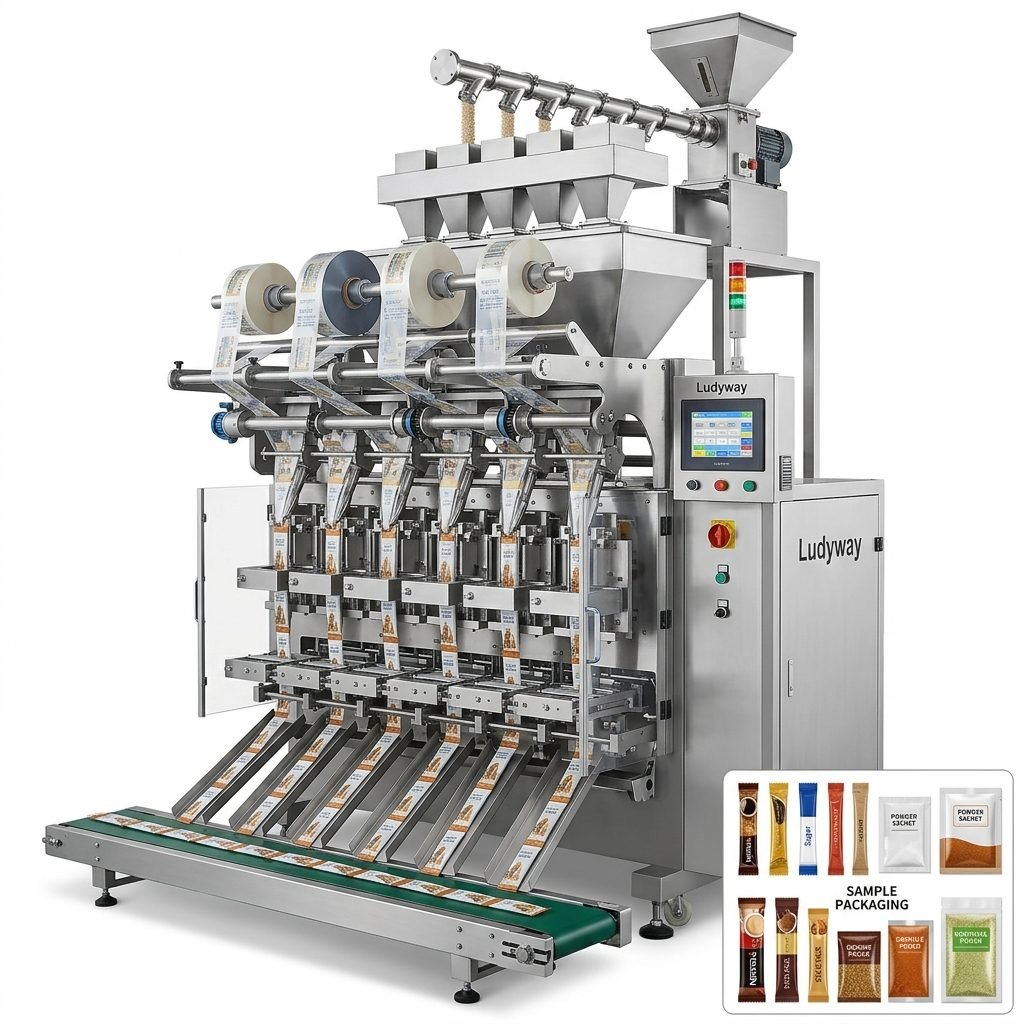
For companies operating sophisticated lines, such as multi-lane stick pack or high-speed sachet machines, this expertise is indispensable. Specialists ensure the reground blade integrates perfectly with the machine’s timing and mechanics, preserving the high-quality automated packaging standards your products require.
Maximizing Blade Life Between Sharpenings
Proper care extends service intervals. Implement these best practices:
- Regular Cleaning: Remove adhesive residue, product dust, and debris after every shift to prevent corrosion and edge damage.
- Correct Storage: Store spare or sharpened blades in protective sleeves or holders to prevent contact damage.
- Operator Training: Ensure staff can identify early signs of dulling and understand basic blade handling safety.
- Use Quality Blades: Invest in blades made from high-grade tool steel or carbide from reputable suppliers; they hold an edge longer.
- Maintain Machine Alignment: Schedule regular checks of the cutting mechanism to ensure the blade and counter-blade are perfectly aligned.
The Cost-Benefit Analysis of Professional Sharpening
View professional sharpening not as an expense, but as an investment. The cost of a sharpening service is typically a fraction of a new blade. More importantly, it prevents the far greater costs associated with unplanned downtime, product giveaway from poor seals, and catastrophic machine failure from a broken blade. Consistent, professional maintenance is a cornerstone of reliable packaging solutions and lean manufacturing principles.
Frequently Asked Questions (FAQs)
1. How often should packaging machine blades be sharpened?
There’s no universal schedule. Frequency depends on the material being cut (abrasive powders vs. soft films), machine runtime, and blade material. Monitor performance indicators like seal quality and waste rates. For high-volume operations, a preventive maintenance schedule based on operating hours is recommended.
2. Can any machine shop sharpen my packaging blades?
Technically, many can. However, for optimal results and machine longevity, a shop specializing in packaging blades is strongly advised. They possess the specific tooling, knowledge of precise angles, and understanding of how the blade interacts with the total cutting system, which general shops often lack.
3. What’s the difference between sharpening and re-edging?
Sharpening typically refers to restoring a dull edge by removing a small amount of material. Re-edging is a more extensive process that may involve reforming the blade’s primary cutting angle, often necessary after a chip or significant damage. A professional service will assess and recommend the appropriate procedure.
4. Is it better to have spare blades on hand?
Absolutely. Maintaining a set of pre-sharpened spare blades is a best practice. It allows for a quick swap during scheduled maintenance or in case of sudden failure, minimizing production downtime while the other set is being serviced.
5. How can I tell if a sharpening service did a good job?
A professionally sharpened blade should have a uniform, mirror-like edge free of burrs or burn marks. The most important test is performance: it should install easily, run quietly, and produce clean, consistent cuts immediately, with no “break-in” period required.