The world of packaging machinery is vast and complex, with a dizzying array of equipment designed to meet the diverse needs of modern production lines. From food and pharmaceuticals to chemicals and consumer goods, the right packaging machine is crucial for efficiency, product integrity, and brand presentation. This comprehensive guide will explain the primary types of packaging machines, their core functions, and provide a clear framework to help you choose the perfect solution for your operation.
Understanding the Core Functions of Packaging Machines
At their heart, all packaging machines serve to automate and standardize the process of enclosing a product for distribution, sale, and use. Key functions include:
• Filling: Precisely measuring and dispensing product—be it granules, powder, liquids, or solids—into containers or pouches.
• Sealing: Creating a hermetic or secure closure using heat, pressure, adhesives, or other methods to protect the contents.
• Wrapping/Bagging: Encasing products or groups of products in flexible materials like film, foil, or paper.
• Labeling & Coding: Applying product information, branding, barcodes, and expiration dates accurately.
• Cartoning & Case Packing: Organizing primary packages into secondary cartons or tertiary shipping cases.
Pro Tip:
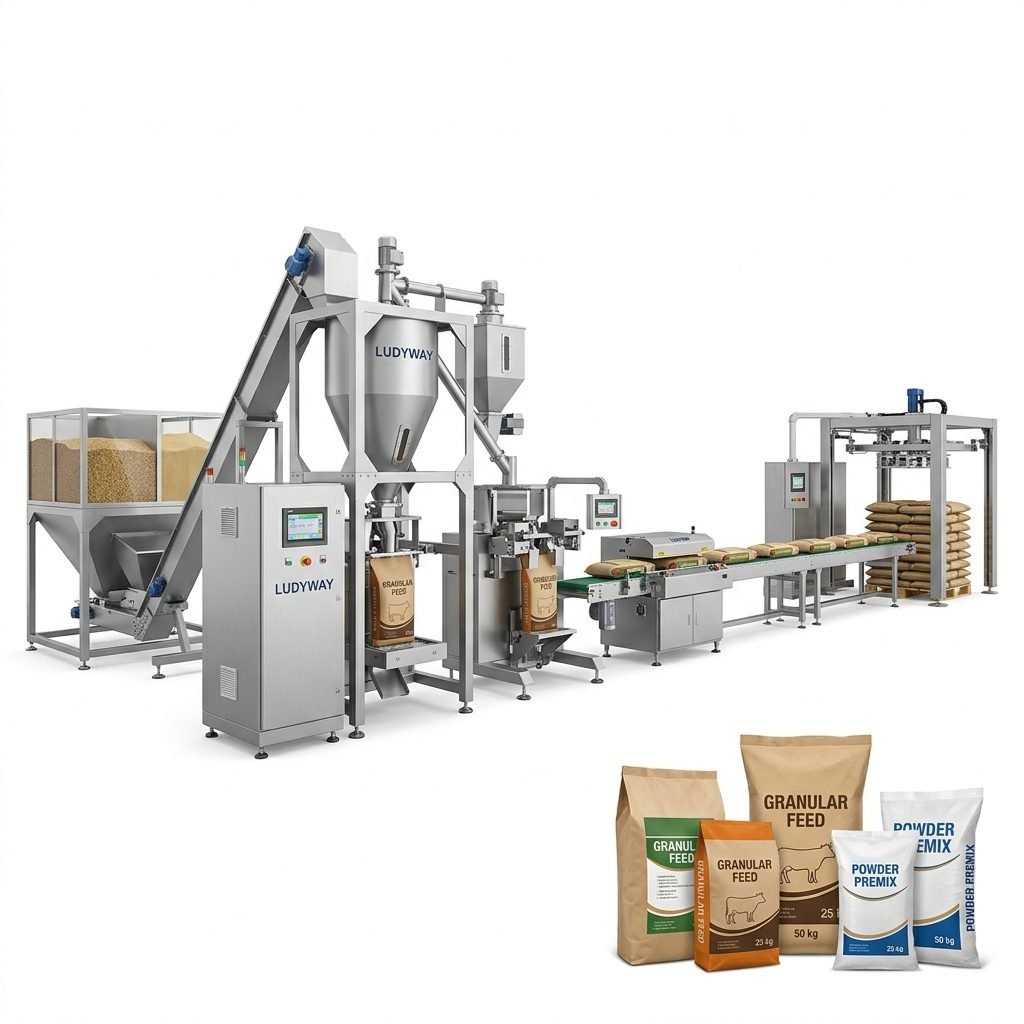
The most efficient packaging lines often integrate several of these functions into a single, synchronized system, known as a turnkey production line. This approach minimizes handling, maximizes speed, and ensures consistency from start to finish.
A Deep Dive into Major Packaging Machine Types
1. Filling and Sealing Machines
This category forms the backbone of primary packaging for countless products.
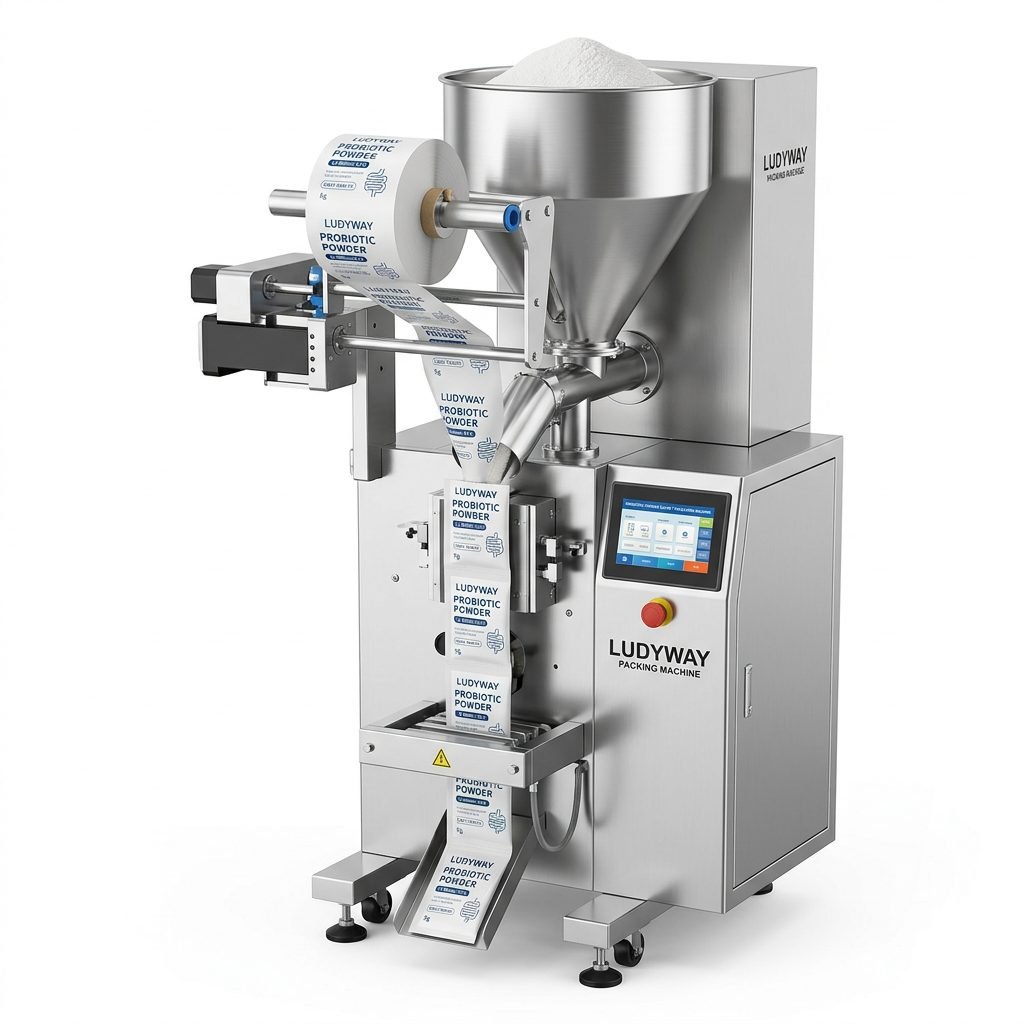
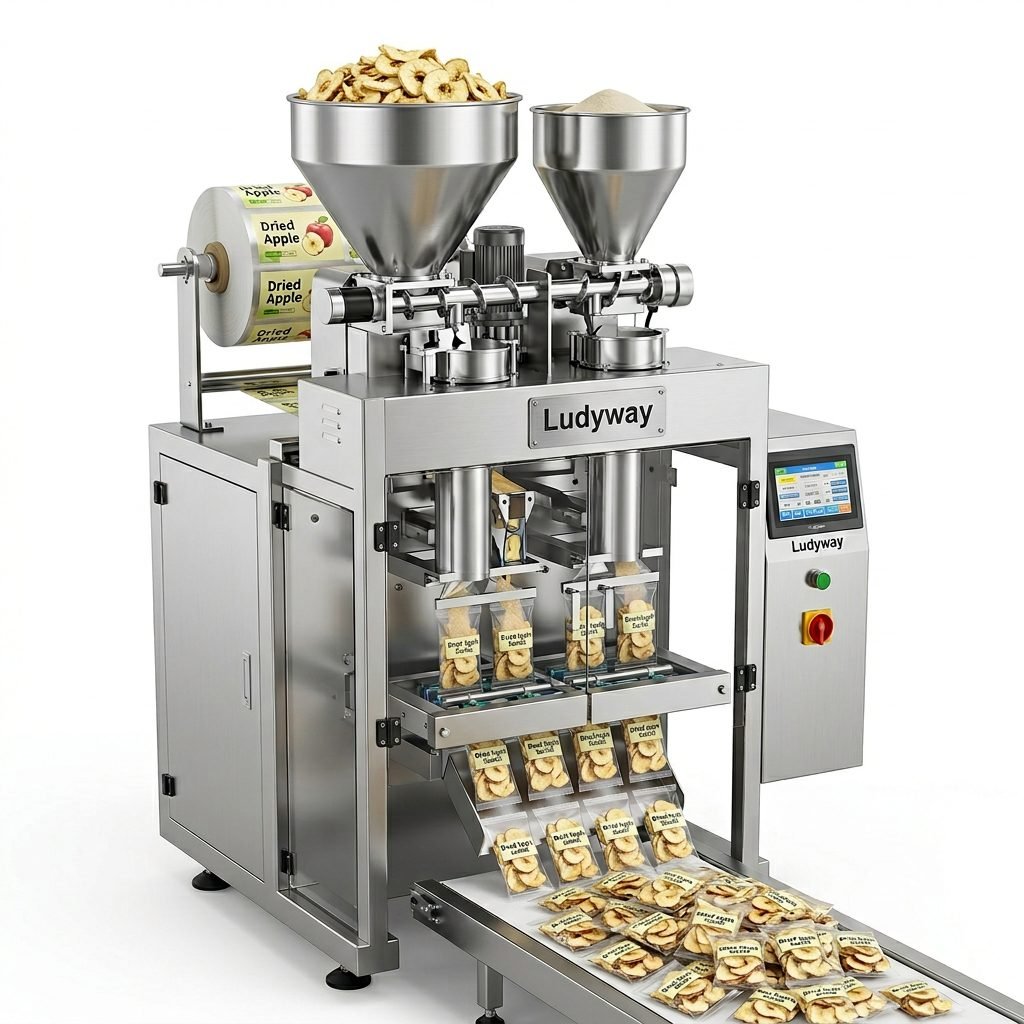
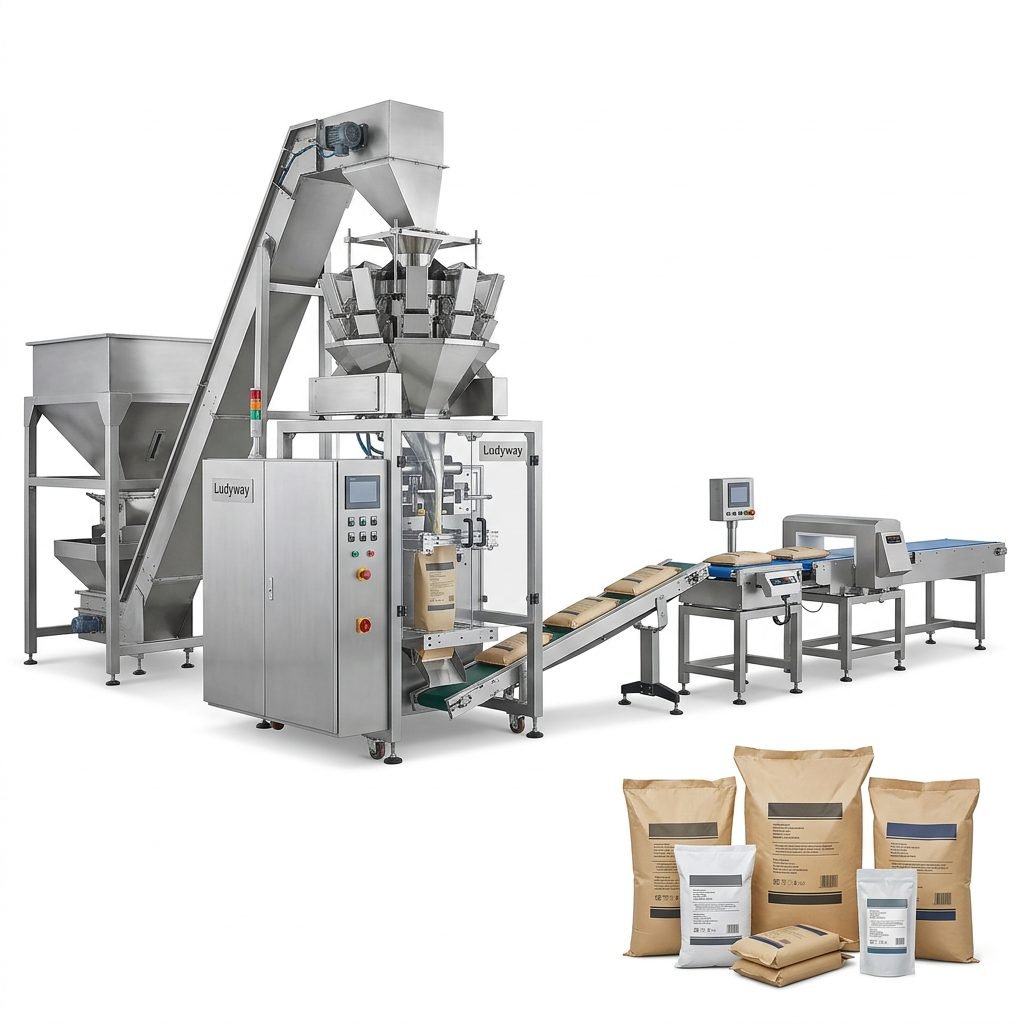
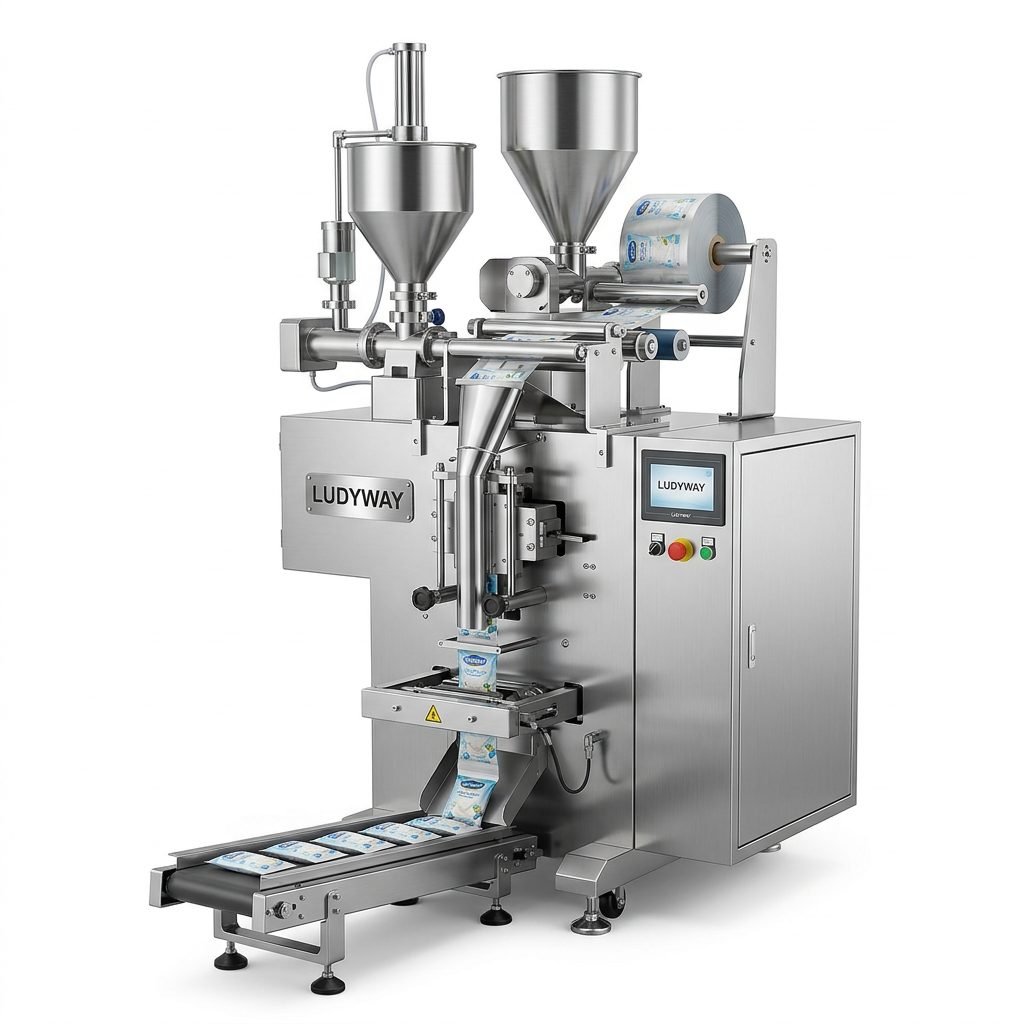
Vertical Form-Fill-Seal (VFFS) Machines: The workhorse of the packaging industry. They form a roll of film into a tube, fill it with product, and then seal it vertically to create individual pouches or bags. Ideal for snacks, coffee, granules, and powders.
Horizontal Form-Fill-Seal (HFFS) Machines: Product is placed on a flat web of film, which is then wrapped around it and sealed. Perfect for bundling multiple items (like candy bars), or wrapping rigid items like biscuits and soap bars.
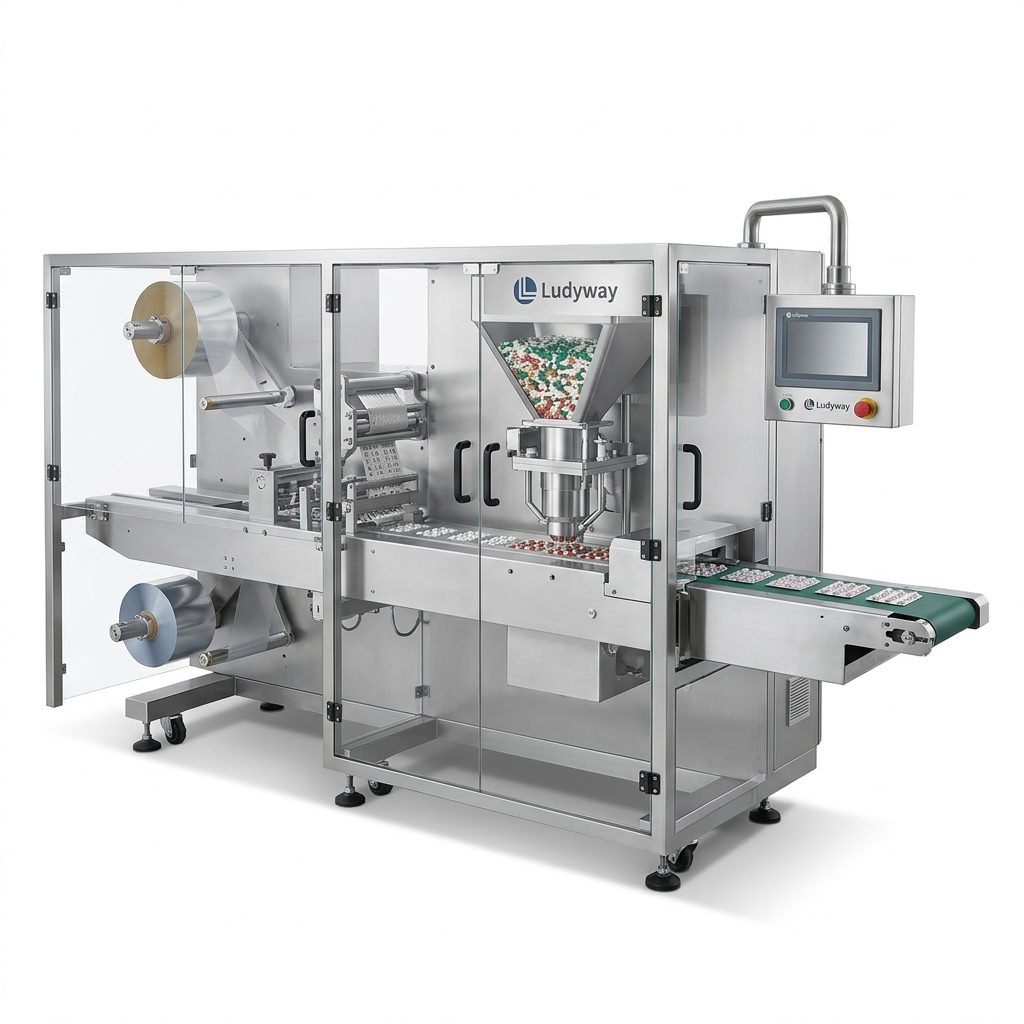
Liquid & Paste Fillers: Utilize pumps, pistons, or gravity to accurately dispense viscous or free-flowing liquids into bottles, tubes, or sachets. Critical for pharmaceuticals, sauces, and cosmetics.
2. Specialized Pouch Packaging Systems
For unit-dose, sample, or high-convenience packaging, pouch systems are king.
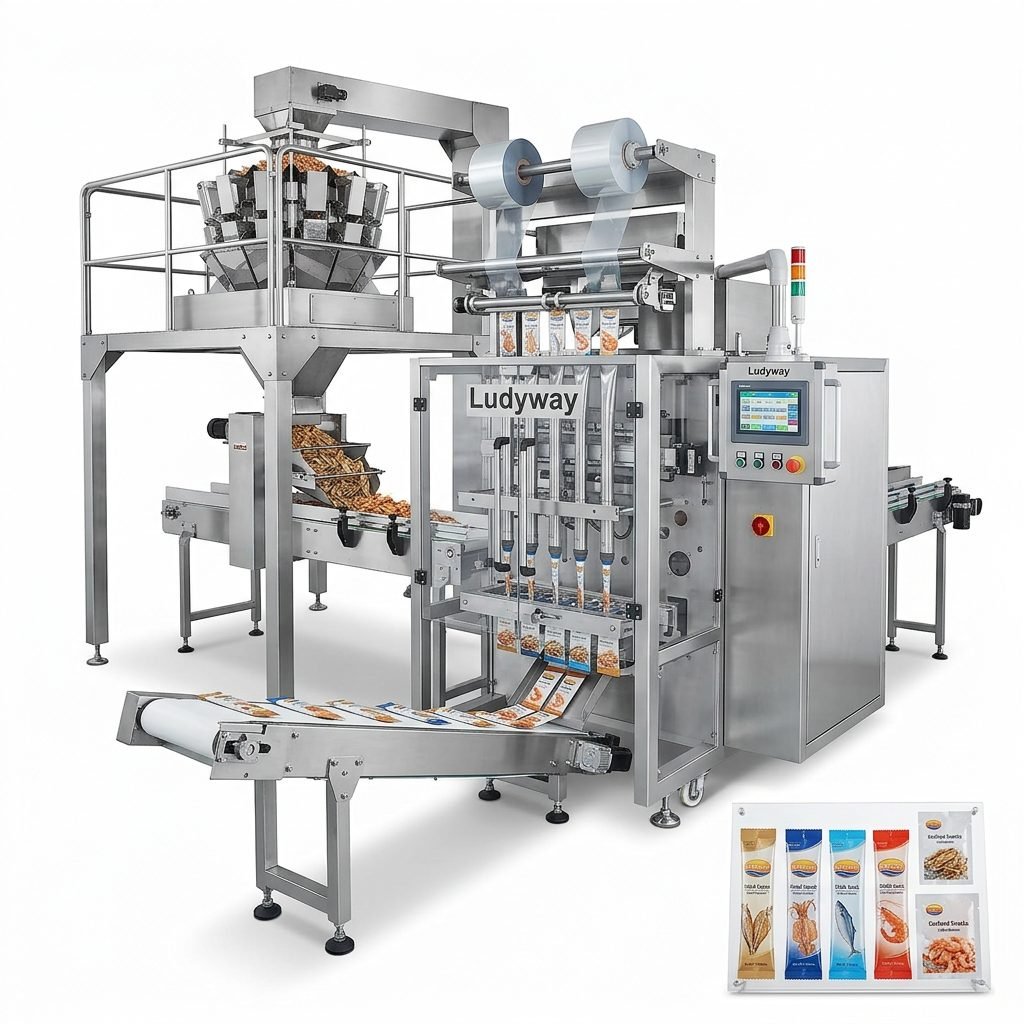
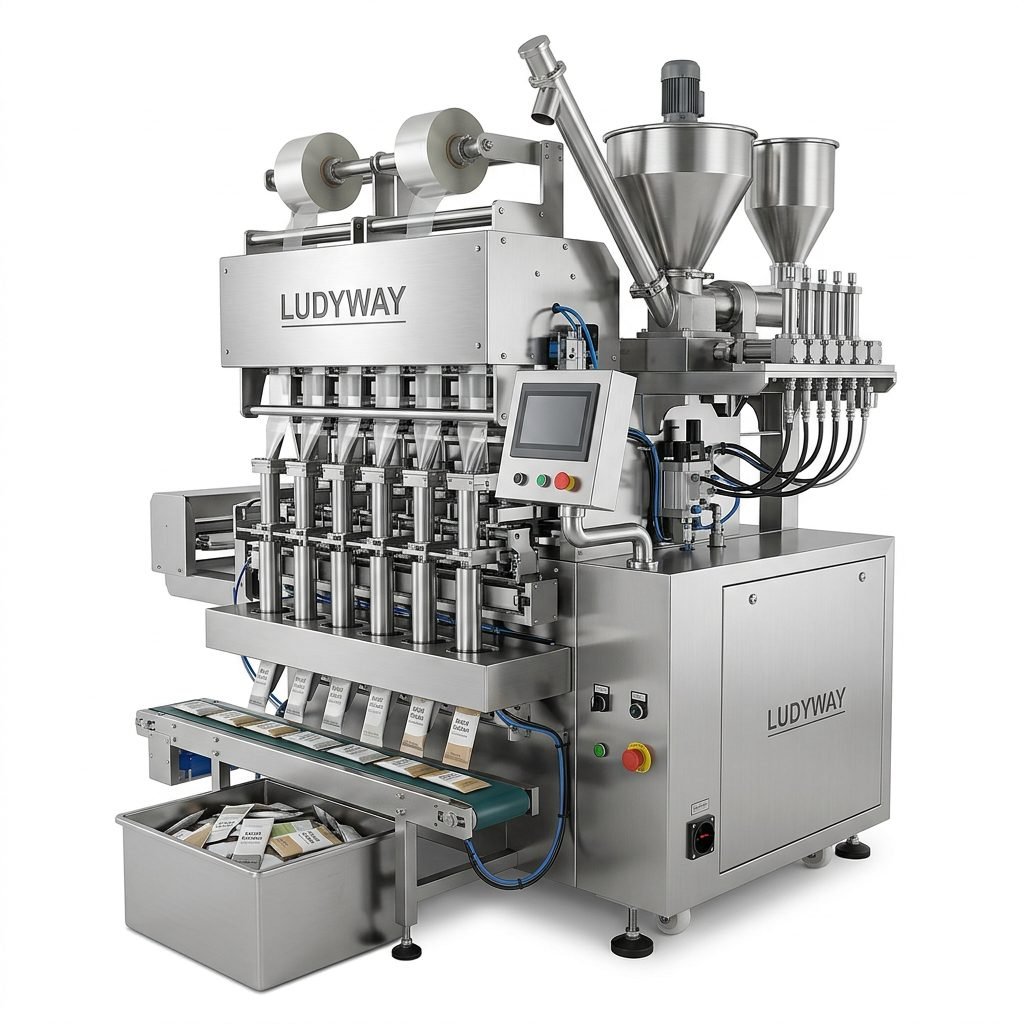
Stick Pack Machines: Create long, slender single-serve pouches. Extremely popular for powdered beverages, instant coffee, sugar, and pharmaceuticals due to their space efficiency and user-friendly tear-open design.
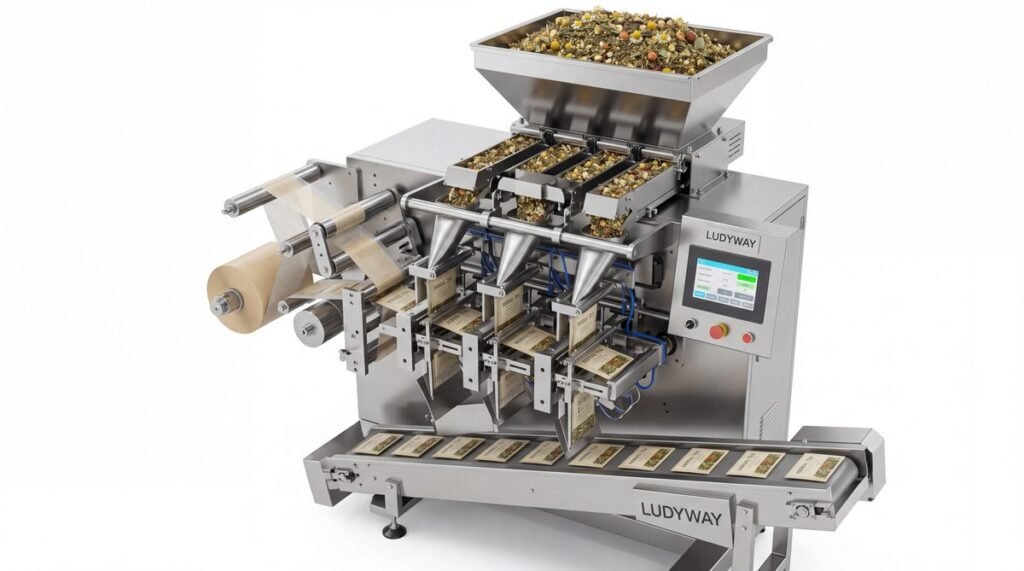
Sachet Packaging Machines: Produce small, rectangular pouches. Used for a vast range of products including condiments, shampoo samples, tea bags, and medicinal powders. Modern multi-lane sachet machines can produce dozens of sachets simultaneously, dramatically boosting output.
3. Capping, Labeling, and Cartoning Machines
These machines handle the crucial finishing and secondary packaging stages.
Capping & Lidding Machines: Automatically apply screw caps, snap-on lids, or foil seals to bottles, jars, and cups with precise torque and placement.
Automatic Labelers: Apply pressure-sensitive, glue-based, or shrink sleeve labels to containers of almost any shape. Ensure perfect alignment and wrinkle-free application.
Carton Formers & Sealers: Erect flat carton blanks, load primary packages into them, and then seal them shut using glue or tuck-in flaps.
How to Choose the Right Packaging Solution: A Step-by-Step Guide
Selecting machinery is a significant investment. Follow this framework to make an informed decision.
Step 1: Analyze Your Product & Material
This is the most critical factor. Is your product a granule, powder, liquid, solid, or paste? What are its characteristics (abrasive, hygroscopic, volatile)? The product dictates the filling technology (auger, volumetric cup, piston) and the packaging material (film type, barrier properties, seal layer) required.
Step 2: Define Your Production Requirements
Be specific about your needs:
• Speed (Output): How many packages per minute/hour do you need? Consider future growth.
• Accuracy: What are the legal or quality tolerance limits for your fill weight/volume?
• Flexibility: Will you run one product size forever, or do you need quick changeovers for multiple SKUs?
• Automation Level: Do you need a standalone machine or a fully integrated line with upstream and downstream equipment?
Step 3: Evaluate Machine Features & Supplier Credentials
Look beyond the brochure. Assess the machine’s construction (stainless steel grade), control system (user-friendly PLC interface), and changeover simplicity. Crucially, vet the supplier. A partner with deep industry experience and strong engineering support, like Ludyway Machinery, can provide not just a machine, but a reliable production solution. Consider their after-sales service, parts availability, and training offerings.
Step 4: Consider Total Cost of Ownership (TCO)
The purchase price is just the beginning. Factor in installation, maintenance costs, energy consumption, required operator skill level, and potential downtime. A slightly more expensive, robust machine from a reputable supplier often has a lower TCO than a cheaper, less reliable alternative.
Conclusion: Investing in Your Packaging Future
Choosing the right packaging machine is a strategic decision that impacts your product quality, operational efficiency, and bottom line. By thoroughly understanding your product needs, production goals, and partnering with a knowledgeable equipment provider, you can implement a solution that drives growth and ensures consistency for years to come. The journey from a manual process to a streamlined, automated packaging line is a significant step toward scaling your business competitively in the global market.
Frequently Asked Questions (FAQs)
Q1: What is the main difference between VFFS and HFFS machines?
VFFS machines form bags vertically from a single roll of film and are best for free-flowing products like granules and powders. HFFS machines wrap products that are already formed (like candy bars or biscuits) in a horizontal plane, using film from multiple rolls for more complex wrapping.
Q2: Can one machine handle different types of products?
Many machines offer flexibility with quick-change parts (like augers, funnels, or forming tubes). However, switching between vastly different product forms (e.g., powder to liquid) typically requires a dedicated machine or significant, time-consuming conversion.
Q3: How important is after-sales service when buying a packaging machine?
It is critically important. Even the best machines require maintenance. A supplier with responsive technical support, readily available spare parts, and operator training ensures minimal downtime and protects your investment over the long term.
Q4: What are the benefits of a multi-lane sachet or stick pack machine?
Multi-lane machines dramatically increase output by producing multiple pouches in parallel within each machine cycle. This is the most efficient way to achieve high production speeds for small, single-serve packages without simply running a single-lane machine faster.
Q5: How do I know what packaging film material to use?
The film must be compatible with your product (barrier against moisture, oxygen, light) and your machine’s sealing method (heat, cold, ultrasonic). Your packaging machine supplier and film converter should work together to recommend the optimal laminate structure for your specific application.