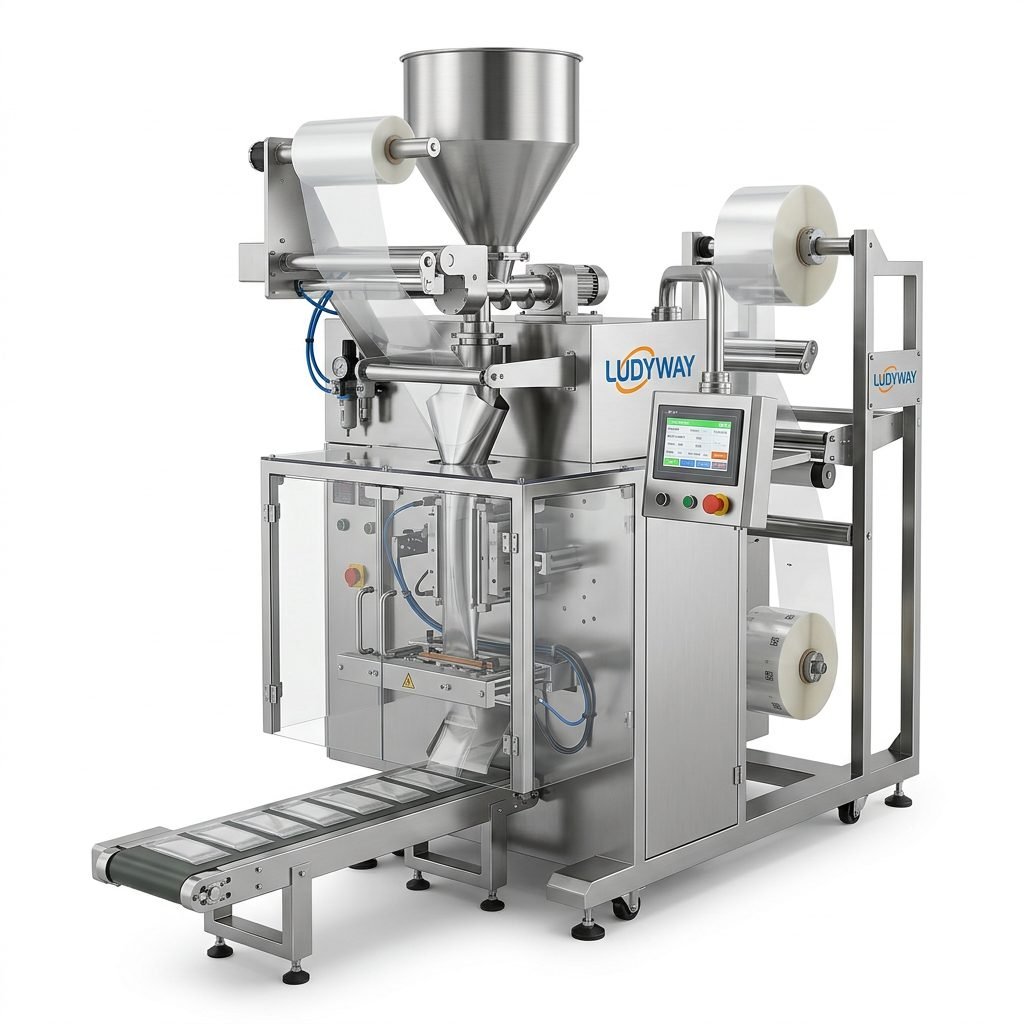
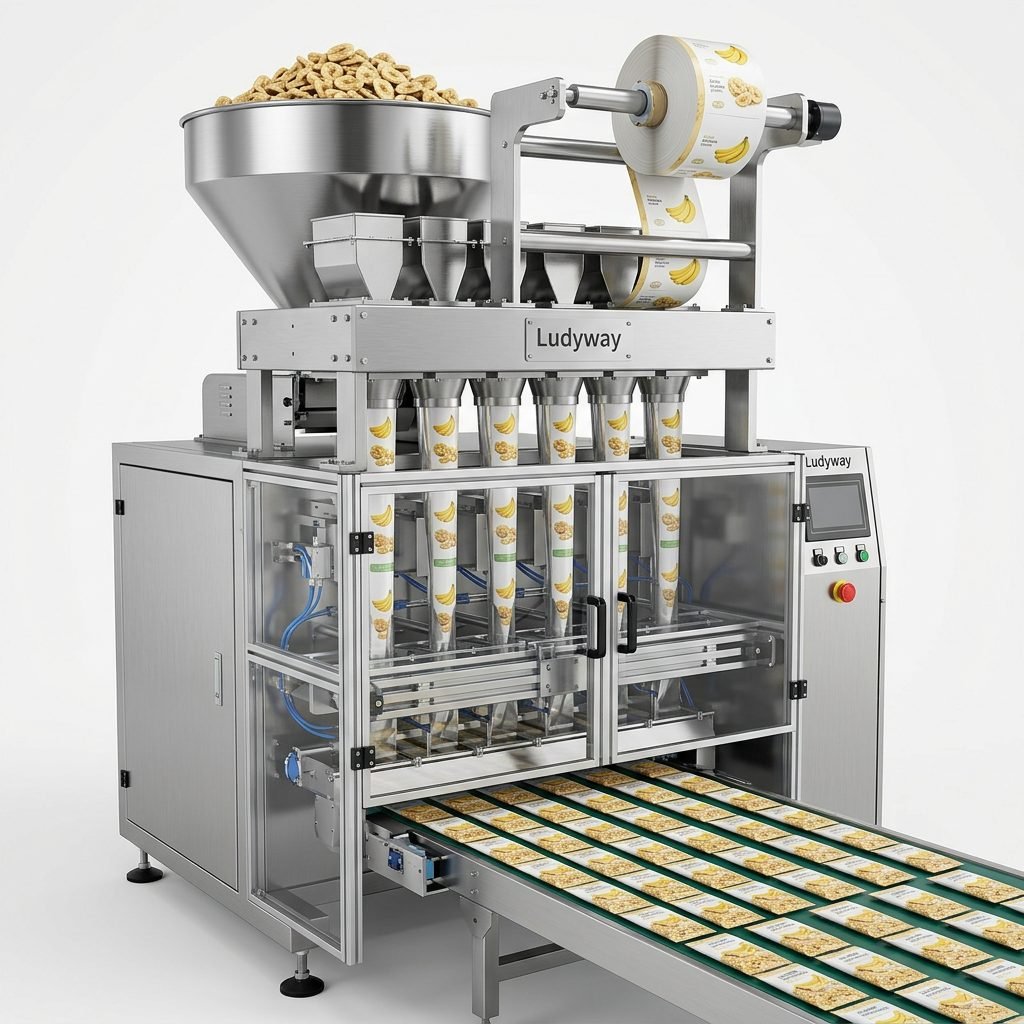
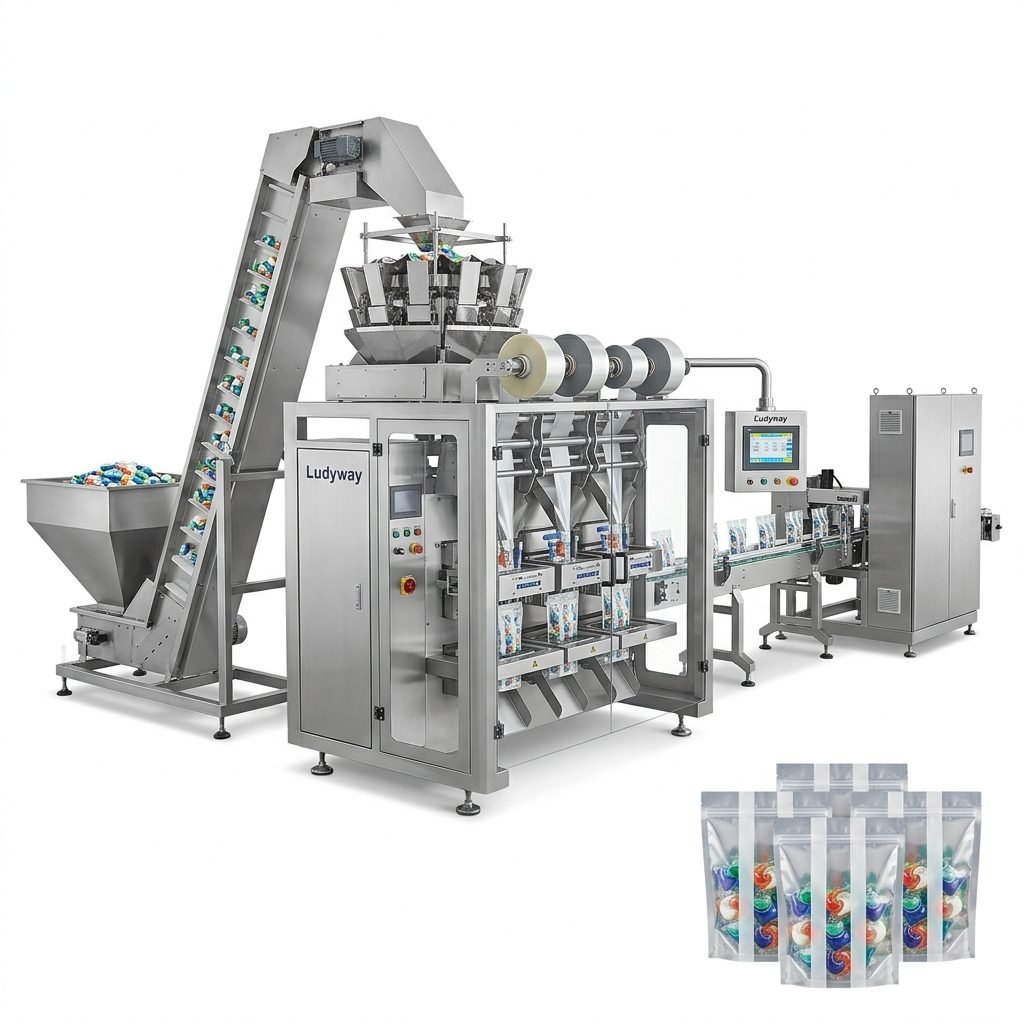
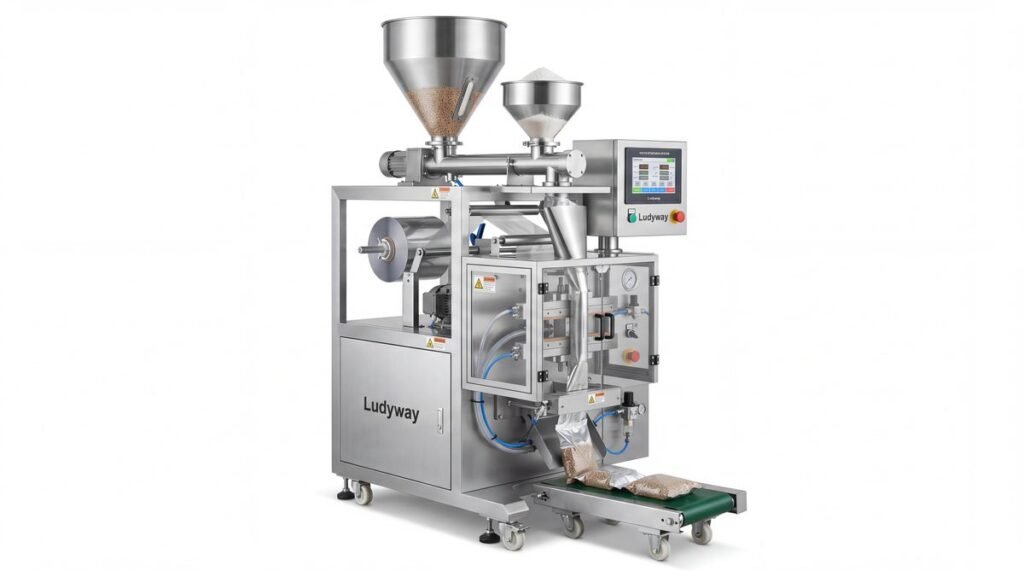
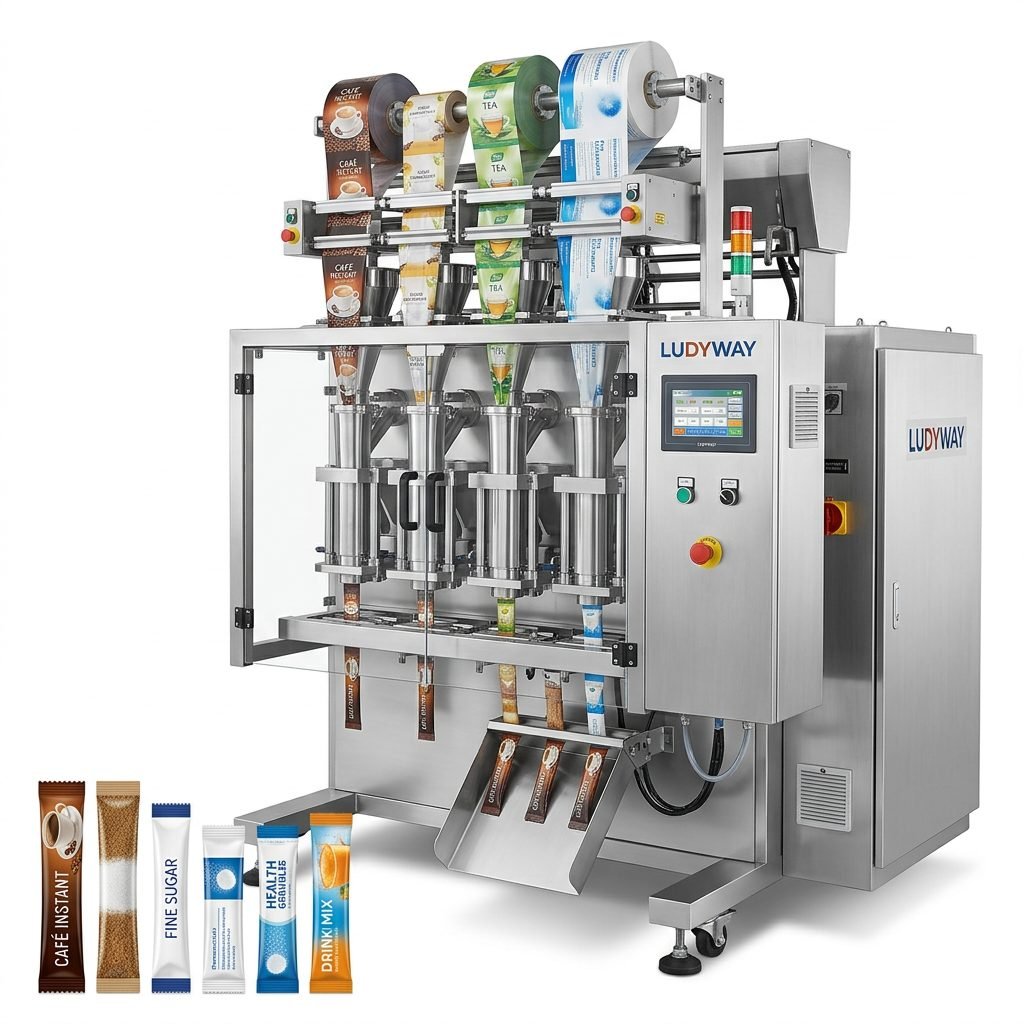
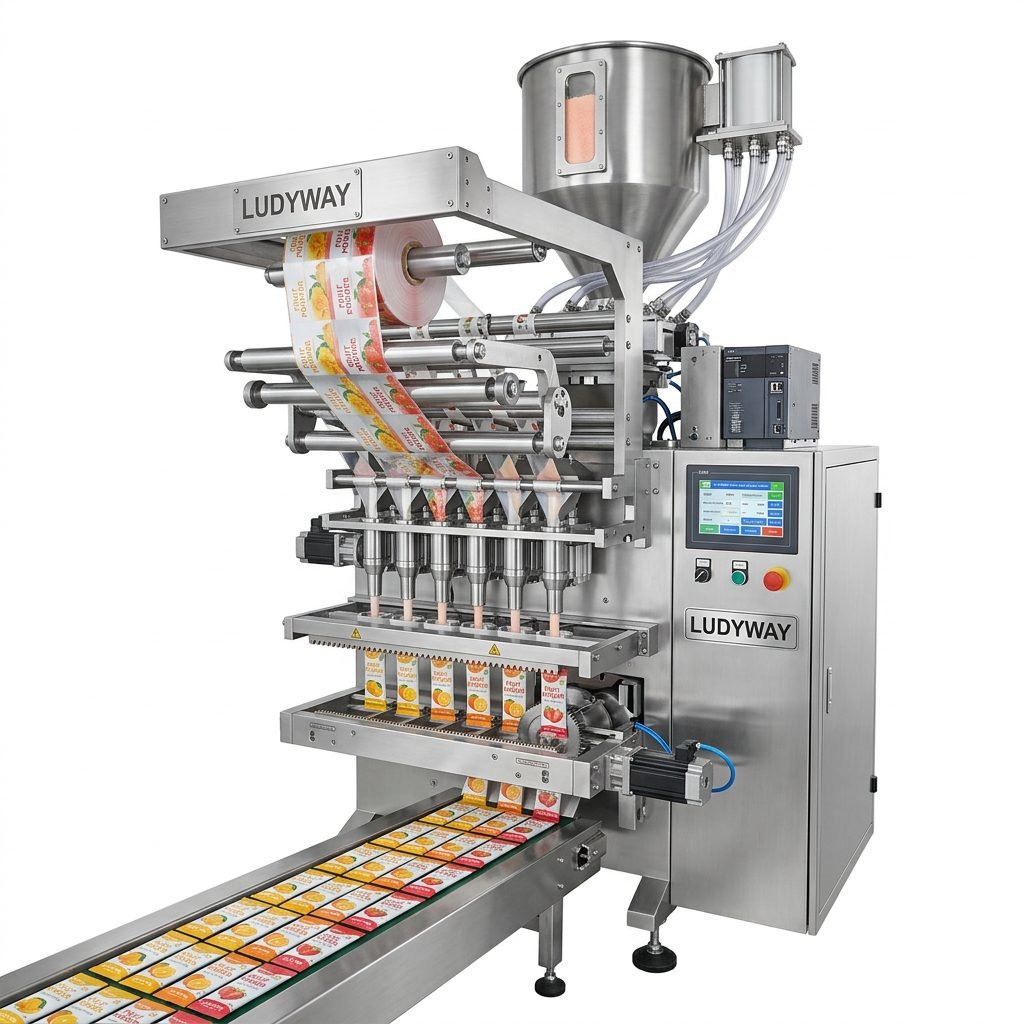
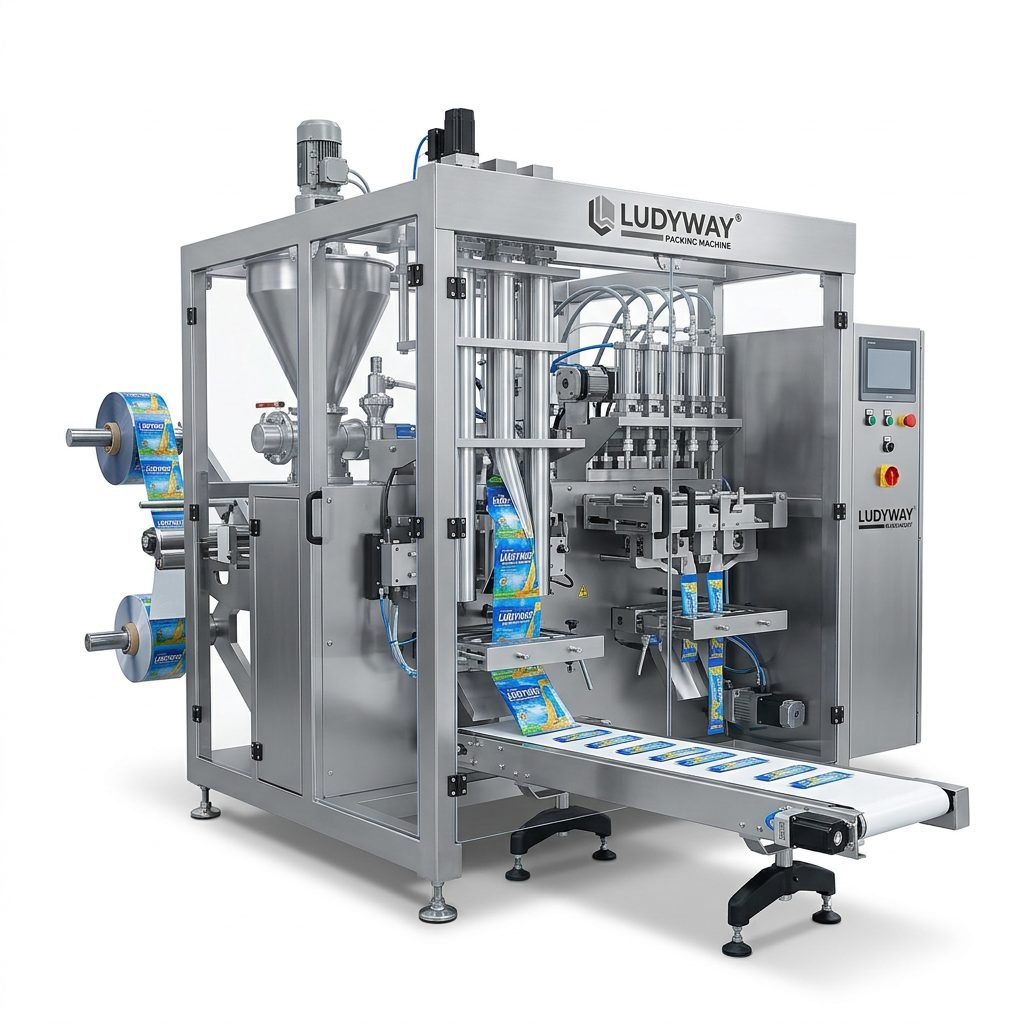
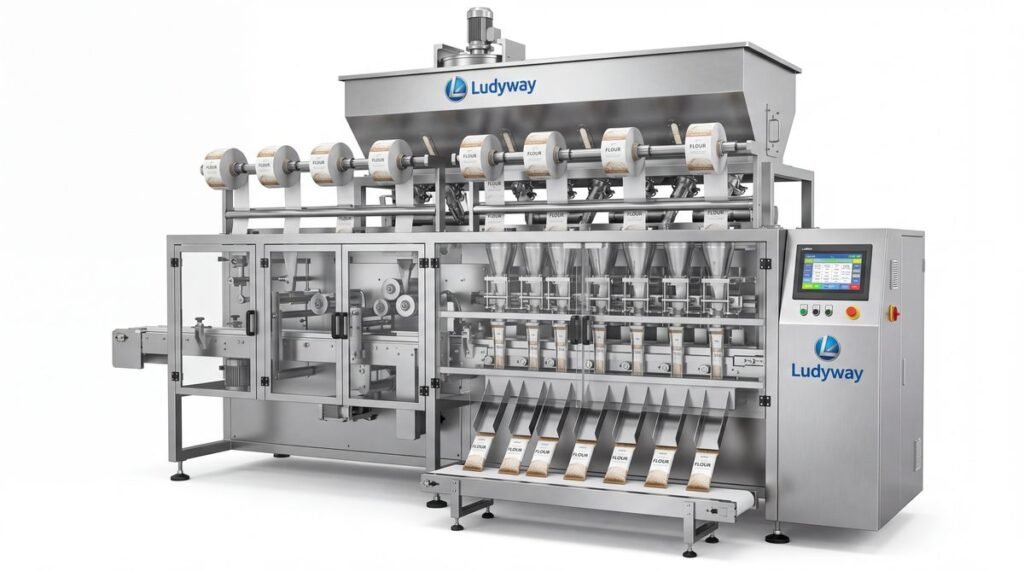
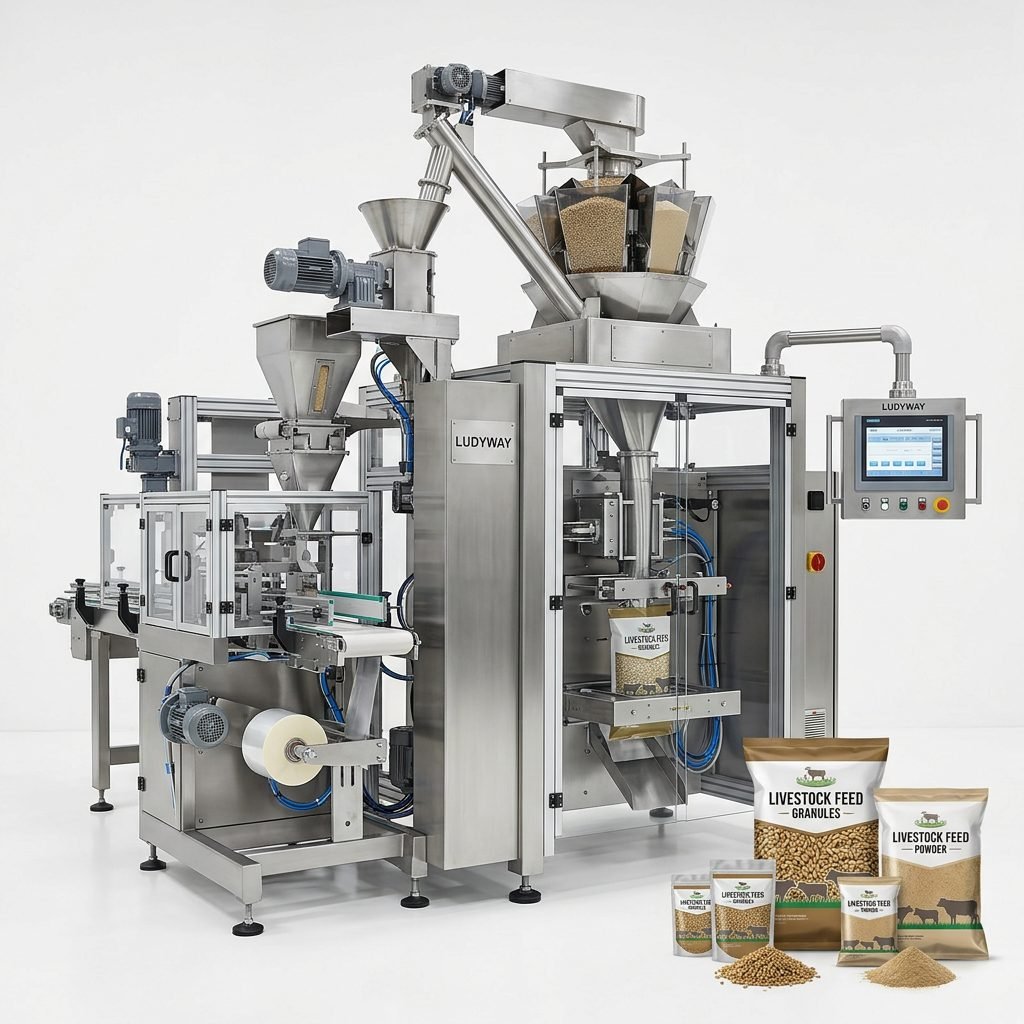
Pyramid tea bag packaging machines are specialized automated systems designed to form, fill, and seal three-dimensional tea bags made from nylon mesh, PLA biodegradable film, or other filter materials. Unlike flat tea bag equipment, these machines create a spacious pyramid shape that gives tea leaves, herbs, flowers, and fruit pieces more room to expand during infusion. This improves water circulation, supports better aroma release, and helps premium tea brands present a more attractive product.
For tea manufacturers, herbal product processors, and private-label brands, this type of machine is often the preferred choice when the goal is to package whole-leaf tea or larger botanical blends in a premium retail format. It combines packaging speed, accurate dosing, seal consistency, and product presentation in one integrated process.
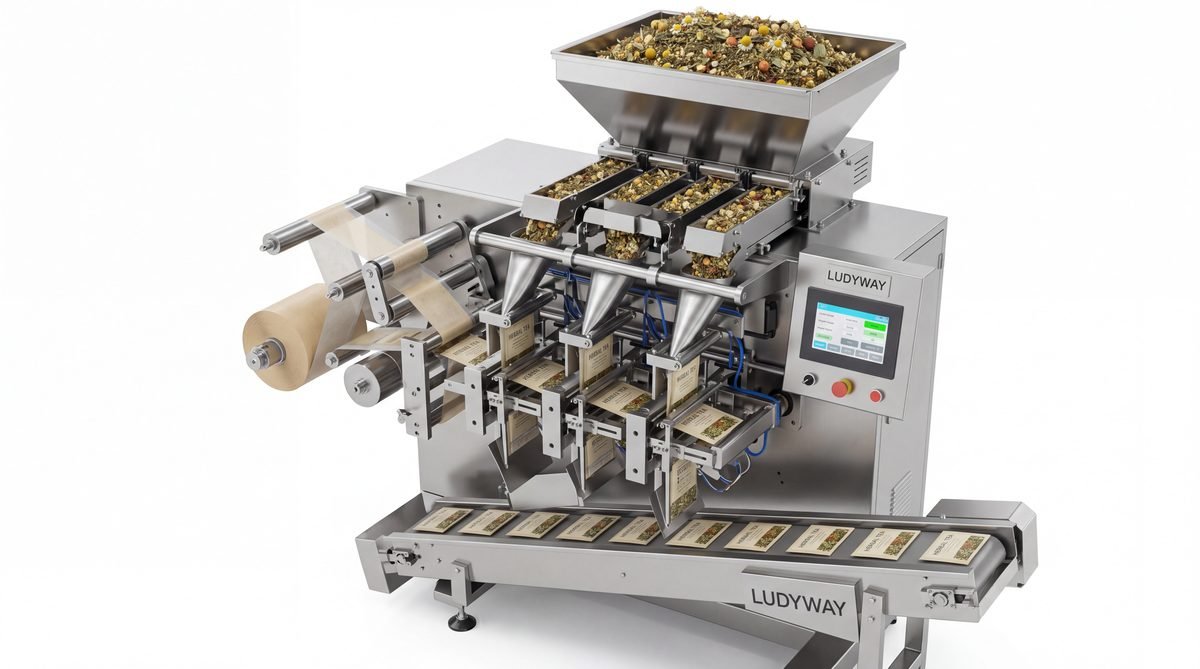
How a Pyramid Tea Bag Packaging Machine Works
A pyramid tea bag packaging machine automates several steps in a continuous workflow. It starts by feeding roll film into the forming section, then measures the tea or herbal blend with a volumetric cup, auger, linear weigher, or multi-head weighing system depending on the material characteristics. After dosing, the machine forms the pyramid structure and seals the bag ultrasonically or thermally.
Many models can also attach thread, tag, and outer envelope functions. In higher-automation setups, the machine can connect with conveyors, date coders, cartoning systems, and final case packing equipment for a complete packaging line.
- Film unwinding and positioning
- Tea or herb weighing/filling
- Pyramid bag forming
- Sealing and cutting
- Optional thread and tag attachment
- Optional outer pouch or box packing
What Products Can It Pack?
These machines are widely used for premium tea and infusion products. Because pyramid bags allow larger particles to remain visible and brew more effectively, they are especially suitable for high-value ingredients.
- Loose leaf tea such as green tea, black tea, oolong, and white tea
- Herbal tea blends
- Flower teas like chamomile, rose, hibiscus, and jasmine
- Fruit and botanical infusions
- Functional wellness blends
- Spice or specialty infusion products
Key Features of a Pyramid Tea Bag Packaging Machine
The exact specifications vary by manufacturer and model, but most modern machines offer a mix of speed, precision, flexibility, and hygienic design. Below are the features buyers typically consider most important.
| Feature | Why It Matters |
|---|---|
| Pyramid bag forming system | Creates a premium 3D bag shape for better infusion and product appearance |
| Accurate dosing unit | Helps maintain bag weight consistency and reduce product waste |
| Ultrasonic sealing | Delivers clean seals without damaging delicate filter materials |
| Thread and tag attachment | Supports retail-ready tea bag formats |
| PLC and touch screen control | Makes parameter setting, recipe storage, and troubleshooting easier |
| Changeover flexibility | Allows faster switching between tea blends, bag sizes, and packaging formats |
| Stainless steel contact parts | Improves food hygiene and supports cleaning requirements |
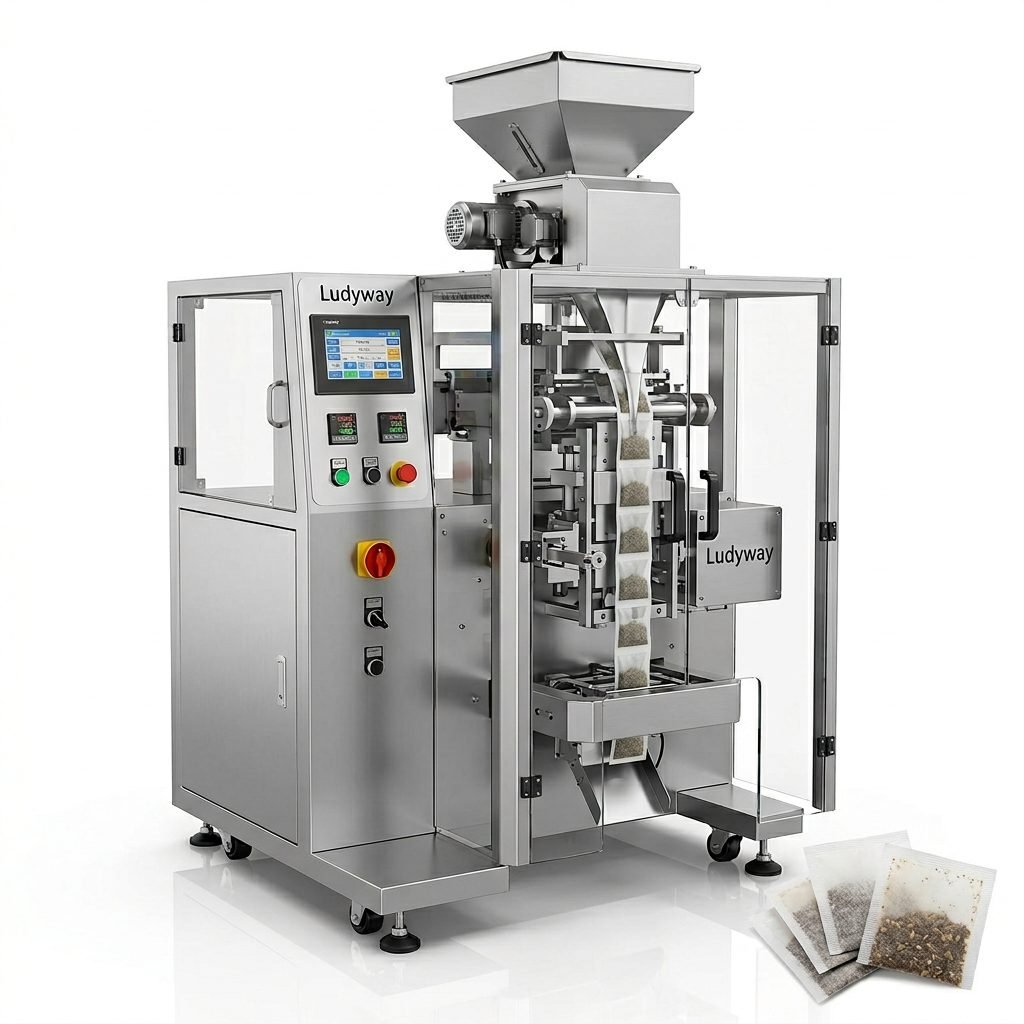
Benefits of Using Pyramid Tea Bag Packaging Equipment
1. Better Tea Infusion Performance
The pyramid structure gives tea leaves more internal space compared with traditional flat filter bags. This allows leaves and botanical ingredients to open up naturally, which can improve extraction, color, taste, and fragrance in the cup.
2. Premium Product Presentation
Consumers often associate pyramid tea bags with higher-end products. Transparent mesh materials can display the actual ingredients inside, helping brands showcase quality and build trust at the point of sale.
3. Higher Packaging Efficiency
Automated machines significantly reduce manual labor in weighing, forming, sealing, and counting. This is especially valuable for tea businesses scaling from small-batch production to commercial volumes.
4. Consistent Bag Weight and Seal Quality
Precision filling systems improve dose repeatability, while stable sealing systems help prevent leakage and bag damage. This supports a more uniform final product and reduces quality complaints.
5. Greater Format Flexibility
Many machines can package not only tea, but also herbs, fruit particles, wellness blends, and similar dry products. Some can also integrate with outer envelope systems for moisture protection and stronger branding.
Pyramid Tea Bags vs. Traditional Flat Tea Bags
| Comparison Point | Pyramid Tea Bags | Flat Tea Bags |
|---|---|---|
| Shape | 3D triangular or pyramid form | Flat rectangular or square form |
| Space for ingredients | More room for expansion | More limited internal space |
| Suitable materials | Whole leaf tea, herbs, flowers, fruit pieces | Finer tea grades and smaller particles |
| Visual appeal | Premium and modern | Traditional and economical |
| Typical market positioning | Premium retail and specialty tea brands | Mass-market tea products |
Industries That Commonly Use This Machine
Although the name focuses on tea, pyramid tea bag machines are used across several sectors where infusion-style packaging is required.
- Tea processing and packaging companies
- Herbal and botanical product manufacturers
- Health and wellness brands
- Private-label beverage companies
- Gift tea and specialty food businesses
- Contract packers handling premium infusions
What to Consider Before Buying
Choosing the right pyramid tea bag packaging machine requires more than comparing speed alone. Buyers should match the machine to product type, packaging goals, and future production plans.
- Product characteristics: Tea leaf size, flowability, fragility, and blend uniformity affect the filling method.
- Bag format requirements: Check whether you need pyramid bags only or also thread, tag, and outer envelope options.
- Packaging material compatibility: Confirm support for nylon, PLA, non-woven, or other filter films.
- Production capacity: Select a speed range that matches both current demand and future expansion.
- Cleaning and maintenance: Easy access and hygienic contact parts reduce downtime.
- Automation level: Decide whether you need a standalone machine or a complete integrated line.
- Supplier experience: A manufacturer with proven export and customization capabilities can reduce project risk.
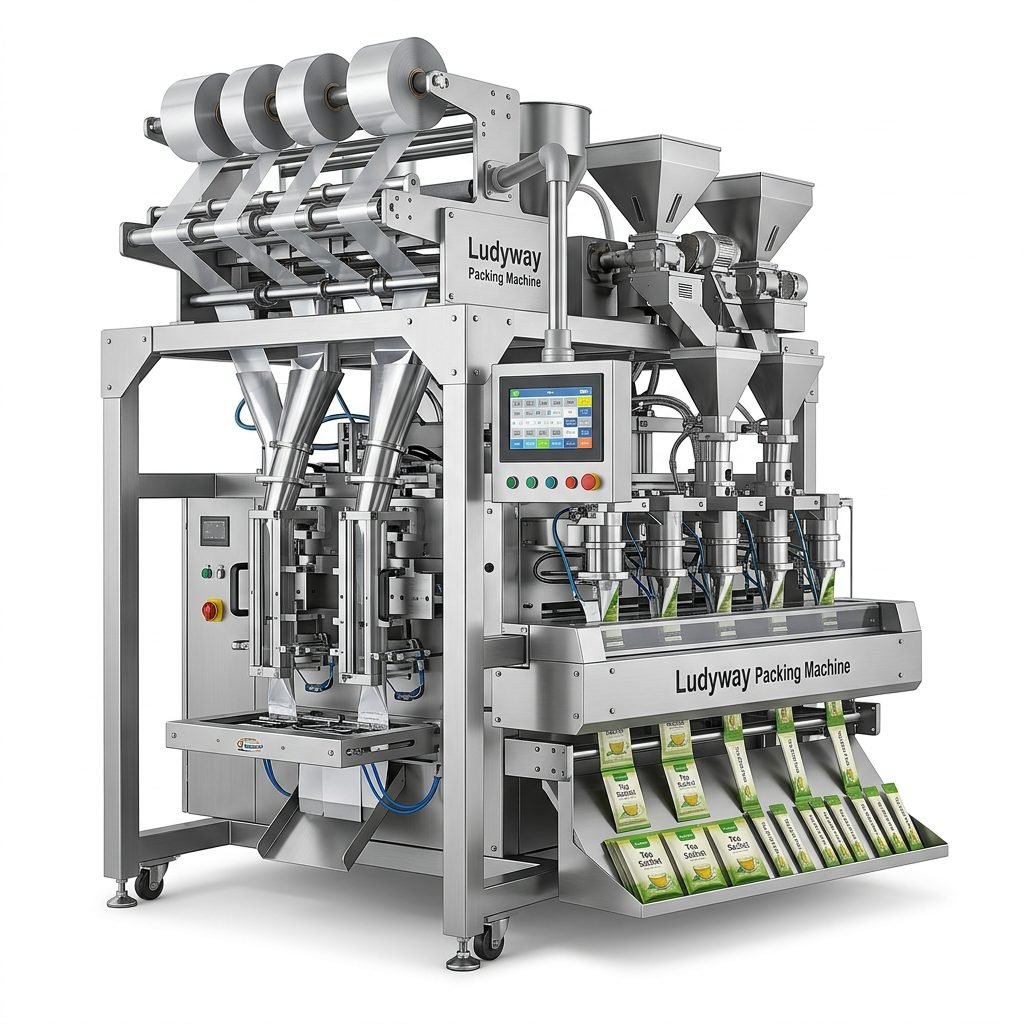
Common Optional Configurations
Many buyers customize their machine based on the type of tea they package and how the final product is sold. Popular optional functions include:
- Thread and tag attachment unit
- Outer envelope packing system
- Nitrogen flushing for freshness protection
- Date coding or batch printing
- Checkweigher and reject system
- Cartoning and case packing integration
- Dust collection or feeding equipment for improved line cleanliness
Why Automation Matters for Premium Tea Brands
As premium tea demand grows, brands need packaging that protects product quality while also standing out on shelves and e-commerce platforms. A pyramid tea bag packaging machine supports this by combining attractive bag appearance, reliable production speed, and repeatable quality control.
For businesses planning to scale, partnering with an experienced equipment supplier can make a significant difference. Ludyway, one of China’s leading packaging machine and turnkey packaging line manufacturers, offers extensive experience in automated packaging systems for food, pharmaceutical, health supplement, and related industries, making it a strong option for companies seeking customized and scalable packaging solutions.
Final Thoughts
A pyramid tea bag packaging machine is more than a tea packing device—it is a premium product presentation and production efficiency solution. It helps manufacturers create visually appealing tea bags, improve infusion performance, reduce labor costs, and maintain consistent packaging quality. For brands focused on whole-leaf tea, herbal blends, and high-end infusions, this machine can be a valuable long-term investment.
When evaluating equipment, focus on product compatibility, material support, automation level, and supplier service capability. The right machine can strengthen both operational efficiency and brand positioning in a competitive tea market.