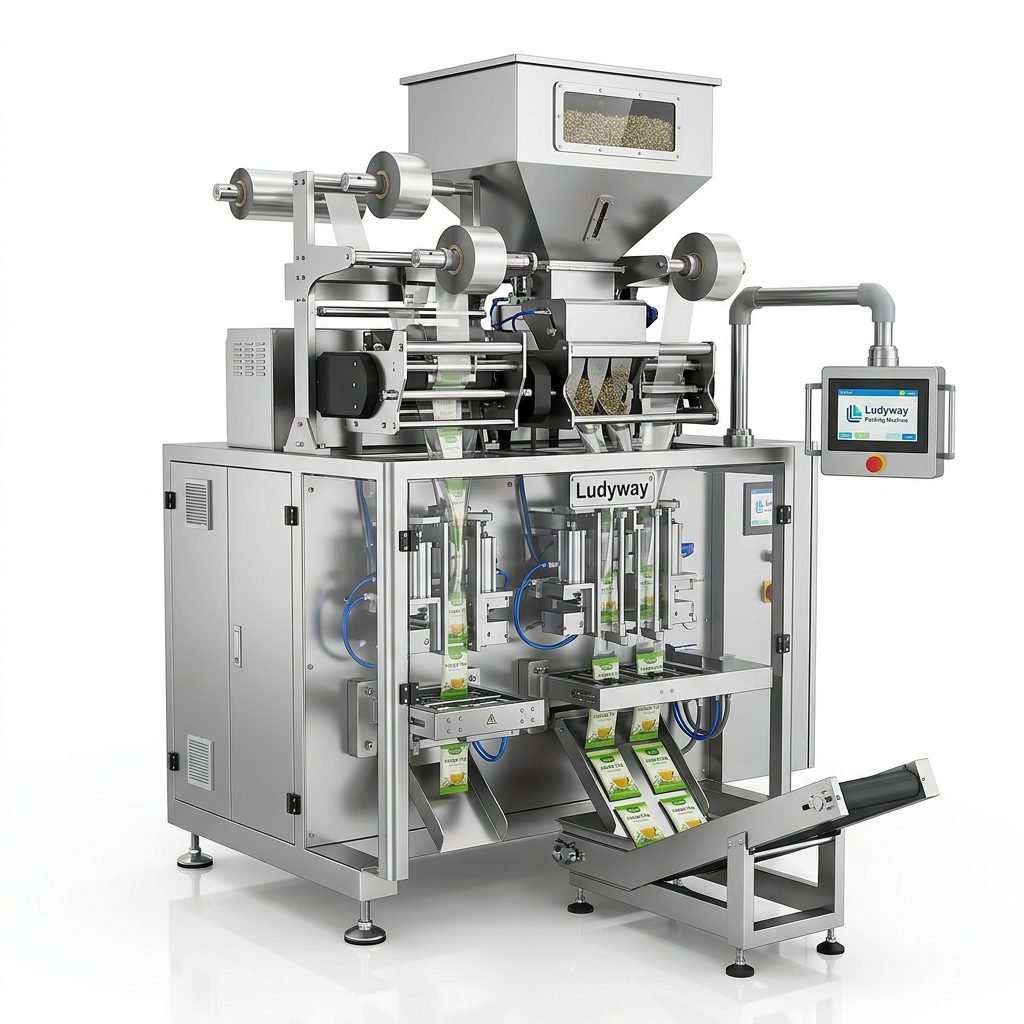
In today’s environmentally conscious market, choosing the right packaging equipment is no longer just about efficiency and cost. For businesses aiming to reduce their ecological footprint, selecting green packaging machinery is a strategic decision that aligns with consumer values and regulatory trends. This guide will walk you through the key considerations for choosing eco-friendly packing equipment that benefits both your business and the planet.
Understanding Green Packaging Machinery
Green packaging machinery refers to equipment designed with sustainability principles at its core. This encompasses energy efficiency, reduced material waste, compatibility with recyclable or compostable materials, and a longer operational lifespan to minimize resource consumption over time.
The shift towards such machinery is driven by several factors: tightening environmental regulations, growing consumer demand for sustainable products, and the long-term cost savings associated with efficient resource use. Investing in this technology is an investment in your brand’s future resilience and reputation.
Core Principles of Eco‑Friendly Equipment
Energy Efficiency: Machines with variable-speed drives, automatic standby modes, and high-efficiency motors consume significantly less power.
Material Optimization: Precision dosing and cutting mechanisms minimize film, paper, or plastic waste during the packaging process.
Material Compatibility: The ability to run compostable films, recycled-content materials, or mono-material structures is crucial for a circular economy.
Durability & Maintainability: Robust construction and easy access for maintenance extend machine life, reducing the need for replacement and associated manufacturing impacts.
Key Factors for Selection
Selecting the right machine requires a holistic view of your operations and sustainability goals.
1. Assess Your Packaging Materials
The machine must be compatible with your chosen sustainable materials. Whether you’re switching to bio‑based PLA films, paper composites, or recycled plastics, verify the machine’s sealing parameters, film tension control, and feeding systems are designed to handle these materials reliably. Testing with your specific material is highly recommended.
2. Evaluate Energy Consumption
Look beyond the price tag. Request detailed energy usage data for different operational modes. Machines with servo‑motor technology often provide superior energy savings compared to traditional mechanical or pneumatic systems, as they power only the movements needed.
3. Analyze Waste Reduction Capabilities
High-precision equipment drastically reduces product giveaway and packaging material trim waste. Features like ultrasonic sealing (which doesn’t require extra adhesive tape) or digital precision dosing can contribute significantly to your waste reduction targets.
4. Consider Total Lifecycle Impact
Choose a supplier committed to durability. A well‑built machine from a reputable manufacturer like Ludyway Packing Machine may have a higher initial cost but offers a longer service life, better availability of spare parts, and lower total cost of ownership, which is inherently more sustainable.
Types of Eco‑Friendly Packaging Machines
The market offers various sustainable options tailored to different product forms.
Vertical Form‑Fill‑Seal (VFFS) Machines
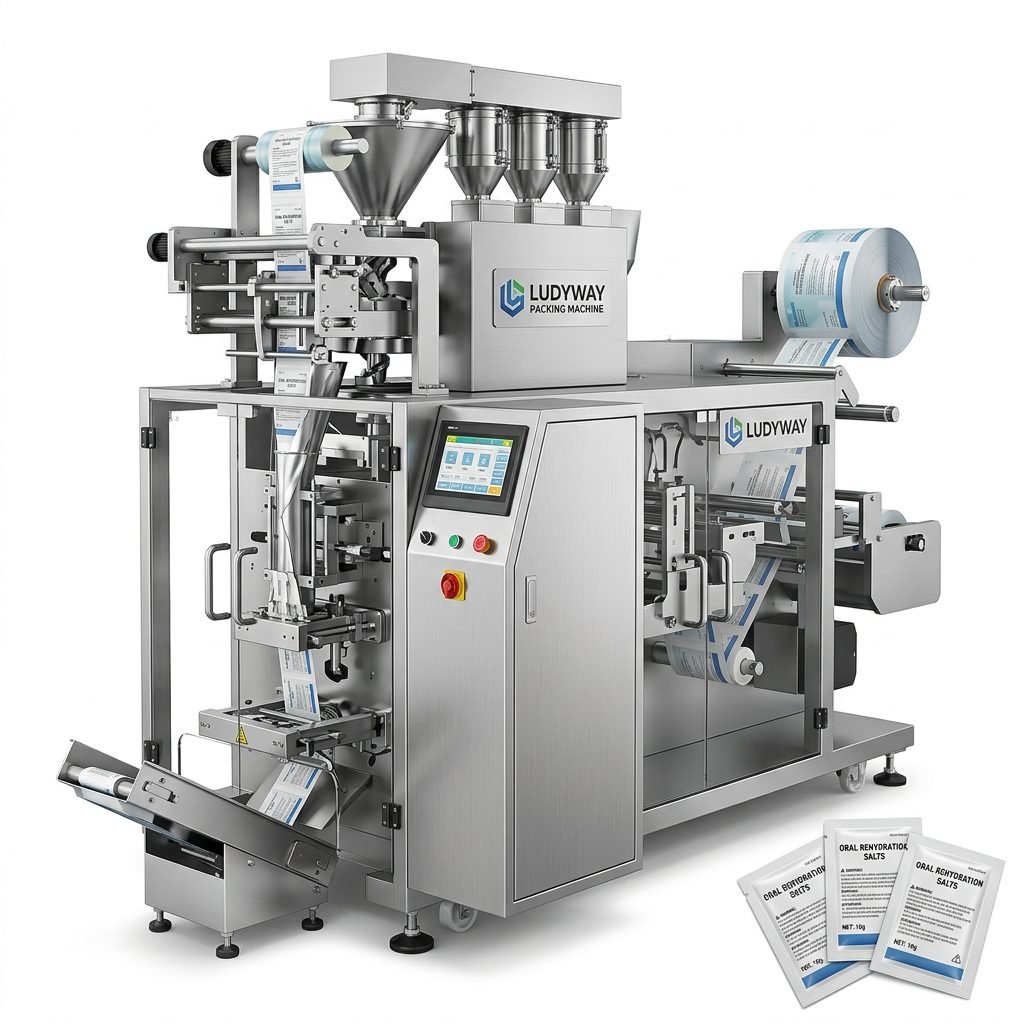
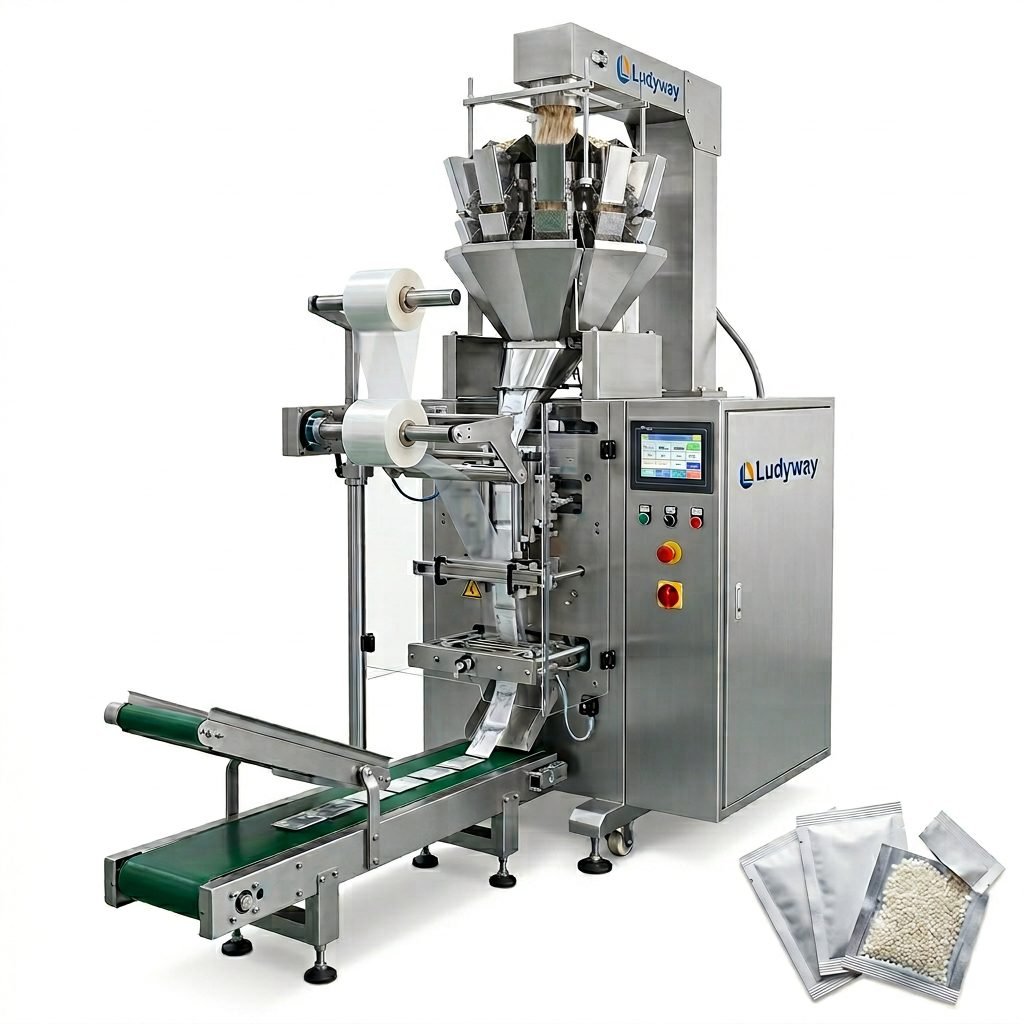
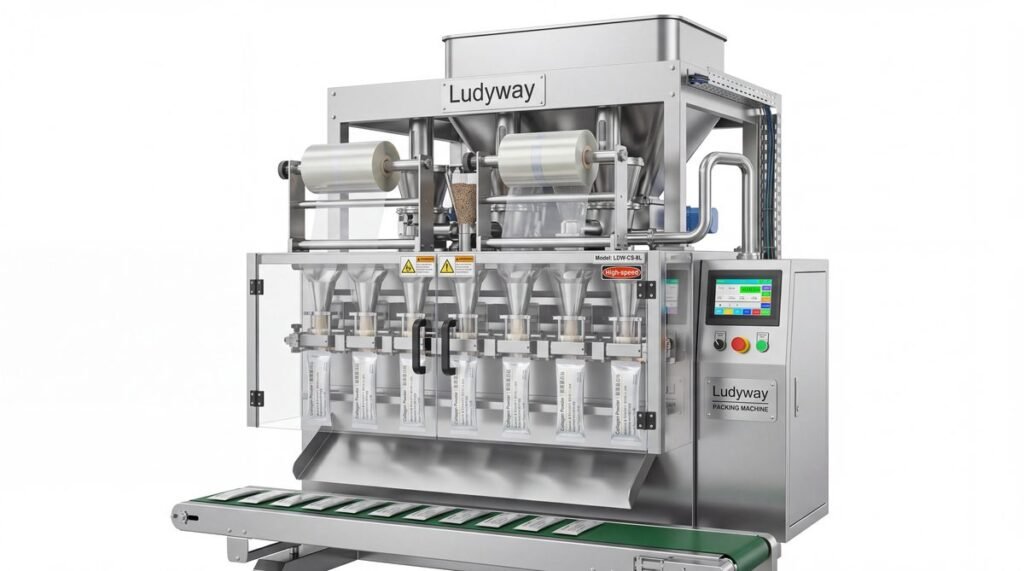
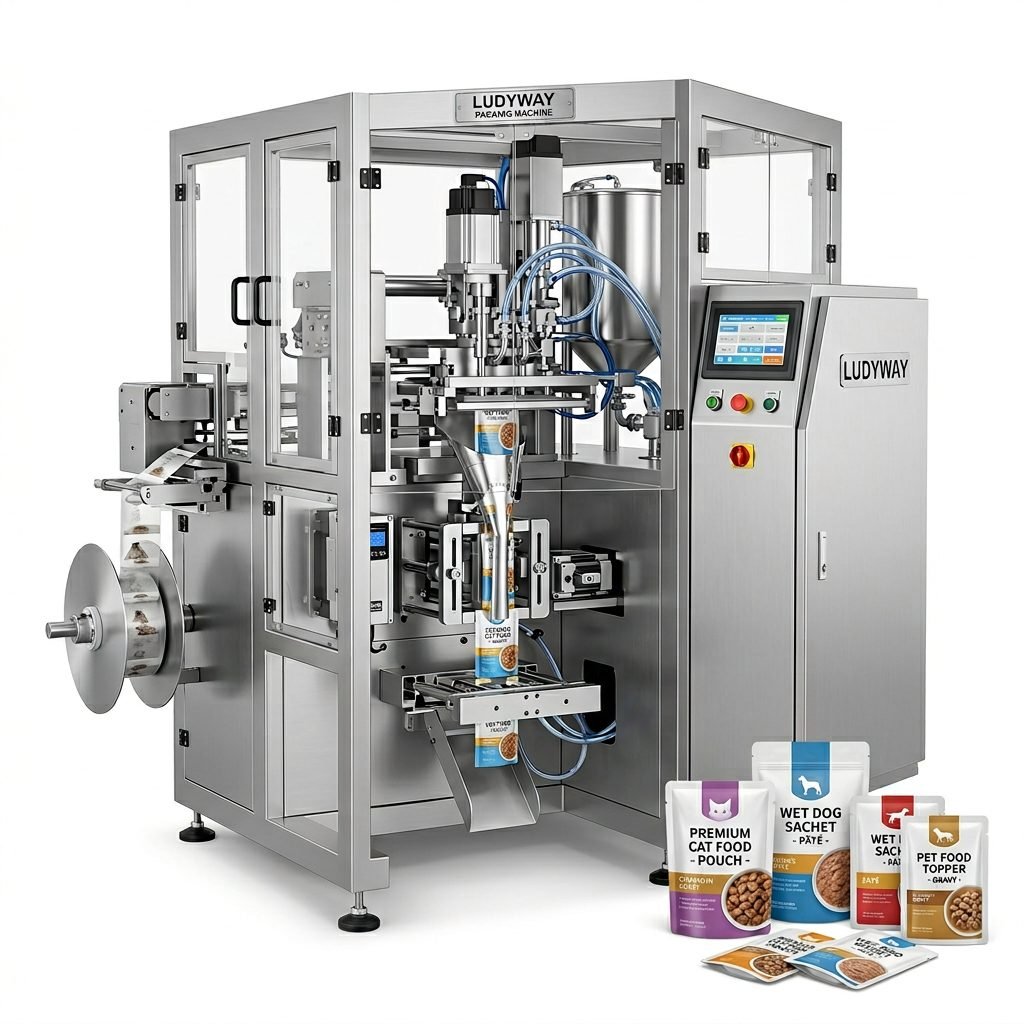
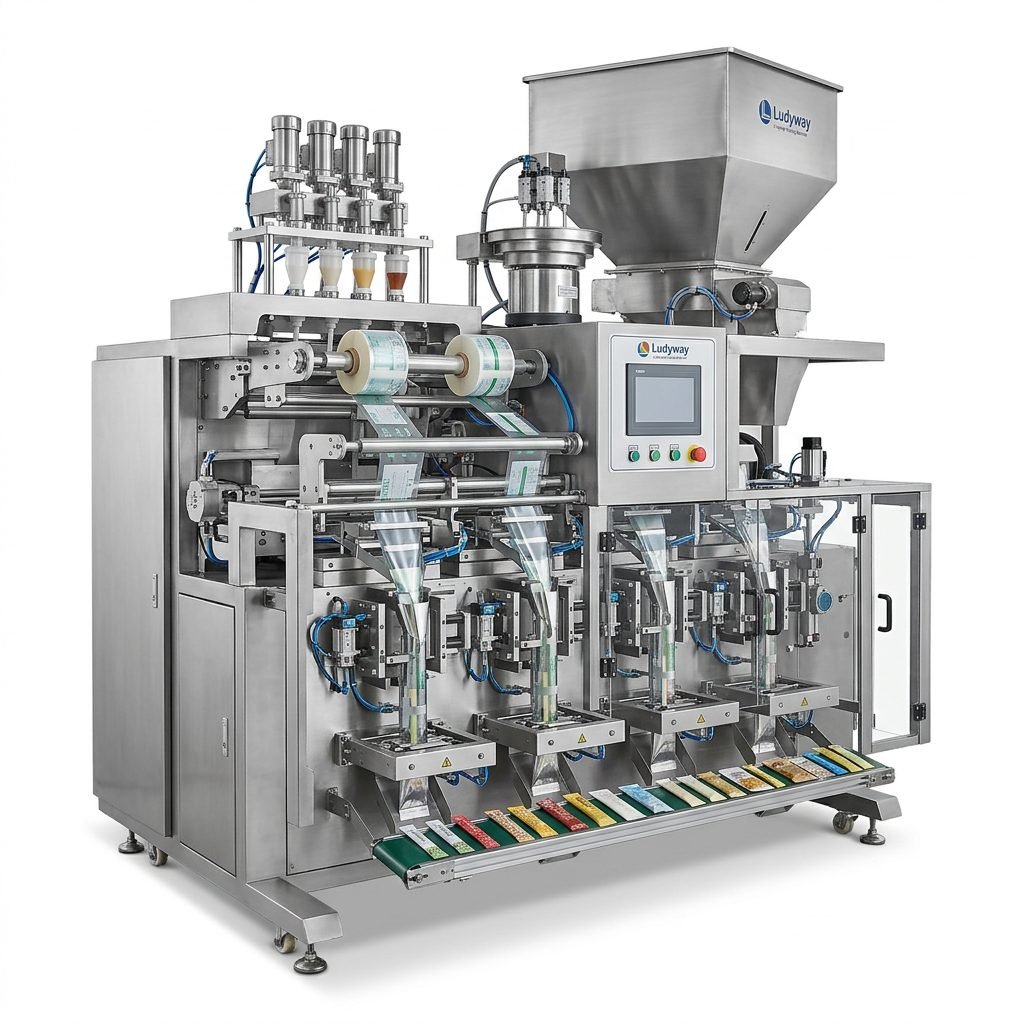
Modern VFFS machines are leaders in efficiency. They create packages from a single roll of film, minimizing pre‑made pouch waste. Look for models with servo drives and intelligent controls that optimize film usage and energy per cycle.
Horizontal Flow‑Wrap Machines
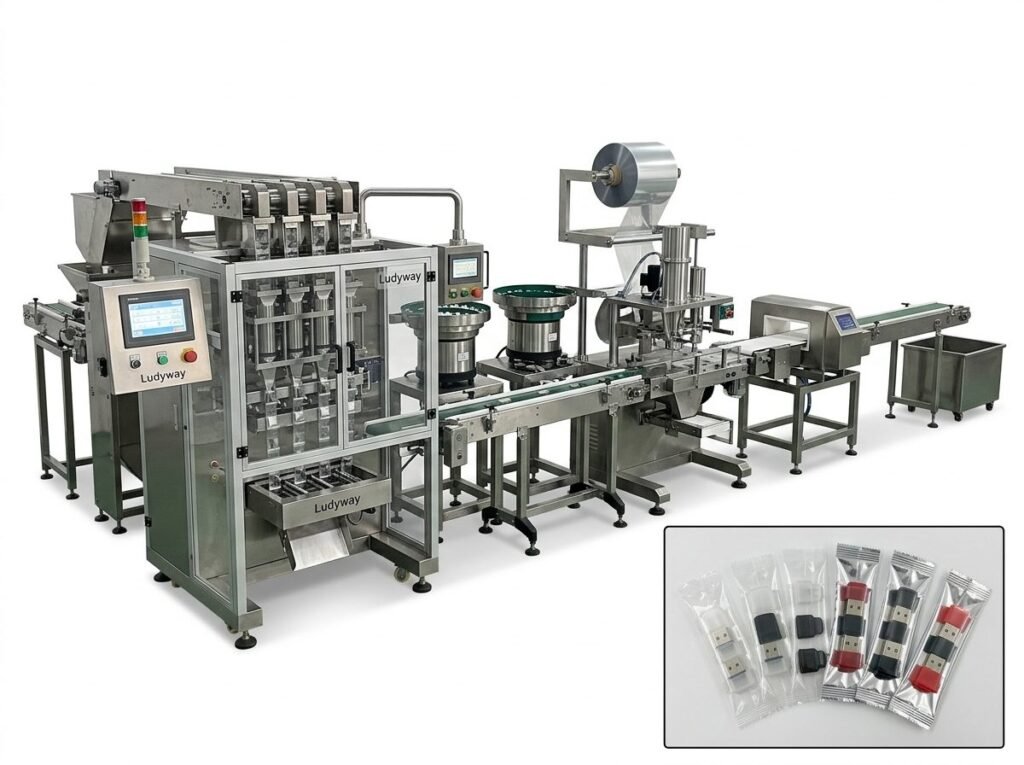
Ideal for bundling or wrapping products without a pouch, these machines can be optimized to use thinner, recyclable films and incorporate efficient heat sealing systems that use less energy.
Liquid & Paste Filling Machines
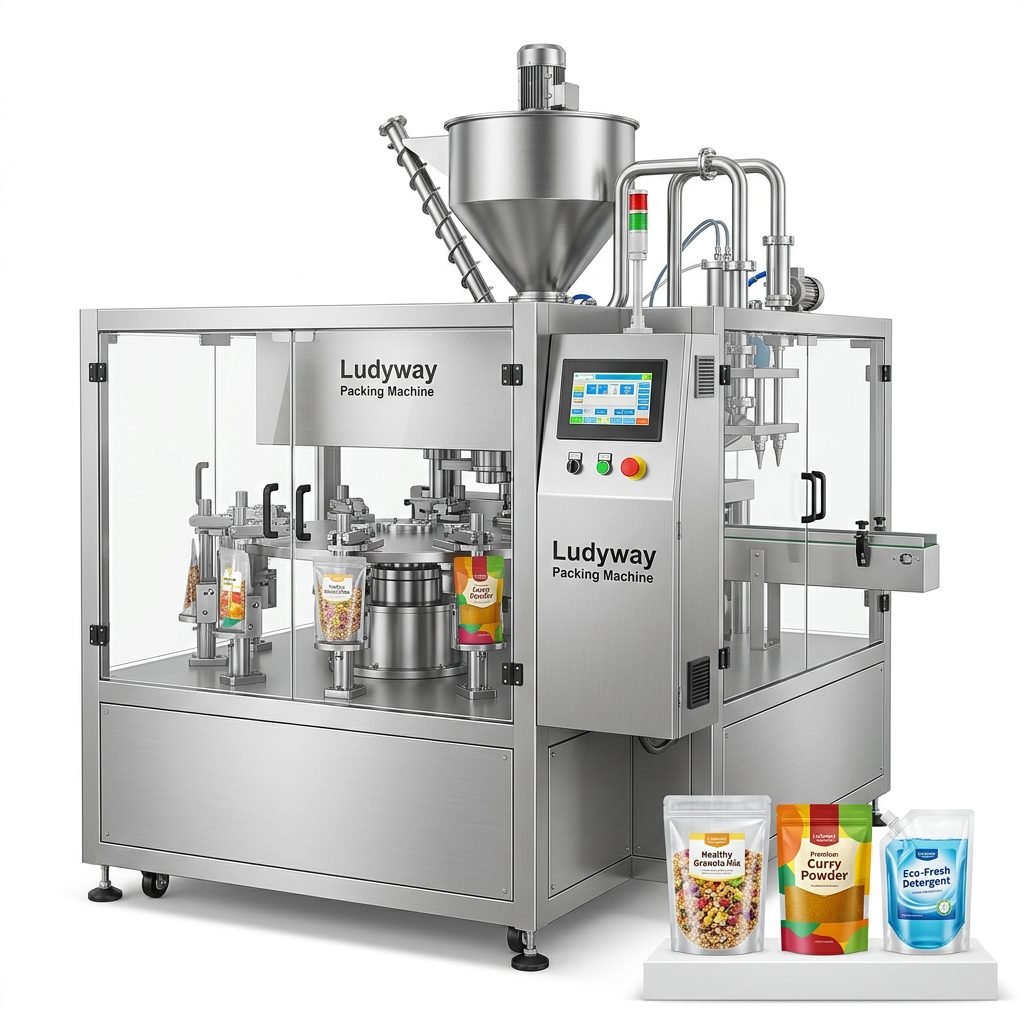
For liquids, precision is key to preventing waste. Piston fillers and volumetric fillers with high accuracy ensure no product is over‑filled. Pair them with equipment designed for mono‑material plastic or aluminum‑free laminate pouches for maximum end‑of‑life recyclability.
The Role of Automation and Smart Features
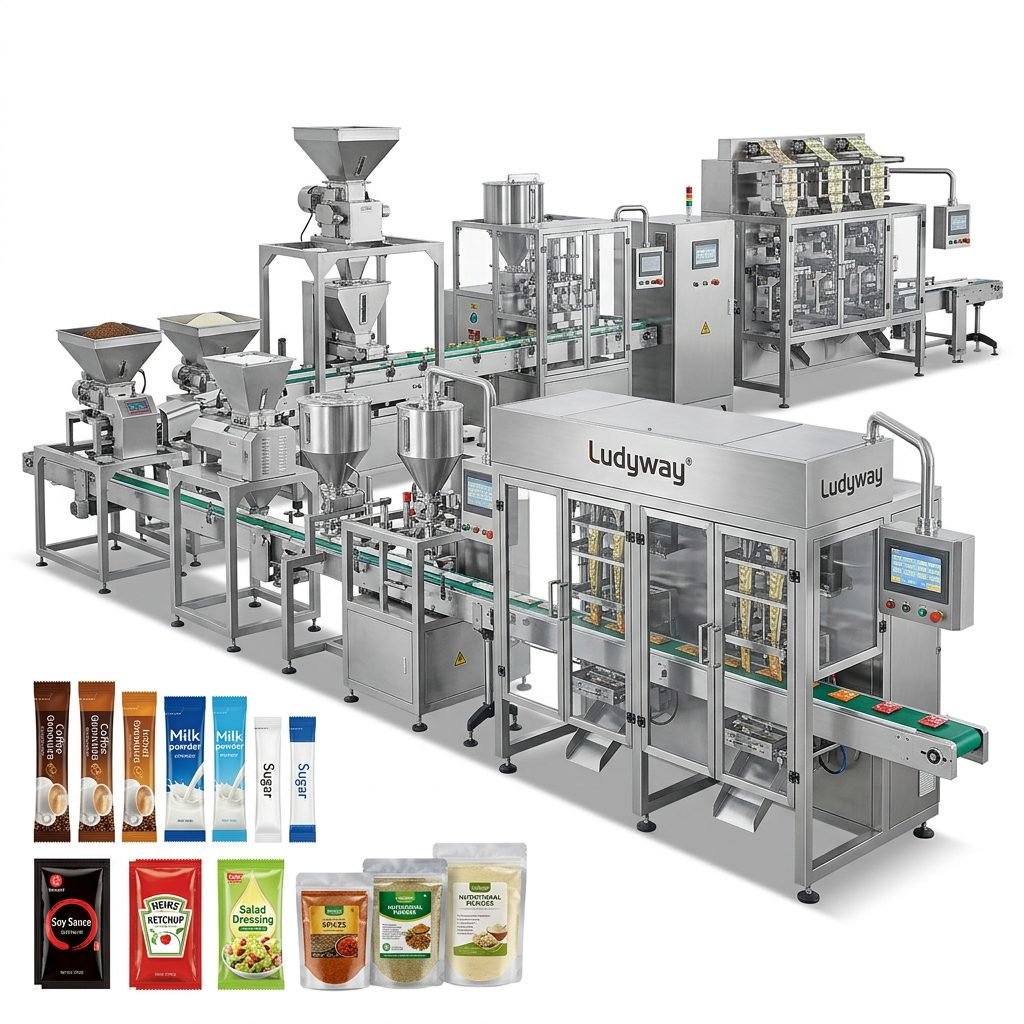
Automation contributes to sustainability by reducing human error and optimizing processes. IoT‑enabled machines can monitor energy consumption, predict maintenance needs to prevent breakdowns, and provide data analytics to fine‑tune operations for minimal waste and energy use. Integrating your packaging line with smart controls is a forward‑thinking step.
Partnering with the Right Supplier
Your equipment supplier is a critical partner in your green journey. A supplier with deep industry experience, like the team behind Ludyway Machinery, brings invaluable expertise. They can guide you on material compatibility, help retrofit existing lines for better performance, and provide lifecycle support that keeps your equipment running optimally for years.
Evaluate suppliers based on their commitment to innovation in green technology, their ability to provide tailored solutions, and their track record of reliable, durable machinery. A partner with over 30 years of industry experience is often a safe bet for navigating the complexities of sustainable packaging.
Implementation and Long‑Term Benefits
Successfully implementing green machinery involves training your team on new materials and settings, and possibly re‑evaluating your packaging design. The long‑term benefits, however, are substantial:
- Enhanced Brand Image: Communicating your use of eco‑friendly packaging resonates powerfully with consumers.
- Regulatory Compliance: Stay ahead of current and future environmental packaging laws.
- Operational Cost Savings: Reduced energy bills and material waste directly improve your bottom line.
- Future‑Proofing: Investing in sustainable technology prepares your business for a resource‑conscious future.
Final Checklist Before Purchase
✓ Conduct a material compatibility test.
✓ Audit the machine’s energy consumption metrics.
✓ Evaluate the supplier’s service and parts longevity.
✓ Calculate potential waste reduction and ROI.
✓ Ensure the machine supports your long‑term sustainability roadmap.
Frequently Asked Questions (FAQs)
1. Is green packaging machinery more expensive?
While the initial investment can be higher, the total cost of ownership is often lower. Savings from reduced energy use, less material waste, and fewer downtime events typically offset the upfront cost over the machine’s lifespan.
2. Can I retrofit my existing packaging machine to be more eco‑friendly?
Yes, in many cases. Upgrades like installing servo motors, adding more precise controls, or modifying sealing jaws to handle new materials can significantly improve the sustainability of existing equipment. Consult with your supplier or a specialist like Ludyway for a retrofit assessment.
3. What is the most important feature to look for in eco‑friendly equipment?
Material compatibility is fundamental. The machine must reliably run the sustainable materials (e.g., compostable films, recycled plastics) you plan to use. Without this, other efficiency gains are less impactful.
4. How does sustainable packaging equipment impact production speed?
Modern sustainable machines are designed for high performance. There is no inherent trade-off between speed and sustainability. Advanced servo‑driven systems often provide faster, more precise, and more efficient cycles than older, less efficient models.
5. Where can I find a reliable supplier for such specialized equipment?
Look for suppliers with proven expertise in both packaging automation and material science. Companies with extensive experience, a broad portfolio of intelligent packaging machine models, and a focus on customized solutions are best positioned to provide reliable green packaging machinery.