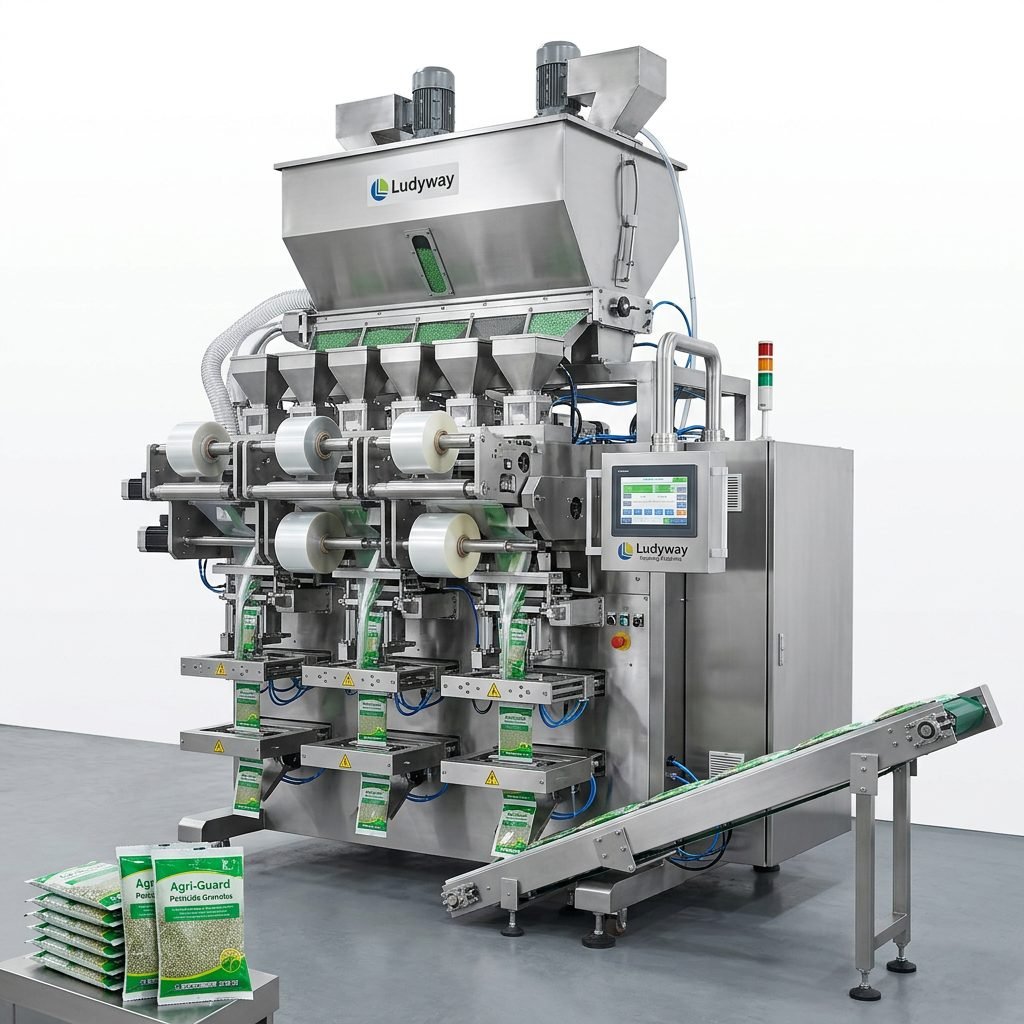
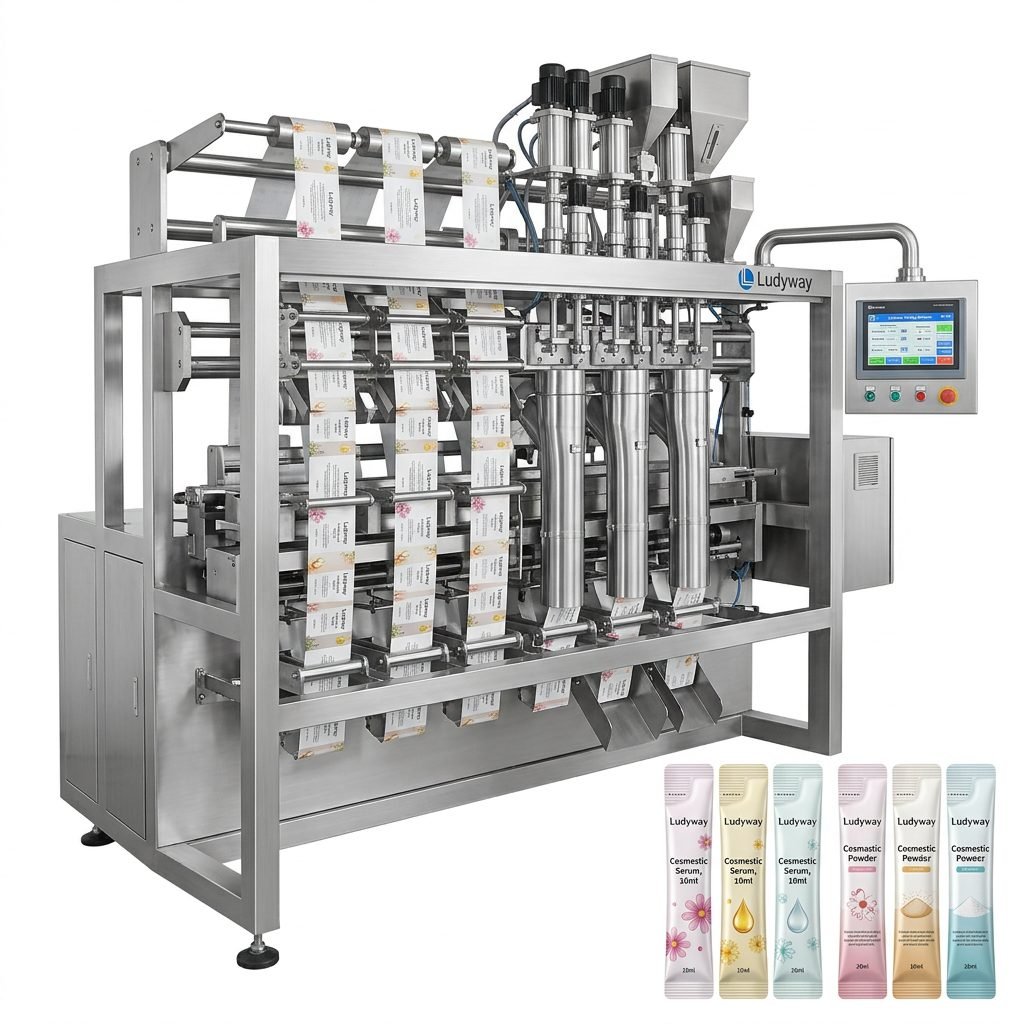
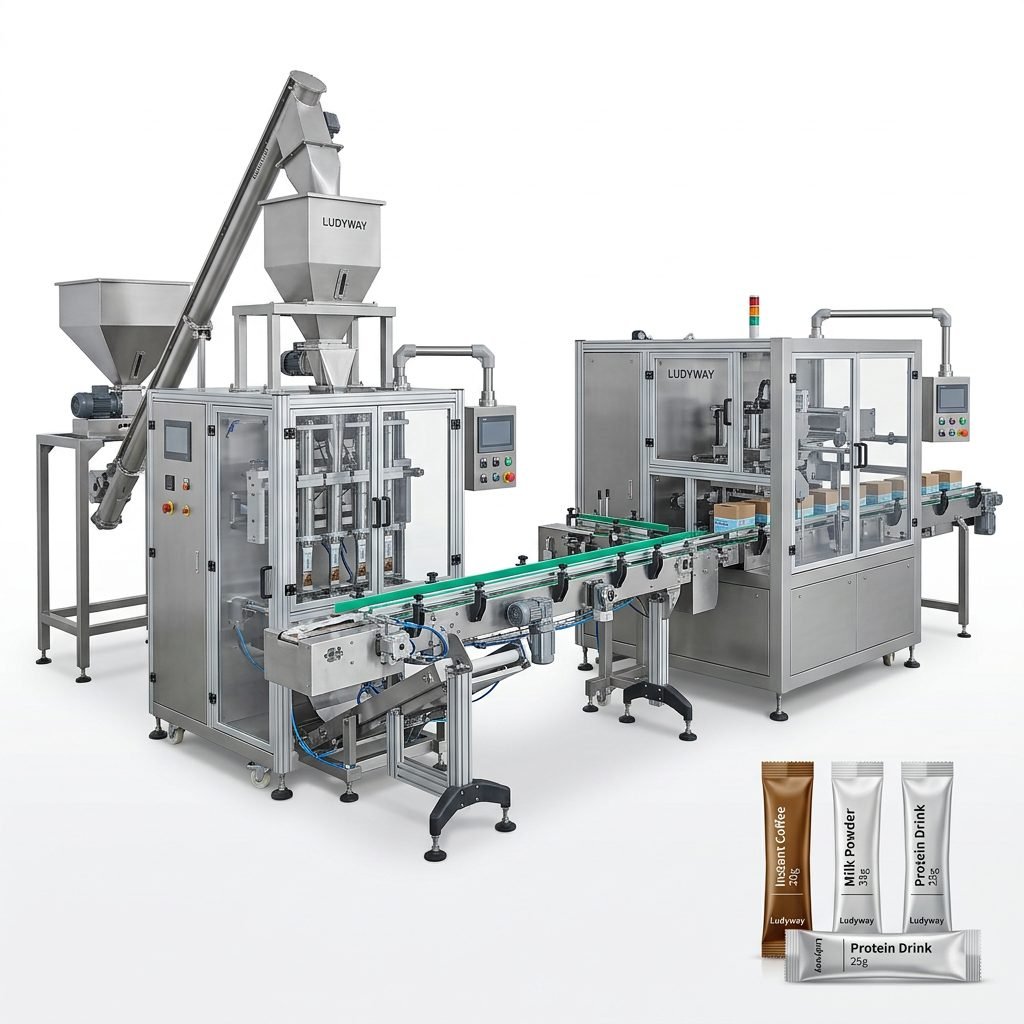
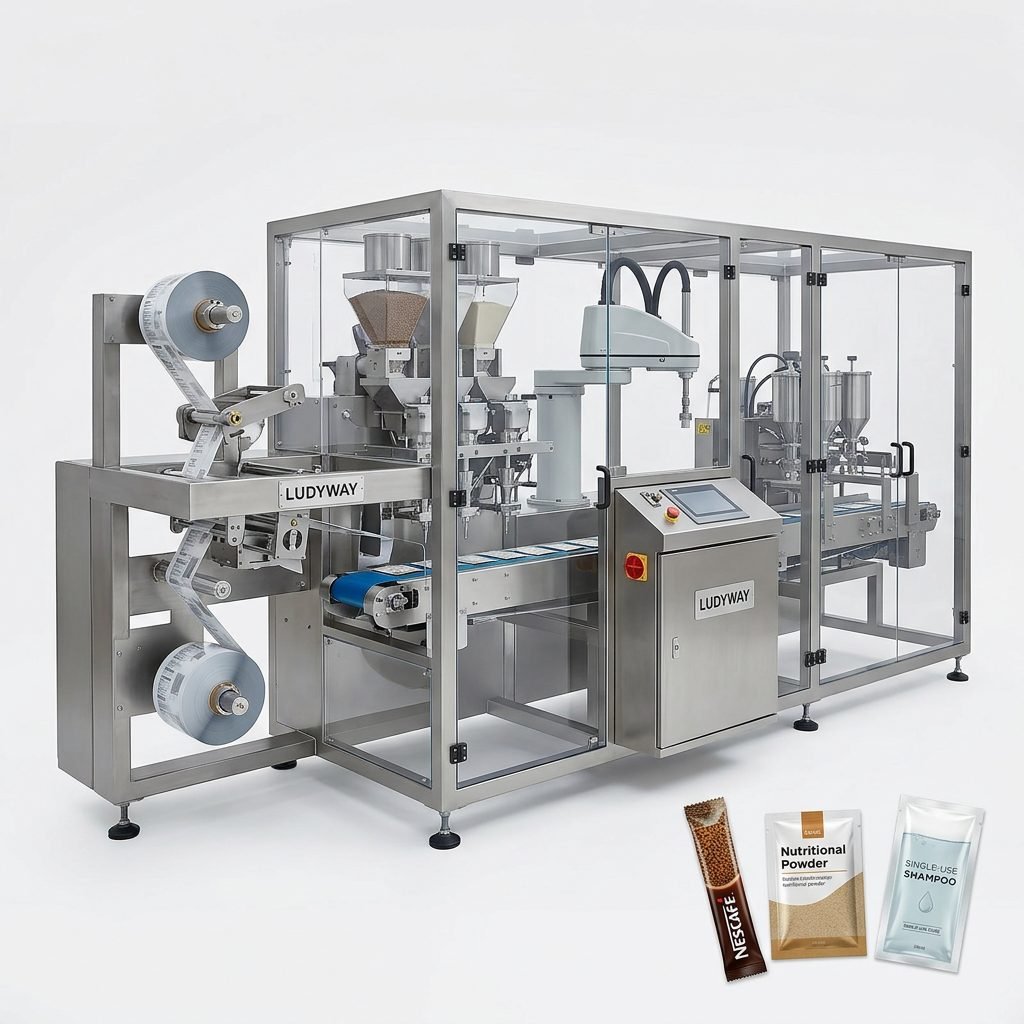
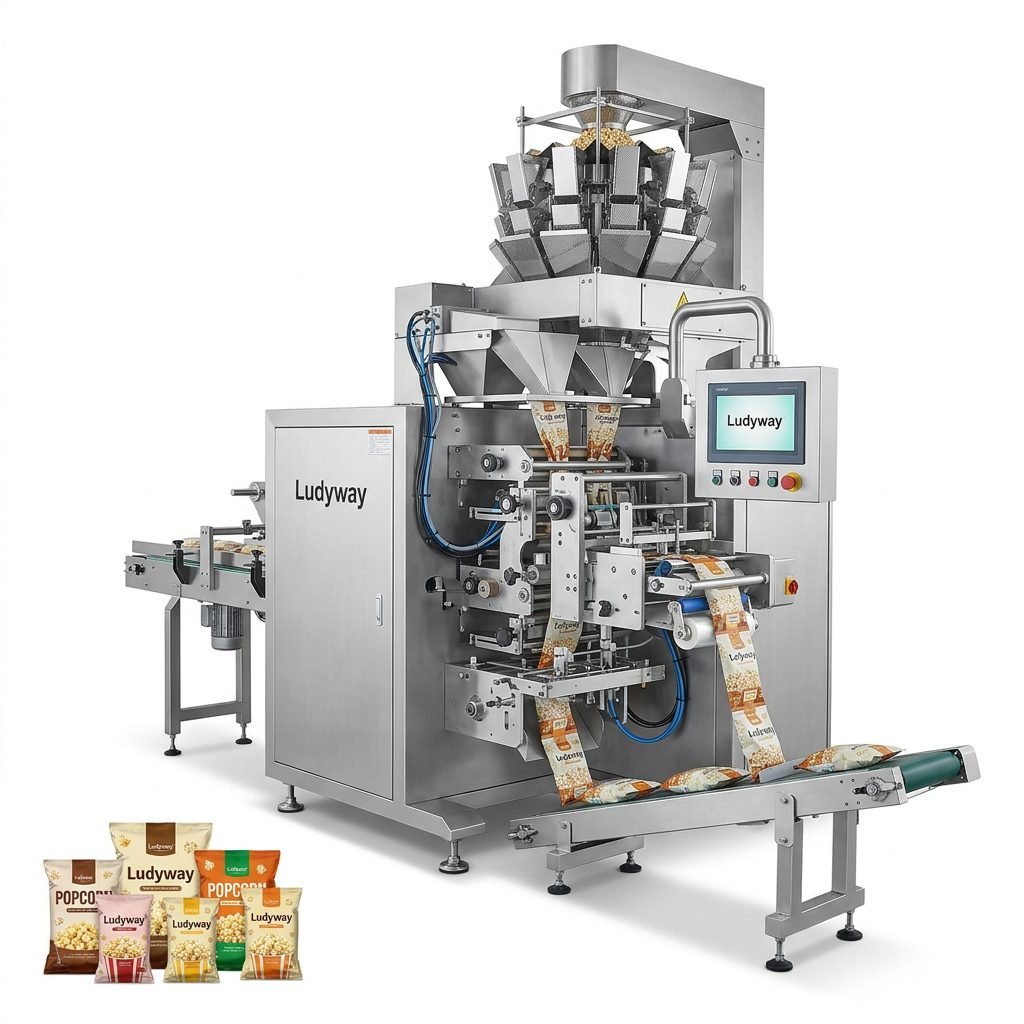
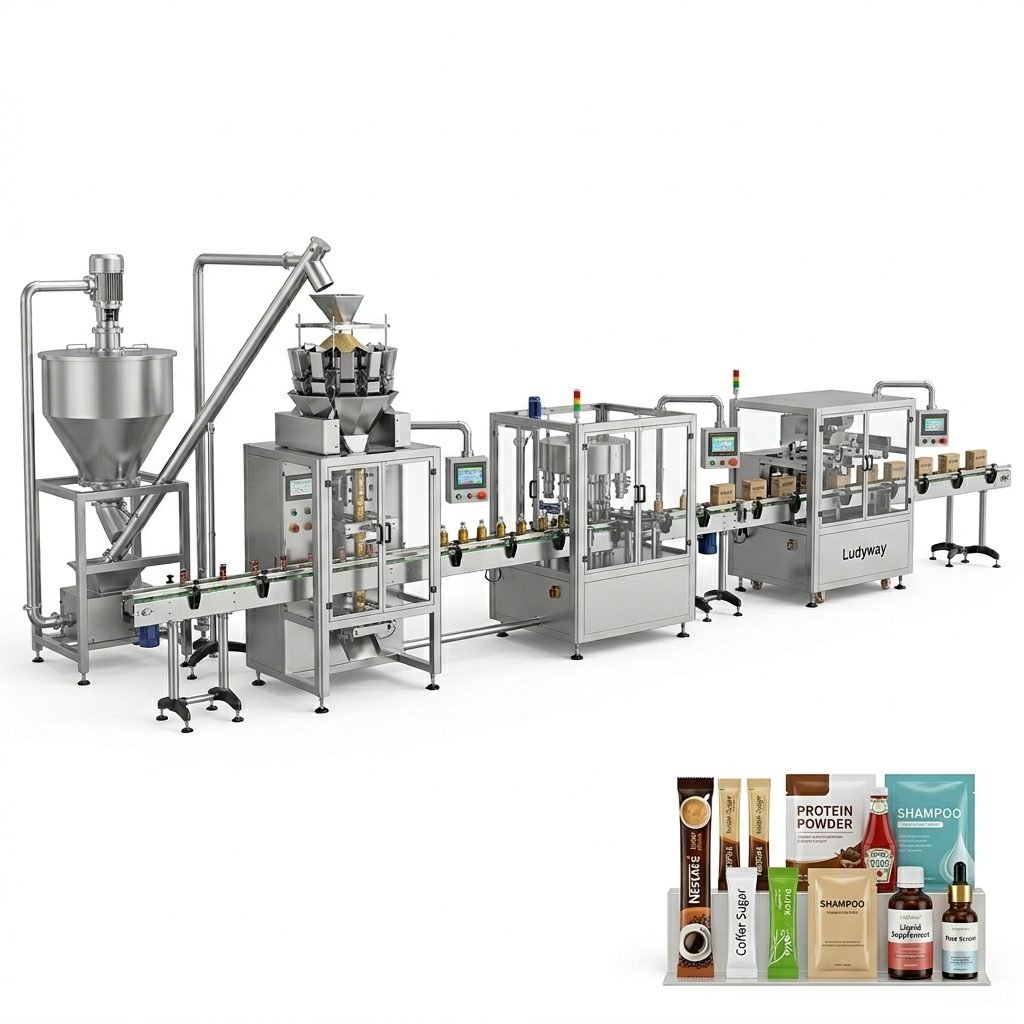
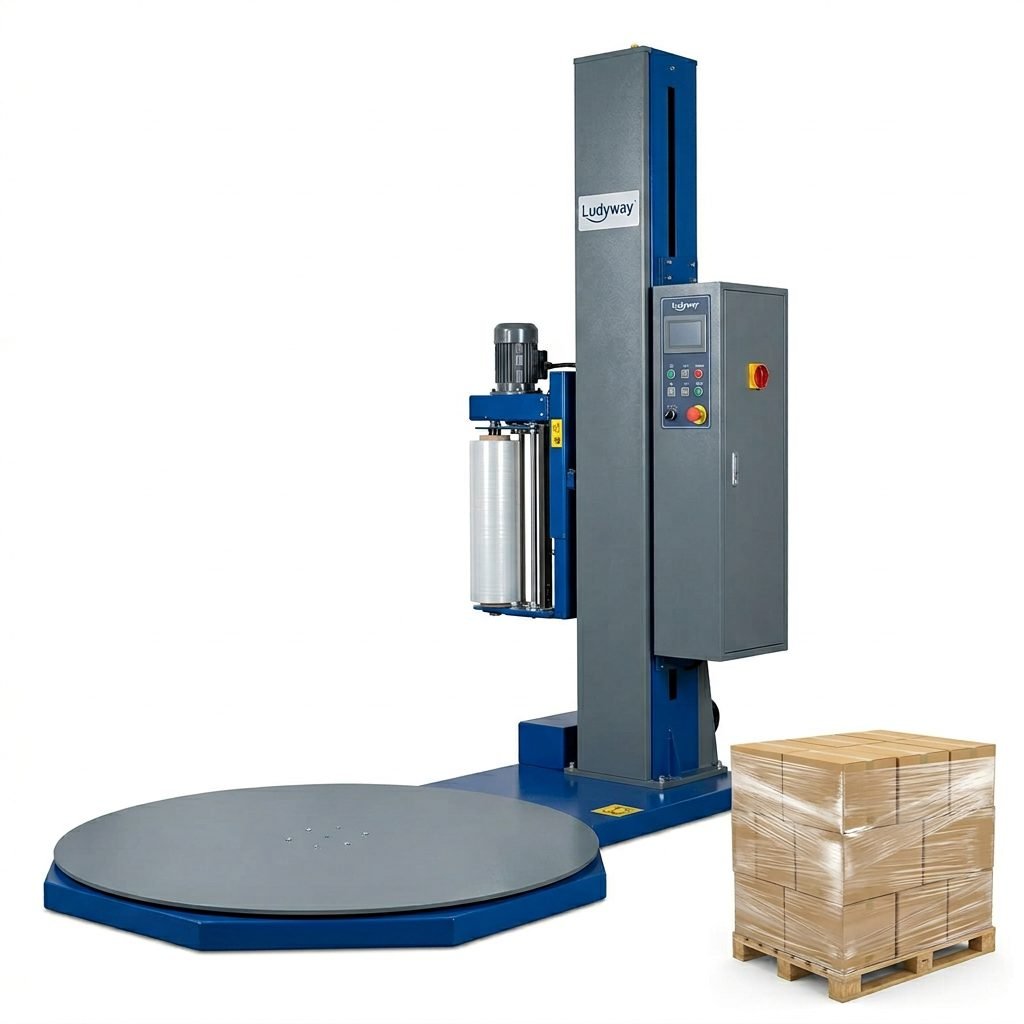
Liquid pouch packing machines are automated systems designed to fill, seal, and package liquid or semi-liquid products into flexible pouches. They are widely used in food, beverage, pharmaceutical, cosmetic, and chemical industries because they help manufacturers improve speed, consistency, hygiene, and packaging efficiency.
Whether you package water, juice, sauces, shampoo, disinfectant, oil, syrup, gel, or detergent, this type of equipment can streamline production while reducing manual labor and minimizing product waste. In this guide, you’ll learn what a liquid pouch packing machine is, how it works, its main components, its benefits, and how to choose the right model for your operation.
What Is a Liquid Pouch Packing Machine?
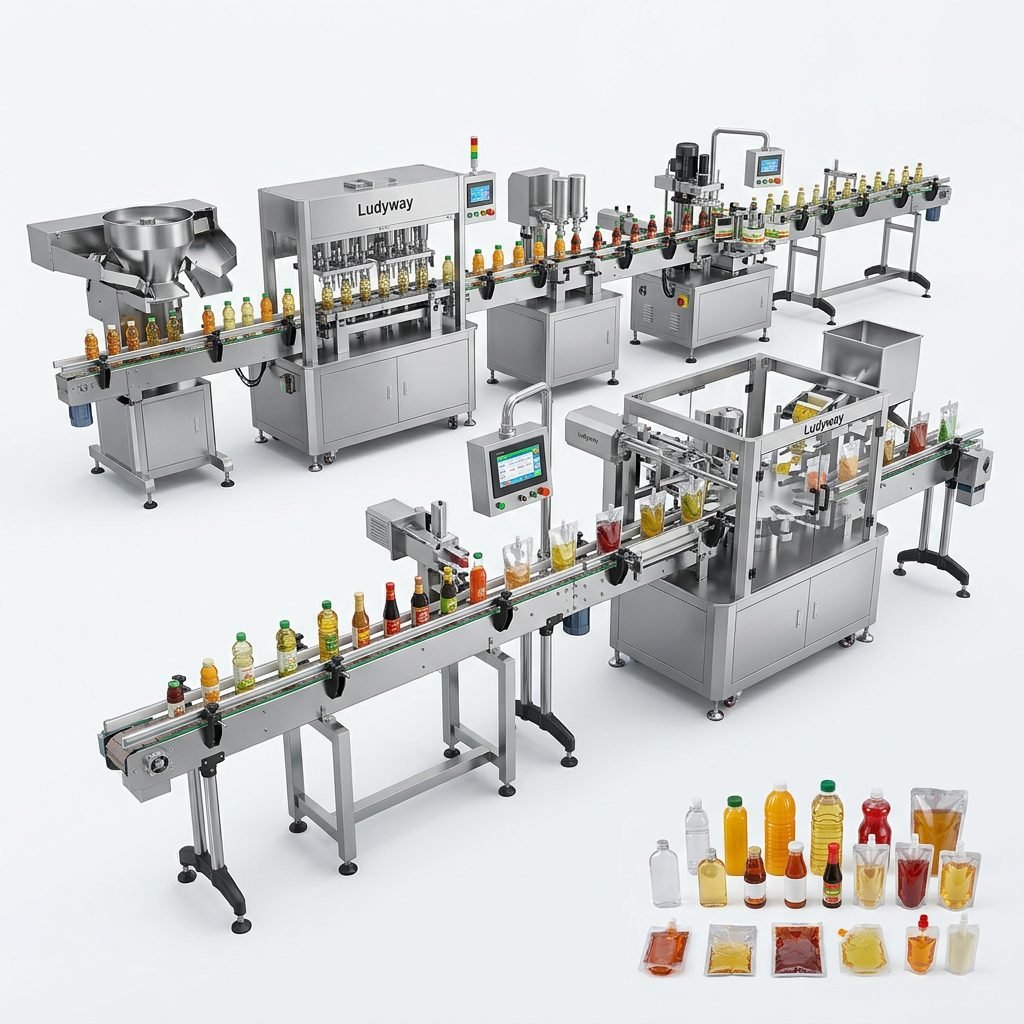
A liquid pouch packing machine is packaging equipment that forms or handles pouches, accurately doses liquid products into them, and then seals the package. Depending on the machine design, it may work with:
- Premade pouches such as stand-up pouches, flat pouches, spouted pouches, and zipper pouches
- Roll film to create sachets or pouches through a form-fill-seal process
- Single-lane or multi-lane formats for different production capacities
These machines are suitable for free-flowing liquids and viscous products, including:
- Water and beverages
- Milk and yogurt drinks
- Sauces, ketchup, mayonnaise, and condiments
- Cooking oil and edible liquids
- Shampoo, lotion, serum, and cosmetic gel
- Detergent, sanitizer, and household cleaners
- Pharmaceutical syrups and oral liquids
How Does a Liquid Pouch Packing Machine Work?
Although the exact process varies by machine type, most liquid pouch packing machines follow a similar workflow. The goal is to ensure every pouch is correctly formed or positioned, filled with the right volume, and sealed securely for transport and storage.
1. Pouch Feeding or Film Unwinding
If the machine uses premade pouches, it automatically picks and places each pouch into the working station. If it uses roll film, the film is unwound and shaped into pouch form.
2. Pouch Opening or Forming
In premade pouch systems, the machine opens the pouch using vacuum or mechanical grippers. In form-fill-seal systems, the film is folded and sealed into a pouch shape before filling.
3. Product Filling
The liquid is transferred from a hopper or product tank into the pouch through a filling system. This may use piston pumps, peristaltic pumps, servo-driven pumps, flow meters, or other metering devices depending on the liquid’s viscosity and required accuracy.
4. Sealing
After filling, the pouch is sealed using heat sealing, ultrasonic sealing, or another suitable sealing method. The sealing parameters must match the pouch material to ensure leak resistance and shelf stability.
5. Cutting, Coding, and Discharge
Some machines then cut the pouches to final size, print batch codes or expiration dates, and discharge the finished products for inspection, cartoning, or case packing.
Key point: A reliable liquid pouch packing machine must keep filling accuracy, sealing integrity, and production speed in balance. If one area is weak, product loss, leakage, and downtime can quickly increase.
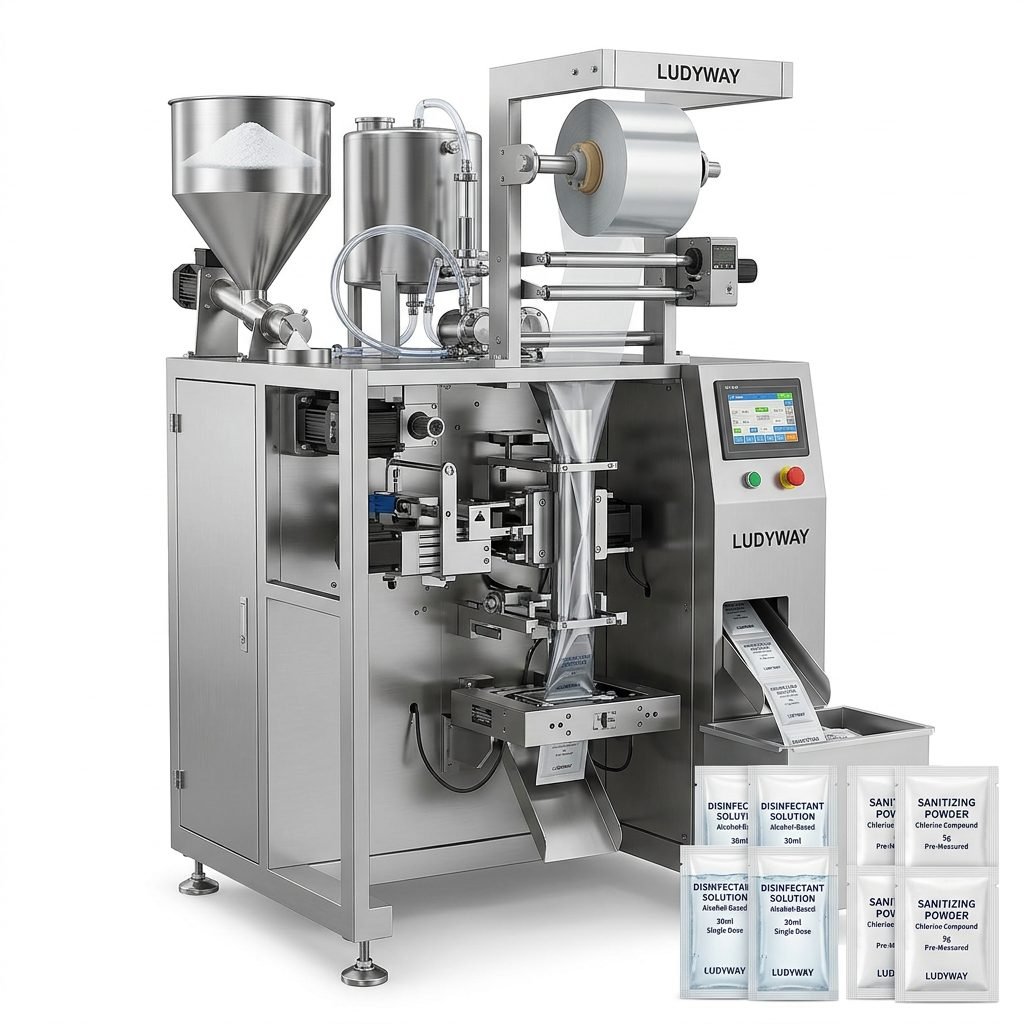
Main Components of a Liquid Pouch Packing Machine
Understanding the core components helps buyers evaluate equipment more effectively. Common parts include:
| Component | Function |
|---|---|
| Film roll or pouch magazine | Supplies packaging material to the machine |
| Filling pump | Measures and transfers liquid into the pouch |
| Hopper or product tank | Stores the liquid product before filling |
| Sealing unit | Closes the pouch securely after filling |
| PLC and touchscreen | Controls machine settings, recipes, alarms, and production data |
| Date coder / printer | Prints batch number, date, and traceability information |
| Conveyor or discharge system | Moves finished pouches to the next production stage |
Types of Liquid Pouch Packing Machines
Vertical Form Fill Seal Machines
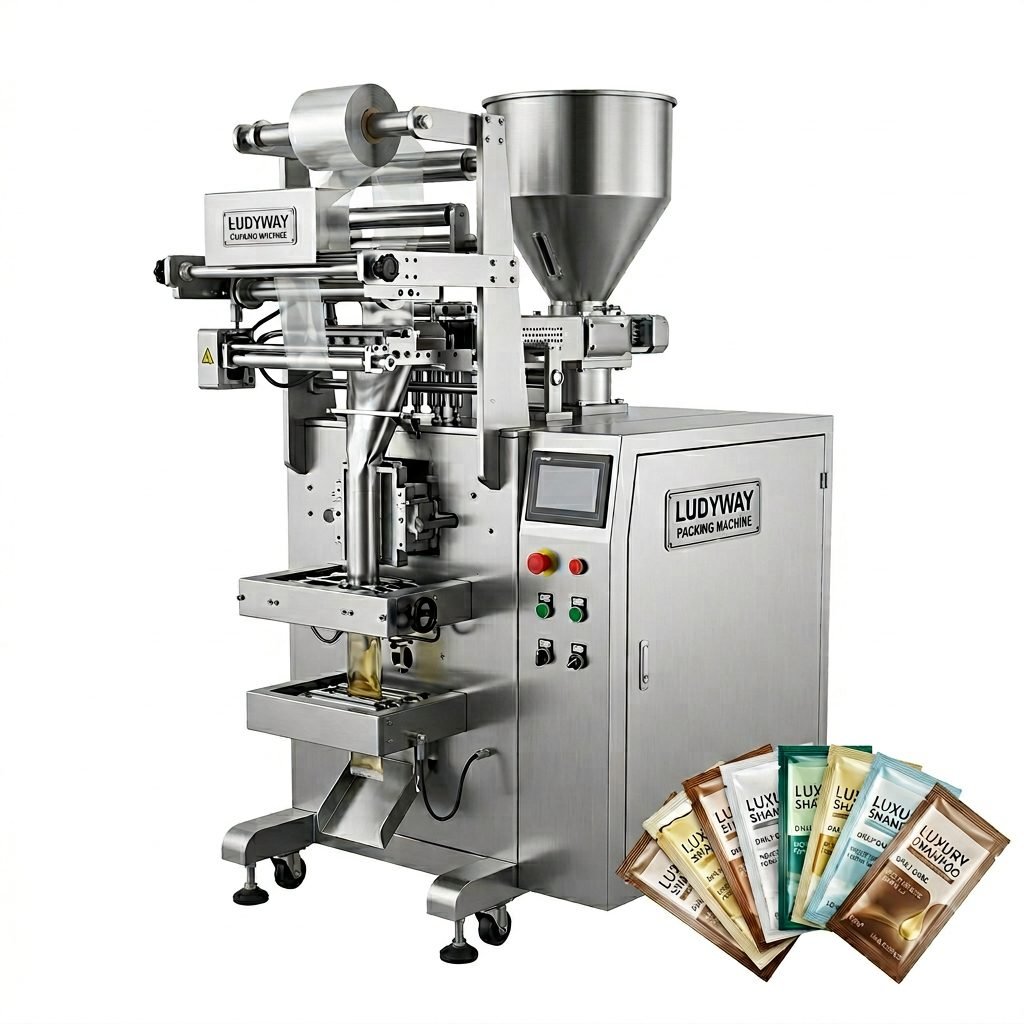
These machines use roll film to form a pouch, fill it with liquid, and seal it vertically. They are common for sachets, pillow pouches, and stick packs, especially when high volume and lower packaging material cost are priorities.
Premade Pouch Packing Machines
These systems work with ready-made pouches and are often used for premium packaging formats such as stand-up pouches, zipper pouches, and spouted pouches. They offer excellent shelf presentation and strong consumer appeal.
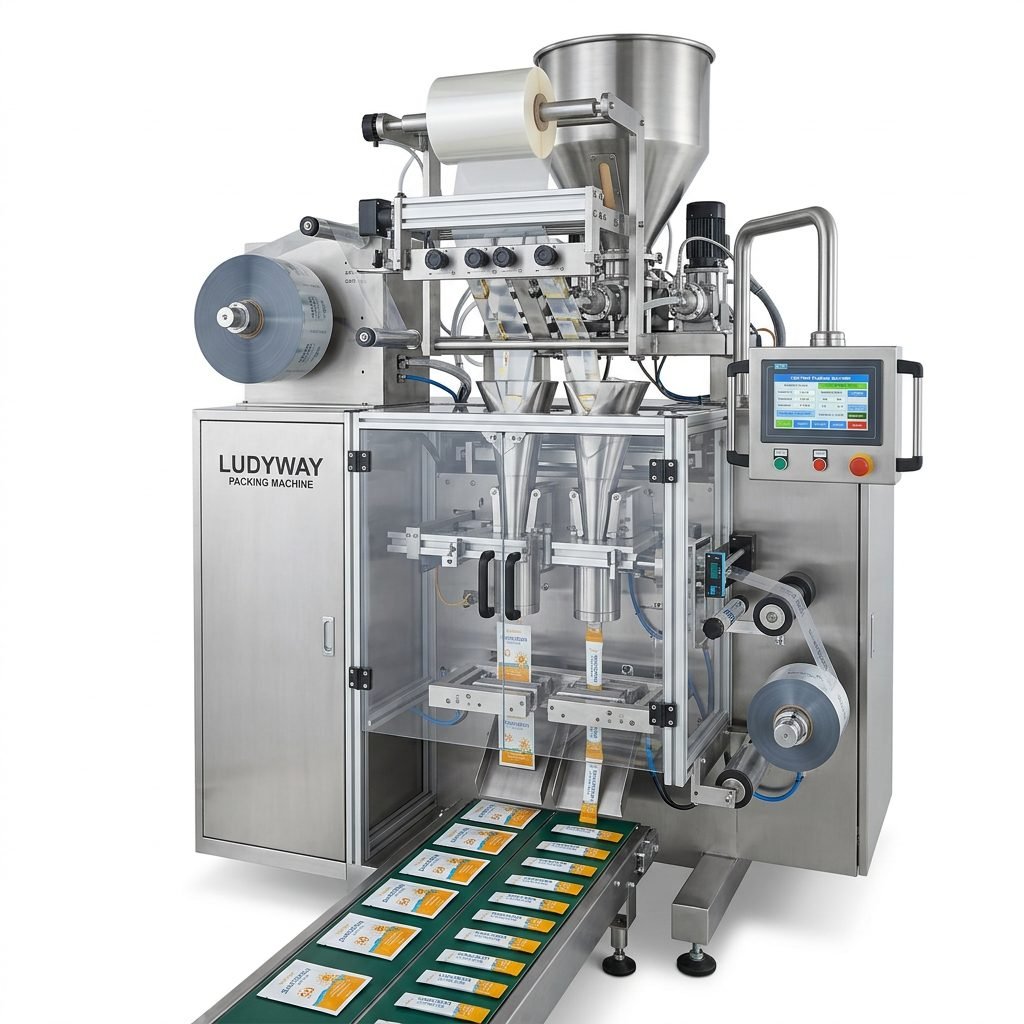
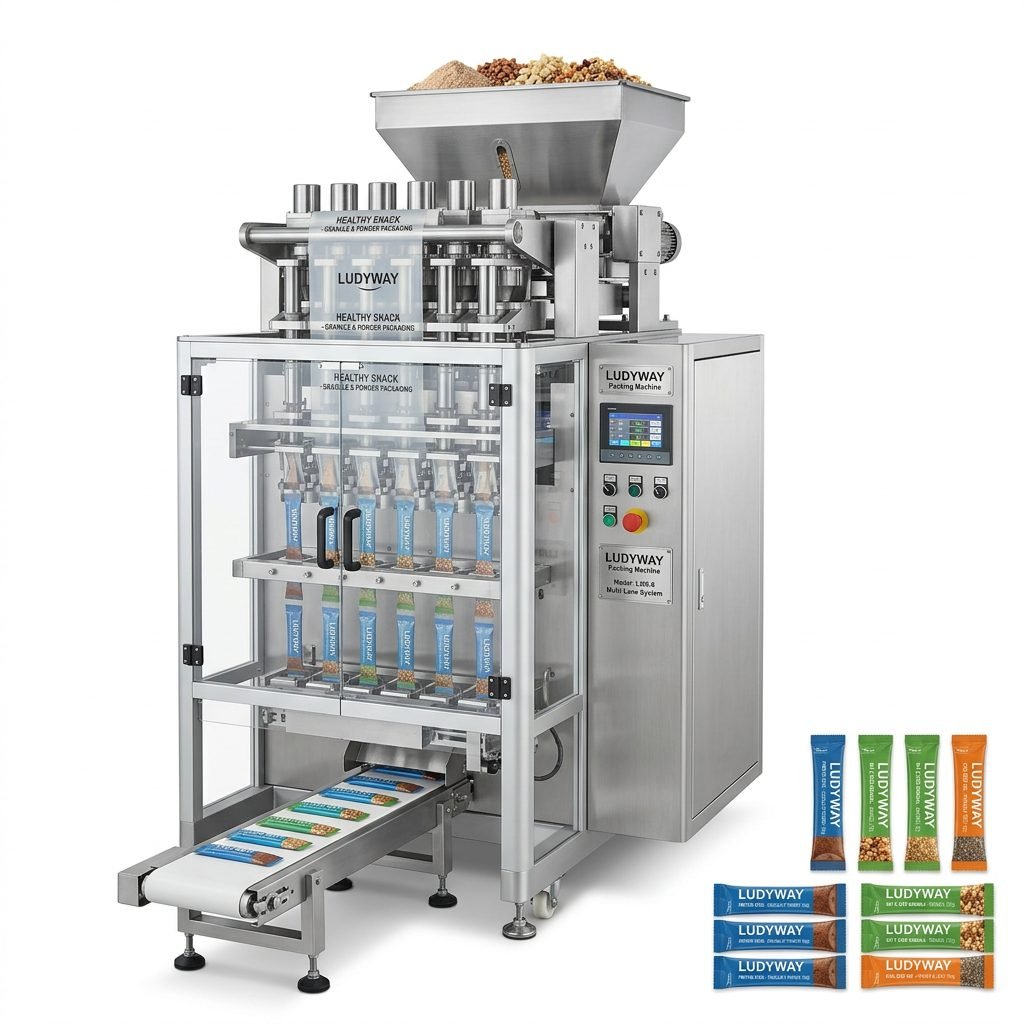
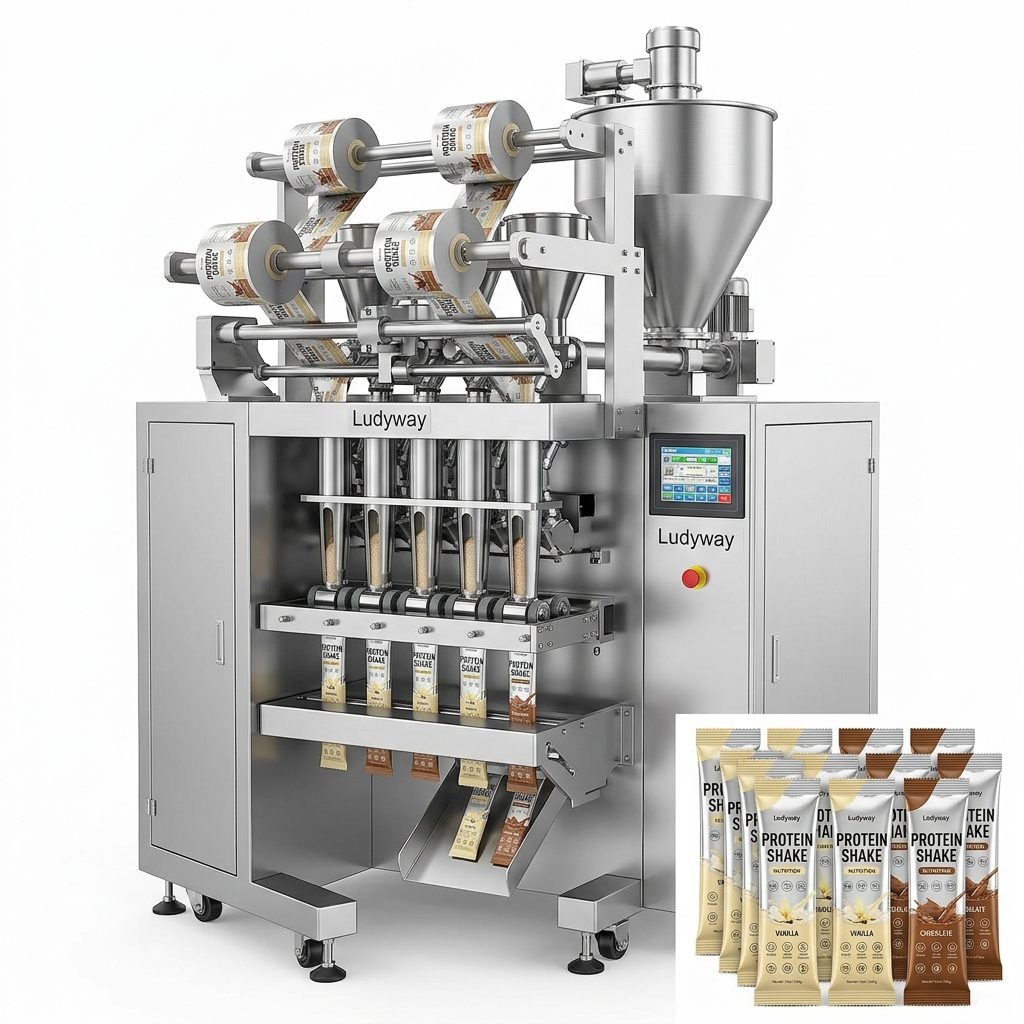
Multi-Lane Sachet Liquid Packaging Machines
Multi-lane machines are ideal for small-dose liquid products where high output is essential. They are widely used for shampoo sachets, condiments, oral liquid packs, disinfectant sachets, and cosmetic samples.
Benefits of Using a Liquid Pouch Packing Machine
For manufacturers looking to improve automation and packaging quality, liquid pouch packing machines provide several strong advantages.
- Higher efficiency: automated filling and sealing significantly increase output compared with manual packaging.
- Consistent fill accuracy: better dosing control helps reduce giveaway and improve product uniformity.
- Improved hygiene: enclosed product paths reduce contamination risk, which is especially important in food and pharmaceutical production.
- Lower labor dependence: fewer manual steps mean lower labor costs and easier standardization.
- Flexible packaging formats: the same production concept can often support different pouch styles and fill volumes.
- Better shelf appeal: pouches are lightweight, printable, and convenient for end users.
- Reduced material and transport cost: compared with rigid packaging, pouches are often more economical.
Industries That Commonly Use Liquid Pouch Packing Machines
Liquid pouch packaging is highly versatile, making it suitable for many sectors:
| Industry | Typical Products |
|---|---|
| Food & Beverage | Sauce, honey, oil, milk, yogurt drinks, juice concentrates |
| Pharmaceutical | Oral liquids, syrups, gels, medical solutions |
| Cosmetics & Personal Care | Shampoo, lotion, serum, cream samples, shower gel |
| Household & Chemical | Detergent, disinfectant, cleaner, lubricant, chemical liquids |
How to Choose the Right Liquid Pouch Packing Machine
Selecting the right system depends on both the product and the production target. Before buying, evaluate the following:
Product Characteristics
Consider viscosity, foaming tendency, particle content, corrosiveness, and temperature sensitivity. A thin liquid and a thick paste may require very different filling technologies.
Pouch Type
Decide whether you need sachets, stick packs, flat pouches, stand-up pouches, spouted pouches, or zipper pouches. Your desired retail appearance directly affects machine selection.
Production Speed
A startup may only need moderate output, while a large manufacturer may need a high-speed multi-lane or rotary premade pouch system.
Filling Accuracy
If your product is high value or tightly regulated, precise dosing becomes more important than maximum speed.
Material Compatibility
The sealing system must be compatible with your pouch film structure, thickness, and barrier requirements.
Cleaning and Maintenance
For food, pharma, and cosmetic applications, easy cleaning, sanitary design, and stable long-term operation are essential.
Buying tip: Always test your actual product on the machine whenever possible. Real product trials reveal filling behavior, sealing performance, and packaging appearance much better than specifications alone.
Common Challenges in Liquid Pouch Packaging
Even advanced equipment must be correctly matched and adjusted. Some common issues include:
- Seal leakage caused by incorrect temperature or contaminated seal area
- Inaccurate filling due to unstable product flow or unsuitable pump type
- Foaming during filling of certain detergents or beverages
- Pouch misalignment from poor film tracking or pouch feeding problems
- Downtime caused by inadequate cleaning and maintenance routines
Working with an experienced machine manufacturer can help reduce these risks through proper configuration, testing, and after-sales support.
Why Automation Matters for Liquid Packaging
As consumer demand grows and packaging standards become stricter, automation is no longer only for large factories. Small and mid-sized manufacturers also need better efficiency, traceability, and repeatability. A well-designed liquid pouch packing machine can support:
- Faster response to changing order volumes
- Lower packaging waste and better cost control
- Improved product presentation in retail markets
- More reliable compliance with hygiene and quality standards
- Easier integration with conveyors, coding, cartoning, and case packing systems
Working with a Professional Packaging Machine Supplier
When choosing a supplier, buyers should look beyond the machine itself. Strong engineering support, customization capability, spare parts availability, and production line integration are all important. For businesses seeking scalable automation, Ludyway liquid pouch packing machine solutions can be considered as part of a broader packaging upgrade, especially for food, pharmaceutical, health supplement, cosmetic, and chemical applications.
Final Thoughts
A liquid pouch packing machine is an essential solution for companies that want to package liquid products faster, more accurately, and more professionally. From sachets and stick packs to stand-up pouches and spouted formats, these machines support a wide range of packaging needs across multiple industries.
If you understand your product type, pouch style, target speed, and hygiene requirements, it becomes much easier to choose the right machine. In the long run, the right liquid packaging system can help improve operational efficiency, packaging quality, and market competitiveness.