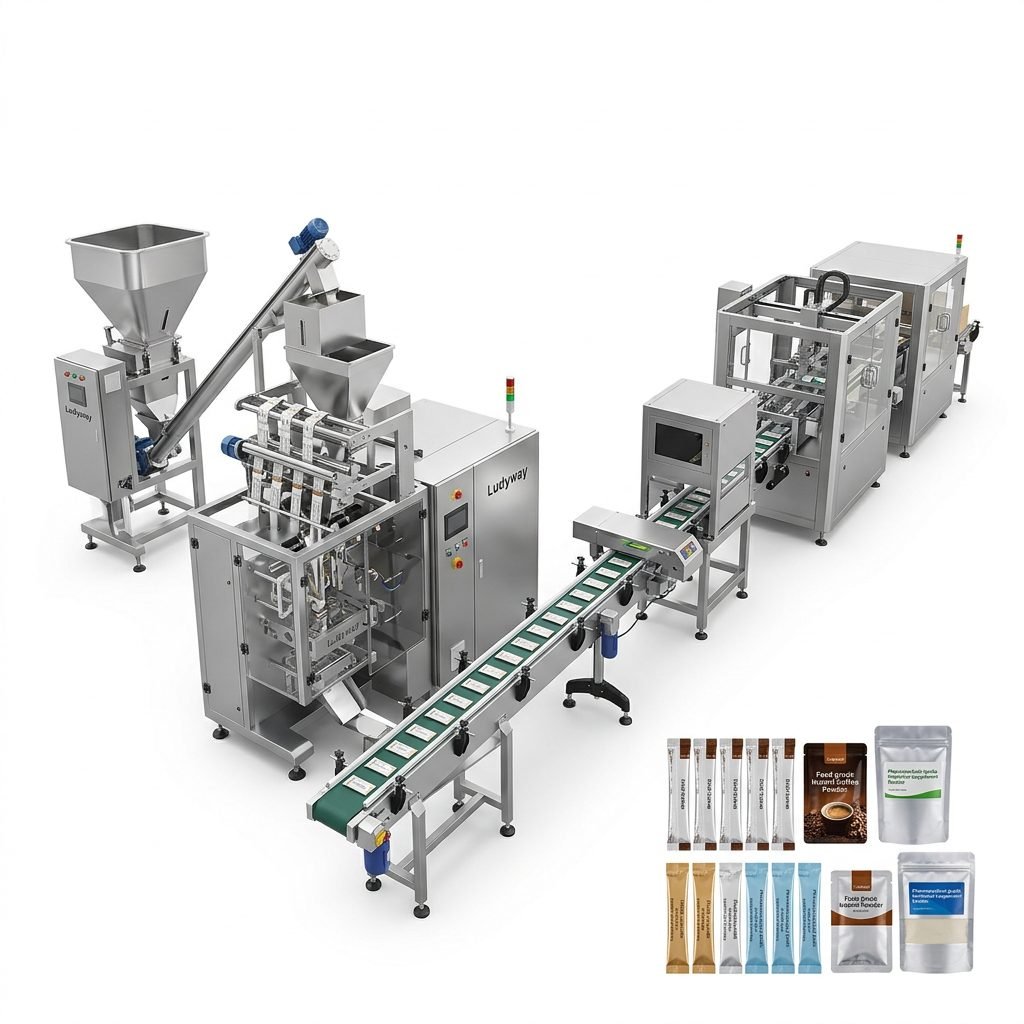
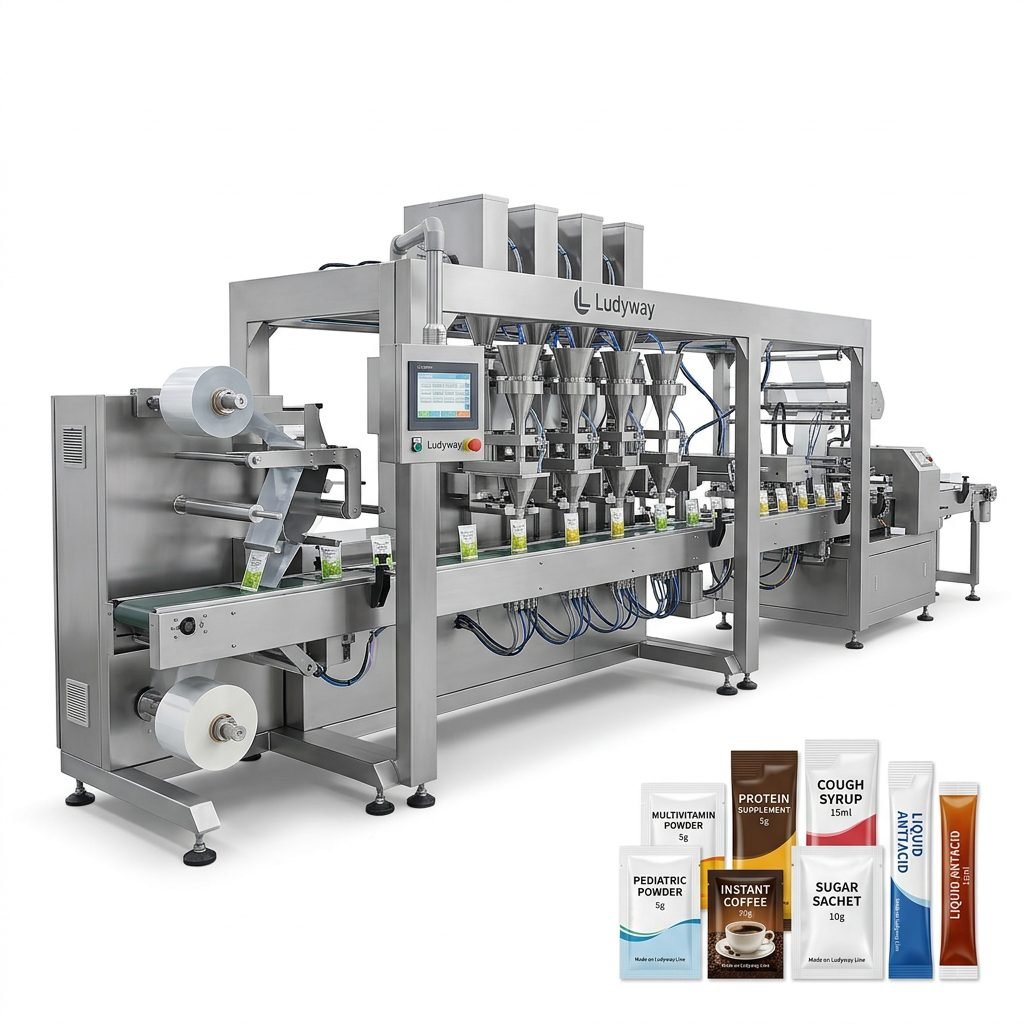
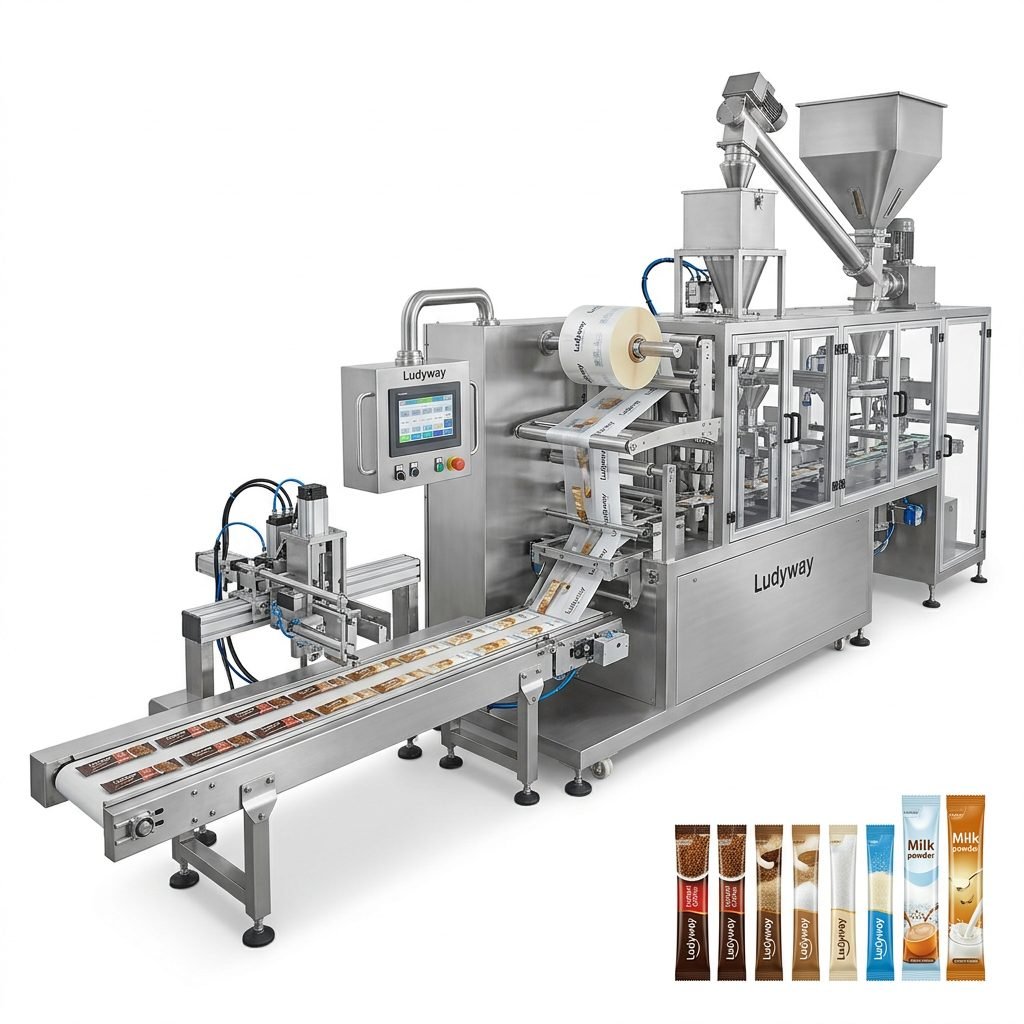
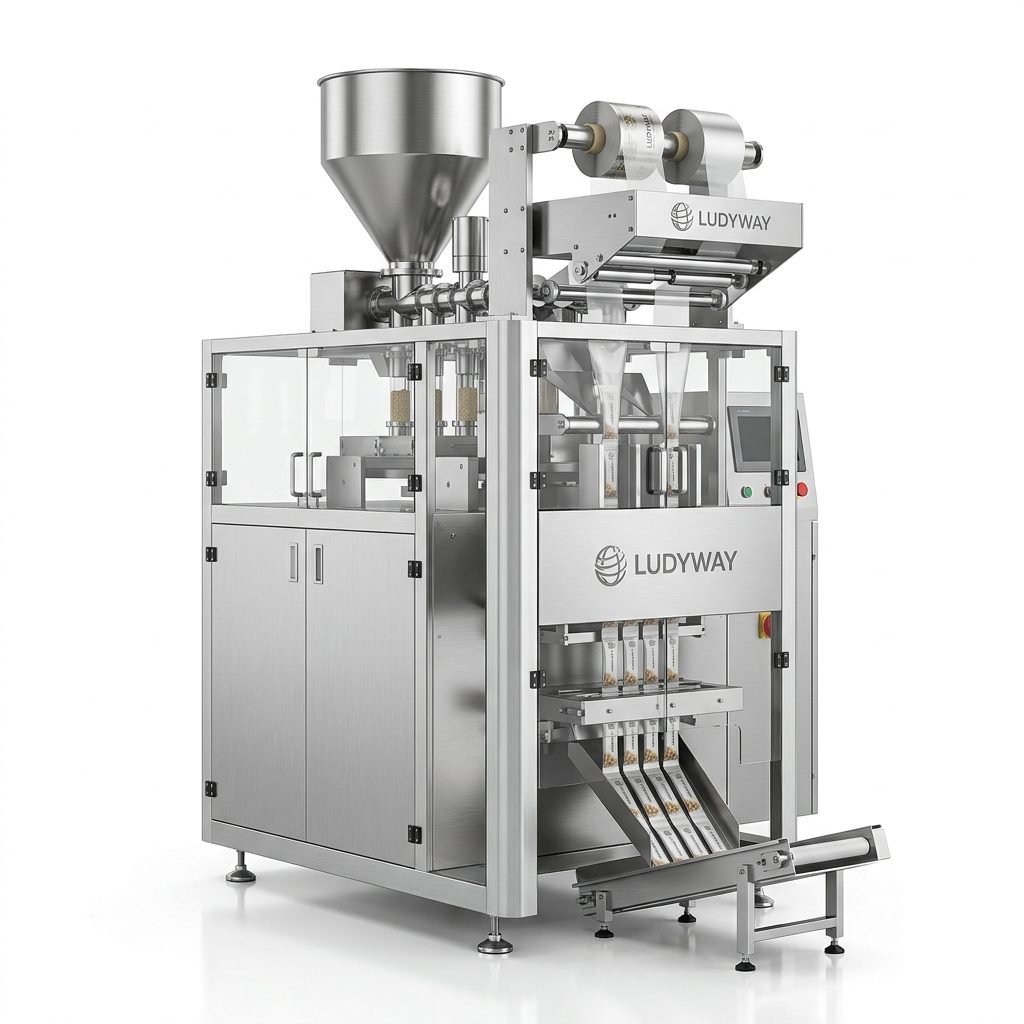
In the competitive world of food, pharmaceutical, and consumer goods manufacturing, efficient and reliable packaging is paramount. Jar packaging machines stand as a cornerstone technology for businesses looking to automate their filling and capping processes for glass or plastic jars. This comprehensive guide delves into the types, working principles, key features, and critical selection criteria for jar packaging machinery, empowering you to make an informed investment for your production line.
Understanding the Core Types of Jar Packaging Machines
The market offers a variety of jar packaging machines, each designed for specific scales and operational needs. Understanding these types is the first step in identifying the right fit.
1. Semi-Automatic Jar Fillers
Ideal for small to medium-sized businesses or low-volume production runs, semi-automatic machines require some manual intervention. Operators typically place jars on the filling station, and the machine handles the precise filling before the operator manually caps or seals the jar. These systems are cost-effective and offer flexibility for producers with multiple product lines or frequent changeovers.
2. Fully Automatic Jar Packaging Lines
For high-volume production, fully automatic lines are the standard. These integrated systems perform all operations—jar feeding, cleaning (air rinsing), filling, capping, and labeling—in a continuous, synchronized sequence with minimal human oversight. They offer maximum throughput, consistency, and hygiene, making them essential for large-scale food, pharmaceutical, and cosmetic manufacturers.
3. Rotary vs. In-Line Systems
Rotary Systems: Jars are transported around a circular carousel where different stations perform specific tasks (filling, capping). This design is compact and highly efficient for high-speed, continuous production of uniform products.
In-Line (Linear) Systems: Jars move in a straight line past sequential workstations. This configuration offers greater flexibility for handling jars of various shapes and sizes and is easier to modify or expand for future needs.
How Does a Jar Packaging Machine Work? The Core Principle
The fundamental operation of an automatic jar packaging line follows a precise, multi-stage process to ensure product integrity and efficiency.
- Jar Feeding & Unscrambling: Empty jars are fed from a bulk hopper or conveyor into an unscrambler, which orients them correctly for the line.
- Cleaning & Rinsing: Jars pass through an air blast or inversion station to remove any dust or particulates.
- Precise Filling: This is the heart of the machine. Depending on the product viscosity (liquid, paste, powder, granules), different filling technologies are used—such as piston fillers, gravity fillers, or pump-based systems—to deliver accurate volumes.
- Capping & Sealing: Caps are applied automatically. The machine can handle screw capping, press-on lids, or induction sealing for tamper-evidence.
- Labeling & Coding: Finally, jars receive labels and batch/date codes before being discharged for secondary packaging.
Key Features to Look for in a Modern Machine
When evaluating jar packaging equipment, several features are non-negotiable for performance, safety, and return on investment.
- High-Accuracy Filling System: Look for servo-driven fillers with touchscreen controls for recipe management, ensuring minimal product giveaway and compliance with weights and measures regulations.
- Quick-Changeover Capability: Systems with tool-less adjustments for different jar and cap sizes drastically reduce downtime, boosting operational flexibility.
- Robust Construction & Hygiene: Contact parts should be made from food-grade stainless steel (e.g., 304 or 316L) for easy cleaning and corrosion resistance, which is critical for food and pharmaceutical applications.
- Advanced Control System: A user-friendly PLC (Programmable Logic Controller) with an HMI (Human-Machine Interface) allows for easy operation, monitoring, and diagnostics.
- Safety & Compliance Features: Integrated safety guards, emergency stops, and compliance with international machinery standards (like CE) are essential for protecting operators and facilitating global market access.
A Strategic Guide: How to Choose the Right Machine
Selecting the ideal jar packaging machine is a strategic decision. Follow this structured approach to align your investment with business goals.
Step 1: Analyze Your Product & Production Needs
Define your product’s physical characteristics (viscosity, foaming tendency, particulates) and your required output speed (jars per minute). Also, consider the range of jar sizes and cap types you need to accommodate.
Step 2: Evaluate Machine Capabilities & Flexibility
Match your needs from Step 1 to machine specifications. Prioritize flexibility if you have a diverse product portfolio. Assess the ease of cleaning and maintenance, as this impacts daily efficiency and sanitation compliance.
Step 3: Consider Total Cost of Ownership (TCO)
Look beyond the initial purchase price. Factor in installation, training, ongoing maintenance costs, spare part availability, and potential energy consumption. A reliable machine from a reputable supplier like Ludyway Machinery often offers better long-term value through higher uptime and support.
Step 4: Assess Supplier Reputation & Support
The supplier is as important as the machine. Choose a provider with proven industry experience, a strong track record, and the ability to offer comprehensive after-sales service, training, and technical support. A partner with over 30 years of industry experience can provide invaluable guidance and reliable turnkey production solutions.
Frequently Asked Questions (FAQs)
What is the typical speed range of an automatic jar filler?
Speeds vary widely based on jar size, product, and machine configuration. Standard machines can range from 30 to over 400 jars per minute. It’s crucial to test your specific product and jar on the machine to determine achievable speeds.
Can one machine handle both liquids and thick pastes?
Some machines are versatile, but the filling technology must be appropriate. A piston filler is excellent for thick products like sauces or creams, while a gravity or vacuum filler is better for thin liquids. Discuss your full product range with your supplier to find a suitable solution.
How important is after-sales service and parts availability?
Extremely important. Packaging machines are long-term investments. Ensure your supplier offers readily available spare parts, responsive technical support, and service agreements to minimize costly downtime and ensure the longevity of your equipment.
What are the key hygiene considerations for food-grade packaging?
Machines must be constructed with food-contact surfaces in 304 or 316L stainless steel. Design should prevent product trap points and allow for easy cleaning (CIP – Clean-in-Place capabilities are a plus). Compliance with local food safety regulations (like FDA, EHEDG) is mandatory.
Is operator training provided by the machine manufacturer?
Reputable manufacturers and suppliers, especially those offering customized automation solutions, always provide comprehensive on-site training for operators and maintenance staff. This is crucial for safe operation, achieving optimal efficiency, and performing basic troubleshooting.