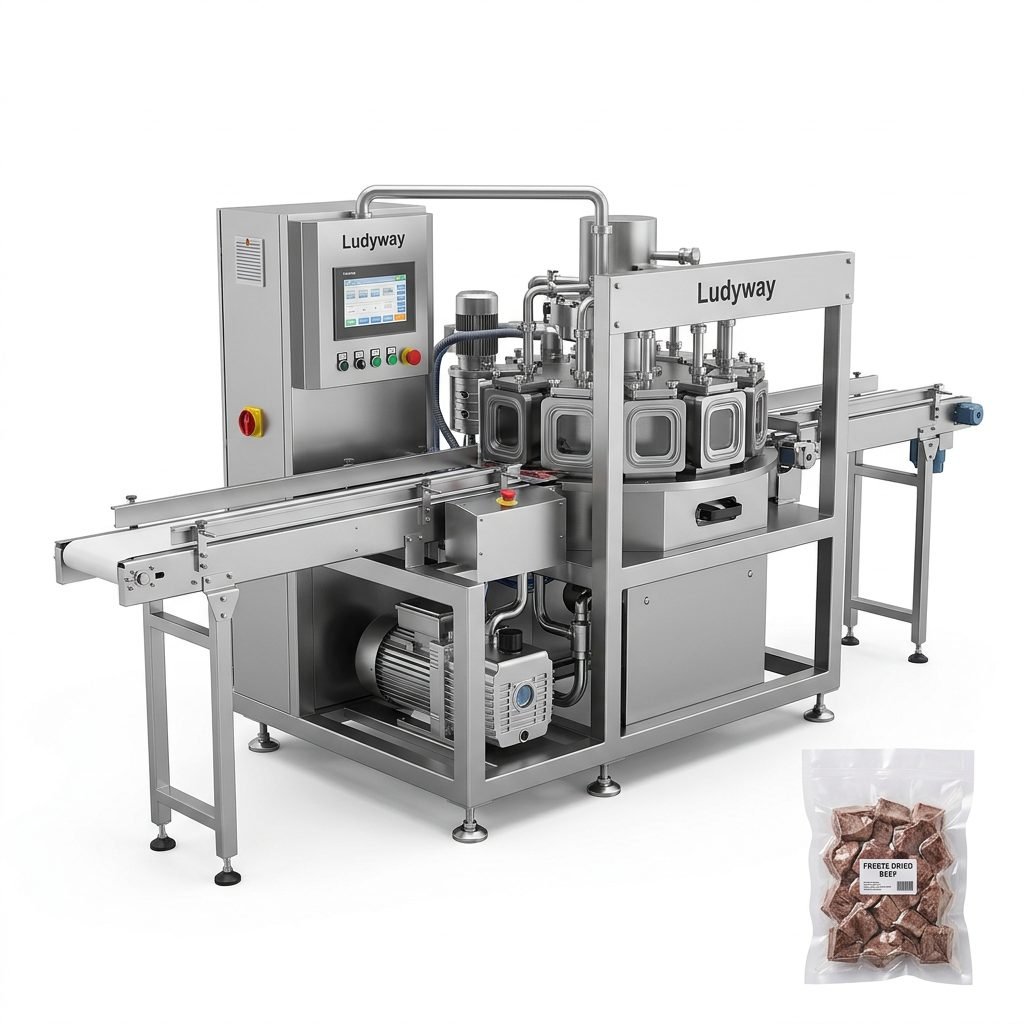
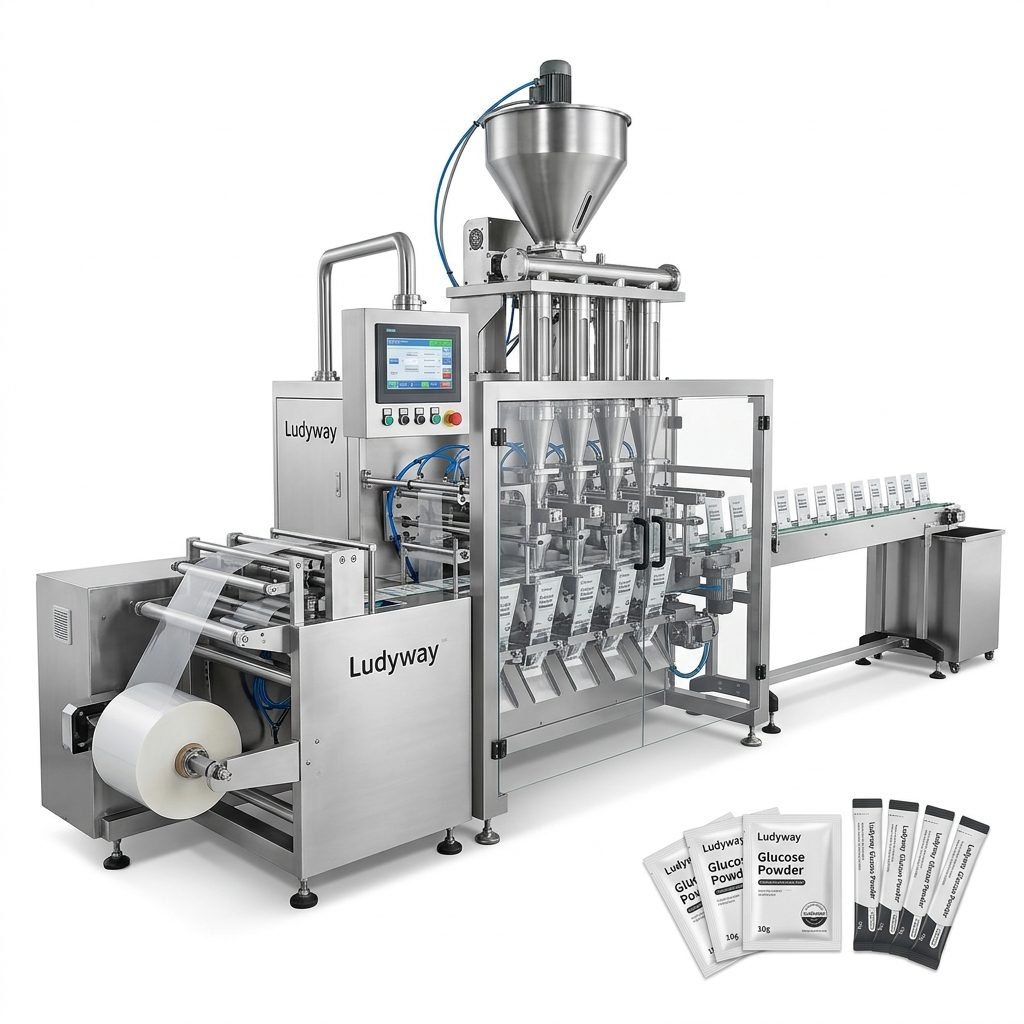
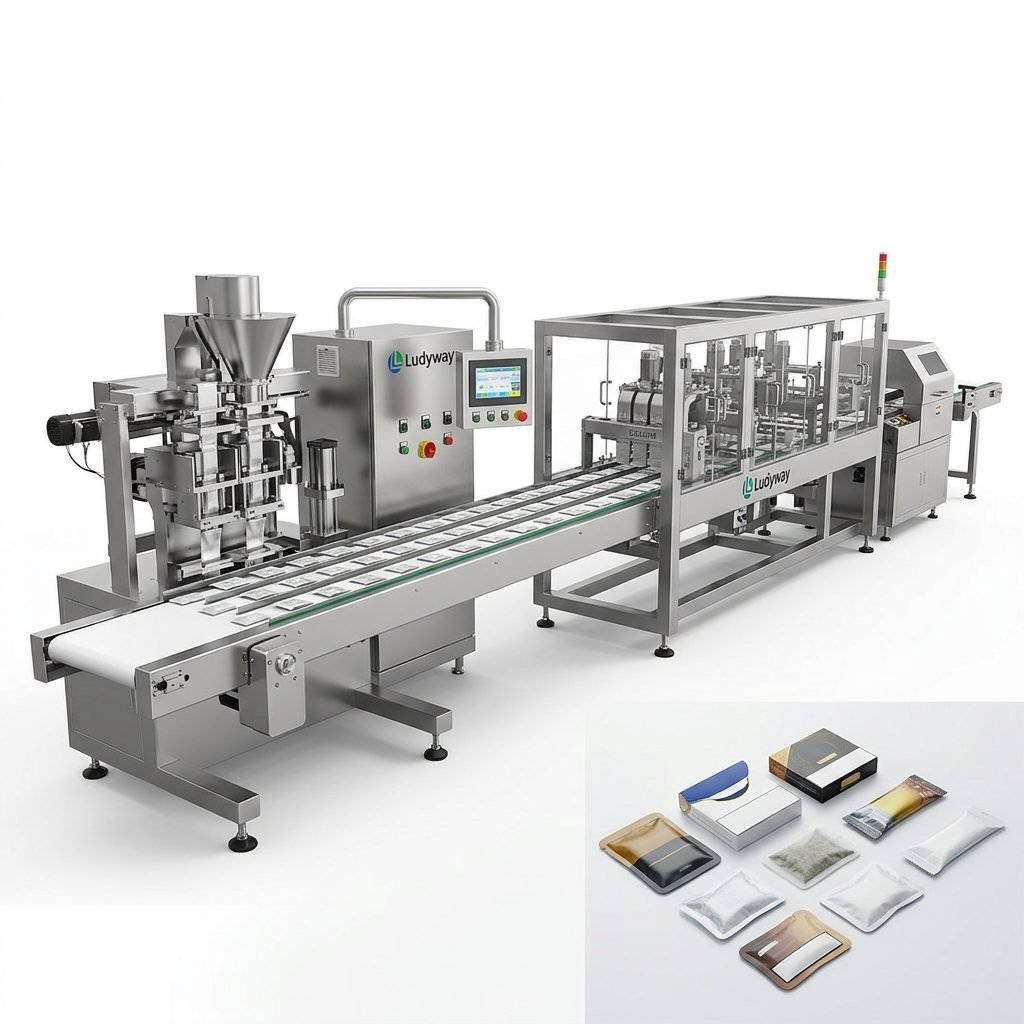
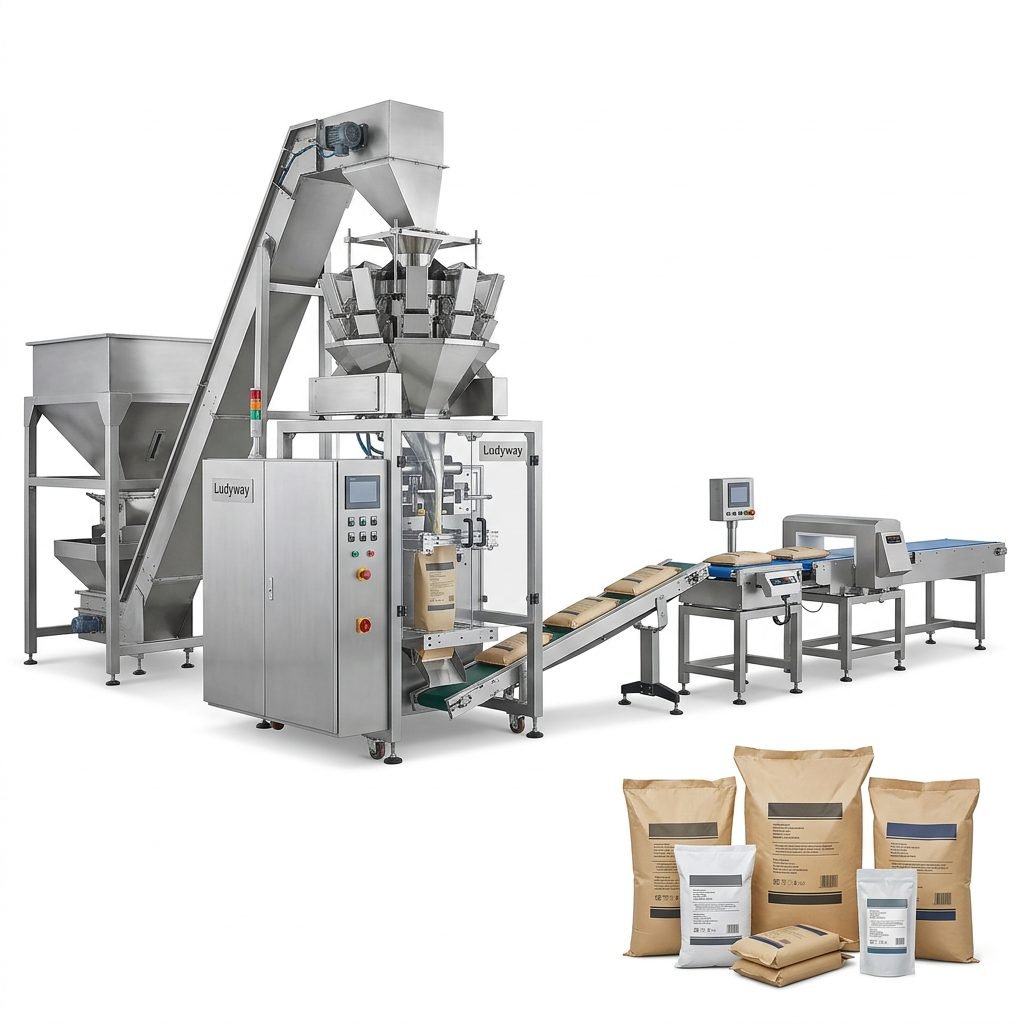
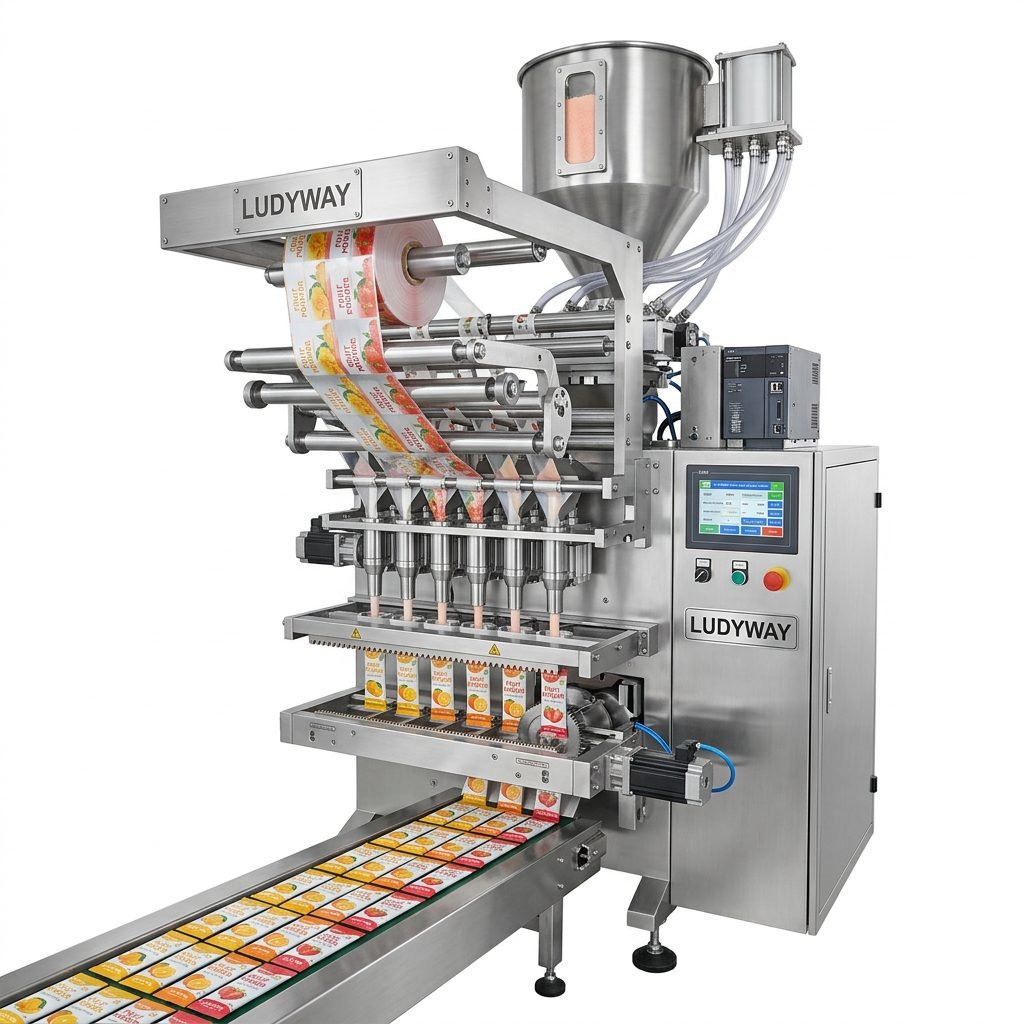
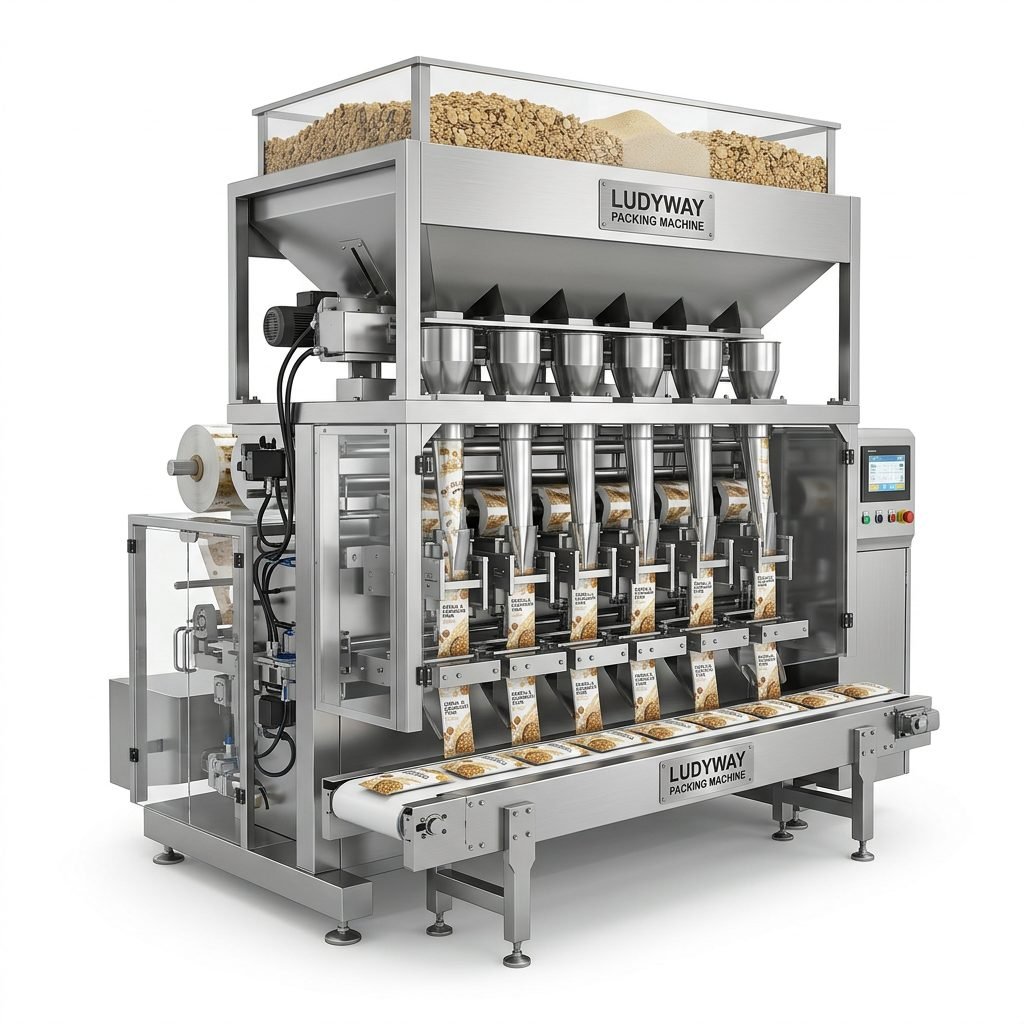
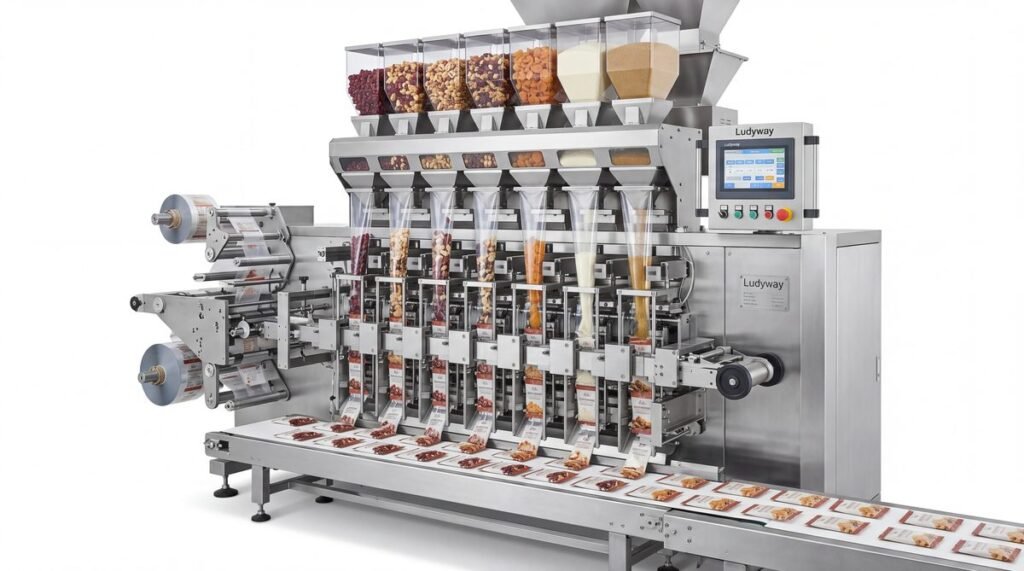
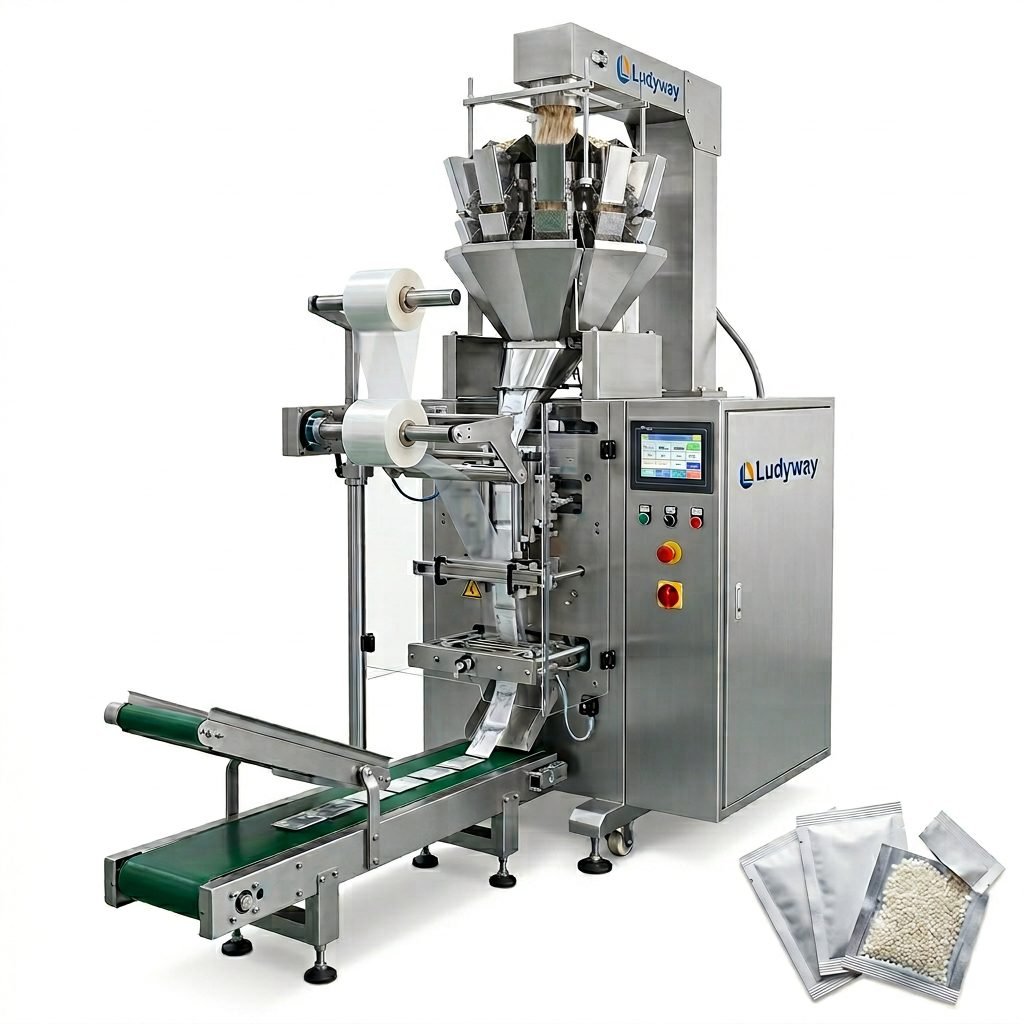
In today’s competitive market for packaged goods, especially in the food and pharmaceutical sectors, extending shelf life and preserving product quality are paramount. Vacuum packaging with nitrogen flushing represents a sophisticated solution that goes beyond simple air removal. This advanced method actively creates a protective atmosphere inside the package, significantly slowing down oxidation and microbial growth. For businesses looking to enhance product integrity, reduce waste, and meet stringent safety standards, understanding this technology is crucial.
The Core Principle: Displacing Oxygen with Nitrogen
At its heart, a vacuum packaging machine with nitrogen flushing operates on a simple yet powerful principle: remove the harmful and replace it with the inert. The process is a precise, multi-stage operation designed to create an optimal internal environment for the product.
The Step-by-Step Flushing Cycle
1. Product Placement & Sealing Initiation: The product is placed into a high-barrier packaging film pouch or tray. The open end of the package is positioned in the machine’s sealing chamber.
2. Initial Air Evacuation (Vacuum Phase): The chamber closes, and a powerful vacuum pump removes the majority of the ambient air (oxygen) from both the package and the chamber itself. This first draw significantly lowers the oxygen concentration.
3. Nitrogen Injection (Flushing Phase): This is the critical differentiating step. Instead of sealing immediately, the machine introduces high-purity nitrogen gas (N₂) into the chamber. The inert nitrogen gas flushes through the package, displacing the remaining oxygen-laden air.
4. Final Seal: Once the flushing cycle is complete, the machine performs a final, hermetic seal while the package is still in the nitrogen-rich environment. This traps the protective gas mixture inside, creating a modified atmosphere package (MAP).
Key Benefits: Beyond Basic Vacuum Packaging
While standard vacuum packaging is effective for many applications, adding nitrogen flushing unlocks a suite of superior benefits that justify the investment for quality-focused producers.
1. Dramatically Extended Shelf Life
Oxygen is the primary enemy of freshness, causing oxidation (rancidity in oils, browning in fruits) and supporting aerobic bacteria and mold. By reducing residual oxygen levels to often below 1%, nitrogen flushing drastically slows these chemical and biological processes, potentially extending shelf life by 200-500% compared to air packaging.
2. Superior Product Protection & Presentation
Nitrogen is an inert gas; it does not react with the product. This preserves original flavors, colors, vitamins, and nutritional content far more effectively. For fragile items like potato chips or delicate baked goods, the gentle pressure of the nitrogen gas provides a “pillow” effect that cushions the contents against crushing during transport and handling, maintaining perfect presentation.
3. Enhanced Food Safety & Reduced Waste
By creating an environment hostile to spoilage microorganisms, the technology enhances food safety. This reduction in spoilage translates directly to less product waste throughout the distribution chain, from manufacturer to retailer to consumer, improving sustainability and profitability.
4. Market Competitiveness and Consumer Trust
Products boasting “Nitrogen Flushed for Freshness” on the label communicate a higher standard of care and quality. This can be a powerful marketing tool, justifying premium pricing and building strong consumer trust in the brand’s commitment to delivering the best possible product.
Essential Buying Guide: Choosing the Right Machine
Selecting a vacuum packaging machine with nitrogen flushing requires careful consideration of your specific production needs. Here are the critical factors to evaluate.
1. Determine Your Production Scale and Speed
Machines range from single-chamber models ideal for lower-volume production or pilot batches to fully automated rotary or inline systems for high-speed, continuous output. Assess your current and projected throughput to choose a machine that won’t become a bottleneck.
2. Identify Key Technical Specifications
- Vacuum Power & Level: Measured in cubic meters per hour (m³/h) or by ultimate vacuum pressure (e.g., 0.1 mbar). Stronger vacuum ensures more efficient initial oxygen removal.
- Nitrogen Flushing Accuracy: Look for machines with precise gas flush controls (often measured in milliseconds or by volume) to ensure consistent, repeatable results and optimize gas consumption.
- Sealing Bar Length & Type: Must accommodate your package sizes. Double-seal bars are recommended for added integrity, especially for powders or fine granules.
- Chamber Size & Depth: Dictates the maximum package dimensions (L x W x D) you can process.
3. Prioritize Build Quality and Reliability
The machine should be constructed from food-grade, durable materials like stainless steel for critical components. Reliability is non-negotiable in a production environment. Inquire about the robustness of key parts like the vacuum pump, solenoid valves, and heating elements. A reliable partner like Ludyway Packing Machine, with decades of engineering experience, can provide machines built for continuous operation.
4. Evaluate Control Systems and Usability
Modern machines feature PLC touchscreen interfaces for easy programming and storage of multiple packaging recipes. User-friendly controls reduce training time and operator error. Features like automatic gas saving modes and diagnostic alerts are valuable additions.
5. Consider After-Sales Support and Service
Technical support, availability of spare parts, and comprehensive warranty terms are crucial. Choose a supplier with a proven global support network. Companies with a strong track record, such as those highlighted in the Ludyway Company History, often offer more dependable long-term service and customized solutions.
Frequently Asked Questions (FAQs)
1. What types of products benefit most from nitrogen flushing?
This technology is ideal for oxygen-sensitive products. Key categories include: oily snacks (nuts, chips, fried foods), processed meats, coffee (whole bean and ground), dairy powders, spices, fresh pasta, premium baked goods, pharmaceuticals, and diagnostic kits where component stability is critical.
2. Is nitrogen gas safe for food packaging?
Absolutely. Nitrogen (N₂) makes up about 78% of the air we breathe. It is a non-toxic, inert gas approved worldwide for use as a food packaging additive (E941 in the EU). It does not alter the taste, smell, or safety of the food product.
3. How much does a vacuum machine with nitrogen flushing cost?
Costs vary widely based on automation level, size, and features. Entry-level single-chamber models may start in the thousands of dollars, while high-speed, fully automated production lines can represent a significant capital investment. The key is to analyze the return on investment (ROI) through reduced waste, longer shelf life, and potential for market expansion.
4. Can I use the same machine for both vacuum-only and nitrogen-flush packaging?
Yes, most machines equipped with nitrogen flushing functionality allow you to select different programs. You can run a standard vacuum cycle (without gas injection) or a nitrogen flush cycle, providing excellent flexibility for packaging a diverse product range on a single machine.
5. What ongoing costs are involved?
Beyond the initial machine purchase, main operational costs include: Nitrogen gas supply</strong (cylinders, bulk tanks, or on-site generation), packaging materials</strong (high-barrier films compatible with MAP), routine maintenance, and electricity. Optimizing flush time and gas volume settings is key to managing the gas consumption cost effectively.