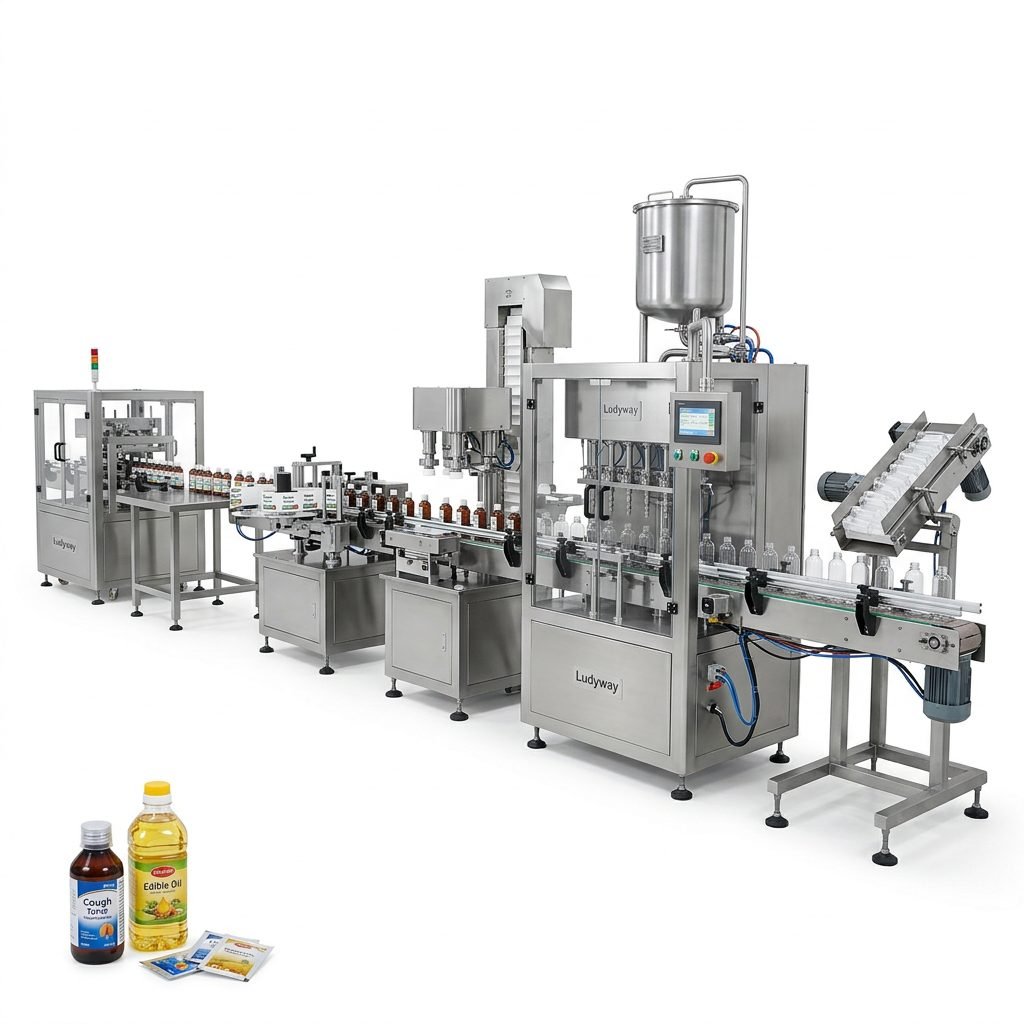
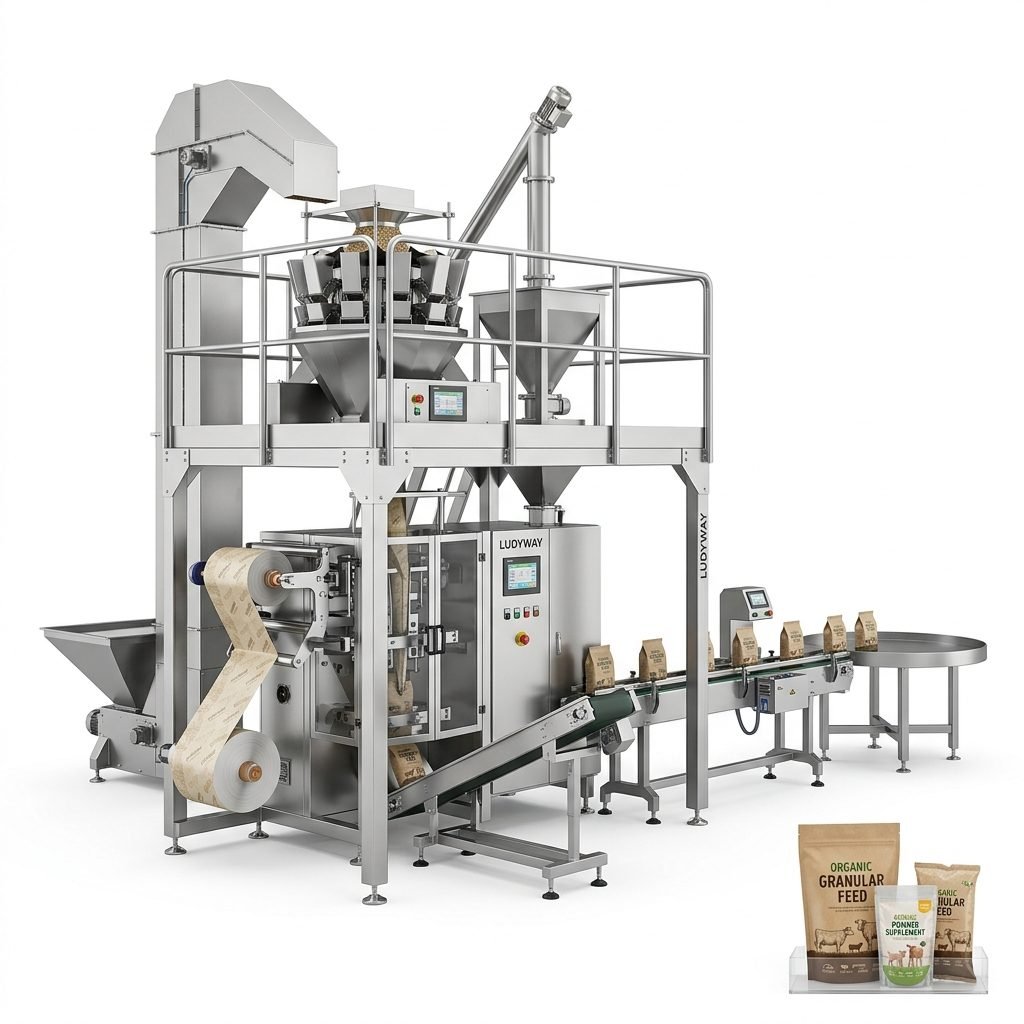
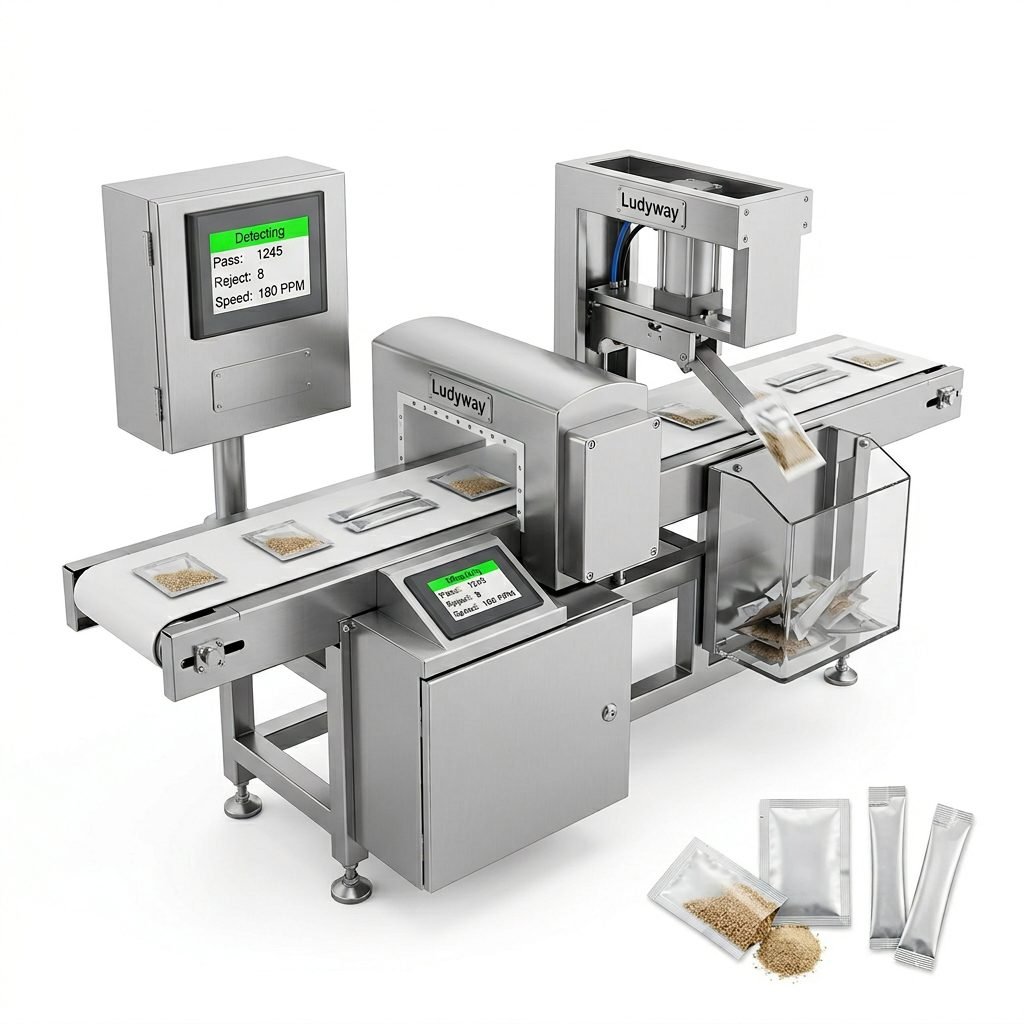
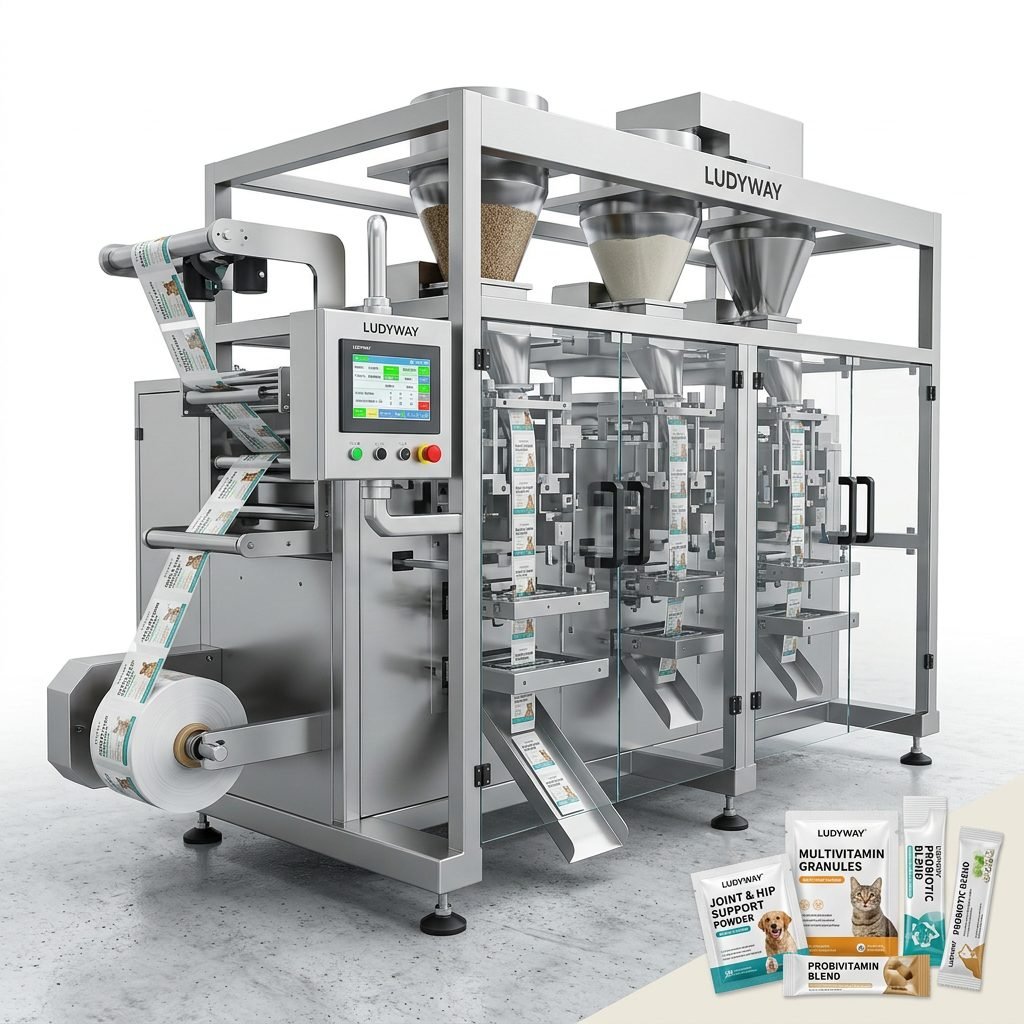
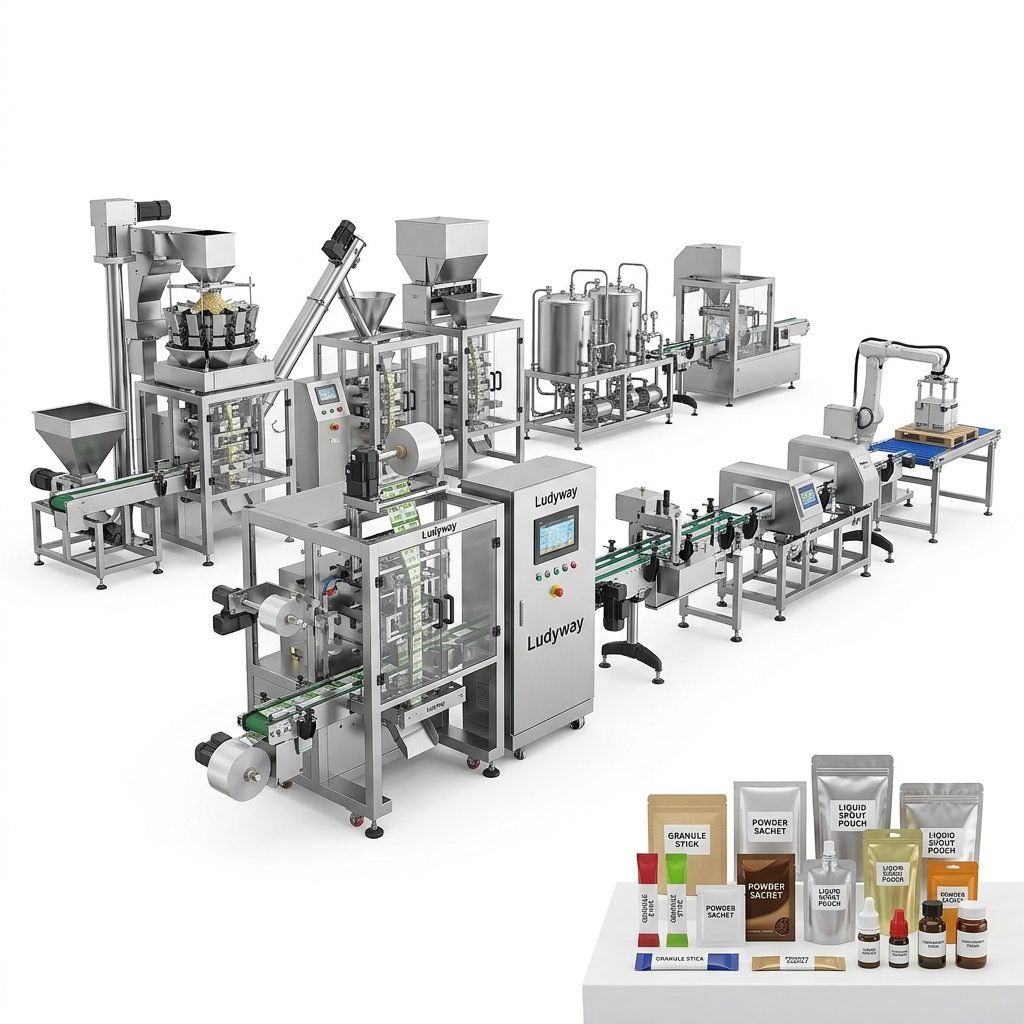
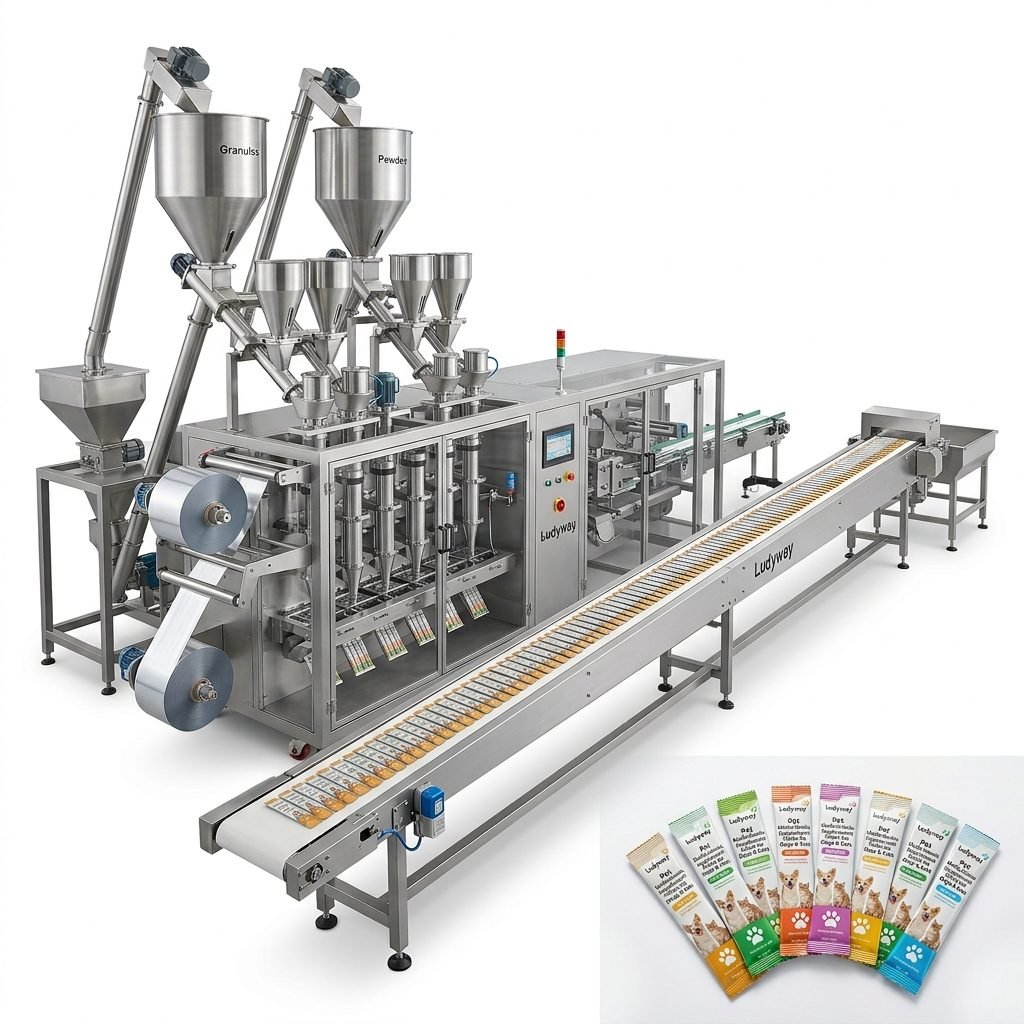
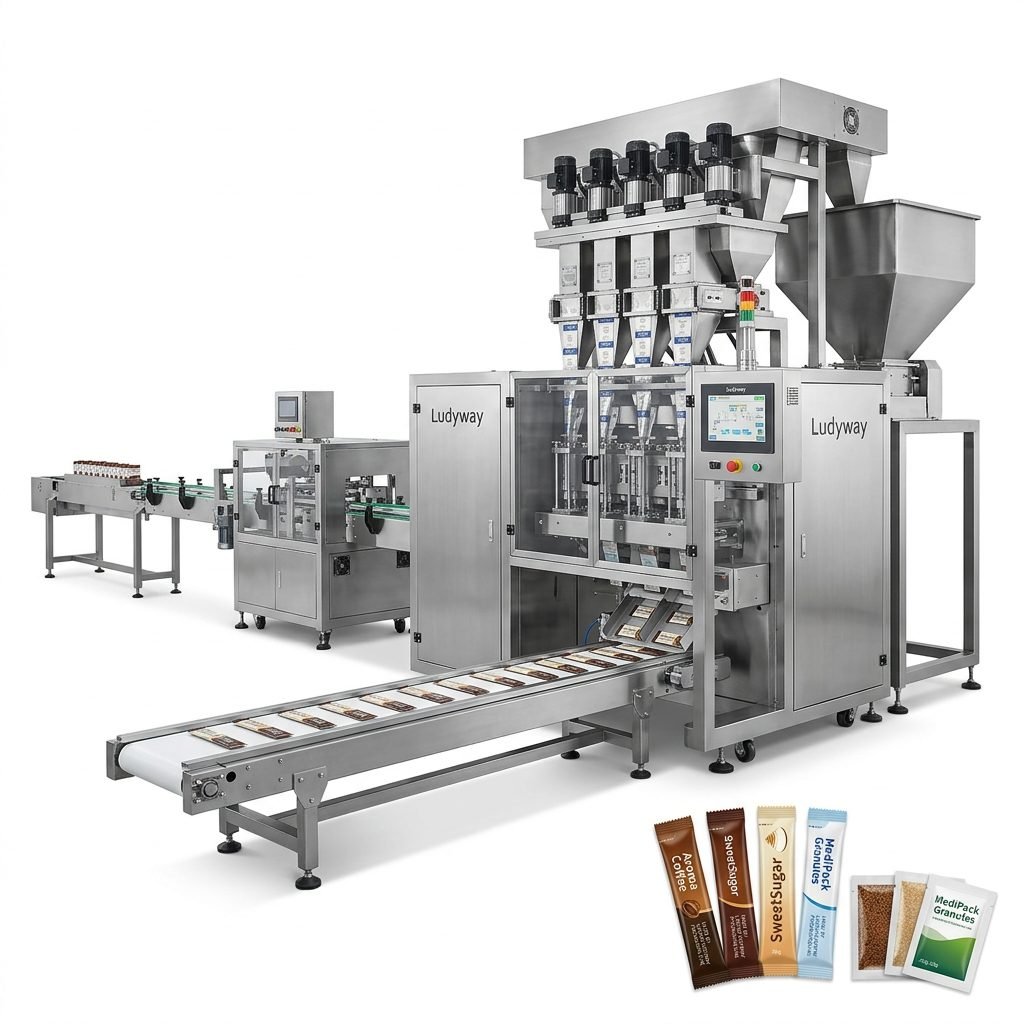
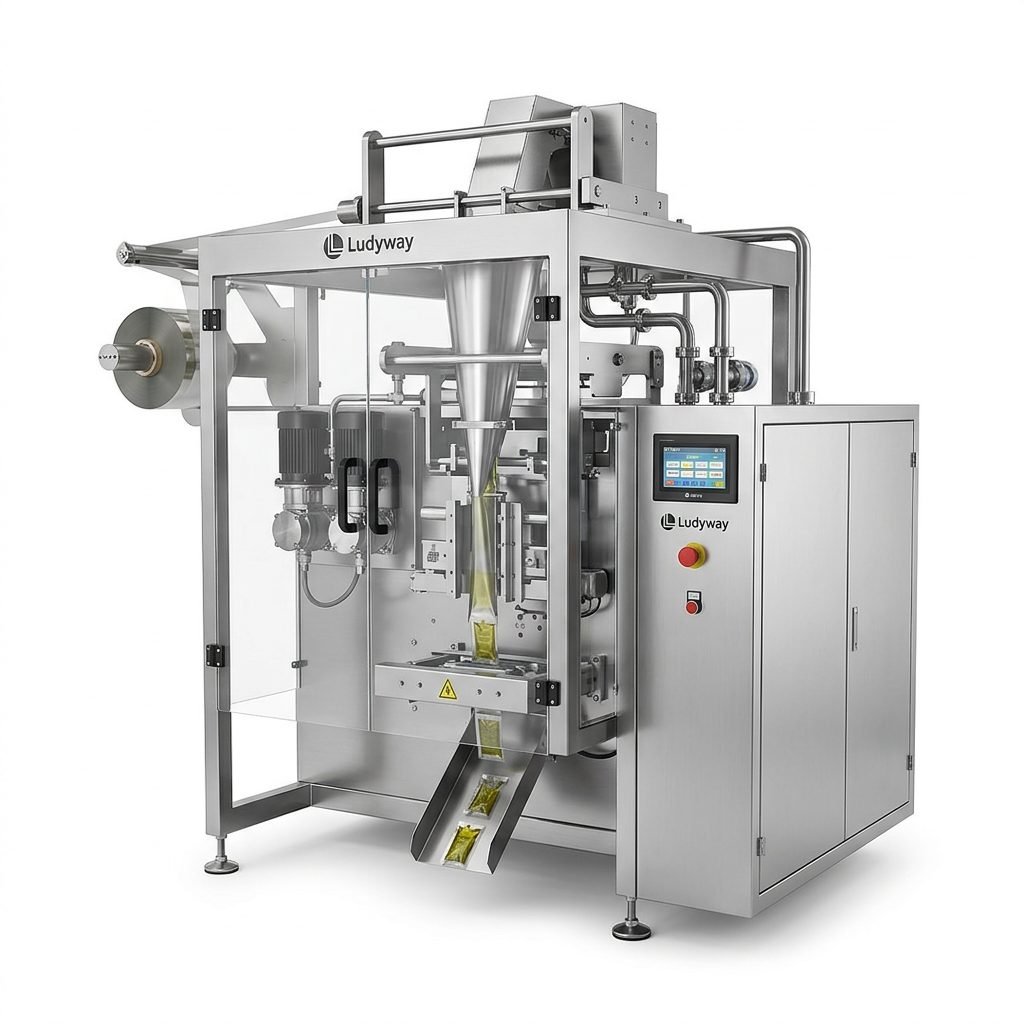
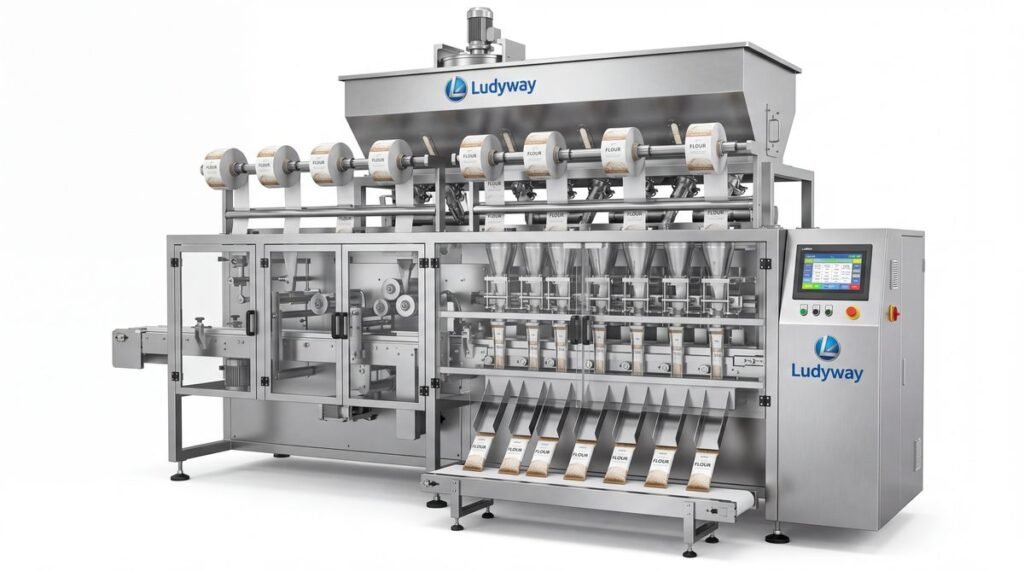
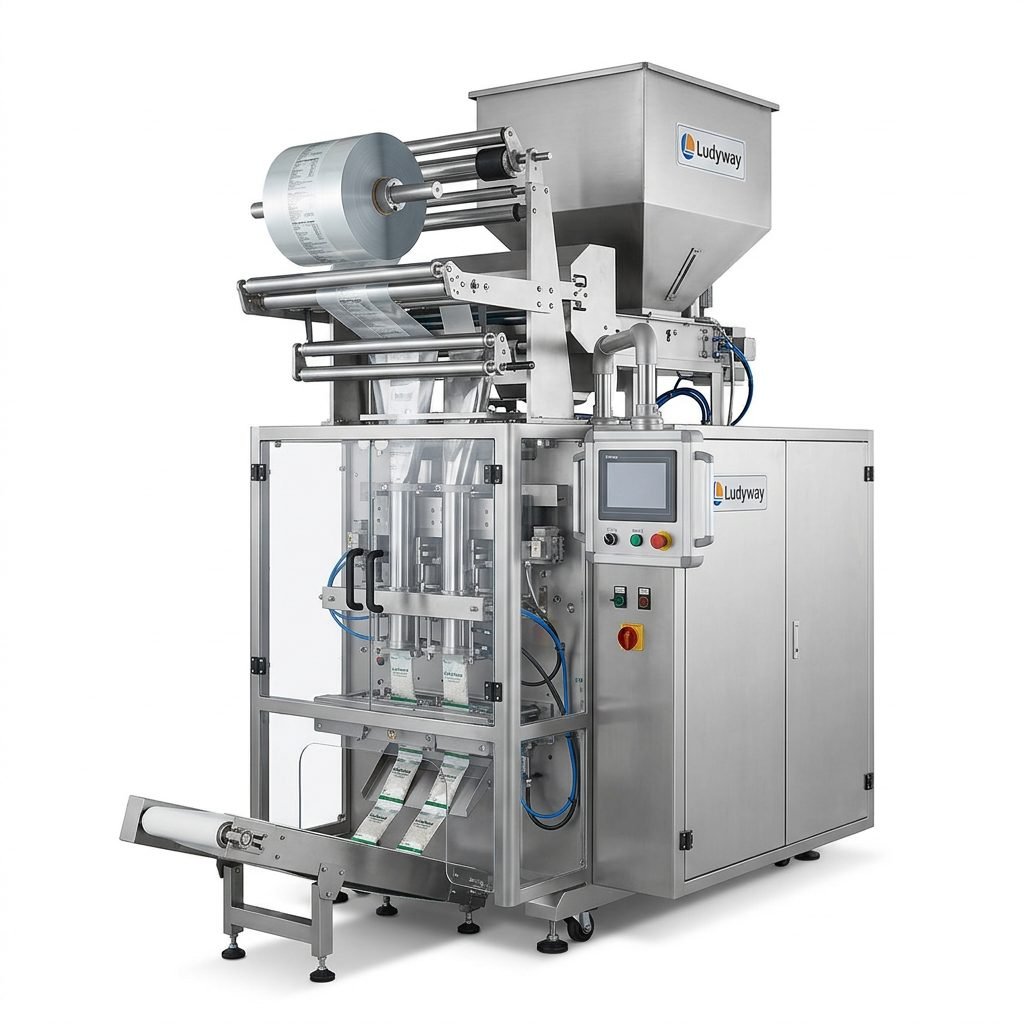
In the fast-paced world of manufacturing, packaging machines are the workhorses that keep production lines moving. However, like any complex machinery, they require regular maintenance and occasional part replacement to ensure optimal performance and longevity. Understanding the spare parts that keep these machines running is crucial for minimizing downtime, maintaining product quality, and controlling operational costs. This guide delves into the essential spare parts for packaging machinery, exploring their types, functions, and providing a clear framework for selecting the right components.
Essential Categories of Packaging Machine Spare Parts
Packaging machine spare parts can be broadly categorized based on their function and the subsystem they belong to. A clear understanding of these categories helps in organizing inventory and planning maintenance.
1. Sealing and Cutting Components
These are arguably the most critical wear parts in any packaging machine, directly responsible for creating the final, secure package. Their consistent performance is non-negotiable for product integrity.
- Heating Elements & Bands: Used in form-fill-seal (FFS) machines to melt and seal the packaging film. Common types include ceramic heaters, aluminum heaters, and nichrome bands. Failure leads to weak seals or complete sealing failure.
- Sealing Jaws & Dies: These are the physical elements that apply pressure and heat to create the seal. They come in various profiles (flat, serrated, embossed) and must be kept clean and aligned.
- Cutting Blades & Knives: Used to separate individual packages from the film web. They can be rotary or straight blades and require regular sharpening or replacement to ensure clean, precise cuts without film tearing.
2. Feeding and Dosing System Parts
This system ensures the accurate and consistent delivery of the product into the packaging. Its reliability directly impacts filling accuracy and material waste.
Key components include:
- Augers & Funnels: For powders and granules, the auger screw is the heart of volumetric dosing. Wear on the auger or its flighting causes inaccurate fills.
- Pumps & Nozzles: For liquids, pastes, and creams. Peristaltic pumps, piston pumps, and their associated valves and nozzles must be compatible with the product to avoid corrosion or clogging.
- Weighing Cells & Sensors: In net-weight filling systems, these sensitive electronic components measure product weight. They must be protected from vibration, dust, and moisture.
3. Film Web Handling Parts
These parts guide the packaging material (film, laminate, foil) from the roll through the machine to the forming and sealing sections.
- Unwind Shafts & Brakes: Hold the film roll and provide controlled tension to prevent film breaks or wrinkles. Worn shafts or malfunctioning brakes cause web instability.
- Guide Rolls & Idlers: A series of rollers that direct the film path. Bearings in these rollers can fail, leading to friction and film damage.
- Photoelectric Mark Sensors: Read registration marks on the film to ensure correct print alignment on the final package. A dirty or misaligned sensor causes packaging misregistration.
4. Drive and Transmission Components
These are the mechanical parts that provide motion to various machine sections.
- Belts, Chains, and Sprockets: Transfer power from motors to different axes. They stretch and wear over time, leading to timing errors and machine jams.
- Gears and Bearings: Found in gearboxes and moving assemblies. Lack of lubrication or normal wear causes increased noise, vibration, and eventual failure.
- Servo Motors and Drives: In modern machines, these provide precise electronic motion control. While reliable, their associated cables and connectors can be points of failure.
Core Functions: Why the Right Part Matters
Choosing the correct spare part is not just about fitting a replacement; it’s about preserving the machine’s intended function. The right part ensures:
Operational Uptime: Genuine or high-quality compatible parts have predictable lifespans and fail less frequently, maximizing production time.
Product Quality & Safety: A worn sealing jaw can create a weak seal, leading to product contamination or spoilage. Accurate dosing parts prevent underfills or overfills, protecting both profit and brand reputation.
Machine Longevity: Using substandard parts can cause abnormal stress on other components. For example, a misaligned bearing can damage a shaft, leading to a much more expensive repair.
Consistency & Efficiency: Precision parts maintain the machine’s original speed and accuracy. Inconsistent parts lead to more frequent adjustments, slower run speeds, and higher rejection rates.
How to Choose the Right Spare Parts: A Strategic Guide
Selecting spare parts requires a balance between cost, quality, and urgency. Follow this structured approach to make informed decisions.
Step 1: Accurate Identification
Never guess. Use the machine’s original parts manual or technical drawings to find the exact part number. If unavailable, take clear photos of the old part, note down any engraved numbers, and precisely measure its dimensions. Providing the machine’s make, model, and serial number to your supplier is essential.
Step 2: Evaluate Your Sourcing Options
Option A: Original Equipment Manufacturer (OEM) Parts
Pros: Guaranteed fit, function, and quality. Often come with a warranty and support from the machine builder. They are the benchmark for performance.
Cons: Typically the most expensive option. Lead times can be long for imported machinery.
Option B: High-Quality Compatible Parts
Pros: Cost-effective while maintaining good performance. Reputable suppliers engineer these parts to meet or exceed OEM specifications. Often more readily available.
Cons: Quality varies between suppliers. Requires due diligence to find a reliable vendor.
Option C: Local Machined or Generic Parts
Pros: Very fast turnaround for simple, non-critical components (e.g., basic brackets, shafts). Low cost.
Cons: High risk for critical components. Material quality, heat treatment, and precision may not match the original, leading to premature failure or machine damage.
Step 3: Assess Criticality and Total Cost of Ownership (TCO)
Not all parts are created equal. Classify them:
- Critical (e.g., sealing jaws, main drive gear): Failure stops the line. Prioritize OEM or premium compatible parts. The higher upfront cost is justified by reliability.
- Non-Critical (e.g., a cover panel, standard bolt): Failure has minimal impact. A generic or locally sourced part may be perfectly adequate.
Consider TCO: A cheap part that fails three times a year costs more in downtime and labor than a reliable, slightly more expensive part that lasts 18 months.
Step 4: Partner with a Reliable Supplier
Your supplier is a key partner in maintenance. Look for a supplier with:
Technical Expertise: They should understand packaging machines and ask informed questions to verify the part you need. A supplier like Ludyway Machinery, with deep industry experience, can provide valuable guidance beyond just selling a component.
Proven Quality & Documentation: They should provide material certifications or test reports for critical parts.
Inventory & Logistics: They should have or can quickly access the parts you need, minimizing your machine downtime.
Building a relationship with a knowledgeable supplier ensures you get the right part faster and gain access to technical support.
Best Practices for Spare Parts Management
Proactive management of your spare parts inventory turns reactive breakdowns into planned maintenance events.
Maintain a Critical Spares Kit: Based on the machine manual and your maintenance history, keep a small stock of high-wear, critical parts (sealing elements, common sensors, fuses) on hand. This is your first line of defense against extended downtime.
Keep Detailed Records: Log every part replacement: date, machine, part number, supplier, and observed failure mode. This data helps predict future failures and identify chronic issues.
Inspect Replaced Parts: Analyze why a part failed. Was it normal wear, misalignment, contamination, or improper operation? This root-cause analysis can prevent repeat failures.
For companies operating complex lines, partnering with a solution provider that offers comprehensive technical support and spare parts services can streamline this entire process, from identification to inventory management.
Frequently Asked Questions (FAQs)
Q1: Are compatible spare parts as good as OEM parts?
A: High-quality compatible parts from reputable suppliers can be equal or even superior to OEM parts, often at a lower cost. The key is “high-quality.” Always source from suppliers with proven expertise in packaging machinery components, who use proper materials and manufacturing tolerances. For ultra-critical components, OEM may still be the safest choice.
Q2: How often should I replace common wear parts like sealing jaws?
A: There’s no universal schedule. It depends on machine runtime, packaging material abrasiveness, and sealing temperature. Monitor seal quality regularly. Implement preventive maintenance by replacing them after a set number of production hours or cycles, as recommended by the machine builder, before they fail completely and cause product waste.
Q3: Can I use generic industrial sensors or electrical components as replacements?
A: Sometimes, but proceed with caution. While a standard proximity sensor might be interchangeable, specialized components like film registration sensors or high-speed encoders often have specific performance characteristics. An incorrect specification can lead to machine errors or reduced performance. Cross-reference specifications meticulously or consult your supplier.
Q4: What is the most common mistake when ordering spare parts?
A: The most common mistake is incorrect identification—ordering a part that looks similar but has a slight dimensional difference or different material grade. Always use the part number first. If that’s not available, provide exhaustive details (photos, measurements, machine context) to your supplier to avoid receiving an unusable part.
Q5: How can I reduce my overall spare parts costs?
A: Focus on Total Cost of Ownership (TCO), not just unit price. Buying reliable parts reduces downtime costs. Implement a robust preventive maintenance program to extend part life. Standardize machines where possible to reduce the variety of parts needed. Finally, build a partnership with a key supplier for better pricing and technical support.