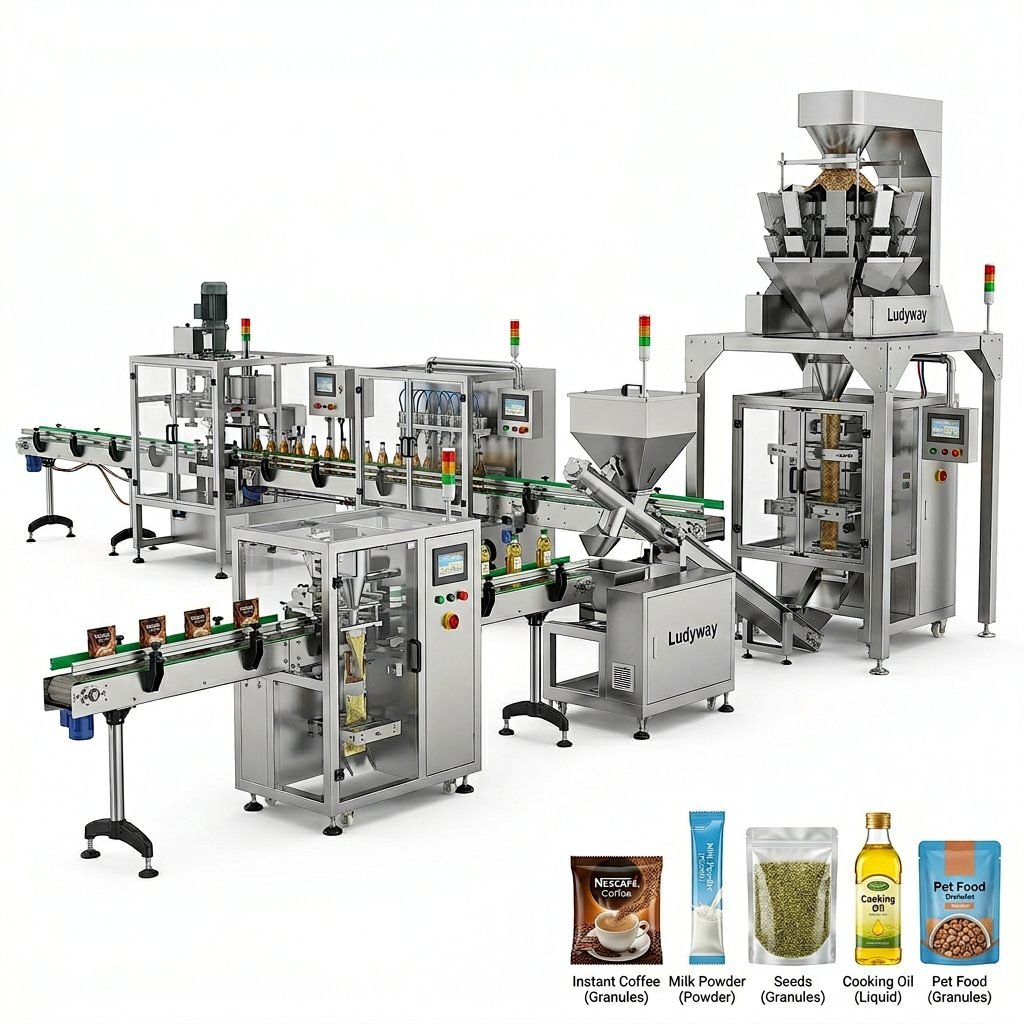
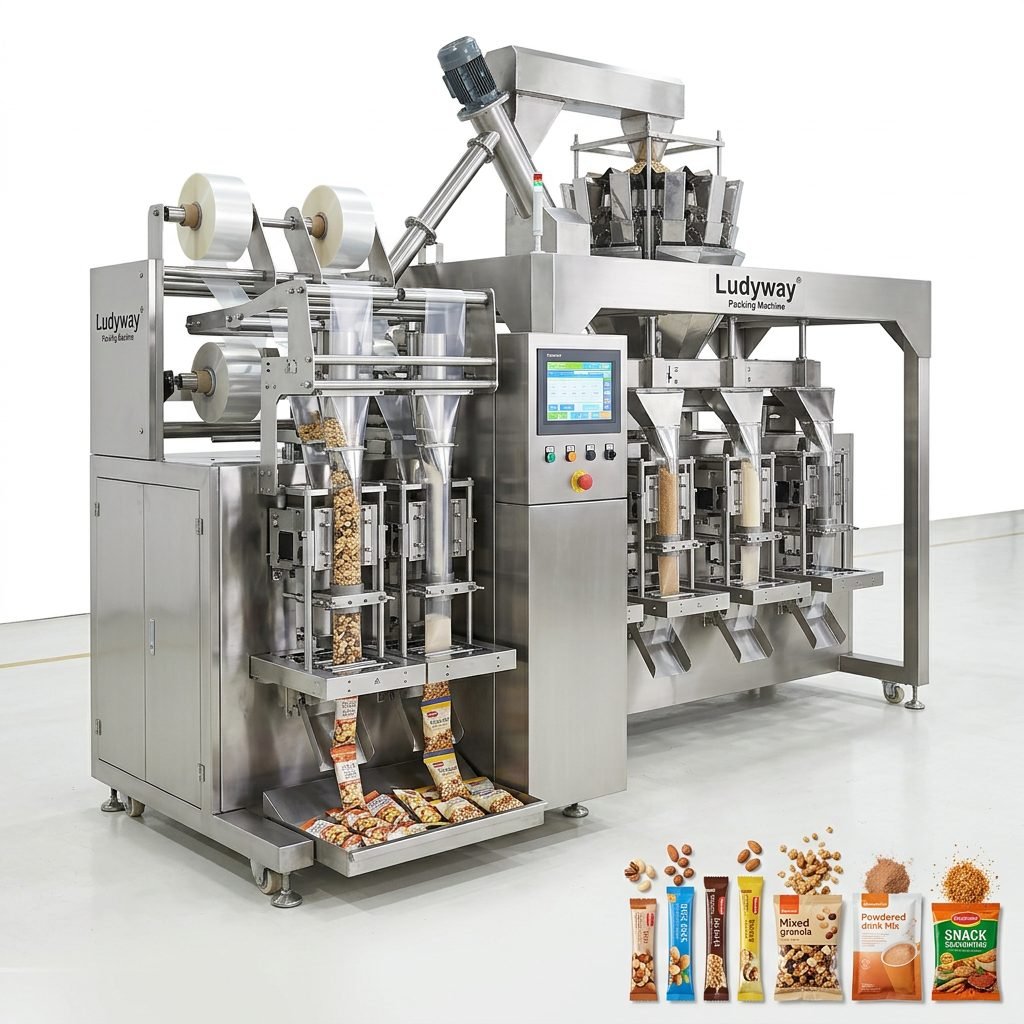
For brewers and hop suppliers, the final step of preserving and presenting their prized hops is as crucial as the cultivation process itself. Efficient, consistent, and protective packaging is paramount. Selecting the right hops packaging machine is not merely a purchase; it’s an investment in product integrity, brand reputation, and operational efficiency. This guide will navigate the key considerations to help you choose the best equipment for your specific needs.
Understanding Your Hops Packaging Requirements
Before diving into machine specifications, a clear assessment of your own operation is essential. The ideal machine is one that aligns perfectly with your production goals.
1. Primary Packaging Format
The choice of package type often dictates the machine category. Common formats for hops include:
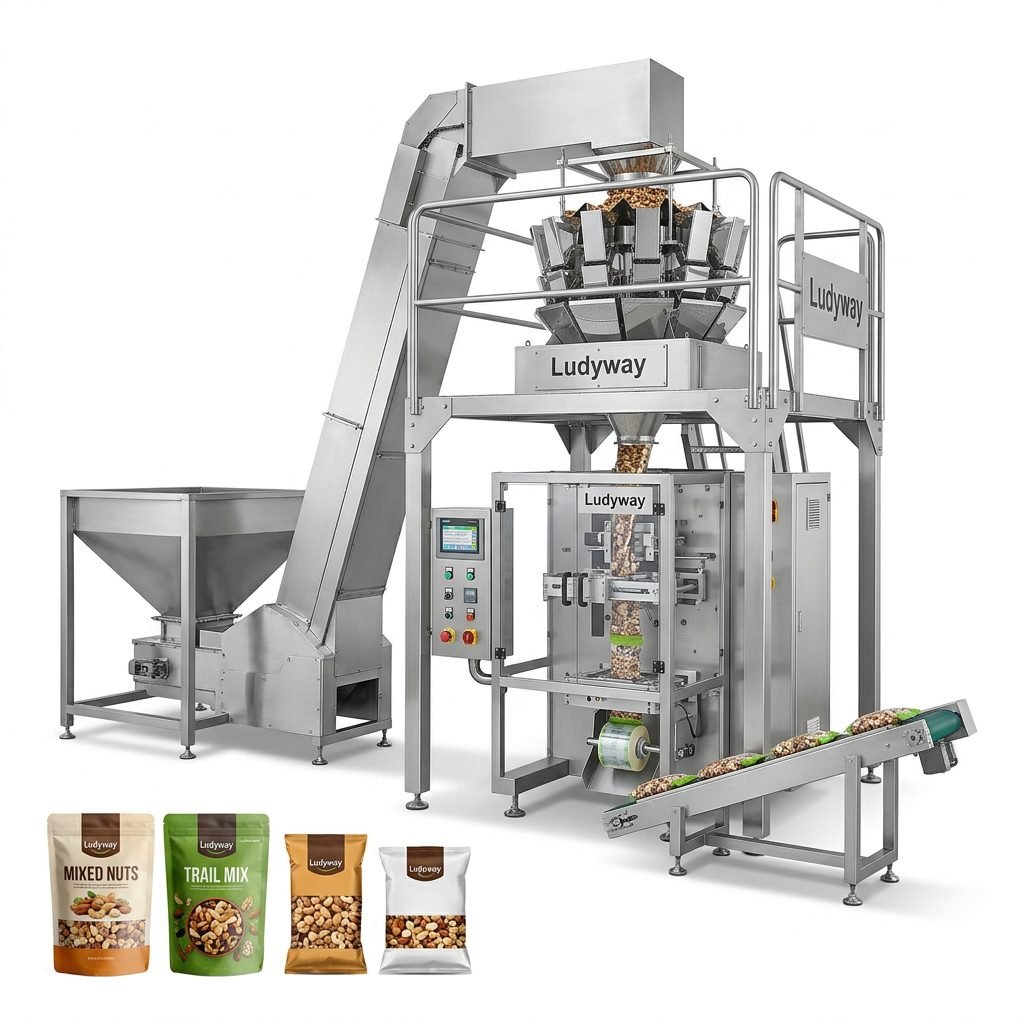
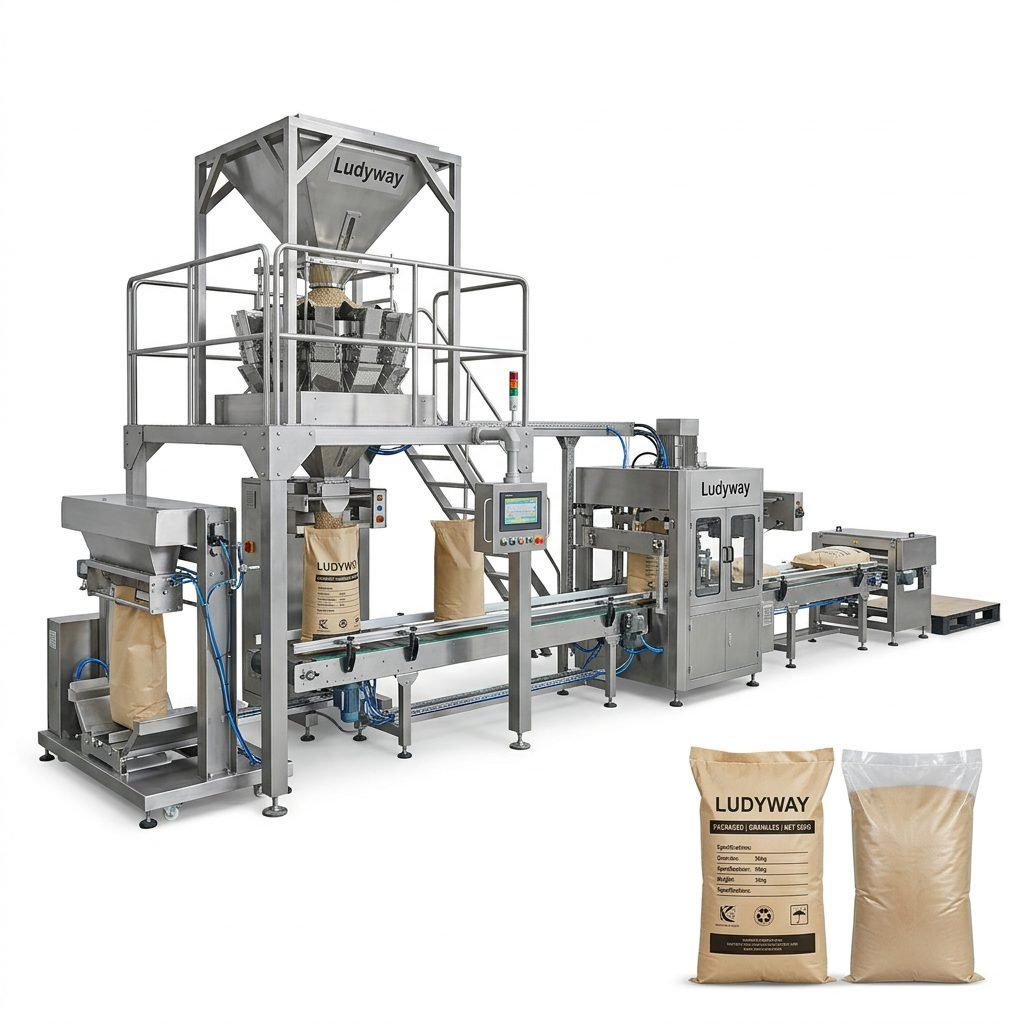
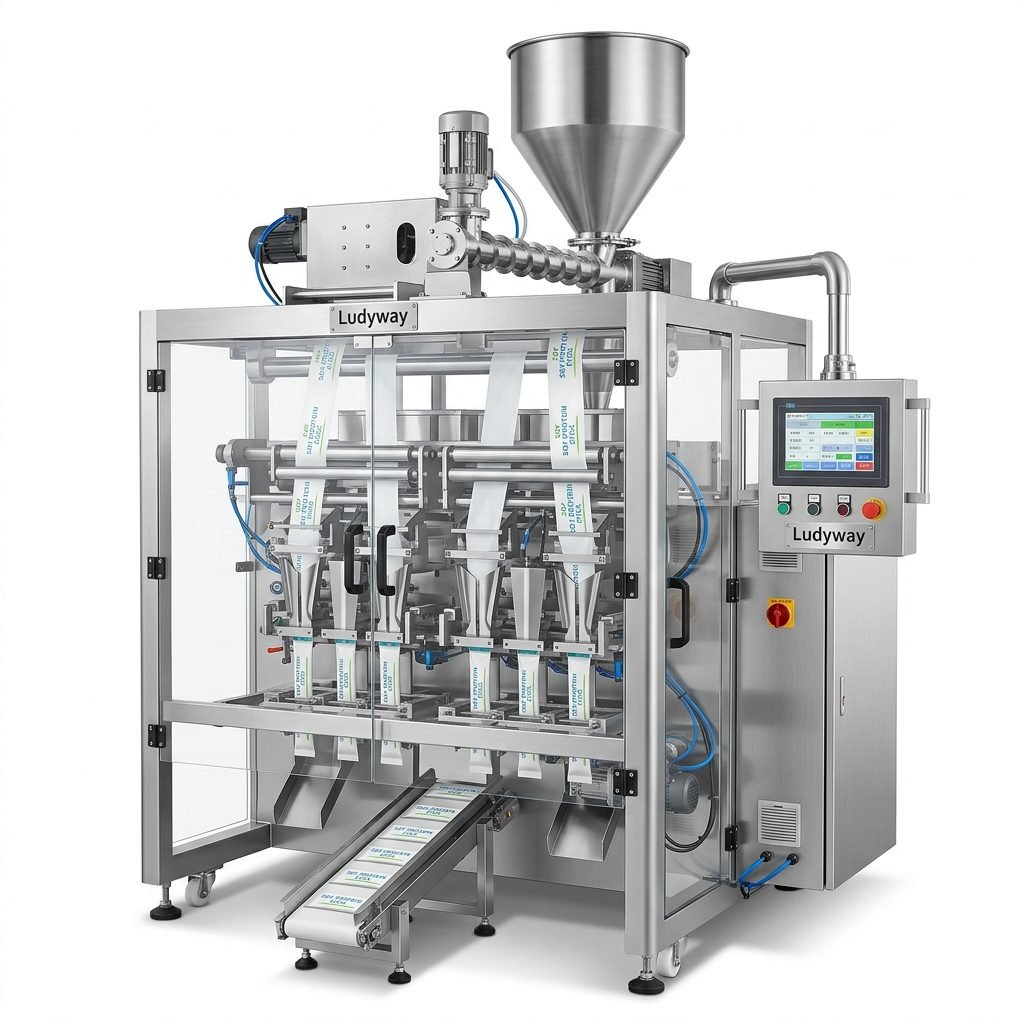
• Mylar Bags / Foil Pouches: The industry standard for their excellent barrier properties against oxygen and light. Machines for this format are typically vertical form-fill-seal (VFFS) systems.
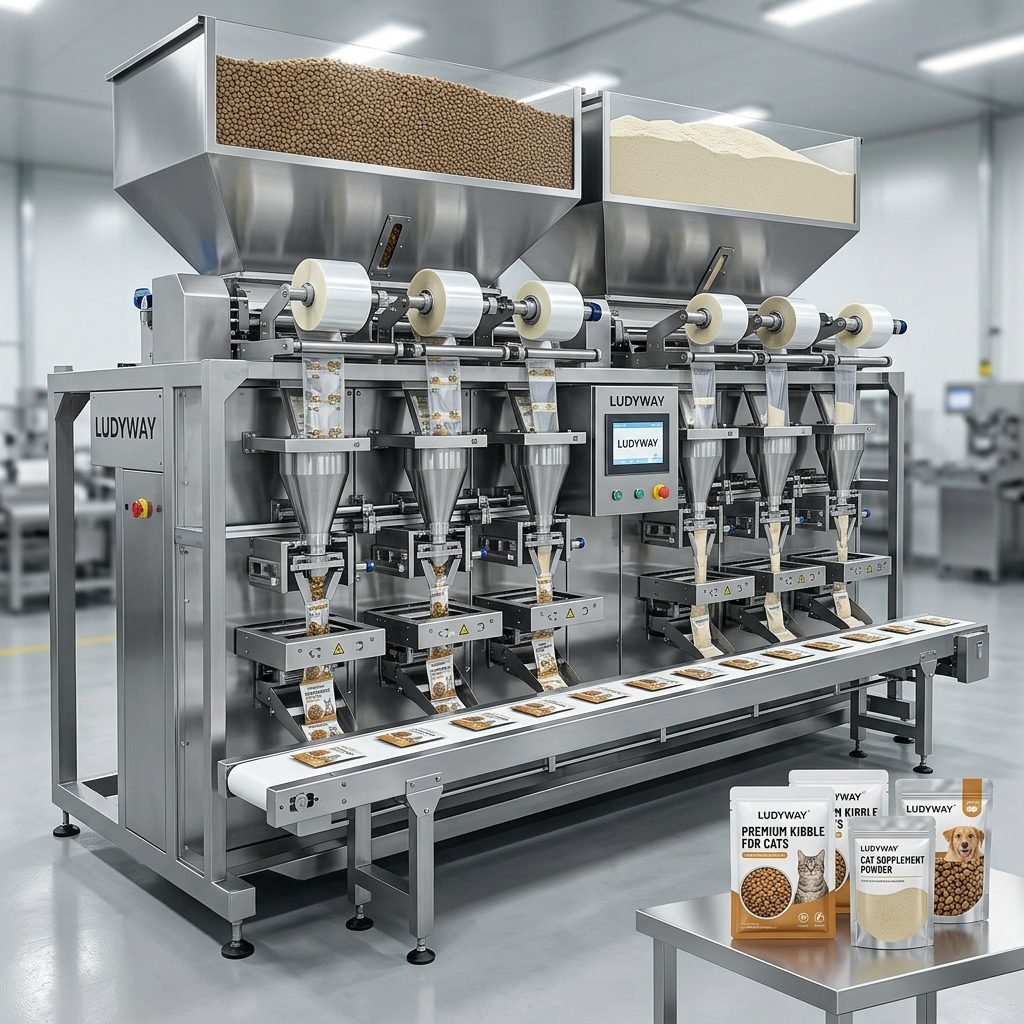
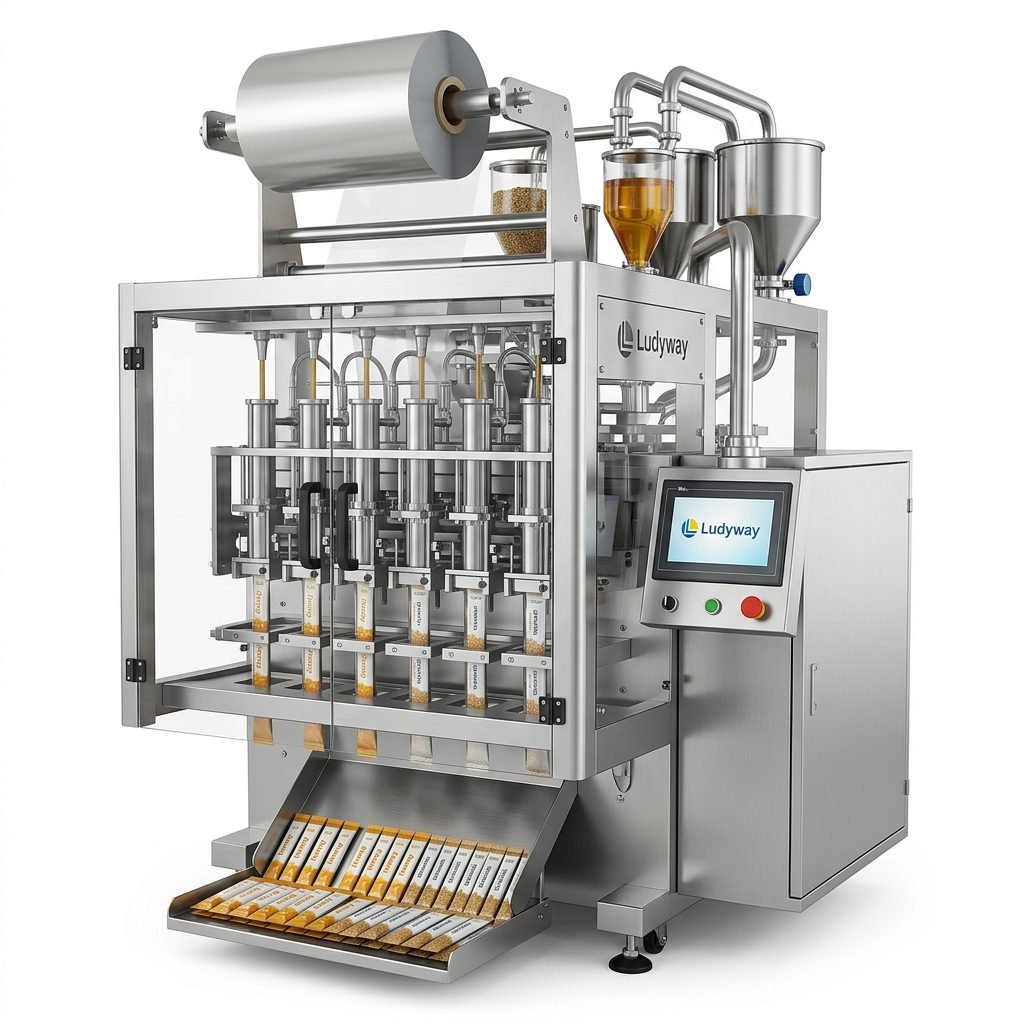
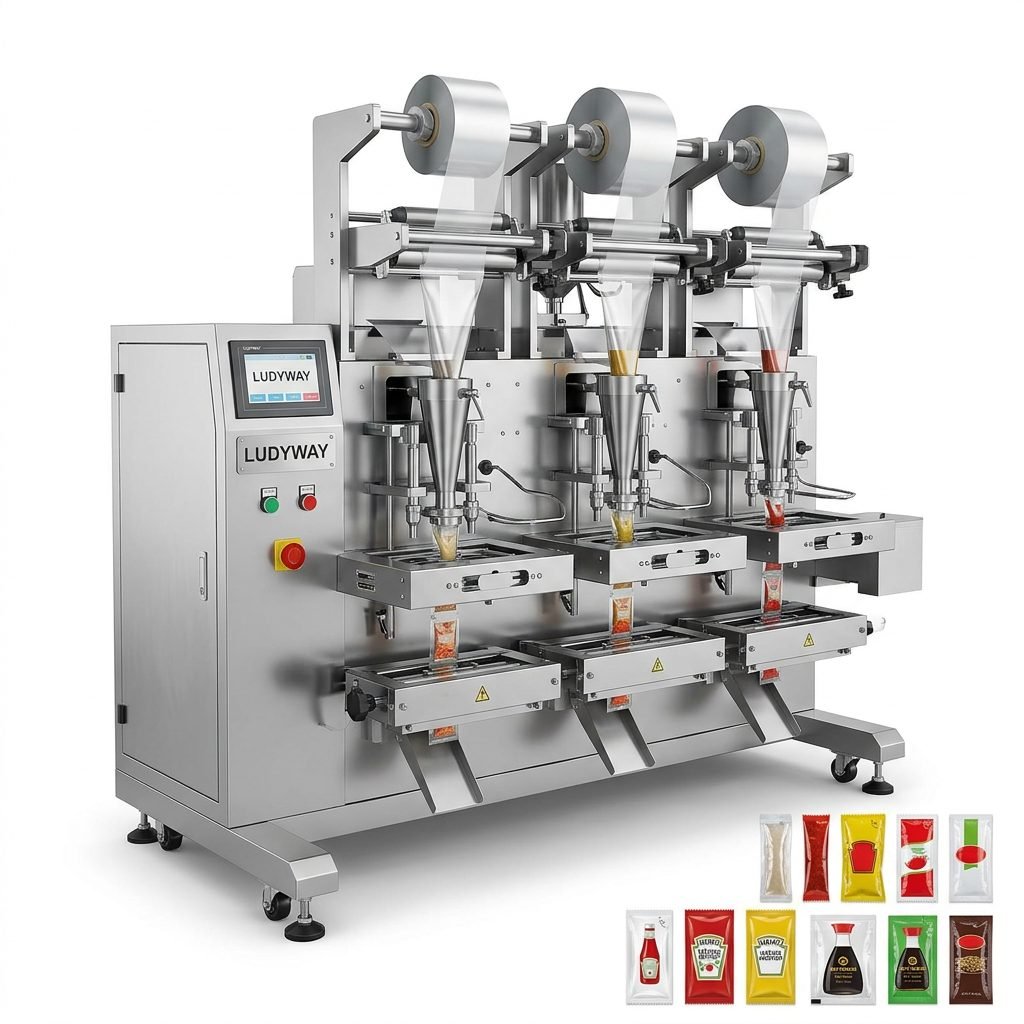
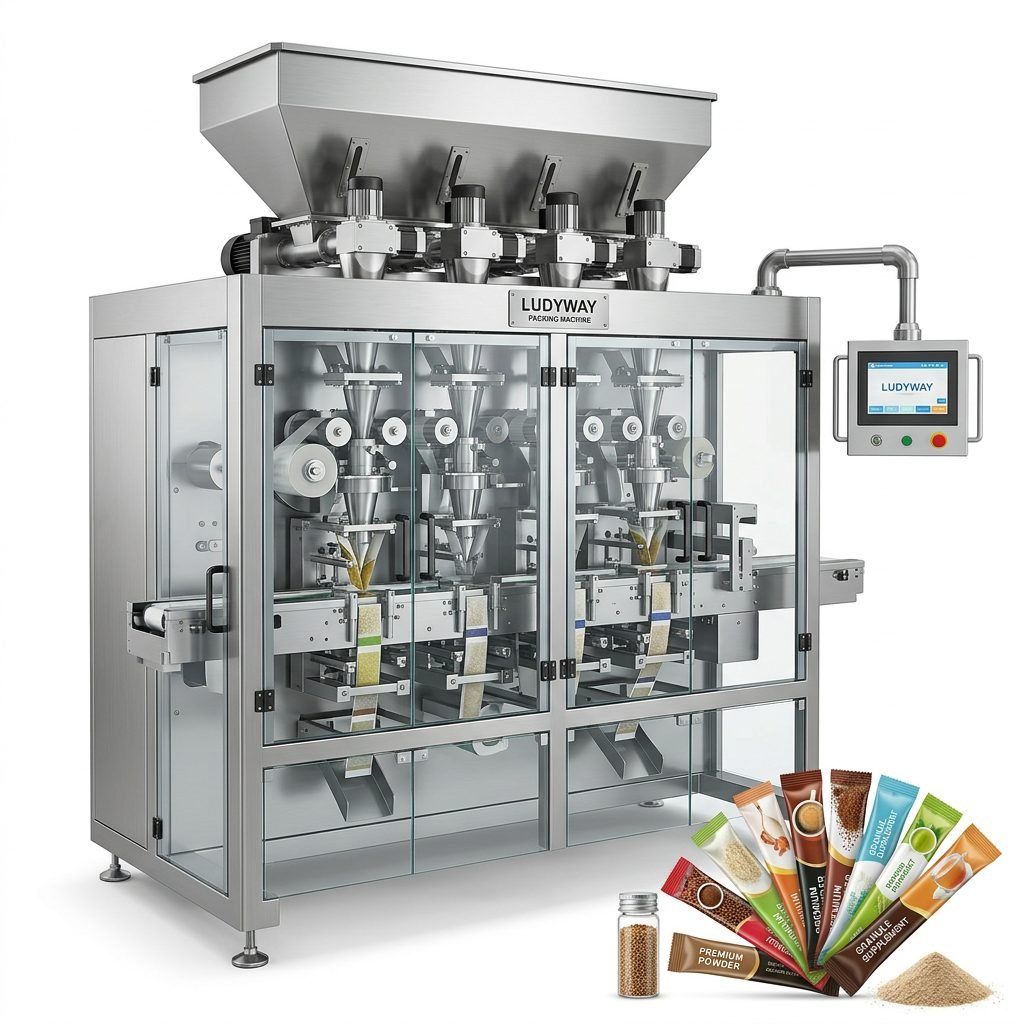
• Stick Packs (Single-Serve): Gaining popularity for pre-measured, single-batch doses. These require specialized multi-lane stick pack machines for high-volume output.
• Canisters or Tins: Less common but used for premium products. This often involves semi-automatic filling and capping lines.
2. Production Volume & Speed
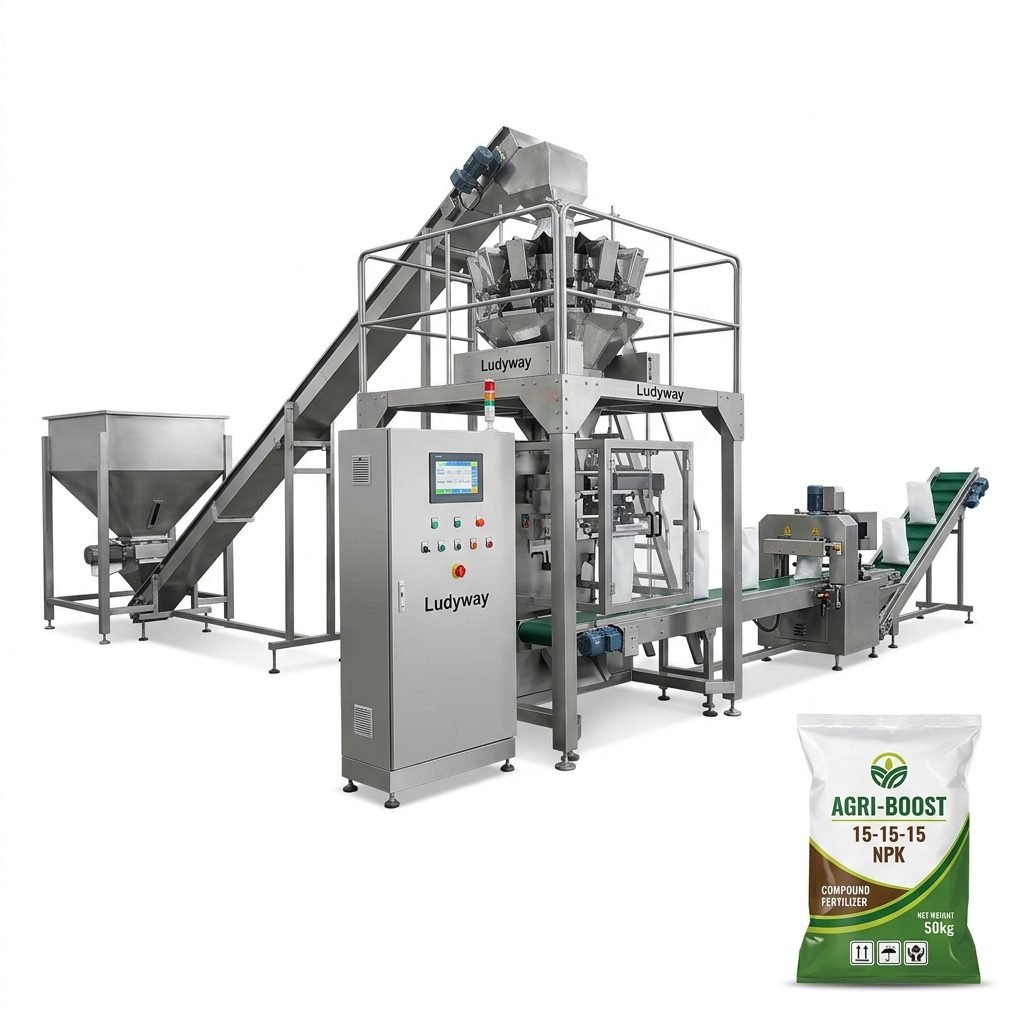
Are you a craft brewery packaging your own harvest, or a large-scale hop supplier? Your output dictates machine speed (bags/minute) and the level of automation required. A small-scale operation might prioritize a compact, semi-automatic machine, while a large supplier needs a fully automated, high-speed system capable of running multiple lanes simultaneously.
3. Hop Pellet Characteristics
Hop pellets, while denser than leaf hops, can be delicate and vary in size and oil content. The machine’s handling system—from the bulk hopper to the filling auger—must be gentle to prevent pellet degradation and precise to ensure accurate weight measurement for every pouch.
⚠️ Critical Factor: Gas Flushing
Hop preservation hinges on removing oxygen. The most critical feature of a hops packaging machine is its integrated gas flushing system (typically using nitrogen or CO₂). The machine must create a sealed pouch and efficiently displace air with the inert gas before the final seal. The effectiveness of this system directly impacts hop shelf life and aroma preservation.
Key Features to Evaluate in a Hops Packaging Machine
Beyond the basics, these features separate adequate equipment from superior solutions.
Precision Weighing & Filling System
Look for machines with high-accuracy load cells and servo-driven auger fillers. Consistency is key—every bag must contain the exact weight advertised, whether it’s 1 oz, 8 oz, or 1 lb. Some advanced systems offer weight feedback correction to auto-adjust the fill in real-time, minimizing giveaway and ensuring compliance.
Robust Sealing Technology
The integrity of the seal is your product’s primary defense. Machines should offer adjustable, temperature-controlled sealing jaws that can reliably seal through possible hop oil residue on the film. A double or triple seal bar design provides an extra layer of security against seal failure.
User-Friendly HMI & Controls
The operator interface should be intuitive, often a touchscreen PLC. It should allow for easy recipe storage (for different hop varieties and bag sizes), quick changeovers, and clear diagnostics. Remote monitoring capabilities are a valuable modern feature for proactive maintenance.
Material & Construction
Hops are an agricultural product. The machine’s contact parts, especially the hopper and filling system, should be made of food-grade stainless steel. This ensures hygiene, prevents contamination, and resists corrosion, making cleaning and maintenance straightforward.
Integration & Support: The Complete Solution
The machine does not operate in a vacuum. Consider how it fits into your line.
• Upstream Integration: Does it connect smoothly to your pellet handling or conveying system?
• Downstream Integration: Can it be linked to a checkweigher, metal detector, or cartoning system?
• Supplier Expertise: Choose a partner with proven experience in packaging machinery for food and sensitive ingredients. They should understand the unique challenges of hop packaging.
Why Partner with a Specialized Provider?
A partner like Ludyway Machinery brings more than just a machine. With over a decade of focus on packaging solutions, they offer:
✅ Customization: Tailoring the machine’s hopper, auger, and gas flush cycle specifically for hop pellet characteristics.
✅ Turnkey Lines: Providing complete, synchronized lines from bulk handling to case packing.
✅ Global Support: Offering installation, training, and accessible spare parts support, crucial for maintaining uptime.
✅ Proven Models: A range of reliable packaging equipment designed for granules and powders, adaptable to hops.
Making the Final Decision
Always request a product sample test run using your specific hop pellets and packaging film. This is the only way to verify filling accuracy, seal quality, and gas flush effectiveness firsthand. Evaluate the total cost of ownership, including energy consumption, film waste, and expected maintenance, not just the initial purchase price.
Investing in the right hops packaging machine safeguards the quality of your product from the processing line to the brewer’s kettle. It enhances efficiency, ensures consistency, and protects the vibrant aromas and flavors that brewers and beer enthusiasts value so highly. By carefully considering your format, volume, and the critical features outlined above, you can select equipment that becomes a reliable cornerstone of your operation for years to come. For insights into implementing such solutions, explore our perspective on automated packaging line integration.
Frequently Asked Questions (FAQs)
1. What is the most important feature in a machine for packaging hop pellets?
The gas flushing (nitrogen flushing) system is paramount. Its efficiency in removing oxygen from the pouch before sealing is the single biggest factor in preserving hop alpha acids, oils, and overall shelf life. A machine with a poorly designed gas flush will lead to rapid oxidation and staling.
2. Can one machine handle different bag sizes, like 1oz, 4oz, and 1lb?
Yes, most modern vertical form-fill-seal machines are designed for quick changeover. By changing the forming tube (diameter), sealing jaw width, and adjusting the film web guide, you can switch between a range of bag sizes. The key is to work with your supplier to define the size range you need and ensure the machine is configured to handle it efficiently.
3. How do I ensure the pellets aren’t crushed during the filling process?
This depends on the filling system design. Look for machines with a gentle, servo-driven auger filler that allows for precise control of the filling speed and torque. The design of the drop chute from the auger to the forming bag is also critical—it should guide pellets without creating a high-impact fall or pinch points.
4. What type of packaging film is required for hops?
Hops require a high-barrier, multi-layer laminate film, typically with a metalized layer (like Mylar) or aluminum foil as a core. This provides an essential barrier against oxygen transmission and light. The machine must be compatible with running these sometimes thicker, less flexible films and creating a strong, hermetic seal through all layers.
5. Is fully automatic packaging necessary, or is semi-automatic sufficient?
This hinges entirely on your production volume and labor costs. Semi-automatic machines (where an operator manually triggers each cycle) are cost-effective for very low volumes (< 500 bags/day). For any serious production output, a fully automatic machine that continuously forms, fills, flushes, and seals bags without constant operator intervention is far more efficient, consistent, and cost-effective in the long run.