In the fast-paced pharmaceutical manufacturing sector, efficiency, accuracy, and compliance are non-negotiable. At the heart of modern tablet and capsule production lines lies a critical piece of equipment: the pharmacy pill packaging machine. This comprehensive guide delves into the various types of machines available, their key features, and provides a detailed framework for selecting the optimal system for your specific operational needs.
Understanding Pharmacy Pill Packaging Machines
Pharmacy pill packaging machines are automated systems designed to count, fill, and seal individual doses of tablets or capsules into blister packs, bottles, sachets, or other unit-dose formats. These machines are engineered to meet stringent Good Manufacturing Practice (GMP) standards, ensuring product integrity, patient safety, and traceability throughout the packaging process.
The primary goal is to enhance production speed while minimizing human error and contamination risks. From small-scale compounding pharmacies to large-scale pharmaceutical contract manufacturers, the right packaging machine is a pivotal investment that impacts productivity, regulatory compliance, and overall operational cost.
Core Objectives of Automated Pill Packaging:
- Accuracy & Precision: Ensures exact pill count per package, crucial for dosage.
- Contamination Control: Maintains a hygienic environment for sensitive pharmaceuticals.
- High-Speed Output: Drastically increases packaging throughput compared to manual methods.
- Regulatory Compliance: Facilitates adherence to FDA, EMA, and other global health authority standards.
- Product Protection: Provides secure sealing to protect pills from moisture, light, and physical damage.
Main Types of Pill Packaging Machines
The market offers a variety of machines, each suited for different production scales, package types, and materials. Understanding these categories is the first step in making an informed choice.
1. Blister Packaging Machines
These are the most common type for unit-dose packaging. They form a cavity (blister) from a roll of thermoformable plastic or aluminum foil, fill it with pills, and then seal it with a lidding material (often foil). They are ideal for over-the-counter (OTC) medications, prescription pills, and clinical trial kits.
Common Variants: Thermoformers (using heat to form blisters) and Cold Form machines (using mechanical pressure with high-barrier aluminum).
2. Bottle Filling & Capping Machines
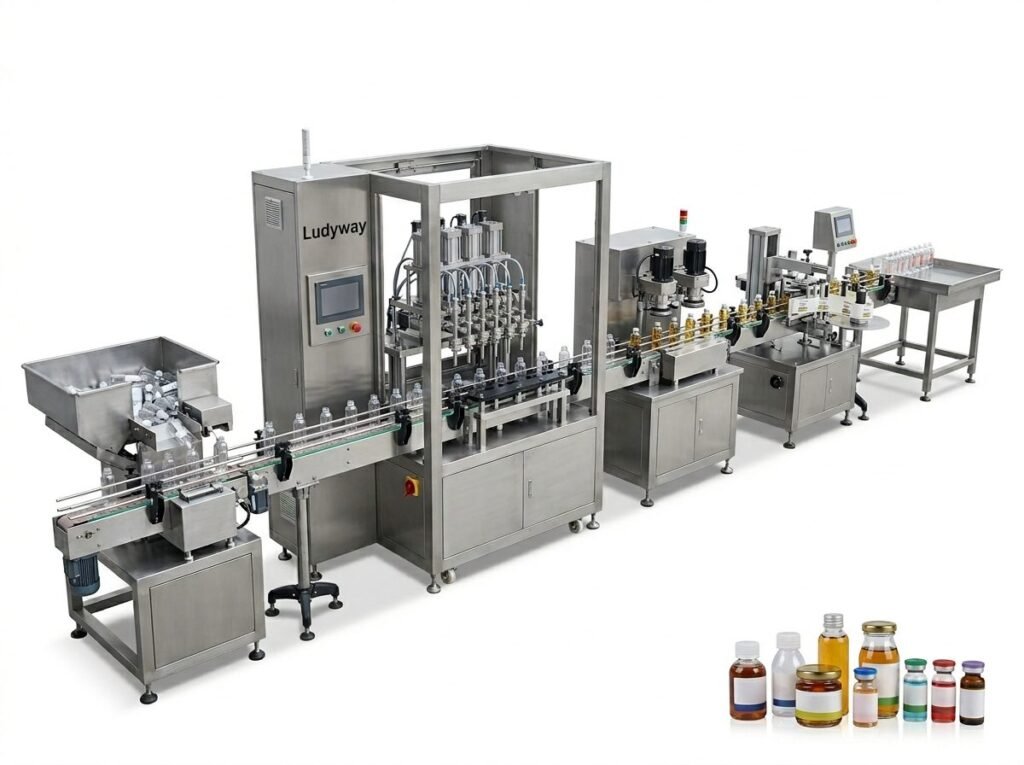
Designed for counting and filling pills into plastic or glass bottles, often followed by automatic cottoning, induction sealing, and capping. This system is preferred for larger quantity dispensing, such as for pharmacy bulk containers or retail stock bottles.
3. Strip Packaging Machines
These machines create individual sealed pockets (or strips) in a continuous roll, where each pocket contains one or more pills. The material is typically a paper/plastic or foil laminate. Strip packs are highly portable and popular for samples, short-course antibiotics, and products in humid climates due to their excellent barrier properties.
4. Pouch (Sachet) Packaging Machines
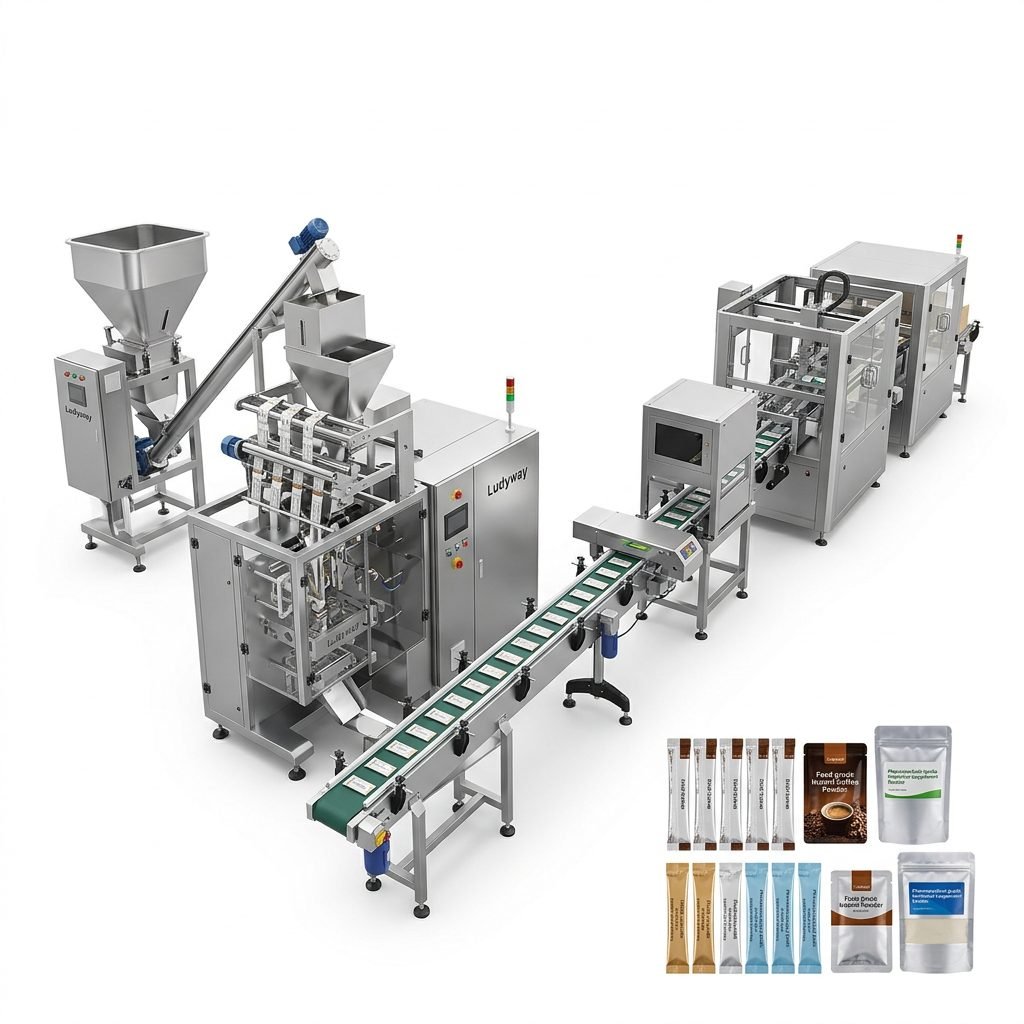
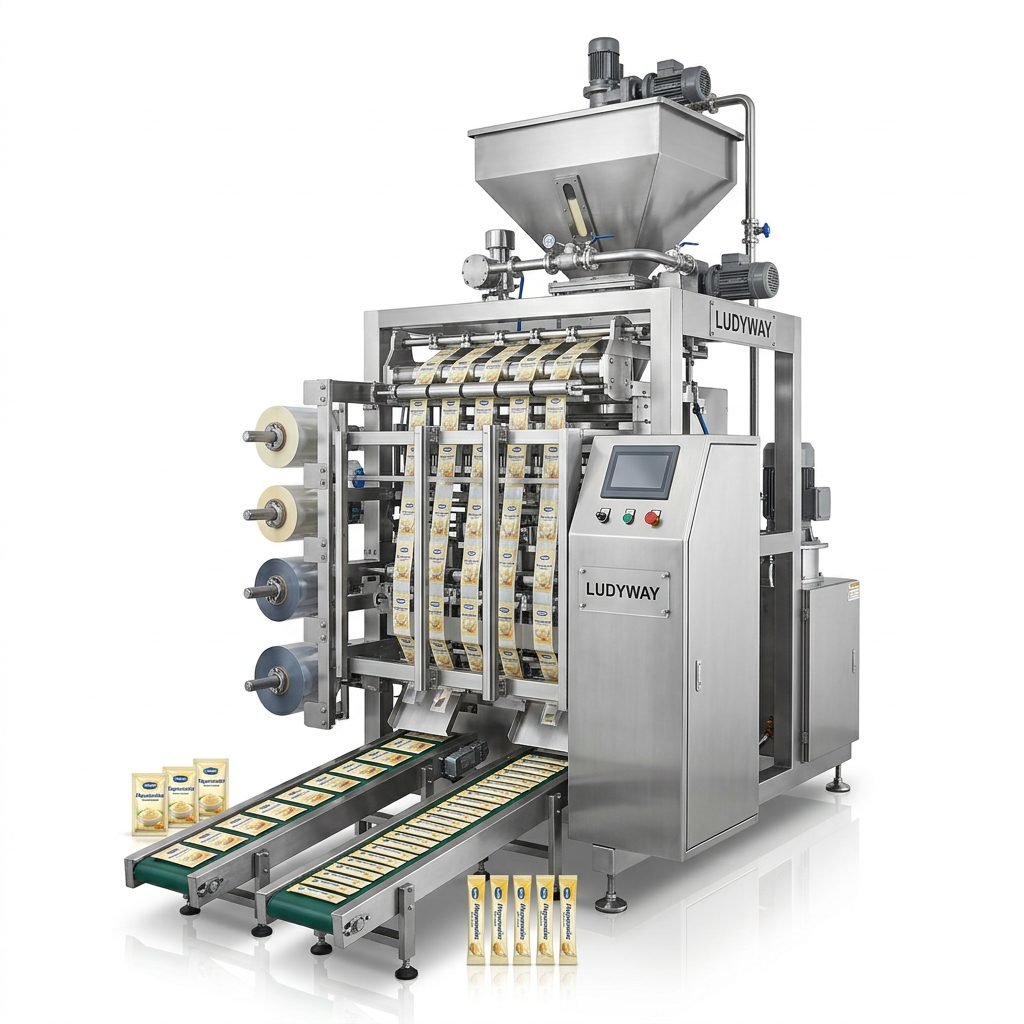
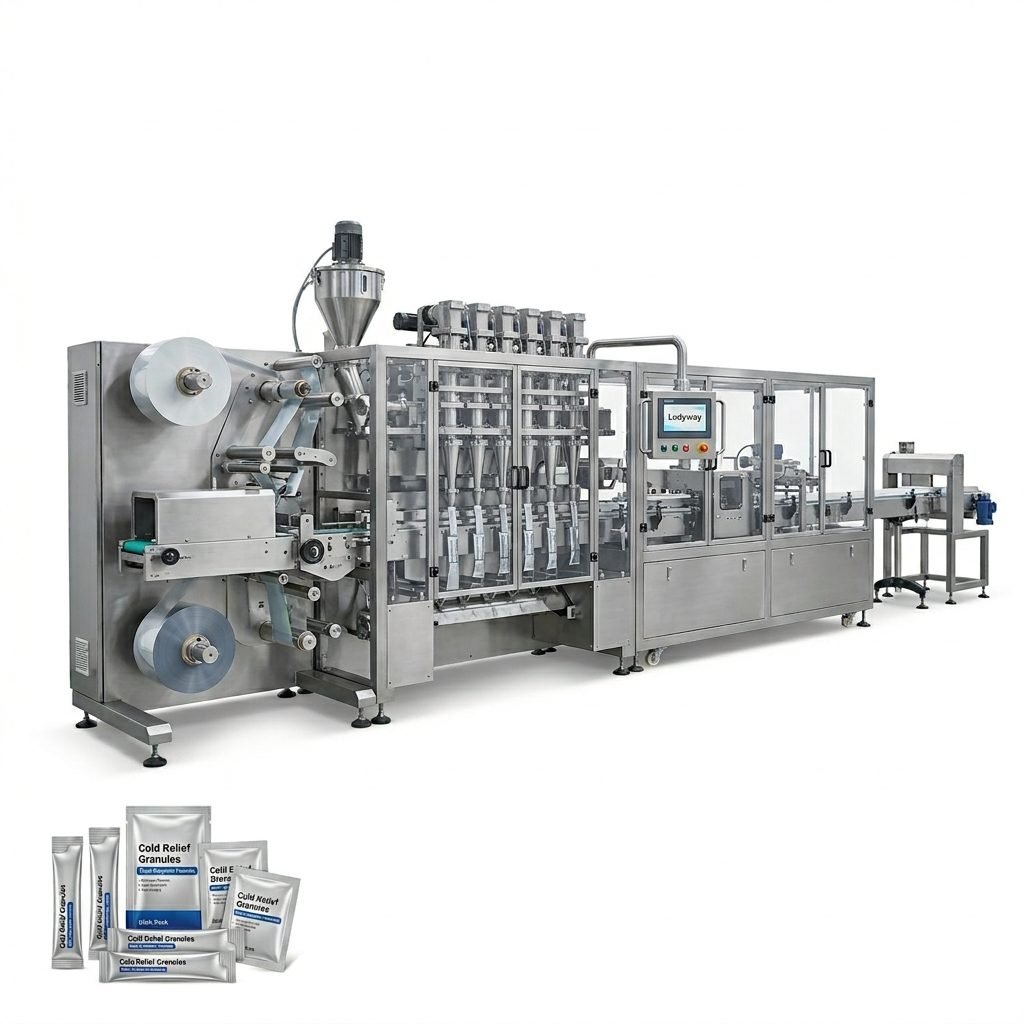
While often used for powders and granules, vertical form-fill-seal (VFFS) machines can also package a single dose or a few pills in small, sealed pouches. This format is gaining traction for personalized medicine packs and nutraceuticals.
5. Counting & Filling Machines
These are often semi-automatic or automatic units focused solely on accurately counting pills (using slat counters, photo-eye counters, or weighing systems) and depositing them into a container. They are a core component of many bottling lines.
Essential Features & Technological Considerations
Modern pill packaging machines come equipped with advanced features that drive efficiency and quality control. When evaluating options, pay close attention to the following:
A. Accuracy & Counting Mechanisms
The counting system is paramount. Look for machines with high-precision servo drives and advanced sensors. Vision inspection systems can now verify count, detect broken or misshapen pills, and even check for correct imprint before sealing, adding a critical quality assurance layer.
B. Speed & Production Capacity
Machine speed, measured in cycles per minute (CPM) or packs per minute (PPM), must align with your output requirements. High-speed blister lines can exceed 400 blisters per minute, while simpler counters may handle 30-60 bottles per minute. Consider not just peak speed, but sustainable operational speed with your specific product.
C. Flexibility & Changeover
Quick Changeover (QCO) capabilities are vital for facilities running multiple products. Features like tool-less change parts, digital recipe storage, and auto-adjusting forming dies can reduce changeover time from hours to minutes, maximizing equipment utilization. For a range of flexible packaging solutions, exploring options from a reliable sachet packaging machine supplier can be beneficial for complementary production needs.
D. Material Compatibility & Sealing
The machine must reliably handle your chosen packaging materials—whether PVC/PVDC/Alu blisters, cold-form aluminum, or various laminates for strips. A consistent, robust heat-sealing system (with precise temperature control) is essential to ensure package integrity and prolong shelf life.
E. Compliance & Documentation Features
For pharmaceutical use, features that aid compliance are critical. This includes easy-clean designs (with minimal crevices), 21 CFR Part 11 compliant software for audit trails, and integrated vision systems for 100% inspection. Data logging of production parameters is a significant advantage.
How to Choose the Best Pill Packaging Machine: A Step-by-Step Guide
Selecting the right machine requires a systematic assessment of your current and future needs.
Step 1: Define Your Core Requirements
Start by answering fundamental questions:
• Product Profile: What is the size, shape, and fragility of your pills?
• Packaging Format: Blister, bottle, strip, or pouch?
• Production Volume: What are your daily/weekly output targets?
• Material: What specific films, foils, or lidding materials will you use?
Step 2: Evaluate Machine Specifications
Match your requirements from Step 1 against technical specs: speed, accuracy (e.g., ±1 pill per 1000), maximum/minimum pill size, material roll width, and required utilities (air pressure, electrical specs).
Step 3: Assess Automation & Integration Level
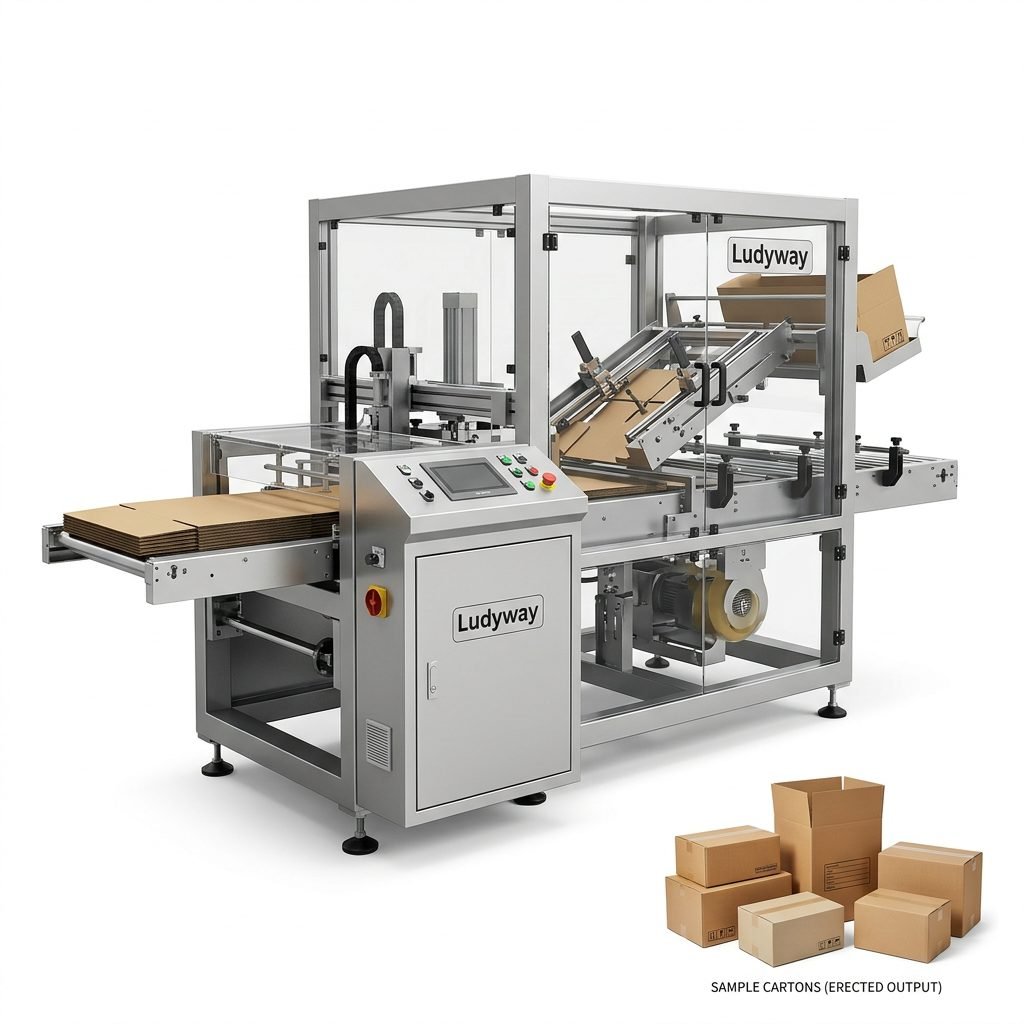
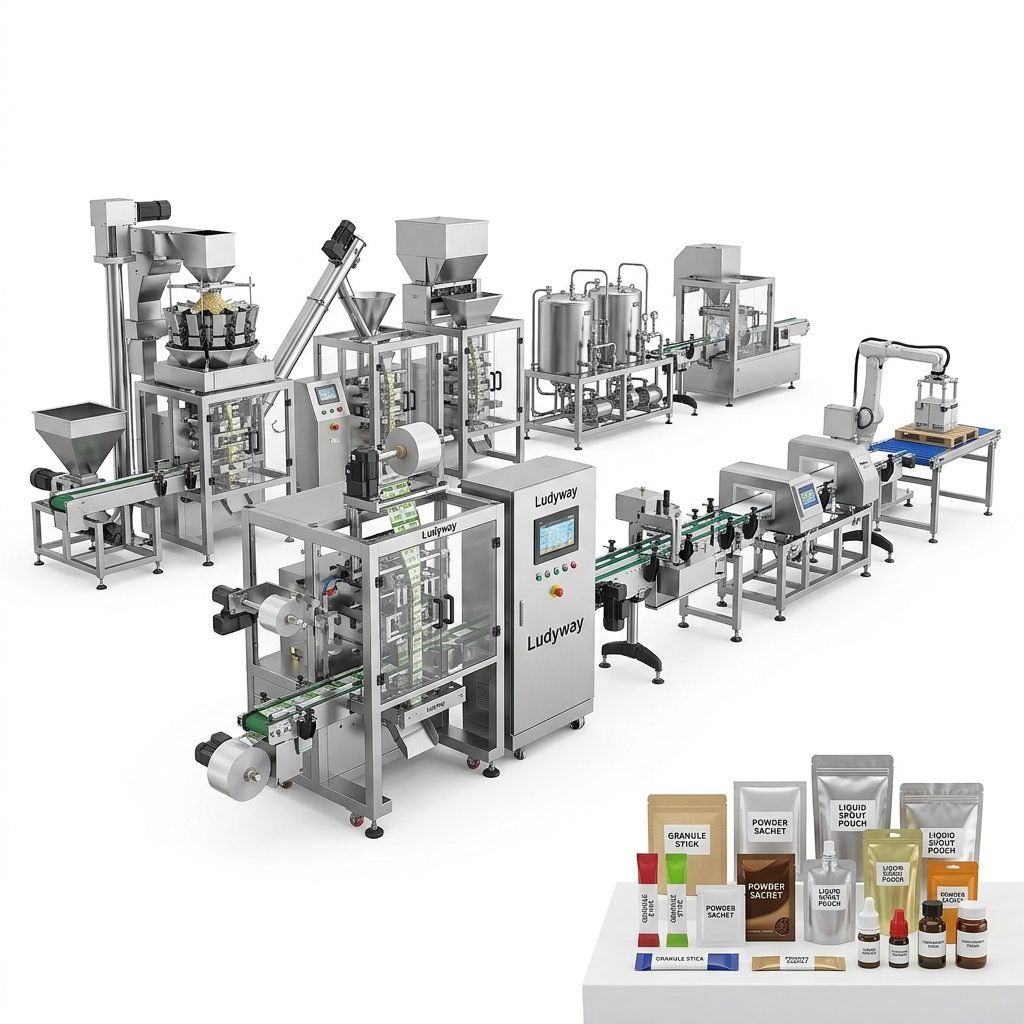
Determine if you need a standalone machine or one that integrates into a full line with upstream product handling and downstream cartoning. Consider the level of automation—fully automatic, semi-automatic, or manual loading. For comprehensive production solutions, a turnkey packaging line provider can orchestrate seamless integration of all components.
Step 4: Prioritize Ease of Use & Support
The best machine is one your team can operate and maintain efficiently. Look for user-friendly HMIs (Human-Machine Interfaces), accessible service points, and comprehensive training. The availability of local technical support and spare parts is a crucial, often overlooked factor.
Step 5: Consider Total Cost of Ownership (TCO)
Look beyond the initial purchase price. Calculate TCO by factoring in:
• Energy consumption
• Material waste rates
• Maintenance costs and downtime
• Cost and lead time for change parts
A slightly more expensive machine with higher efficiency and lower waste can offer a far better return on investment. Partnering with an experienced pharmaceutical packaging machinery manufacturer often ensures better long-term reliability and support.
Step 6: Request a Product Sample Test
Always insist on a live or video demonstration using your exact pills and packaging materials. This is the only way to truly validate machine performance, accuracy, and the quality of the finished package.
Frequently Asked Questions (FAQs)
Q1: What is the main difference between a thermoform blister machine and a cold form blister machine?
A: Thermoform machines use heat to soften a plastic web (like PVC) and form blisters. Cold form machines use mechanical pressure to draw a special laminated aluminum foil (Aclar/Alu) into cavities without heat, offering superior moisture and oxygen barrier properties for highly sensitive drugs.
Q2: How can I ensure my packaging machine meets FDA regulations?
A: Choose a machine designed with GMP principles: use of sanitary materials (e.g., stainless steel), easy cleanability, and validated processes. Software should support electronic records and audit trails (21 CFR Part 11). Documentation from the manufacturer on design qualifications (DQ) is also beneficial.
Q3: What are the key maintenance routines for a pill packaging machine?
A: Daily cleaning, lubrication of moving parts as per the manual, and inspection of seals and wear parts (like forming dies and cutting knives). Regular calibration of sensors and scales is critical. Adhering to a preventive maintenance schedule provided by the supplier is essential to avoid unplanned downtime.
Q4: Can one machine handle multiple pill sizes and packaging formats?
A: Many machines offer flexibility within a range. However, significant changes in pill size (e.g., from a small tablet to a large capsule) or a switch in format (e.g., from blisters to bottles) typically require different machine models or major changeover kits. “Multi-purpose” machines often involve compromises in speed or optimization.
Q5: What are the common causes of packaging defects, and how can they be minimized?
A: Common defects include misformed blisters, poor sealing, and incorrect counts. Causes range from incorrect machine settings (temperature, pressure), worn tooling, unsuitable packaging material, or product variation. Minimization involves proper machine validation, operator training, rigorous material testing, and implementing in-line vision inspection systems to catch defects in real-time.