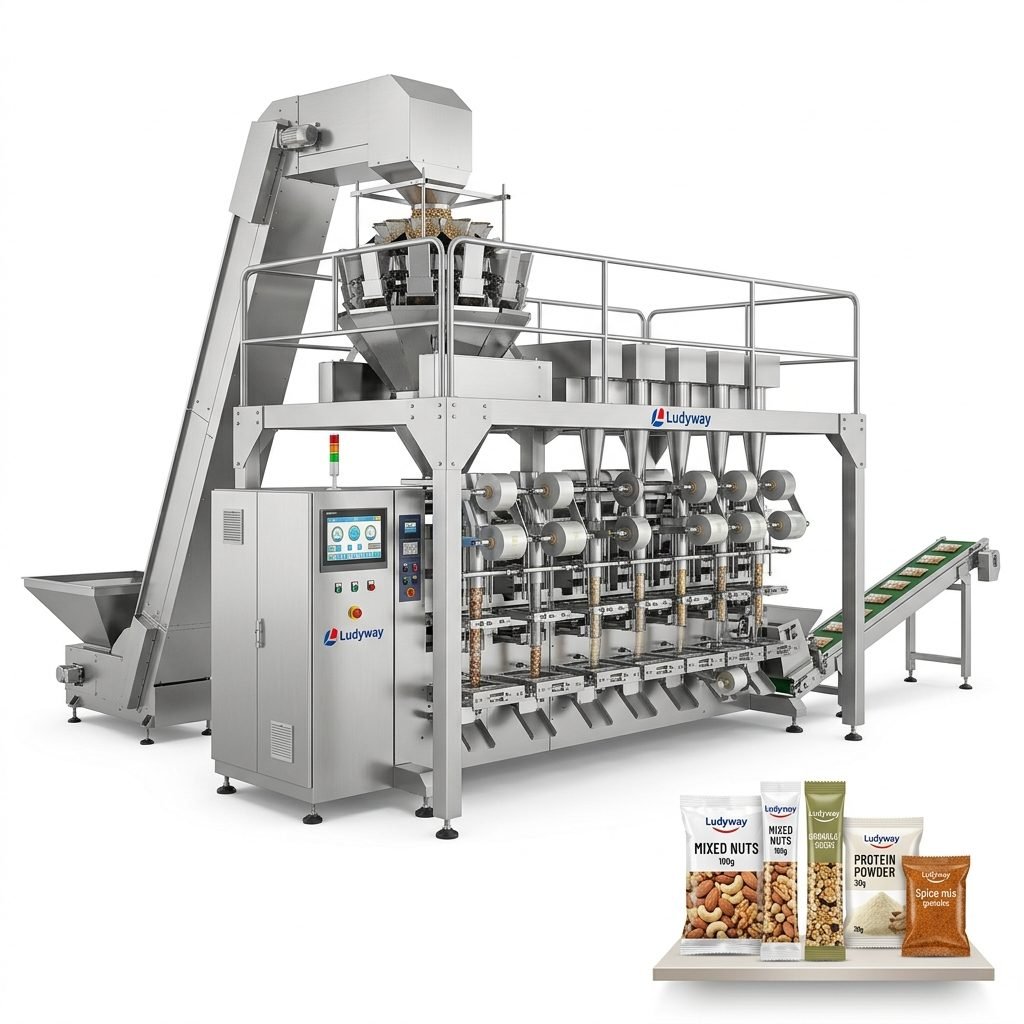
In the competitive landscape of modern manufacturing, optimizing your production line with the right equipment is crucial. For many businesses, purchasing brand-new industrial packaging machinery represents a significant capital expenditure. This is where the market for used industrial packaging equipment presents a compelling opportunity. Acquiring reliable, pre-owned machines can dramatically reduce upfront costs while still delivering the performance and efficiency needed to maintain or boost productivity. However, navigating this market requires careful strategy to ensure you find affordable machines that are truly reliable and suitable for your specific production needs.
Understanding the Value Proposition of Used Equipment
The primary advantage of opting for used industrial packaging equipment is, unequivocally, cost savings. You can often acquire a high-quality machine for a fraction of the price of a new equivalent. This allows businesses, especially small to medium-sized enterprises or those scaling operations, to allocate capital to other critical areas like raw materials, marketing, or workforce development. Furthermore, lead times are typically shorter than waiting for a new machine to be built and delivered, enabling a quicker upgrade or expansion of your packaging capabilities.
Key Consideration: The potential for cost savings must be balanced against the machine’s condition, remaining service life, and compatibility with your existing line. A deeply discounted machine that requires constant repair or cannot integrate with your controls will quickly become a liability.
Where to Source Reliable Used Packaging Machinery
Finding a reputable source is the most critical step in your search. The origin and history of the equipment directly impact its reliability.
- ➤ Specialized Dealers and Brokers: Established dealers often refurbish equipment, provide limited warranties, and have technical knowledge about the machines they sell. They act as a quality filter in the market.
- ➤ Direct from Manufacturers: Some original equipment manufacturers (OEMs) have programs for selling their own used or refurbished machines. These often come with the best support and guarantee of genuine parts.
- ➤ Online Industrial Marketplaces: Platforms like eBay Business, EquipNet, and others list vast inventories. While offering great choice, due diligence on the seller is paramount.
- ➤ Liquidation and Auction Events: Companies undergoing restructuring or closure may auction their assets. This can yield great deals but usually involves buying “as-is, where-is” with no recourse.
Evaluating Machine Condition: A Step-by-Step Guide
Never purchase a used machine based on photos or a description alone. A thorough evaluation is non-negotiable.
- Physical Inspection: Check for signs of excessive wear, corrosion, cracks in frames, or poor repairs. Look at high-stress components like gears, chains, and sealing jaws.
- Operational Test Run: If possible, run the machine with a material similar to yours. Observe its speed, consistency, noise level, and the quality of the output package.
- Maintenance and Service History: Request logs. A well-documented history is a strong indicator of a machine that has been cared for properly.
- Control System and Electronics: Assess the condition of the PLC, servos, drives, and HMI. Outdated or proprietary controls can be difficult and expensive to repair or integrate.
- Spare Parts Availability: Research if critical wear parts (like custom molds, seals, or sensors) for that specific model are still available from the OEM or third-party suppliers.
The Role of Expert Suppliers in Ensuring Success
Partnering with a knowledgeable supplier transforms the process from a risky transaction into a strategic investment. For instance, a supplier like Ludyway Packing Machine leverages over 30 years of industry experience not just in manufacturing, but in understanding the lifecycle of packaging equipment. Such experts can provide invaluable services:
They can assess a used machine’s suitability for your specific product (be it granules, powder, or liquids) and recommend necessary retrofits. They often support the installation and commissioning, ensuring the used machine integrates seamlessly into your line. Most importantly, they can provide ongoing technical support and a reliable supply of spare parts, which is the cornerstone of long-term reliability for any used equipment. Exploring the company’s history and expertise in delivering turnkey solutions can give you confidence in their ability to support a used machinery integration project.
Negotiation and Total Cost of Ownership (TCO)
The sticker price is just the beginning. An affordable machine is one with a manageable Total Cost of Ownership. Factor in these costs during negotiation:
- Immediate repairs or reconditioning needed.
- Cost of disassembly, shipping, and reinstallation.
- Potential costs for new tooling (molds, fillers) to match your product.
- Training for your operators on the specific machine.
- A budget for preventative maintenance and spare parts for the first year.
Use these anticipated costs as leverage in your price negotiations. A seller who is confident in the machine’s condition may be willing to share some of this risk or include a short warranty period.
Integration and Future-Proofing Your Investment
Successfully implementing used equipment requires planning for integration. Consider the machine’s communication protocols (e.g., Ethernet/IP, Profinet) and whether they align with your line’s control architecture. Sometimes, investing in a new PLC or control upgrade for the used machine is worthwhile to ensure connectivity and data collection. Furthermore, consider the machine’s flexibility. Can it handle future package size changes with simple adjustments, or would it require expensive new tooling? Thinking ahead protects the long-term value of your purchase.
For businesses looking to build a complete, cost-effective line, sourcing a core used machine from a reliable vendor and complementing it with new, specialized components (like checkweighers or labelers) from a partner like Ludyway Machinery can be an optimal strategy. This blends the economy of used equipment with the warranty and latest technology where it matters most.
Final Checklist Before Purchase
- ✅ Have you physically inspected and test-run the machine?
- ✅ Have you verified parts availability and service support?
- ✅ Have you received a detailed list of what is included (guards, spare parts, manuals)?
- ✅ Do you have a clear quote for all ancillary costs (shipping, installation, training)?
- ✅ Have you confirmed the electrical requirements and safety certifications for your region?
- ✅ Does the seller provide any post-sale support or warranty?
Frequently Asked Questions (FAQs)
Q1: Is used packaging equipment less reliable than new machines?
Not necessarily. A well-maintained used machine from a reputable brand can be extremely reliable. The key is thorough due diligence on its condition, maintenance history, and the availability of technical support and spare parts. A neglected new machine can be less reliable than a meticulously cared-for used one.
Q2: What is the biggest risk when buying used industrial equipment?
The greatest risk is hidden damage or excessive wear that leads to catastrophic failure shortly after purchase, resulting in costly downtime and repairs. This risk is mitigated by a professional inspection, requesting service history, and, whenever possible, purchasing from a trusted dealer who offers some form of guarantee or warranty.
Q3: How can I ensure the used machine will work with my specific product?
Provide the seller with a detailed sample of your product (including particle size, flow characteristics, moisture content, etc.) and your packaging materials. The ideal scenario is a test run at the seller’s facility or a video demonstration. An experienced supplier can analyze your product specs against the machine’s capabilities.
Q4: Are spare parts hard to find for older used machines?
It depends on the manufacturer and model. For popular models from major OEMs, parts may still be available. For obsolete or niche models, parts can be a challenge. Before buying, research parts availability. A good supplier will often support the machines they sell with parts sourcing or even custom manufacturing of wear components.
Q5: Should I buy a used machine that needs some repairs to save more money?
This is a high-risk, high-reward strategy suitable only for businesses with strong in-house engineering and maintenance teams. You must accurately assess the repair scope and cost. For most businesses, it is safer and more cost-effective in the long run to purchase a machine that is fully operational or has been professionally refurbished.