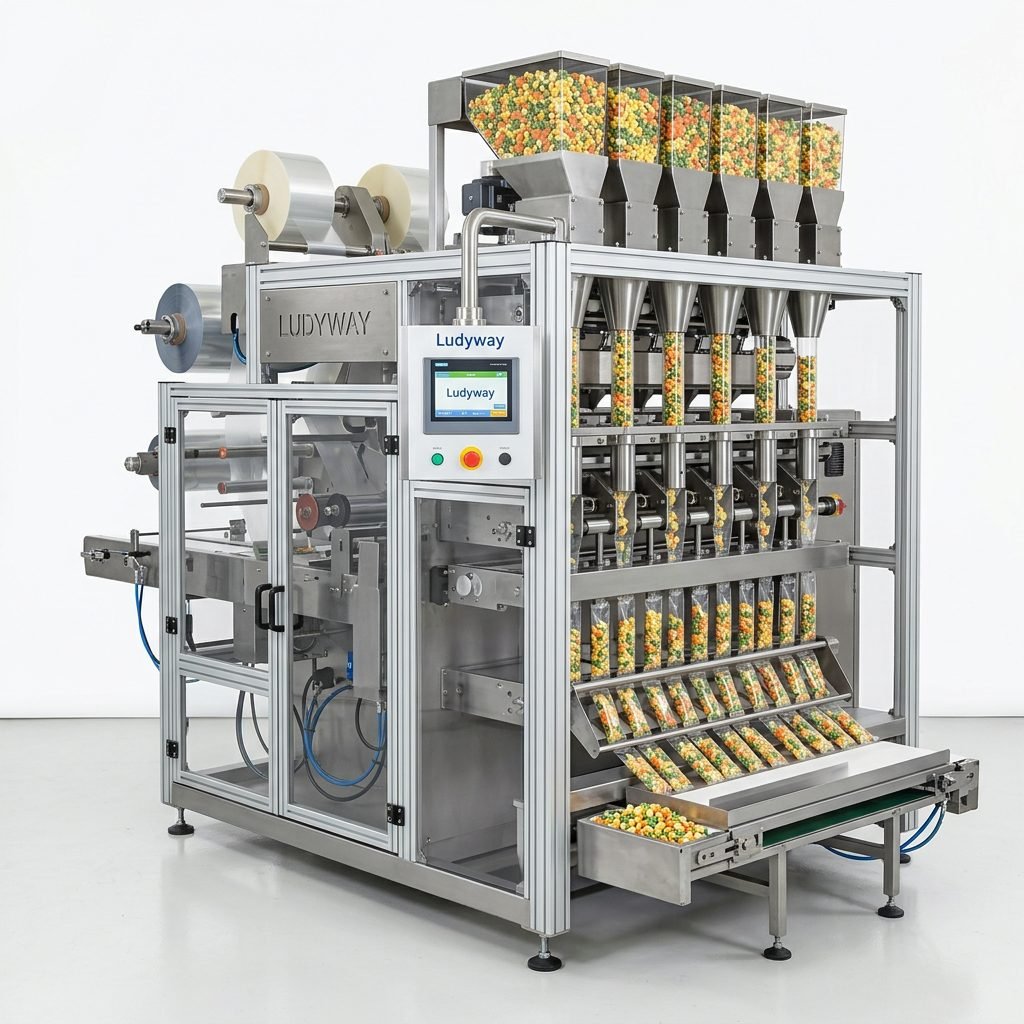
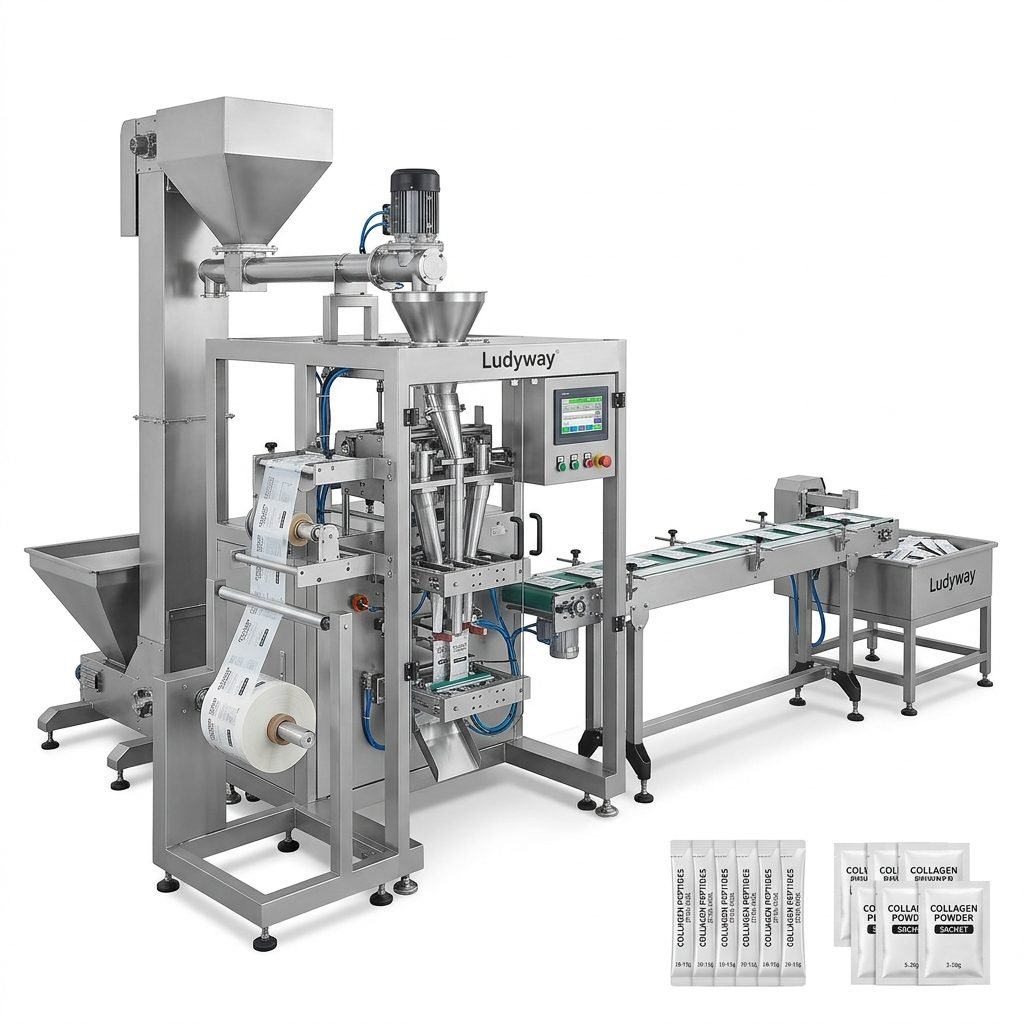
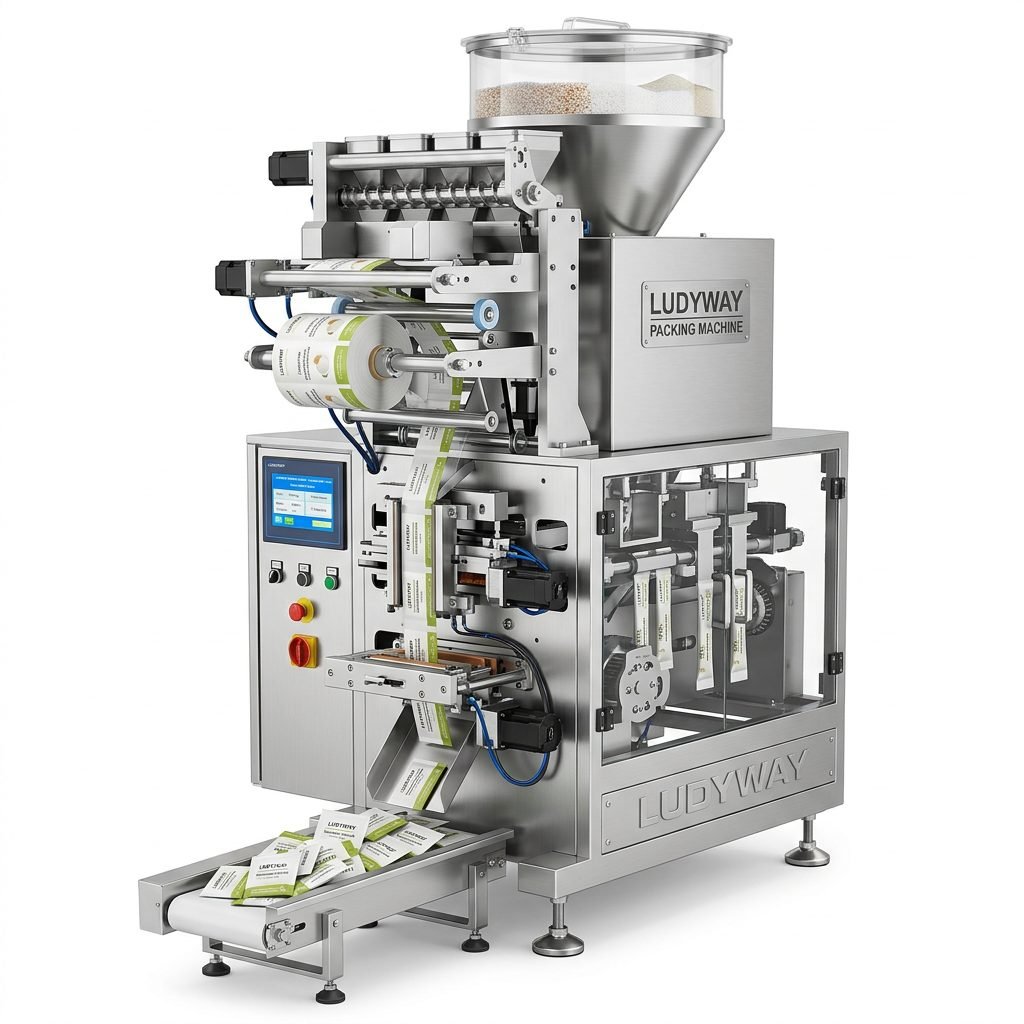
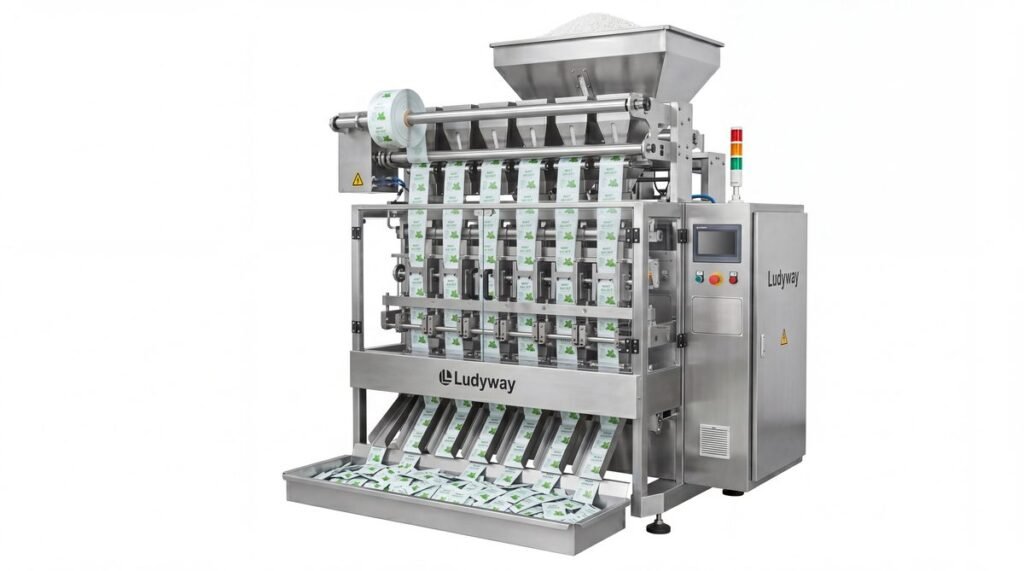
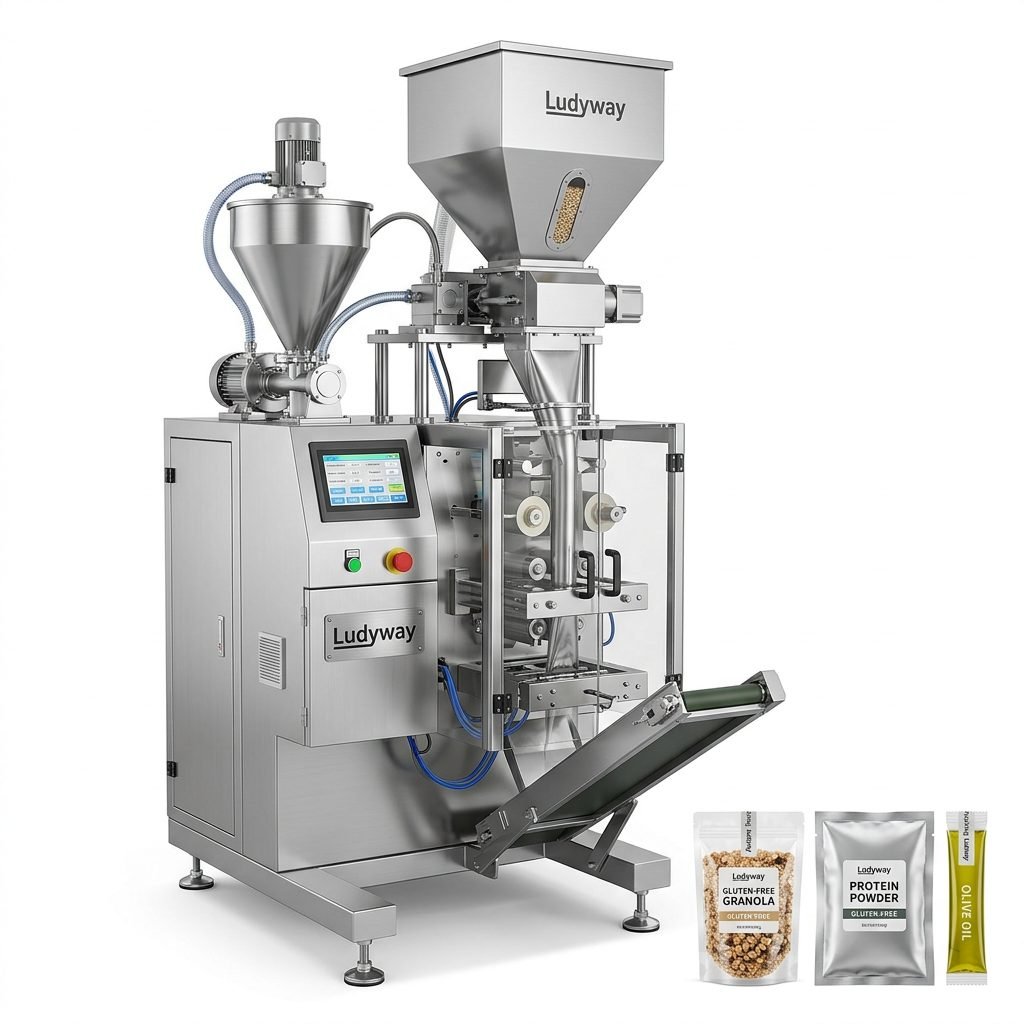
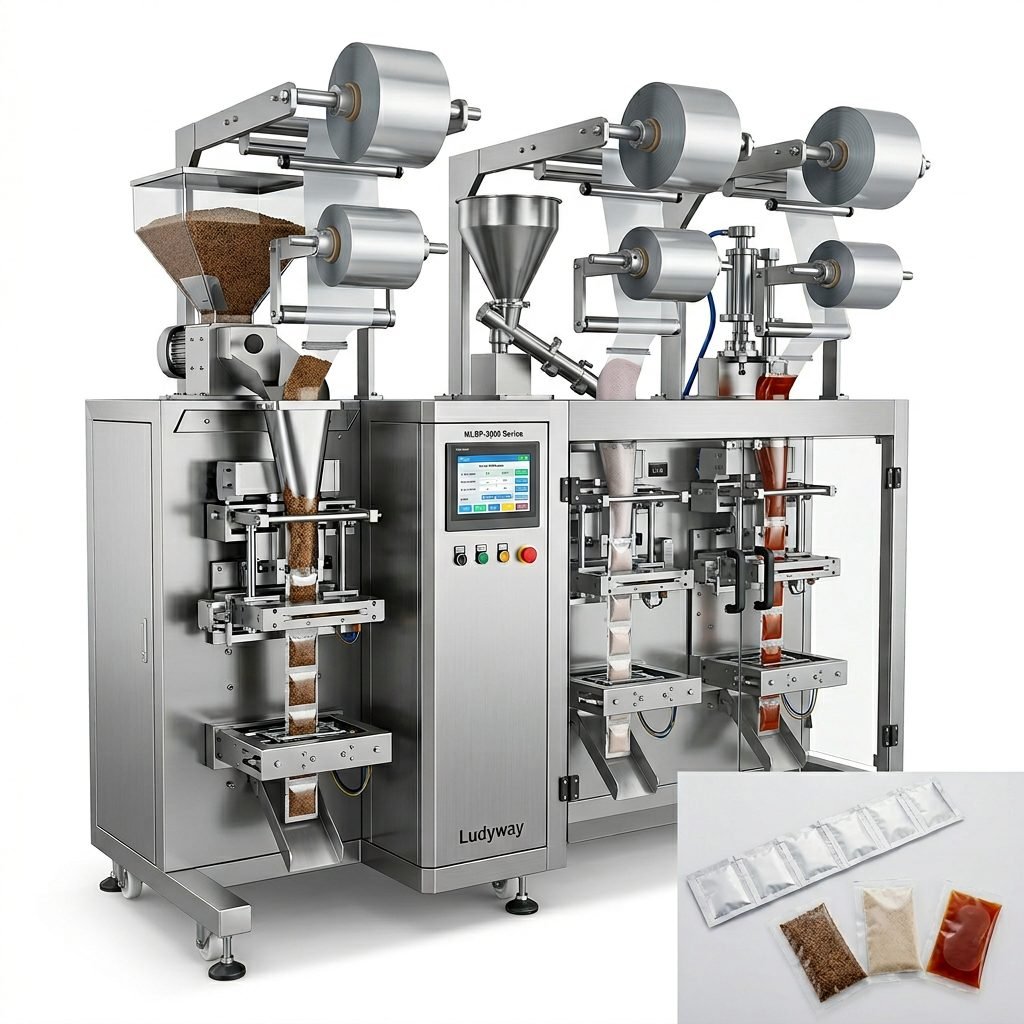
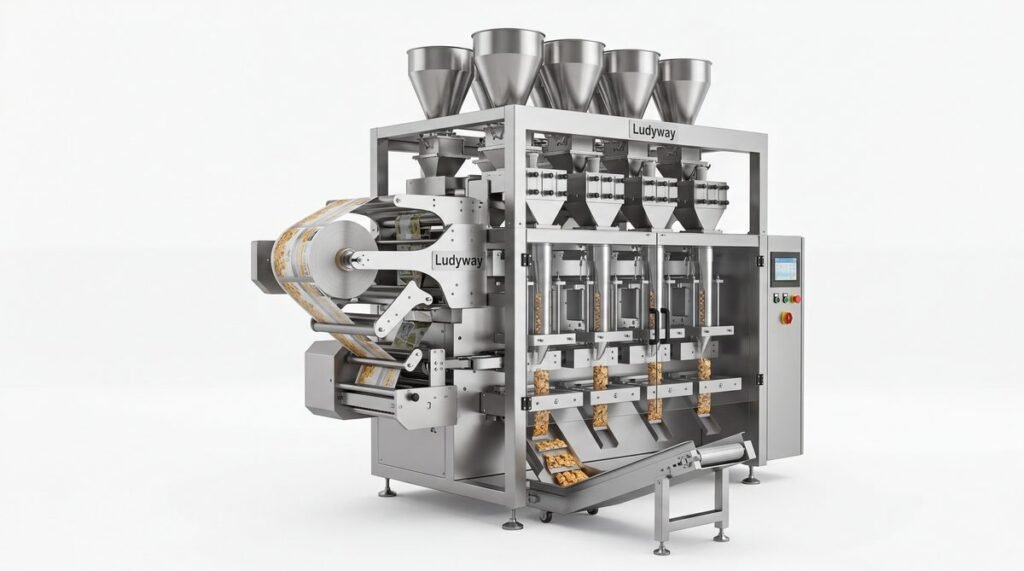
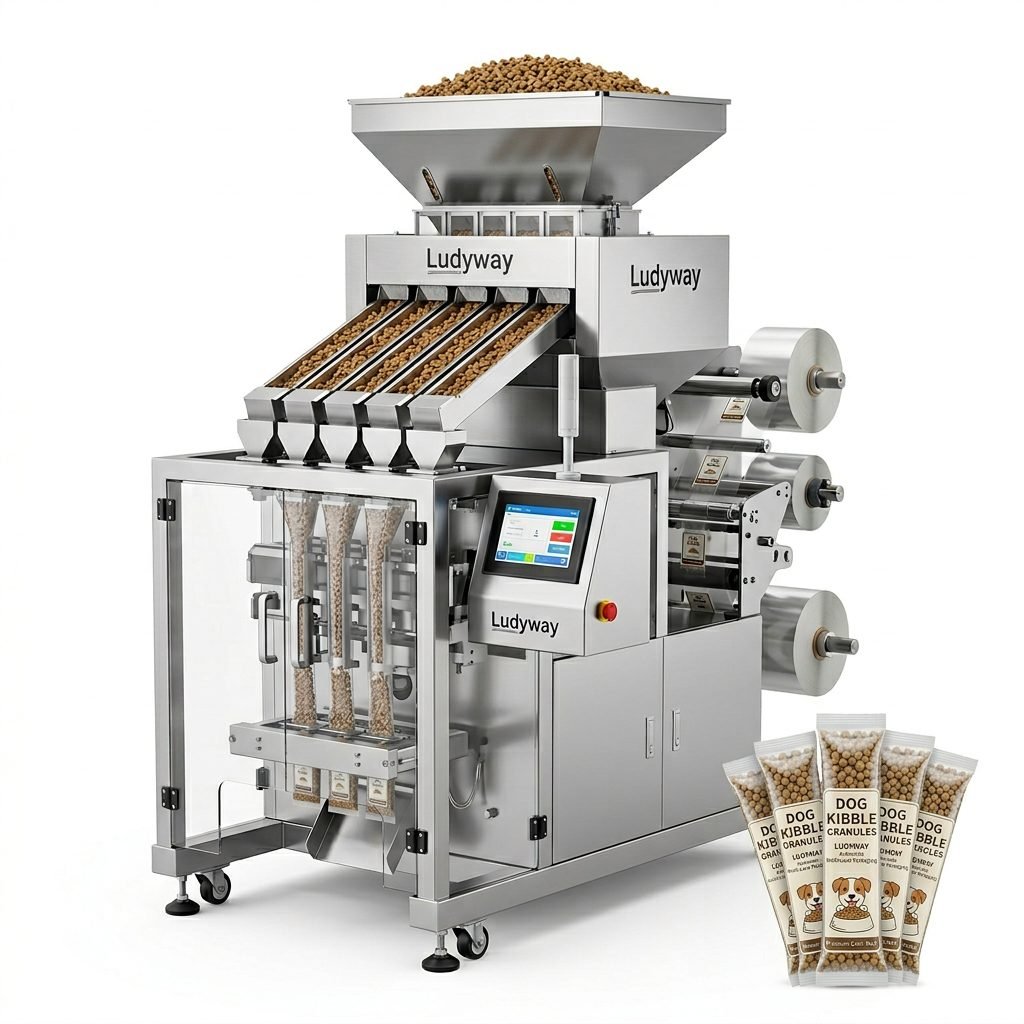
In today’s fast-paced manufacturing landscape, efficiency, accuracy, and cost control are paramount. Robotic packaging machines have emerged as a transformative force, automating complex tasks that were once manual, error-prone, and costly. This guide explores how this automation revolution is reshaping production lines, delivering tangible improvements in operational performance and financial outcomes for businesses worldwide.
The Core Advantages of Robotic Packaging Automation
The shift from manual or semi-automated systems to fully robotic packaging is driven by a powerful combination of benefits that directly address key industrial challenges.
1. Unmatched Operational Efficiency
Robotic systems operate continuously, 24/7, without breaks, fatigue, or shifts changes. This relentless pace dramatically increases throughput. A single robotic arm can often perform the work of multiple human operators, handling tasks like pick-and-place, case packing, palletizing, and product sorting at speeds far beyond human capability. This leads to shorter production cycles and the ability to meet rising demand without proportional increases in labor or floor space.
2. Precision and Consistent Accuracy
Human error in packaging—incorrect counts, misaligned labels, inconsistent sealing—leads to waste, returns, and brand damage. Robotic packaging machines eliminate this variability. Programmed with exact parameters, they execute every movement with millimeter precision. This ensures perfect product placement, uniform package presentation, and consistent seal integrity for every single unit, batch after batch.
3. Significant Long-Term Cost Savings
While the initial investment is substantial, the total cost of ownership for robotic packaging is often lower. Savings are realized through:
- Reduced Labor Costs: Automation handles repetitive tasks, allowing human workers to be upskilled for supervision, maintenance, and quality control roles.
- Minimized Material Waste: Precise application of films, adhesives, and labels reduces overuse and spoilage.
- Lower Product Damage: Gentle, controlled robotic handling results in fewer damaged goods compared to manual processes.
- Decreased Downtime: High-reliability systems with predictive maintenance minimize unplanned production stops.
Key Applications in Modern Production
Robotic packaging technology is versatile, adapting to diverse products and industries. Its applications are critical in sectors where hygiene, speed, and precision are non-negotiable.
Primary Industry Applications:
Food & Beverage: Robots excel at handling delicate items like baked goods, fruits, and ready meals, ensuring hygienic, touch-free packaging. They are also ideal for high-speed bottling and canning lines. For businesses looking to integrate such solutions, exploring specialized packaging machinery providers with industry experience is crucial.
Pharmaceuticals & Healthcare: In sterile environments, robots perform blister packing, vial labeling, and kit assembly with absolute precision, maintaining compliance with strict regulatory standards (e.g., FDA, cGMP).
Consumer Goods: From boxing electronics to bundling personal care products, robots provide the flexibility to quickly switch between different package sizes and styles, supporting agile manufacturing and mass customization.
Enhancing Flexibility with Advanced Vision Systems
Modern robots are often equipped with sophisticated 2D or 3D vision guidance. This allows them to identify randomly oriented products, inspect for defects, and adjust their movements in real-time. This capability is essential for handling non-uniform items and adapting to minor variations in production flow without manual intervention.
Implementing Robotic Packaging: A Strategic Approach
Successful integration requires more than just purchasing equipment. It demands careful planning and partnership.
Steps for Successful Integration:
- Process Audit: Analyze your current packaging line to identify bottlenecks, repetitive tasks, and quality pain points suitable for automation.
- Choosing the Right Partner: Select a supplier with proven expertise in your industry. A partner like Ludyway Machinery, which offers over 50 intelligent packaging machine models and custom solutions, can provide the necessary technology and support.
- System Design & Simulation: Work with engineers to design the cell layout. Advanced software can simulate the robot’s workflow to optimize cycle times and prevent collisions before installation.
- Training & Support: Ensure your maintenance and operational teams receive comprehensive training. Reliable after-sales service and access to spare parts are critical for long-term uptime.
The Future: Smarter, More Collaborative Systems
The evolution continues toward smarter, more interconnected systems. The rise of collaborative robots (cobots)—designed to work safely alongside humans—is making automation accessible for smaller batch runs and SMEs. Furthermore, integration with the Industrial Internet of Things (IIoT) allows for real-time monitoring, data analytics, and predictive maintenance, creating a truly smart, self-optimizing packaging environment. For insights into how continuous innovation shapes these solutions, reviewing a company’s development history can be informative.
Ultimately, robotic packaging automation is a strategic investment that goes beyond mere machinery. It is a commitment to higher quality, resilient supply chains, and sustainable growth. By embracing this technology, manufacturers can build a competitive advantage that is efficient, accurate, and cost-effective for the long term.