Preventive maintenance is one of the most effective ways to keep packaging lines running efficiently, reduce unplanned downtime, and protect product quality. A well-structured maintenance schedule helps production managers, plant engineers, and operators move from reactive repairs to predictable, controlled performance.
In high-output environments, even a short stoppage can affect throughput, labor efficiency, delivery timelines, and customer satisfaction. That is why scheduling preventive maintenance is not just a technical task—it is an operational strategy.
Why preventive maintenance matters for packaging lines
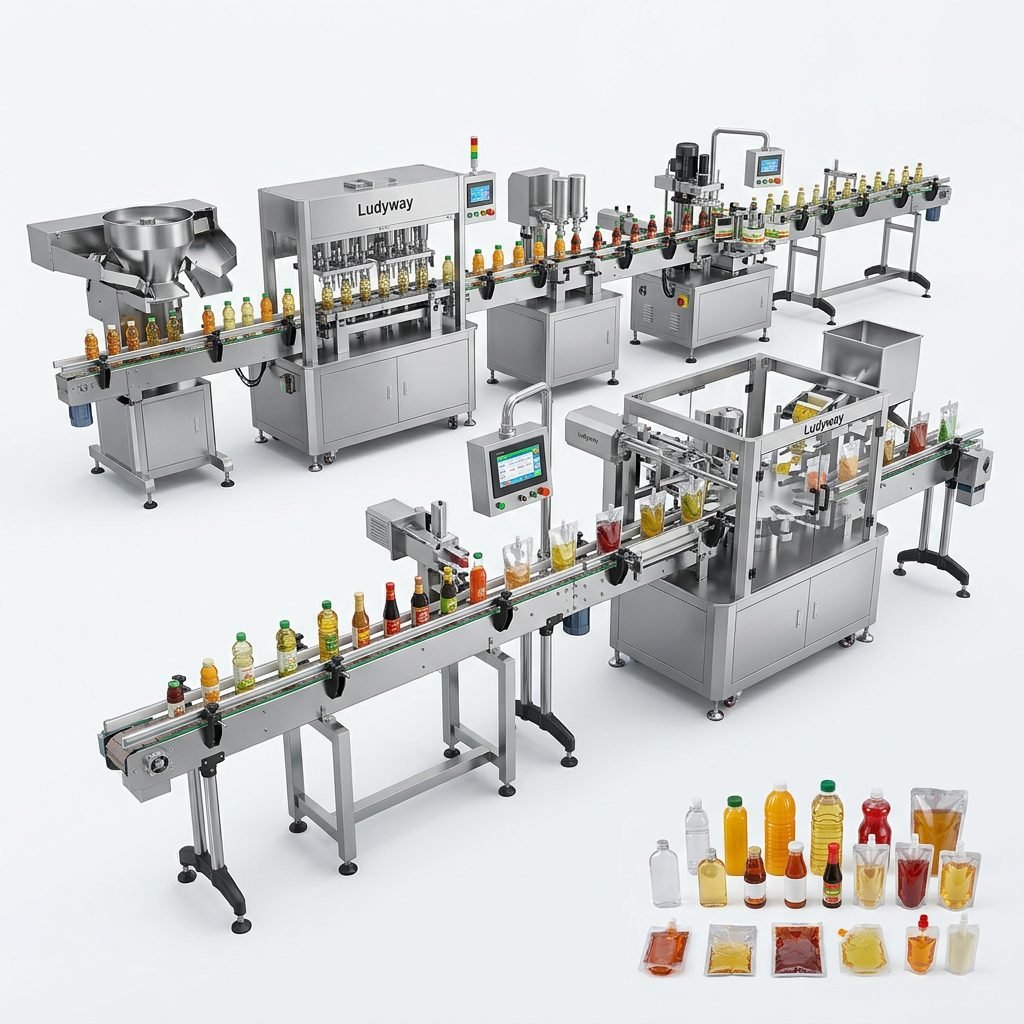
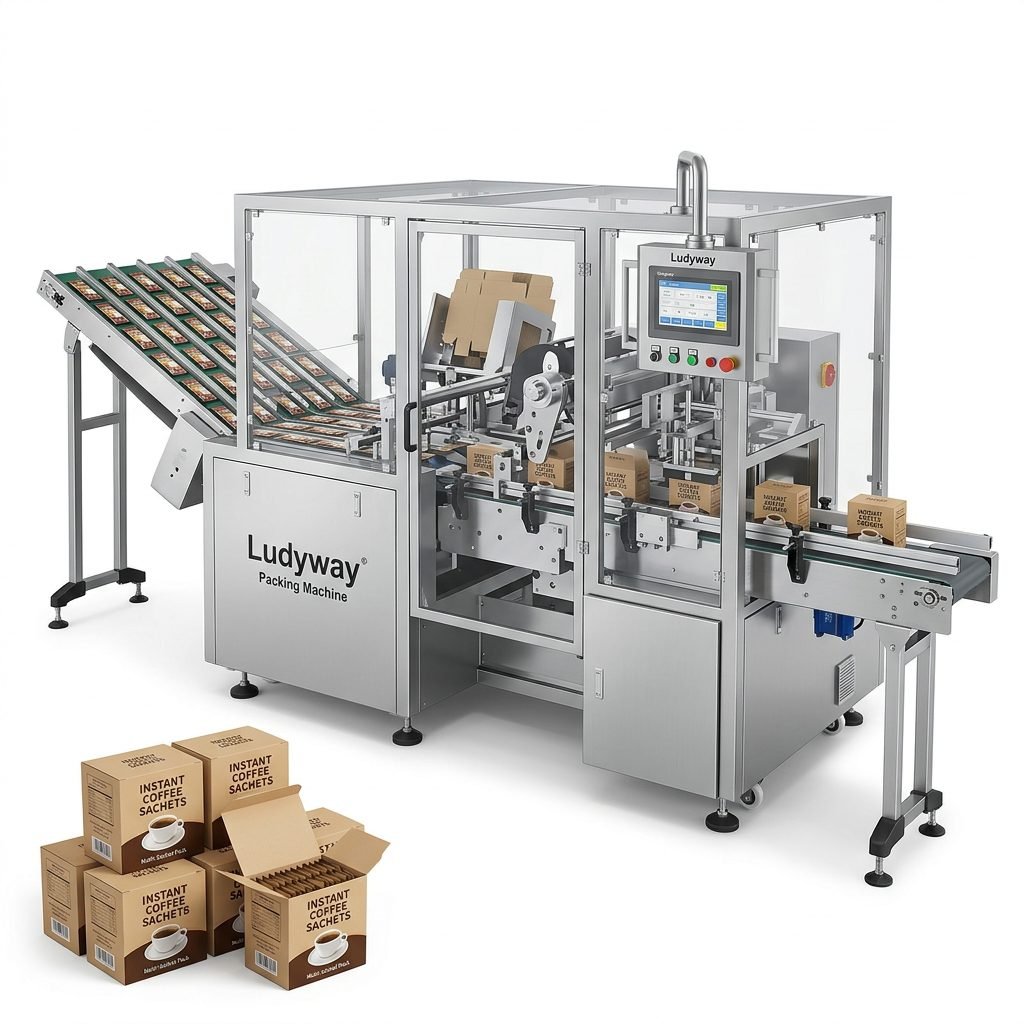
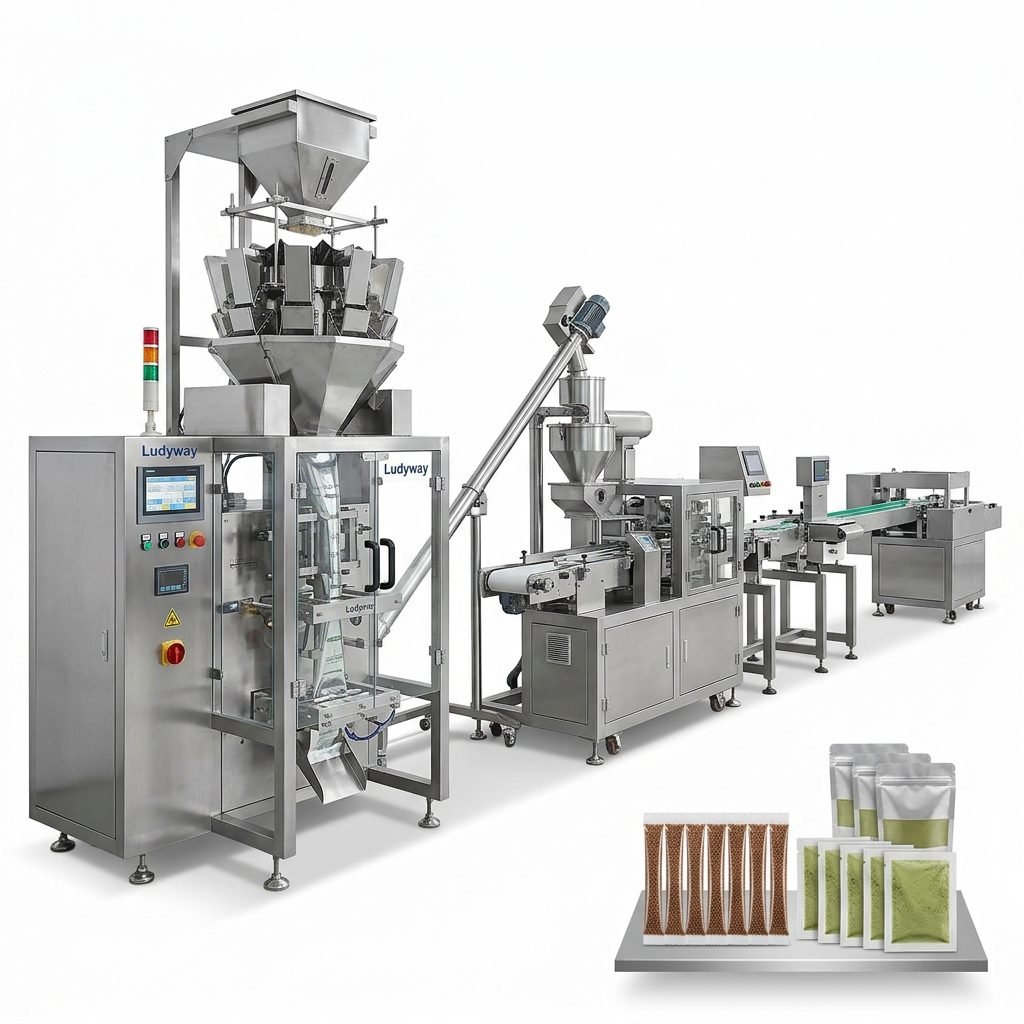
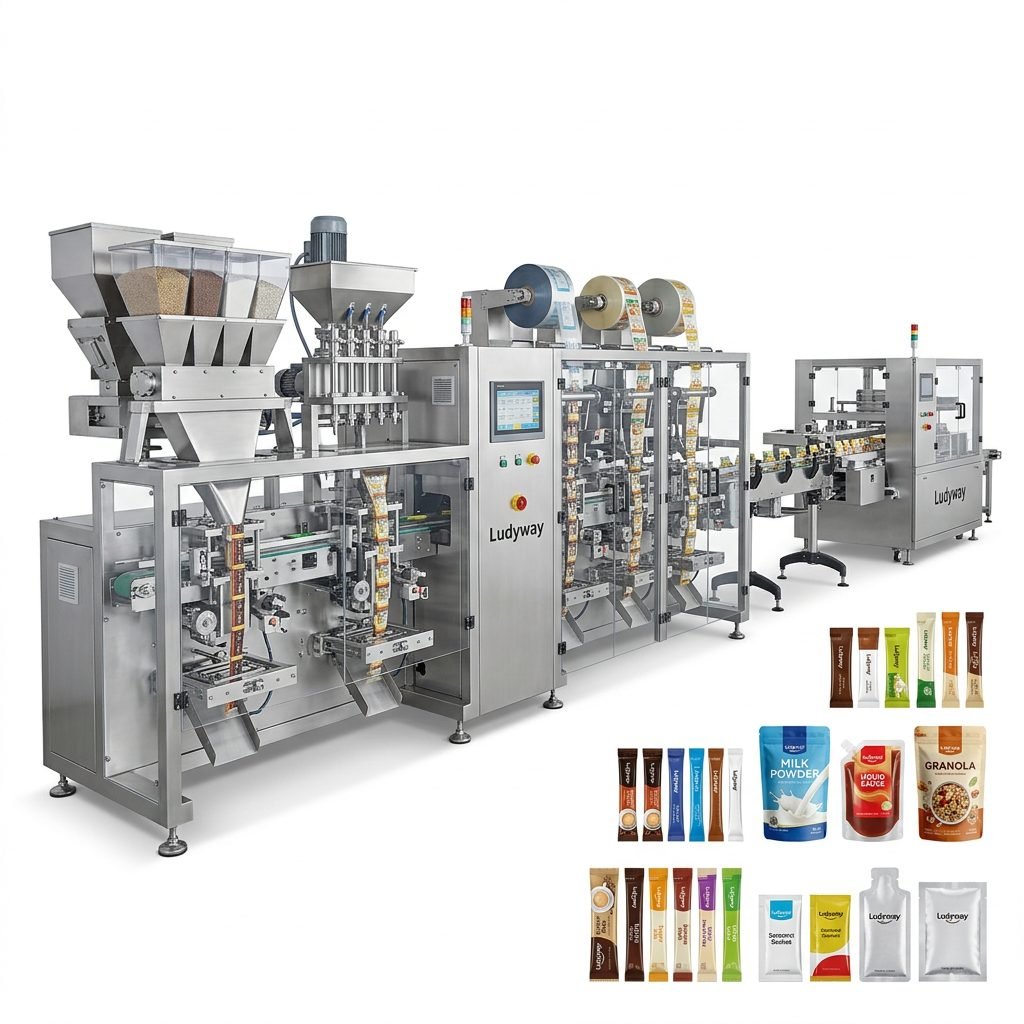
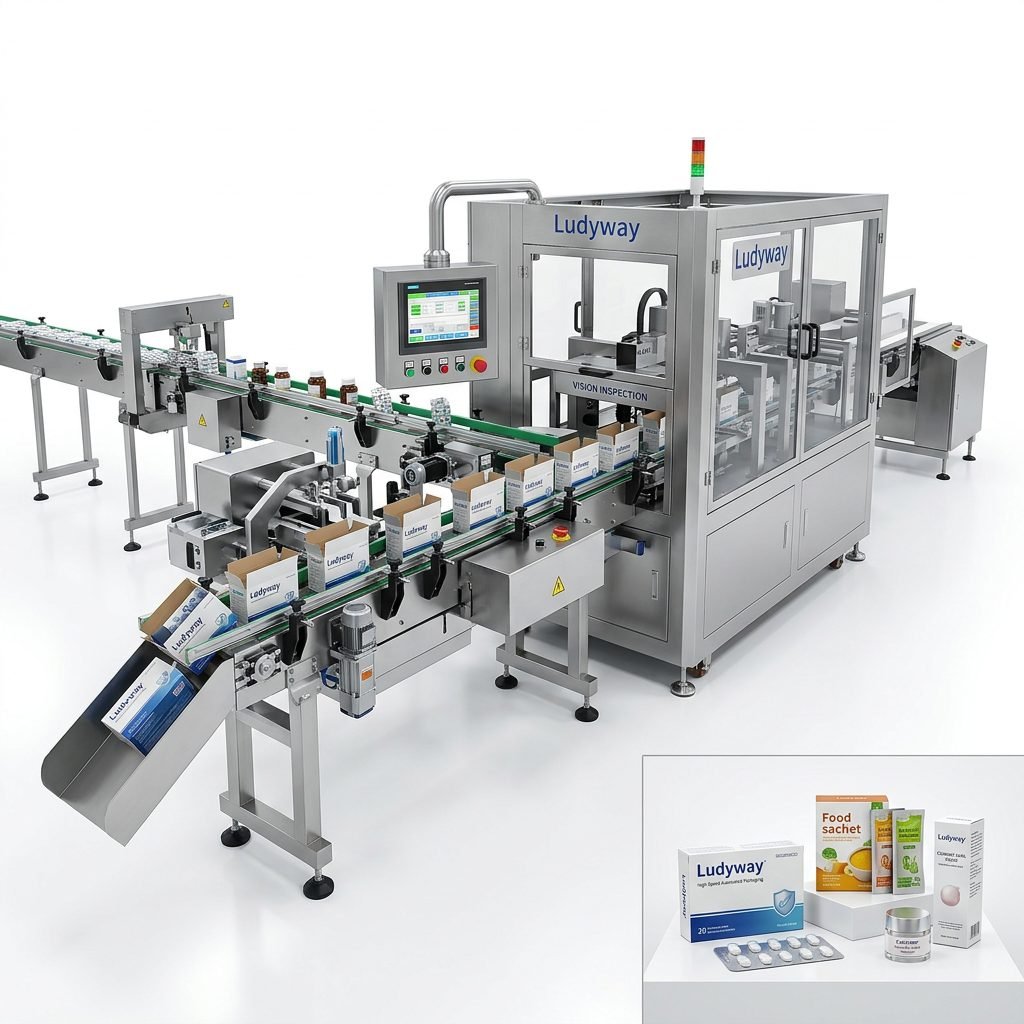
Packaging lines combine multiple machines and subsystems, such as feeders, fillers, sealing stations, conveyors, labeling units, coding systems, cartoners, and inspection equipment. When one component fails, the entire line can be affected. Preventive maintenance helps you:
- Reduce emergency breakdowns
- Improve line availability and OEE
- Maintain seal integrity, fill accuracy, and packaging consistency
- Extend the lifespan of critical components
- Lower spare parts and repair costs over time
- Support food, pharmaceutical, and industrial compliance requirements
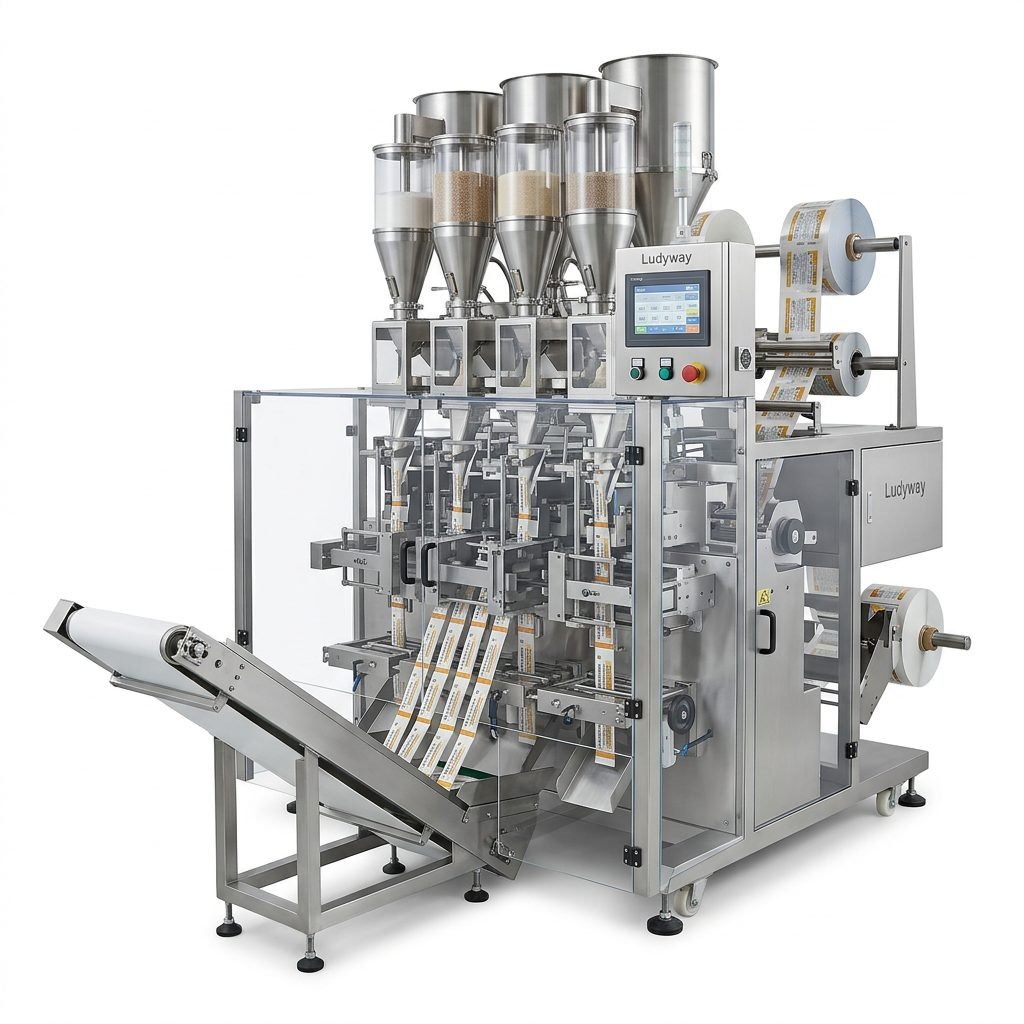
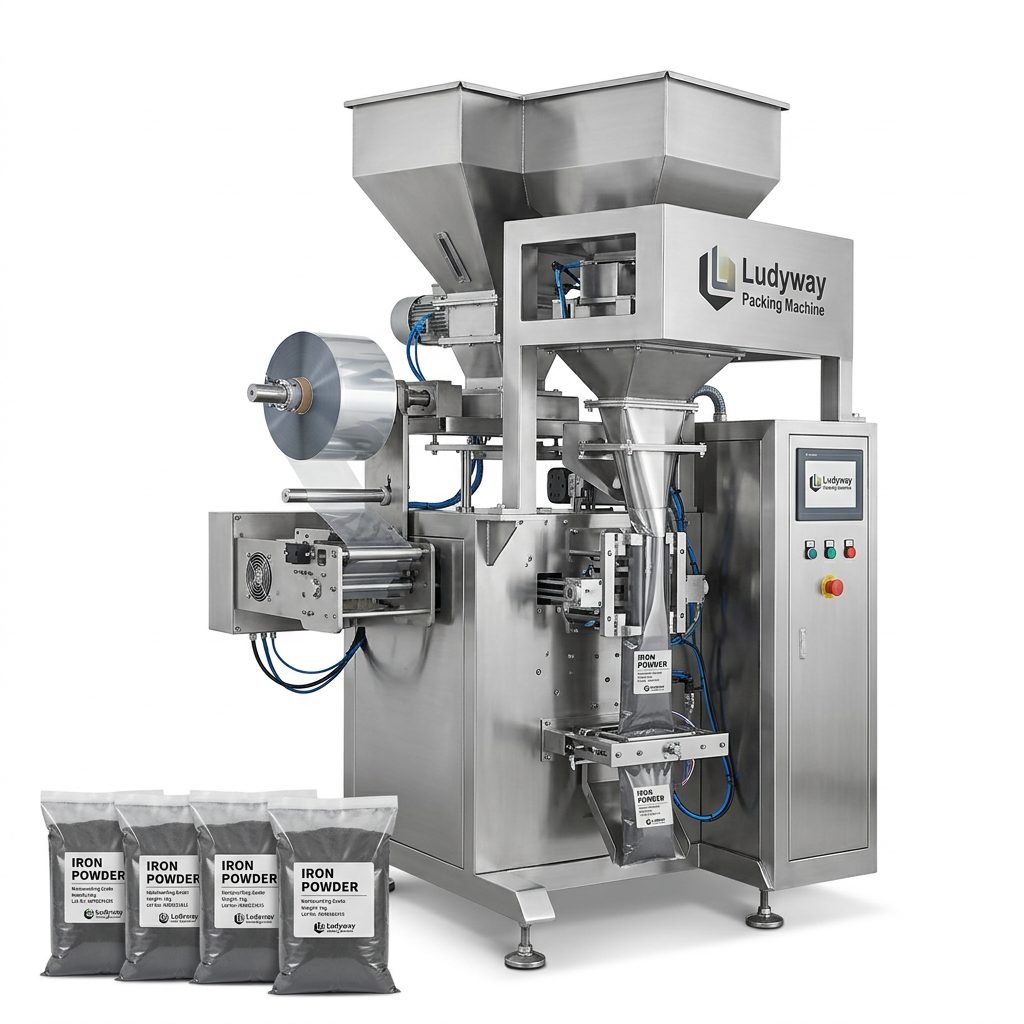
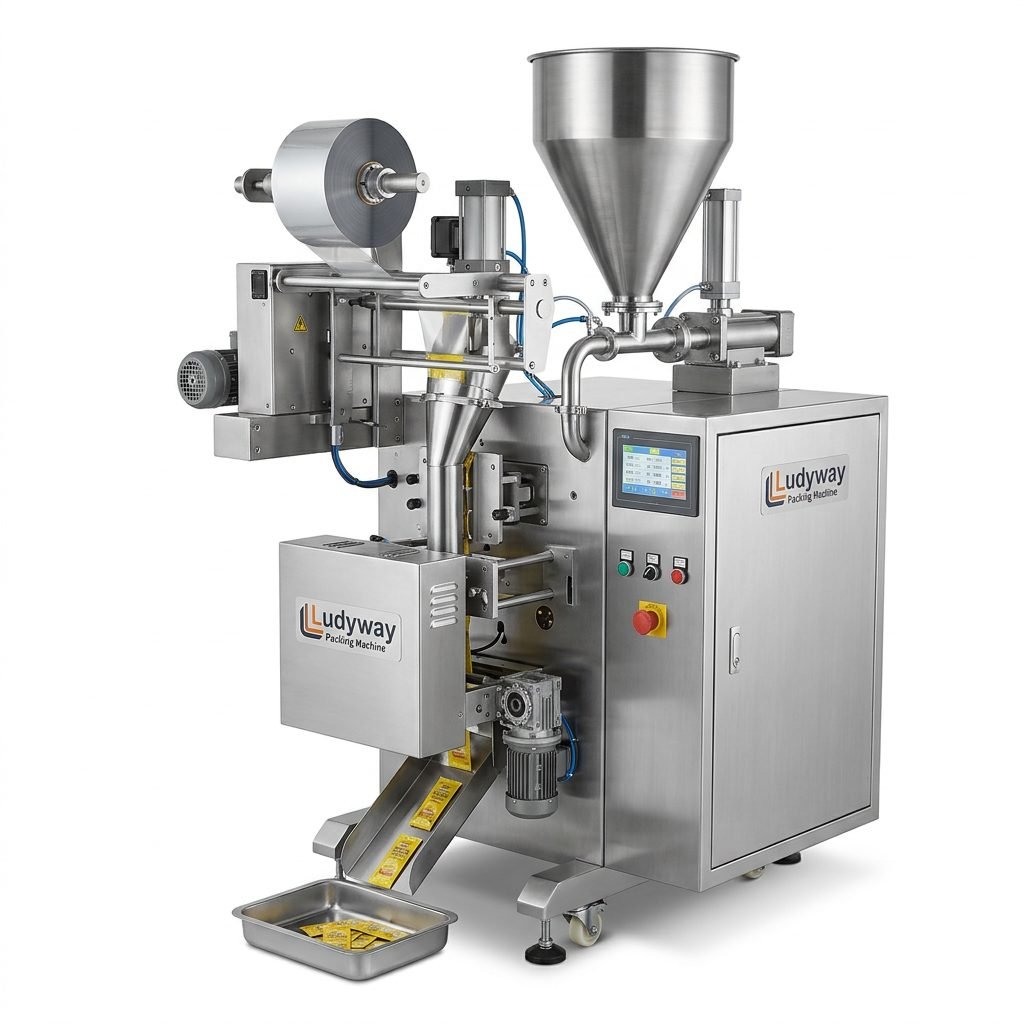
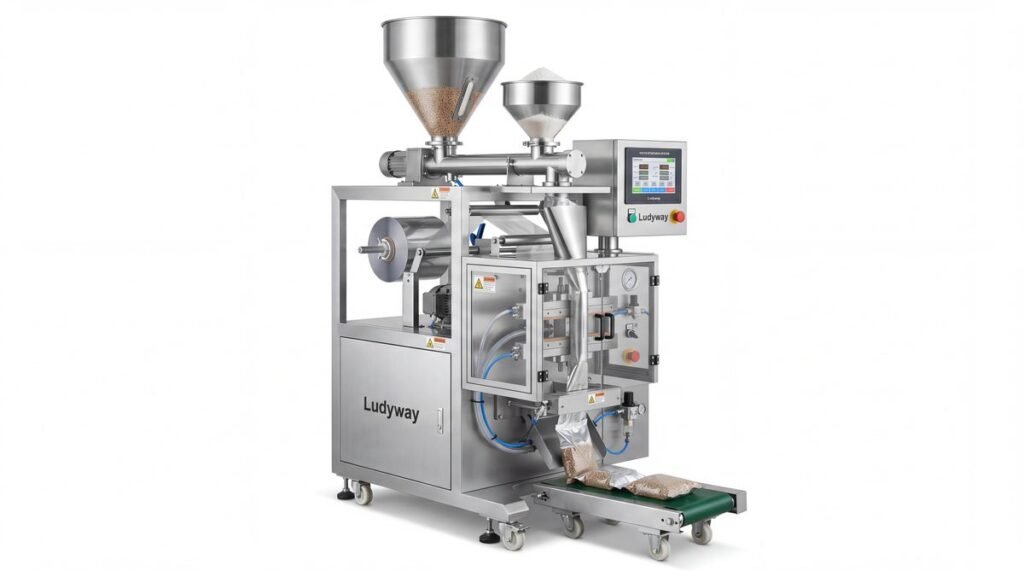
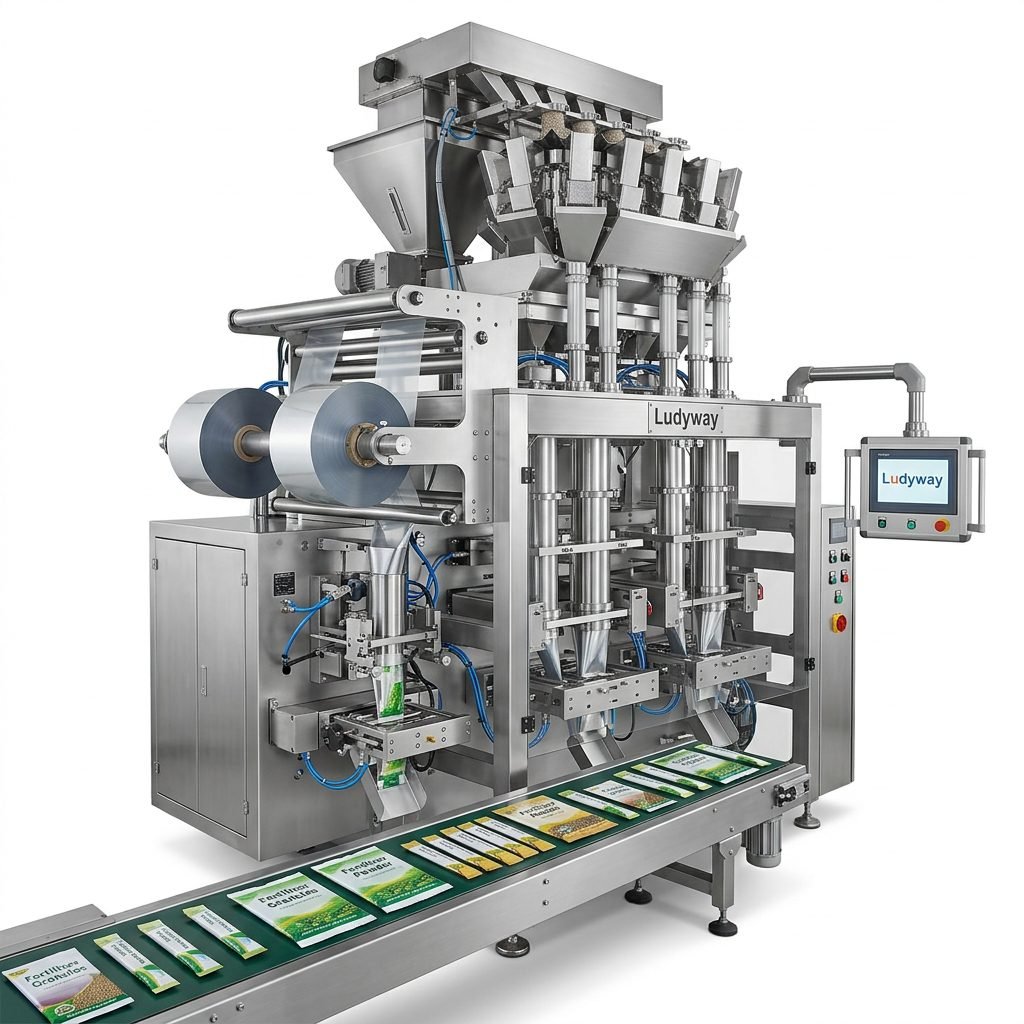
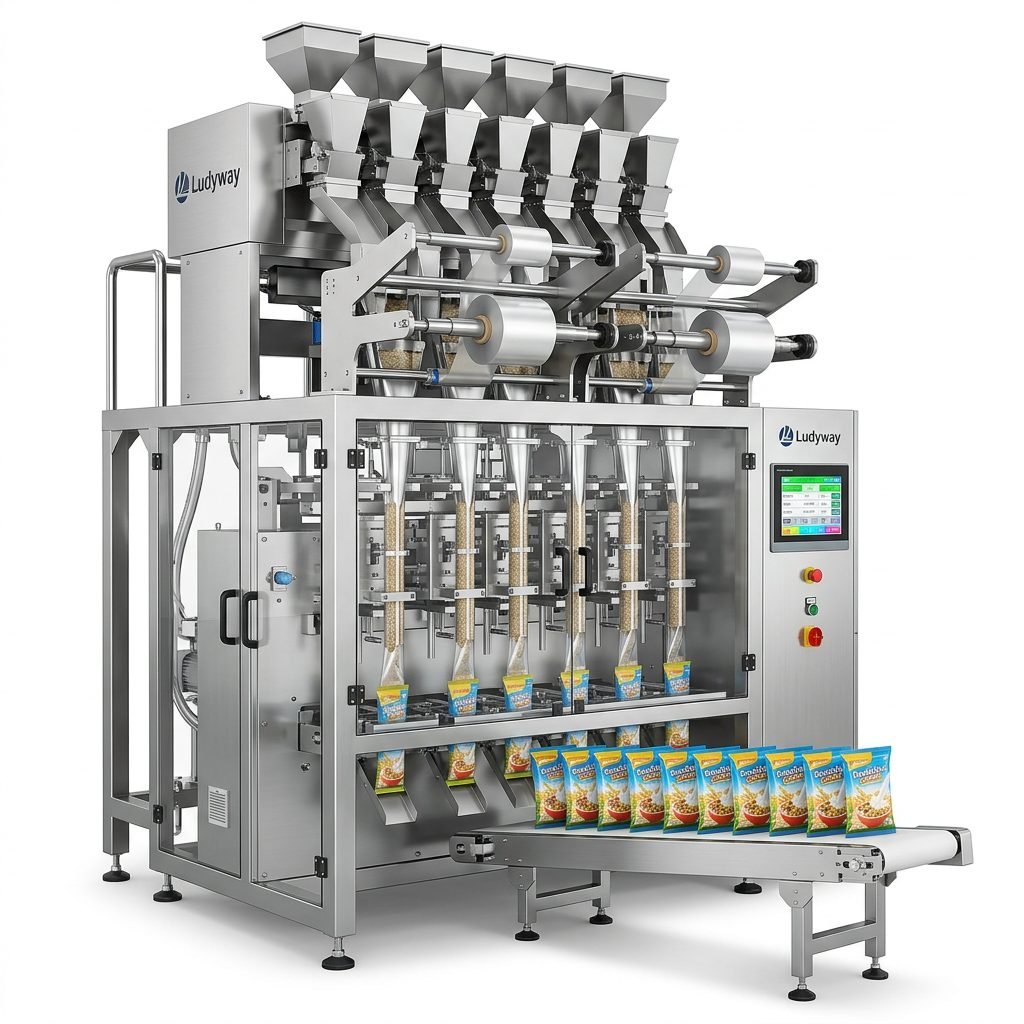
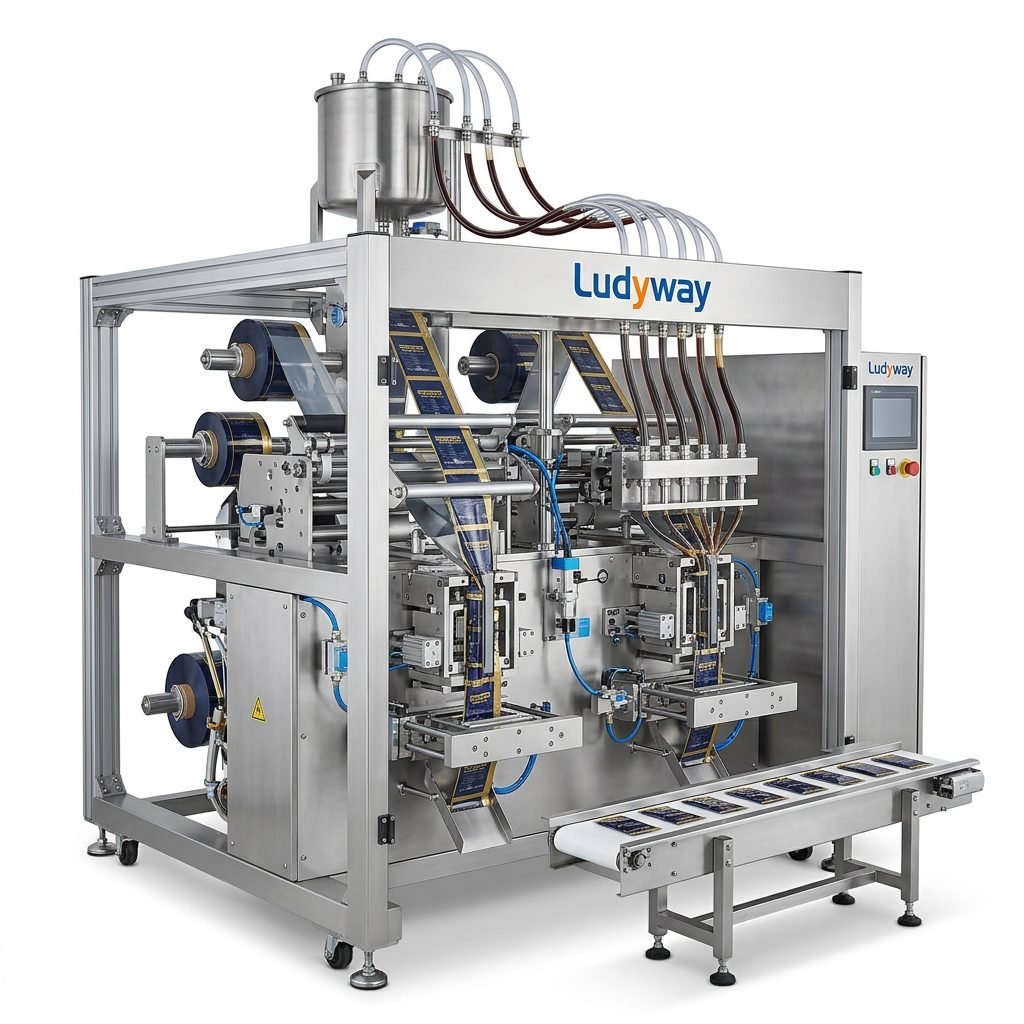
For businesses using turnkey or automated systems, partnering with an experienced manufacturer such as Ludyway packaging line manufacturer can also make maintenance planning easier through equipment documentation, technical guidance, and spare parts support.
Start with a full asset map of the packaging line
Before creating a schedule, list every machine and maintenance point on the line. This should include not only the main packaging machine but also all supporting equipment. Many maintenance plans fail because only the “core machine” is considered.
Typical equipment to include
- Product feeding systems
- Auger fillers, liquid fillers, or weighing units
- Form-fill-seal machines
- Pouch or sachet sealing stations
- Conveyors and transfer systems
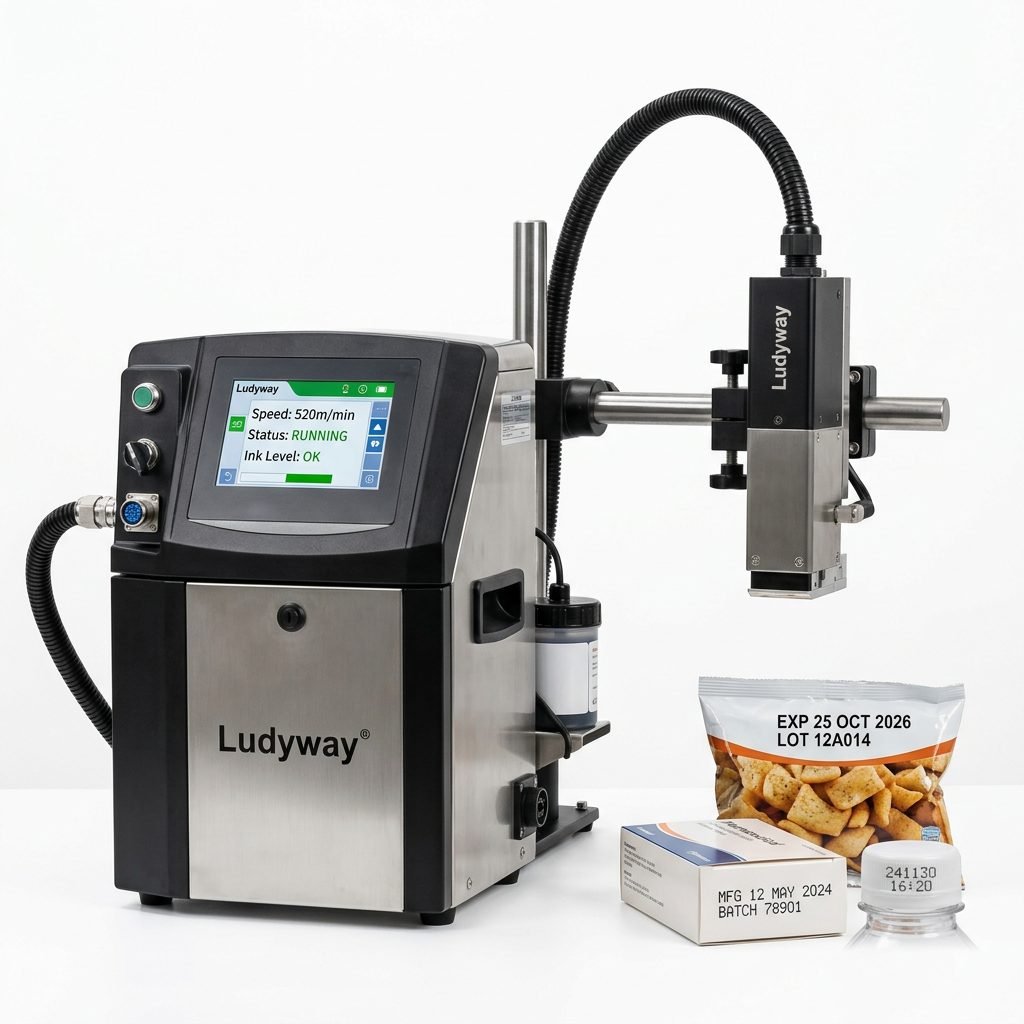
- Labelers, printers, and coding machines
- Checkweighers, metal detectors, and vision inspection systems
- Cartoning, case packing, and palletizing equipment
- Air compressors, vacuum pumps, and electrical cabinets
Tip: Build an equipment register with machine ID, model, installation date, production role, maintenance history, and critical spare parts.
Classify equipment by criticality
Not every machine needs the same maintenance frequency. A practical preventive maintenance schedule should prioritize assets based on how much impact they have on safety, output, and quality.
| Criticality Level | Description | Examples |
|---|---|---|
| High | Failure stops the whole line or creates a major quality risk | Main packaging machine, sealing unit, PLC control system |
| Medium | Failure reduces efficiency or causes partial disruption | Conveyors, labelers, coding units |
| Low | Failure has limited impact and may allow short-term workaround | Auxiliary stands, non-critical transfer sections |
This step helps allocate labor, spare parts, and downtime windows more effectively.
Use manufacturer recommendations as the baseline
The machine manual is the best place to begin. Most packaging equipment suppliers provide recommended service intervals for lubrication, inspection, calibration, belt tension checks, sealing jaw inspection, sensor cleaning, and replacement of wear parts.
However, those intervals should not always be copied without adjustment. Real-world conditions often require customization based on:
- Shift length and total operating hours
- Dust, humidity, heat, or washdown conditions
- Product type, such as powders, liquids, granules, or sticky materials
- Line speed and production volume
- Operator skill level
- Historical breakdown patterns
Build your maintenance schedule by time and usage
The most practical approach is to combine calendar-based and usage-based maintenance. Some tasks should happen every day regardless of output, while others should be triggered after a specific number of production hours or cycles.
Example preventive maintenance framework
| Interval | Typical Tasks | Responsible Team |
|---|---|---|
| Daily | Cleaning, visual checks, leak detection, sensor wipe-down, abnormal noise inspection | Operators |
| Weekly | Lubrication, fastener checks, belt and chain inspection, air pressure review | Maintenance technicians |
| Monthly | Calibration checks, sealing performance review, electrical cabinet inspection, wear part evaluation | Maintenance + engineering |
| Quarterly | Motor alignment, deep cleaning, software backup, pneumatic component checks | Engineering team |
| Semi-Annual / Annual | Major overhaul, replacement of critical wear items, safety validation, performance audit | Maintenance manager + OEM support |
Align maintenance with production planning
A preventive maintenance schedule only works if it fits actual production reality. Avoid planning service during peak output periods or high-demand fulfillment windows. The best maintenance calendars are coordinated with production, quality, warehouse, and planning teams.
Best practices for scheduling downtime
- Use planned changeover windows for short inspection tasks
- Reserve longer jobs for weekends, night shifts, or low-demand periods
- Bundle related maintenance tasks into one stop to reduce repeated shutdowns
- Keep spare parts ready before the line stops
- Inform operators and supervisors in advance
This coordination reduces friction between maintenance and operations, which is often a major reason preventive plans get postponed.
Create task-specific checklists
A maintenance schedule is not enough by itself. Each scheduled event should have a checklist that tells the technician exactly what to inspect, clean, adjust, test, and record. Standardized checklists improve consistency across teams and shifts.
What to include in a checklist
- Machine name and asset number
- Date and scheduled interval
- Step-by-step task instructions
- Required tools and spare parts
- Safety lockout/tagout reminders
- Pass/fail condition for each inspection point
- Technician signature and notes
Important: Keep checklists simple enough to be used consistently on the shop floor, especially in fast-moving production environments.
Track the most failure-prone components
In most packaging lines, a small number of components account for a large share of stoppages. Identifying those parts lets you focus maintenance resources where they create the greatest return.
Common wear and failure points
- Sealing jaws and heaters
- Cutting blades
- Belts, chains, and pulleys
- Bearings and guide rails
- Sensors and photoelectric eyes
- Pneumatic valves and cylinders
- Nozzles, pumps, and dosing units
- Printers and coding heads
Use maintenance logs to identify repeat failures. If a sealing element fails every eight weeks, for example, replace it proactively at six or seven weeks instead of waiting for a stoppage.
Use maintenance data to refine the schedule
Your first preventive maintenance schedule should be treated as a living document. Once implemented, it should be improved using actual line data.
Key metrics to monitor
| Metric | Why It Matters |
|---|---|
| Mean time between failures | Shows reliability trends for each machine or component |
| Mean time to repair | Reveals repair complexity and spare parts readiness |
| Downtime frequency | Helps identify recurring weak points |
| Maintenance compliance rate | Measures whether planned tasks are actually completed |
| Quality defects linked to equipment | Connects maintenance performance with packaging quality |
If you notice frequent failures despite regular servicing, your intervals may be too long, the wrong parts may be wearing out, or the machine may require deeper root-cause analysis.
Train operators to support autonomous maintenance
Operators are the first people to notice vibration, leaks, temperature shifts, poor sealing, unusual noise, or inconsistent feeding. That makes them essential to preventive maintenance success.
Simple operator tasks that add value
- Basic cleaning and sanitation
- Visual inspection before startup
- Checking air pressure and machine alarms
- Monitoring abnormal product jams
- Reporting wear, looseness, or contamination early
This approach reduces the burden on the maintenance team and helps catch problems before they become failures.
Keep spare parts organized and forecasted
A maintenance schedule is only useful if the necessary parts are available when needed. Waiting days for a low-cost but critical component can cause far more loss than the part itself.
Recommended spare parts categories
- Critical spares: items that stop production immediately if unavailable
- Wear parts: blades, belts, seals, heaters, filters
- Long lead-time items: motors, drives, PLC modules, HMI screens
- Consumables: lubricants, cleaning supplies, coding ribbons, filters
Link your spare parts list directly to the preventive maintenance plan so that replacements are planned, not rushed.
Digitize the scheduling process when possible
Many manufacturers start with spreadsheets, but as packaging lines become more complex, digital tracking becomes more effective. A CMMS or digital maintenance dashboard can help schedule tasks, record work orders, track spare parts, and analyze downtime trends.
Benefits of digital maintenance management
- Automatic reminders for due tasks
- Centralized maintenance history
- Better accountability by team or technician
- Faster reporting for audits and reviews
- Data-driven optimization of intervals
Avoid these common preventive maintenance mistakes
- Scheduling too many tasks without enough labor capacity
- Ignoring small recurring failures because they seem “minor”
- Not documenting completed work properly
- Using generic schedules for very different product types
- Postponing maintenance repeatedly due to production pressure
- Failing to verify machine performance after servicing
The goal is not to create the longest maintenance list. The goal is to create a repeatable schedule that is realistic, measurable, and tied to equipment reliability.
A practical step-by-step method to schedule preventive maintenance
- List every machine and subsystem on the packaging line
- Rank equipment by production and quality criticality
- Review OEM manuals and service recommendations
- Adjust intervals based on actual operating conditions
- Create daily, weekly, monthly, and annual tasks
- Assign task ownership clearly
- Coordinate maintenance windows with production planning
- Prepare checklists, tools, and spare parts in advance
- Record every completed task and every failure
- Review data monthly and improve the schedule continuously
Final operational perspective
Preventive maintenance scheduling for packaging lines works best when it is practical, disciplined, and continuously improved. Instead of treating maintenance as a response to failure, successful factories treat it as a core part of production strategy.
When the schedule is built around equipment criticality, real operating conditions, trained personnel, and accurate records, packaging lines become more stable, more efficient, and easier to scale. For companies focused on reducing downtime and improving long-term equipment value, preventive maintenance is not optional—it is essential.