In the intricate world of production line optimization, selecting the right cap tightening solution is a critical decision that impacts efficiency, product integrity, and overall operational success. A torquing packaging machine is far more than a simple capping station; it is the final guardian of your product’s seal, ensuring safety, freshness, and consumer satisfaction.
Understanding Cap Torque Control: The Science Behind the Seal
Torque, in the context of capping, refers to the rotational force applied to a screw cap or closure. Achieving the correct torque is a delicate balance. Under-torquing can lead to leaks, contamination, and compromised shelf life, while over-torquing can damage containers, distort threads, or make the package impossible for the end-user to open. Modern torquing machines use sophisticated servo-driven or clutch-based systems to apply a precise, consistent, and pre-set amount of force to every single container.
Key Insight: The “right” torque value is not universal. It is determined by a combination of factors including cap material (plastic, metal), container type (glass, PET), thread design, and the product’s viscosity and carbonation level.
Primary Types of Cap Tightening Solutions
Choosing the right technology is the first step. Here are the main systems available:
1. Chuck Capping with Torque Control
This is the most common method for applying screw caps. The machine uses adjustable chucks that grip the cap. Torque control is achieved through:
- Friction Clutches: A mechanical slip mechanism that disengages once a set resistance is met.
- Magnetic Clutches: Offer more precise control and less wear than friction clutches.
- Servo-Driven Chucks: The pinnacle of precision, using programmable servo motors to control torque, speed, and even the tightening profile (e.g., ramp-up).
2. Spindle Cappers
Ideal for high-speed applications, spindle cappers use a set of rotating discs or belts that contact the cap flange, spinning it onto the container. Torque is controlled by the spring pressure of the spindles and the friction settings.
3. Snap Capping (for Press-On Closures)
While not involving torque in the traditional sense, these machines apply a controlled vertical force to press fitments, overcaps, or child-resistant closures onto containers. Force control is equally critical here.
How to Choose the Right Torquing Solution for Your Line
Your selection should be driven by a detailed analysis of your specific needs. Follow this decision framework:
Step 1: Analyze Your Container and Closure
This is the foundational step. Document everything:
Cap size, material, and thread type.
Container neck finish, material (glass is fragile, PET is flexible), and shape.
Required torque specification (provided by your closure supplier or determined through testing).
Step 2: Evaluate Production Speed Requirements
Your target Containers Per Minute (CPM) dictates machine architecture. Single-head chuck cappers suit lower speeds, while multi-head rotary chuck cappers or high-speed spindle cappers are necessary for volumes exceeding 200 CPM. Consider not just today’s speed, but future scalability. For insights into high-speed integration, explore resources on optimizing packaging line efficiency.
Step 3: Assess Flexibility Needs
Will you run the same container year-round, or do you frequently changeover between different SKUs (Stock Keeping Units)? Machines with quick-change chucks, tool-less adjustments, and saved recipe profiles (a feature of servo-driven systems) drastically reduce downtime during changeovers.
Step 4: Consider Integration and Footprint
The capper must seamlessly integrate with your upstream filling and downstream labeling machinery. Consider the line layout, conveyor height, and available floor space. Inline cappers are common, but rotary platforms may be needed for higher speeds. Understanding the full line context is crucial; learn more about turnkey packaging line design.
Step 5: Prioritize Precision and Data
For critical applications (pharmaceuticals, chemicals, high-value foods), precision is non-negotiable. Servo-driven cappers offer the highest accuracy and repeatability (±2% or better). Furthermore, many modern machines provide SCADA (Supervisory Control and Data Acquisition) connectivity, offering real-time torque data, statistical process control (SPC), and traceability for every batch—a key requirement in regulated industries.
💡 Pro Tip: The Total Cost of Ownership (TCO)
Look beyond the initial purchase price. Factor in changeover time, maintenance complexity, spare part costs, energy consumption (servos are efficient), and potential product waste due to poor sealing. A slightly higher initial investment in a more precise and flexible machine often yields a far lower TCO.
Advanced Features to Look For
Today’s leading torquing machines offer features that solve common production headaches:
- Automatic Height Sensing: Automatically adjusts for variable container heights without manual intervention.
- Cap Presence Detection: Prevents a container from proceeding without a cap, avoiding messy spills.
- Torque Monitoring & Reject Systems: In-line sensors check applied torque and automatically reject any out-of-spec containers.
- User-Friendly HMI: A clear, graphical touchscreen interface for easy operation, recipe management, and diagnostics.
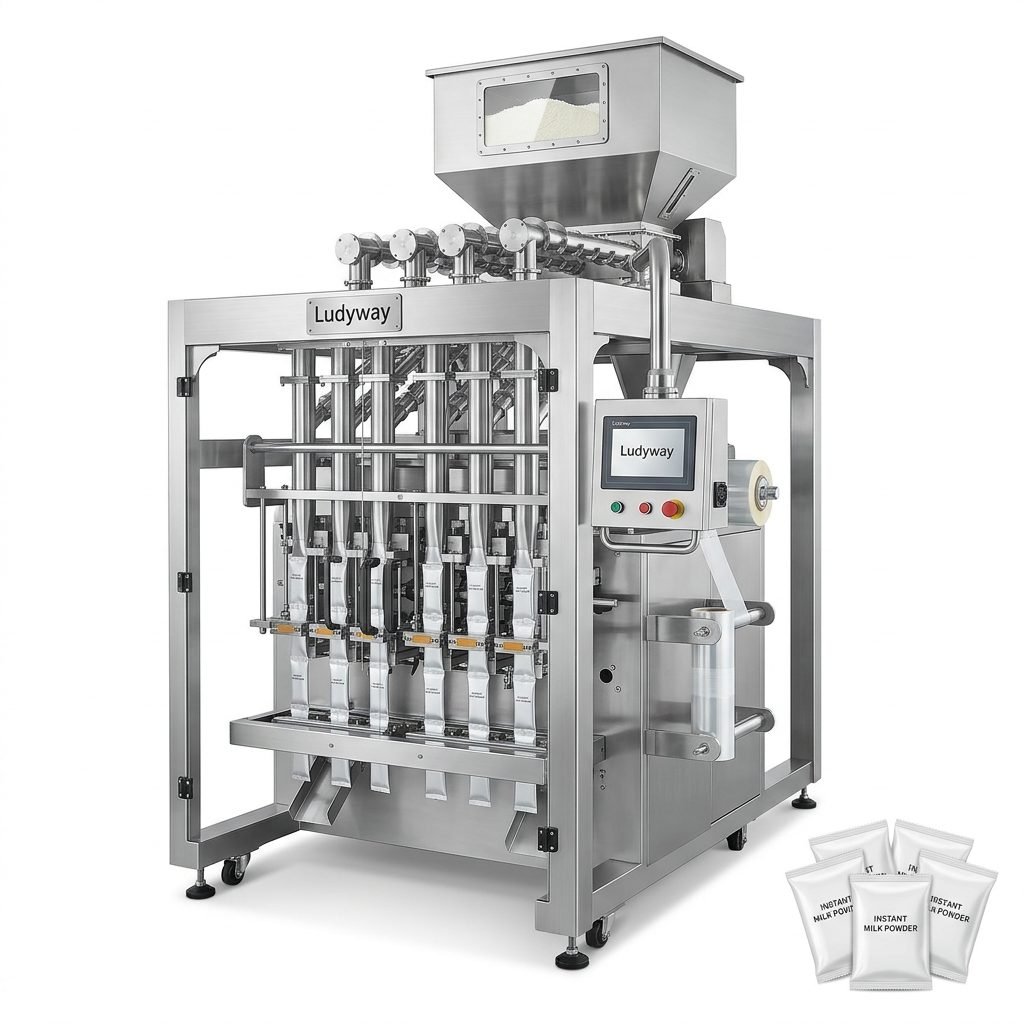
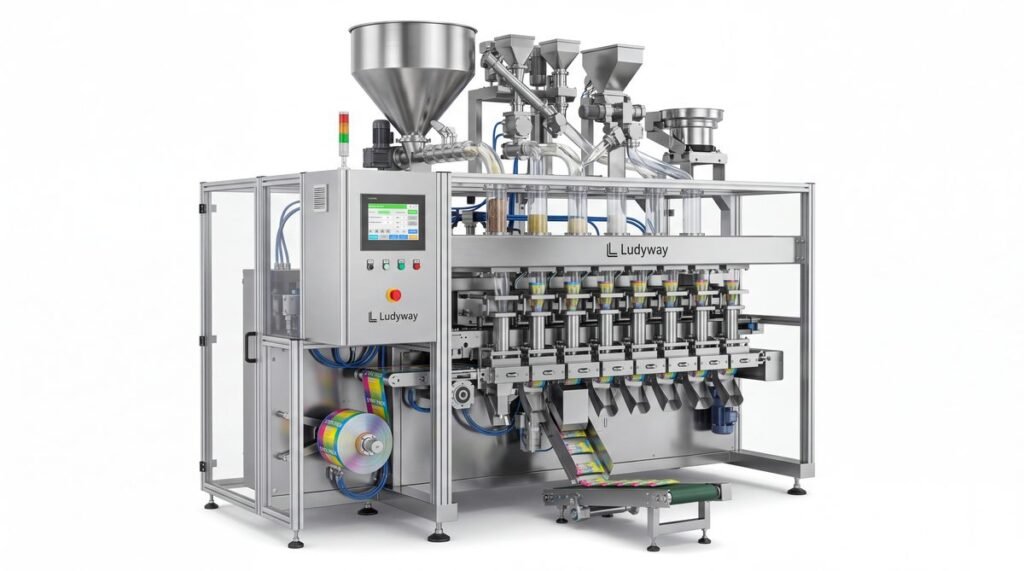
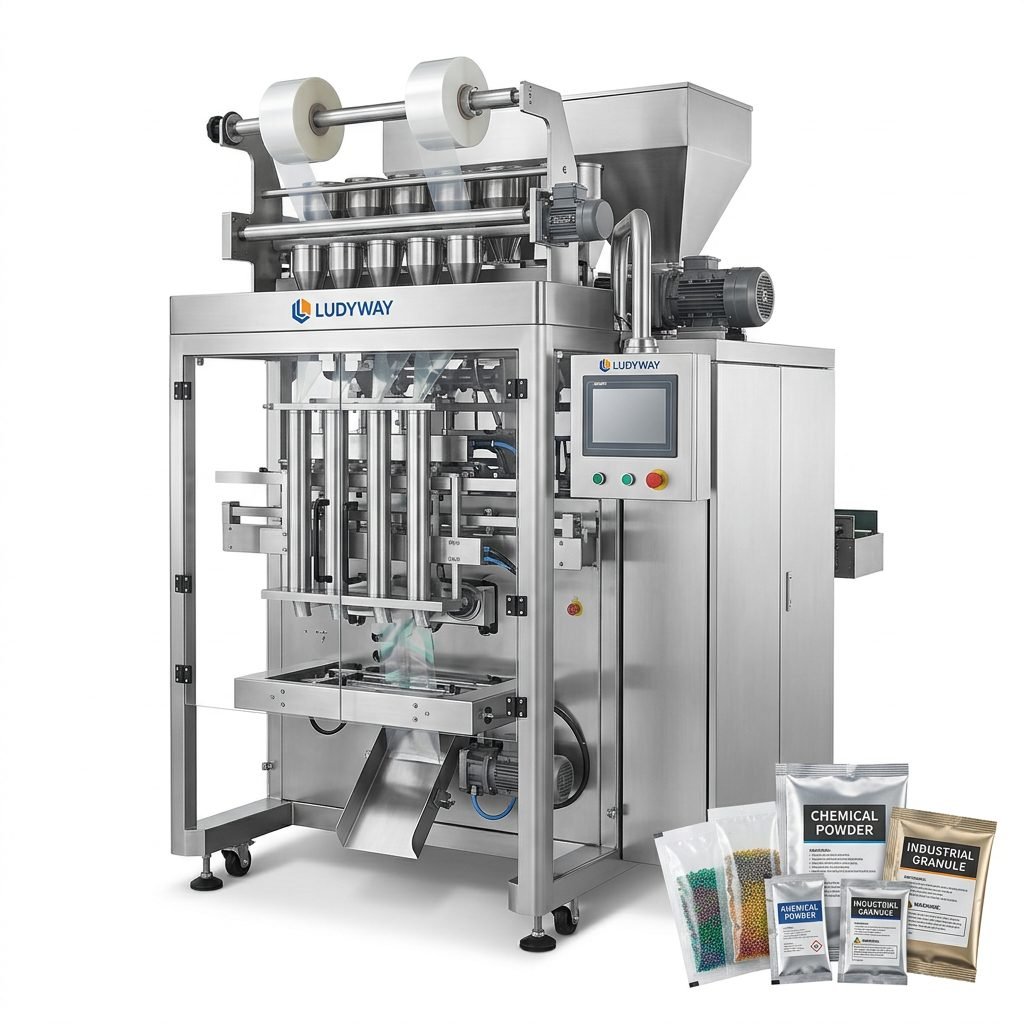
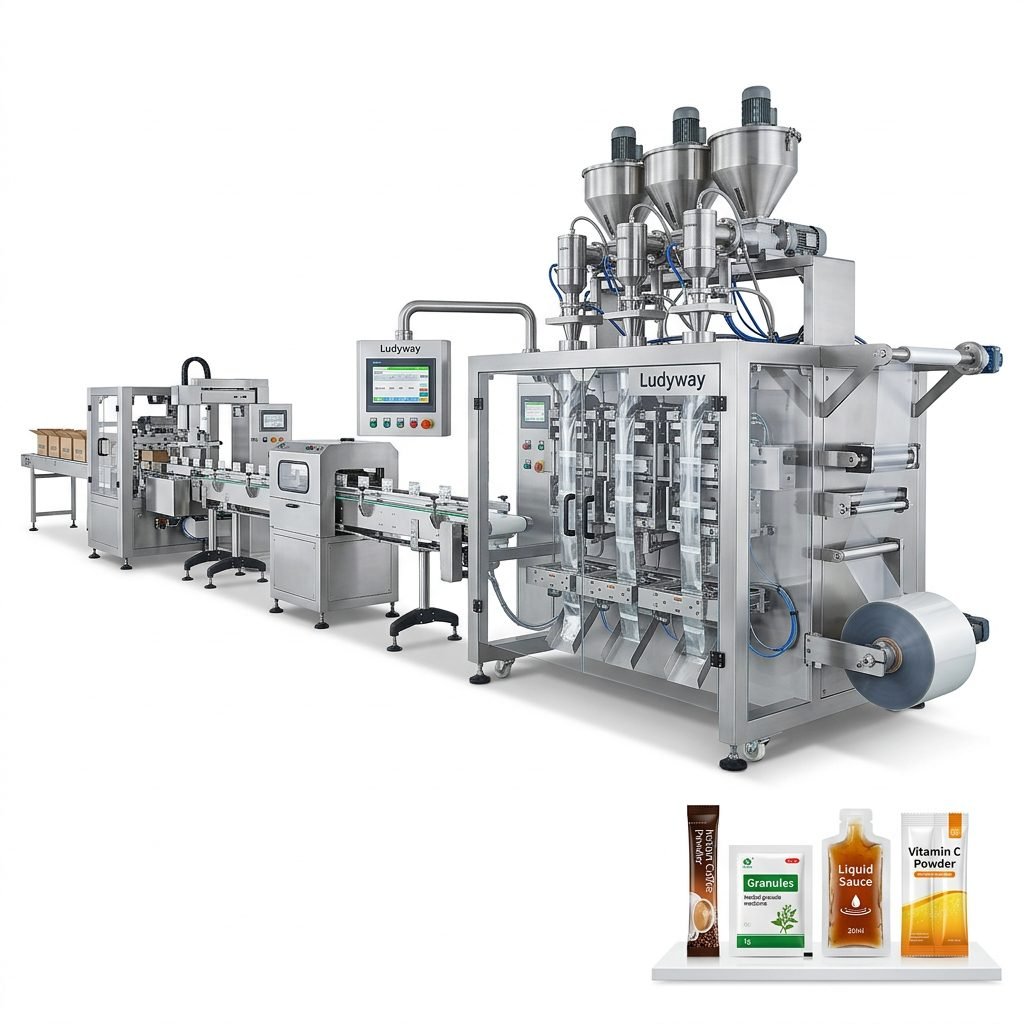
For applications involving diverse formats, the principles of selecting a versatile machine also apply to other stages; see considerations for multi-lane sachet packaging machines.
Conclusion: Securing Your Success
Selecting the optimal torquing packaging machine is a strategic investment. By meticulously evaluating your containers, closures, speed, flexibility, and precision requirements, you can choose a solution that not only seals your products perfectly but also enhances line productivity, reduces waste, and protects your brand reputation. Partnering with an experienced supplier who can provide robust testing, training, and support is the final step in ensuring a successful implementation.
Frequently Asked Questions (FAQs)
1. How often should torque settings be calibrated on our capping machine?
Calibration frequency depends on usage and the criticality of the seal. For most production environments, a weekly or monthly verification using a handheld torque tester is recommended. High-precision or regulated industries may require continuous monitoring and more frequent calibration. Always follow the machine manufacturer’s guidelines.
2. Can one machine handle different cap sizes and container types?
Yes, many machines are designed for flexibility. The key is the changeover process. Look for machines with quick-change chucks, adjustable height mechanisms, and electronic recipe storage. The time and complexity of changeover will vary between models, so this should be a key point during machine demonstration.
3. What is the main cause of inconsistent torque application?
Common causes include: worn or dirty chucks causing slippage, variation in cap or thread quality from the supplier, fluctuations in air pressure (for pneumatic systems), misaligned containers on the conveyor, or mechanical wear in clutch-based systems. A systematic diagnostic approach is needed to identify the root cause.
4. Is a servo-driven capper worth the higher cost?
For applications demanding extreme precision, high-speed operation with low maintenance, or frequent changeovers, servo-driven cappers almost always justify their cost through superior performance, less downtime, lower spare part consumption, and reduced product giveaway. For simple, low-speed applications with fixed parameters, a traditional clutch system may suffice.
5. How can we test and validate the correct torque for our new product?
Work closely with your closure supplier for initial specifications. Then, conduct application tests on the actual machine with your containers. The goal is to find the minimum effective torque that ensures a proper seal (test via leak tests, vacuum decay tests) while remaining within the cap’s and container’s structural limits and ensuring openability for the end-user.