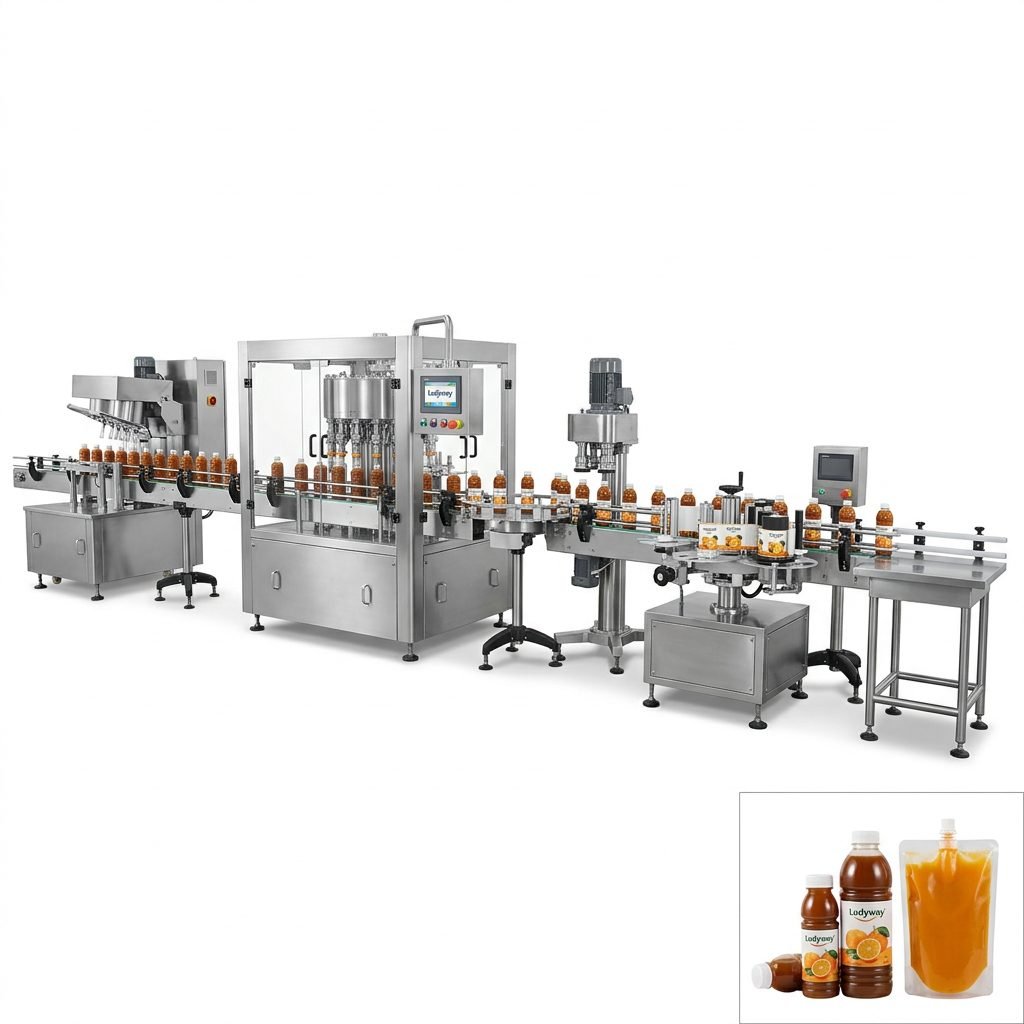
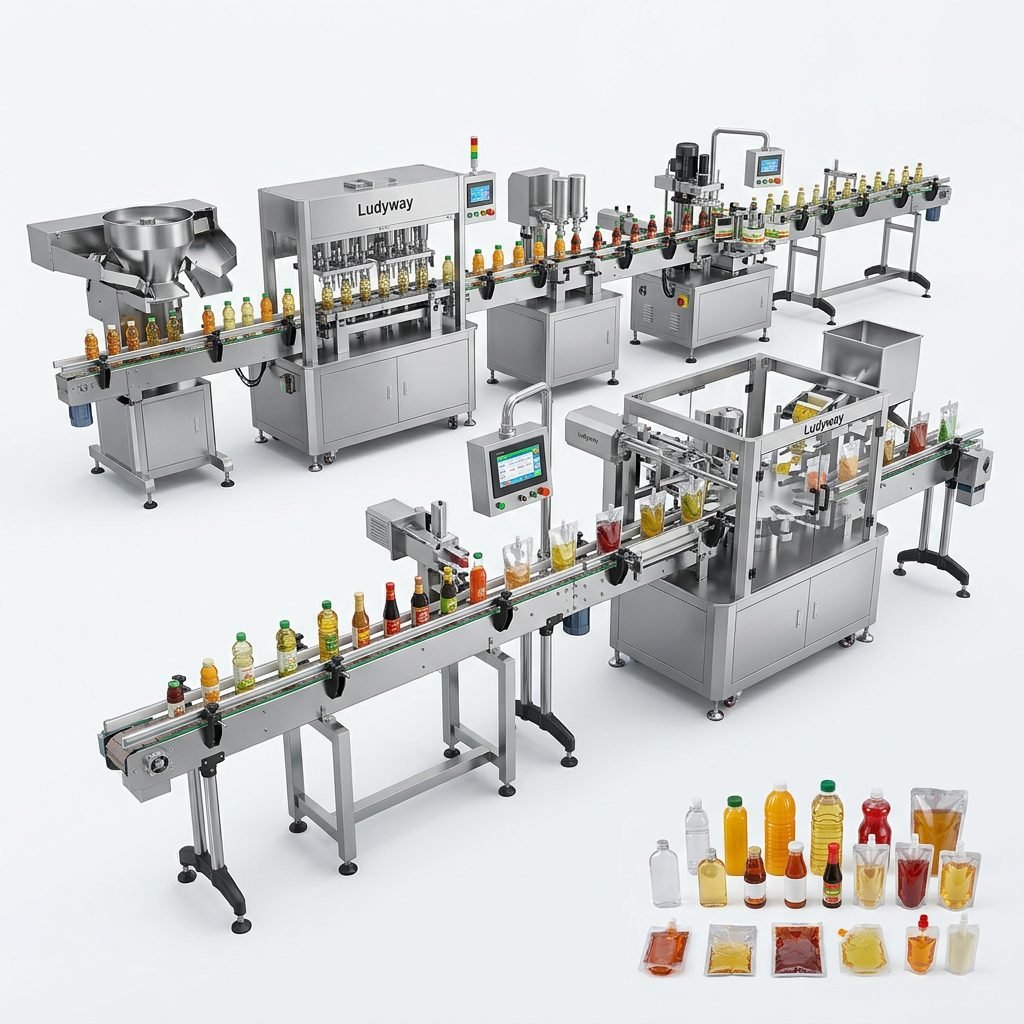
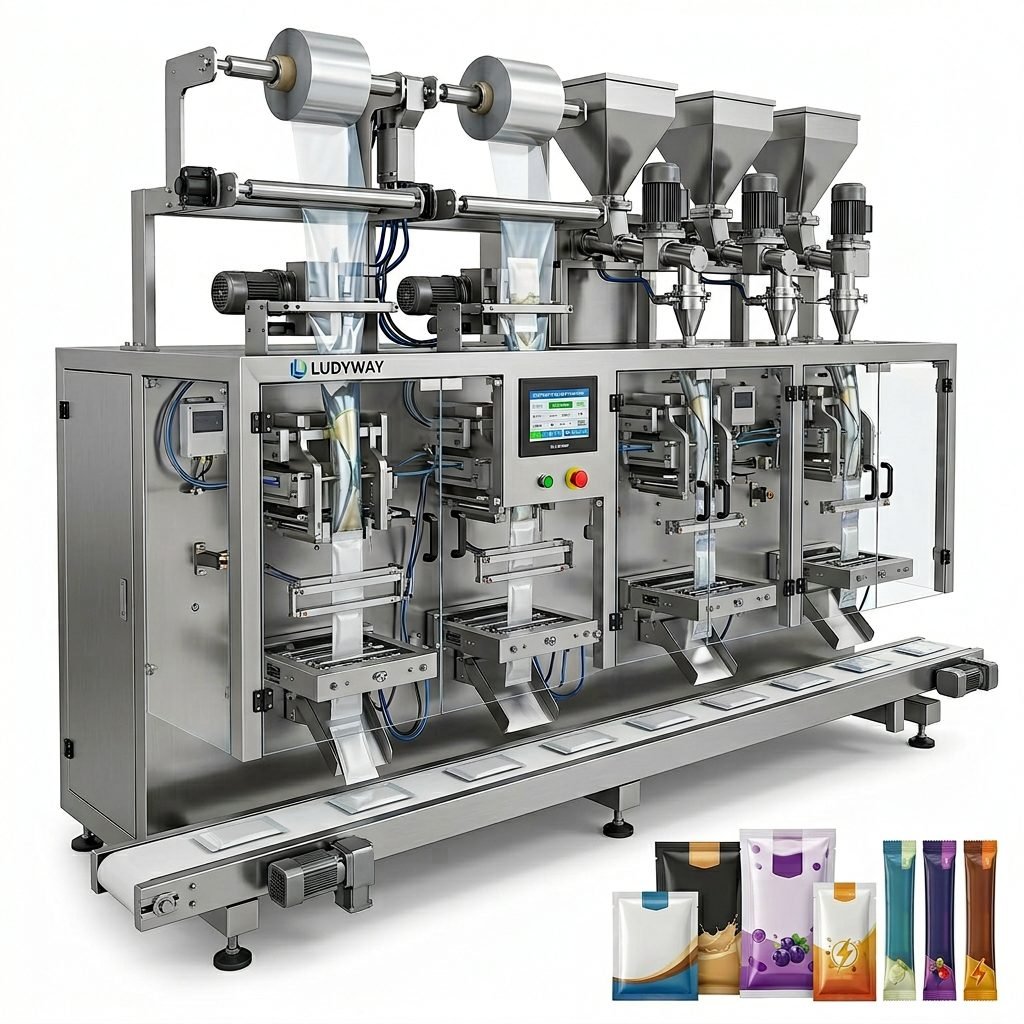
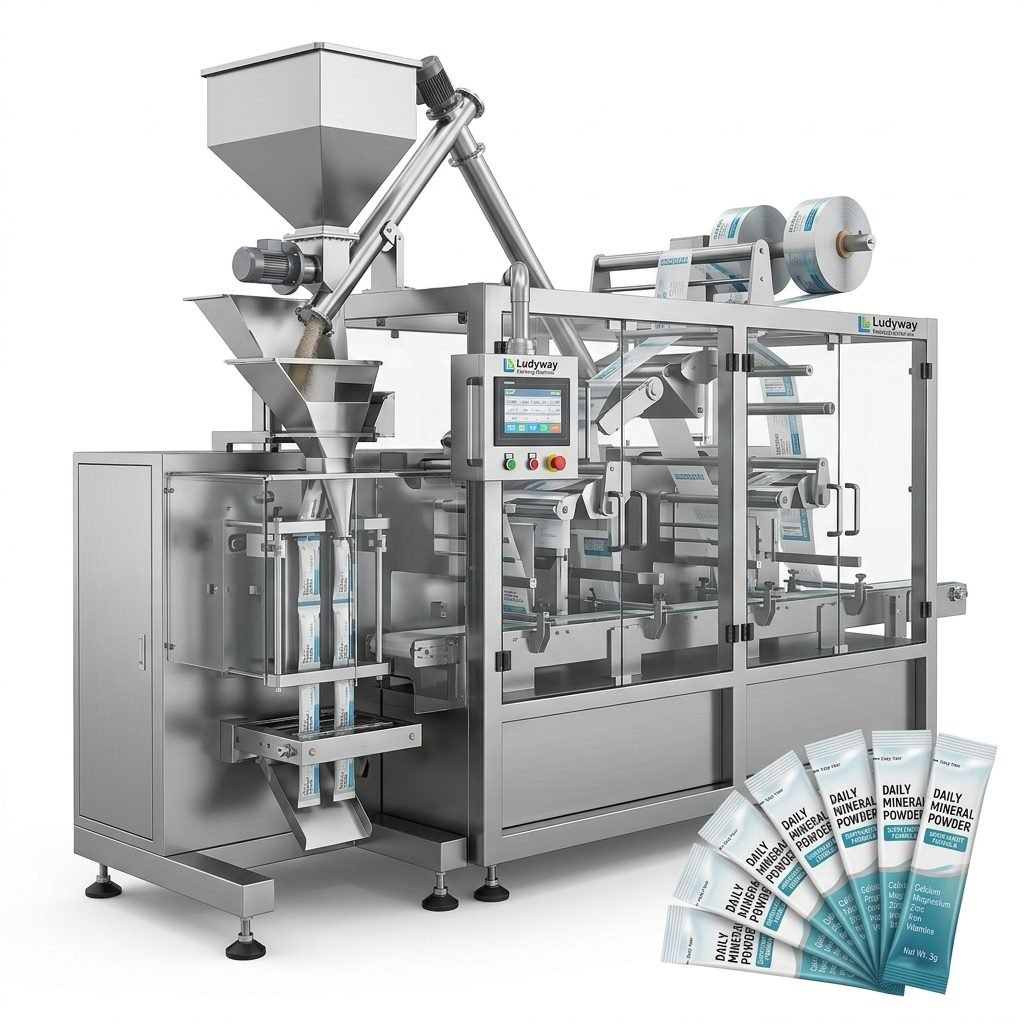
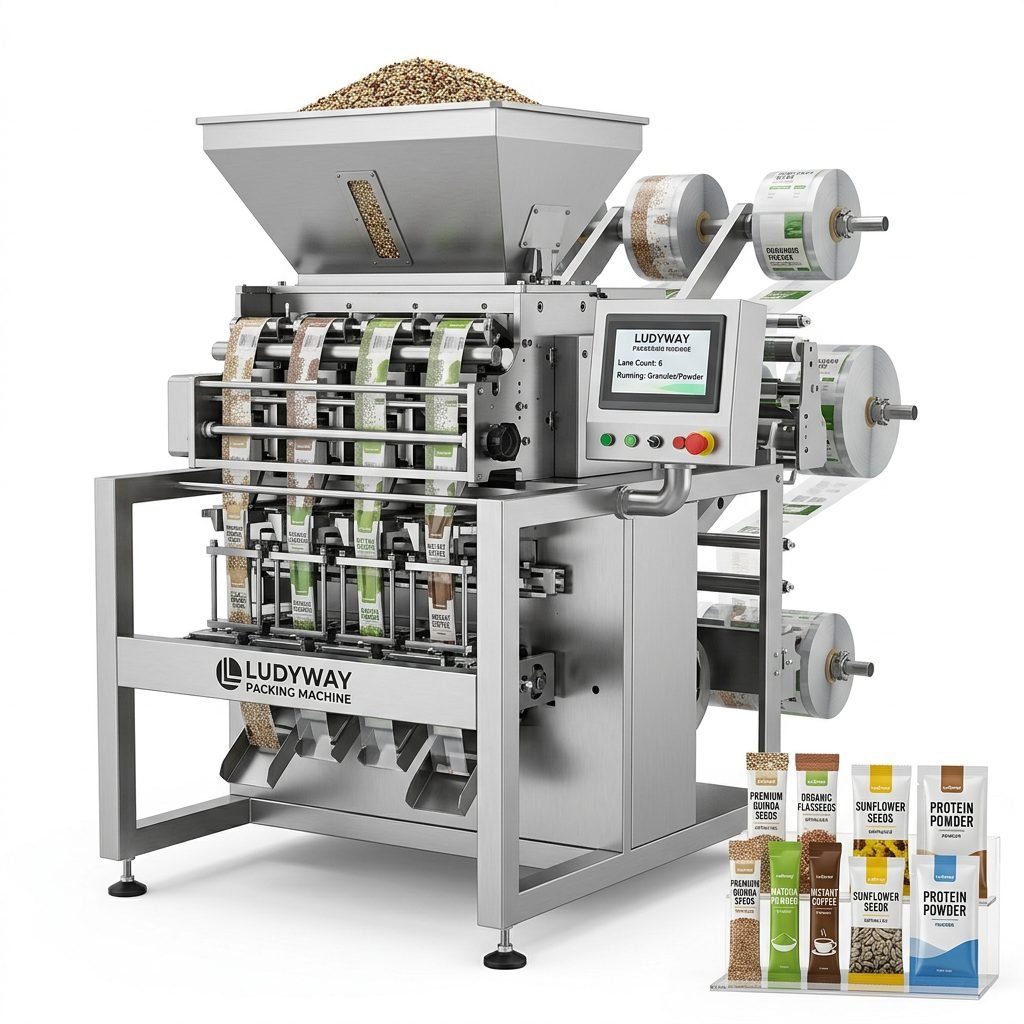
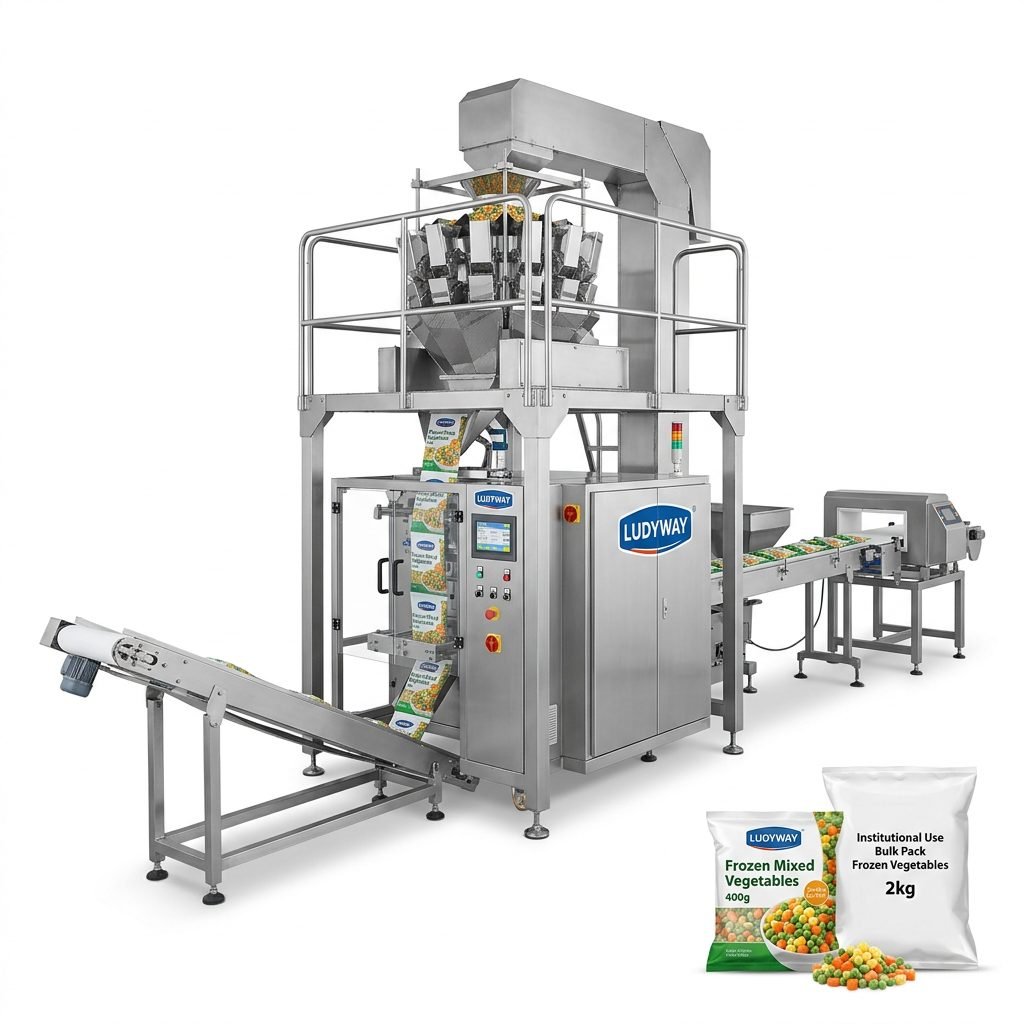
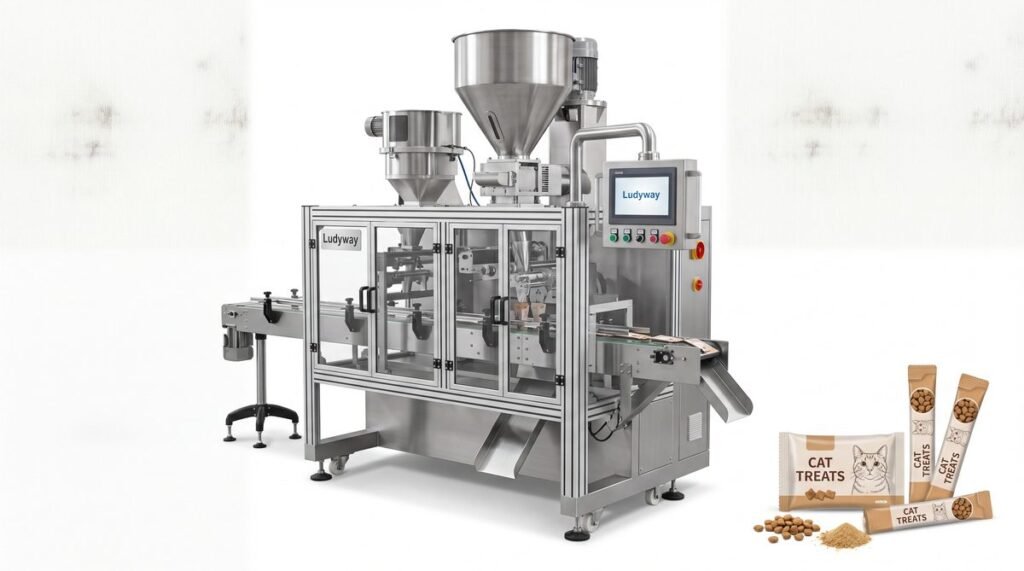
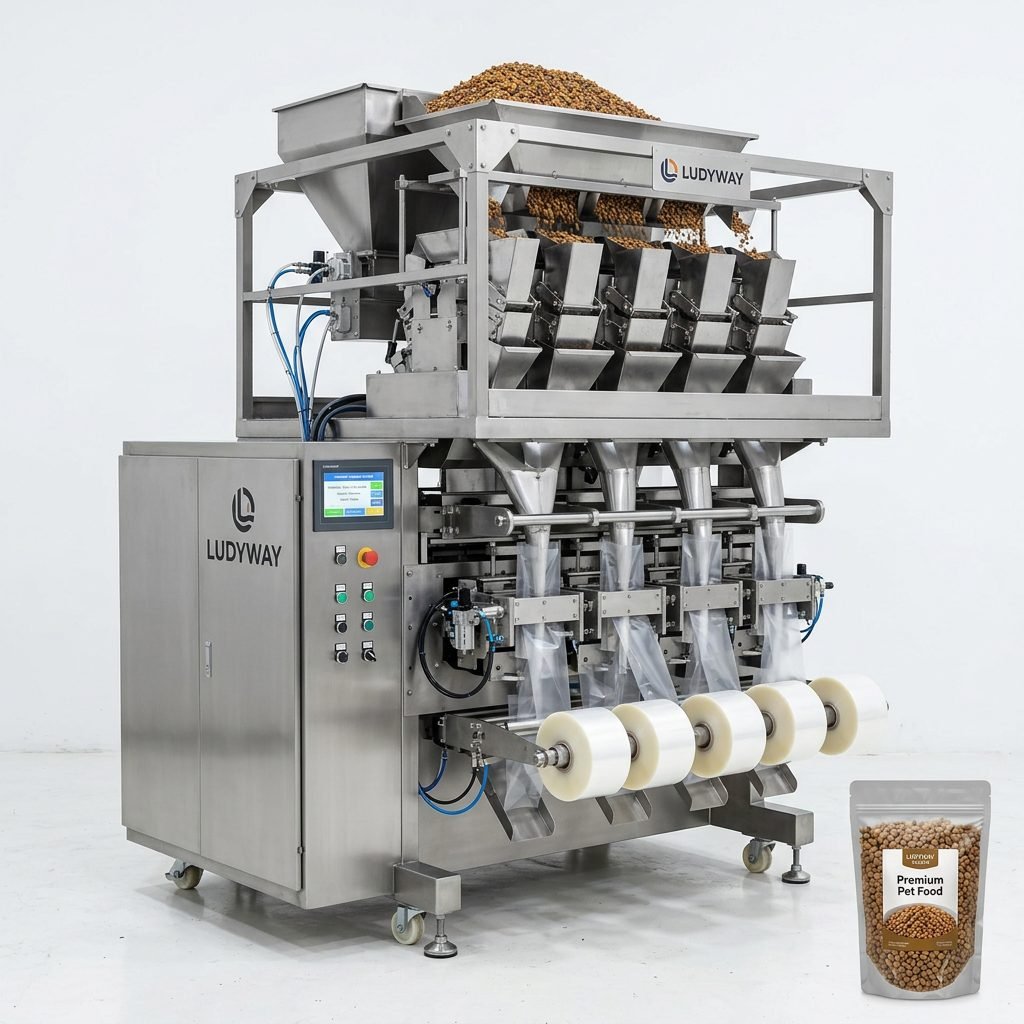
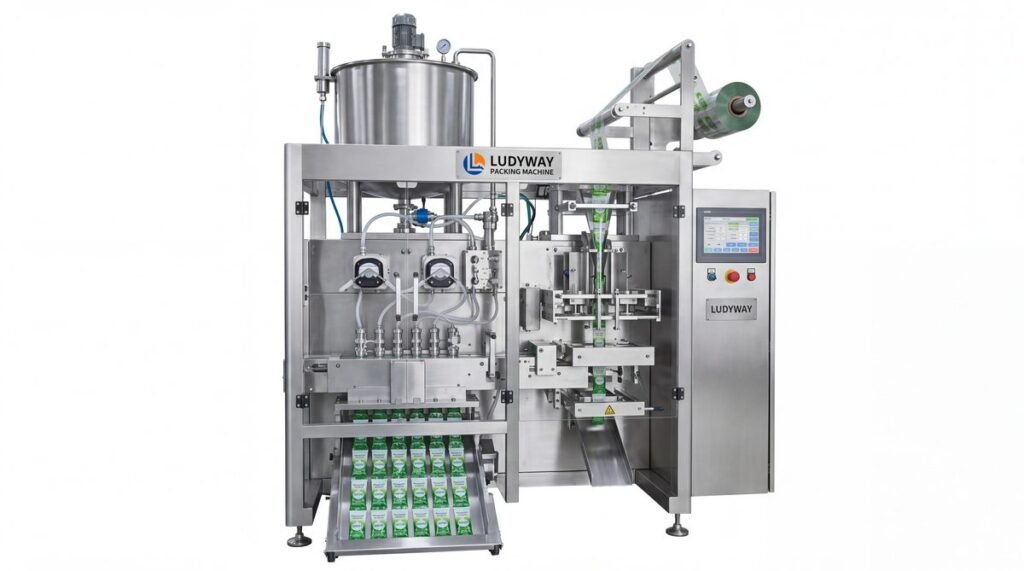
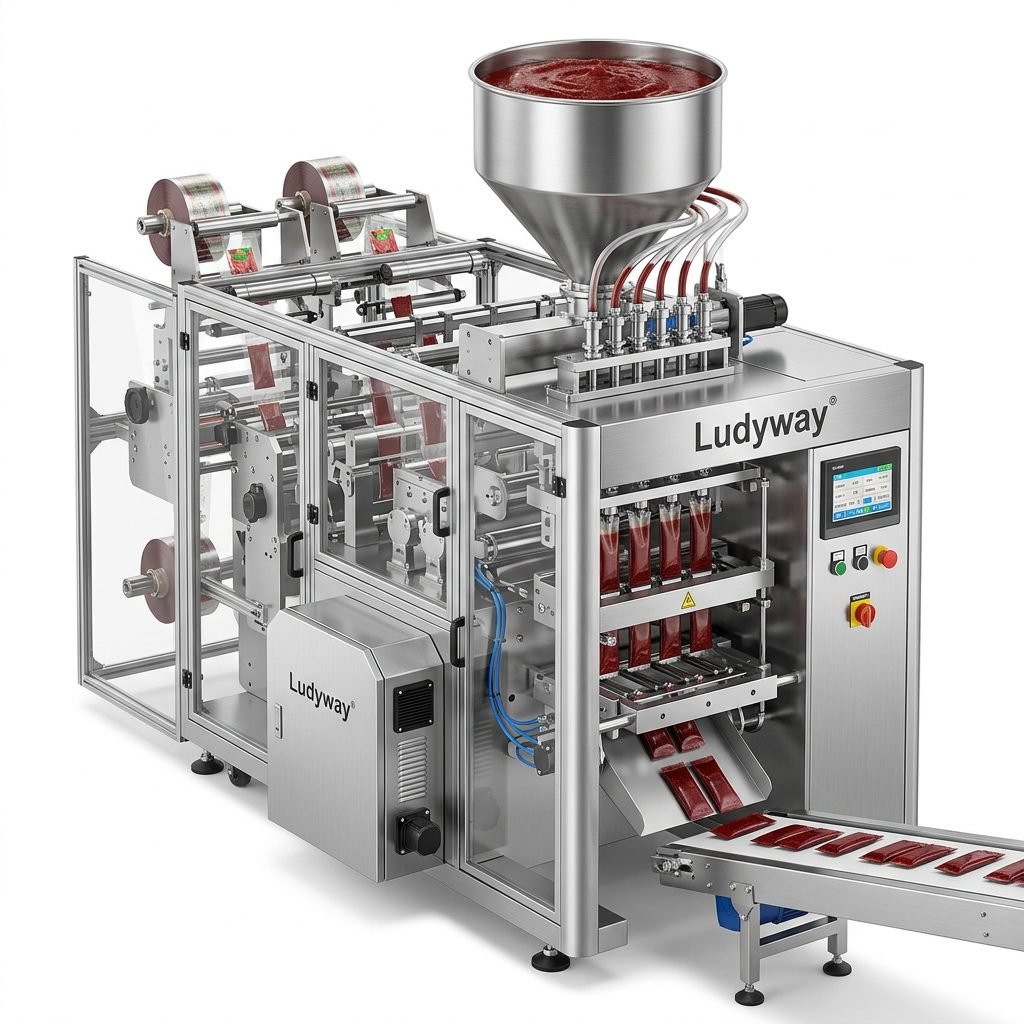
In today’s fast-paced manufacturing landscape, achieving operational excellence requires more than just speed. It demands flexibility, efficiency, and seamless automation. High-performance packaging machinery sits at the heart of this transformation, enabling producers to meet volatile market demands, ensure product integrity, and optimize resource utilization. For businesses in sectors like food, pharmaceuticals, and health products, investing in the right packaging technology is not an option—it’s a strategic imperative for growth and sustainability.
The Core Pillars of Modern Packaging Performance
The evolution of packaging machinery has been driven by three interconnected goals: creating adaptable systems, maximizing throughput with minimal waste, and removing manual bottlenecks through intelligent automation.
Unmatched Flexibility for Diverse Product Lines
Modern consumers demand variety, from single-serve sachets to bulk packs. High-performance machines are engineered for quick changeovers, allowing a single production line to handle different formats, sizes, and materials with minimal downtime. This agility is crucial for manufacturers launching new products or catering to seasonal trends without capital investment in multiple dedicated lines.
Driving Efficiency Through Precision and Speed
Efficiency transcends mere speed. It encompasses precision filling that reduces product giveaway, robust sealing that minimizes spoilage, and energy-efficient operation that lowers the total cost of ownership. Advanced servo-driven technology ensures accurate dosing for granules, powders, and liquids, while sophisticated vision inspection systems guarantee every package meets quality standards before it leaves the line.
The Automation Advantage: From Labor to Reliability
Automation is the cornerstone of high-performance packaging. It integrates previously isolated processes—from feeding and filling to sealing, coding, and cartoning—into a synchronized, continuous flow. This reduces reliance on manual labor, mitigates human error, and ensures consistent output 24/7. Furthermore, data collection and connectivity features (Industry 4.0) provide real-time insights into Overall Equipment Effectiveness (OEE), predictive maintenance needs, and production analytics for continuous improvement.
Key Technologies Powering Advanced Packaging Lines
The leap into high-performance packaging is fueled by specific technological innovations. These are not just incremental upgrades but foundational shifts in how machinery operates.
1. Servo Motor Control Systems
Replacing traditional mechanical drives, servo systems offer unparalleled control over motion. This allows for gentle handling of fragile products, ultra-precise positioning for printing and sealing, and the programmable flexibility to switch between packaging formats electronically via the HMI (Human-Machine Interface).
2. Integrated Vision Inspection & Quality Assurance
In-line cameras and sensors perform critical checks: verifying fill levels, detecting seal integrity, ensuring correct label placement, and reading codes. This automated quality gate prevents defective products from reaching consumers, protecting brand reputation and reducing costly recalls.
3. Smart HMI & IoT Connectivity
Modern machines feature intuitive touch-screen interfaces that simplify operation, recipe management, and diagnostics. Connectivity via IoT platforms enables remote monitoring, performance benchmarking across multiple factory sites, and the integration of packaging data into broader Enterprise Resource Planning (ERP) or Manufacturing Execution Systems (MES).
Applications Across Critical Industries
The demand for flexible, efficient, and automated packaging cuts across global industries, each with its unique requirements.
Food & Beverage Industry
From coffee sticks and soup powders to seasoning sachets and liquid condiments, the need for freshness, portion control, and appealing presentation is paramount. High-speed stick pack and sachet machines with nitrogen flushing capabilities extend shelf life, while their flexibility allows brands to offer a wide range of SKUs efficiently.
Pharmaceutical & Nutraceutical Sector
Here, precision and compliance are non-negotiable. Packaging machinery must deliver accurate doses of powders or granules into sachets or stick packs, often in cleanroom environments. Audit trails, data integrity, and the ability to handle high-value products with zero waste are critical features provided by advanced packaging solutions.
Daily Chemicals & Health Products
Products like detergent pods, shampoo packets, or dietary supplements require robust, leak-proof seals and attractive packaging. Automated lines that combine primary packaging with secondary cartoning or bundling streamline the process from production to retail readiness.
Implementing a High-Performance Packaging Solution
Transitioning to an advanced packaging line is a significant project. A successful implementation follows a strategic path.
Step 1: Comprehensive Needs Analysis
This involves auditing current production rates, product types, packaging materials, and future growth plans. Defining Key Performance Indicators (KPIs) for the new line, such as target output, changeover time, and waste reduction, sets a clear benchmark for success.
Step 2: Partner Selection & Solution Design
Choosing a partner with proven industry experience and engineering expertise is vital. A reliable supplier will co-design a turnkey solution, possibly integrating multiple machines (e.g., a multi-lane filler with a checkweigher and cartoner) into a cohesive, automated cell.
Step 3: Installation, Training, & Ongoing Support
Professional installation and comprehensive operator/maintenance training ensure a smooth ramp-up to full production. Long-term success depends on access to responsive technical support, readily available spare parts, and service to maximize the machinery’s lifespan and return on investment.
Frequently Asked Questions (FAQs)
1. What is the typical ROI period for investing in high-performance packaging machinery?
The return on investment can vary based on scale and application, but many operations see a payback period of 12 to 24 months. This is achieved through labor savings, reduced material waste, higher throughput, and decreased downtime. A detailed feasibility study with your supplier can provide a more accurate projection.
2. How difficult is it to change packaging formats on an automated line?
Modern machines are designed for simplicity. Changeovers that once took hours can now be accomplished in minutes through quick-release parts and digital recipe recall on the HMI. This minimizes production interruptions and enhances line flexibility.
3. Can these machines handle sustainable or biodegradable packaging films?
Yes, leading equipment providers are continuously adapting sealing jaws, tension controls, and film handling systems to work effectively with a growing range of mono-material and compostable films. It is essential to discuss your specific sustainable material goals during the solution design phase.
4. What kind of maintenance is required for automated packaging systems?
Preventive maintenance is key. This typically involves regular cleaning, lubrication of moving parts, and inspection of wear components like sealing jaws. Advanced machines often include diagnostic software that alerts operators to required maintenance, helping to prevent unplanned stoppages.
5. How does high-performance packaging machinery support regulatory compliance?
For regulated industries, machines can be equipped with features like secure user access logs, electronic batch records, and integrated checkweighers that document every action. This creates the necessary audit trail for compliance with standards like FDA 21 CFR Part 11 or other global Good Manufacturing Practices (GMP).