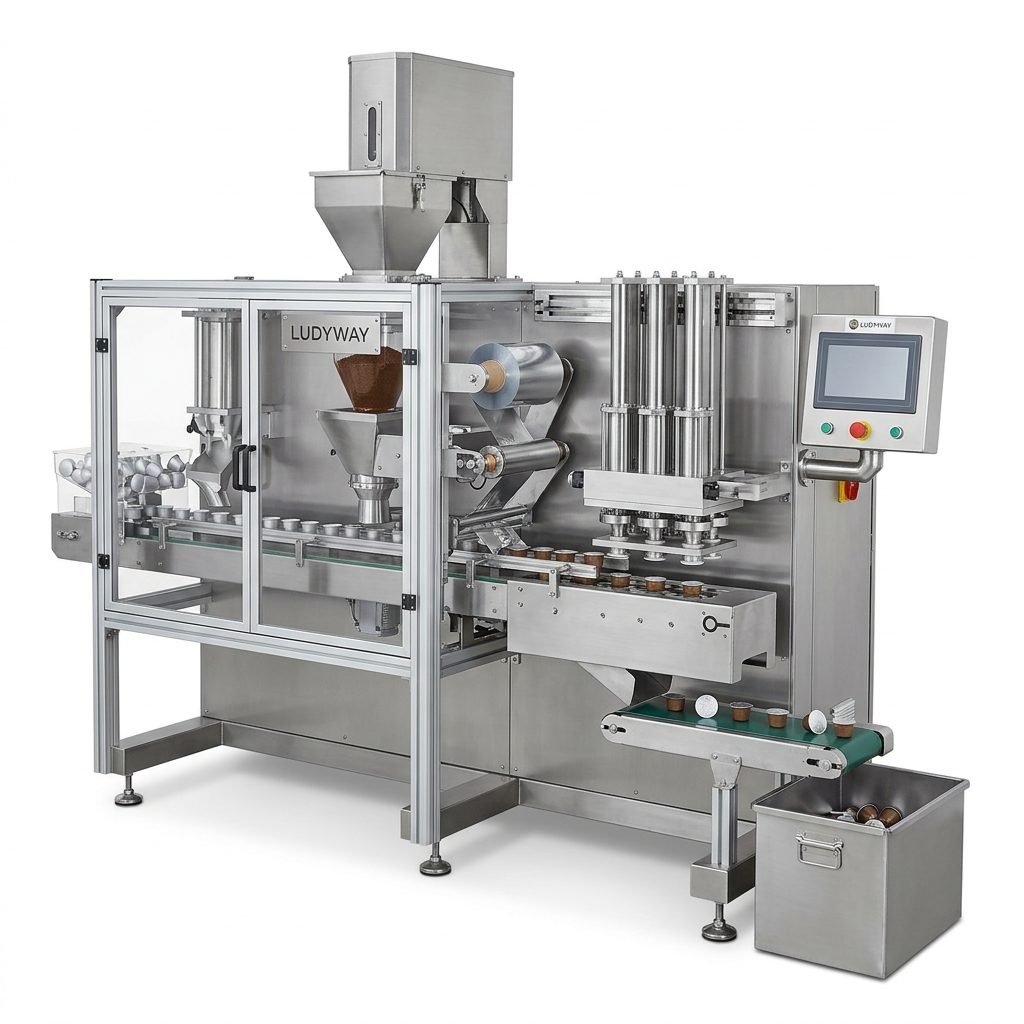
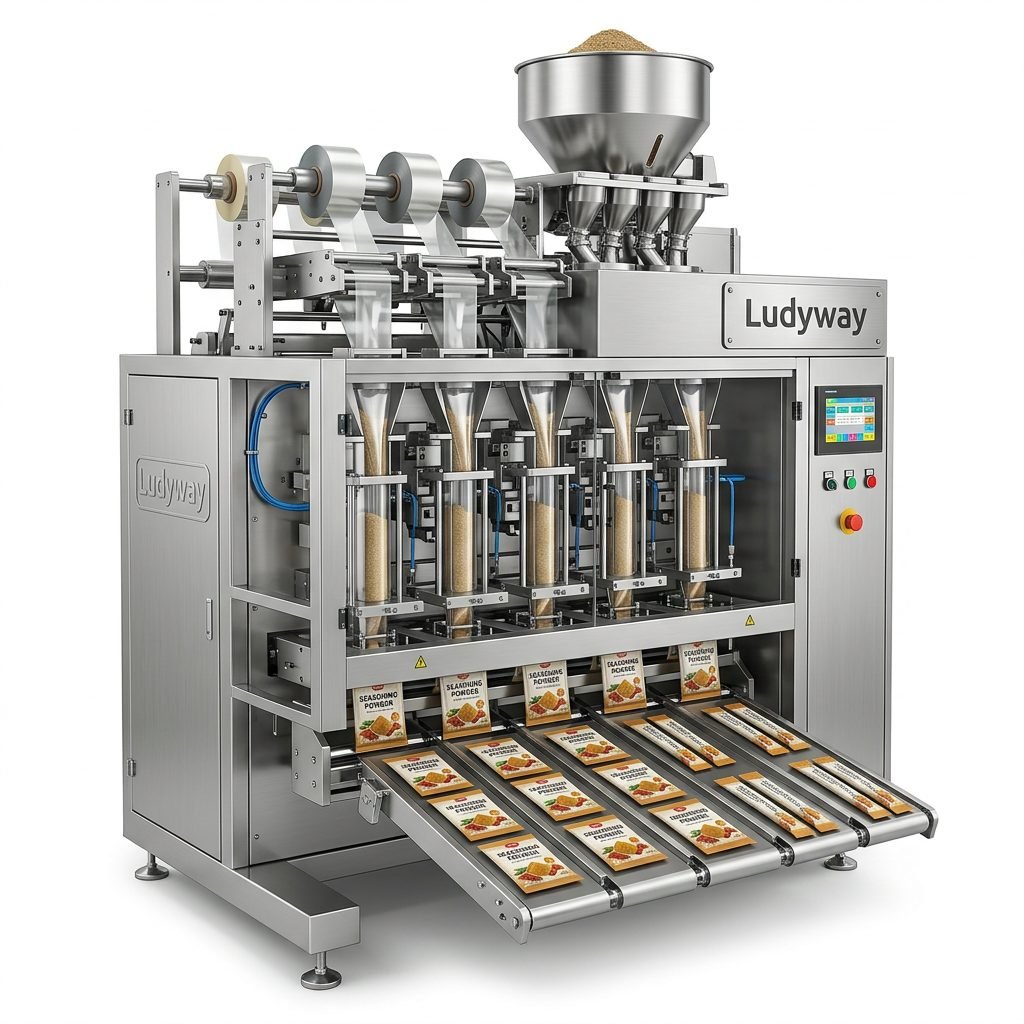
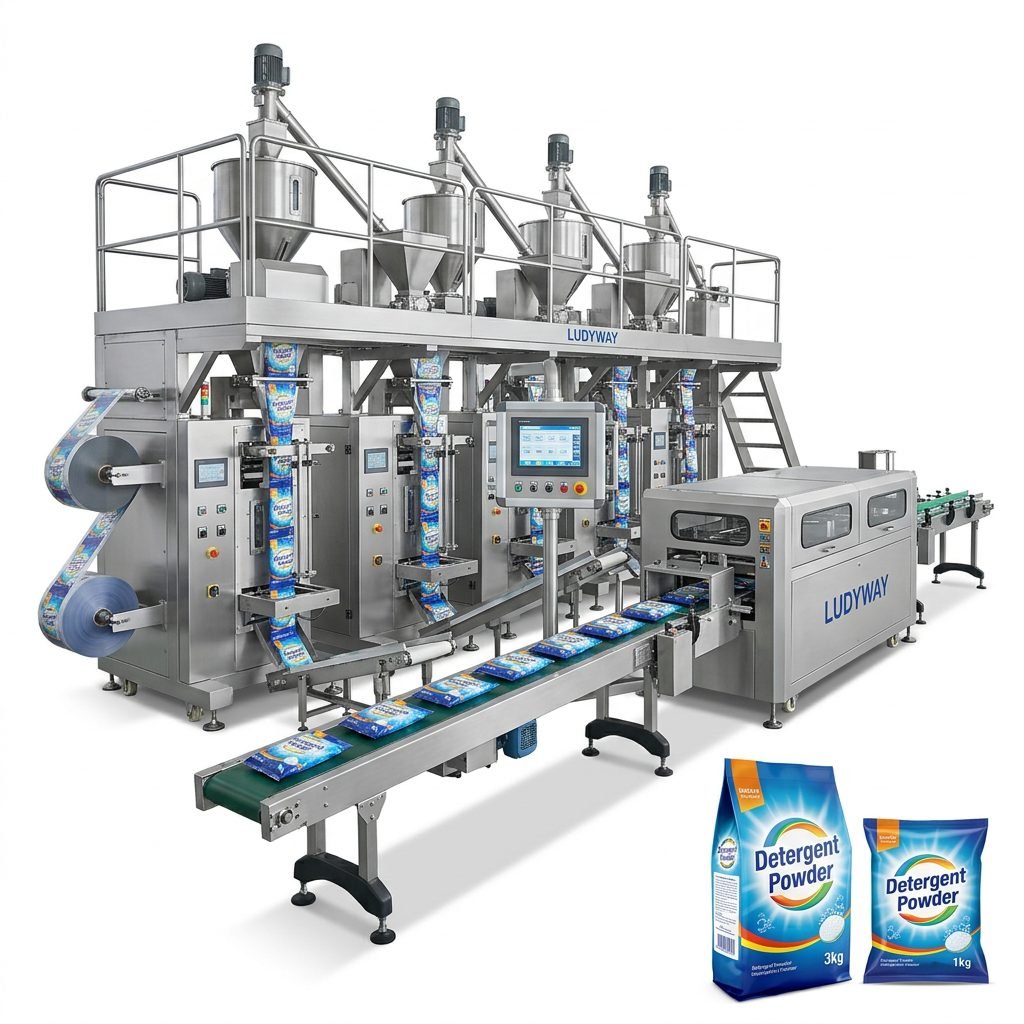
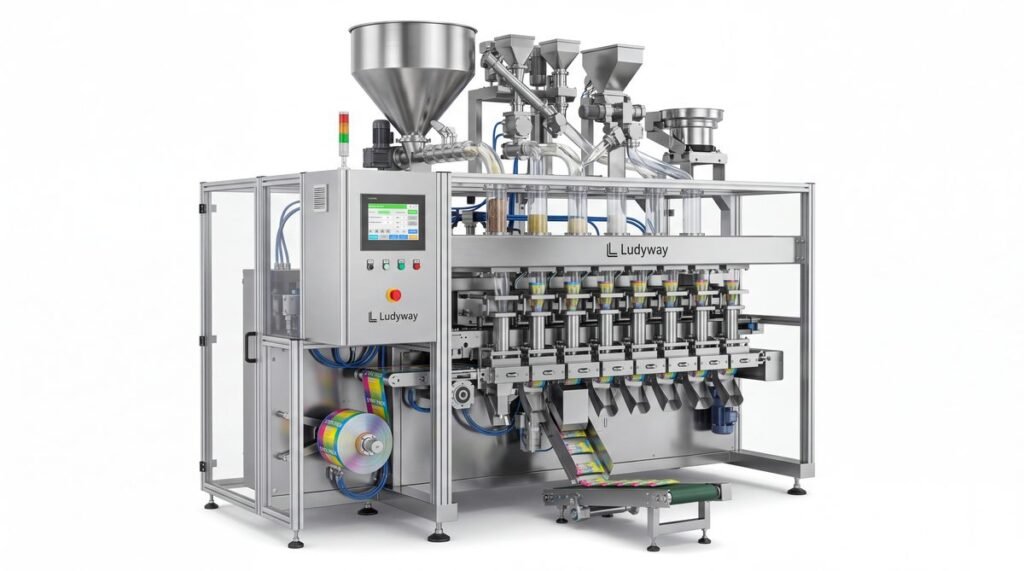
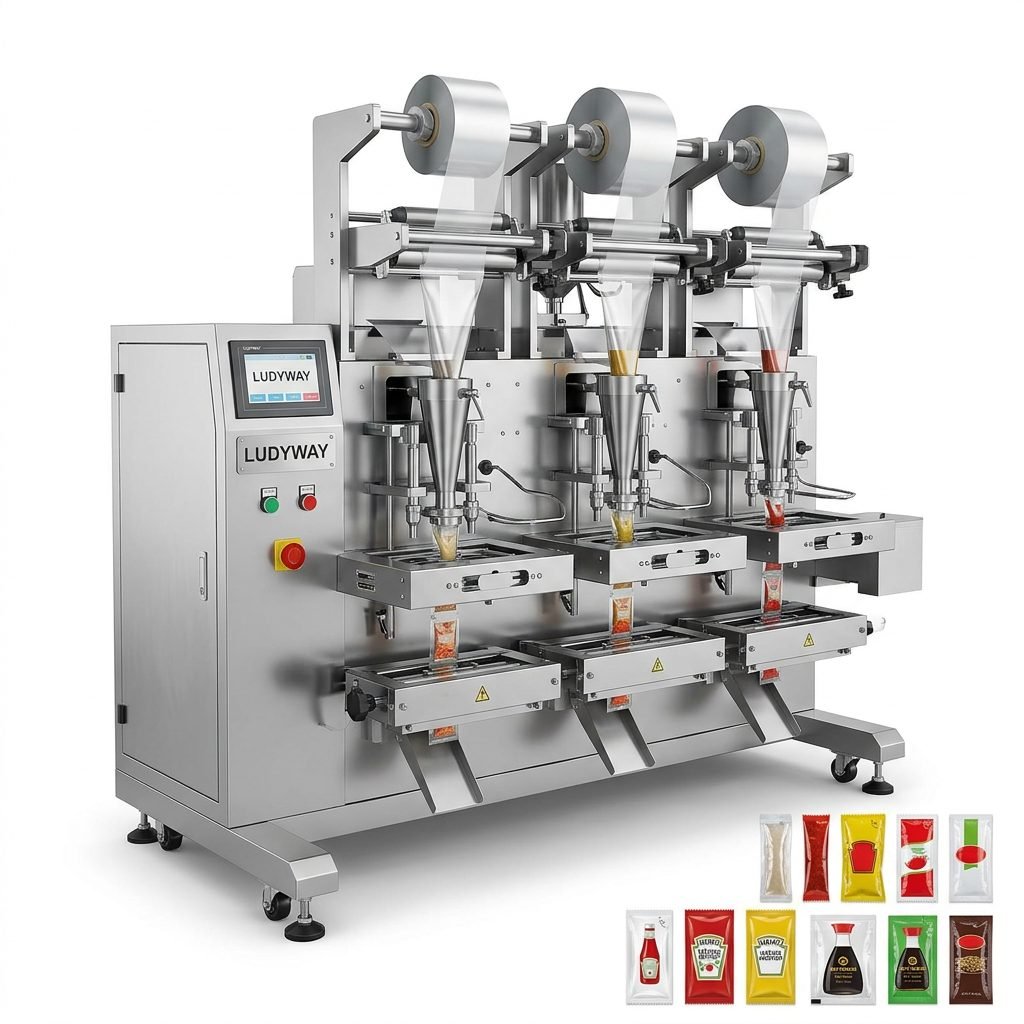
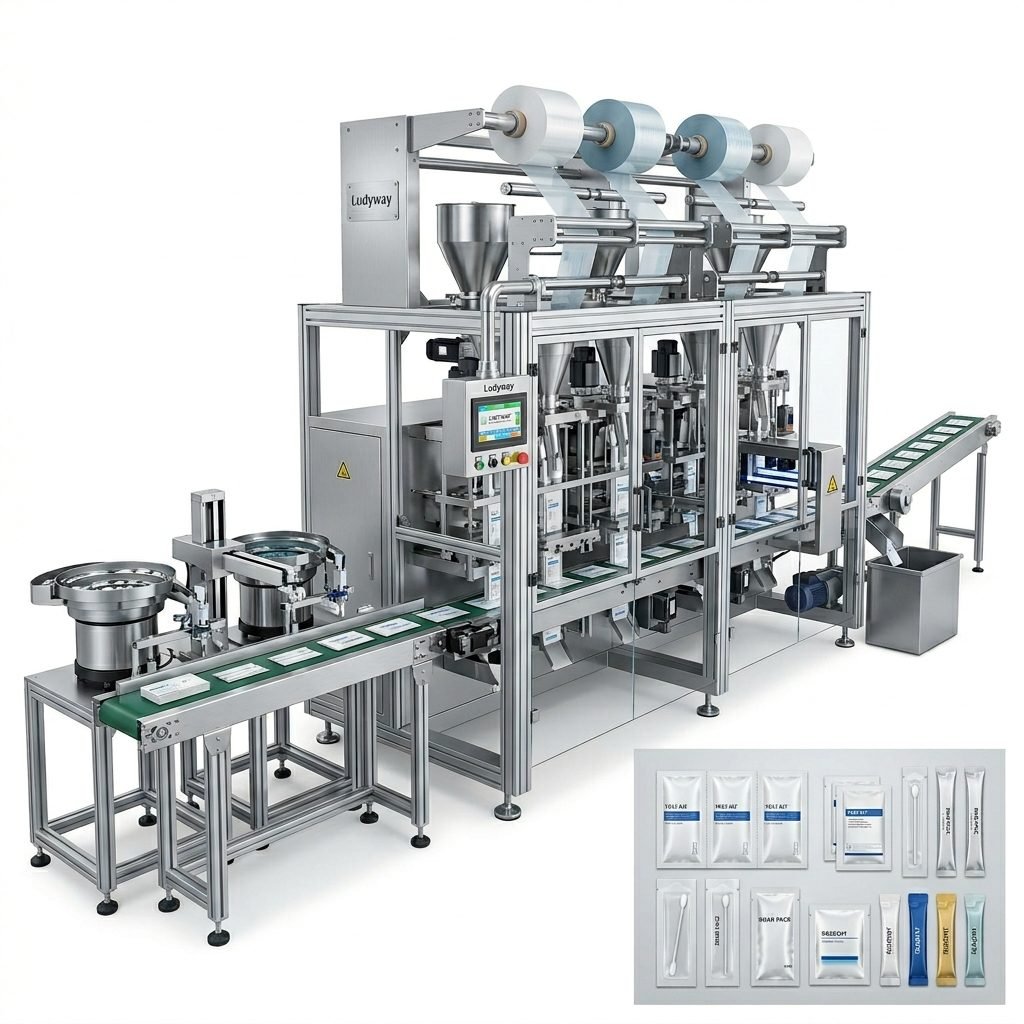
The evolution of packaging technology has ushered in a new era of efficiency and precision in manufacturing. Fully automatic packaging machinery represents the pinnacle of this advancement, enabling industries to achieve unprecedented levels of productivity, consistency, and cost-effectiveness. This comprehensive guide delves into the various types of automatic packaging machines, their intricate working principles, the substantial benefits they offer, and essential considerations for making an informed purchase.
Core Types of Fully Automatic Packaging Machinery
The landscape of automatic packaging is diverse, with machines tailored to specific product forms and packaging styles.
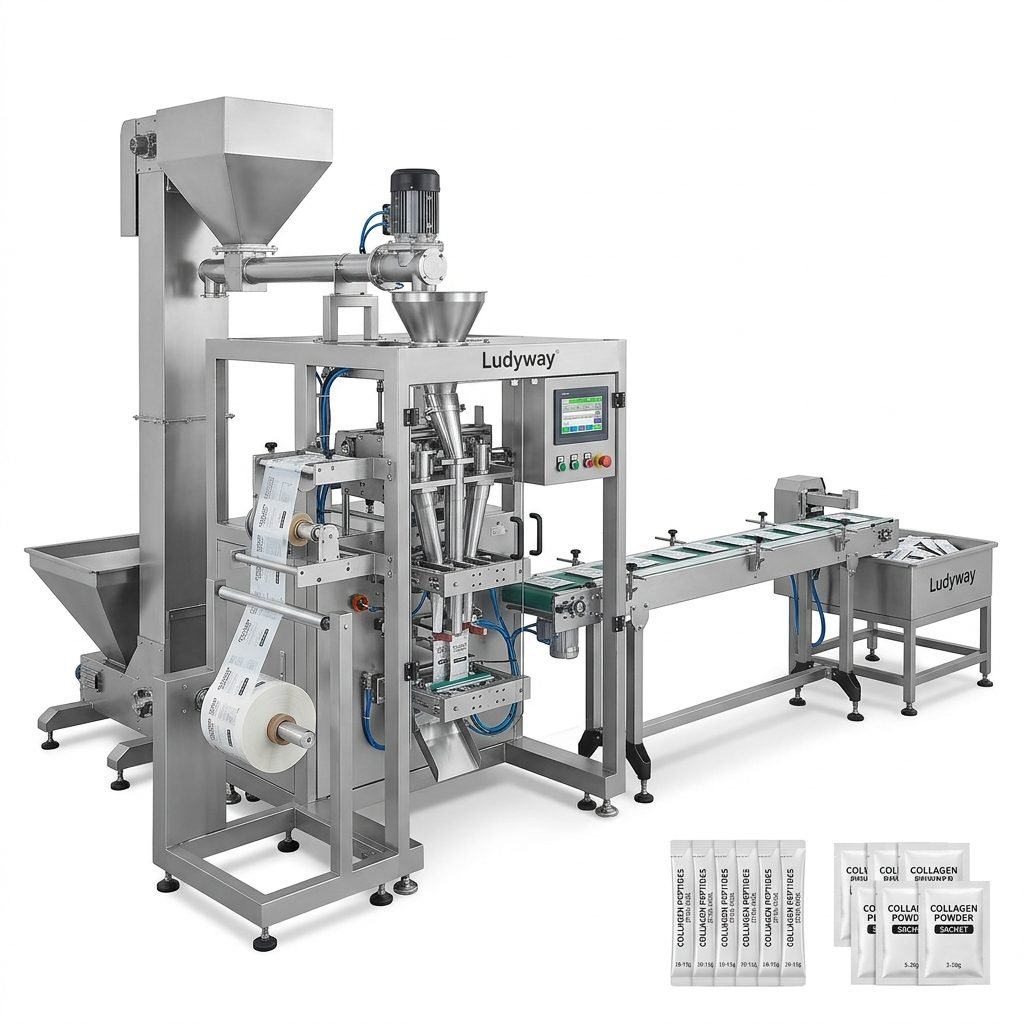
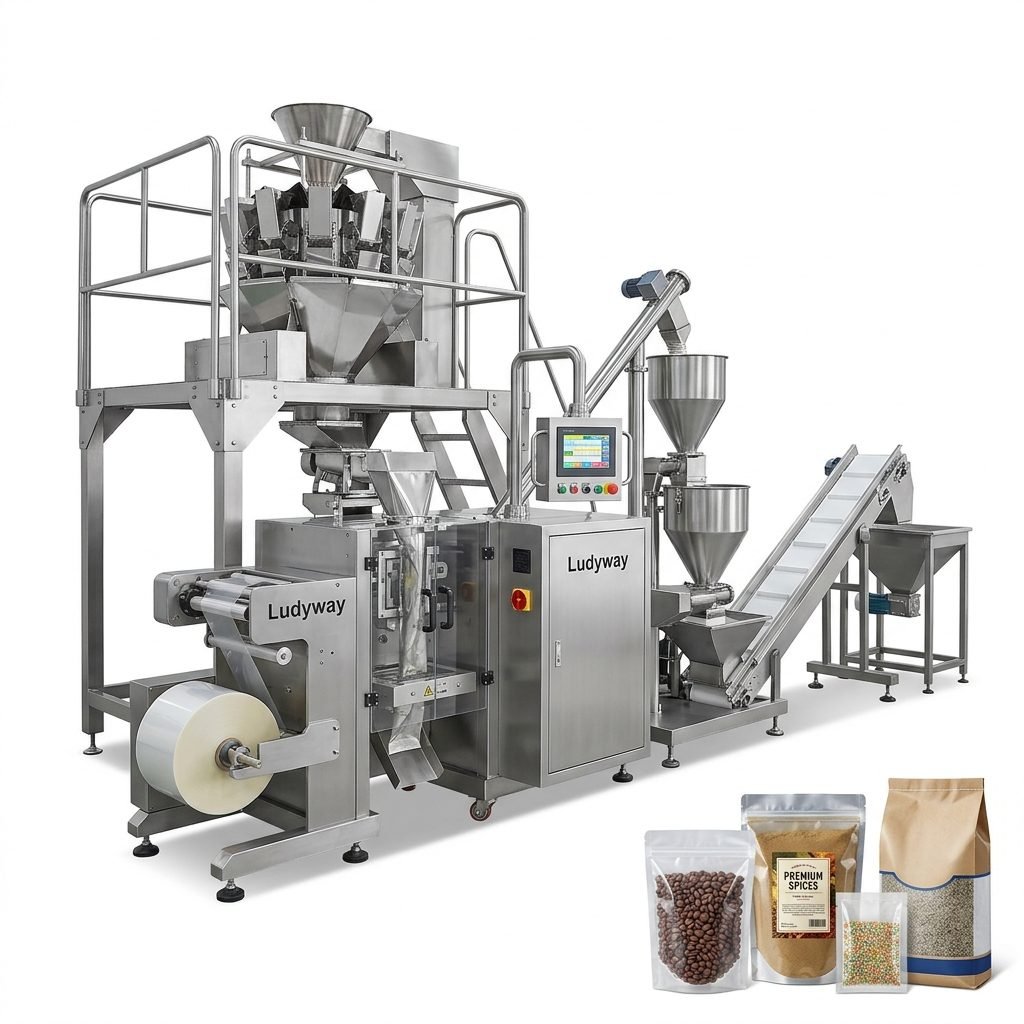
Vertical Form-Fill-Seal (VFFS) Machines
These are the workhorses of granular, powdered, and small solid item packaging. A VFFS machine creates the package from a roll of flat film, forming a tube, filling it with product, and sealing it into individual bags—all in a continuous vertical process. They are exceptionally versatile for producing stick packs, sachets, and pillow bags.
Horizontal Form-Fill-Seal (HFFS) Machines
Operating on a horizontal plane, HFFS machines are ideal for larger items, multi-packs, or products requiring specific orientation. They are commonly used for bar packaging, bundled items, and tray-style packages.
Liquid & Paste Filling Machines
Specialized for viscous products like sauces, oils, creams, and pharmaceuticals. These systems integrate precise volumetric or weight-based filling mechanisms with sealing capabilities for bottles, tubes, or sachets, ensuring accuracy and preventing contamination.
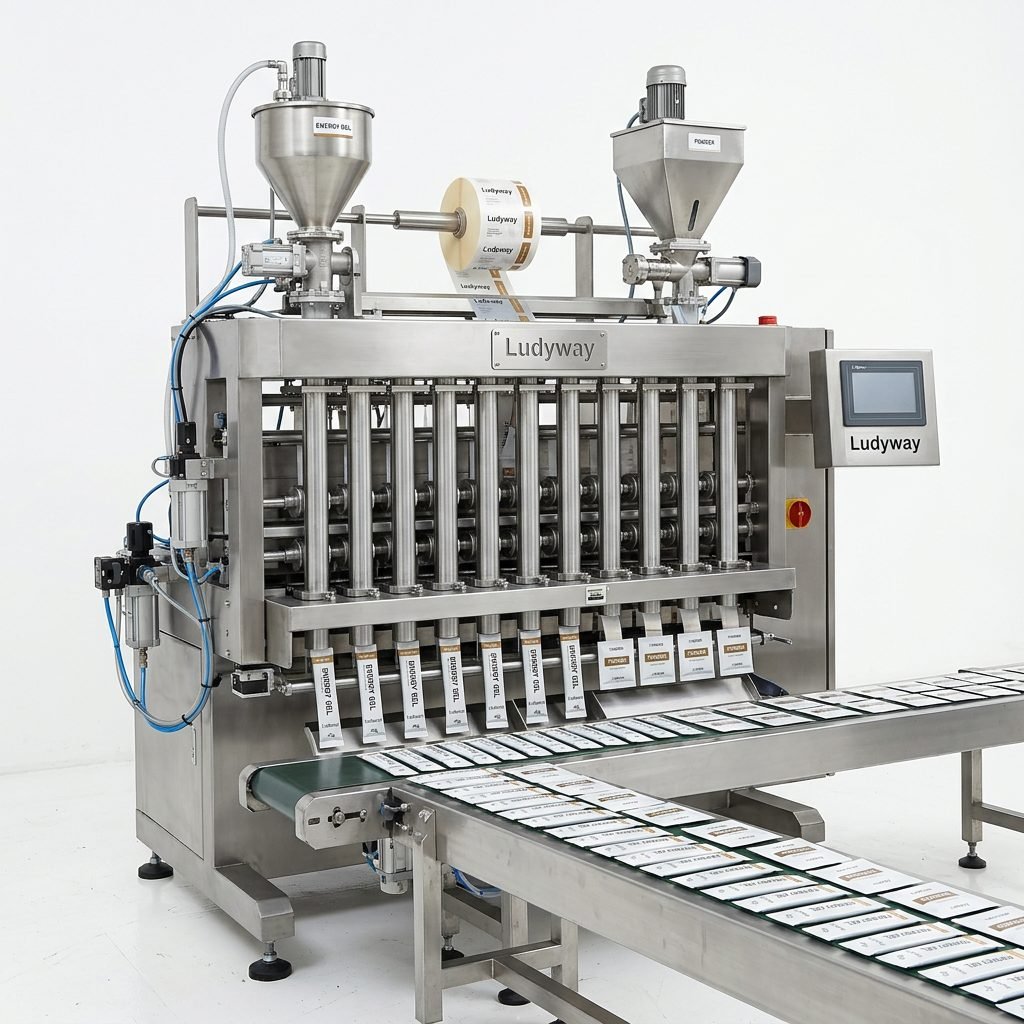
Multi-Lane & High-Speed Stick Pack/Sachet Machines
Designed for ultimate output, these machines operate multiple parallel lanes simultaneously. They are the preferred solution for high-volume industries like instant coffee, powdered supplements, and pharmaceutical granules, where producing thousands of small unit packs per minute is crucial.
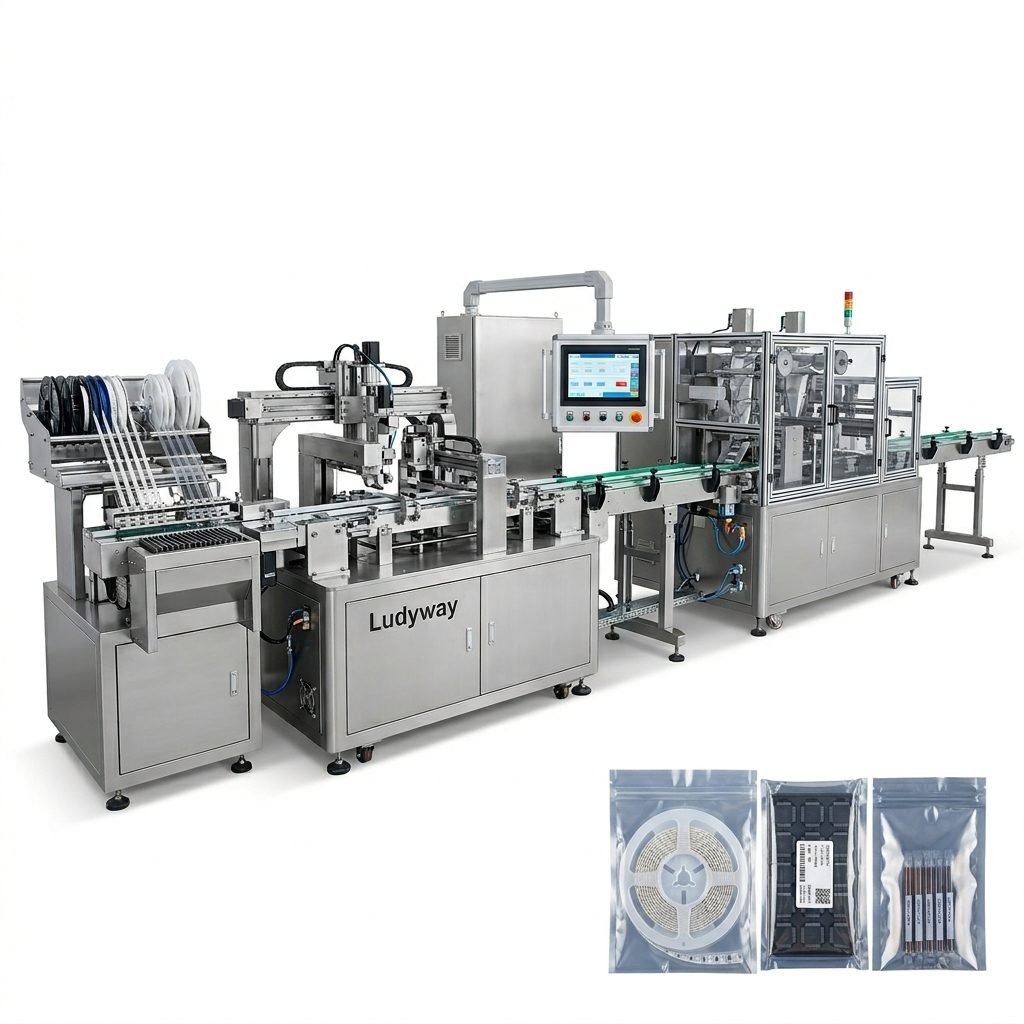
Capping, Labeling, and Cartoning Machines
These complete the packaging line by automating secondary operations. They apply caps or lids to containers, attach labels with precise alignment, and automatically erect, fill, and close cartons or boxes, creating a fully integrated end-to-end system.
Working Principles: The Engine Behind Automation
The seamless operation of an automatic packaging machine is a symphony of coordinated subsystems.
1. Film Feeding & Forming
The packaging material (laminate, film) is precisely drawn from a roll. In VFFS machines, a forming tube shapes the flat film into a cylindrical tube. In HFFS machines, the film is formed around the product or a mold.
2. Precision Product Feeding
Product is delivered via augers (for powders), vibratory trays (for granules), pumps (for liquids), or robotic pickers. Advanced weighing or volumetric systems ensure each package receives the exact predetermined amount.
3. The Sealing Process
Heat (through heated jaws or bands), pressure, or ultrasonic energy is applied to fuse the packaging film layers together, creating a hermetic seal that protects the product integrity.
4. Control & Synchronization
A central Programmable Logic Controller (PLC) orchestrates all motors, sensors, and actuators. It monitors parameters like film tension, fill weight, and seal temperature, making micro-adjustments for consistent quality.
Tangible Benefits of Automation
Investing in fully automatic packaging machinery transforms production economics and capabilities.
Unmatched Productivity & Speed
Automatic machines operate continuously at speeds far beyond human capability. Multi-lane systems can output over 600 packs per minute, drastically increasing throughput and meeting large-scale demand.
Consistent Quality & Accuracy
Automation eliminates human variability. Every package has identical fill weight, seal integrity, and appearance, reducing customer complaints and enhancing brand reputation.
Significant Labor & Cost Reduction
One machine can replace numerous manual operators, leading to direct labor cost savings. Reduced material waste from precise filling and lower rejection rates further improve profitability.
Enhanced Safety & Hygiene
Closed automated systems minimize direct product handling, crucial for food and pharmaceutical industries. This reduces contamination risks and improves workplace safety by limiting worker interaction with moving parts.
Flexibility & Data Integration
Modern machines with digital interfaces allow quick changeovers for different products or package sizes. They can integrate with factory MES (Manufacturing Execution Systems) for real-time production data tracking and analysis.
Essential Buying Guide: Selecting Your Machine
Choosing the right equipment requires a strategic assessment of your needs and the market offerings.
1. Define Your Core Requirements
- Product Type: Granules, powder, liquid, solid?
- Packaging Format: Stick pack, sachet, bottle, tray?
- Output Speed: Required packs per minute/hour.
- Future Scalability: Will you need to add lanes or handle new products?
2. Evaluate Machine Capabilities & Technology
Look beyond basic specs. Examine the precision of the filling system (weight vs. volume), the type and reliability of the sealing mechanism, and the level of PLC control. Machines with touchscreen HMI (Human-Machine Interface) and recipe memory simplify operation.
3. Assess Build Quality & Supplier Reliability
The machine’s construction determines its lifespan. Inspect the quality of critical components like servo motors, sealing jaws, and frame structure. Partner with a supplier known for robust engineering and proven durability. Consider their after-sales support, spare parts availability, and technical training.
4. Analyze Total Cost of Ownership (TCO)
The initial price is just one part. Calculate TCO including estimated maintenance costs, energy consumption, compatibility with your existing packaging materials (to avoid costly film changes), and potential integration expenses with upstream/downstream equipment.
5. Request a Live Demonstration or Trial
Always see the machine run with a material similar to yours. A trial can reveal practical performance regarding speed accuracy, changeover ease, and noise levels, ensuring it meets your real-world expectations.
For businesses seeking a partner in this journey, selecting a provider with deep industry experience is vital. Companies like Ludyway Machinery, with decades of focus on packaging automation, offer not just machines but holistic solutions—from initial consultation through installation, training, and ongoing support—ensuring your investment delivers long-term value.
Frequently Asked Questions (FAQs)
What is the main difference between Vertical (VFFS) and Horizontal (HFFS) form-fill-seal machines?
The primary difference lies in the orientation of packaging formation and the typical product application. VFFS machines create bags vertically from a roll of film and are dominant for free-flowing granules, powders, and small solids packaged into sachets or stick packs. HFFS machines form packages horizontally and are better suited for larger, shaped, or non-free-flowing items that need to be placed in a specific orientation, such as snack bars, bundled utensils, or products placed in pre-formed trays.
How do I determine the required speed (output) for my automatic packaging machine?
Calculate your current and projected future daily or weekly production volume in packs. Divide this by your available production hours to get a required packs-per-hour rate. Add a buffer (e.g., 20%) for growth and machine efficiency. For example, if you need 100,000 packs per 8-hour shift, you require a machine capable of at least ~2,100 packs per minute. Consulting with an expert can help refine this based on machine cycle times and real-world efficiency factors.
Can one automatic packaging machine handle different types of products or package sizes?
Yes, most modern machines are designed with changeover flexibility. This is achieved through adjustable components like forming tubes, fill nozzles, and sealing jaw assemblies. The PLC can store different “recipes” for various products. However, the extent of flexibility varies—some machines require manual tool change (taking 30-60 minutes), while advanced models offer quicker, semi-automatic changeover. It’s crucial to discuss your specific product range with the supplier.
What are the most critical maintenance points for an automatic packaging machine?
Regular maintenance focuses on a few key areas: 1. Sealing System: Cleaning and inspecting heated jaws or bands for wear and consistent temperature. 2. Product Feeding System: Cleaning augers, pumps, or vibratory trays to prevent clogging and ensure accuracy. 3. Film Feeding Path: Checking and cleaning film guides, sensors, and pull belts to prevent film jams or misalignment. 4. General Lubrication & Inspection: Following the manufacturer’s schedule for lubricating moving parts and checking for loose bolts or wear in critical mechanical components.
Is it possible to integrate an automatic packaging machine into an existing production line?
Absolutely. Integration is a common requirement. It involves ensuring the new machine’s input (receiving product from a feeder, mixer, etc.) and output (transferring finished packs to a cartoner, case packer) synchronize with your existing line’s speed and interfaces. This may require additional conveyors, elevators, or robotic transfer units. A reliable supplier should offer turnkey line integration services, handling the design and implementation of these connections to create a seamless, automated workflow.