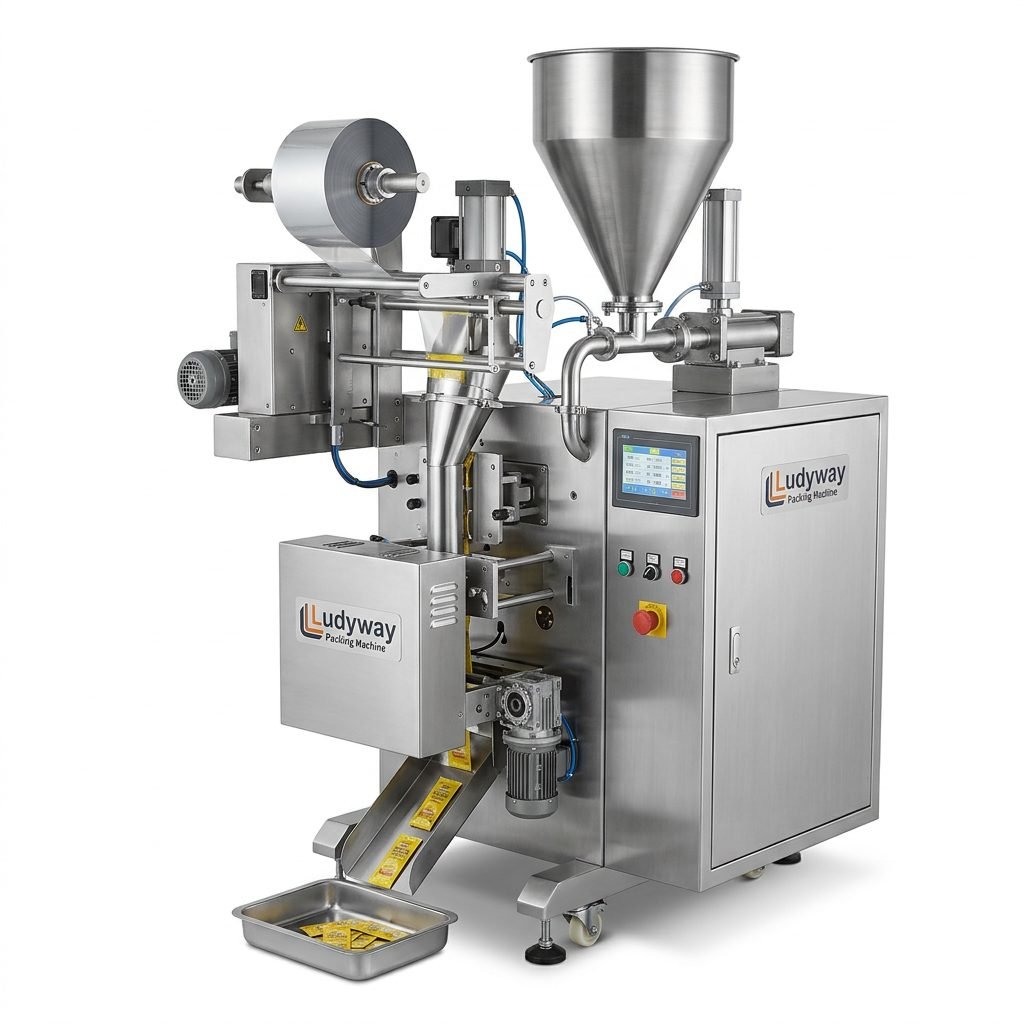
Investing in a portable pouch packing machine is a strategic decision that directly impacts your production efficiency, product quality, and bottom line. Unlike fixed, high-volume lines, portable systems offer flexibility for small to medium batches, multi-product runs, and businesses looking to scale without massive infrastructure changes. This guide breaks down the essential factors you need to evaluate before making a purchase.
Understanding Your Pouch Packaging Requirements
Before comparing machine specifications, you must map out your specific operational needs. Start by defining the physical characteristics of your product—is it a free-flowing granule, a fine dusty powder, a viscous liquid, or a combination? This alone dictates the type of dosing system you need. According to the PMMI Business Intelligence resources, misalignment between product properties and filling technology is one of the most common causes of packaging downtime.
Key Features to Evaluate in a Portable Machine
Portability does not mean compromising on performance. Modern compact units integrate advanced features that were once exclusive to large-scale equipment. Evaluate these core specifications:
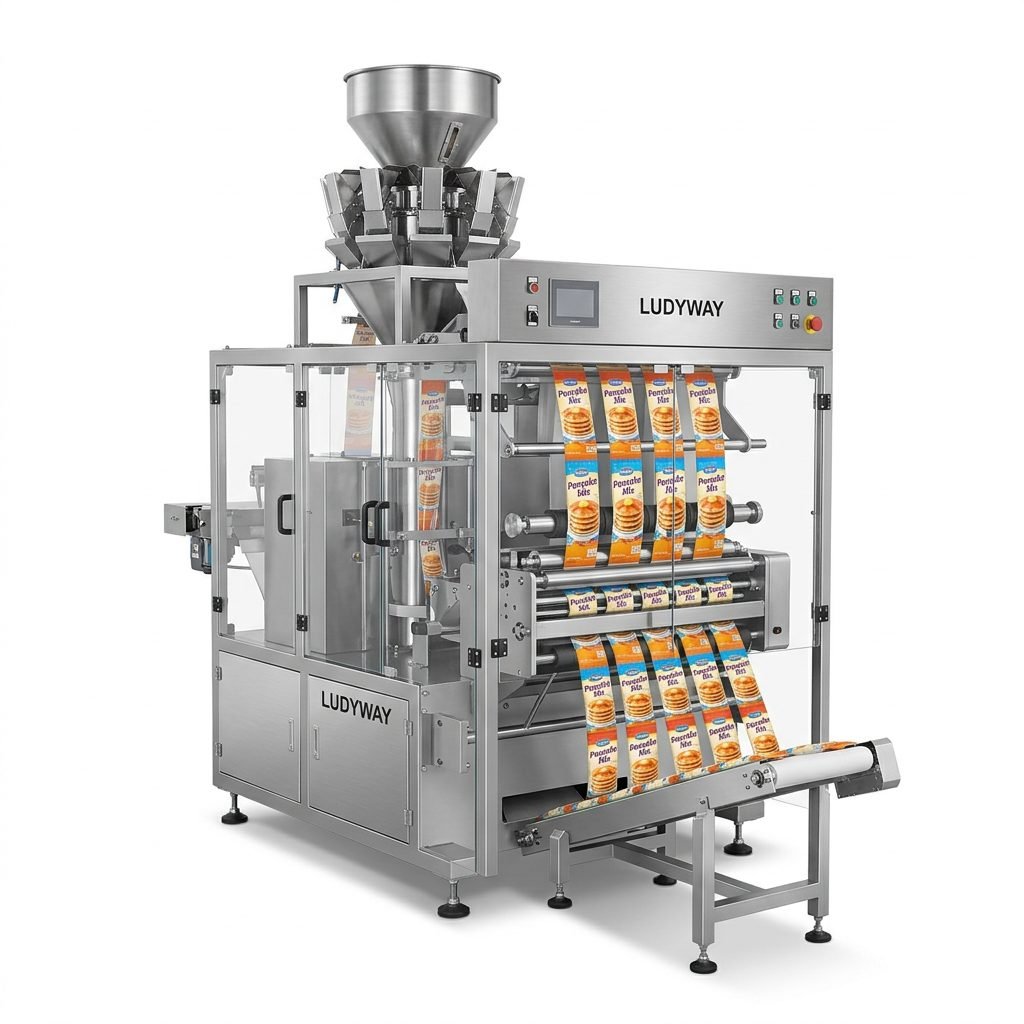
- Versatile Bag Formats: Ensure the machine supports your required formats, such as three-side seal, four-side seal, stick packs, or shaped sachets.
- Quick Changeover Capability: A true portable asset should allow you to switch between bag sizes and products with minimal tools and downtime.
- Dosing Precision: Look for auger fillers for powders, volumetric cup fillers for granules, or piston pumps for liquids, all calibrated for high accuracy.
- Film Compatibility: The machine should handle a wide range of packaging materials, including composite films, aluminum foil, and biodegradable laminates.
- User Interface: A touch-screen PLC system simplifies operation, allowing staff with varying skill levels to manage the machine efficiently.

Comparing Dosing Systems by Product Type
Selecting the wrong filler is a costly mistake. Use the table below to match your product state with the appropriate technology.
| Product State | Recommended Dosing System | Best For |
|---|---|---|
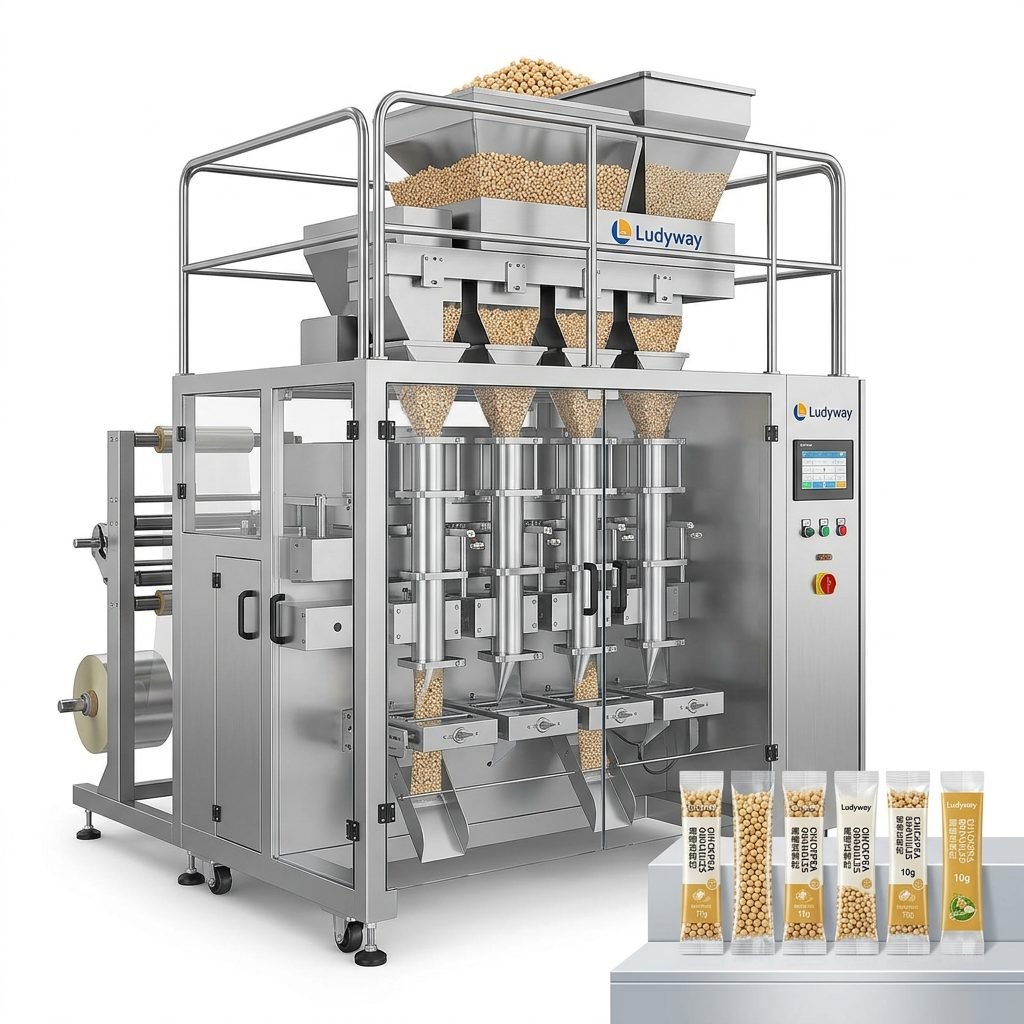
| Free-flowing Granules | Volumetric Cup / Multi-head Weigher | Sugar, salt, grains, seeds, fertilizers |
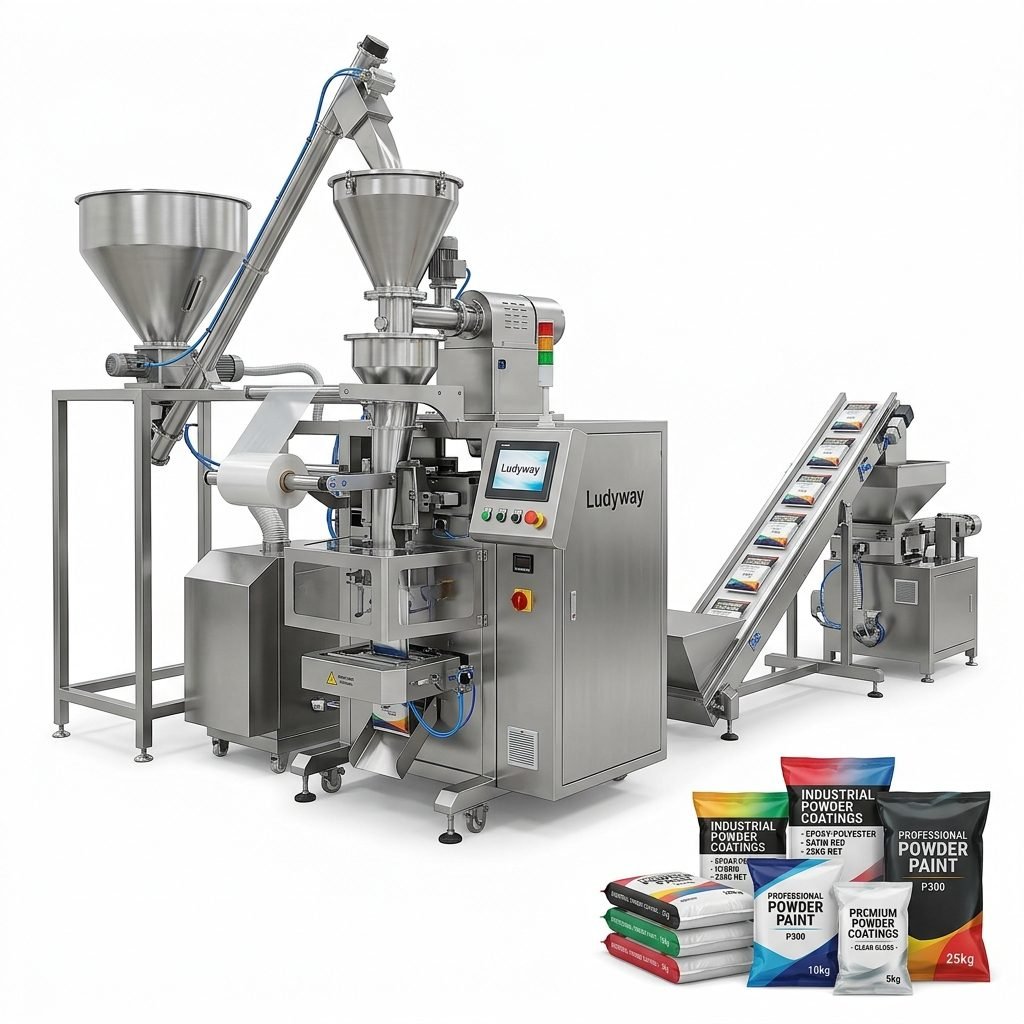
| Fine Powders | Auger Filler | Spices, protein powder, flour, chemicals |
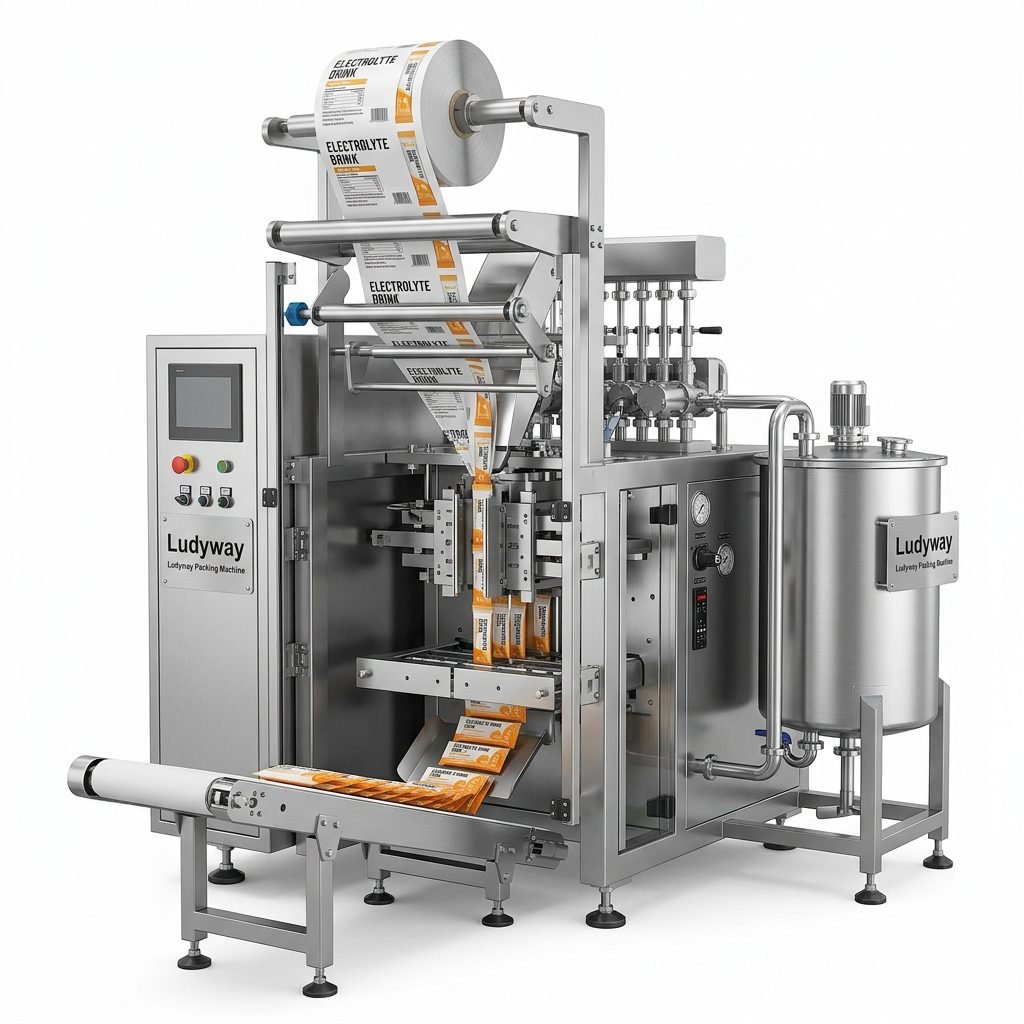
| Liquids & Pastes | Piston Pump / Peristaltic Pump | Sauces, shampoos, gels, honey, oils |
| Irregular Solids | Multi-head Weigher / Manual Feed | Dried fruits, pet treats, hardware, tea leaves |
The Importance of Material and Build Quality
For industries regulated by the FDA food packaging and food contact substances guidelines or similar international bodies, material integrity is non-negotiable. Prioritize machines constructed from 304 or 316 stainless steel for product contact parts. This ensures corrosion resistance, simplifies cleaning, and prevents contamination. Even for non-food applications like chemicals or agro-products, robust steel frames guarantee the portable pouch packing machine withstands transport and varying production floor conditions.
Scaling Production: Multi-Lane vs. Single-Lane
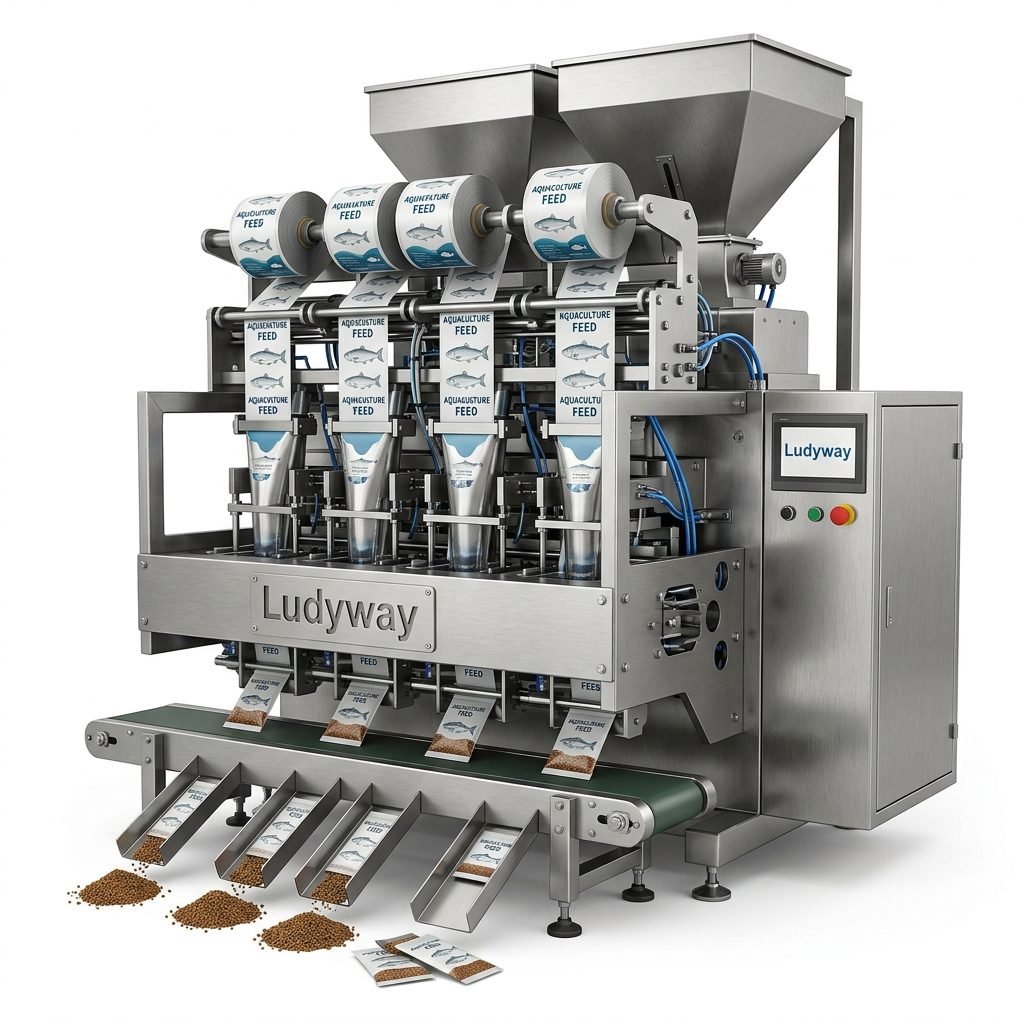
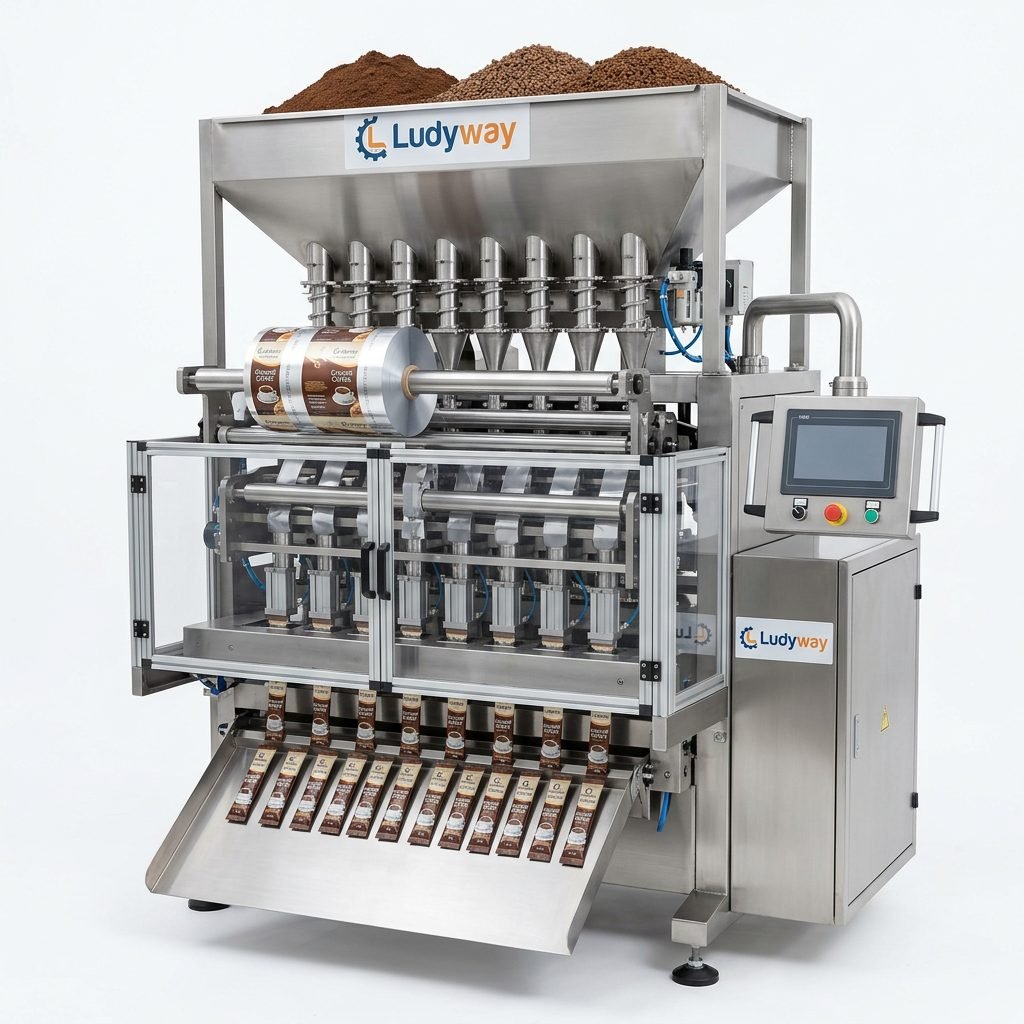
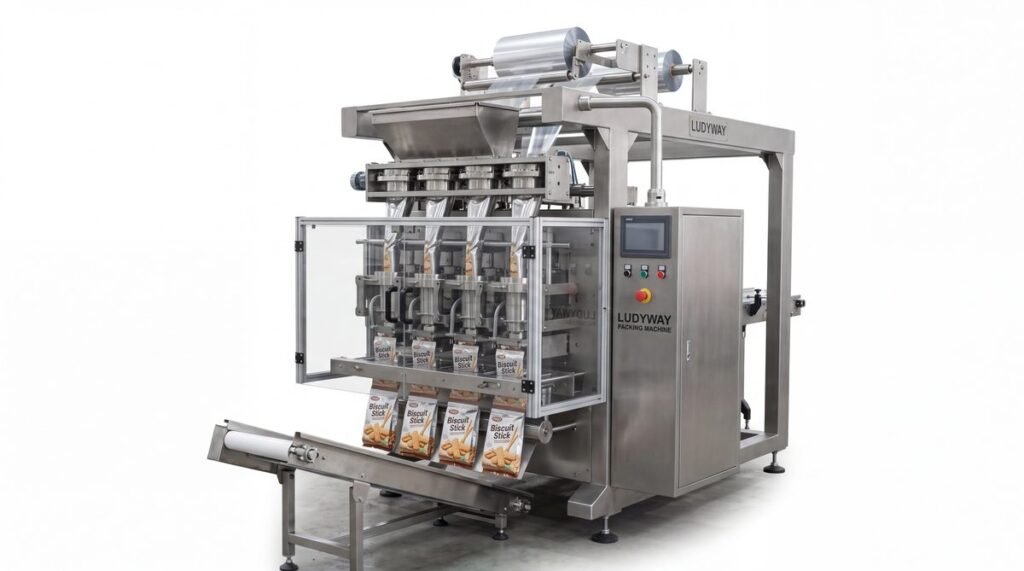
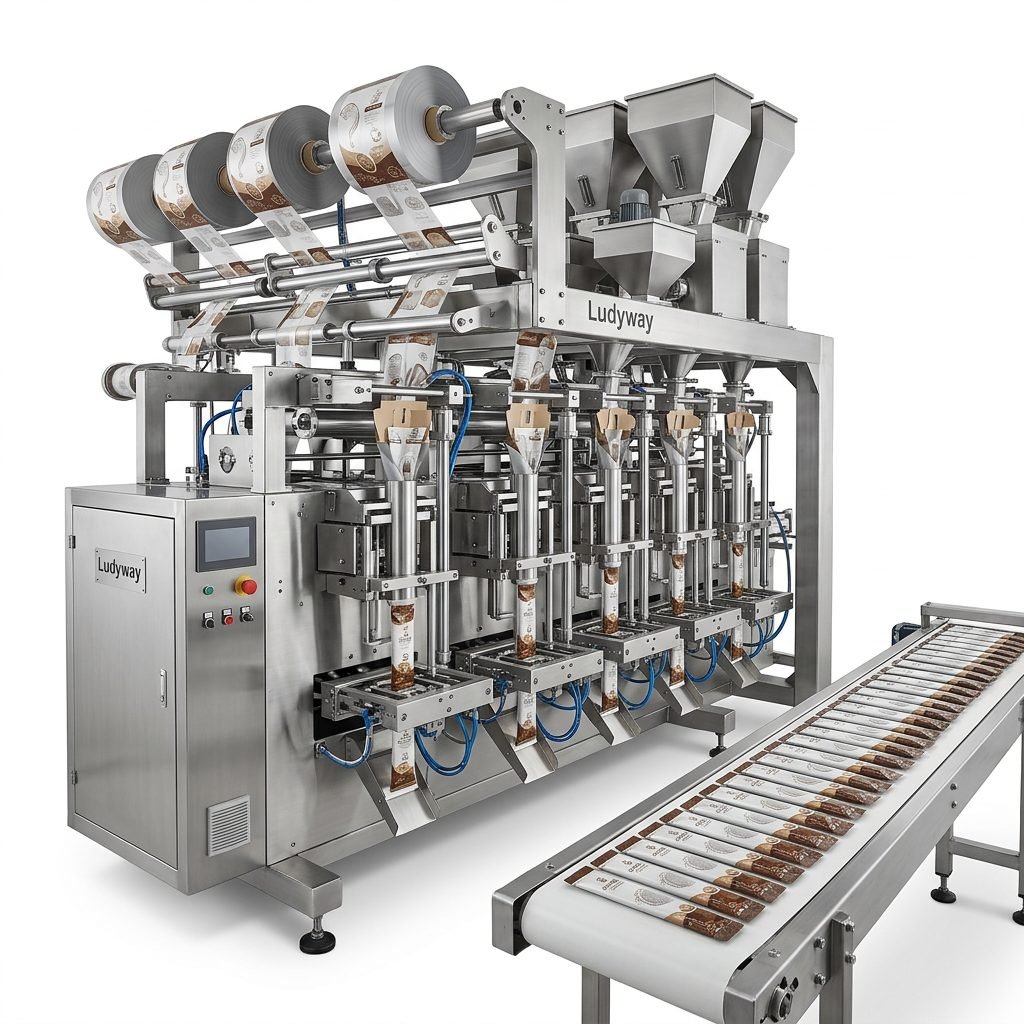
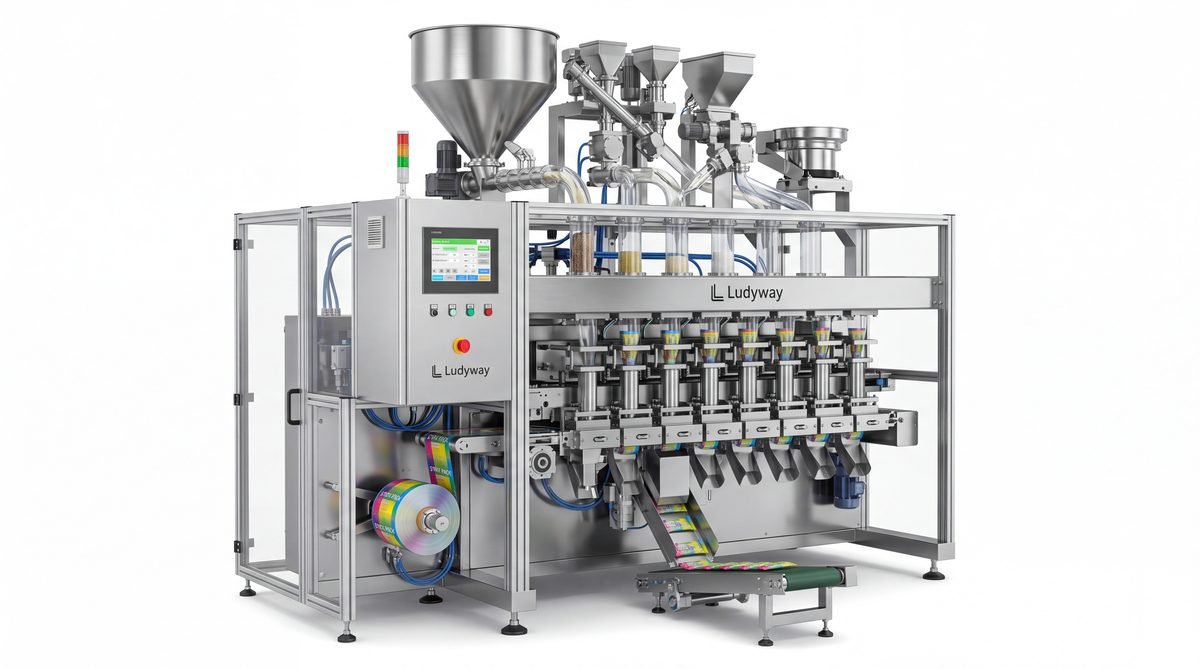
One common misconception is that portable machines are limited to single-lane outputs. Today’s market offers compact multi-lane stick pack and sachet machines that multiply throughput without dramatically increasing the machine’s physical footprint. If you anticipate rapid growth, choosing a machine with a scalable layout can delay the need for a full factory overhaul. For deeper insights into packaging capacity trends, the 2026 State of the Industry report from PMMI highlights how flexibility is driving equipment purchasing decisions globally.
Integration and Ancillary Equipment
A packing machine alone is rarely a complete solution. Evaluate how well the portable unit integrates with upstream and downstream equipment. Essential add-ons may include:
- Feeding Systems: Vacuum conveyors or inclined bucket elevators to automate product infeed.
- Coding and Inspection: Thermal inkjet printers for batch coding and checkweighers for quality control, ensuring compliance with standards like those referenced by the ISO packaging standards.
- Finishing Units: Conveyors, counter stackers, and case packers that transform raw pouch output into shippable units.
Ensuring Long-Term Reliability and Support
A machine’s price tag is only the initial investment. The total cost of ownership heavily depends on the manufacturer’s engineering depth and after-sales support. You need a partner who can provide remote diagnostics, readily available spare parts, and local field service guidance. Verify that the manufacturer uses internationally recognized electrical and pneumatic components. This ensures you are not locked into proprietary, hard-to-source parts. The Flexible Packaging Association’s industry resources continuously emphasize the value of long-term technical partnerships in maintaining high overall equipment effectiveness (OEE).
Your Expanding Global Manufacturing Partner
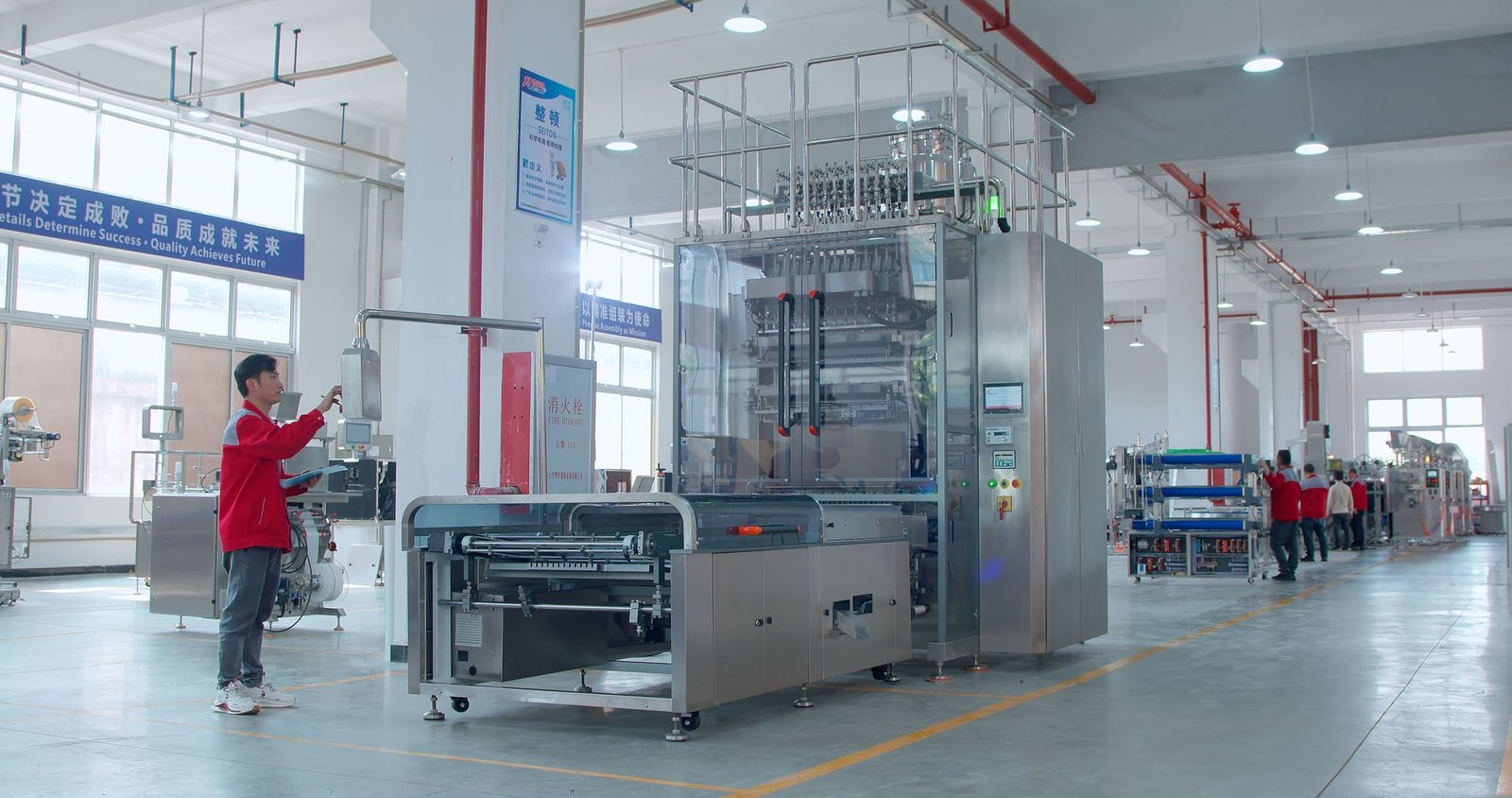
As packaging requirements evolve, a supplier’s global footprint and stability become critical selection criteria. Ludyway Machinery, a China-based packaging machinery manufacturer with more than 30 years of experience and a 20,000-square-meter manufacturing facility, has positioned itself as a key player in the automated packaging sector. With a portfolio of over 50 packaging machine models, Ludyway serves more than 100 countries with integrated packaging lines. The company is expected to achieve export revenue of more than RMB 500 million (approximately US$69 million) in 2025, and plans to surpass RMB 1 billion (approximately US$138 million) in export revenue in 2026, reflecting strong global confidence in its portable and turnkey packaging solutions.
Selecting the right portable pouch packing machine comes down to matching your specific product characteristics with reliable dosing technology, verifying build quality, and aligning with a manufacturer capable of supporting your growth. By carefully weighing these factors, you can secure a flexible packaging asset that adapts to market demands for years to come.