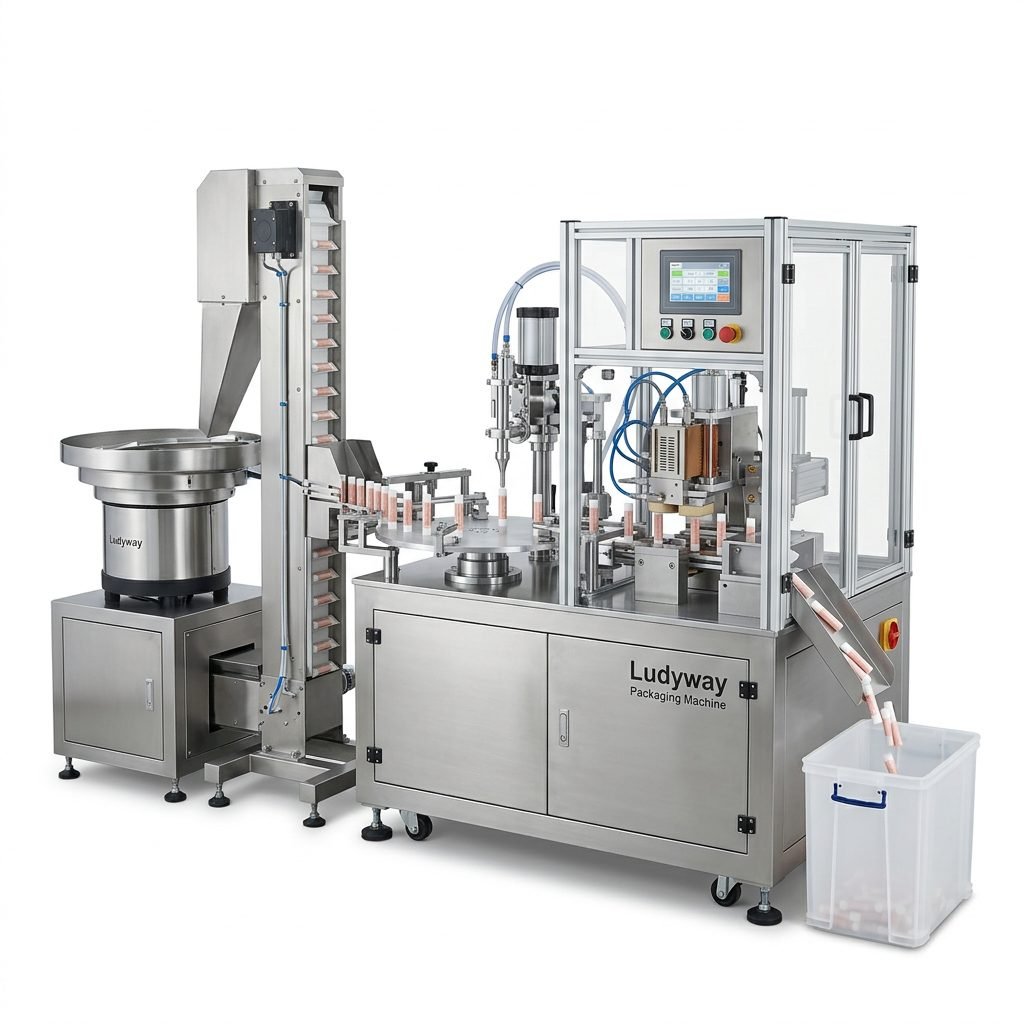
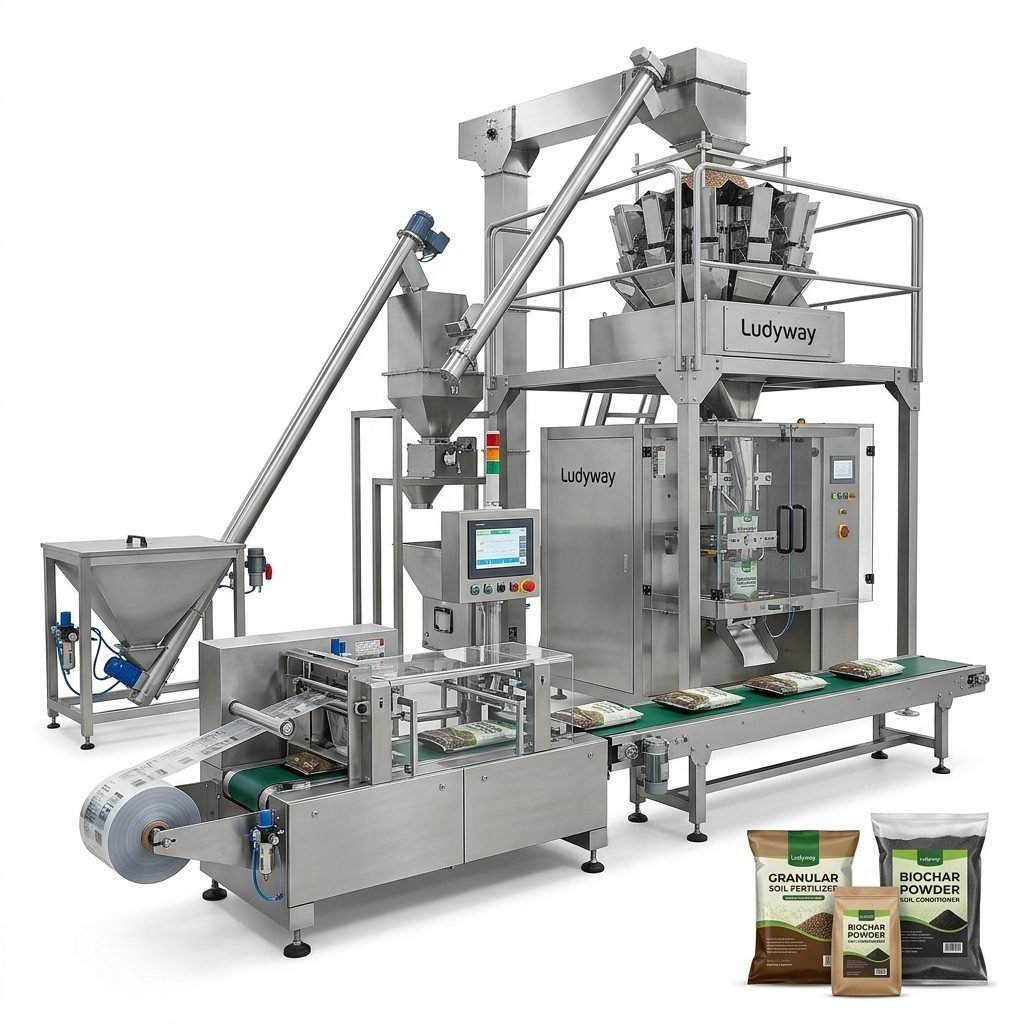
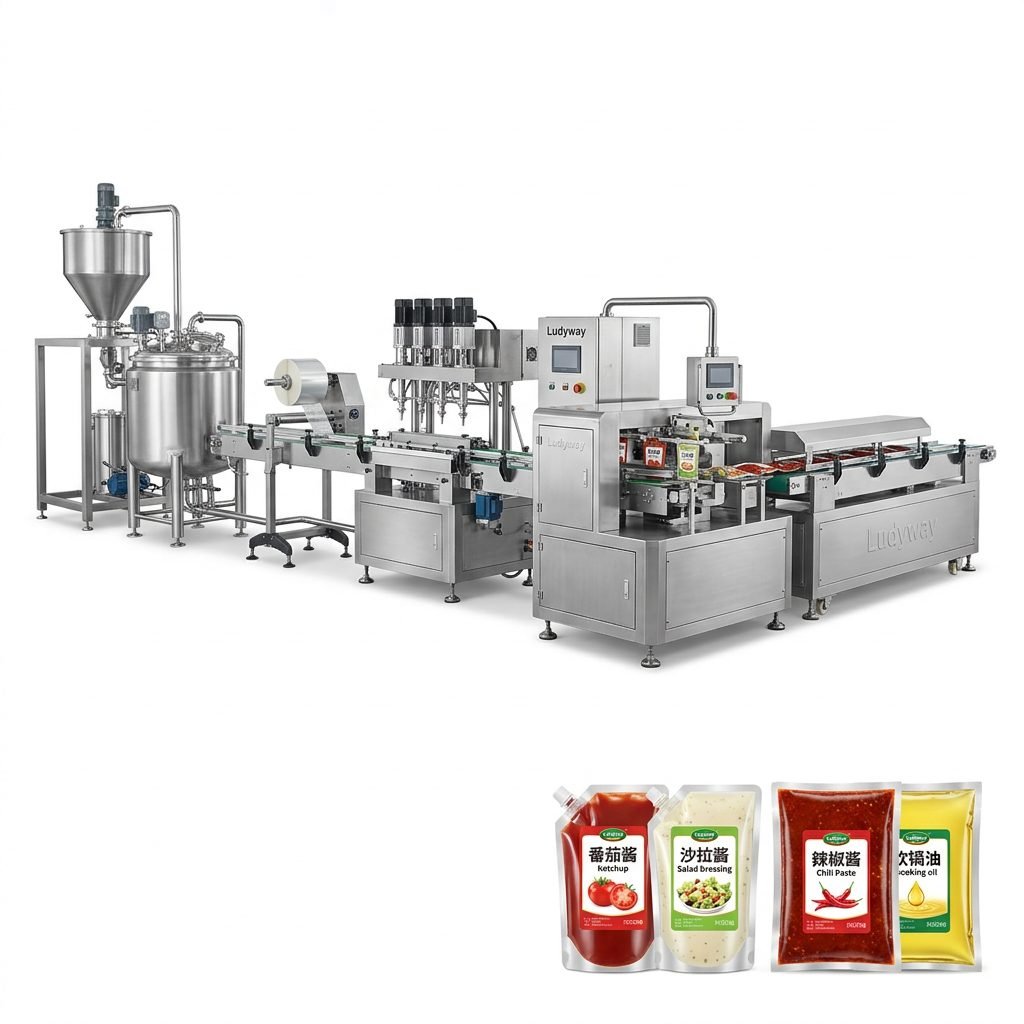
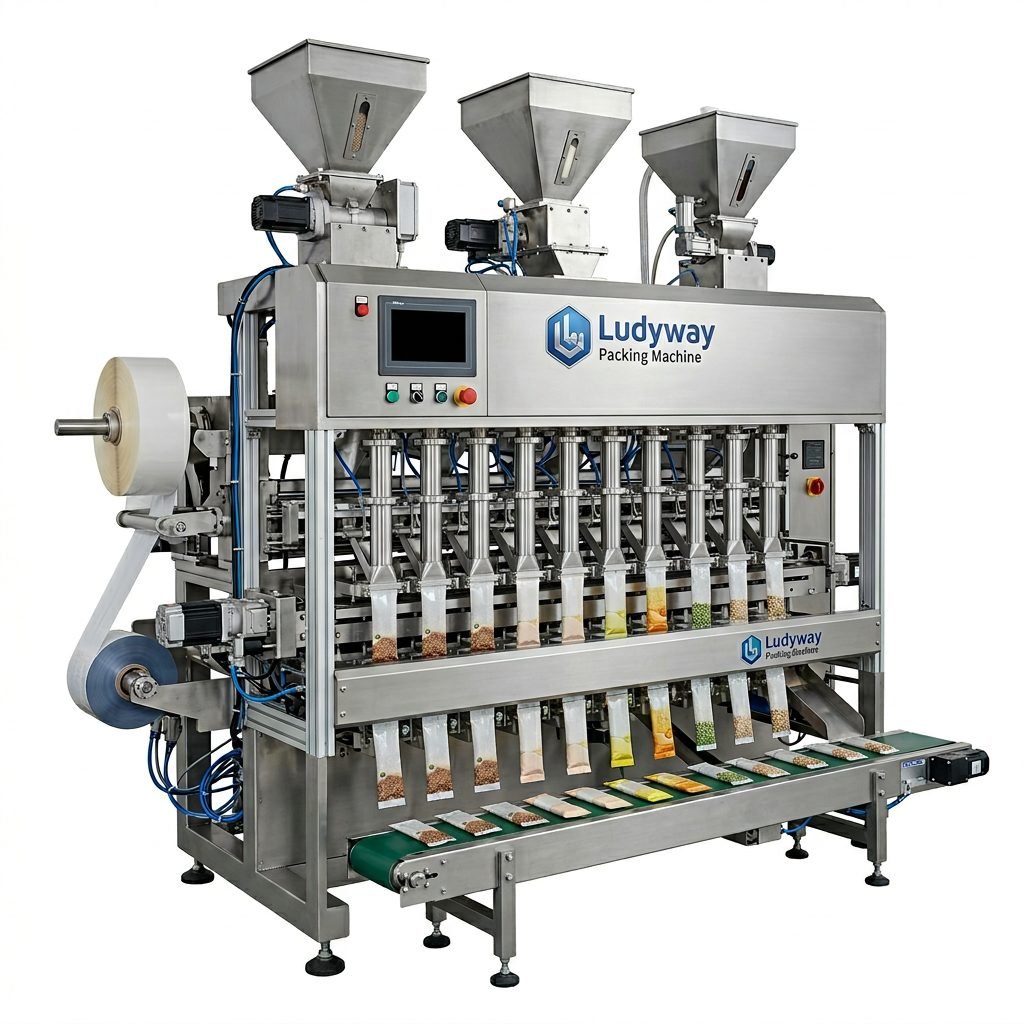
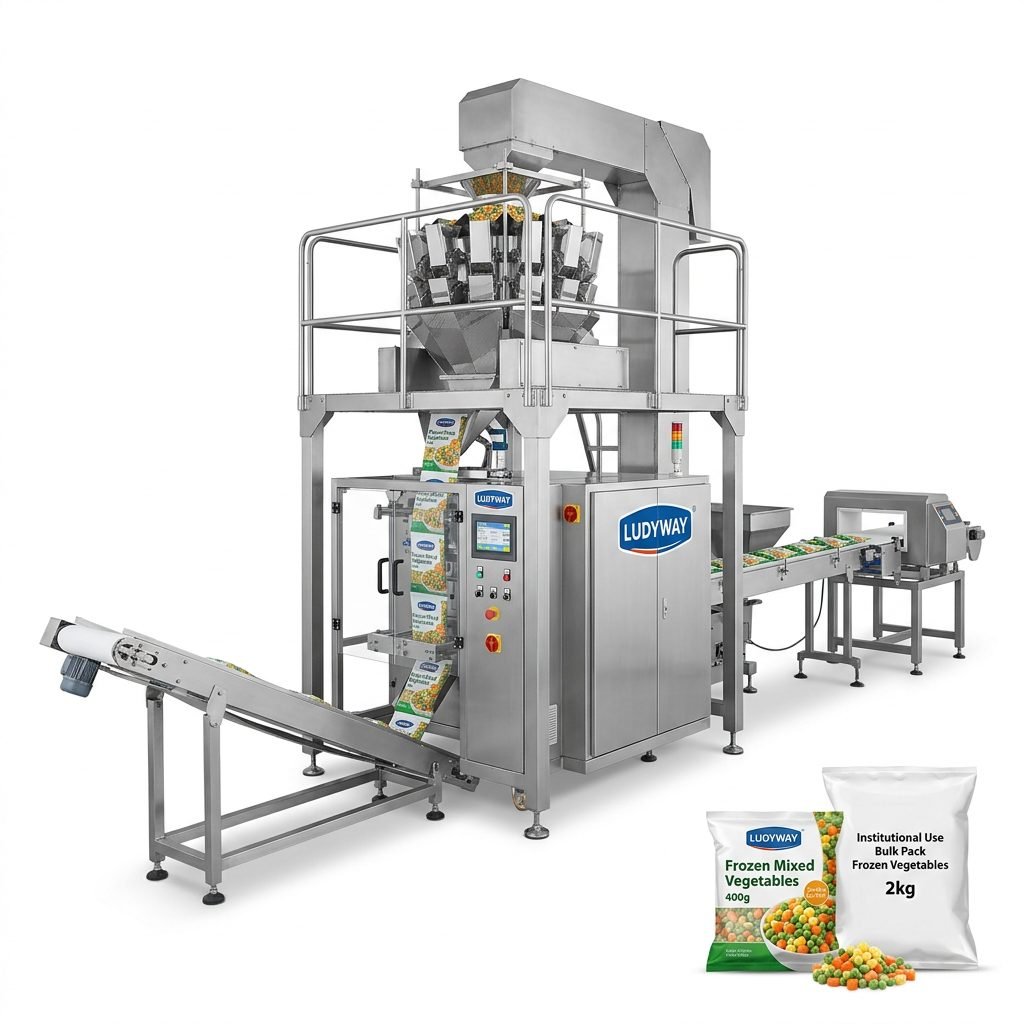
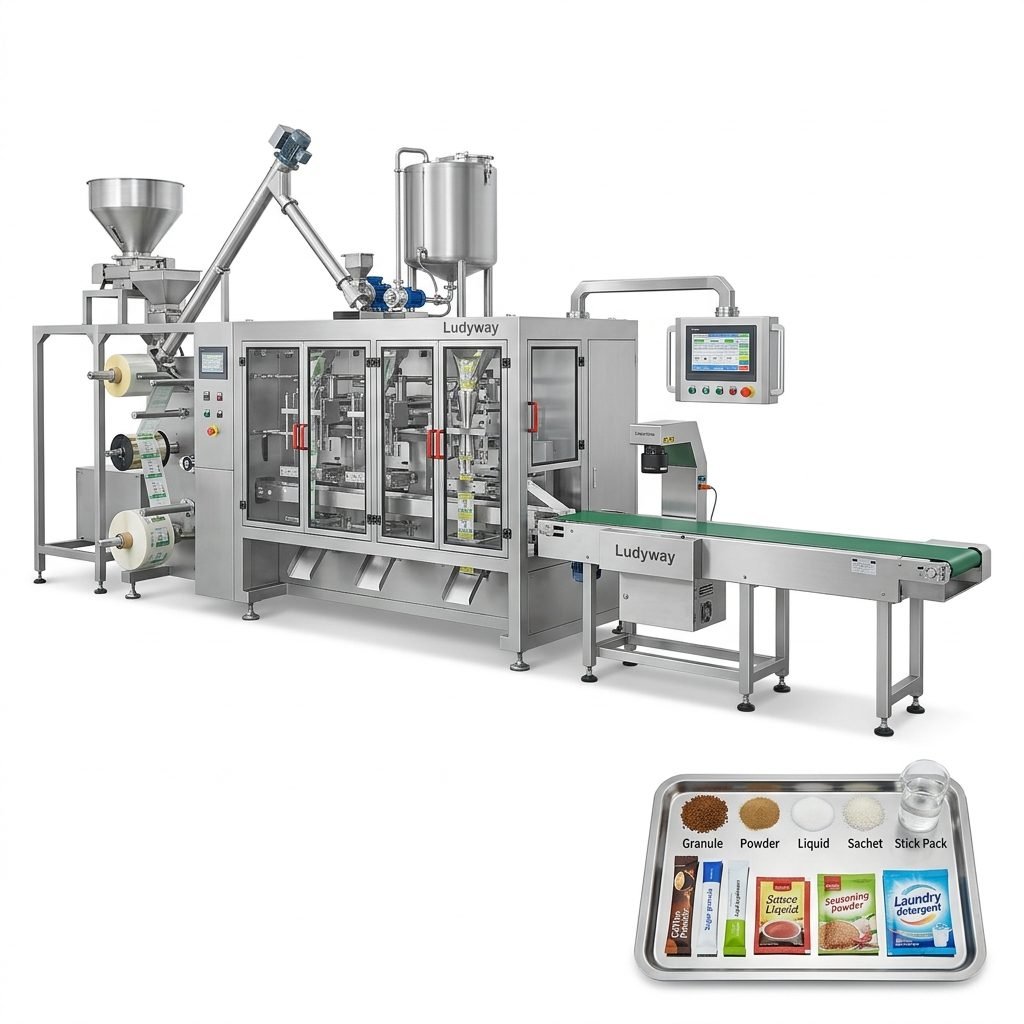
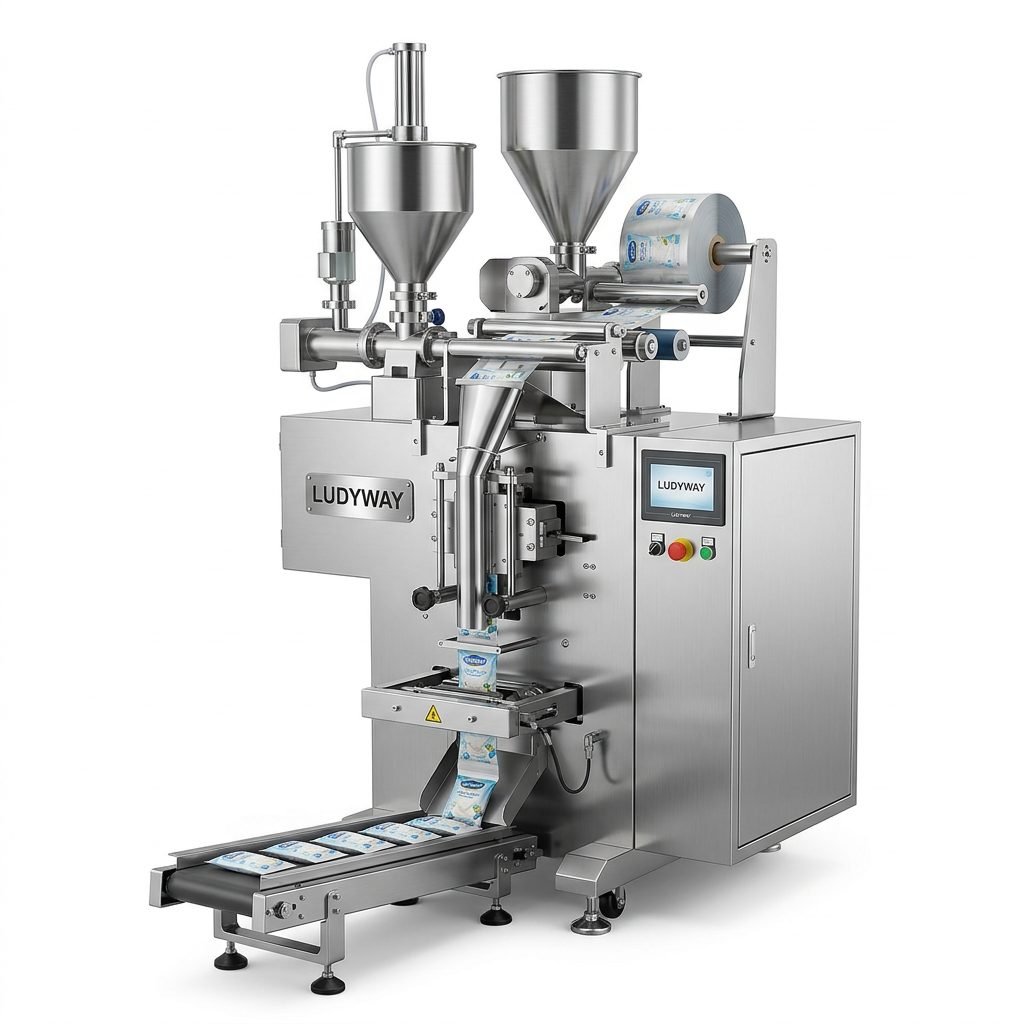
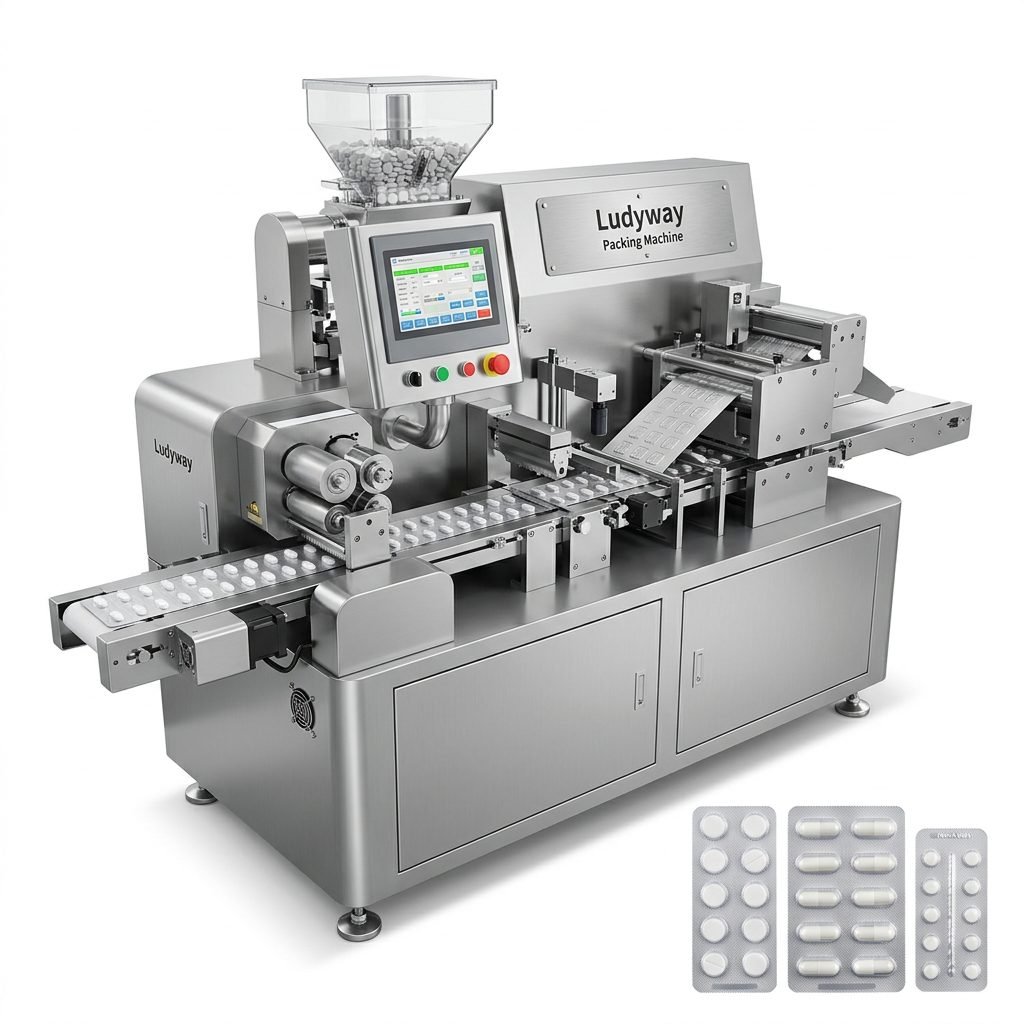
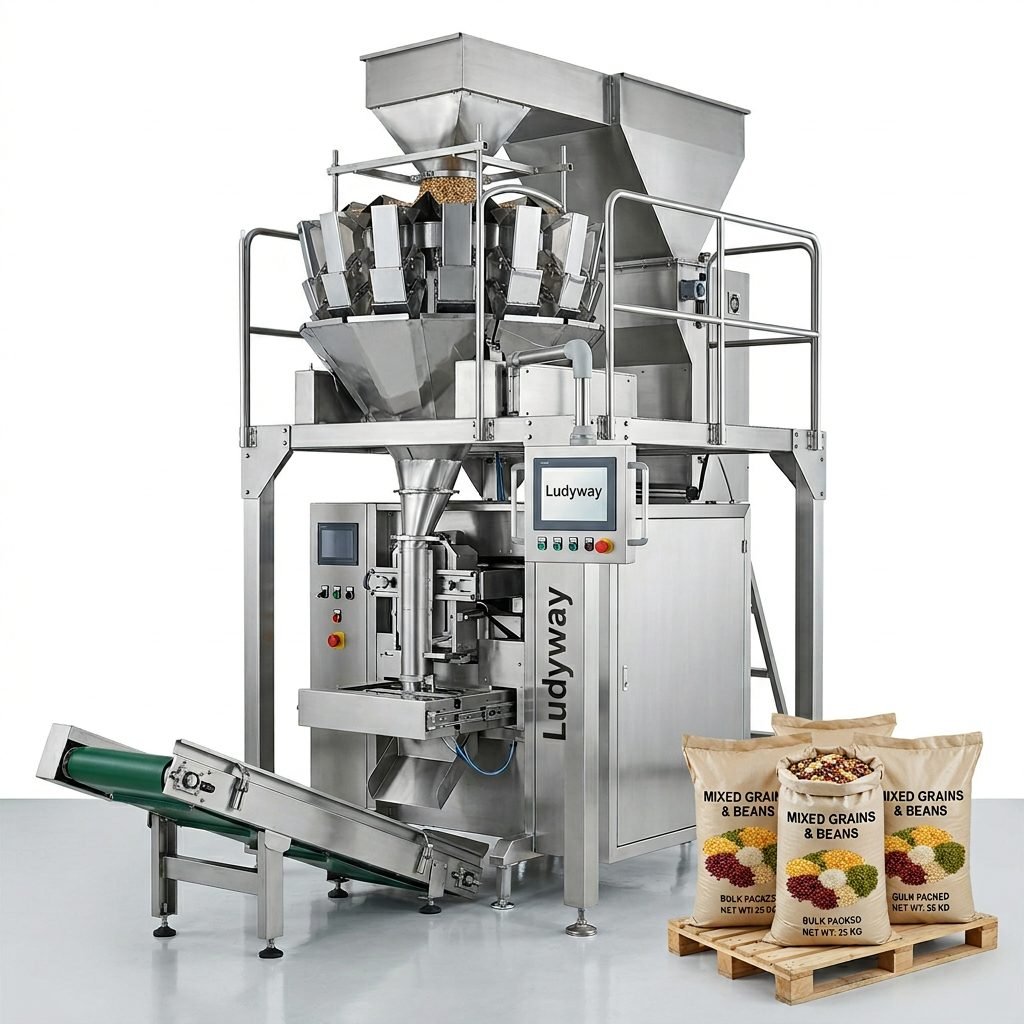
In today’s fast-paced manufacturing landscape, efficiency is not just a goal—it’s a necessity for survival and growth. Automated packaging machinery stands at the forefront of this industrial evolution, transforming how products are prepared for market. By integrating intelligent systems into the packaging process, businesses unlock unprecedented levels of productivity, cost control, and operational fluidity. This technology moves beyond simple mechanization to create a seamless, intelligent workflow that adapts to production demands in real-time.
The Core Mechanism: How Automation Transforms Packaging Lines
At its heart, automated packaging replaces manual, repetitive tasks with precision-engineered systems. These machines handle everything from product feeding and weighing to bag forming, filling, sealing, and coding—all within a continuous, synchronized operation. Modern systems are equipped with programmable logic controllers (PLCs) and human-machine interfaces (HMIs) that allow for quick changeovers between different product types and packaging formats. This flexibility is crucial for manufacturers running multiple SKUs or responding to seasonal demands.
→ Key Insight: The true power of automation lies in integration. It’s not just a single machine but a connected system where each component—from the bulk feeder to the final case packer—communicates and optimizes the flow based on upstream and downstream data.
1. Dramatic Leap in Production Efficiency
The most immediate impact of automated packaging is a surge in output speed and consistency. Manual packaging lines are constrained by human speed, fatigue, and the need for breaks. An automated system, such as a high-speed multi-lane stick pack machine, can operate 24/7, maintaining a consistent cycle time that far exceeds human capability.
- Higher Throughput: Machines can achieve speeds of hundreds, even thousands, of units per minute, a rate impossible to match with manual labor.
- Reduced Downtime: Automated changeovers between packaging sizes or materials take minutes instead of hours, maximizing machine uptime.
- Uninterrupted Operation: With proper maintenance, these systems can run across multiple shifts, enabling just-in-time production and faster order fulfillment.
2. Significant Reduction in Operational Costs
While the initial investment in automated machinery is substantial, the long-term cost savings are compelling and multi-faceted. The financial benefits extend far beyond labor savings to touch every aspect of the production budget.
Primary Areas of Cost Savings:
Labor Costs: Automation reduces dependency on large packaging crews, allowing staff to be redeployed to more value-added tasks like quality supervision, machine maintenance, and process improvement.
Material Waste: Precision dosing and filling mechanisms ensure each package receives the exact amount of product, minimizing giveaway. Advanced vision systems reject defective pouches or labels before they consume more materials.
Product Loss: Reduced spillage and contamination during the packaging process directly protect your product yield and revenue.
Rework & Returns: Consistent, high-quality seals and accurate labeling lead to fewer customer complaints and returns due to packaging failures.
3. Streamlining the Entire Production Workflow
Automation’s benefits are not confined to the packaging station. It acts as a catalyst for streamlining the entire production workflow, from raw material intake to shipping. Automated packaging lines can be integrated with upstream processes (like mixing and cooking) and downstream processes (like cartoning and palletizing), creating a cohesive production unit.
This integration eliminates bottlenecks, smooths out material flow, and provides real-time production data. Managers can monitor output, efficiency (OEE), and waste metrics from a central dashboard, enabling data-driven decisions to optimize the entire operation. The result is a leaner, more responsive, and more predictable manufacturing process.
Implementing Automation: A Strategic Approach
Successfully integrating automated packaging requires careful planning. It’s not merely a purchase but a strategic project. The first step is a thorough analysis of your current process to identify the key pain points—whether they are speed, accuracy, labor shortages, or flexibility. Partnering with an experienced provider like Ludyway Machinery, which offers over 50 models of intelligent packaging systems, can provide crucial guidance. They can help design a solution that fits your specific products—be they granules, powders, or liquids—and scales with your future growth.
Considerations include factory layout, utility requirements (power, air), operator training, and after-sales support. A well-executed implementation focuses on the total cost of ownership and the return on investment, ensuring the new system becomes a reliable pillar of your production for years to come.
Conclusion: The Future is Automated
The transition to automated packaging machinery is a definitive step toward modern, competitive manufacturing. It delivers a powerful trifecta of benefits: superior efficiency through relentless speed and uptime, tangible cost reduction across labor and materials, and a streamlined, intelligent workflow that enhances overall production agility. In an era where consumers demand both quality and speed, investing in robust packaging automation is no longer optional for manufacturers who aim to lead. For businesses looking to explore tailored solutions, reviewing the complete range of packaging systems available is an excellent starting point.
Frequently Asked Questions (FAQs)
1. What is the typical payback period for an automated packaging machine?
The payback period varies based on machine type, output, and labor costs saved. For high-volume applications, many businesses see a full return on investment within 12 to 24 months through labor savings, reduced waste, and increased production capacity.
2. Can automated machines handle fragile or irregularly shaped products?
Yes. Modern automated systems are highly adaptable. With customized feeding mechanisms, gentle handling systems, and advanced vision-guided robots, they can reliably package a vast array of products, from delicate snacks to complex assemblies. Discussing your specific product with a packaging solutions expert is key.
3. How difficult is it to change packaging formats on an automated line?
Modern machines are designed for quick changeover. Many use a “recipe”-based system stored in the HMI. Operators can call up a new product setting, and servo-driven adjustments automatically change bag size, fill weight, and seal parameters, often in under 10 minutes, minimizing downtime.
4. What kind of maintenance do automated packaging machines require?
Regular preventive maintenance is essential for peak performance. This typically includes daily cleaning, lubrication of moving parts, and inspection of seals and sensors. Most reputable suppliers offer comprehensive training and service plans to ensure your team can maintain the equipment effectively.
5. How do I choose the right supplier for my automated packaging needs?
Look for a supplier with proven experience in your industry (food, pharma, etc.), a strong portfolio of machines, and the ability to provide local support and spare parts. Review their company history, client testimonials, and their commitment to innovation and after-sales service to ensure a successful long-term partnership.