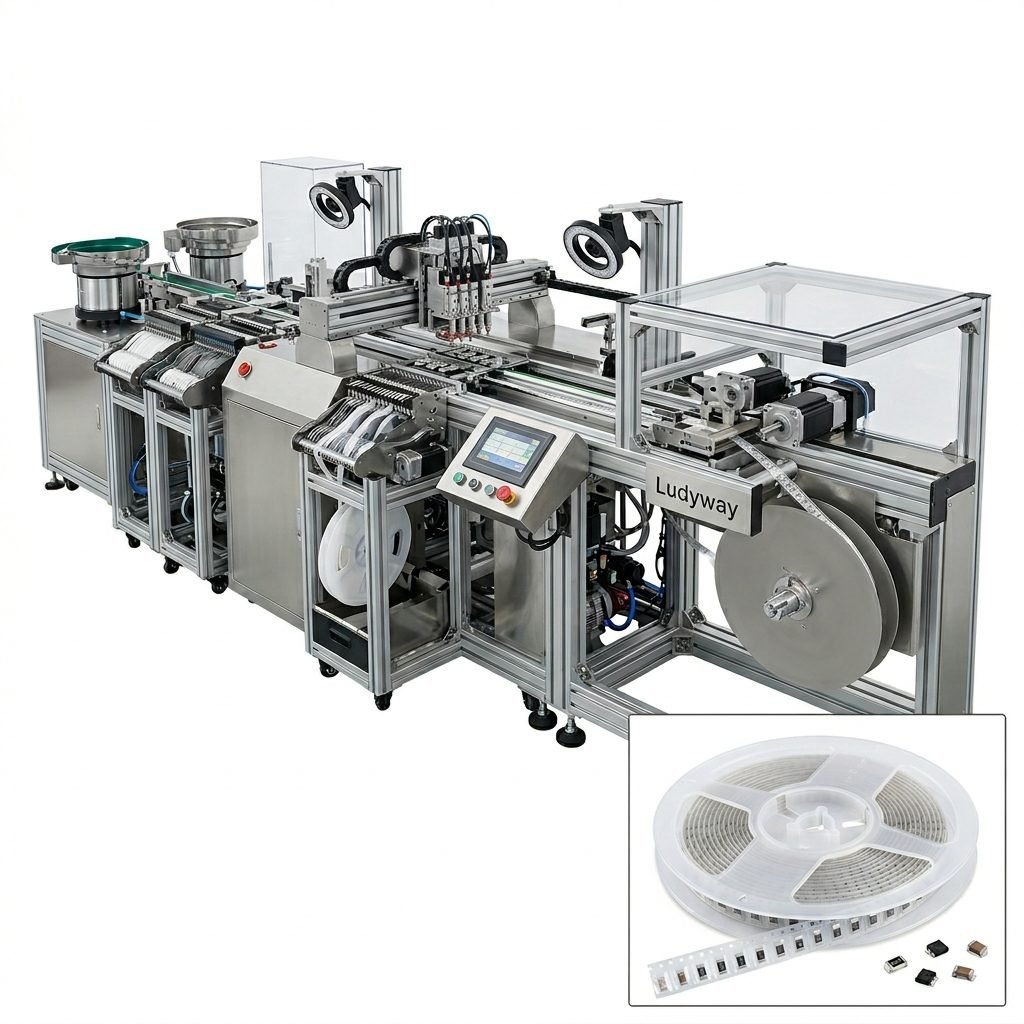
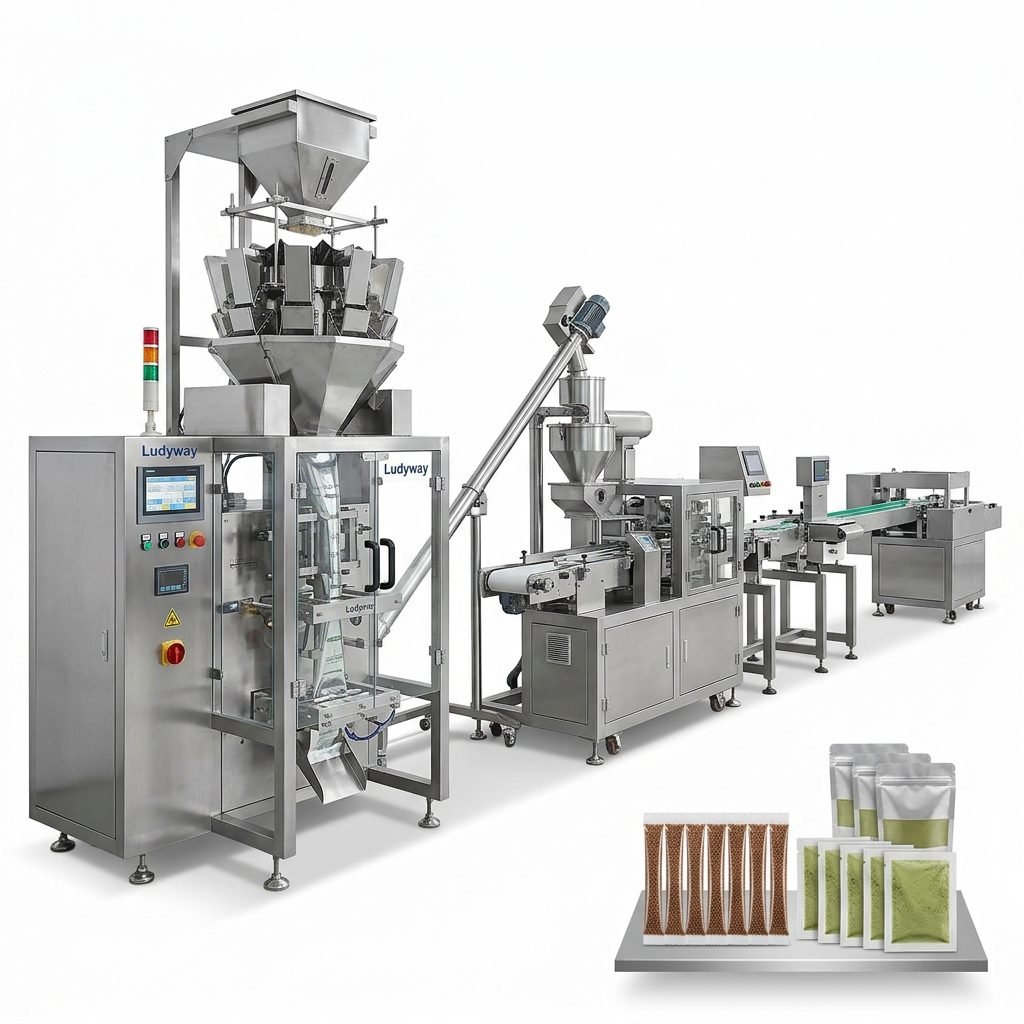
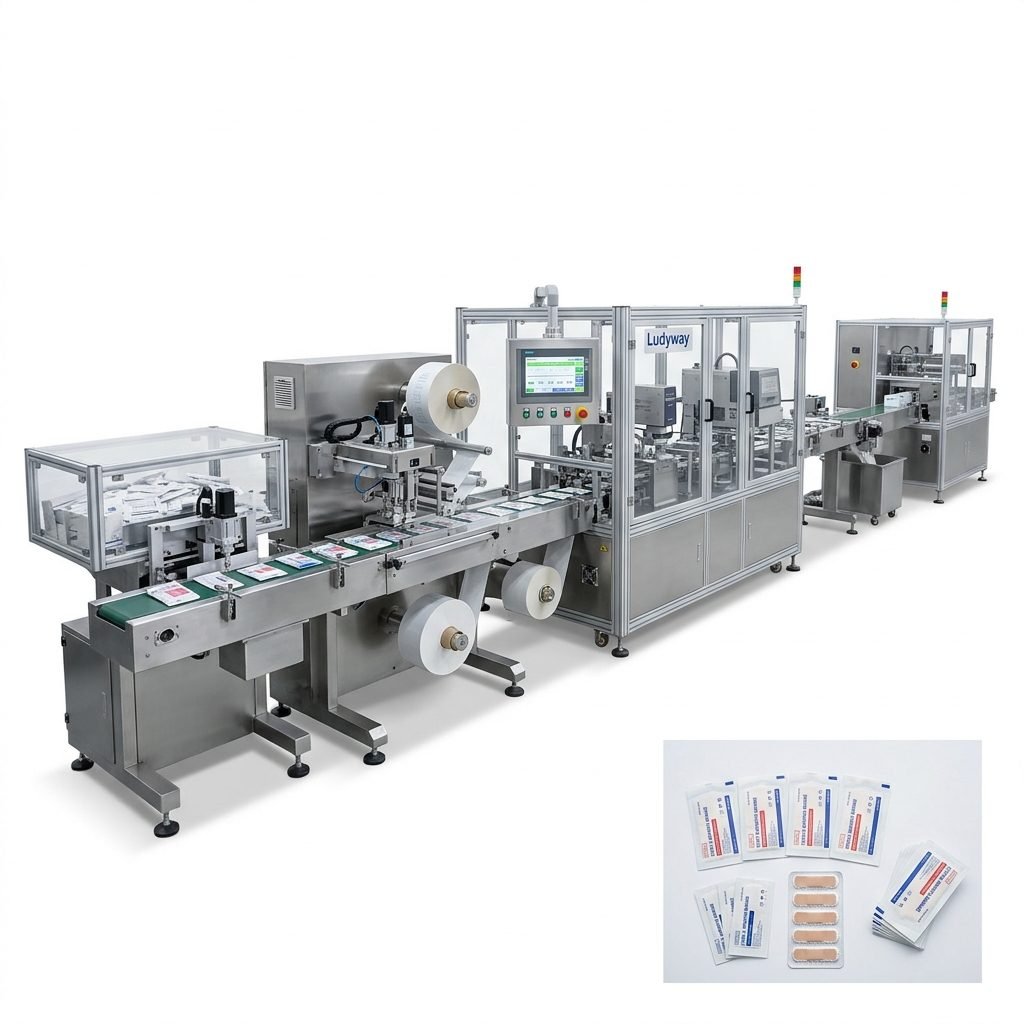
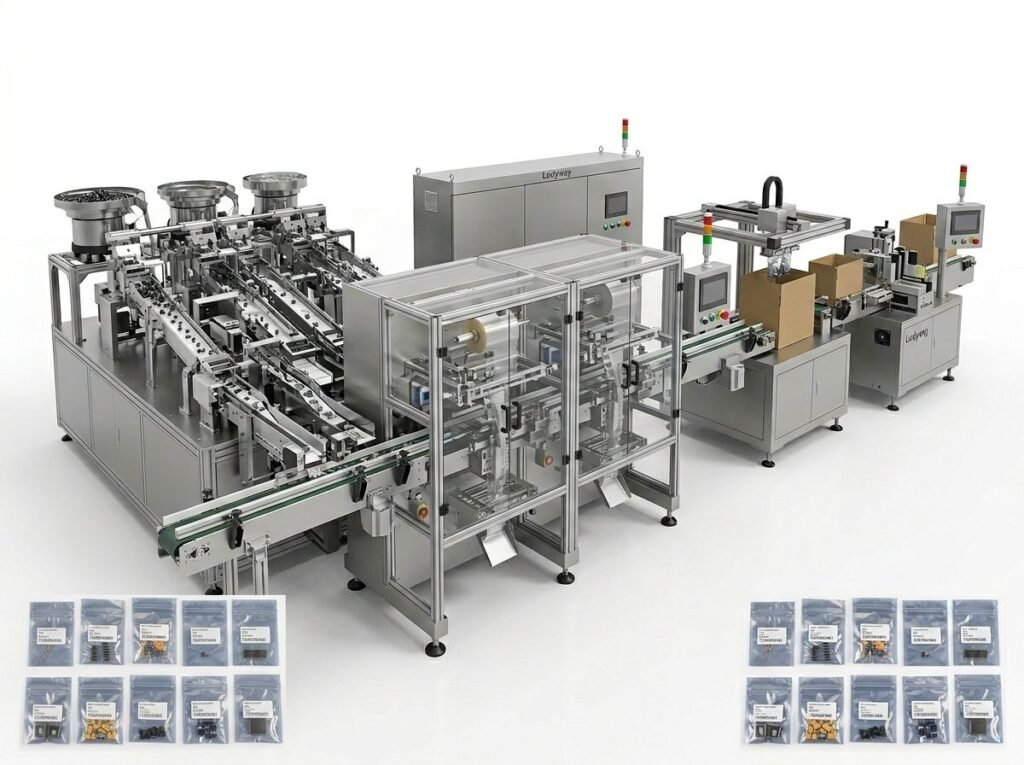
In today’s fast-paced manufacturing landscape, selecting the right packaging machinery supplier is a critical decision that directly impacts your production efficiency, product quality, and bottom line. A reliable supplier does more than just sell equipment; they provide a comprehensive partnership that includes professional installation, seamless integration into your existing production line, and ongoing technical support. This article explores the key factors to consider when choosing top packaging machinery suppliers and the immense value of their professional installation services.
Why Partnering with a Leading Supplier Matters
The foundation of any successful packaging operation lies in the machinery at its core. Leading suppliers distinguish themselves through several critical pillars:
Engineering Expertise and Innovation
Top-tier suppliers invest heavily in research and development. Companies like Ludyway Machinery, with over 30 years of collective industry experience, bring deep technical knowledge to the table. This expertise translates into machines that are not only robust and reliable but also incorporate the latest advancements in automation, precision dosing, and hygienic design.
This engineering prowess ensures that the equipment can handle diverse products—from granules and powders to viscous liquids—with consistent accuracy, minimizing waste and maximizing yield.
Comprehensive Product Portfolio
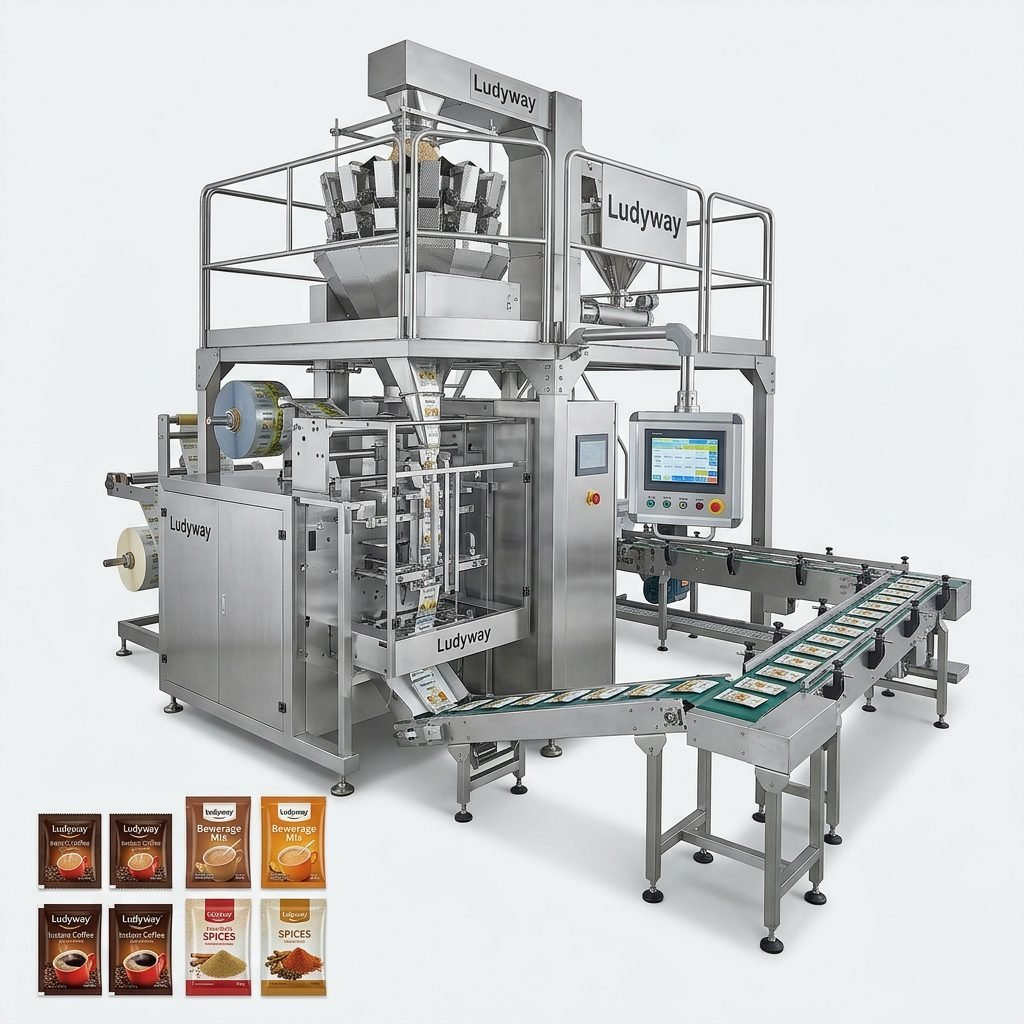
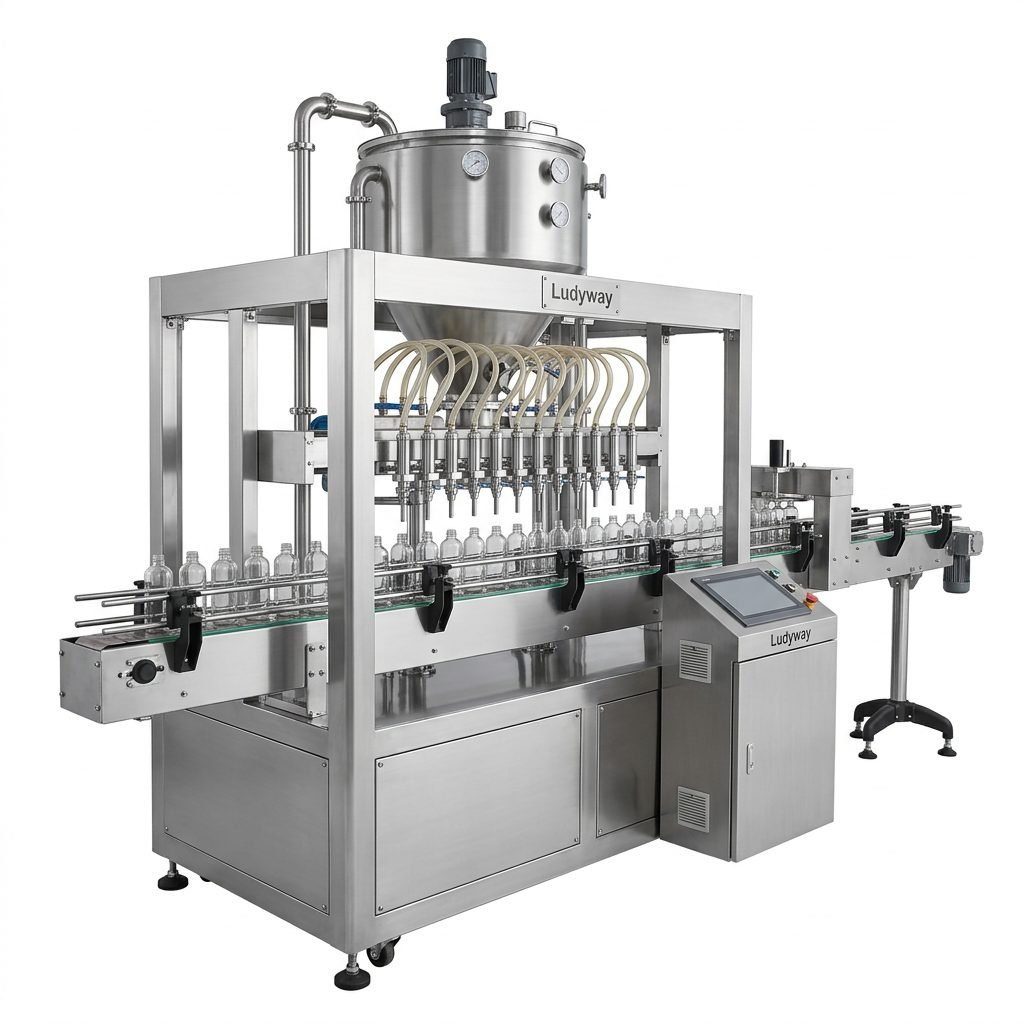
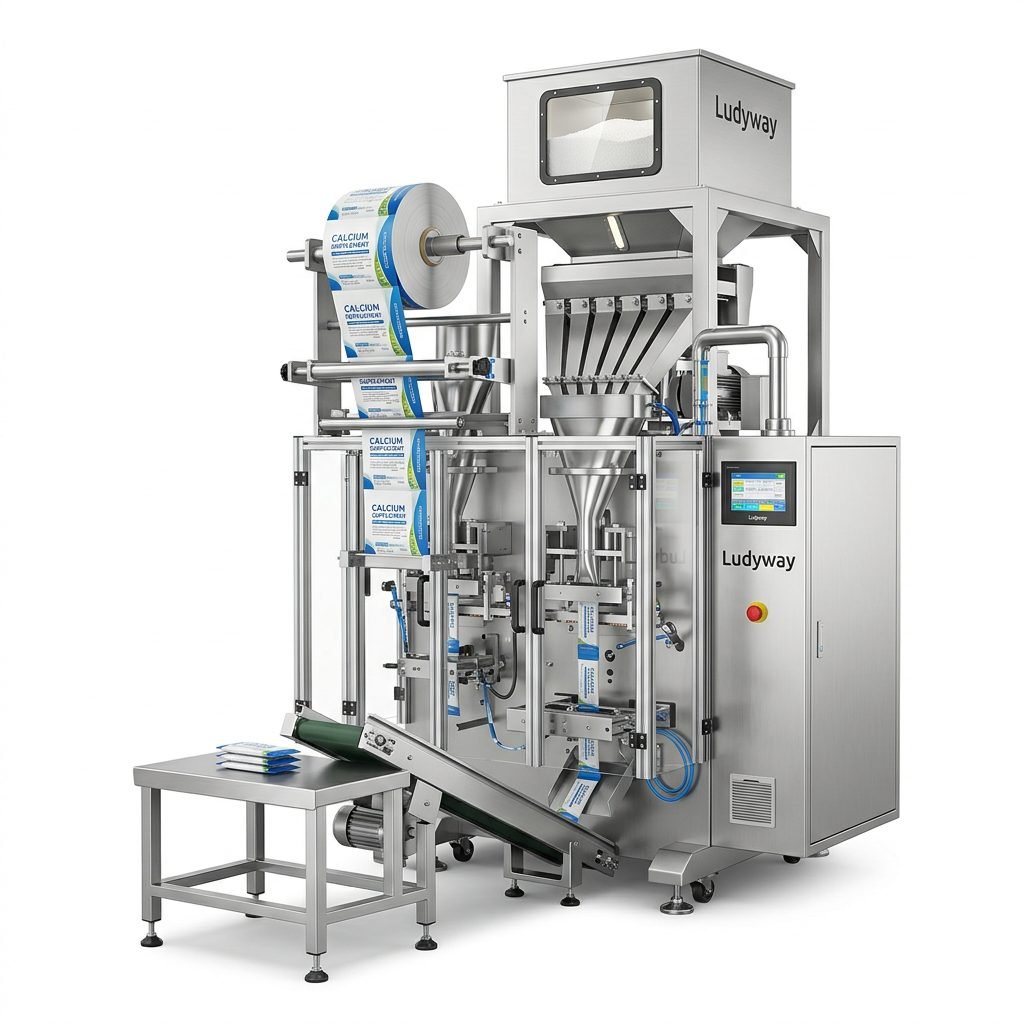
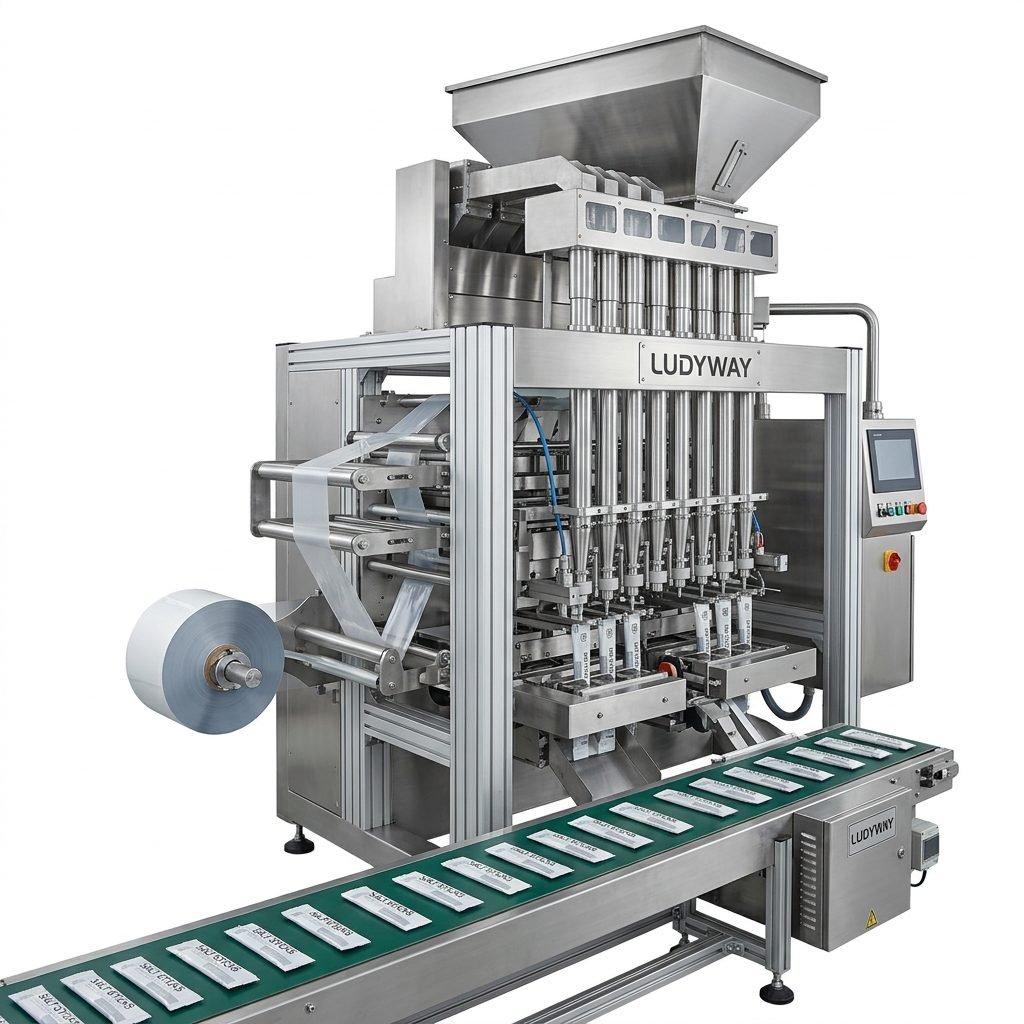
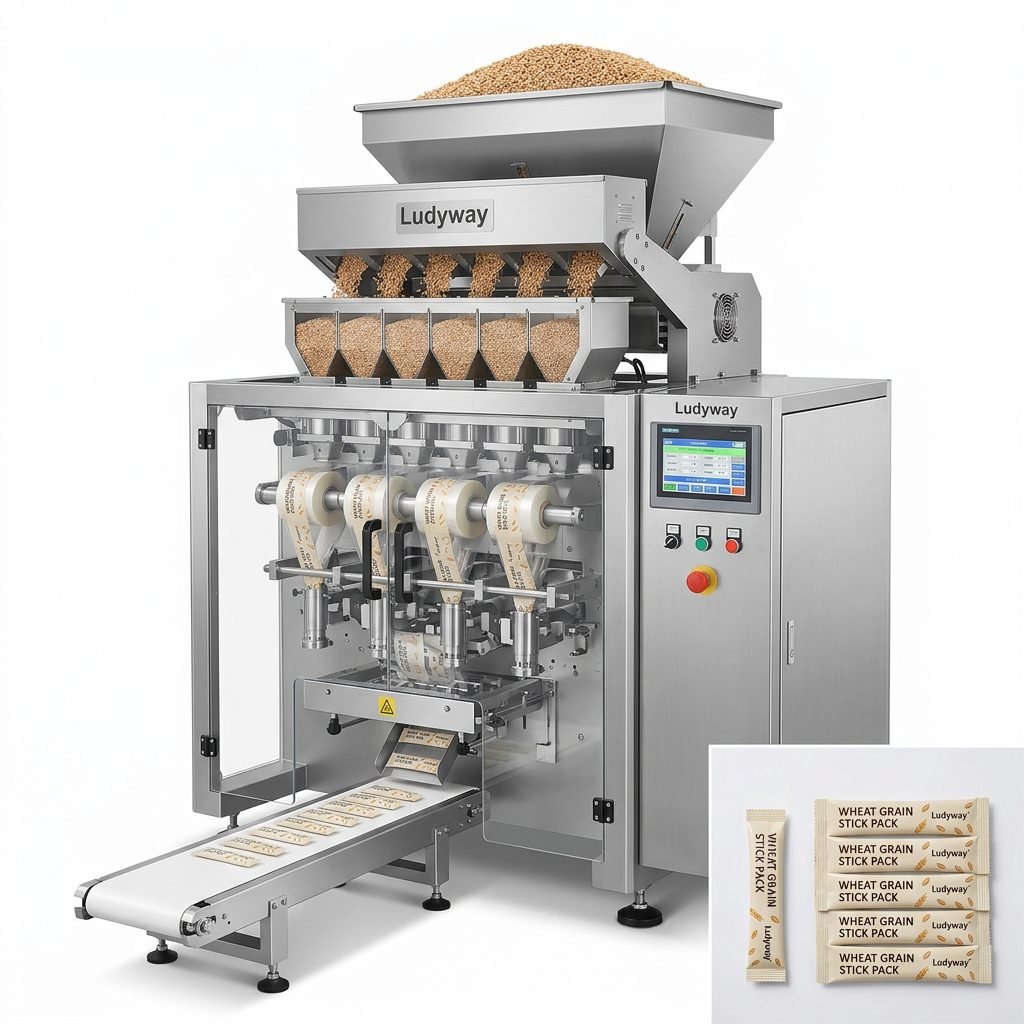
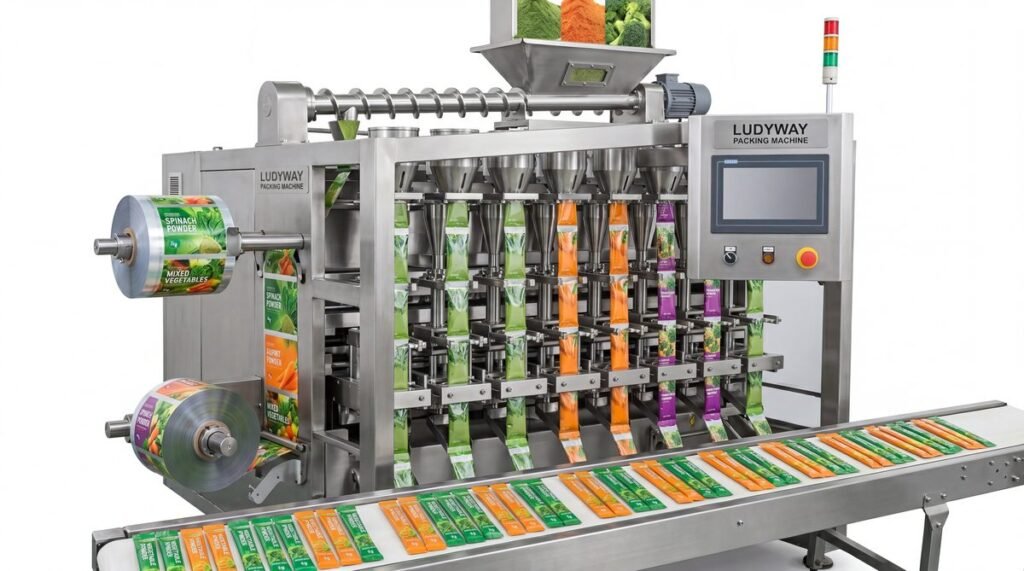
A hallmark of a premier supplier is a wide range of equipment. Look for a partner offering more than just a single machine type. An extensive portfolio, such as one encompassing over 50 intelligent packaging machine models including multi-lane stick pack machines, sachet packaging systems, and liquid fillers, provides a significant advantage. It means they can offer unbiased advice on the best technology for your specific application and can scale solutions as your business grows.
The Critical Role of Professional Installation Services
Purchasing high-end packaging machinery is only the first step. Its performance and longevity are heavily dependent on how it is installed and integrated. Professional installation services are non-negotiable for optimizing your production line.
Pre-Installation Planning and Line Audits
Before any equipment arrives, expert suppliers conduct a thorough analysis of your production facility. They assess spatial constraints, utility connections (power, air, water), material flow, and operator workflows. This planning phase is crucial for anticipating challenges and ensuring a smooth installation process, preventing costly downtime and rework.
Precision Installation & Calibration
Certified technicians handle the physical installation with precision. This involves not just placing the machine but ensuring it is perfectly leveled, aligned, and connected to all necessary services. Following installation, every parameter—from fill weights and sealing temperatures to conveyor speeds—is meticulously calibrated using your actual product. This step guarantees the machine performs to its exact specifications from the very first production run.
Integration with Existing Production Lines
A new machine must work in harmony with your existing conveyors, upstream feeders, downstream cartoners, or robotic palletizers. Professional installers specialize in this integration, creating a cohesive and efficient system. They ensure communication protocols (like PLC interfaces) are correctly established, enabling synchronized operation and centralized monitoring.
Beyond Installation: The Full-Service Partnership
The relationship with your supplier should extend far beyond the installation day. Comprehensive after-sales support is what truly defines a top supplier.
Operator and Maintenance Training: A well-trained team is essential. Reputable suppliers provide hands-on training for your operators and maintenance staff, covering daily operation, routine cleaning, preventative maintenance schedules, and basic troubleshooting. This empowers your team and reduces dependency on external service calls.
Ongoing Technical Support and Spare Parts: Access to reliable technical support is critical. Leading suppliers offer remote assistance and maintain a readily available inventory of genuine spare parts. This minimizes downtime in the event of a component failure, ensuring your production line is back up and running quickly.
Evaluating a Supplier’s Capabilities
When shortlisting potential partners, consider these tangible indicators of a strong, capable supplier:
- Manufacturing Scale: A substantial production facility, such as a 20,000㎡ modern plant, indicates strong in-house control over quality and production capacity.
- Project Portfolio: Request case studies or references from clients in your specific industry (e.g., food, pharmaceutical, health products).
- Global Service Network: For international businesses, check if the supplier has the infrastructure to provide support in your region.
- Commitment to Innovation: Inquire about their R&D focus and how they incorporate new technologies like IoT for predictive maintenance or enhanced traceability.
Conclusion: Investing in a Turnkey Solution
Choosing a top packaging machinery supplier with robust professional installation services is an investment in your production line’s future reliability, efficiency, and scalability. It transforms a capital equipment purchase into a strategic partnership. By selecting a partner with proven experience, a comprehensive machine range, and a full-service ethos from planning to long-term support, you secure not just a machine, but a cornerstone for your production success and business growth.
Frequently Asked Questions (FAQs)
1. What are the main benefits of professional installation versus installing the machine ourselves?
Professional installation ensures optimal machine performance, safety, and longevity. Factory-trained technicians guarantee precise calibration, correct integration with your line, and compliance with all operational standards. DIY installation risks improper setup, which can lead to chronic performance issues, voided warranties, and potential safety hazards.
2. How long does a typical packaging machine installation and commissioning process take?
The timeline varies based on machine complexity and line integration needs. A standard single machine installation can take 3-5 days, including positioning, utility hookup, calibration, and training. For a complete turnkey line, the process may extend over several weeks to ensure perfect synchronization of all components.
3. Do suppliers provide training for our operators?
Yes, comprehensive training is a key part of the service from leading suppliers. This includes hands-on operation, routine maintenance procedures, cleaning protocols, and basic troubleshooting for your production staff, ensuring they are confident and competent in running the new equipment.
4. What kind of after-sales support should we expect?
You should expect access to technical support via phone or remote diagnostics, a reliable supply of genuine spare parts, and availability of service engineers for on-site visits if needed. Many top suppliers also offer scheduled preventative maintenance plans to keep your equipment running at peak efficiency.
5. Can the supplier help with packaging material recommendations?
Absolutely. Experienced suppliers have extensive knowledge of compatible packaging films, laminates, and other materials. They can recommend materials that work best with their sealing systems for optimal seal integrity, shelf life, and machine runnability, often partnering with material suppliers to provide complete solutions.