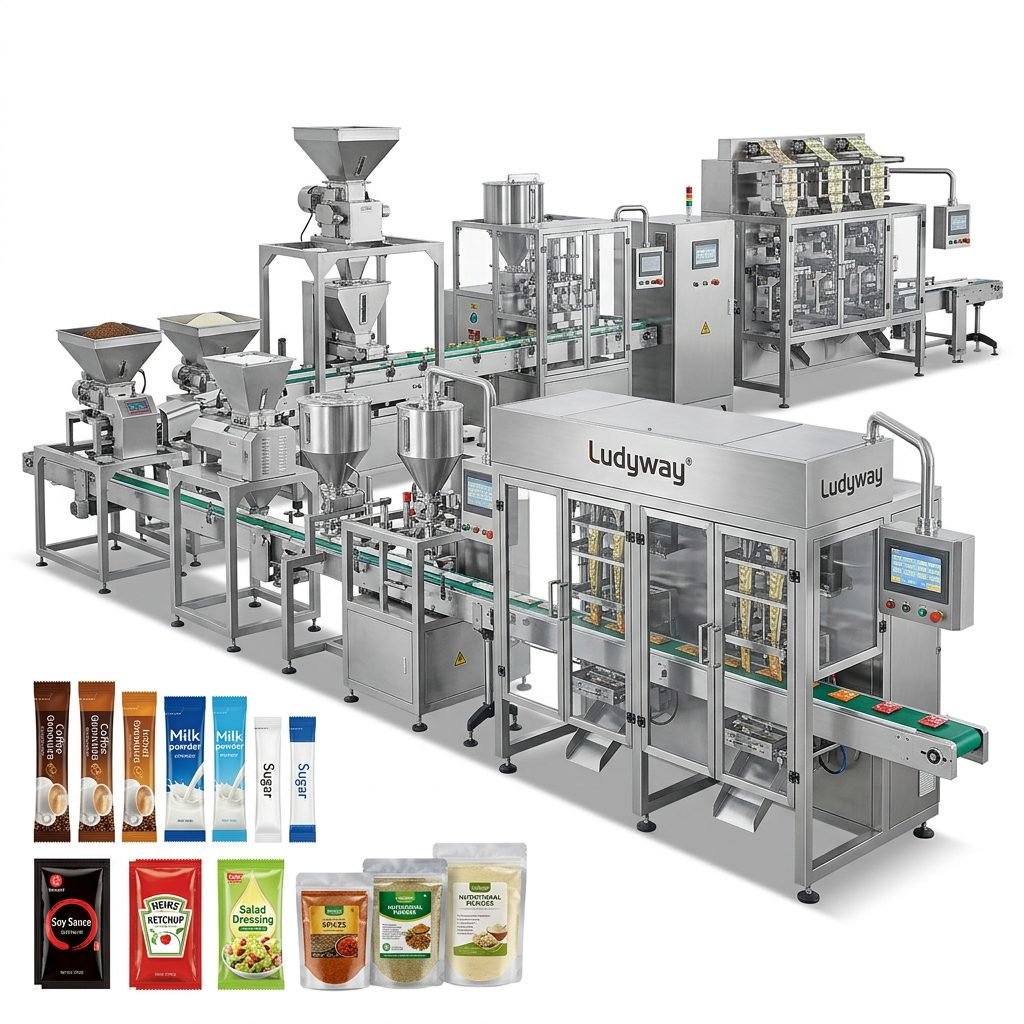
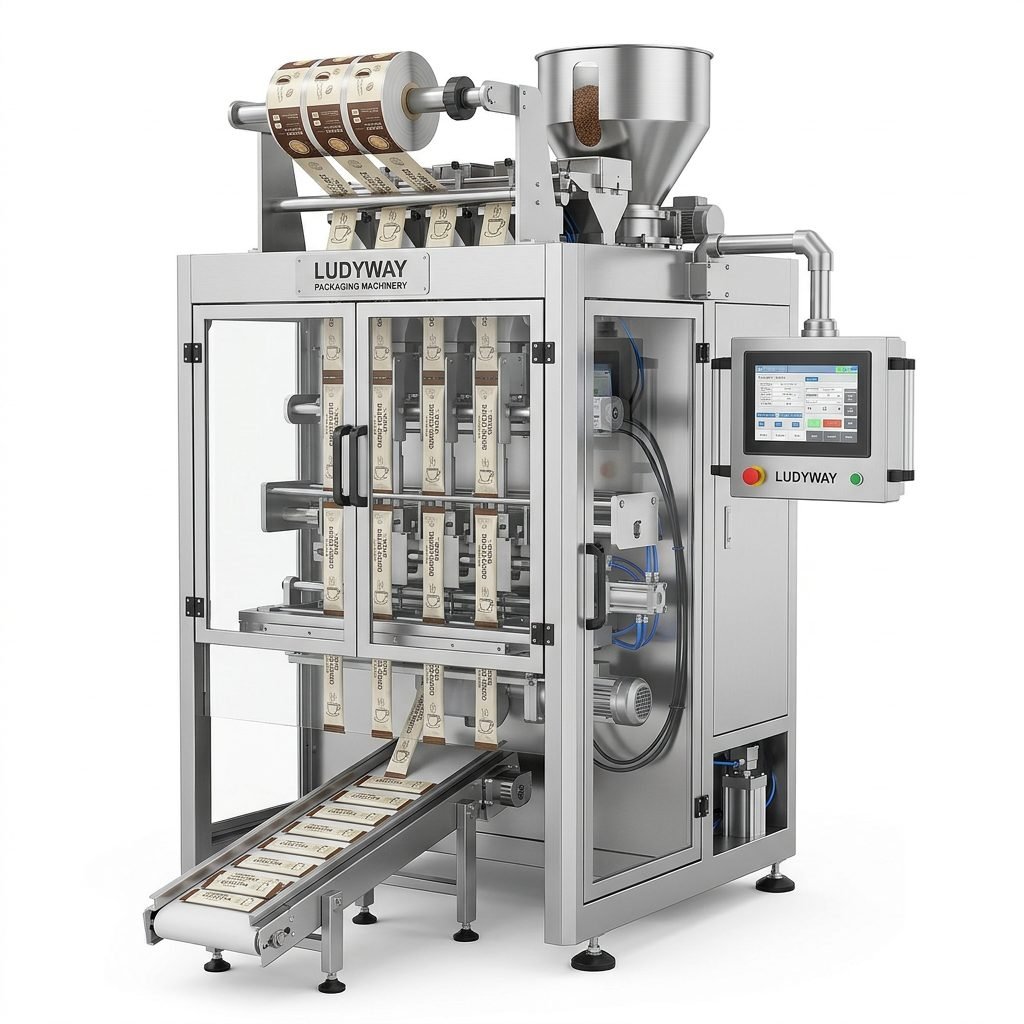
Selecting the right packaging equipment is a critical decision for any personal care products manufacturer. The machinery you choose directly impacts production efficiency, product quality, operational costs, and ultimately, your brand’s success in a competitive market. This comprehensive guide will walk you through the essential types of packaging equipment and the key factors to consider when making your investment.
Essential Packaging Equipment for Personal Care Products
The personal care industry encompasses a vast range of products, from shampoos and lotions to face masks and serums. Each product type often requires specialized packaging machinery to handle its unique form and viscosity.
Liquid & Cream Filling Machines
These are the workhorses for products like shower gels, hand sanitizers, creams, and lotions. Key technologies include:
- Piston Fillers: Highly accurate for thick creams, pastes, and gels. They use a cylinder and piston to draw and dispense a precise volume.
- Gravity Fillers: Ideal for free-flowing, thin liquids. Product flows from a tank into containers by gravity, often controlled by timed or volumetric valves.
- Pump Fillers: Excellent for foaming products or liquids that are sensitive to shear. They use rotary lobe or peristaltic pumps for gentle handling.
- Auger Fillers: While often for powders, they can also handle extremely thick, non-flowable pastes by using a rotating screw.
When choosing a liquid filler, consider viscosity, fill volume accuracy, required speed (containers per minute), and ease of cleaning for frequent product changeovers.
Powder & Granule Packaging Machines
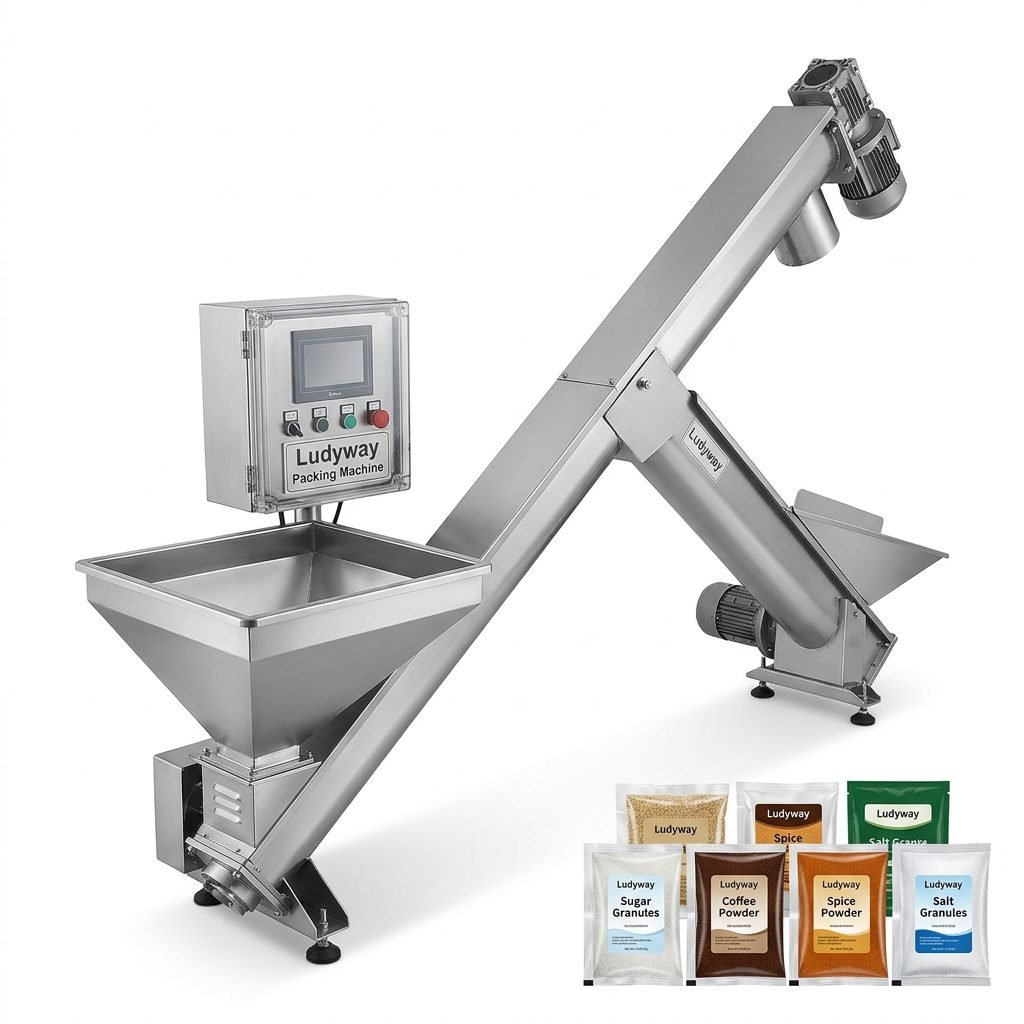
Essential for products like bath salts, powdered soap, dry shampoo, and facial powders. The primary machine type is the auger filler.
An auger filler uses a rotating screw within a hopper to meter powder into containers. Critical selection factors include:
- Powder Characteristics: Flowability, density, and compressibility greatly affect accuracy. Cohesive powders require specialized auger designs.
- Auger Design: Single or twin augers, auger material (stainless steel, food-grade plastic), and tip design must match the product.
- Dust Control: Integrated dust collection systems are vital for operator safety, product loss prevention, and maintaining a clean production environment.
Sachet & Stick Pack Machines
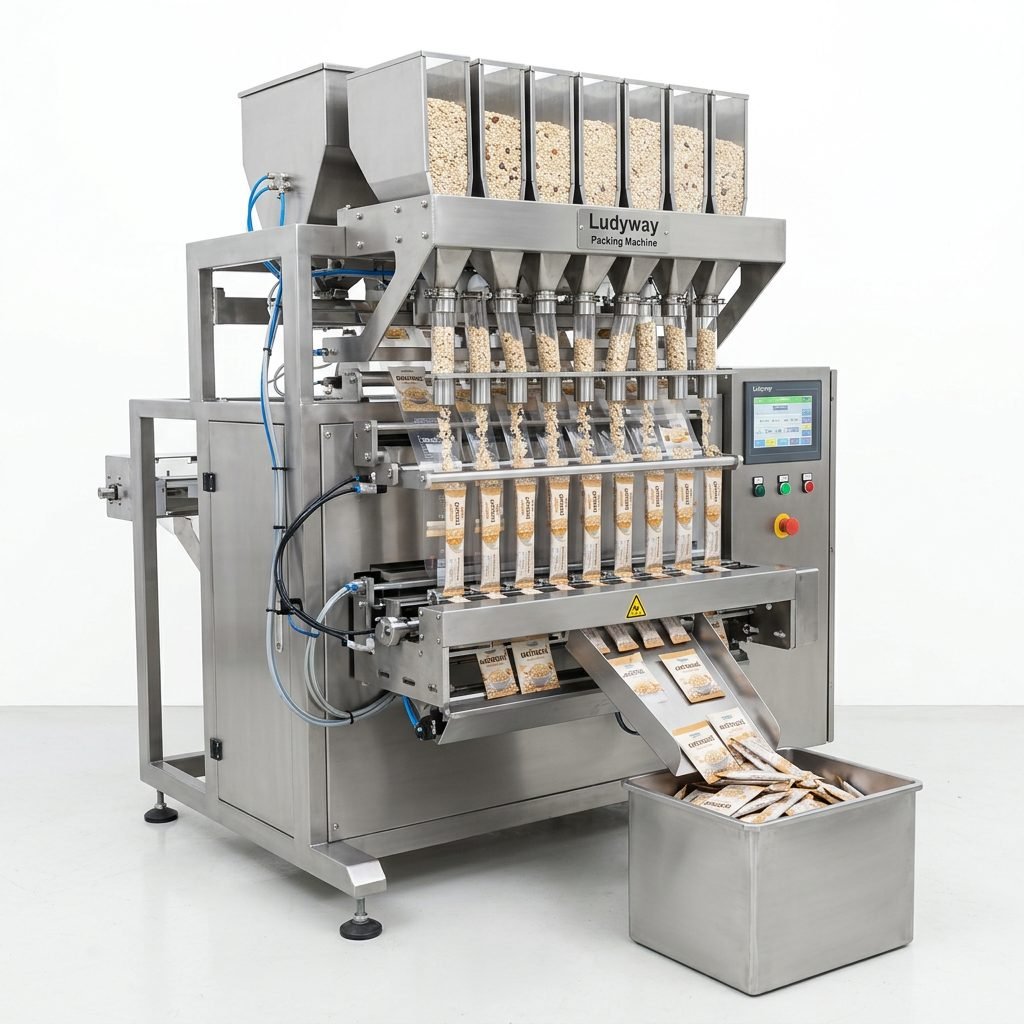
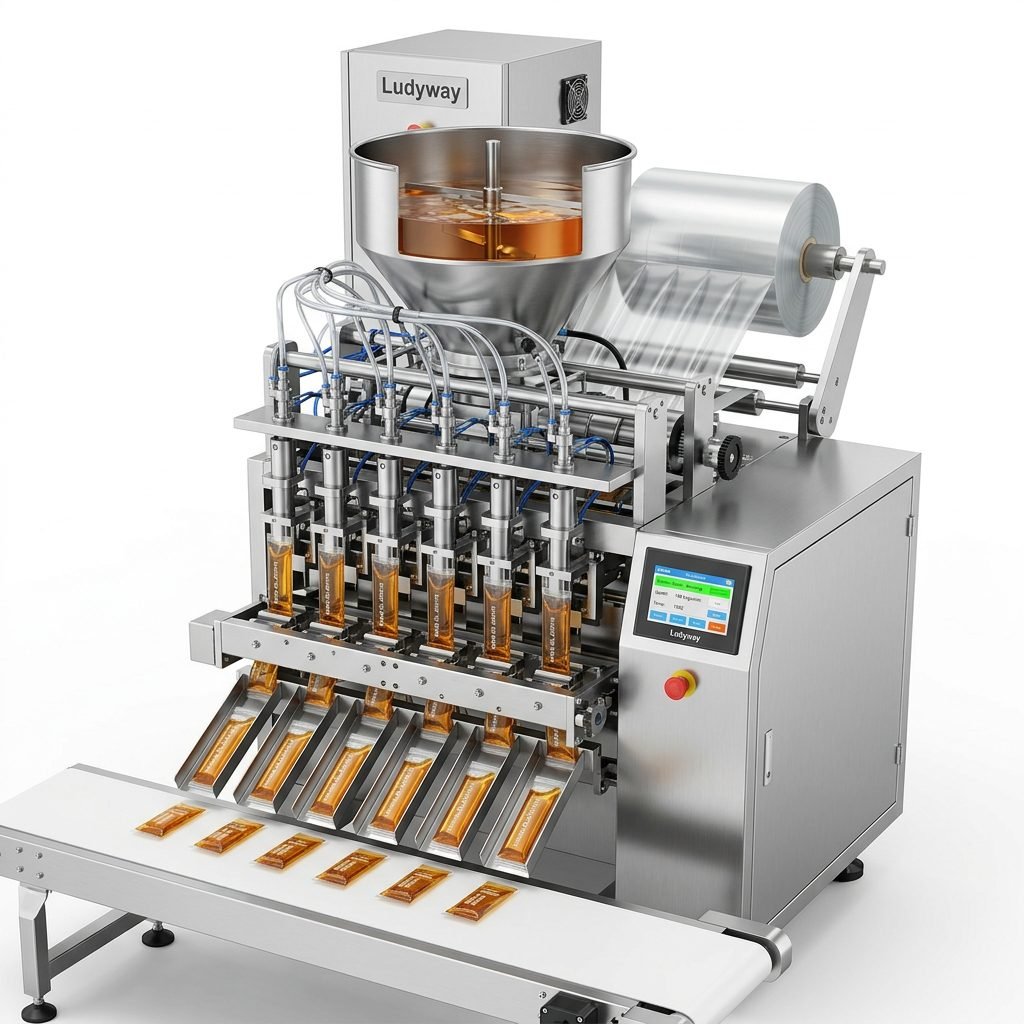
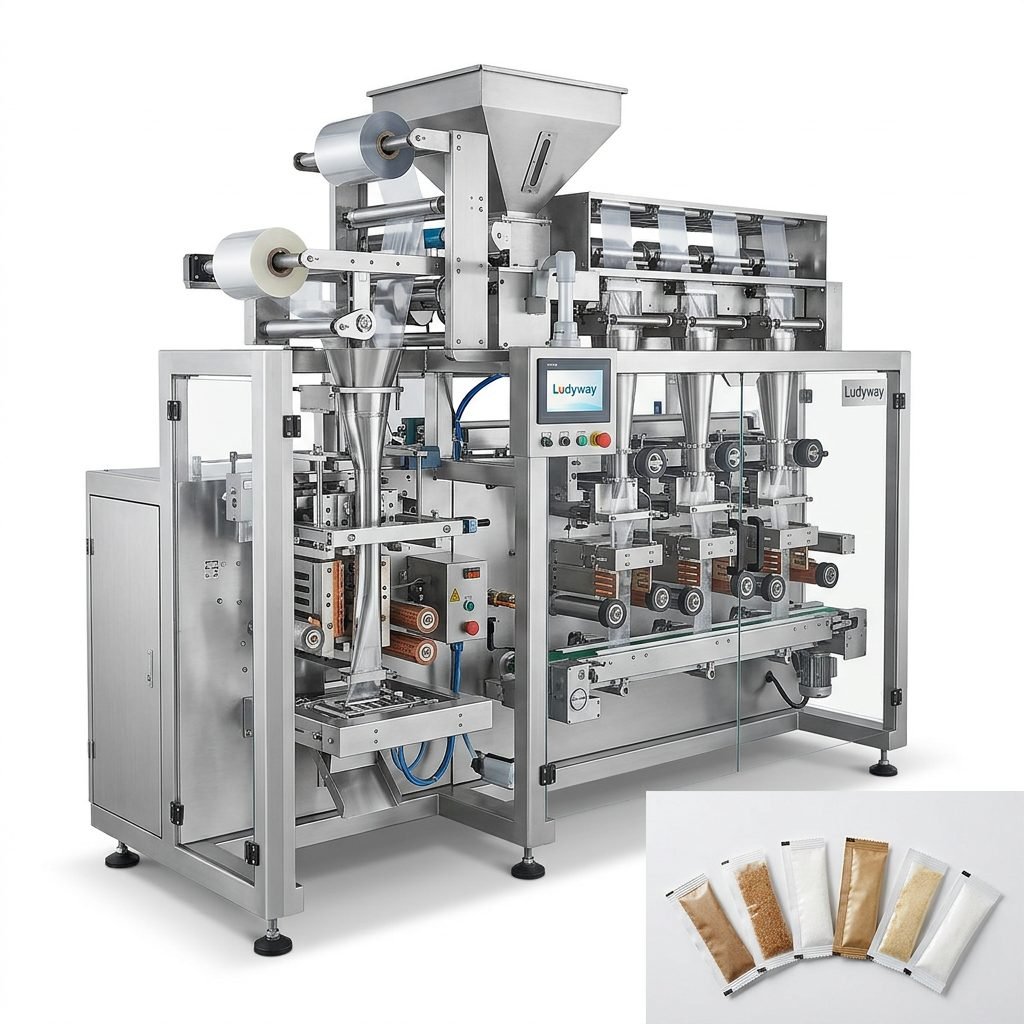
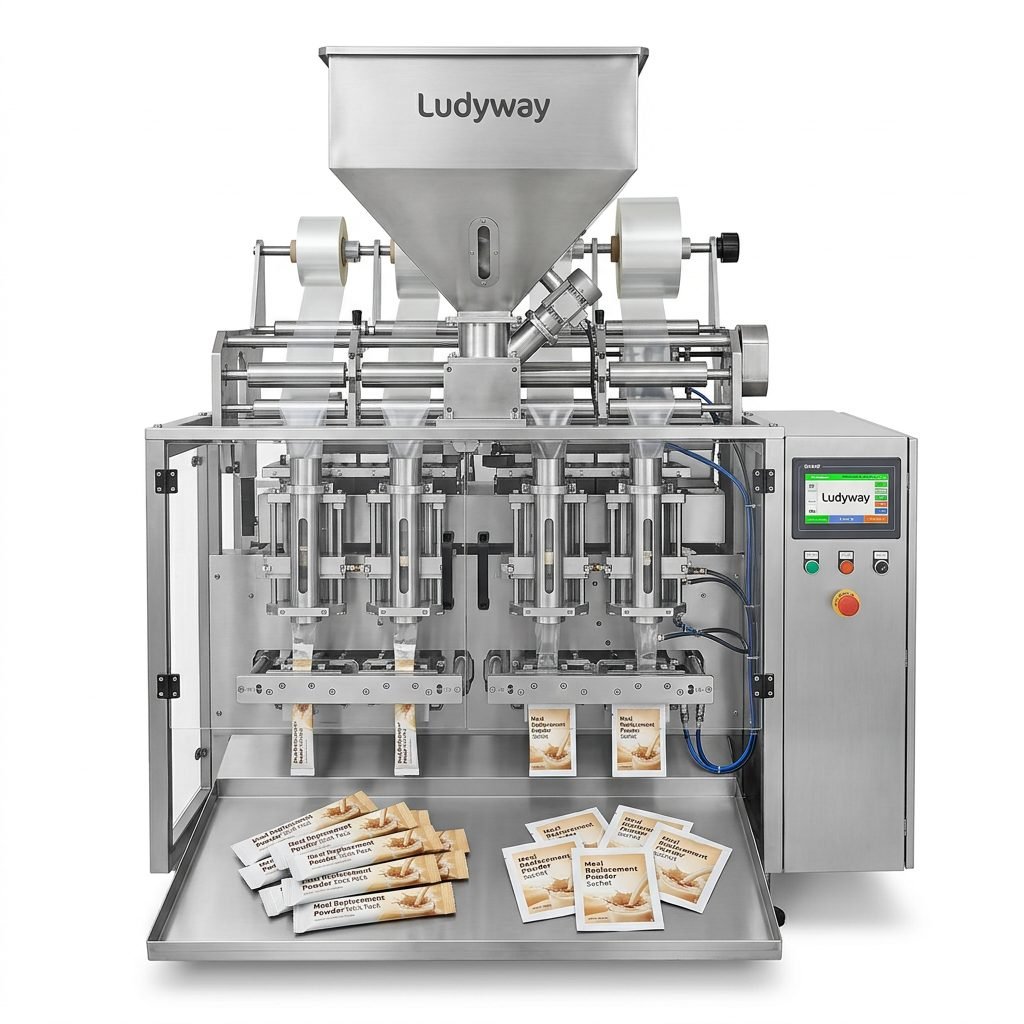
These machines create single-dose pouches from roll film, perfect for samples, hotel amenities, or premium serum applications. They are highly versatile for liquids, powders, and gels.
Types of Sachet Machines:
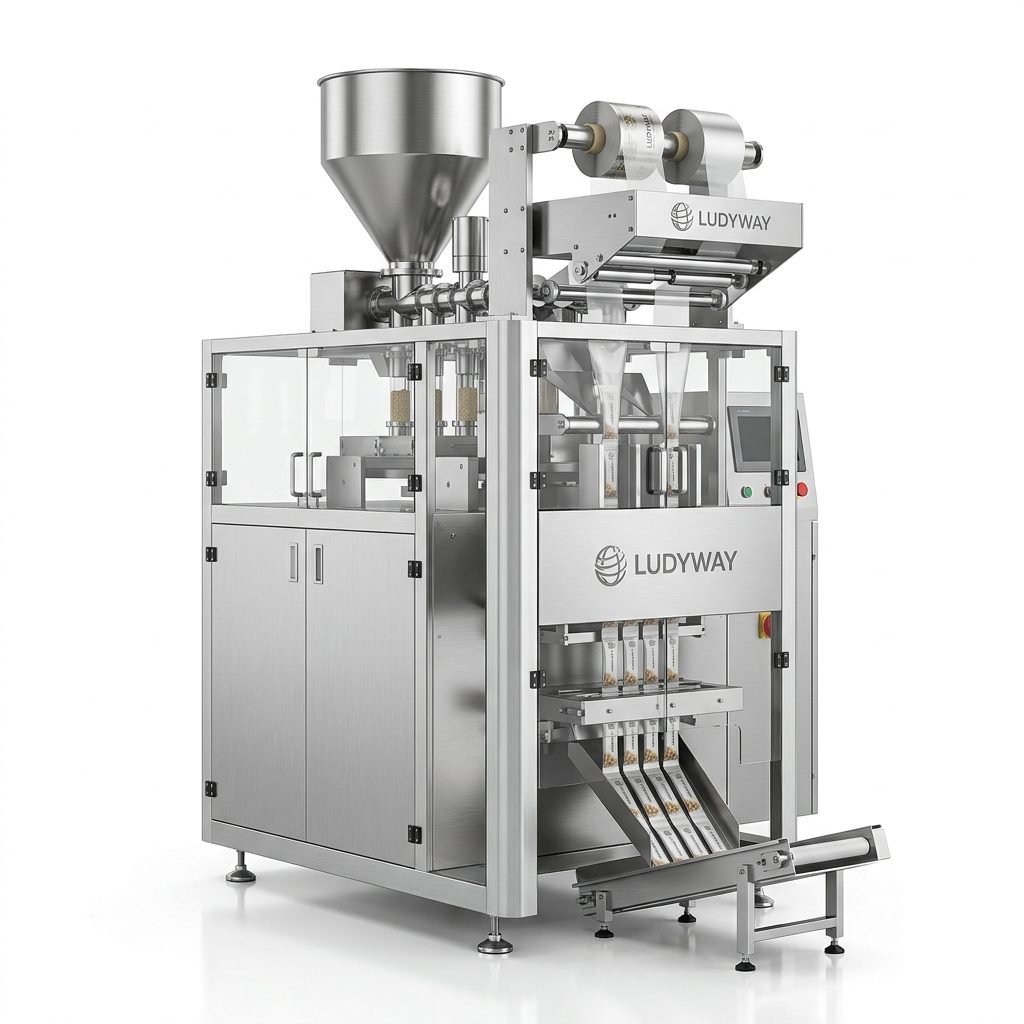
- Vertical Form-Fill-Seal (VFFS): Film is formed vertically into a tube, filled, and then sealed horizontally. Ideal for moderate to high speeds.
- Horizontal Form-Fill-Seal (HFFS): Film is laid horizontally, formed into pockets, filled, and lidded with a second film layer. Often used for more complex shapes.
- Multi-Lane Machines: Feature multiple filling lanes (e.g., 4, 8, 12) operating in parallel, dramatically increasing output for high-volume production.
Considerations include film material compatibility (laminate structures), fill accuracy for small volumes, and sealing integrity to prevent leaks.
Capping, Sealing & Labeling Equipment
Downstream equipment completes the packaging line and ensures product integrity and presentation.
- Cappers: Apply screw caps, snap-on lids, or pump dispensers. Choices range from manual chuck cappers to fully automatic rotary cappers for high-speed lines.
- Induction Sealers: Apply a tamper-evident foil liner under a plastic cap using electromagnetic induction, creating an airtight seal critical for product preservation.
- Labelers: Apply front/back labels, wraparound labels, or shrink sleeves. Options include pressure-sensitive (sticker) labelers and wrap-around labelers.
Key Factors in Choosing the Right Machinery
Beyond the machine type, a successful selection hinges on a deep analysis of your specific needs.
1. Production Requirements & Scalability
You must define your current and future output needs.
- Speed (Containers Per Minute – CPM): Match machine speed to your required daily/weekly output, allowing for maintenance and changeover downtime.
- Flexibility: How often will you change products, container sizes, or formats? Quick-change tooling and easy-to-program machines reduce downtime.
- Scalability: Can the machine or line be upgraded or integrated with other automation (robots, conveyors) as your business grows?
2. Product & Container Compatibility
The machine must handle your specific product-container combination flawlessly.
Product Factors: Viscosity, abrasiveness, corrosiveness, presence of particulates, and sensitivity to air or heat.
Container Factors: Material (glass, PET, HDPE, laminate), shape, size, opening diameter, and stability. Always provide samples to the machine supplier for testing.
3. Automation Level & Integration
Determine how much manual intervention is acceptable.
- Semi-Automatic: An operator loads containers and initiates the cycle. Lower initial cost, suitable for low volume or pilot production.
- Fully Automatic: Containers are fed, filled, capped, and discharged automatically via a conveyor system. Essential for high-volume, cost-effective production.
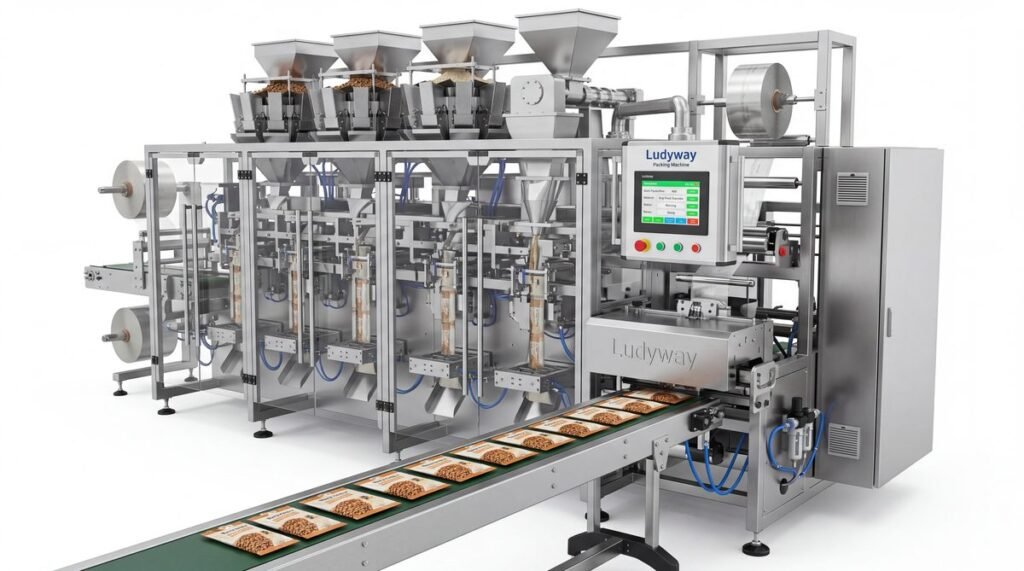
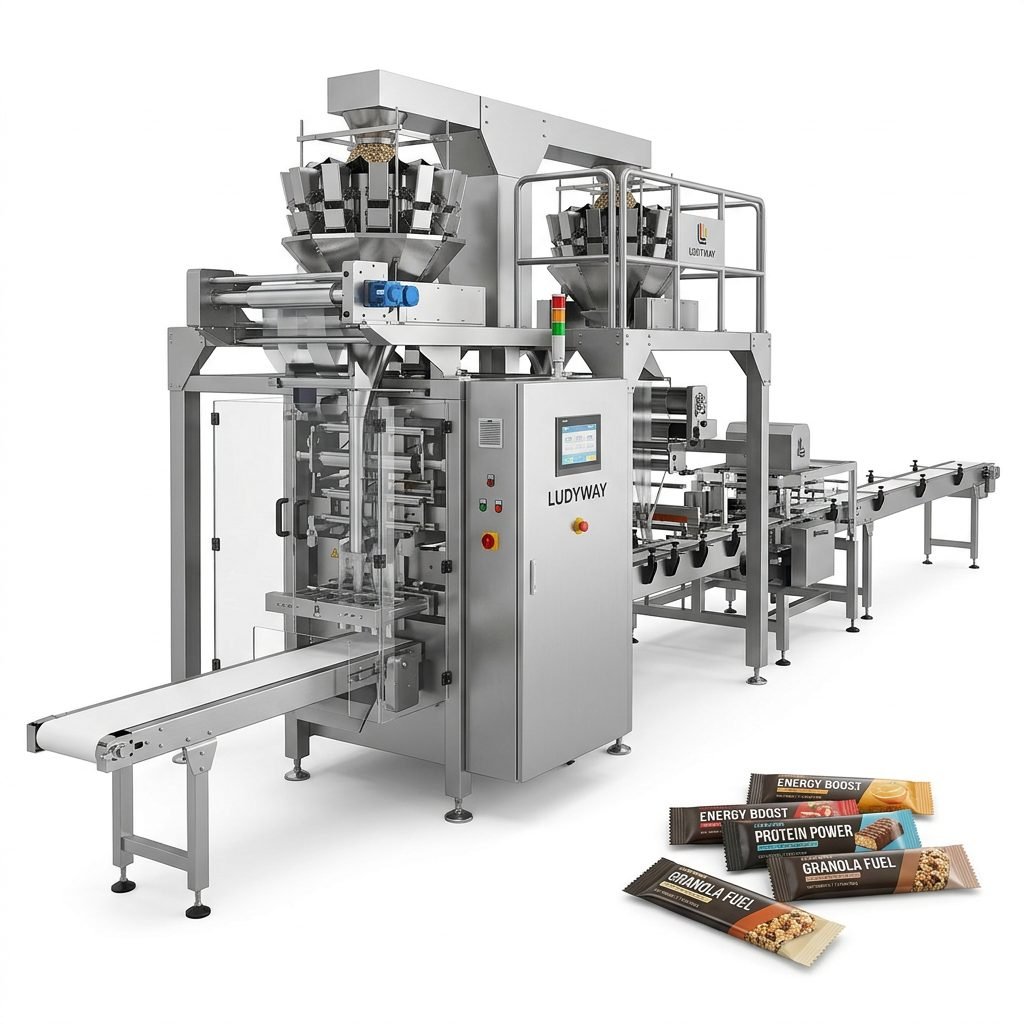
- Turnkey Line: A fully integrated system from unscrambling empty containers to case packing. Offers the highest efficiency and consistency.
4. Machine Quality & Supplier Support
The machine’s construction and the supplier’s service are long-term investments.
- Build Quality: Look for robust frames, food-grade or pharmaceutical-grade contact parts (e.g., 316L stainless steel), and reputable components (motors, PLCs, sensors).
- Hygienic Design: Easy access for cleaning, no fluid traps, and smooth surfaces are crucial for personal care products.
- Supplier Reputation: Choose a partner with proven experience in the personal care sector. Evaluate their technical support, availability of spare parts, installation, training, and after-sales service.
Partnering with an experienced supplier like Ludyway Machinery, which specializes in packaging solutions for health and personal care industries, can provide access to tailored expertise and reliable equipment backed by strong engineering support.
5. Regulatory Compliance & Safety
Ensure the equipment meets all relevant standards for your market (e.g., FDA, CE, cGMP guidelines for cosmetics). Safety features like guards, emergency stops, and electrical compliance are non-negotiable.
Optimizing Your Packaging Line
Choosing individual machines is just the start. Optimizing them to work together as a line is key to unlocking maximum productivity.
- Line Balancing: Ensure the speeds of each machine (filler, capper, labeler) are matched to prevent bottlenecks or accumulation.
- Communication & Control: Modern lines use integrated PLCs with touchscreen HMIs for centralized monitoring, control, and data collection (OEE, downtime tracking).
- Future-Proofing: Consider Industry 4.0 capabilities like IoT connectivity for predictive maintenance and data analytics to continuously improve efficiency.
Exploring complete turnkey production solutions from a single supplier can simplify integration, ensure compatibility, and provide a single point of accountability for service and performance.
Frequently Asked Questions (FAQs)
What is the most important factor when choosing a filling machine for personal care products?
The most critical factor is achieving compatibility between your specific product and the filling technology. A product’s viscosity, sensitivity, and foaming characteristics will dictate whether a piston, pump, gravity, or auger filler is appropriate. Always request a product sample test with the machine before purchasing.
Should I start with a semi-automatic or fully automatic machine?
This depends on your production volume and labor costs. Semi-automatic machines are ideal for startups, small batches, R&D, or products with frequent changeovers. Fully automatic machines are necessary for medium to high-volume production to ensure consistent output, lower per-unit cost, and reduced manual labor.
How can I ensure my packaging line is hygienic and easy to clean?
Select machines with a hygienic design: use 316L stainless steel for product contact parts, avoid dead legs and crevices, feature quick-disconnect parts, and have smooth, polished welds. Machines designed with CIP (Clean-in-Place) or SIP (Sterilize-in-Place) capabilities further enhance hygiene for sensitive products.
What kind of after-sales support should I expect from the machinery supplier?
You should expect comprehensive support including: detailed installation and operational training for your team, a clear warranty period, readily available technical support (remote and on-site), easy access to genuine spare parts, and potentially service contracts for preventive maintenance. A reliable supplier will be a long-term partner.
Can one machine handle multiple different product types (e.g., a lotion and a serum)?
Many machines offer flexibility, but with limits. A well-configured piston filler might handle a range of viscosities by changing the piston size and adjusting stroke. However, switching from a water-thin serum to a thick cream will likely require a thorough cleaning and possibly a change of seals or filling nozzles. Discuss your full product range with the supplier to configure a machine that maximizes flexibility while maintaining accuracy.