In the fast-paced world of modern manufacturing, efficiency, hygiene, and product presentation are paramount. For businesses packaging products like coffee, nuts, spices, powders, or liquids, spout pouches have become a preferred choice due to their convenience, resealability, and extended shelf life. The heart of producing these pouches at scale lies in selecting the right automatic spout pouch filling and capping machine. This comprehensive guide will walk you through the critical factors to consider when choosing top-tier spout packaging machinery to optimize your production line.
Understanding Spout Pouch Packaging Machinery
An automatic spout pouch machine is an integrated system designed to form, fill, and seal pouches with a built-in spout (or fitment). This process is fully automated, handling tasks from feeding pre-made pouches or roll film, accurately dispensing product, inserting and sealing the spout, and finally capping it. The primary advantage is a significant increase in production speed, consistency, and hygiene compared to semi-automatic or manual methods.
Key Takeaway: The core function of this machinery is to create a complete, ready-to-use, leak-proof package in one continuous, automated cycle. This is essential for maintaining product integrity and meeting high-volume demands.
Core Components of the System
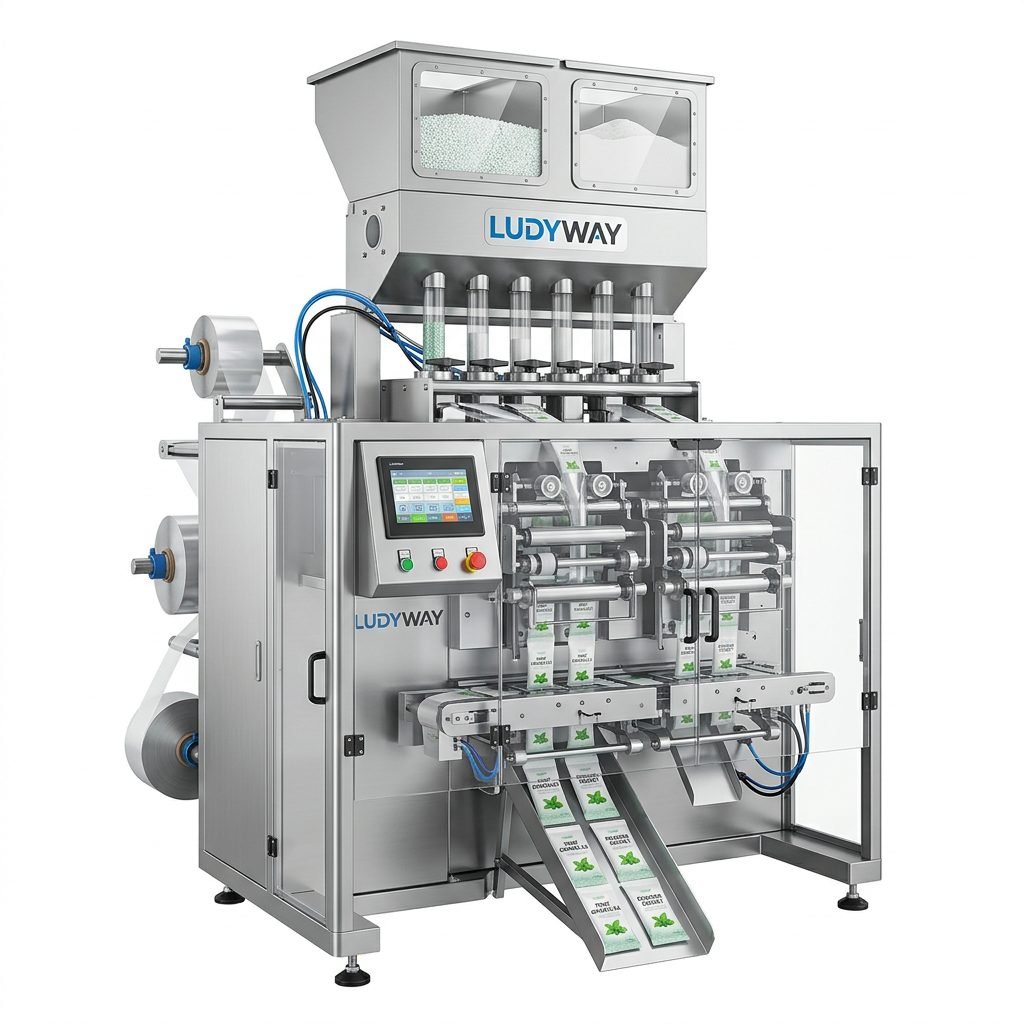
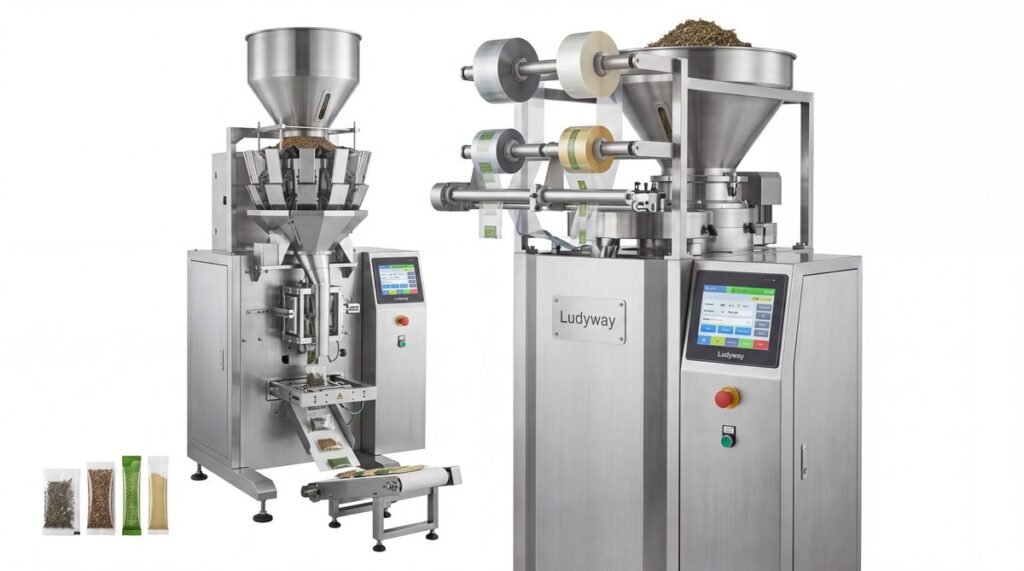
A typical high-performance system consists of several synchronized stations:
- Pouch Feeding & Positioning: Pre-made pouches are automatically fed and precisely aligned for the filling station.
- Precision Filling System: Utilizes auger fillers for powders/granules, liquid pumps, or volumetric cups for accurate, consistent dosing.
- Spout Insertion & Sealing: The spout is robotically placed into the pouch neck and heat-sealed to ensure a perfect, airtight bond.
- Capping Unit: Automatically screws or snaps the cap onto the sealed spout, completing the package.
- Control System: A PLC-based touchscreen interface for easy operation, recipe management, and monitoring of machine parameters.
How to Choose the Best Machine for Your Needs
Selecting the ideal machine is not a one-size-fits-all decision. It requires a careful analysis of your specific products, production goals, and operational environment.
1. Analyze Your Product Characteristics
The nature of your product dictates the type of filling system required.
- Powders & Granules (Coffee, Protein, Spices): An auger filler is typically the best choice. Look for machines with anti-bridging systems, dust extraction, and high-precision servo-driven augers for minimal waste.
- Liquids (Oils, Sauces, Syrups): Opt for a machine equipped with a piston pump or gravity filling system. Consider viscosity, foaming tendency, and the need for vacuum or nitrogen flushing to extend shelf life.
- Mixed-Phase Products: Some advanced machines can handle products with solid and liquid components through dual-filling systems.
2. Determine Production Speed Requirements
Output is measured in pouches per minute (PPM). Assess your current and future demand.
Speed Tiers:
- Entry-Level: 20-40 PPM. Suitable for small businesses or pilot production.
- Mid-Range: 40-80 PPM. Ideal for growing SMEs with moderate volume needs.
- High-Speed: 80-150+ PPM. Necessary for large-scale manufacturers and contract packers.
Remember, the highest speed isn’t always best. Balance speed with changeover flexibility, reliability, and your available floor space.
3. Evaluate Machine Flexibility and Changeover
If you run multiple products or pouch sizes, quick changeover is critical to minimize downtime. Key features to look for include:
- Tool-less adjustments for pouch size and filling volume.
- PLC with memory for saving multiple product recipes.
- Easy-to-swap parts like augers, funnels, and capping heads.
4. Prioritize Hygiene and Construction Quality
For food, pharmaceutical, or health products, hygiene is non-negotiable.
- Materials: Contact parts should be made of stainless steel (304 or 316 grade) for easy cleaning and corrosion resistance.
- Design: The machine should have a smooth, crevice-free design with rounded corners to prevent product accumulation and facilitate cleaning.
- Certifications: Ensure the machine complies with relevant industry standards (e.g., CE, FDA, GMP for specific sectors).
5. Assess Integration and After-Sales Support
The machine is part of a larger ecosystem. Consider:
- Upstream/Downstream Integration: Can it connect to your existing bag maker, checkweigher, or cartoning machine? Professional suppliers often offer complete turnkey line solutions.
- Technical Support & Training: Reliable after-sales service, including installation, operator training, and readily available spare parts, is invaluable for minimizing operational disruptions.
- Manufacturer’s Expertise: Partner with a supplier with proven experience in your specific industry, whether it’s food, chemicals, or pharmaceuticals.
Benefits of Investing in a High-Quality Automatic Machine
↗ Increased Productivity
Dramatically higher output with consistent quality, reducing labor costs and meeting tight deadlines.
✓ Enhanced Accuracy
Precision filling reduces product giveaway, saving money and ensuring compliance with net content regulations.
🛡 Superior Product Protection
Airtight spout sealing and capping protect against moisture, contamination, and leakage, extending shelf life.
Common Questions (FAQs)
What is the typical price range for an automatic spout pouch filling and capping machine?
Prices vary widely based on speed, automation level, and customization. Entry-level models start around $30,000, while high-speed, fully integrated lines can exceed $150,000. It’s best to request a detailed quote based on your specific requirements.
Can one machine handle different pouch sizes and spout types?
Yes, most modern machines are designed for flexibility. However, changing between significantly different sizes (e.g., from a 50ml to a 1000ml pouch) may require a changeover kit or adjustments to parts like the pouch holder, filling nozzle, and capping head. Look for machines that facilitate quick and simple changeovers.
How important is after-sales service when purchasing this equipment?
Extremely important. Reliable technical support, availability of spare parts, and comprehensive operator training are crucial for maintaining high uptime and machine longevity. Always choose a supplier with a strong global service network and a reputation for responsive support.
What are the key maintenance requirements?
Daily cleaning of product contact parts, regular lubrication of moving components as per the manual, and periodic inspection of seals, sensors, and heating elements are essential. A well-maintained machine ensures consistent performance and prevents unexpected breakdowns.
Is it possible to get a customized machine for a unique product?
Absolutely. Reputable manufacturers and solution providers often offer customization. This can include special filling systems for abrasive or sticky products, integration with specific upstream equipment, or modifications to meet unique hygiene or safety standards. Discuss your specific needs in detail during the consultation phase.