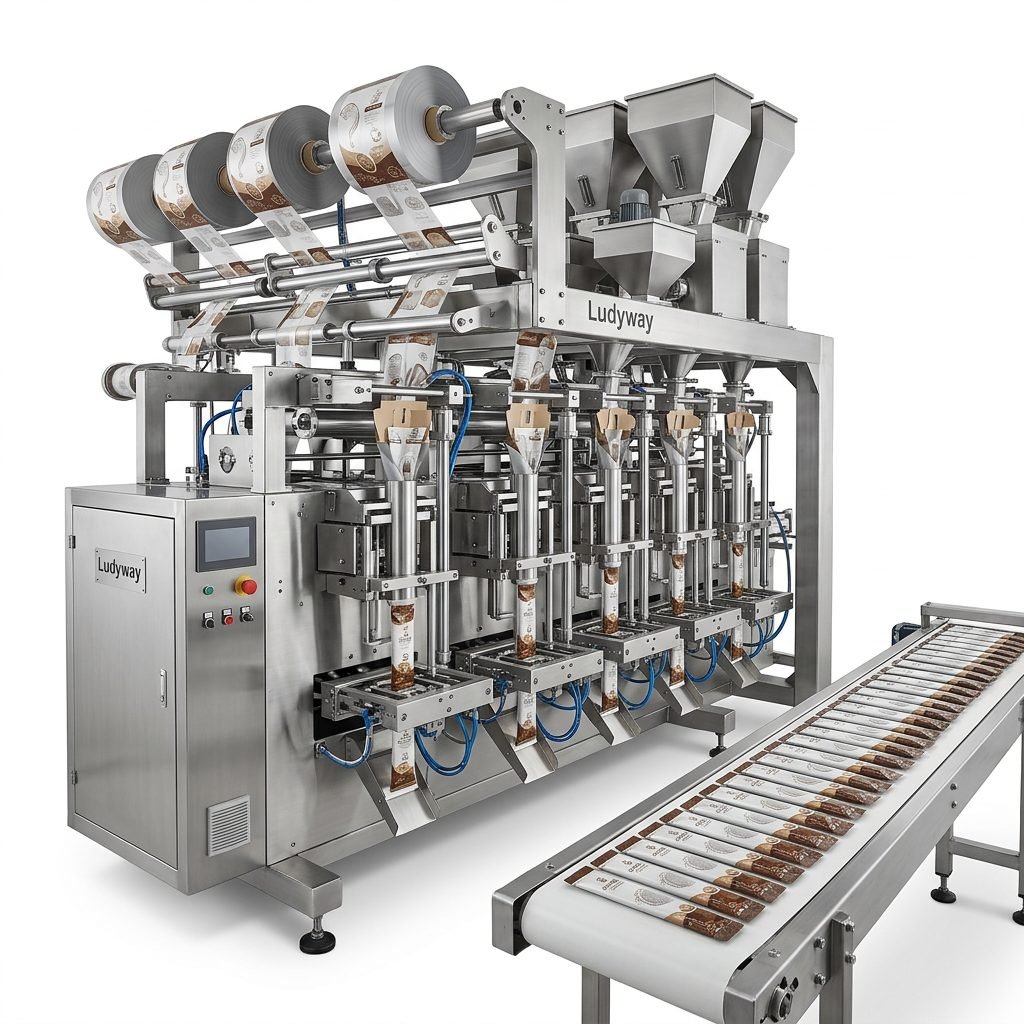
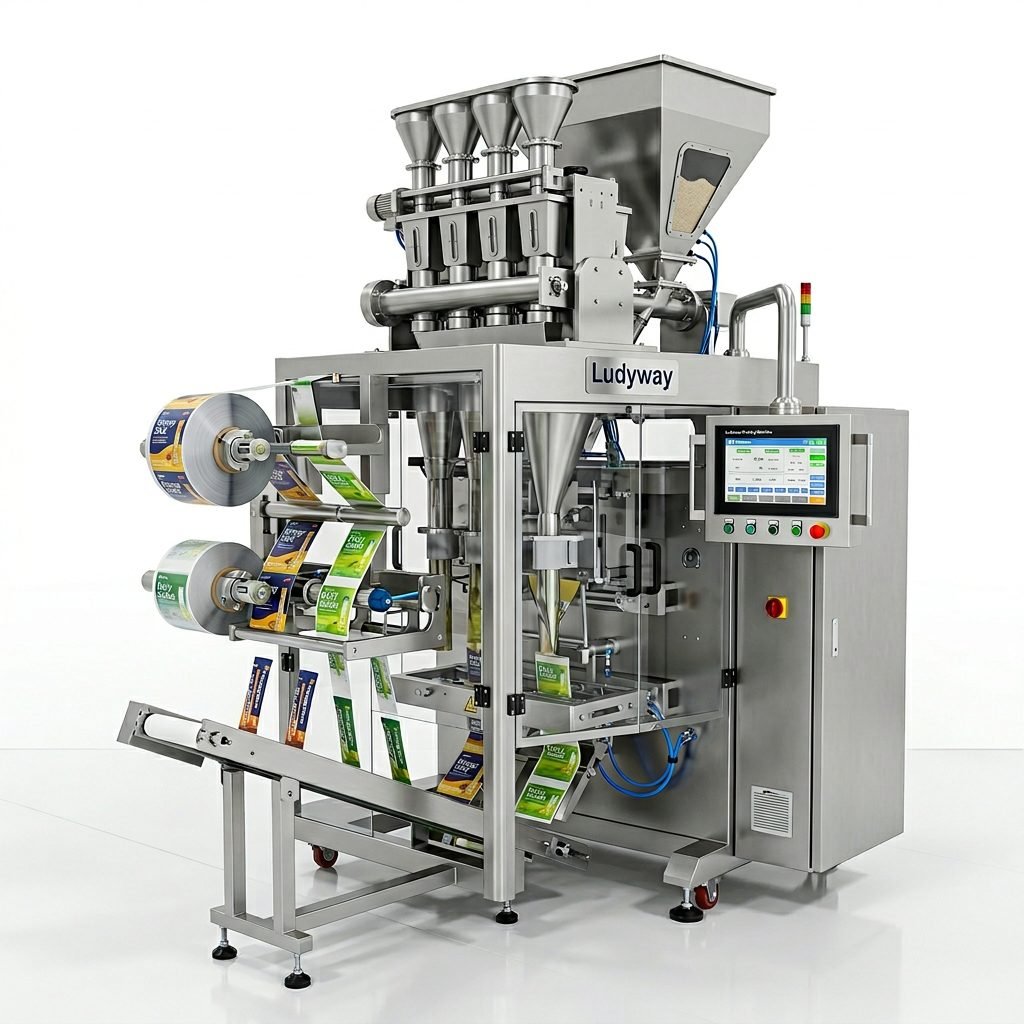
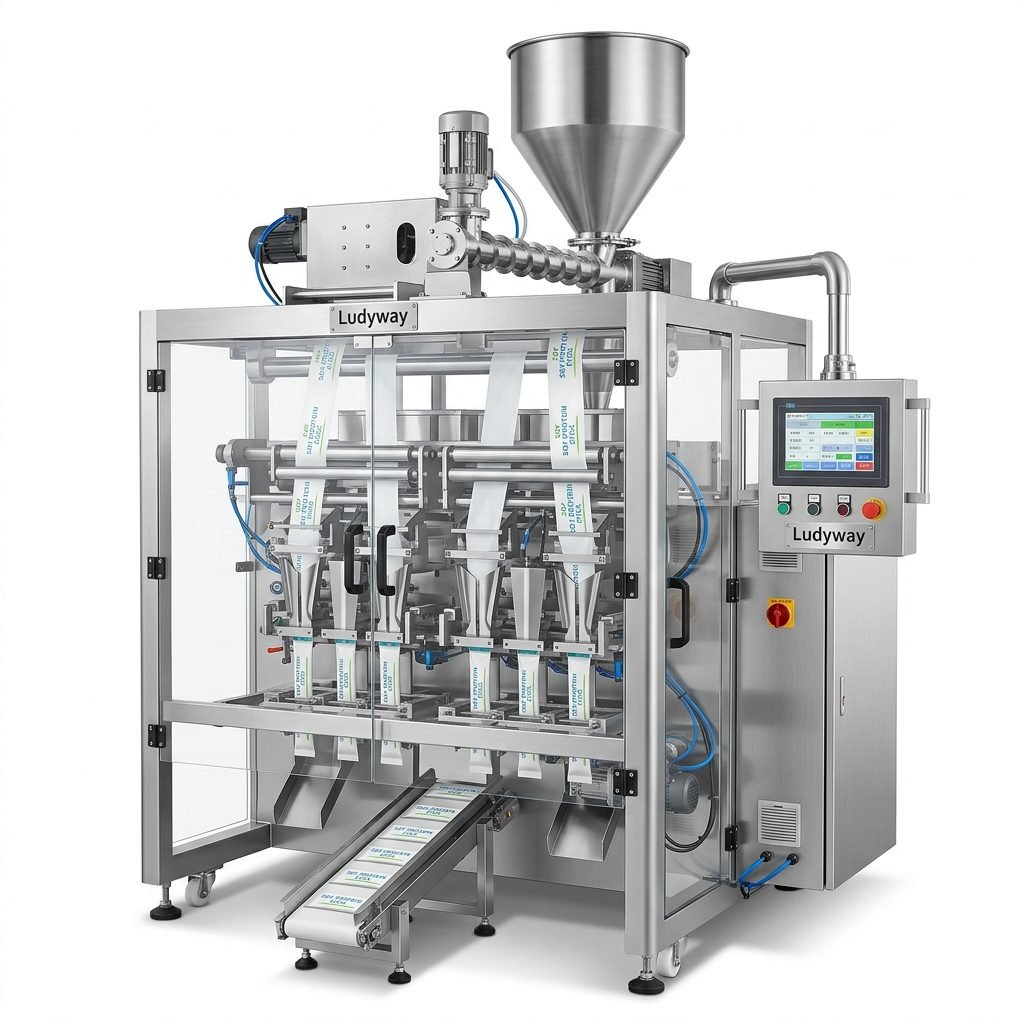
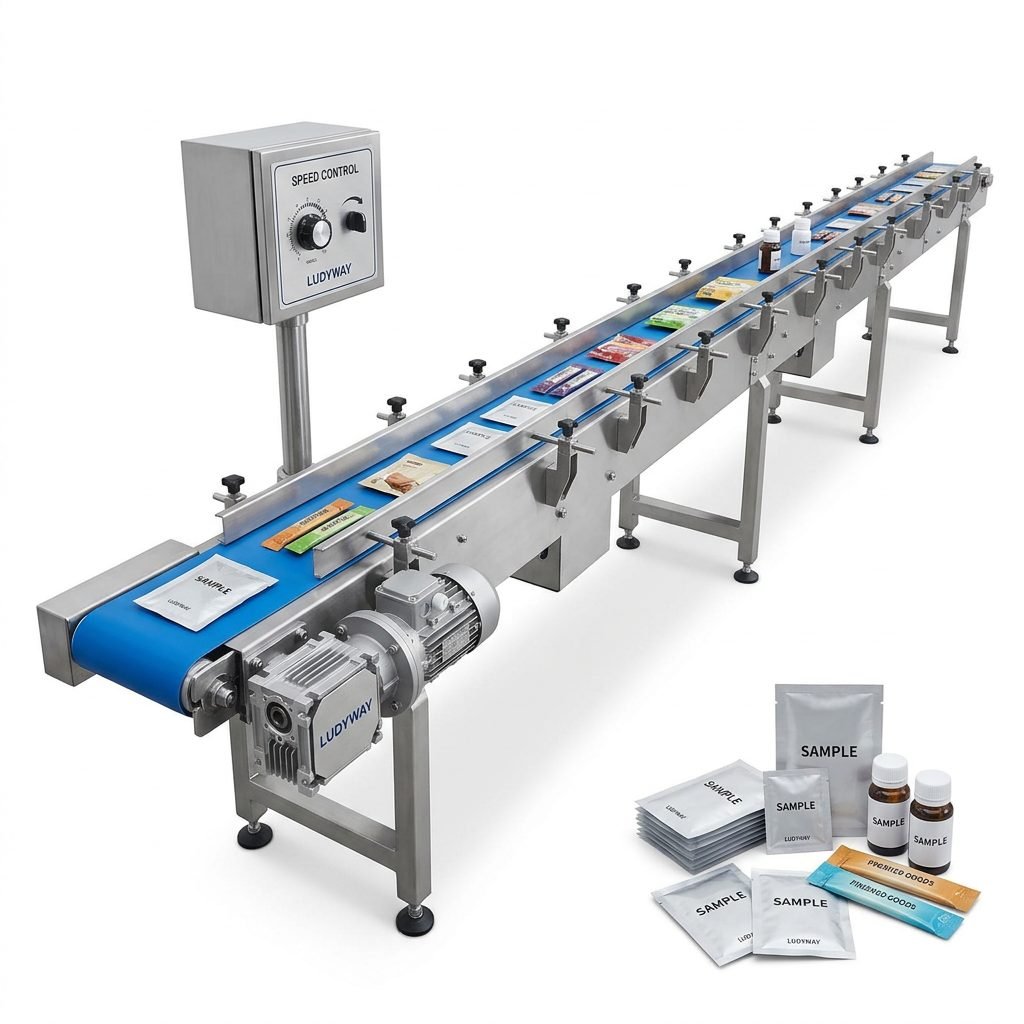
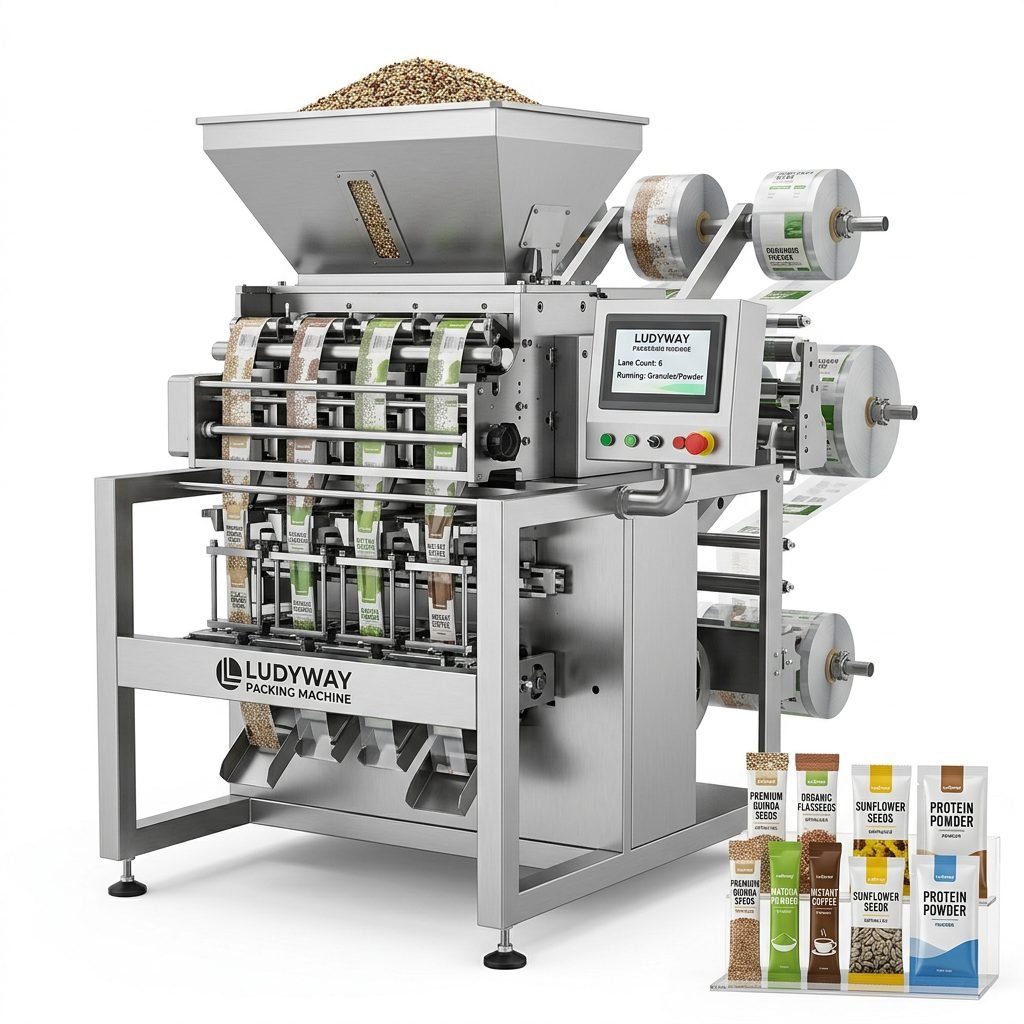
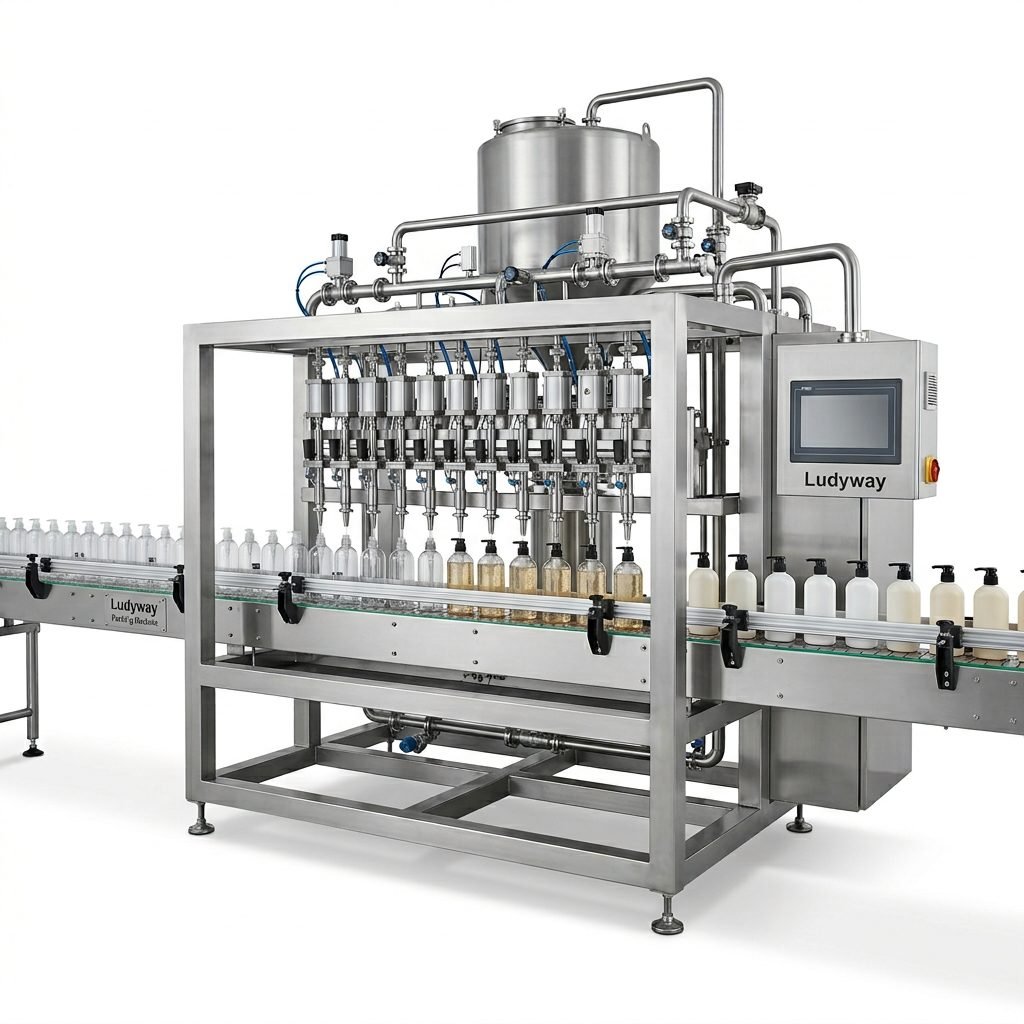
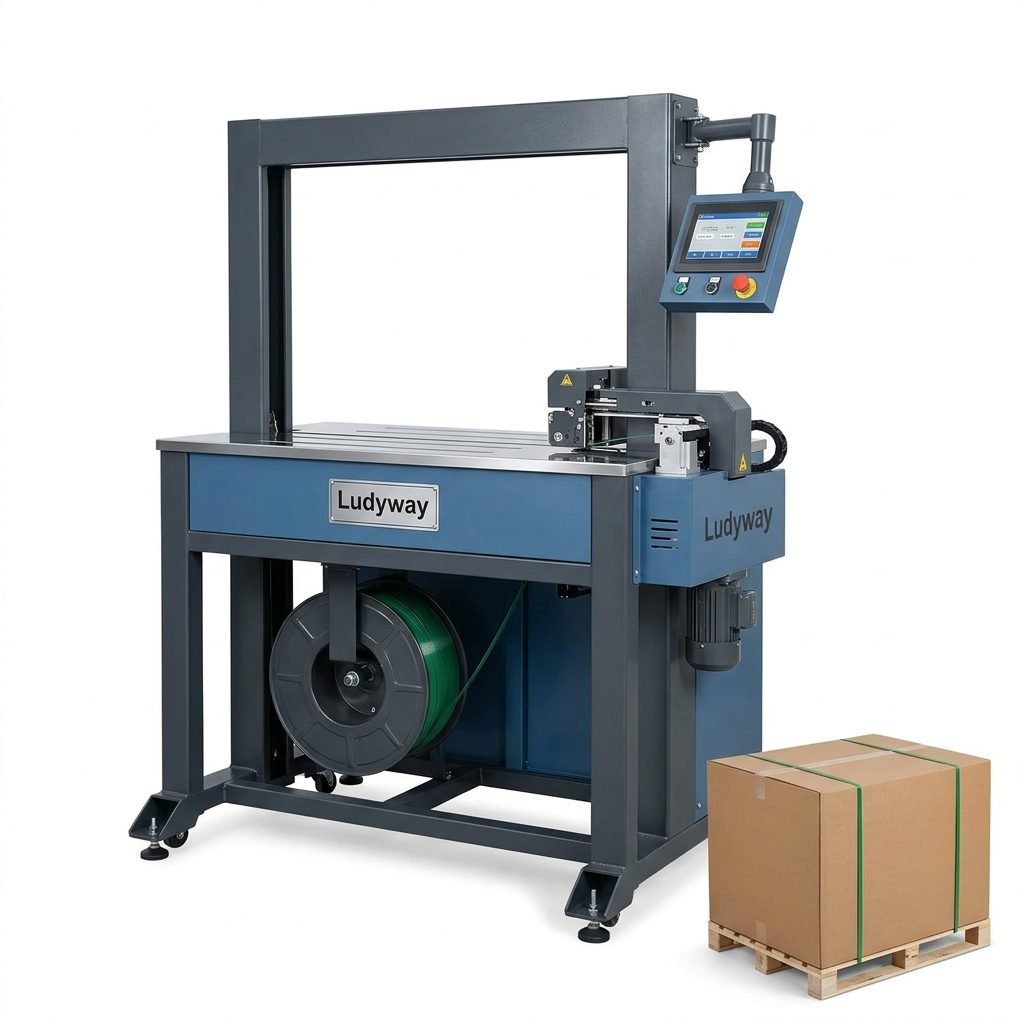
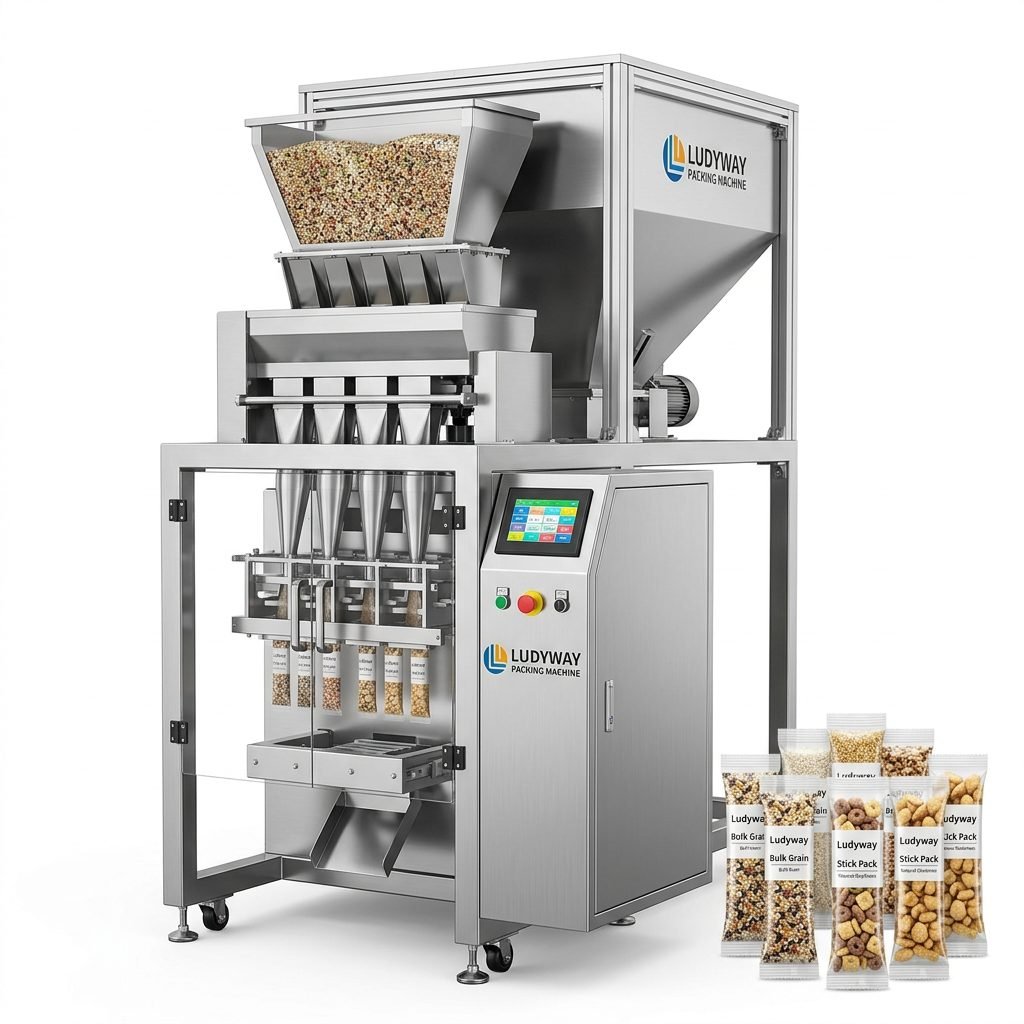
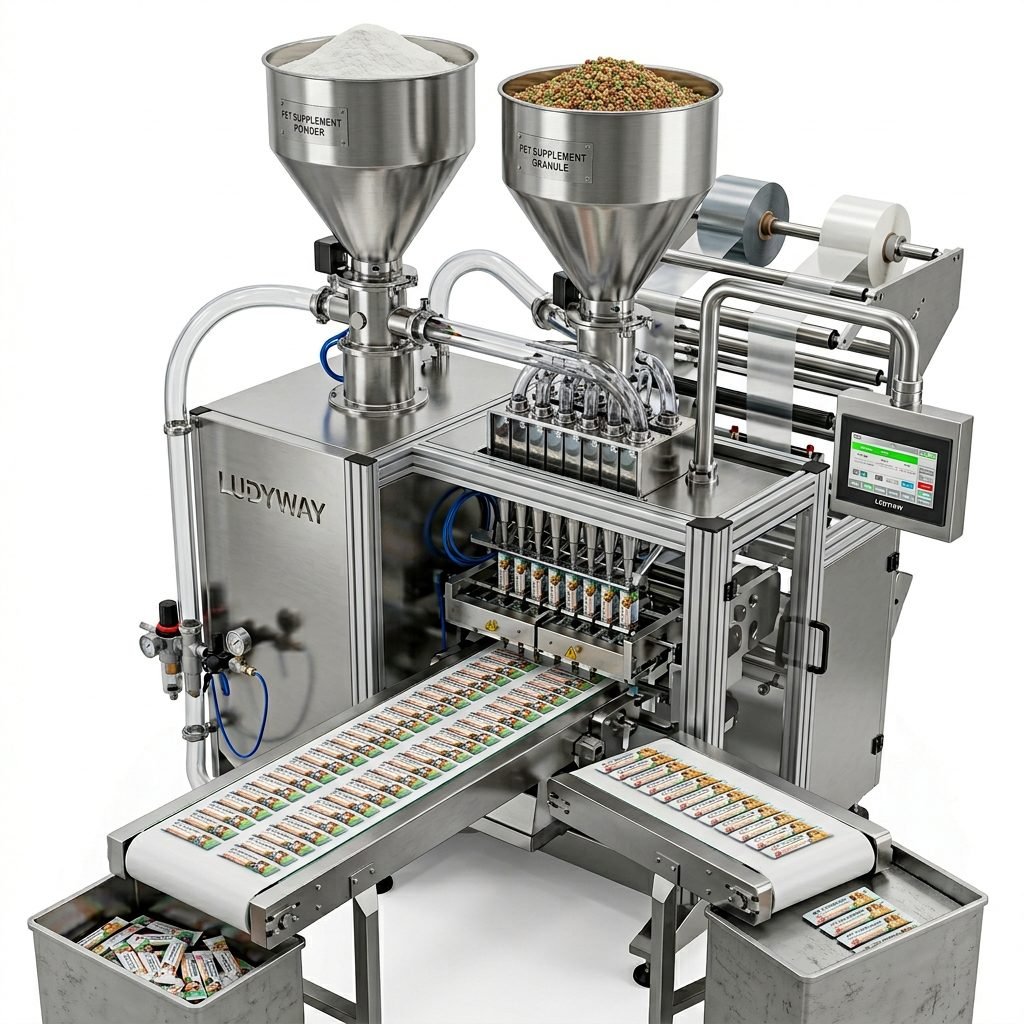
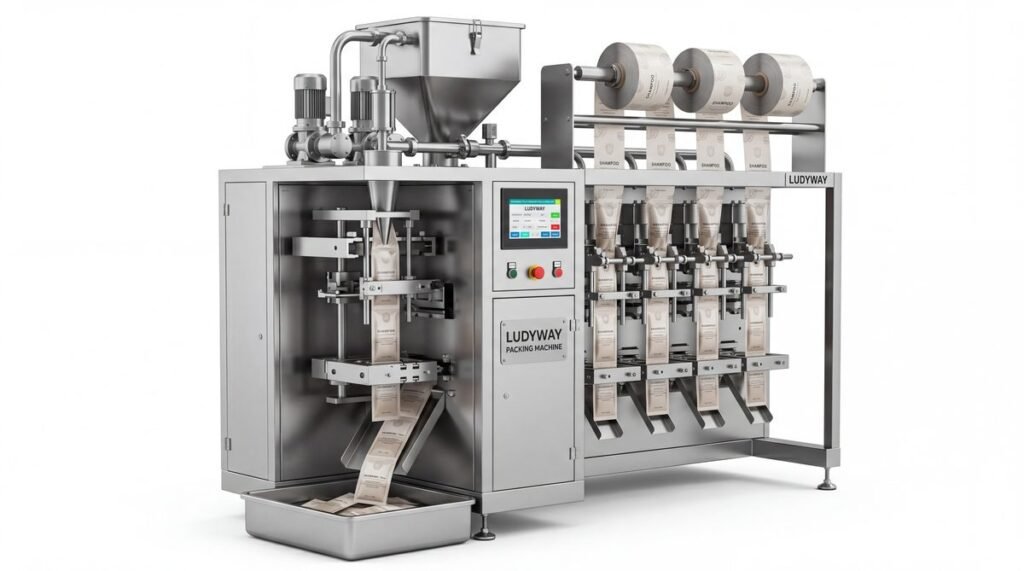
Choosing the right automated packaging equipment is a critical decision for any business looking to streamline production, enhance product presentation, and improve overall efficiency. In the realm of flexible packaging, the zip bag packaging machine stands out as a versatile and increasingly popular solution. This guide will walk you through the key factors to consider when selecting the perfect automatic pouch packing system for your specific operational needs.
Understanding Your Core Packaging Requirements
The first and most crucial step is a thorough internal assessment. A machine that is perfect for one product line may be entirely unsuitable for another. Begin by defining the parameters of what you need to package.
Key Questions to Ask:
Product Type: Are you packaging granules (like coffee, sugar, seeds), powders (spices, protein powder, detergent), liquids (sauces, oils, shampoos), or solids? The product’s flow characteristics directly determine the type of filling system required.
Pouch Specifications: What is your target pouch size (width and length)? What film material will you use (laminate, polyethylene, stand-up pouch material)? Does your product require special features like a zipper, degassing valve, or tear notch?
Production Speed (Output): What is your required output in pouches per minute (PPM)? This will dictate whether you need a single-lane, dual-lane, or multi-lane machine.
Floor Space & Utilities: How much factory space is available? What are your power (voltage) and compressed air requirements?
Key Features of a Modern Zip Bag Packaging Machine
Today’s automatic pouch packing solutions are sophisticated pieces of engineering. Look for these essential features that contribute to reliability, efficiency, and ease of use.
1. Precision Weighing and Filling Systems
The heart of any packaging machine is its filling accuracy. Inaccurate fills lead to product giveaway (costing you money) or underfilled packages (dissatisfying customers). Modern machines utilize advanced auger fillers for powders, cup fillers for granules, and piston pumps for liquids. Look for machines with servo-driven fillers for exceptional precision and easy changeover between different products and weights.
2. Robust Zipper Application and Sealing
For a genuine zip bag packaging machine, the zipper application unit is paramount. The system must consistently feed, cut, and attach the zipper tape to the film web with perfect alignment. The subsequent sealing jaws must create strong, hermetic seals on both the sides and the top (below the zipper) to ensure product freshness and prevent leaks. ✔ Quality sealing is non-negotiable for product integrity.
3. Advanced Film Feeding and Forming
A smooth, tension-controlled film feeding system is essential for consistent pouch shape and minimizing film waste. The forming collar should be designed to gently and accurately shape the flat film into a tube, ready for the vertical back seal. Machines with servo-driven film pull belts offer superior control and registration for printed films.
4. User-Friendly HMI and Control System
The operator interface should be intuitive. A large color touchscreen HMI (Human-Machine Interface) allows for easy recipe storage, quick parameter changes, and clear diagnostics. Machines that store settings for different products dramatically reduce changeover time and operator error.
→ The Importance of Flexibility
Market demands change. A machine that can handle multiple bag styles (e.g., pillow bag, gusseted bag, stand-up pouch) and sizes with quick changeover parts provides a significant return on investment. This flexibility allows you to adapt to new products and packaging trends without purchasing entirely new equipment.
Evaluating Machine Build Quality and Support
Beyond specifications, the physical construction and the support behind the machine are what ensure years of trouble-free operation.
Frame and Construction: The machine should have a rigid, heavy-duty frame (often stainless steel or powder-coated carbon steel) to withstand 24/7 operation and minimize vibration, which affects accuracy.
Component Quality: Inquire about the brands of critical components like PLCs, servos, drives, and sensors. Reputable brands (e.g., Siemens, Mitsubishi, Omron) are indicators of reliability and easier future servicing.
Manufacturer Expertise & Service: This is where partnering with an experienced provider like Ludyway Packing Machine becomes invaluable. With over 30 years of industry experience, they understand the practical challenges of production. Evaluate the supplier’s offer for installation, training, warranty, and availability of spare parts. A strong service network can prevent costly downtime.
Integration and Future-Proofing Your Investment
Your new automatic pouch packing solution should not work in isolation. Consider how it will integrate into your existing or planned production line.
Upstream Integration: Can the machine be fed directly from your mixer, grinder, or storage silo via conveyors or feeding systems?
Downstream Integration: How will finished pouches be handled? Plan for integration with checkweighers, metal detectors, cartoning machines, or case packers.
Data and Connectivity: Modern machines can offer OPC-UA or Ethernet connectivity for data collection (OEE, production counts, downtime reasons) as part of Industry 4.0 initiatives, helping you optimize your entire process.
Making the Final Decision: TCO vs. Initial Price
While the initial purchase price is important, the Total Cost of Ownership (TCO) is the true metric. A slightly more expensive machine from a reputable supplier with robust construction, higher efficiency, less waste, and reliable support will almost always have a lower TCO than a cheaper, less capable alternative that suffers from frequent breakdowns and high maintenance costs.
Summary: Your Selection Checklist
✓ Match machine capabilities to your product & pouch specs.
✓ Prioritize filling accuracy and sealing reliability.
✓ Demand user-friendly controls and flexibility.
✓ Assess physical build quality and component brands.
✓ Choose a supplier with proven experience and strong support, like Ludyway Machinery.
✓ Plan for line integration and future needs.
✓ Calculate Total Cost of Ownership, not just purchase price.
Frequently Asked Questions (FAQs)
1. What is the main advantage of a zip bag packaging machine over a standard pouch machine?
The primary advantage is the integrated reclosable zipper, which greatly enhances consumer convenience and product freshness after opening. This added value allows for premium product positioning and can reduce the need for secondary storage containers, improving the user experience for products consumed multiple times.
2. How fast can an automatic zip pouch machine operate?
Speed varies greatly by machine design and pouch size. Single-lane machines may range from 40 to 80 pouches per minute (PPM). High-speed, multi-lane stick pack and sachet packaging systems can achieve outputs exceeding 200 PPM. The correct speed for your business balances output requirements with machine stability and cost.
3. Can one machine handle different products and bag sizes?
Yes, most modern machines are designed for flexibility. With quick-change parts like forming tubes, filling heads, and sealing jaws, along with saved recipes in the HMI, changeover between different products and pouch sizes can often be accomplished in 15-30 minutes, making short production runs economical.
4. What kind of maintenance does these machines require?
Regular preventative maintenance is key. This typically includes daily cleaning of product contact parts, lubrication of moving components as per the manual, and periodic inspection of seals, filters, and wear parts. Choosing a supplier that offers clear manuals, training, and readily available spare parts is crucial for maintaining uptime.
5. Why is supplier experience so important when choosing a packaging machine?
An experienced supplier brings invaluable practical knowledge. They can help you avoid common pitfalls, recommend the optimal configuration for your specific application, and provide reliable after-sales support. A partner with a long history, like those with decades in the industry, has the depth of knowledge to ensure your packaging solution is not just a machine purchase, but a successful long-term investment for your business growth.