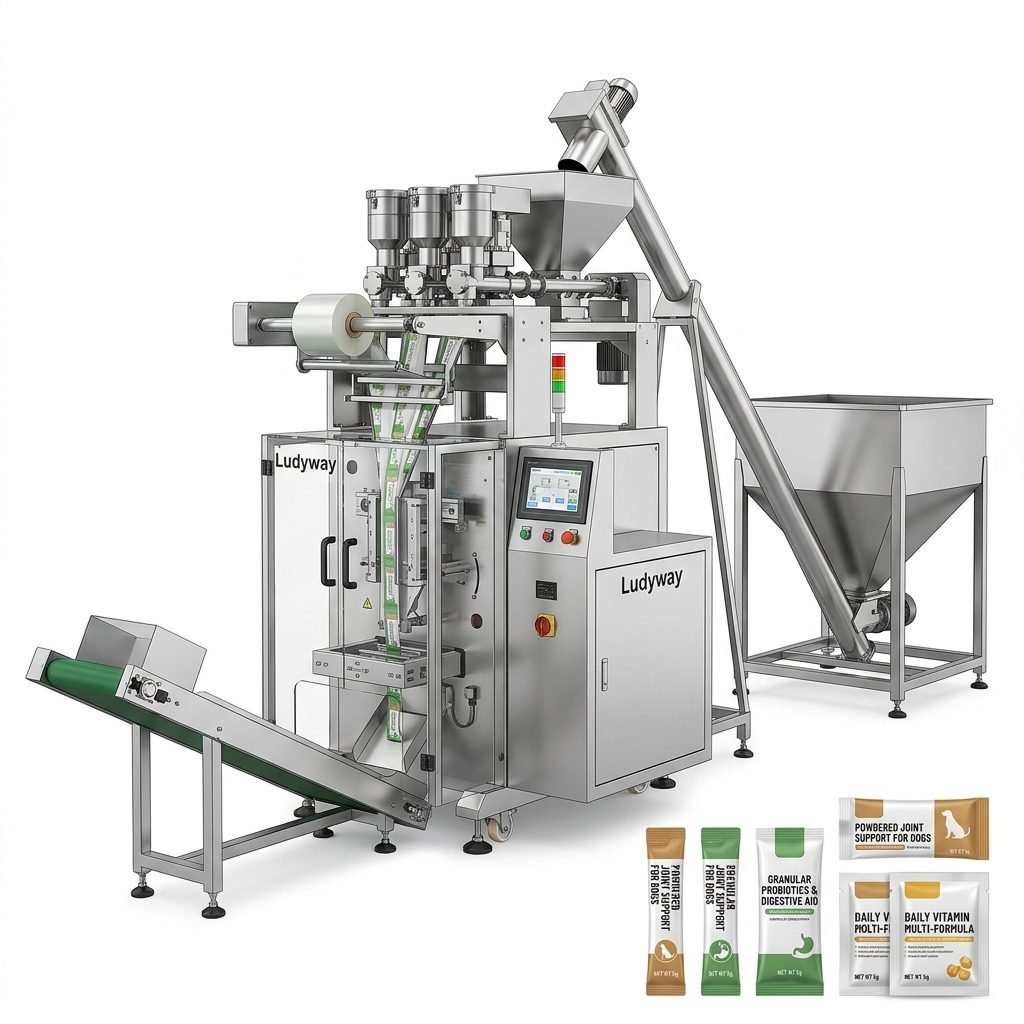
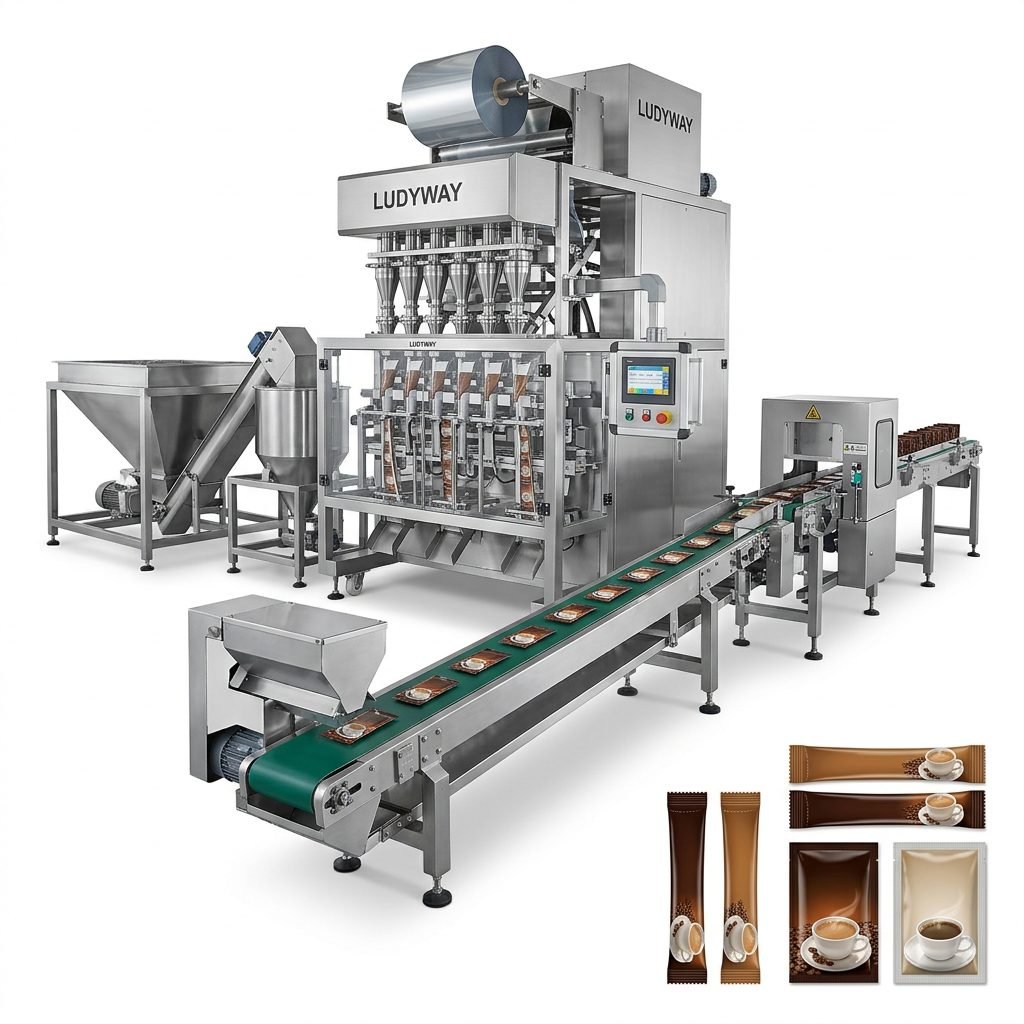
In the fast-paced world of manufacturing, efficiency, reliability, and product integrity are paramount. Duplex packaging equipment has emerged as a critical solution for producers seeking to maximize output while maintaining high standards of quality and presentation. This specialized machinery automates the process of creating dual-compartment packages, allowing for the simultaneous or sequential filling of two different products or product forms into a single, convenient unit. From pharmaceuticals and nutraceuticals to food ingredients and chemical samples, duplex packaging offers unparalleled versatility.
Understanding Duplex Packaging Systems
At its core, duplex packaging refers to the technology and machinery used to produce packages with two separate chambers. These chambers can be filled with different materials—such as a powder and a liquid, two different powders, or a solid and a granule—that are kept isolated until the point of use by the end consumer. This capability is invaluable for products requiring component separation for stability, efficacy, or controlled mixing.
Key Advantages of Duplex Packaging
- Product Integrity: Prevents premature interaction between reactive or incompatible components, extending shelf life and ensuring product performance.
- Consumer Convenience: Provides an all-in-one, easy-to-use solution, enhancing user experience and product appeal.
- Production Efficiency: Automates a complex packaging task that would be slow, inconsistent, and costly if done manually.
- Reduced Waste: Offers precise, controlled dosing of each component, minimizing product giveaway and packaging material waste.
Primary Types of Duplex Packaging Equipment
The market offers various configurations of duplex machines, each suited to specific production volumes, product types, and packaging formats. Choosing the right type is the first step toward an optimized packaging line.
1. Vertical Form-Fill-Seal (VFFS) Duplex Machines
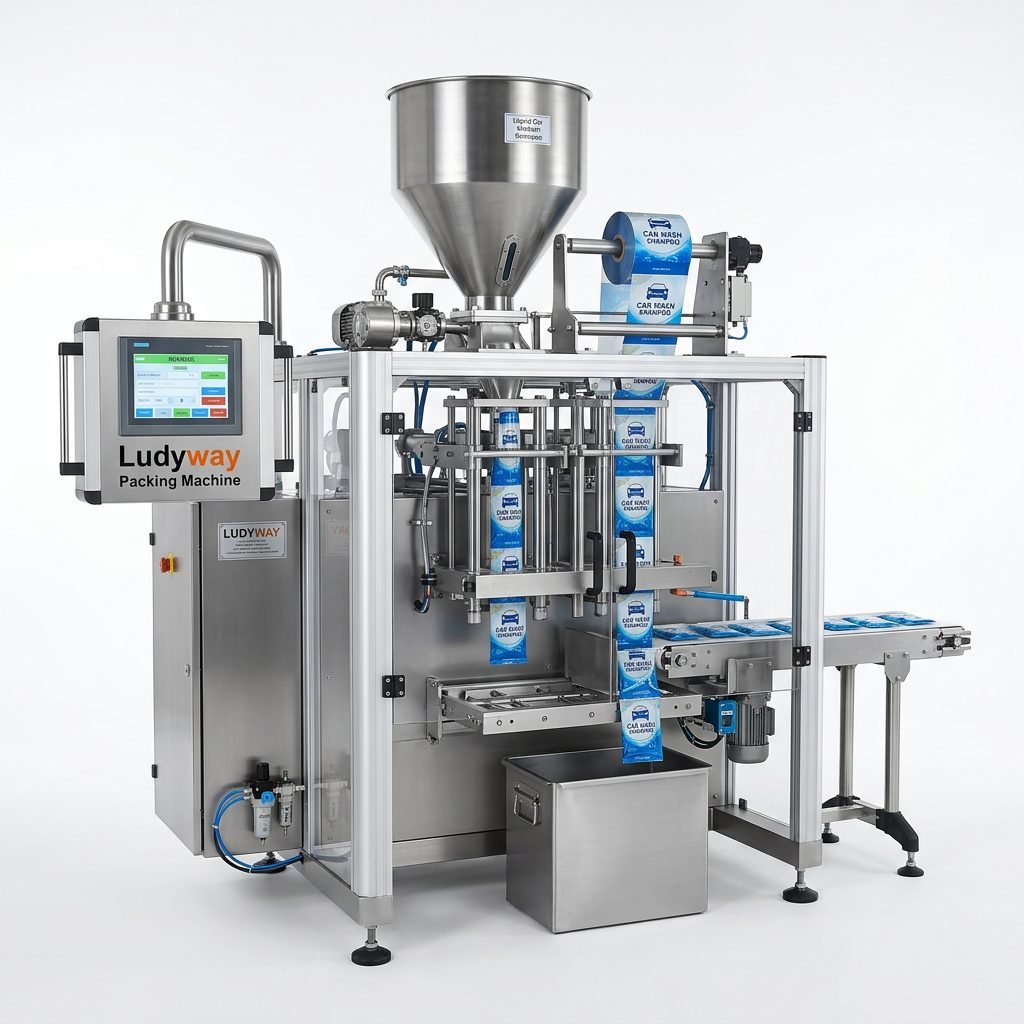
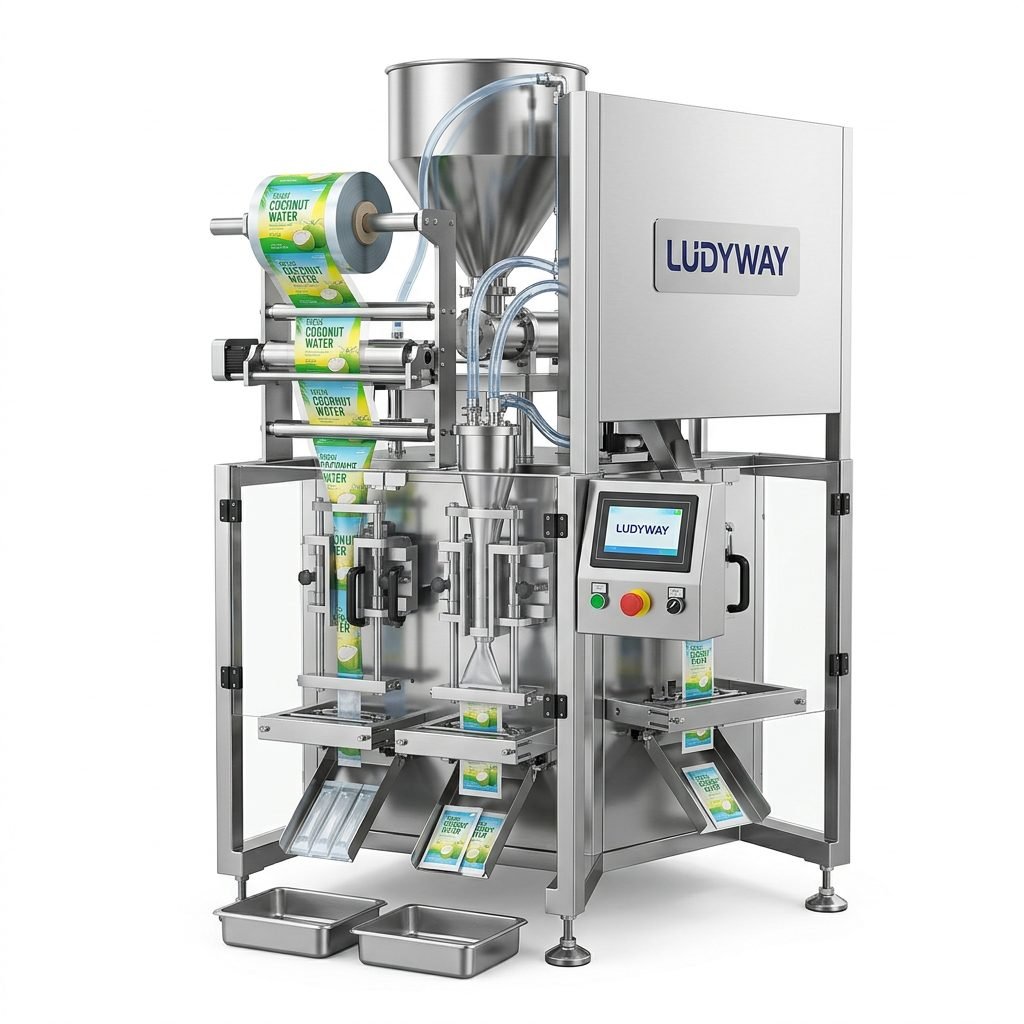
These are among the most common and versatile systems. They form packaging pouches from a roll of film, fill the two separate chambers, and then seal them in a continuous vertical process. Ideal for granules, powders, and small solids, VFFS machines are praised for their high speed and compact footprint. They can produce various pouch styles, including sachets and stick packs with dual compartments.
2. Horizontal Form-Fill-Seal (HFFS) Duplex Machines
HFFS machines are typically used for more complex pouch shapes and larger product volumes. The film travels horizontally, and the machine often incorporates precise multi-head weighers or liquid fillers for each chamber. This type is excellent for premium food products, medical kits, or larger chemical doses where presentation and precise filling are critical.
3. Stick Pack Duplex Machines
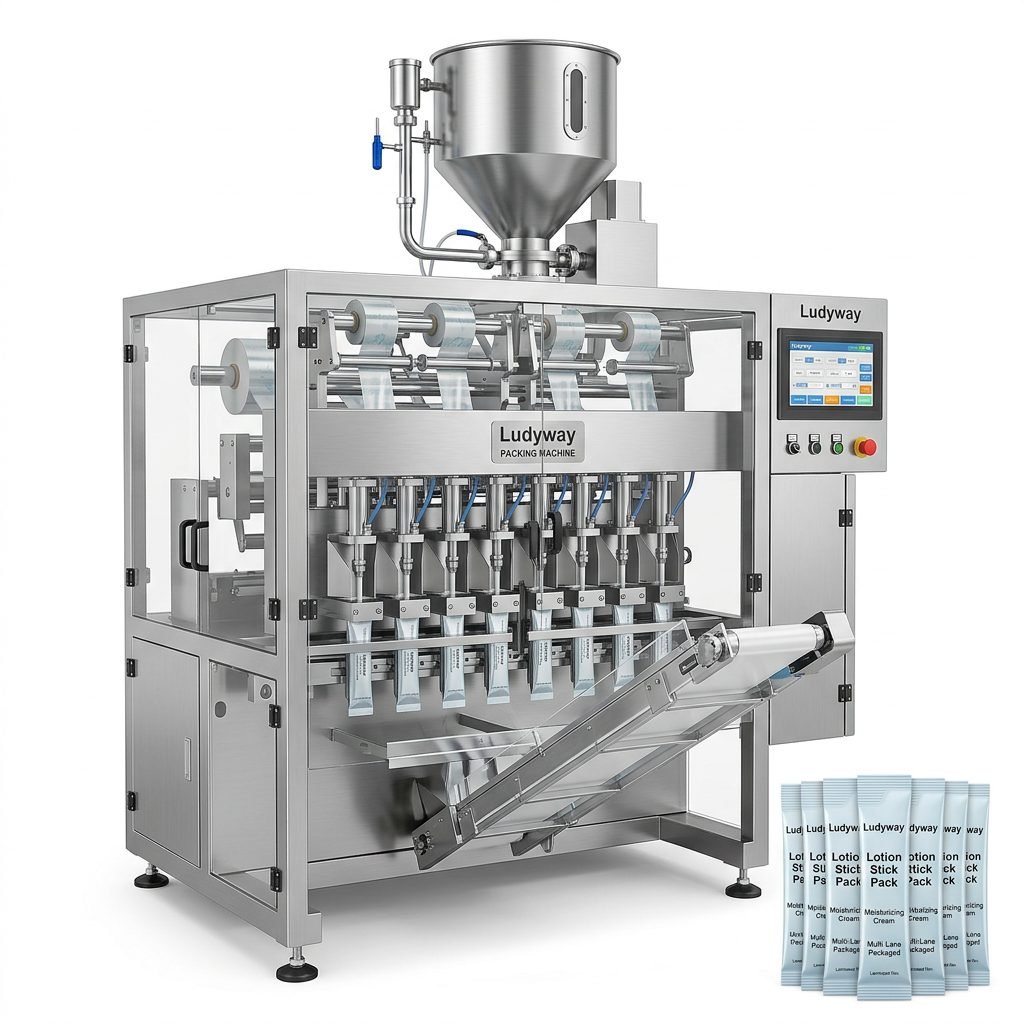
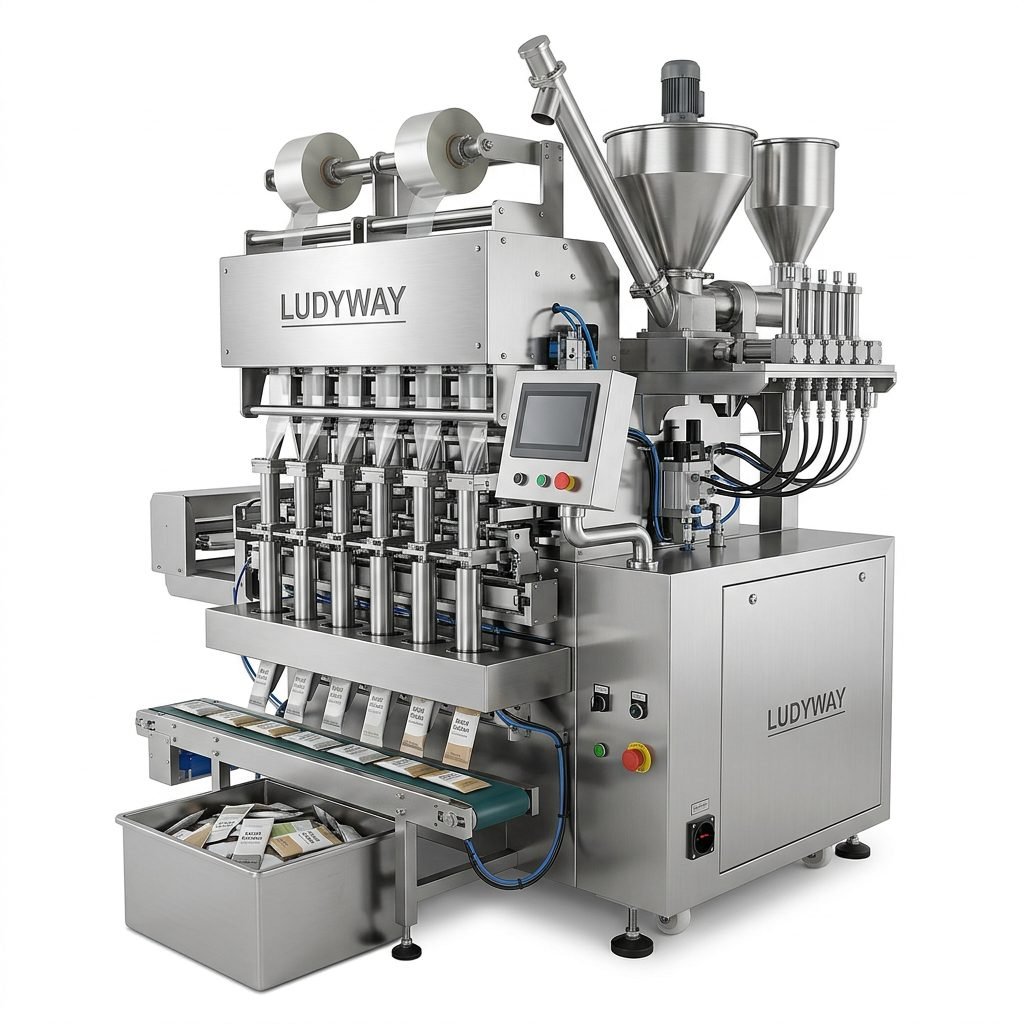
A specialized subset, these machines are dedicated to producing long, narrow “stick” packs with two distinct compartments side-by-side or in a stacked configuration. They are extremely popular in the food & beverage (e.g., instant coffee with creamer), pharmaceutical, and dietary supplement industries due to their portability and high-speed capabilities. For a deep dive into this format, explore our guide on multi-lane stick pack packaging systems.
4. Sachet Duplex Machines
Similar to stick pack machines but for wider, rectangular pouches. Duplex sachet machines are perfect for shampoos & conditioners, ointments, or sauce mixes where two components need to be combined. They offer excellent flexibility in pouch size and material.
🔍 Technical Spotlight: The Filling Mechanism
The heart of any duplex system is its filling technology. Common setups include:
- Twin Auger Fillers: Use two separate rotating screws for precise volumetric filling of powders and granules.
- Dual Pump Liquid Fillers: Employ piston or peristaltic pumps to meter and dispense two different liquids or pastes.
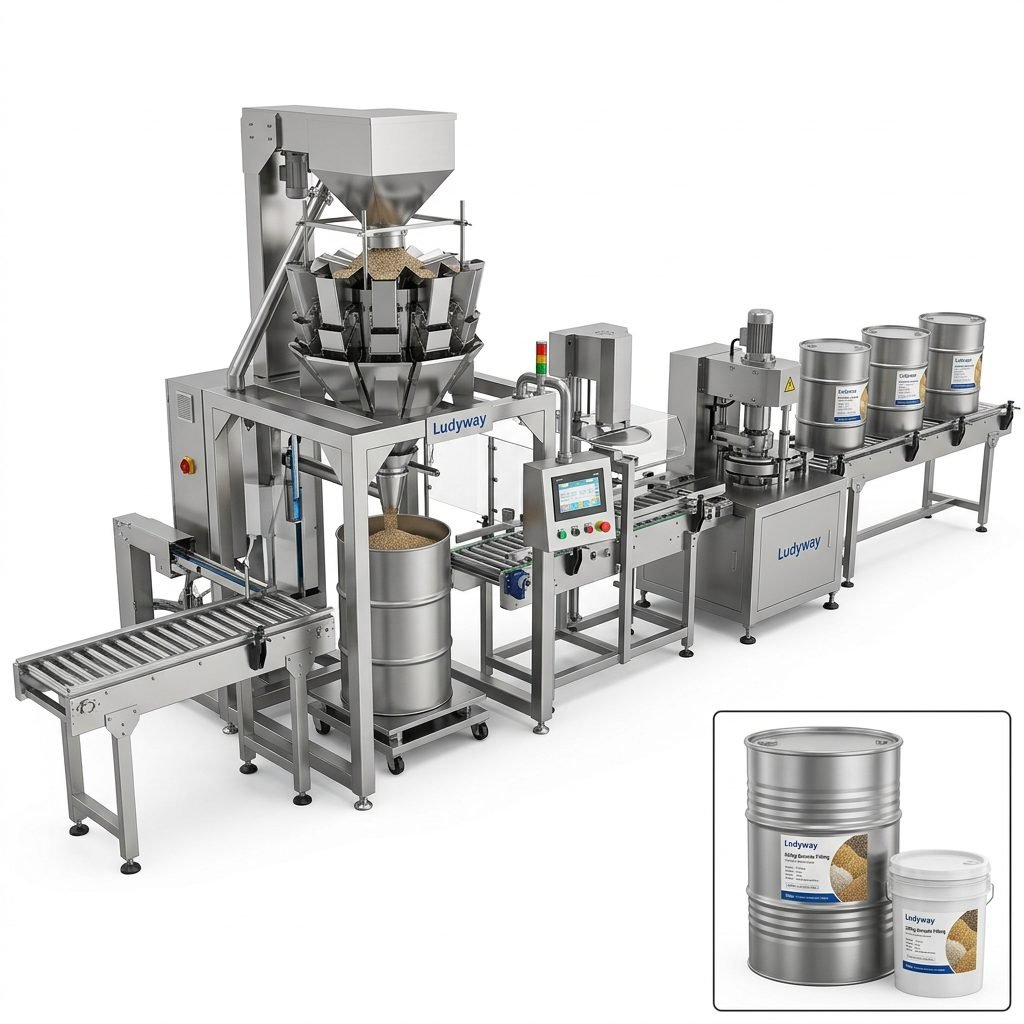
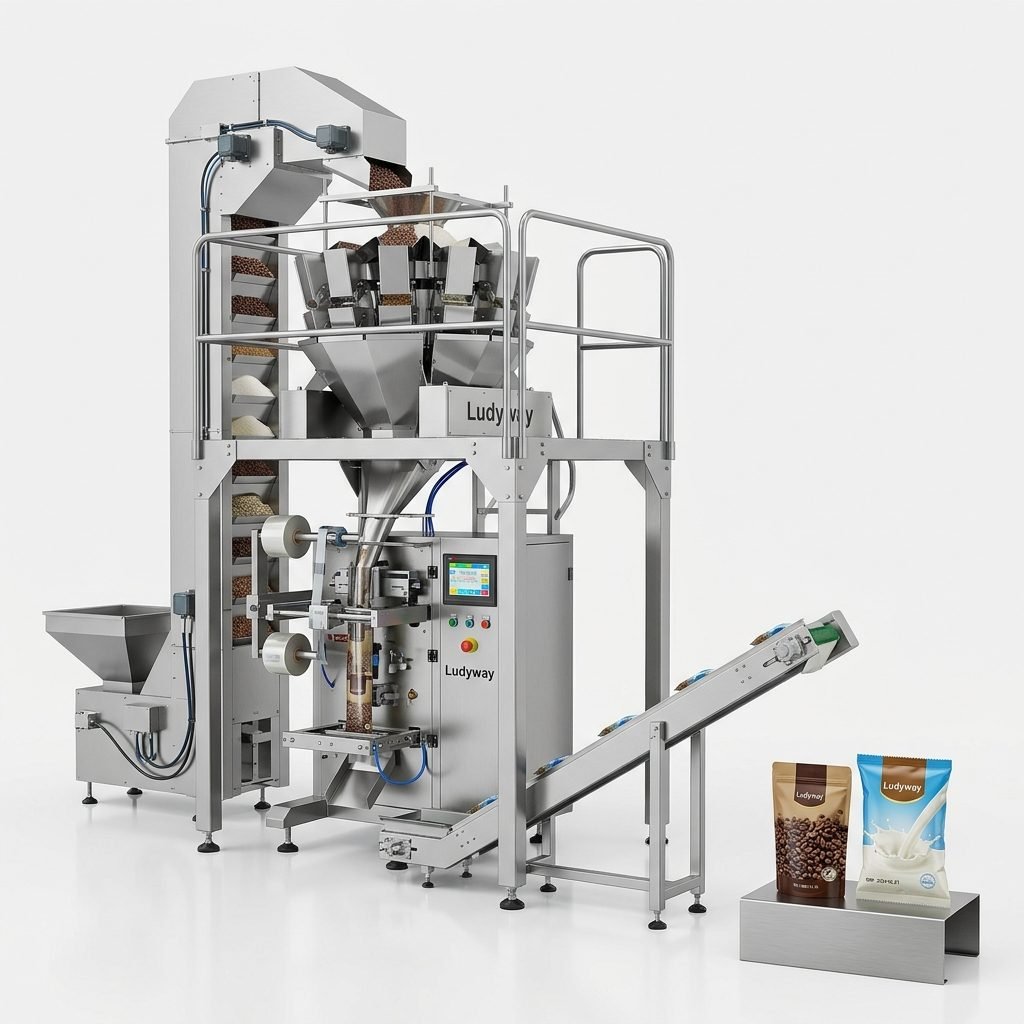
- Combination Weigher & Liquid Filler: Integrates a multi-head weigher for solid components with a pump system for liquids, offering utmost accuracy for hybrid products.
The choice depends entirely on your product’s physical characteristics and required fill accuracy.
How Duplex Packaging Equipment Works: Core Principles
The operation of a duplex packer, while complex in engineering, follows a logical and automated sequence. Understanding this workflow helps in troubleshooting and optimizing the production process.
Step 1: Film Feeding & Forming
A roll of laminated packaging film (designed with barriers for moisture, oxygen, or light) is fed into the machine. The film is precisely guided and formed around a shaping tube (in VFFS) or over a forming collar (in HFFS) to create the basic pouch shape. For duplex packs, the forming process is designed to create the partition that will separate the two chambers.
Step 2: Longitudinal Sealing & Chamber Creation
The film is sealed along its vertical edge to form a tube. Critically, an internal seal is created simultaneously to form the dividing wall between the two future compartments. This is a key technological differentiator for duplex machines.
Step 3: Simultaneous or Sequential Filling
The two filling systems, positioned above their respective chambers, dispense the products. This can happen simultaneously for speed or sequentially if one product requires settling before the other is added. Precision here is non-negotiable to prevent cross-contamination and ensure correct dosage. Learn more about precision in our resource on granule and powder packaging solutions.
Step 4: Top Sealing & Cutting
After filling, the top of the pouch is sealed, often with a gas flush for sensitive products. The continuous tube of packages is then cut into individual duplex pouches by a hot knife or rotary cutter, resulting in clean, finished seals on all sides of each unit.
Choosing the Right Duplex System for Your Production Line
Selecting a duplex packaging machine is a significant investment. A methodical evaluation based on your specific needs will ensure a successful integration and strong return on investment.
1. Analyze Your Product Characteristics
This is the most critical factor. Define the physical state (powder, granule, liquid, paste), flowability, hygroscopicity, and particle size of both components. Abrasive or corrosive products may require specific contact parts made of stainless steel or specialized coatings. The machine’s filling technology must be matched precisely to these properties.
2. Define Output Requirements (Speed & Volume)
Calculate your required production speed in packs per minute (PPM). Duplex machines range from modest speeds for niche products to high-speed lines exceeding 400 PPM. Be realistic about your current needs and future growth. Over-specifying can lead to unnecessary cost, while under-specifying creates a bottleneck. For high-volume needs, investigate intelligent packaging machine models designed for continuous operation.
3. Consider Packaging Materials & Format
What type of film will you use? The machine must be compatible with your chosen material’s thickness, coating, and sealing properties. Also, finalize the pouch dimensions, shape (stick pack, sachet, pillow pouch), and any special features like tear notches or hang holes.
4. Evaluate Integration & Automation Needs
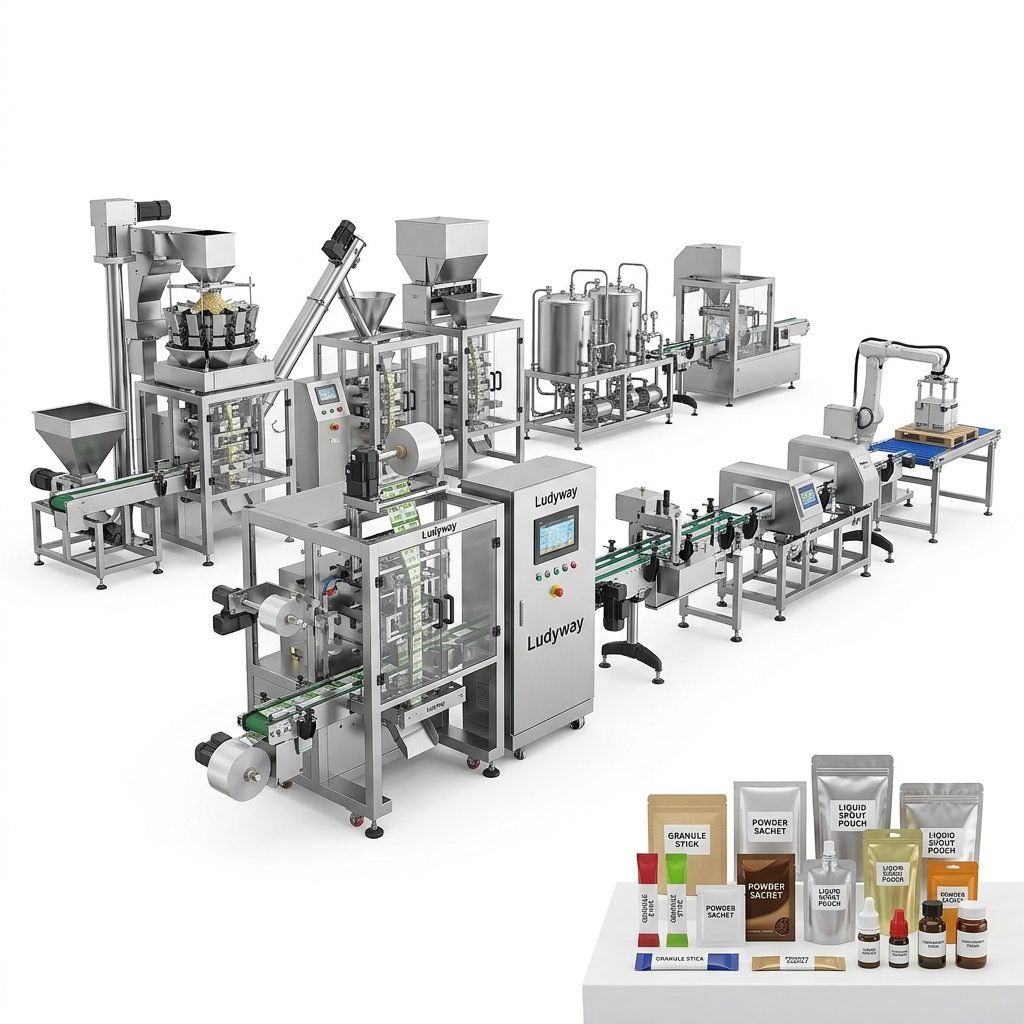
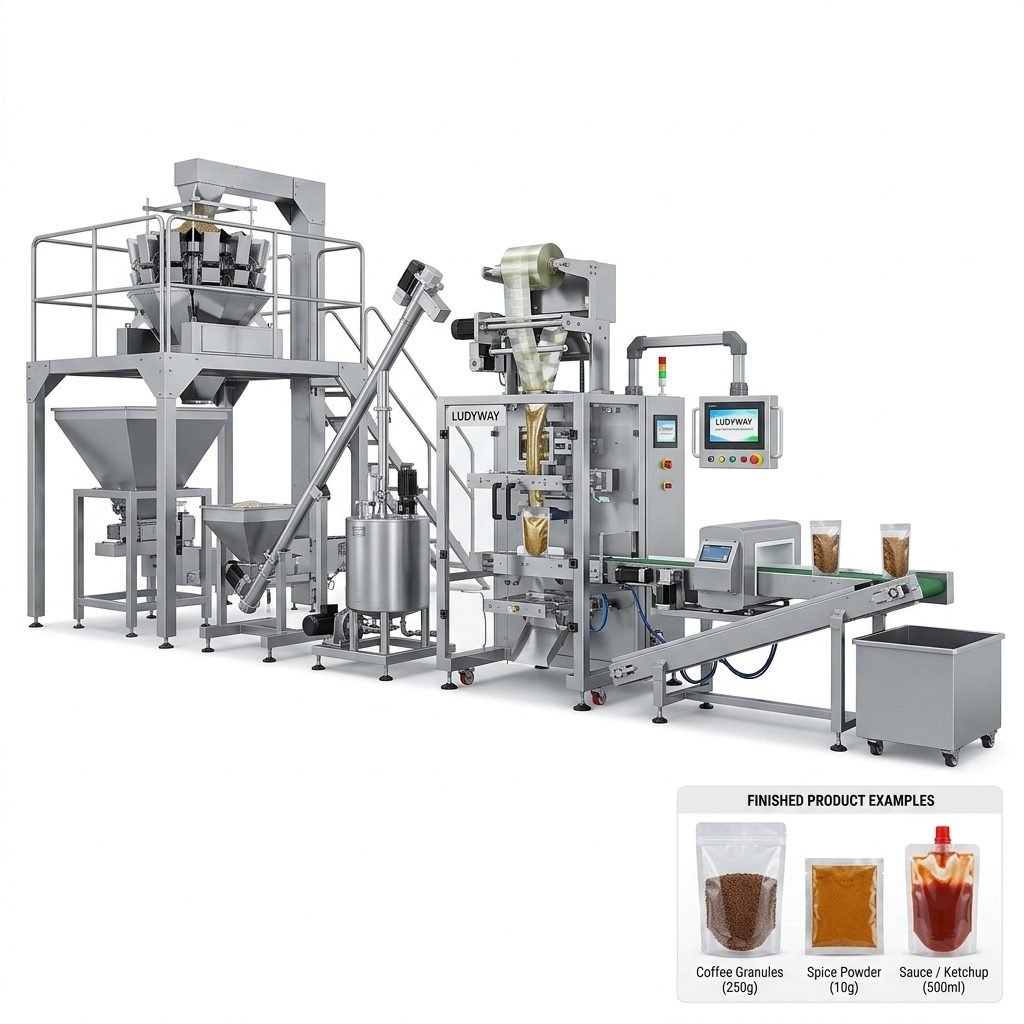
Will the duplex machine be a standalone unit or integrated into a full turnkey production line with upstream feeders, mixers, and downstream cartoning or case packing? Ensure the machine has the correct communication interfaces (PLC, HMI) and physical layout for seamless integration. Automation level, from semi-automatic to fully robotic handling, directly impacts labor costs and consistency.
5. Prioritize Hygiene, Safety, and Compliance
For food, pharmaceutical, or medical products, the machine construction must meet stringent hygiene standards (e.g., easy-clean design, USDA, FDA, cGMP). Safety guards, interlocks, and dust extraction points are essential for operator protection and product safety.
6. Assess Supplier Expertise and Support
The machine is only as good as the company behind it. Choose a supplier with proven experience in duplex technology and your specific industry. Evaluate their technical support, spare parts availability, training programs, and warranty. A reliable partner like Ludyway Machinery, with decades of industry experience, can provide not just equipment but a complete, reliable solution tailored to global production needs, ensuring long-term operational success.
✅ Final Selection Checklist
- ✔ Filling accuracy and speed match product specs.
- ✔ Machine is constructed from appropriate, compliant materials.
- ✔ Changeover between pouch sizes or products is relatively quick and tool-less.
- ✔ The control system is user-friendly and allows for recipe storage.
- ✔ The supplier offers comprehensive installation, training, and after-sales service.
Frequently Asked Questions (FAQs)
Q1: Can one duplex machine handle both powders and liquids?
A: Yes, many duplex systems are hybrid machines designed with, for example, an auger filler for powders in one chamber and a piston pump filler for liquids in the other. The key is to specify this requirement clearly to the equipment manufacturer during the selection process.
Q2: How difficult is it to change over the machine for a different pouch size?
A: Changeover complexity varies by machine design. Modern, high-end duplex packers often feature quick-change systems for forming tubes, fill heads, and sealing jaws, minimizing downtime. Semi-automatic machines may require more manual adjustment. Always request a changeover demonstration during factory acceptance tests.
Q3: What is the typical maintenance required for a duplex packaging system?
A: Regular maintenance includes daily cleaning (especially for food/pharma products), lubrication of moving parts as per the manual, inspection and replacement of wear items like sealing jaws, cutting blades, and gaskets on fillers. A proactive maintenance schedule based on the manufacturer’s guidelines is crucial for longevity and consistent performance.
Q4: Are duplex machines suitable for small-batch or R&D production?
A: While primarily designed for medium to high-volume production, some suppliers offer smaller, more flexible duplex models or can provide laboratory-scale equipment for R&D, sample production, and small-batch runs. It’s important to discuss your volume requirements with the supplier to find a suitable solution.
Q5: How does duplex packaging impact overall packaging line efficiency?
A: When correctly integrated, a duplex machine significantly boosts line efficiency by performing a dual-filling operation in a single pass. It eliminates the need for two separate filling stations and subsequent manual combining of components, reducing labor, floor space, and potential errors, thereby increasing overall line throughput and profitability.